Hidden Gems in Global Luxury Travel Spots
Everyone knows about the Maldives and Bora Bora. Travel magazines never shut up about Santorini or the Amalfi Coast.
Those places are beautiful, but they’re also packed with tourists doing the exact same Instagram poses in the exact same locations. Real luxury travel means going where other people haven’t figured out yet.
Places with incredible hotels, pristine beaches, or stunning landscapes that somehow stayed off the mainstream radar. These spots exist all over the world, waiting for travelers who want something different from the usual luxury destination checklist.
Aman Sveti Stefan, Montenegro
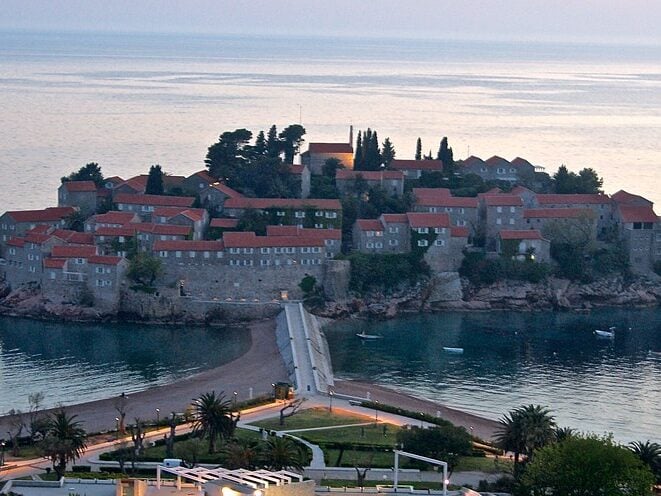
A fortified island village from the 15th century was converted into a luxury resort. The entire island is now an Aman property, connected to the mainland by a narrow causeway.
Red-roofed buildings cluster together on pink stone streets, surrounded by Adriatic waters. Montenegro doesn’t get the attention that Croatia receives, even though the coastline rivals anything in the Mediterranean.
Sveti Stefan sits on a coastline of pebble beaches and clear water, with mountains rising behind. The resort maintains the village’s original architecture while adding the amenities people expect from Aman properties.
You get an entire island village to explore, with beaches accessible only to resort guests. The mainland side includes additional villas and a beach club.
The combination of history, architecture, and location creates something you won’t find at typical beach resorts.
Song Saa Private Island, Cambodia
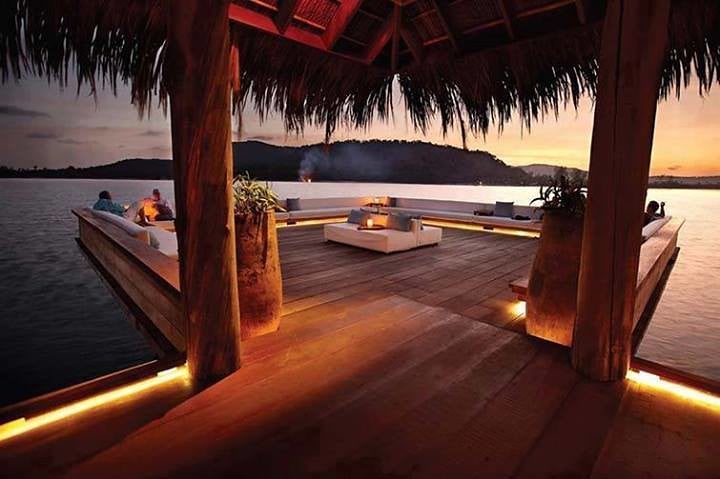
Two small islands in the Gulf of Thailand got turned into a luxury resort with 27 villas. Song Saa means “the sweethearts” in Khmer, referring to the two islands connected by a wooden bridge.
Cambodia’s coastline remains relatively undeveloped compared to Thailand next door. The water stays clear, the beaches stay empty, and the rainforest comes right down to the sand. Song Saa built the resort with sustainability in mind, creating a marine reserve around the islands and running extensive conservation programs. Each villa comes with an ocean view and direct beach access.
The overwater villas sit above the marine reserve, giving you a front-row view of tropical fish and coral. You’re close enough to the mainland for day trips but far enough away to feel completely isolated.
Belmond La Residencia, Mallorca
Mallorca gets tourists, but they mostly stay in Palma or the beach towns on the southeast coast. The northwest part of the island, where the Tramuntana mountains meet the sea, stays quieter.
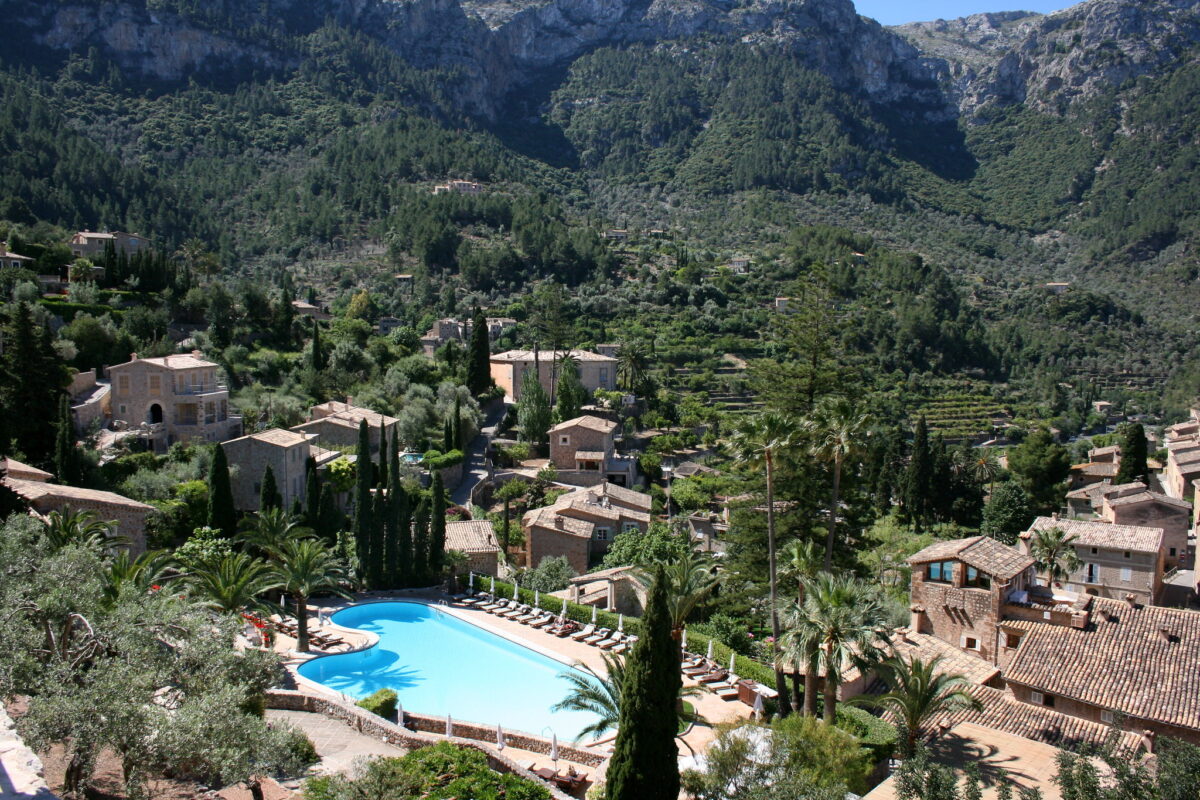
La Residencia sits in the mountain village of Deià, surrounded by olive groves and citrus trees. The hotel occupies two 16th-century manor houses connected by gardens.
Stone buildings with terracotta roofs, terraced hillsides, and views over the Mediterranean define the aesthetic. The village of Deià has been attracting artists and writers for decades, giving it a creative atmosphere that most resort towns lack.
You can hike in the mountains, visit secluded coves, or just sit in the hotel’s gardens and read. The property feels more like a private estate than a hotel, with intimate spaces and a relaxed vibe that encourages long stays.
Nihi Sumba, Indonesia
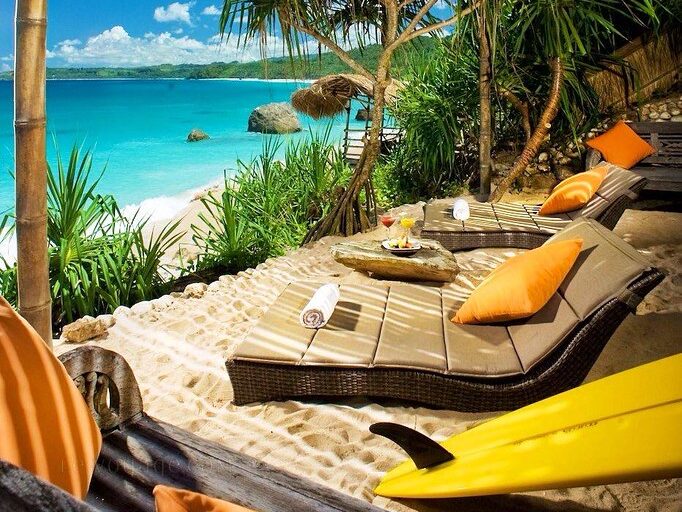
Sumba Island sits east of Bali, separated by enough distance and difficulty of access to keep the crowds away. Nihi Sumba started as a surf camp and evolved into one of the most acclaimed luxury resorts in the world.
The resort sprawls across a long stretch of coastline with private beaches, rice paddies, and traditional villages. Villas are built with local materials and traditional techniques, blending into the landscape.
The island has world-class surf breaks, waterfalls, and indigenous Marapu culture that predates Indonesia’s major religions. Nihi Sumba operates more like a private retreat than a conventional resort.
Staff-to-guest ratios are high, activities are customized, and the property maintains close relationships with local villages. You can surf empty breaks, ride horses on the beach, or explore villages that feel genuinely unchanged by tourism.
Fogo Island Inn, Canada
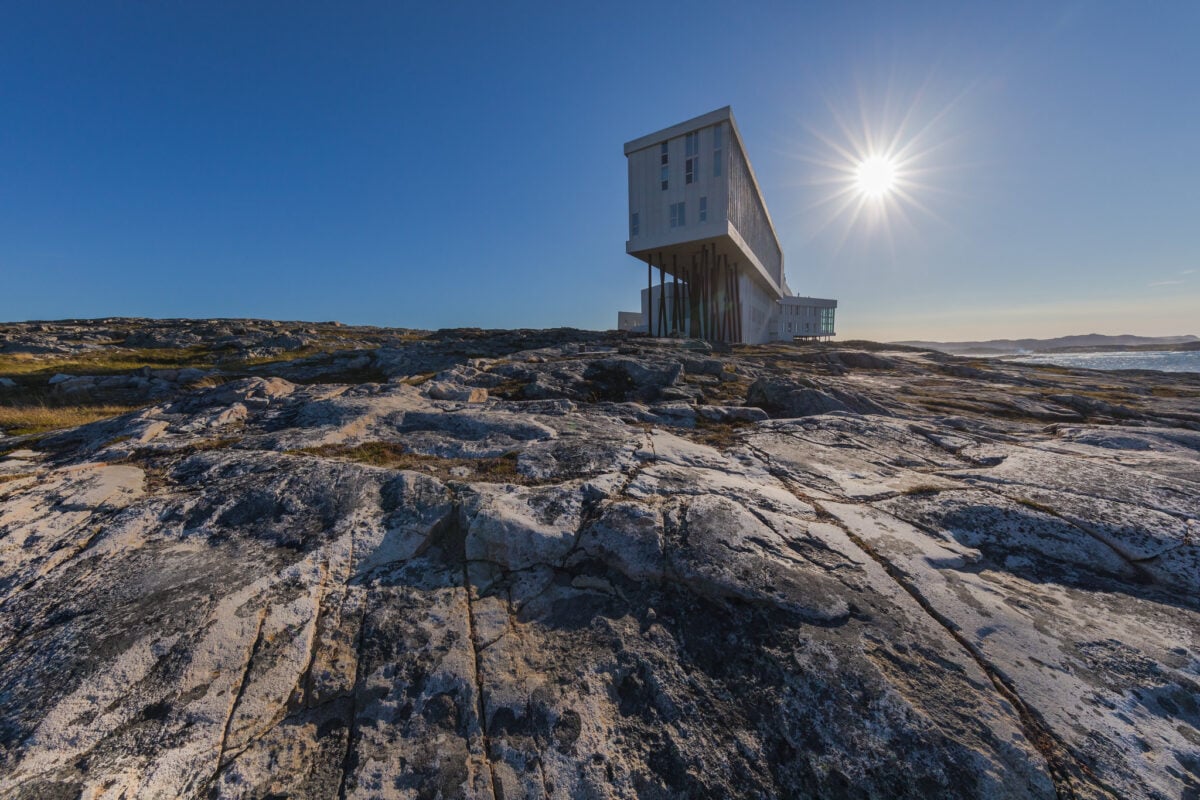
An island off the coast of Newfoundland seems like an unlikely location for a luxury hotel. Cold, remote, and historically dependent on cod fishing, Fogo Island wasn’t on anyone’s travel list.
Then architect Todd Saunders designed a striking contemporary building that sits on stilts above the rocky coastline. The inn looks like a piece of modern sculpture dropped into a landscape of fishing villages and icebergs.
Floor-to-ceiling windows frame views of the North Atlantic. The interiors mix contemporary design with traditional crafts made by island residents.
The experience centers on the landscape and local culture rather than typical luxury amenities. You watch icebergs drift past, hike coastal trails, and eat meals prepared with ingredients from the island.
The inn operates as a social enterprise, with profits supporting the local community.
Singita Pamushana, Zimbabwe
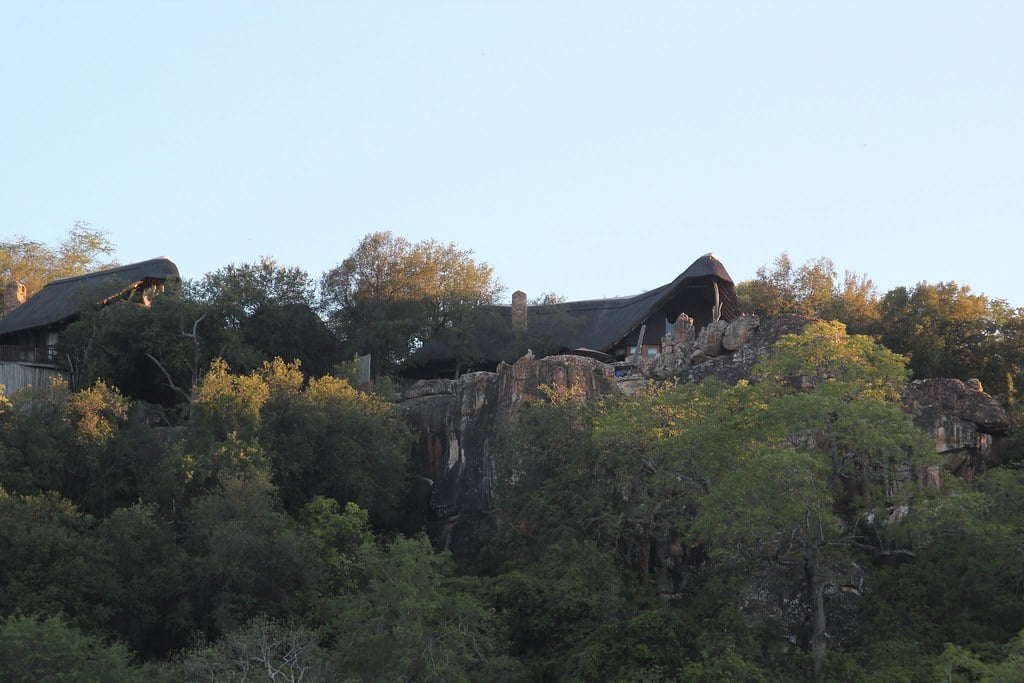
Zimbabwe doesn’t top most safari destination lists. Political instability and economic problems kept tourists away for years.
But the wildlife never left, and luxury lodges like Singita Pamushana offer safari experiences without the crowds found in Kenya or Tanzania. Pamushana sits on 130,000 acres in the Malilangwe Wildlife Reserve in southeastern Zimbabwe.
The reserve has the Big Five, plus cheetah, wild dogs, and over 400 bird species. The lodge itself perches on a hill overlooking a dam, with suites featuring private pools and expansive decks.
Game drives encounter fewer vehicles than popular Kenyan or South African parks. The reserve invests heavily in conservation and anti-poaching efforts, maintaining healthy wildlife populations.
You get exceptional safari experiences with a fraction of the tourist traffic.
Capella Ubud, Bali
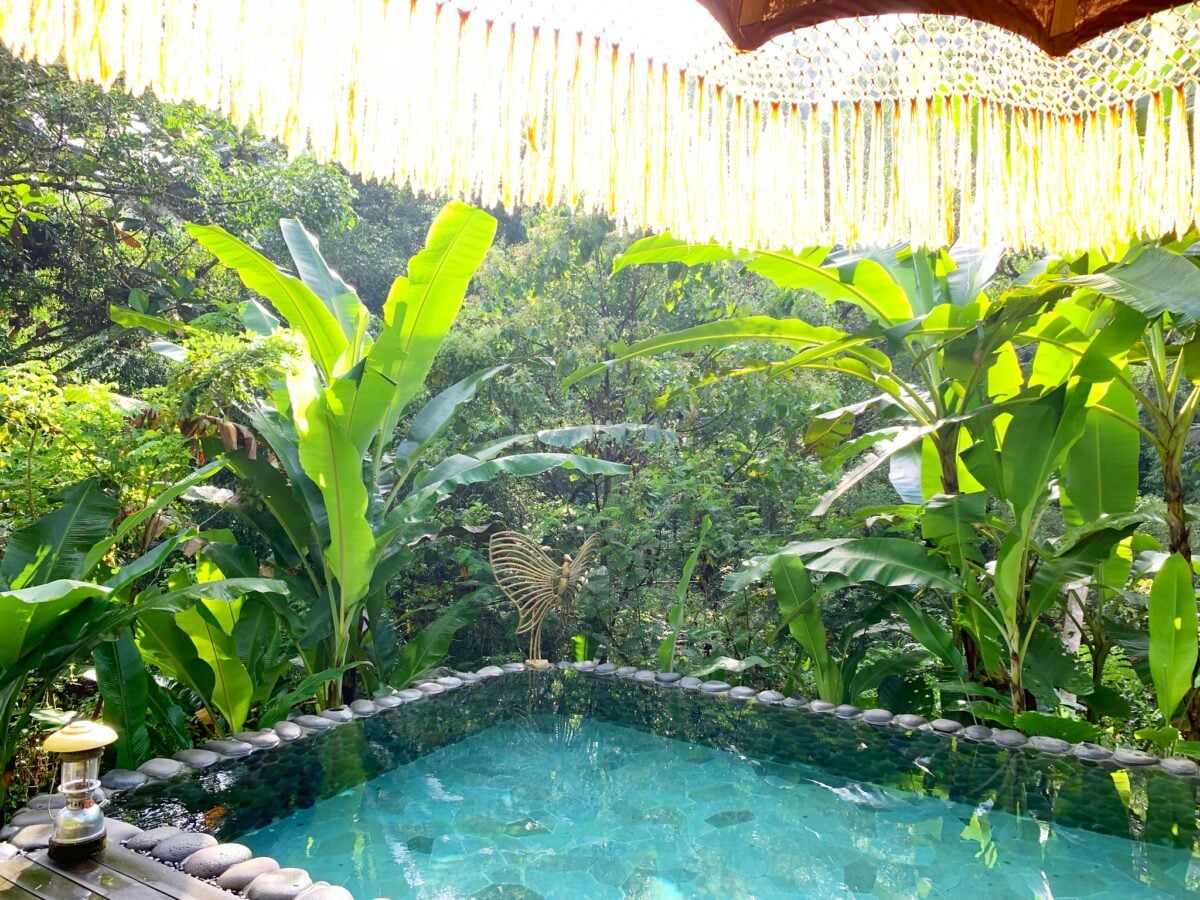
Ubud attracts plenty of tourists, but most stay in the town center or the immediate surrounding area. Capella Ubud sits in a quieter part of the valley, designed to resemble a settlement of traditional tented camps used by Dutch explorers in the 1800s.
The “tents” are actually permanent structures with canvas roofs, teak floors, and copper tubs. They scatter across a hillside overlooking the rainforest and rice terraces.
Each tent has a private saltwater pool and outdoor shower. The property feels completely removed from the busy parts of Ubud despite being only a short drive away.
You’re surrounded by jungle, with temple ceremonies and gamelan music drifting up from nearby villages. The design evokes adventure while providing complete luxury.
Amangiri, Utah
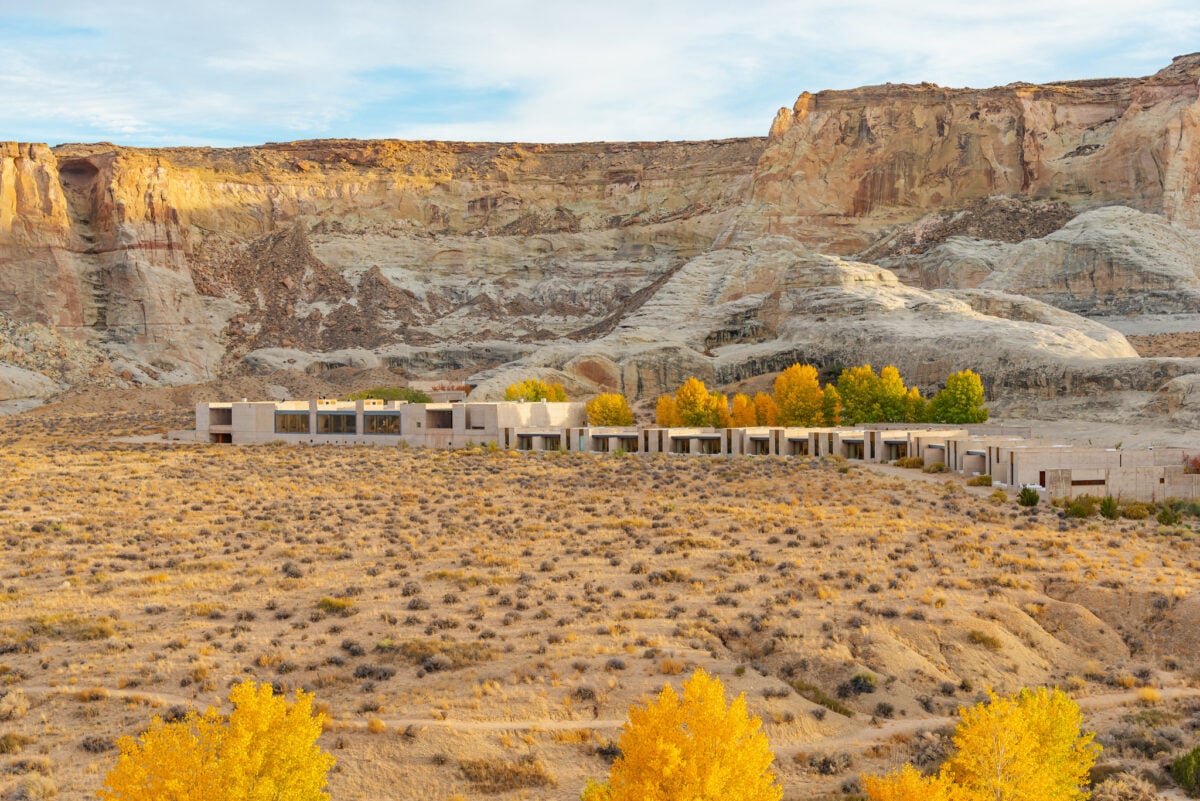
The American Southwest has plenty of luxury resorts, but most cluster around Sedona or Santa Fe. Amangiri sits in southern Utah near the Arizona border, surrounded by mesas, canyons, and rock formations that look like another planet.
The resort was carved into a canyon with views of the Grand Staircase-Escalante National Monument. The architecture uses concrete, steel, and glass to create clean lines that complement the desert landscape.
A swimming pool wraps around a natural rock outcropping, creating the property’s signature image. You’re hours from any major city, surrounded by landscapes that shift from pink to orange to red depending on the time of day.
Slot canyons, ancient rock art, and complete silence define the experience. It’s desert luxury without the golf courses or shopping that usually come with it.
The Brando, French Polynesia
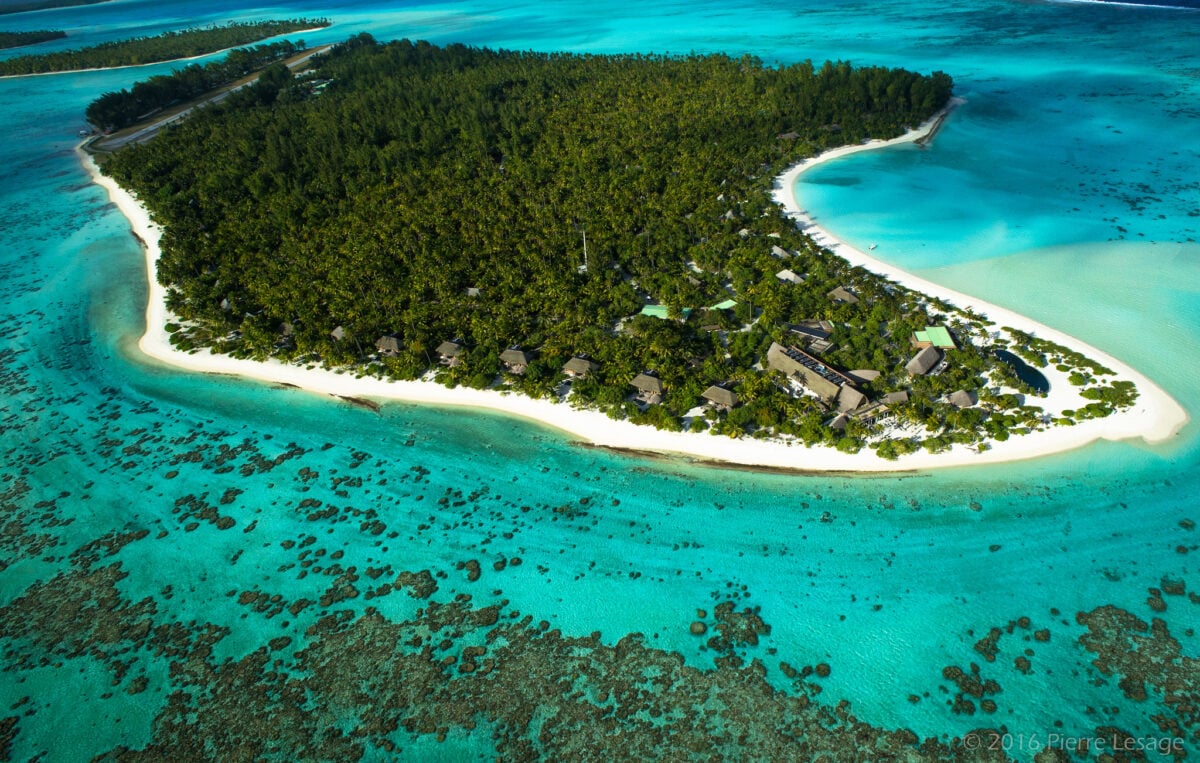
French Polynesia means Bora Bora to most travelers. The Brando sits on Tetiaroa, a private atoll that Marlon Brando bought in the 1960s.
The island is 30 miles from Tahiti but feels much more remote. The resort has 35 villas scattered along the beaches of a tiny island within the atoll.
Each villa has a private beach area and a plunge pool. The property runs entirely on renewable energy, using solar power and coconut oil biofuel.
The isolation is complete. You fly in on a small plane, and then you’re on an atoll with white sand beaches, coconut palms, and almost nothing else.
The lagoon is protected, keeping the water calm and clear. You can snorkel from your villa and see more fish than people.
Tierra Patagonia, Chile
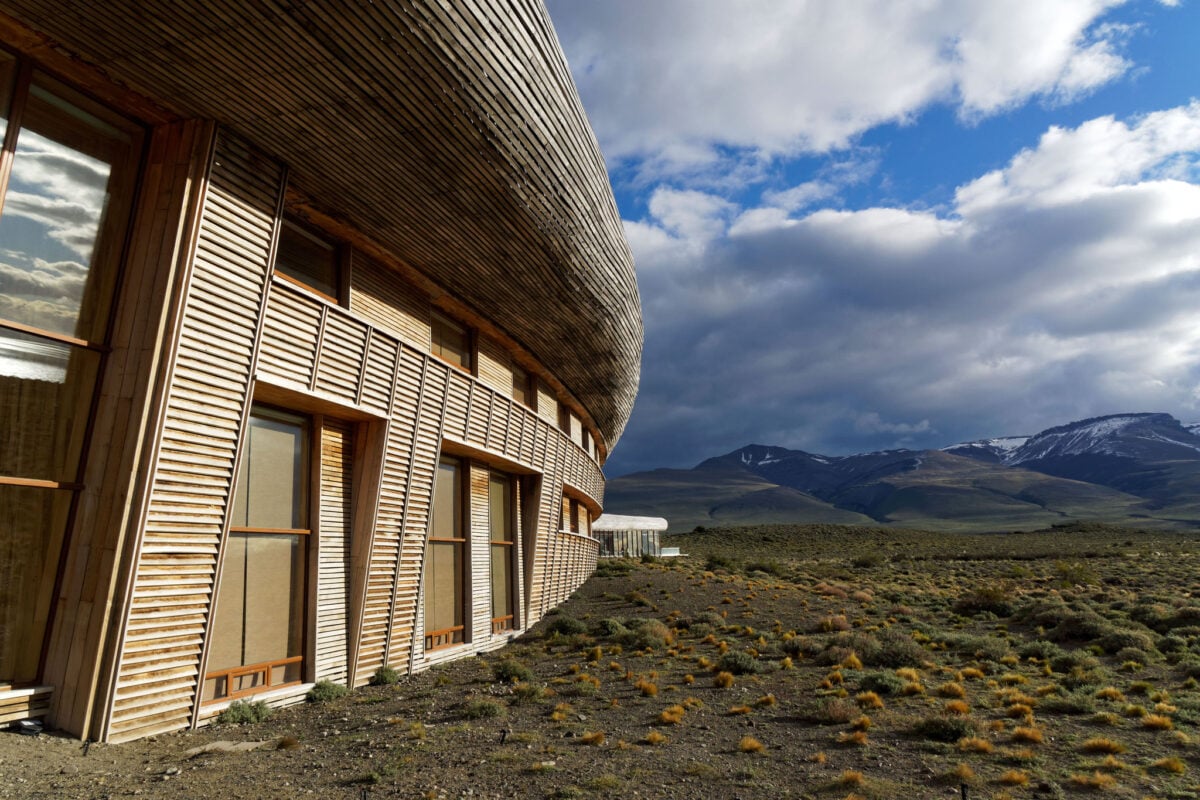
Patagonia attracts adventurous travelers, but they mostly go to El Calafate or Puerto Natales. Tierra Patagonia sits on the edge of Torres del Paine National Park in a less-visited section of Chilean Patagonia.
The hotel looks like a long wooden structure that grew out of the hillside, with windows facing the park’s mountains and glaciers. The design is contemporary but uses local materials and references traditional Patagonian architecture.
Torres del Paine gets visitors, but this area of the park sees fewer crowds. You can hike to glaciers, watch condors soar above granite peaks, and return to a hotel with heated floors and a spa.
The combination of wilderness access and luxury comfort is harder to find than you’d think.
Soneva Jani, Maldives
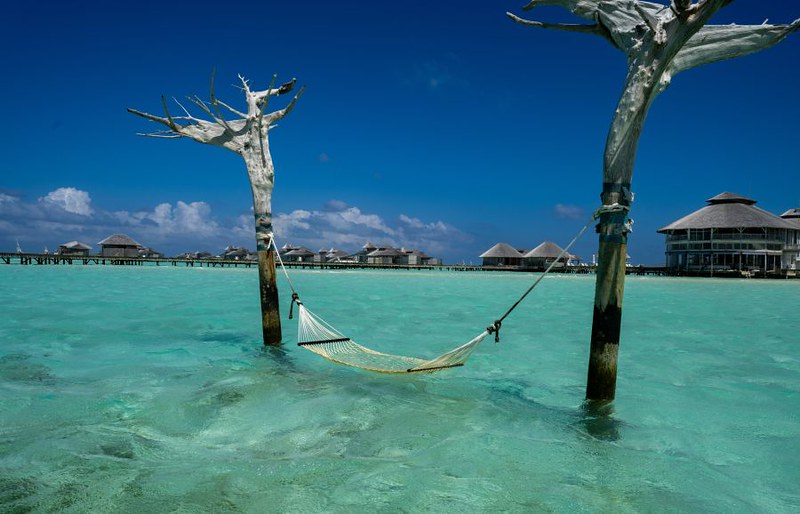
The Maldives isn’t exactly unknown, but Soneva Jani does things differently. The resort occupies islands in the Noonu Atoll, far from the more developed atolls where most resorts cluster.
The overwater villas are massive, with slides that drop from upper decks directly into the lagoon. What sets Soneva Jani apart is the retractable roofs in the bedrooms.
You can open the roof and sleep under the stars, or close it when it rains. The resort also has an overwater observatory with a telescope for stargazing.
The Noonu Atoll stays quieter than atolls closer to Malé. The water is pristine, the beaches are perfect, and you’re far enough from other resorts to feel genuinely isolated despite being in one of the world’s most popular beach destinations.
Heckfield Place, England
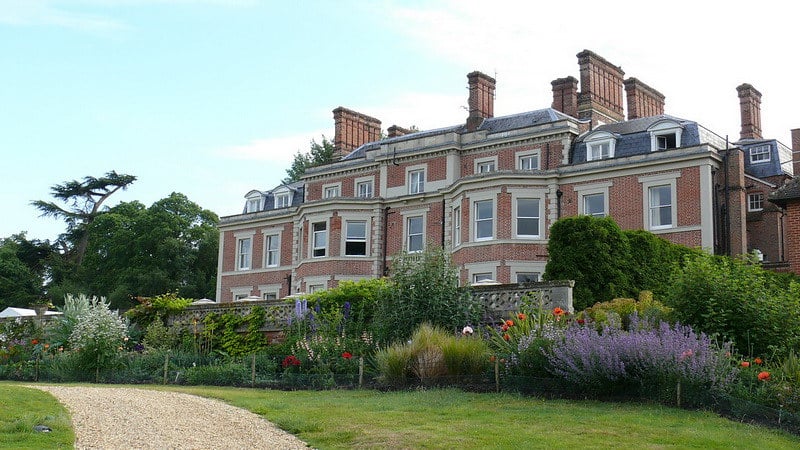
English countryside hotels usually mean manor houses filled with chintz and hunting prints. Heckfield Place is different—a Georgian mansion transformed into a contemporary hotel with organic gardens, a working farm, and a commitment to sustainability that goes beyond greenwashing.
The property sits in Hampshire between London and Bath, surrounded by 400 acres of farmland and forest. The rooms blend period features with modern design.
The restaurants serve food grown on the estate or sourced from nearby farms. England has hundreds of country house hotels, but few approach luxury hospitality with this level of environmental consciousness while maintaining genuine luxury.
The location keeps it off most international travelers’ radars, even though it’s easily accessible from London.
Amanemu, Japan
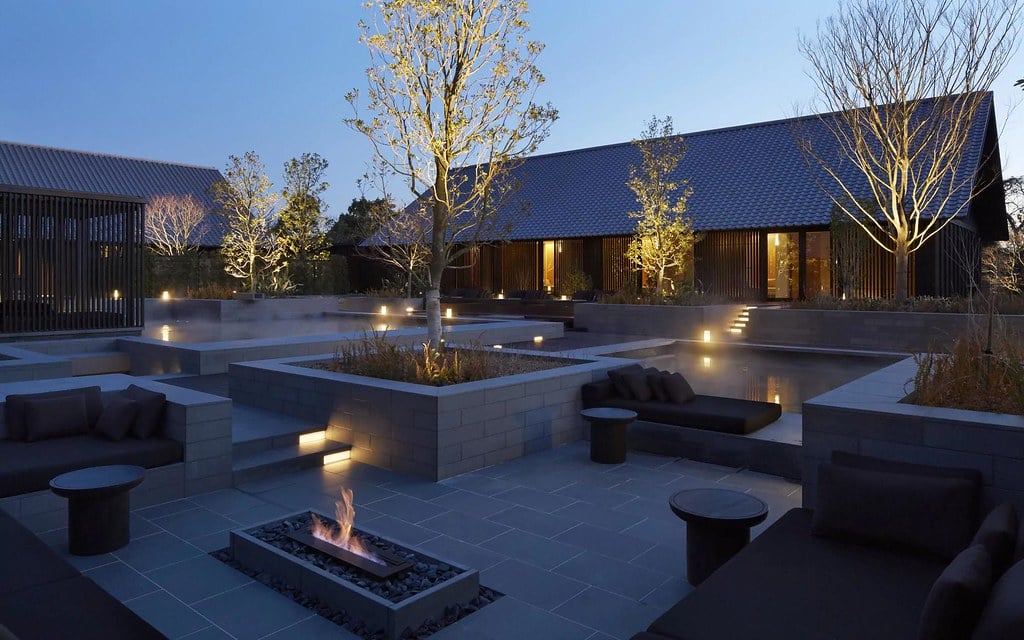
Japan has plenty of luxury hotels, but they concentrate in Tokyo, Kyoto, and a few other major cities. Amanemu sits on the Shima Peninsula in Mie Prefecture, overlooking Ago Bay and its hundreds of small islands.
The resort revolves around onsen culture, with thermal mineral springs feeding private soaking tubs in each suite and large communal baths throughout the property. The architecture references traditional Japanese design but with Aman’s minimal aesthetic.
The Shima Peninsula doesn’t attract many international tourists despite its natural beauty and proximity to ancient pilgrimage routes. You get coastal scenery, forest trails, and traditional Japanese hospitality without the crowds that fill Kyoto’s streets.
Arijiju, Kenya
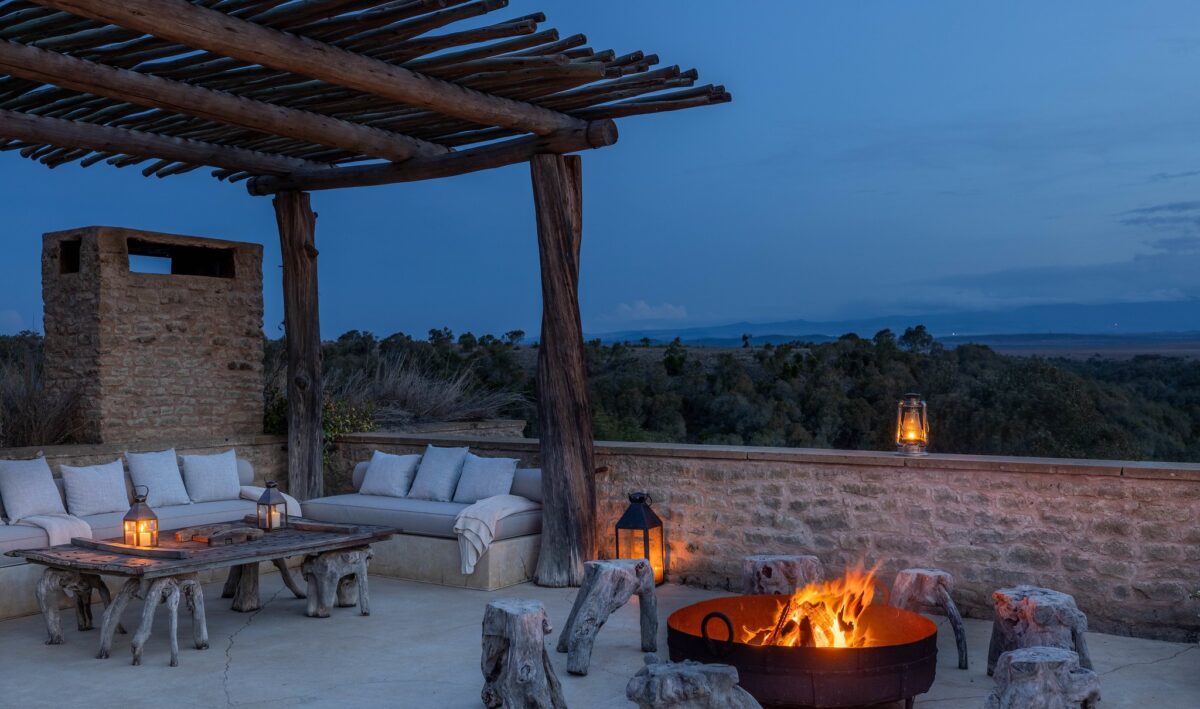
Not many know about Arijiju, tucked away in Laikipia on the Borana Conservancy. While most travelers head to Masai Mara or Amboseli for big-name safari camps, this place skips the crowd.
Ten guests fit comfortably inside its walls, living like home – only with personal staff waiting nearby. Each morning brings fresh coffee served just how you like it, thanks to team members who learn your habits fast.
Rides into wild terrain roll out at any hour, using cars reserved only for your group. Spread across 32,000 acres of untamed land, days unfold without schedules pressing hard.
Few spots blend privacy so deeply with raw nature. Perched on a rocky hill, the home opens up to full-circle sights of open land stretching toward Mount Kenya.
Built using modern ideas, it pulls together regional rock and raw textures found nearby. Game rides happen in private, just you inside the reserve, spotting rhino, elephant, lion – also less-seen animals such as Grevy’s zebra.
A stay at Arijiju means space that feels entirely your own, not shared with crowds. In Laikipia’s private conservancies, animals move freely, seen by only a few. Instead of a single room, you get a full home, set apart from the usual lodge setup.
Where Luxury Stops Performing
What ties these spots together goes deeper than stunning views or high prices. Luxury, they know, means less about showing off to fellow globetrotters or racking up passport stickers.
Some of the finest spots sit right where everyone passes by – forgotten corners, nations out of trend, or locations slightly too far off track for quick visits. These stay missed because most travelers stick to what is known.
A different path opens when someone decides fame isn’t proof of worth. Quiet places often give back more than crowded ones ever can.
Finding an empty path where few have stepped can beat any five-star review. The thrill hides in arriving before the crowd wakes up.
More from Go2Tutors!

- The Romanov Crown Jewels and Their Tragic Fate
- 13 Historical Mysteries That Science Still Can’t Solve
- Famous Hoaxes That Fooled the World for Years
- 15 Child Stars with Tragic Adult Lives
- 16 Famous Jewelry Pieces in History
Like Go2Tutors’s content? Follow us on MSN.