16 Transportation Methods That Lasted Only a Few Years
Throughout history, transportation has been a playground for ambitious inventors and bold dreamers. Some concepts seemed destined for greatness yet vanished almost as quickly as they appeared.
Others worked brilliantly but couldn’t survive the economics or politics of their time. The graveyard of transportation innovation is littered with fascinating experiments—from pneumatic people-movers to rocket cars that could melt asphalt.
Here is a list of 16 transportation methods that burned bright, fizzled fast, and left behind stories worth remembering.
Steam Carriages
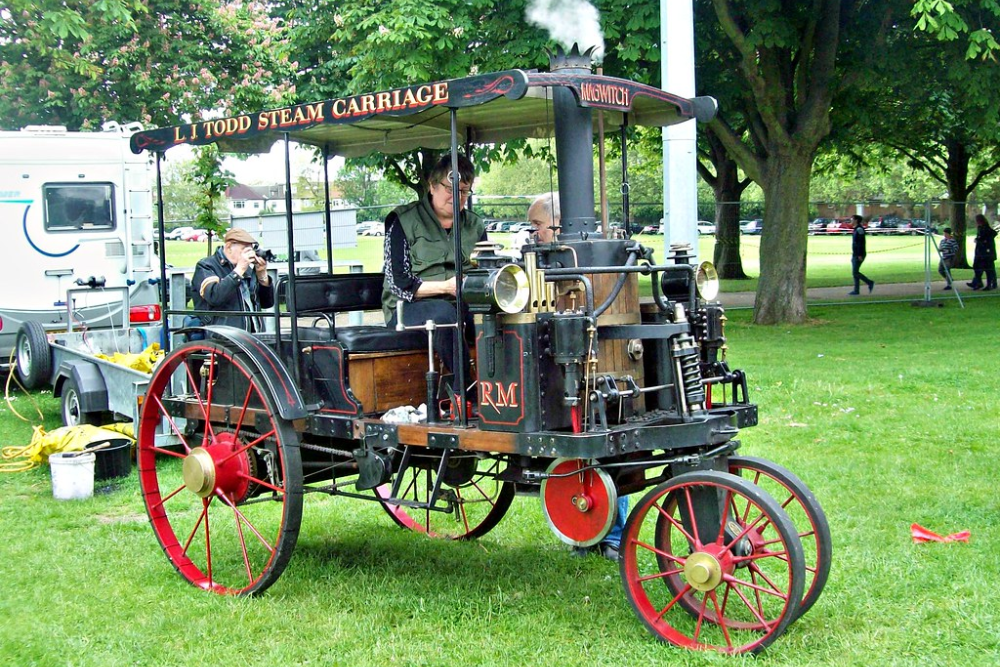
Steam-powered carriages rumbled through city streets during the early 1800s, looking like regular horse-drawn vehicles but packing serious mechanical muscle underneath. These contraptions worked fine until lawmakers got involved.
Britain’s Locomotive Acts essentially strangled the industry by requiring someone to walk ahead waving a red flag—making the whole enterprise slower than just walking to your destination.
Pneumatic Post Systems for People
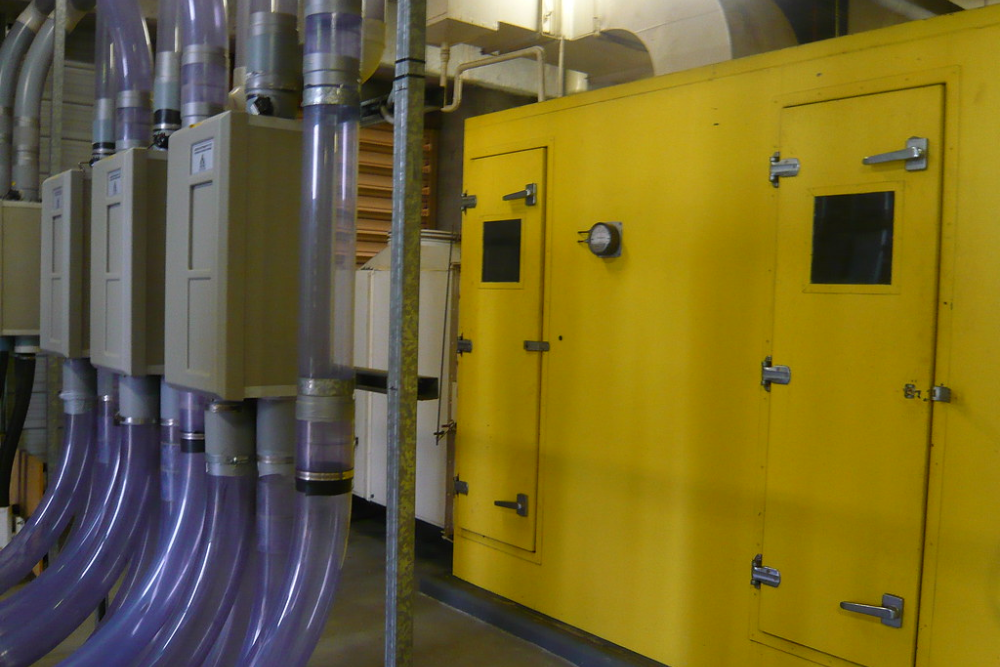
Victorian engineers figured shooting people through tubes like mail made perfect sense, though the passengers probably had mixed feelings about it. New York and London actually built functioning systems where travelers sat in cushioned capsules that whooshed through underground tunnels powered by air pressure.
Beach Pneumatic Transit in New York managed three years of operation before financial troubles and bureaucratic resistance ended the dream.
Rocket-Powered Cars
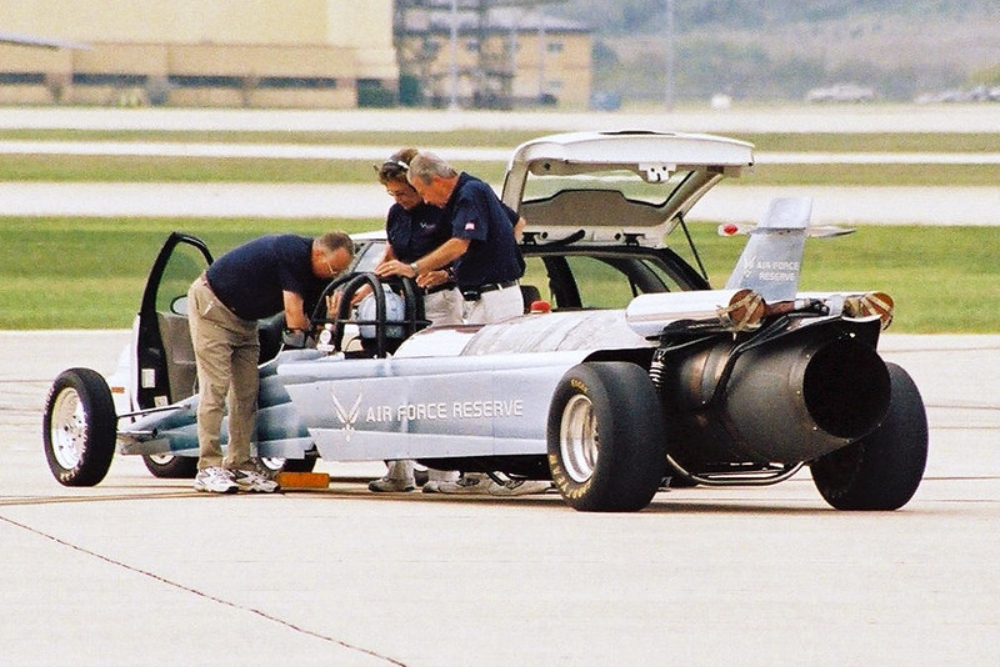
The 1970s brought several attempts at putting actual rocket engines in road vehicles—because apparently regular cars weren’t exciting enough. These machines could accelerate faster than most humans could mentally process, yet they guzzled fuel at rates that made gas station owners wealthy overnight.
Safety concerns (imagine that) and operating costs ended this particular experiment in automotive insanity.
Atmospheric Railways
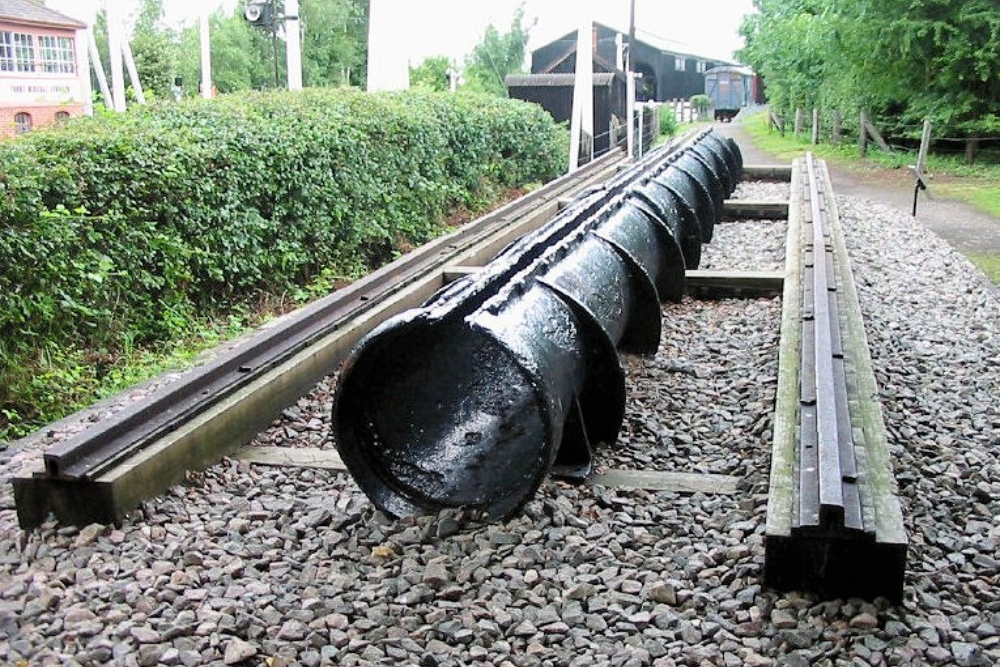
This clever system used air pressure differences to pull trains without steam locomotives—essentially creating a giant pneumatic tube for passenger cars. A sealed tube ran between the rails while trains connected to pistons that moved when air got pumped out ahead of them.
Unfortunately, the leather seals leaked constantly, letting air in and leaving passengers stranded, which tends to hurt customer satisfaction ratings.
Nuclear-Powered Aircraft

Nuclear enthusiasm in the 1950s extended to aviation, with engineers seriously planning atomic-powered planes that could fly indefinitely. They built test reactors and actually flew them in modified bombers—proving the concept worked mechanically, if not practically.
The radiation shielding made aircraft impossibly heavy, though, and flying reactors over populated areas raised major questions about public safety.
Helicopter Airlines

Commercial helicopter services in the 1950s and 60s treated choppers like flying buses—offering scheduled routes between cities and airports. New York Airways and similar companies bypassed traffic jams entirely, yet high operating costs combined with noise complaints and several spectacular crashes grounded most passenger helicopter operations permanently.
Steam-Powered Airplanes

Aviation pioneers experimented with steam engines before gasoline motors became standard, building aircraft that actually flew using boiler-powered propellers. These planes carried enormous weight penalties from water, fuel, and the steam apparatus itself.
Once lightweight internal combustion engines became available, steam aircraft became as obsolete as horse-drawn fire trucks.
Compressed Air Cars
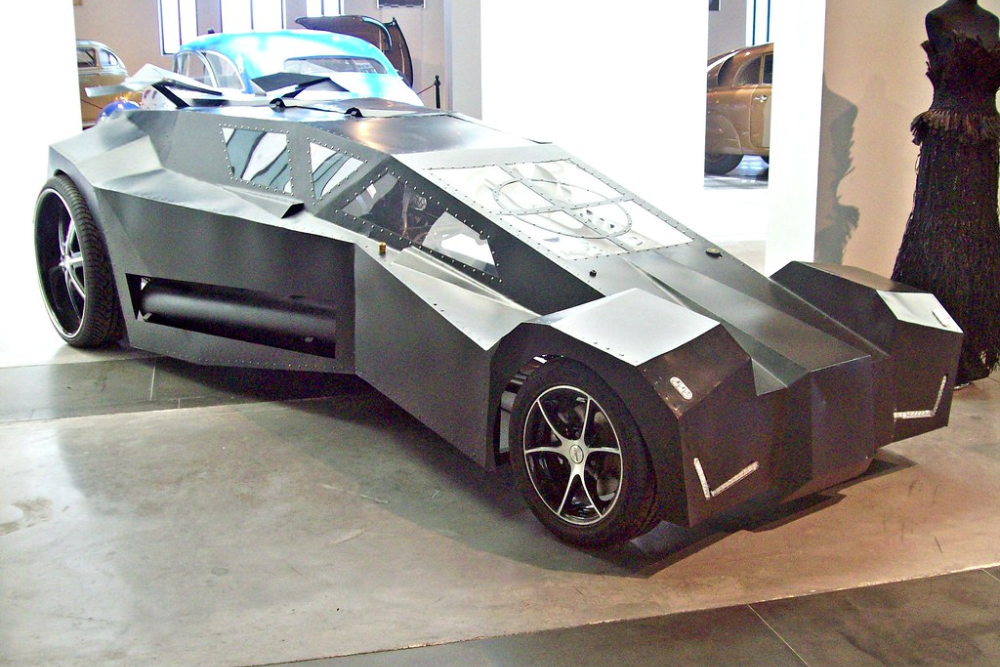
Several manufacturers built vehicles powered entirely by compressed air stored in onboard tanks, offering zero emissions and whisper-quiet operation. They worked adequately for short urban trips, though range was terrible and refilling took hours.
Cold weather made performance even worse, while electric vehicles eventually delivered better capabilities with fewer environmental benefits.
Maglev Trains (Early Versions)
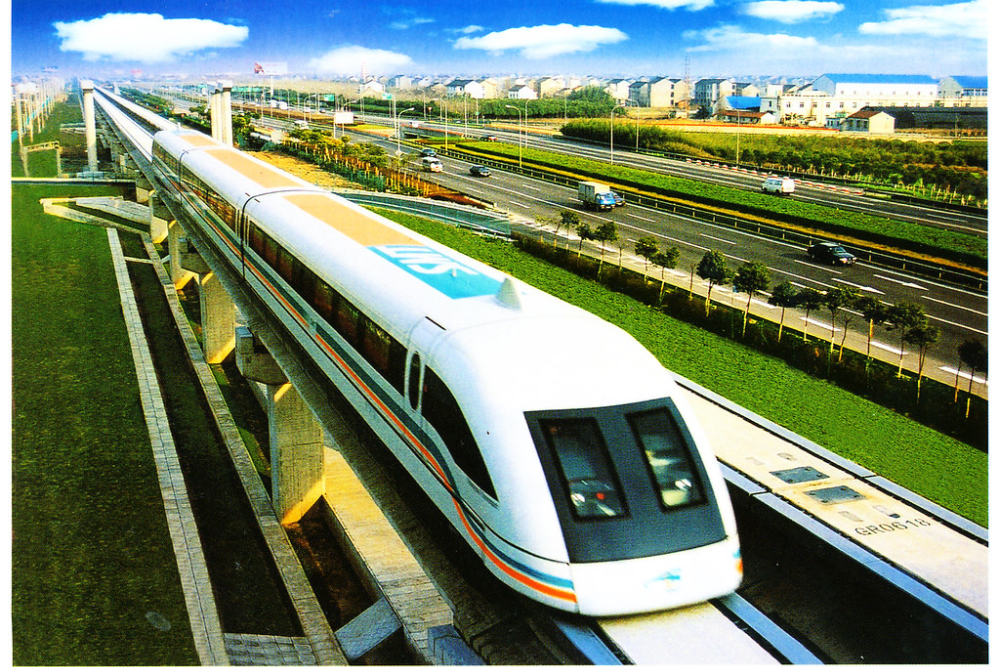
Birmingham, England, operated the first commercial maglev from 1984 to 1995—floating trains on magnetic fields instead of rolling on conventional wheels. Technical problems plagued the system relentlessly, with frequent breakdowns that stranded passengers and damaged the technology’s reputation.
Modern maglev systems work much better, yet this early failure set back adoption for decades.
Gyrocopters for Commuting
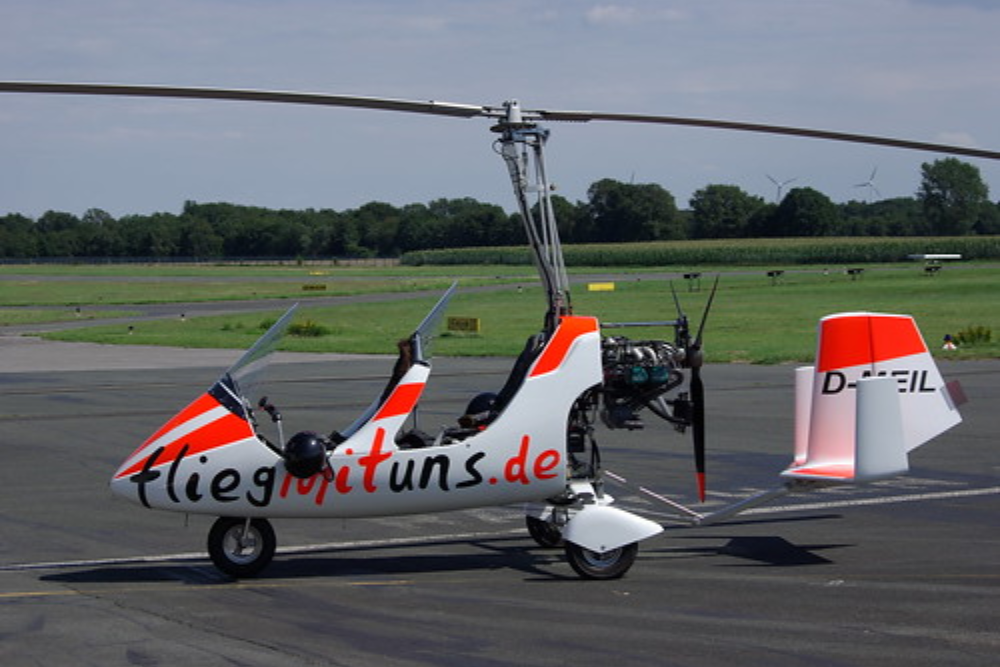
Auto-gyros used unpowered rotors for lift and propellers for thrust, marketed as personal aircraft that ordinary people could fly to work. Companies sold these machines to regular folks in the 1930s and again during the 1960s.
Weather sensitivity and the considerable skill required for safe operation limited their appeal to dedicated aviation enthusiasts rather than commuters.
Trolley Boats
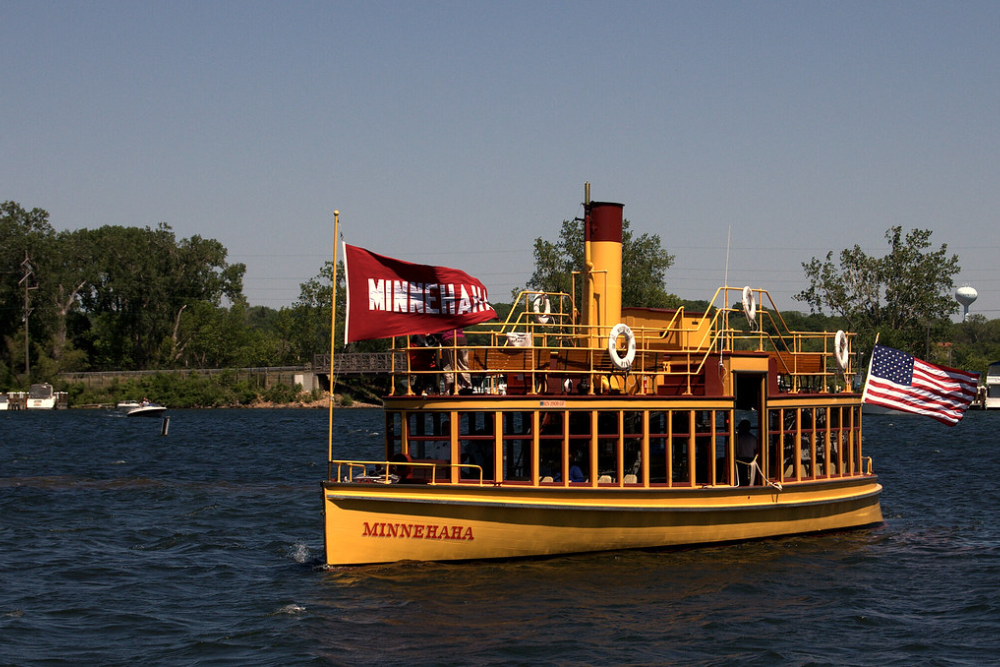
Cities with rivers experimented with trolley systems using boats instead of land-based cars, creating floating streetcars that seemed logical enough. These systems performed well in calm conditions but struggled with weather, ice, and specialized waterproof electrical equipment.
Most lasted only a few seasons before cities returned to bridges and conventional land-based transport.
Pneumatic Tire Trains
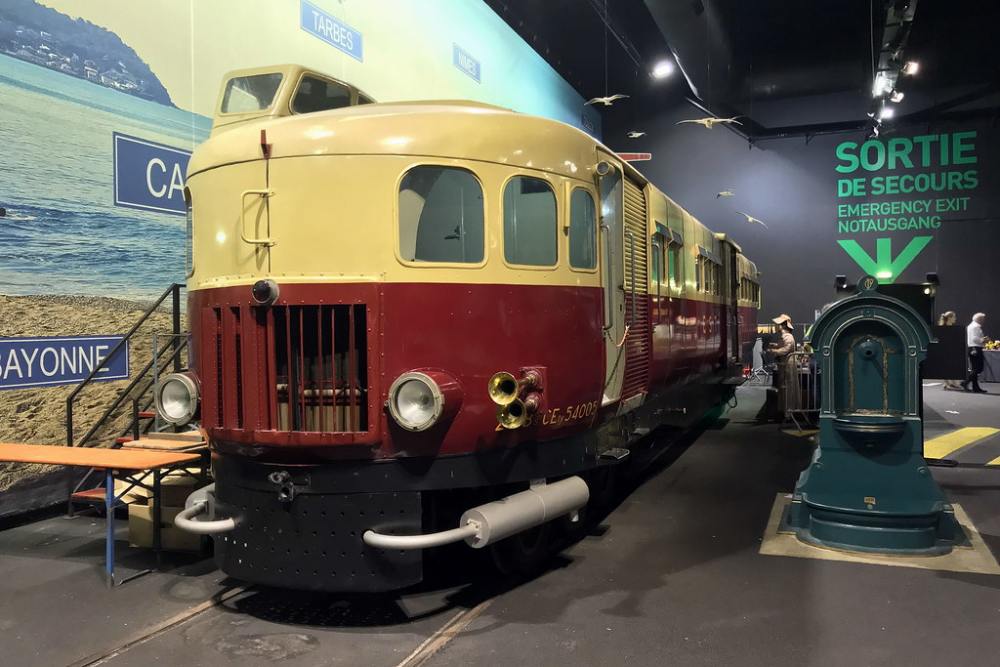
Railways experimented with trains riding on giant pneumatic tires instead of steel wheels, promising smoother rides and superior traction. The rubber tires wore out rapidly under passenger car weight while creating more rolling resistance than traditional steel wheels.
Maintenance costs and poor durability killed these experiments after brief trials.
Personal Jet Packs

Bell Aerospace developed working jet packs in the 1960s that could lift people off the ground and provide actual flight. Flight duration lasted roughly 20 seconds, though, barely enough for demonstration purposes, while fuel consumption was absolutely astronomical.
Despite decades of development since then, practical limitations have kept jet packs confined to stunts and Hollywood special effects.
Segway Transportation Systems
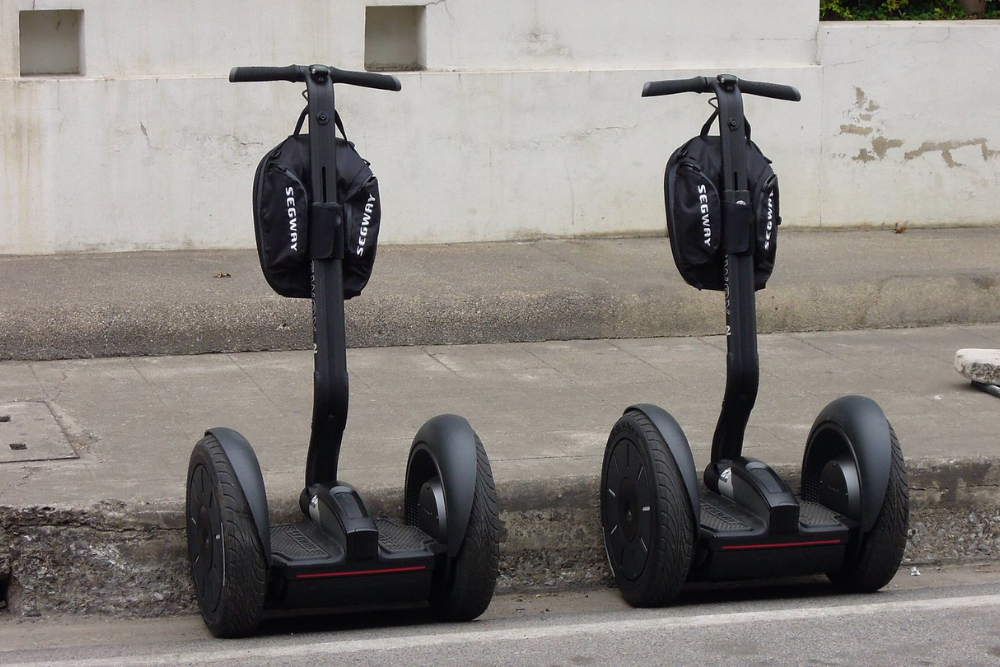
The Segway promised to revolutionize personal transportation and make walking obsolete in cities worldwide. While the technology functioned flawlessly, devices were expensive, had limited range, and made most riders look somewhat ridiculous.
Cities banned them from sidewalks and roads, leaving Segways with virtually nowhere to operate legally in urban areas.
Ground Effect Vehicles

These airplane-car hybrids used air cushions created when flying extremely close to surfaces, allowing heavy loads to travel efficiently over water and flat terrain. The Soviet Union constructed massive military versions that resembled flying ships more than conventional aircraft.
They only functioned over smooth surfaces, however, and proved incredibly difficult to control safely.
Automated Highway Systems
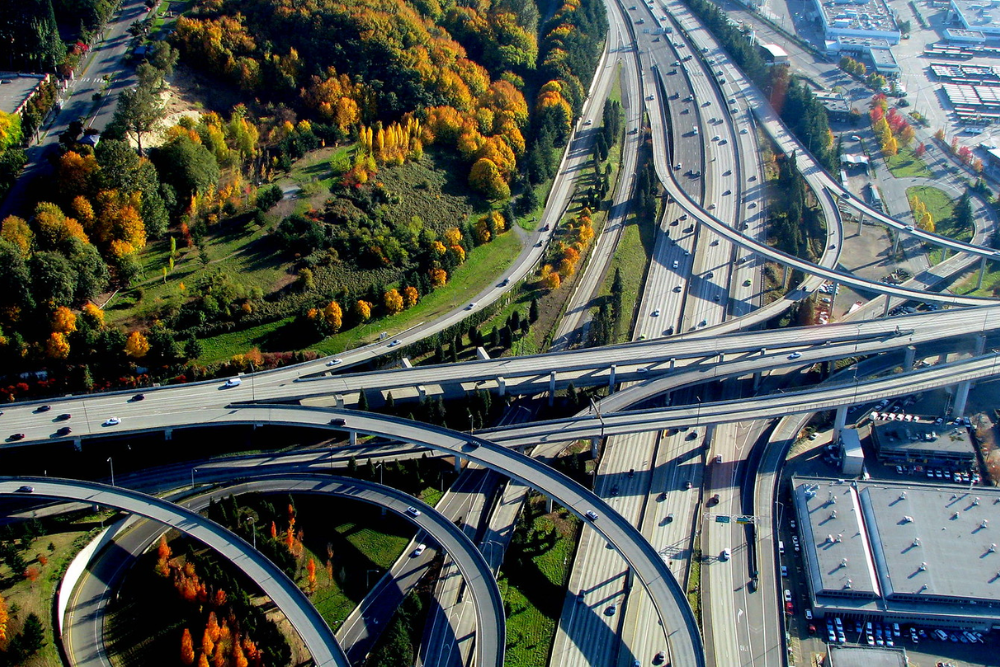
California and other states tested roads where vehicles would drive themselves using magnetic guidance systems embedded in pavement. Special cars could lock onto these guides and travel in automated convoys at high speeds with perfect coordination.
Infrastructure costs were staggering, and the system required dedicated roadways that regular vehicles couldn’t access, making the concept economically impossible.
When Dreams Meet Pavement
These transportation failures illustrate how innovation rarely follows predictable paths, and brilliant ideas sometimes arrive at precisely the wrong moment. Many concepts weren’t inherently flawed but couldn’t compete with simpler alternatives or overcome practical obstacles that seemed trivial during initial planning.
Some technologies, like maglev trains and electric vehicle,s eventually succeeded in different forms, while others remain fascinating examples of human ambition and creativity. Next time routine transportation feels boring, consider the wild alternatives that could have shaped daily commutes instead.
More from Go2Tutors!

- The Romanov Crown Jewels and Their Tragic Fate
- 13 Historical Mysteries That Science Still Can’t Solve
- Famous Hoaxes That Fooled the World for Years
- 15 Child Stars with Tragic Adult Lives
- 16 Famous Jewelry Pieces in History
Like Go2Tutors’s content? Follow us on MSN.