Classic Watches That Shaped Modern Style
The wristwatch as we know it today didn’t always exist as a fashion statement or status symbol.
For most of history, timepieces were purely functional tools.
They were often bulky pocket watches carried by railroad workers and military officers.
It wasn’t until the early 20th century that watches migrated to the wrist.
Even then, they were considered somewhat feminine or impractical by traditional standards.
A handful of groundbreaking designs changed everything.
They transformed the wristwatch from a utilitarian device into an essential accessory that defines personal style.
These watches didn’t just tell time.
They told stories about who wore them and what they valued.
What makes a watch ‘classic’ isn’t just age or price.
It’s the ability to transcend trends and remain relevant decade after decade.
The timepieces that shaped modern style did so by solving real problems with elegant design.
They introduced technical innovations that became industry standards.
Some captured the spirit of their era so perfectly that they became timeless.
Here’s a closer look at the watches that wrote the rulebook.
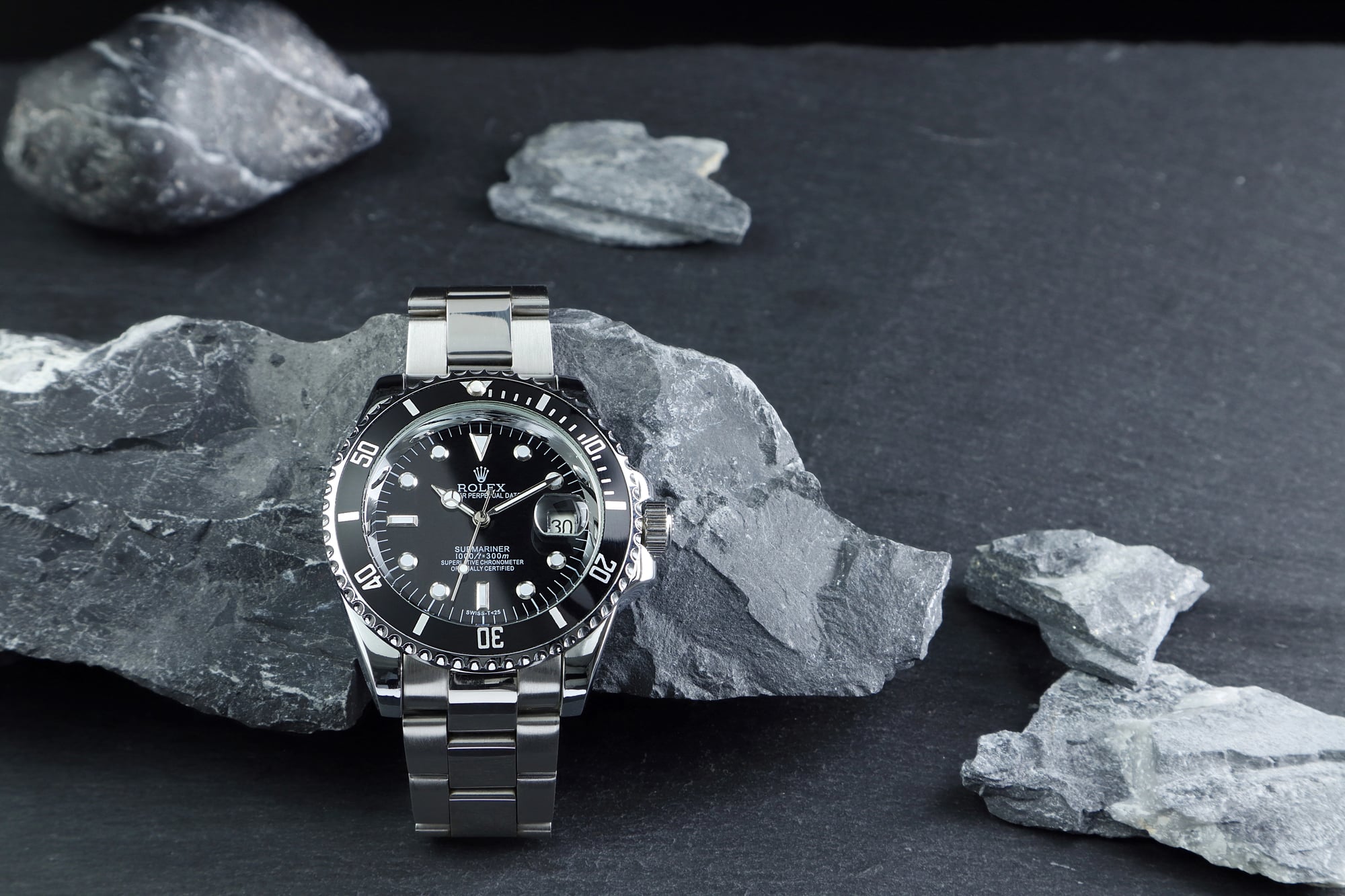
Rolex Submariner
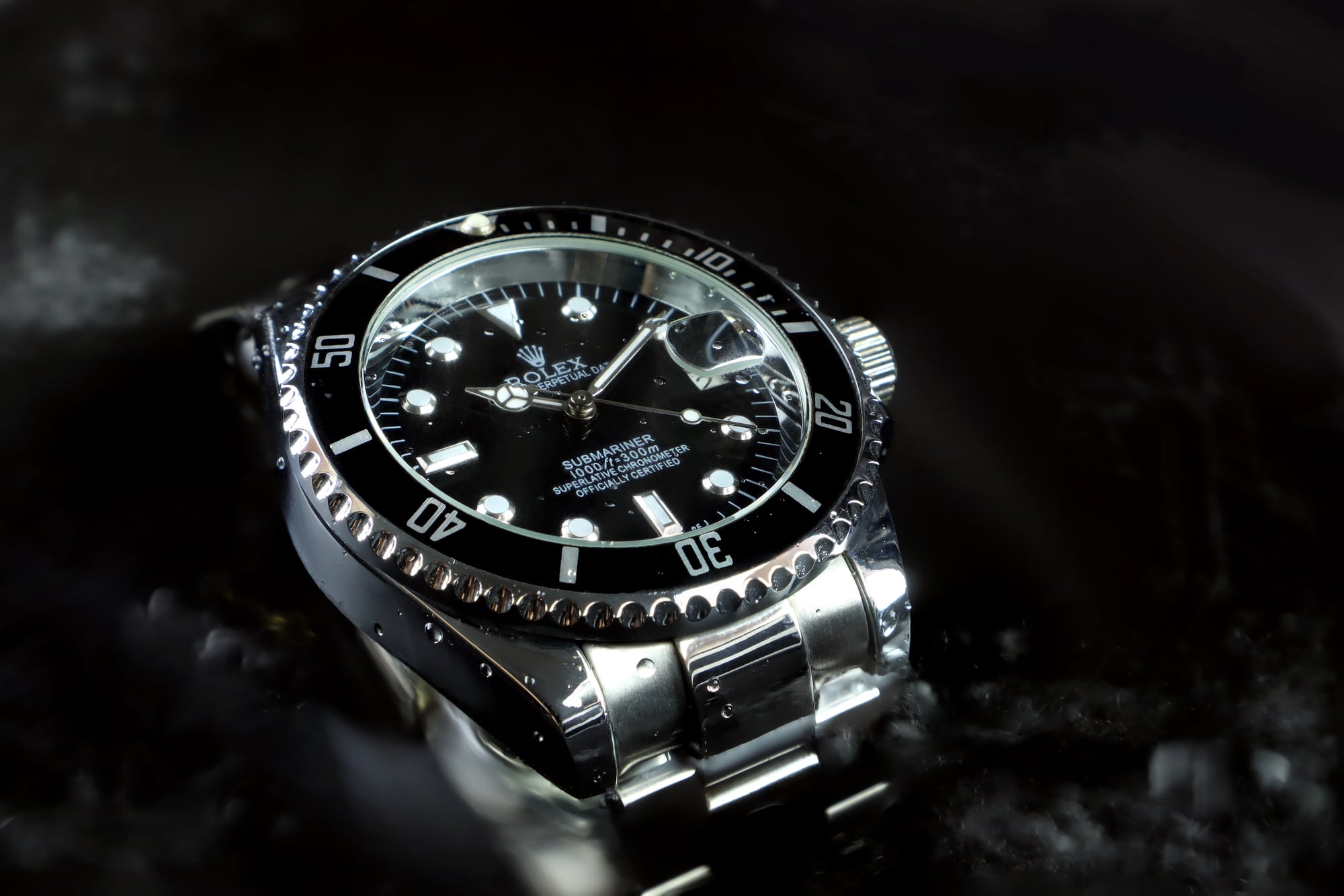
When Rolex introduced the Submariner in 1953, diving watches were crude, unreliable tools that rarely survived serious underwater work.
The Submariner changed that with a rotating bezel, water resistance to 330 feet, and a design so clean it looked equally at home in the ocean depths or at a cocktail party.
What Rolex understood before anyone else was that a tool watch didn’t need to look like a tool.
It could be refined, even luxurious, while remaining brutally functional.
The Submariner became the template for nearly every dive watch that followed.
It established design elements like the Mercedes hands and unidirectional bezel that are now industry standards.
The watch gained serious cultural weight when Sean Connery wore it as James Bond in the early films.
It cemented its status as the thinking person’s action watch.
Even today, the Submariner’s silhouette is instantly recognizable.
It is copied endlessly but never quite matched.
It proved that purpose-built design could become high fashion without compromising integrity.
Omega Speedmaster Professional

NASA didn’t choose the Speedmaster for the Apollo missions because it looked good.
They chose it because it survived brutal testing that destroyed every other watch they evaluated.
Extreme temperature swings, vacuum conditions, shock, vibration, and acceleration that would pulverize lesser timepieces couldn’t stop the Speedmaster.
When Buzz Aldrin wore it on the moon in 1969, it became the only watch with genuine space credentials.
The ‘Moonwatch’ designation isn’t marketing fluff.
It’s a historical fact.
What makes the Speedmaster relevant to modern style is its stubborn refusal to change.
While other brands constantly update and redesign, Omega has kept the Speedmaster Professional remarkably true to its 1960s roots.
The manual-wind movement, the hesalite crystal, the asymmetrical case—these are all deliberate choices to maintain continuity with the watches that went to the moon.
It’s a lesson in the power of heritage and the appeal of something genuinely unchanged in a world of constant reinvention.
Audemars Piguet Royal Oak
In 1972, luxury watches meant gold, elegant proportions, and understated refinement.
Then Audemars Piguet hired designer Gérald Genta to create something radical.
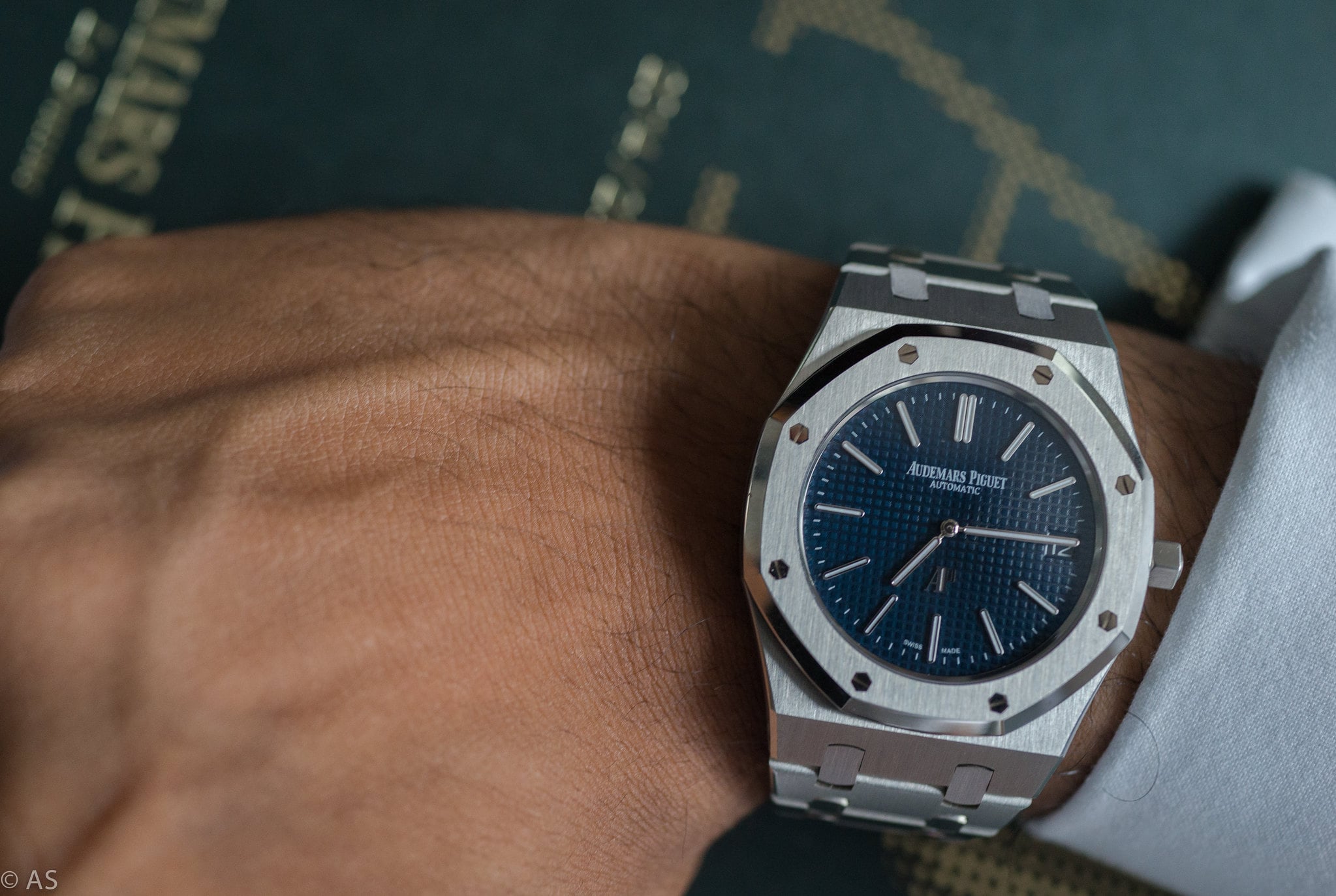
He delivered the Royal Oak—a stainless steel sports watch with an octagonal bezel, exposed screws, and an integrated bracelet that cost more than most gold watches of its era.
The design borrowed visual cues from diving helmets, with those eight hexagonal screws mimicking the bolts that kept water out at extreme depths.
Critics thought it was insane.
Customers weren’t sure what to make of it.
The Royal Oak’s audacity paid off, creating an entirely new category: the luxury sports watch.
It proved that stainless steel could be prestigious.
Bold design could be sophisticated.
People would pay extraordinary prices for the right combination of craftsmanship and attitude.
Nearly every modern luxury sports watch, from the Patek Philippe Nautilus to the Vacheron Constantin Overseas, owes something to the Royal Oak’s willingness to break the rules.
It remains one of the most influential watch designs ever created.
It is a masterclass in taking risks that actually work.
Cartier Tank
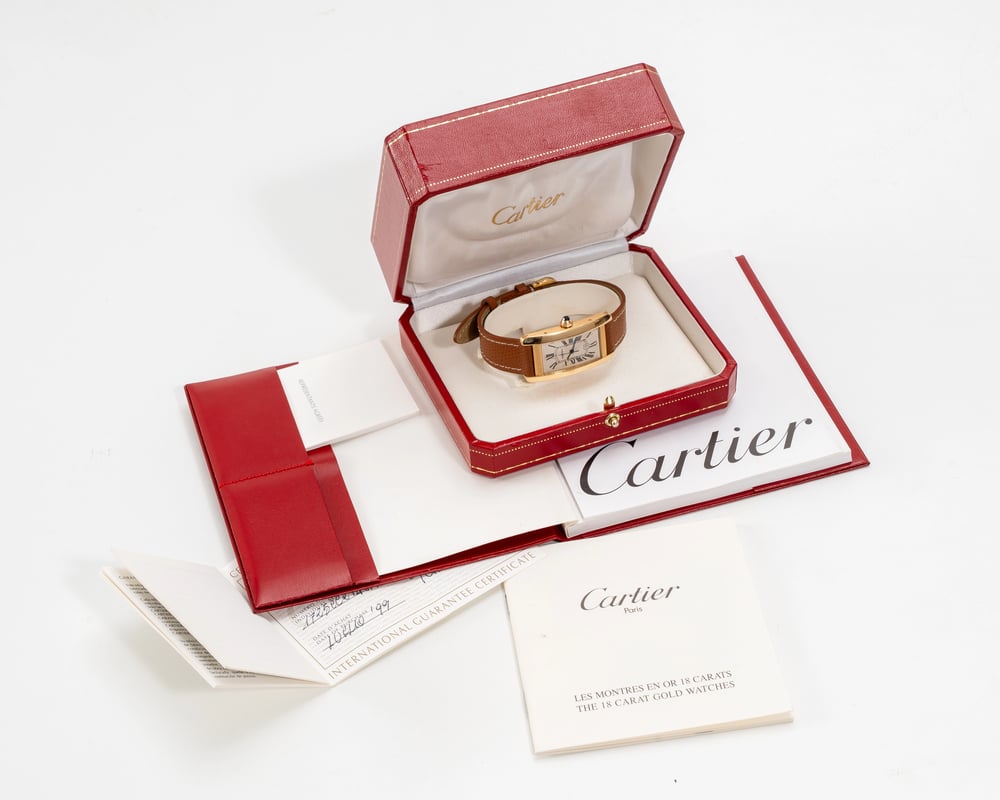
Louis Cartier designed the Tank in 1917, inspired by the overhead view of Renault tanks rolling across French battlefields during World War I.
The watch’s rectangular case, straight lines, and Roman numerals were radically different from the round, ornate watches of the period.
It was geometric, modern, and unapologetically architectural—a design language that felt more like art deco before art deco fully existed.
Cartier understood that a watch could be jewelry without being fussy.
It could be elegant without being delicate.
The Tank became the watch of intellectuals, artists, and style icons.
Andy Warhol wore one.
Jackie Kennedy wore one.
Princess Diana wore one.
What they all recognized was that the Tank’s simplicity was its strength.
It never competed with an outfit, never demanded attention, but always elevated whatever it accompanied.
Modern minimalist watch design, with its emphasis on clean lines and negative space, traces directly back to what Cartier achieved over a century ago.
The Tank proved that sometimes the most radical move is stripping everything down to its essence.
Patek Philippe Calatrava
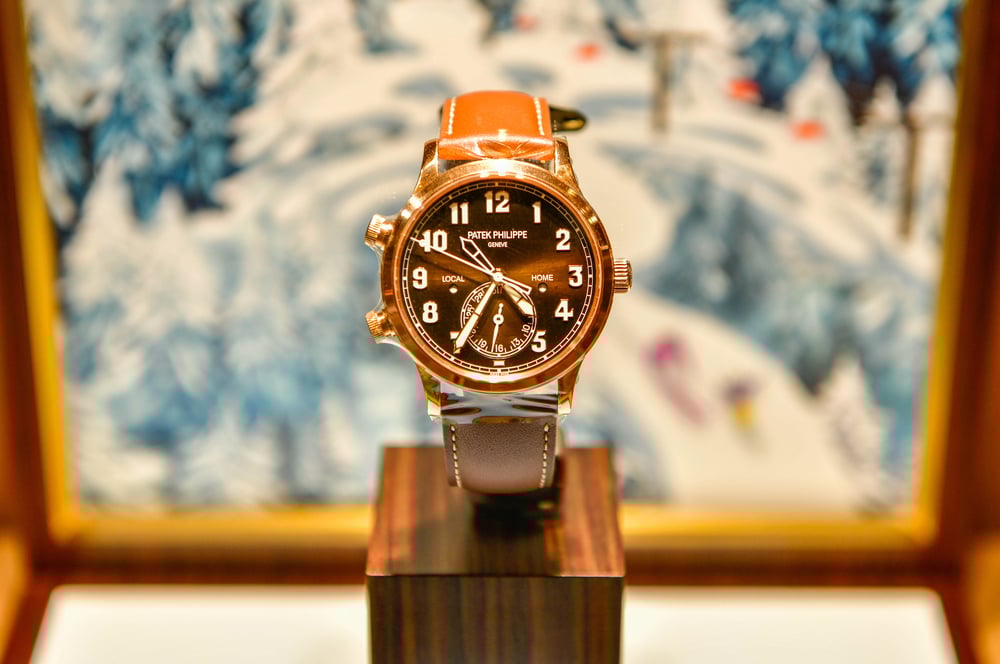
When Patek Philippe introduced the Calatrava in 1932, the world was deep in economic depression and hungry for escapism.
The watch offered something different: restraint.
Its design was based on Bauhaus principles—form follows function, no unnecessary ornament, perfect proportions.
The Calatrava wasn’t flashy or complicated.
It was a dress watch in its purest form, with dauphine hands, applied markers, and a slim case that slipped easily under a shirt cuff.
It represented old money in an era when old money was running out.
What the Calatrava gave modern watchmaking was a north star for elegance.
It established the proportions and balance that dress watches still chase today.
The watch demonstrated that true luxury doesn’t announce itself.
It whispers.
Patek Philippe’s insistence on classical design principles, even as trends shifted toward larger, sportier watches, kept the Calatrava relevant through decades of change.
It’s the watch equivalent of a perfectly tailored suit: never out of place, never out of style.
Jaeger-LeCoultre Reverso
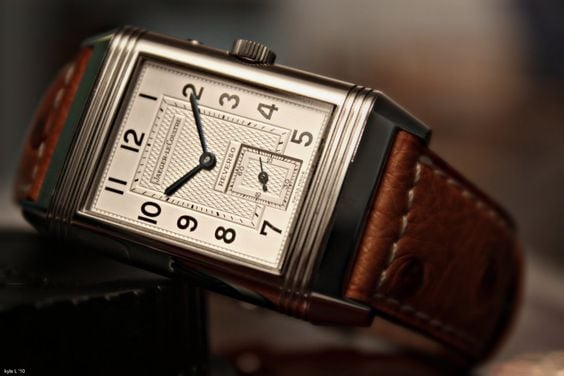
The Reverso was born from a specific problem: British polo players in colonial India kept shattering their watch crystals during matches.
Jaeger-LeCoultre’s solution in 1931 was brilliantly simple—create a case that could flip over, protecting the dial against the horse’s neck while keeping the watch securely on the wrist.
The art deco design, with its geometric case and sliding mechanism, turned a functional innovation into a style statement.
Players could even engrave the steel caseback with personal messages or family crests, making each watch unique.
The Reverso’s genius was making necessity beautiful.
The flipping case could have been clunky or awkward, but instead it became the watch’s signature feature.
It was a conversation starter that also happened to be genuinely useful.
Modern watch design often struggles to balance innovation with aesthetics.
The Reverso nailed it almost a century ago.
It proved that solving a real problem with elegant engineering could create something iconic, not just practical.
Rolex Datejust
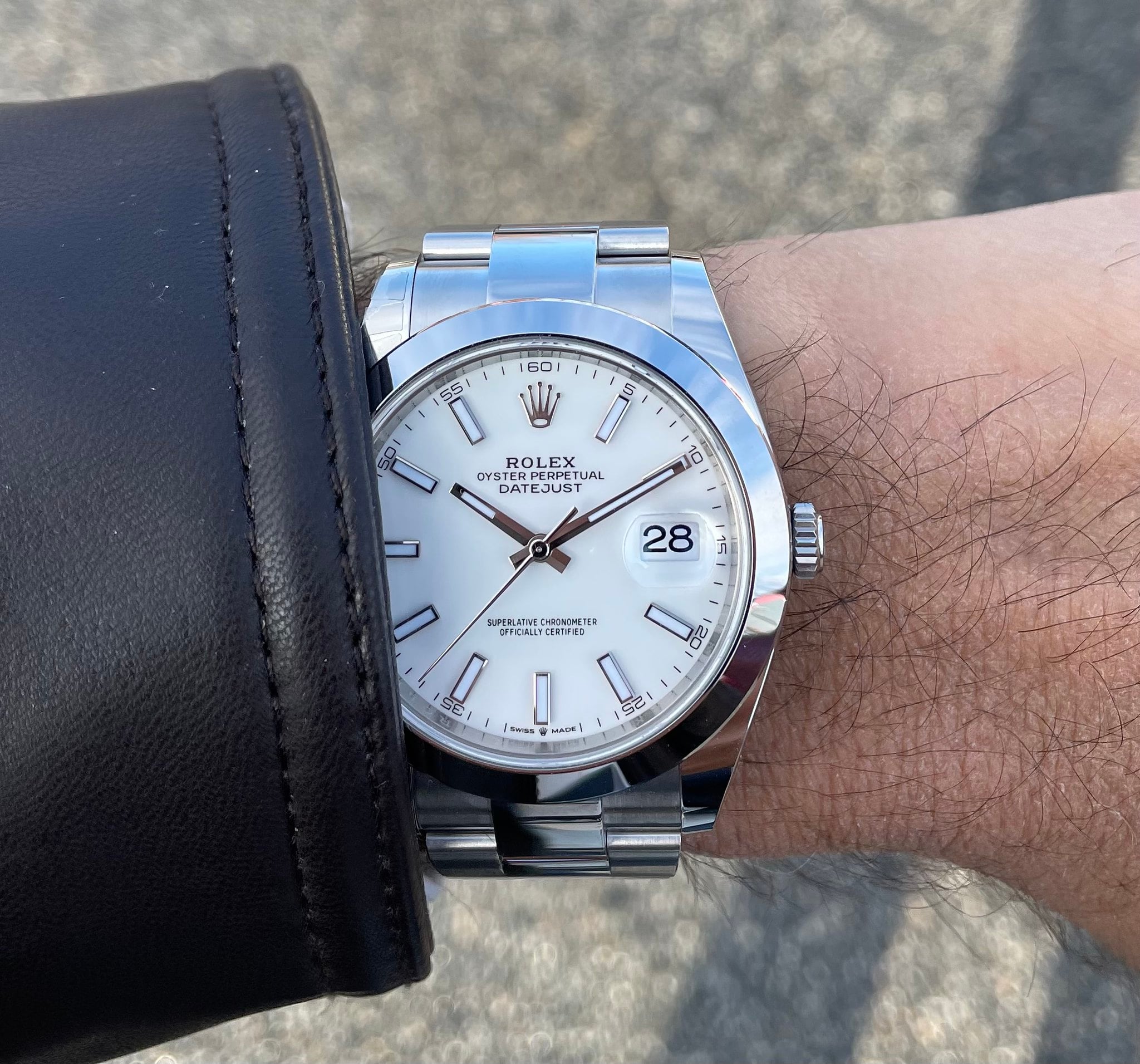
Before 1945, if you wanted to know the date, you checked a calendar.
The Datejust changed that by putting a date window directly on the dial and adding a magnifying cyclops lens to make it readable.
This sounds unremarkable now because the Datejust was so successful that date windows became standard on thousands of watches.
At the time, it was a genuine innovation that added practical value without cluttering the design.
Rolex also introduced the Jubilee bracelet with this model, a five-link design that became synonymous with the brand.
The Datejust became the quintessential everyday luxury watch.
It was dressy enough for formal occasions and durable enough for daily wear.
It was instantly recognizable without being ostentatious.
It’s the watch that taught the industry how to make versatile timepieces that worked across contexts.
Dwight Eisenhower wore one.
Ronald Reagan wore one.
The Datejust represented achievement and success without screaming about it.
It struck a balance that modern watches still try to achieve.
IWC Pilot’s Watch Mark Series
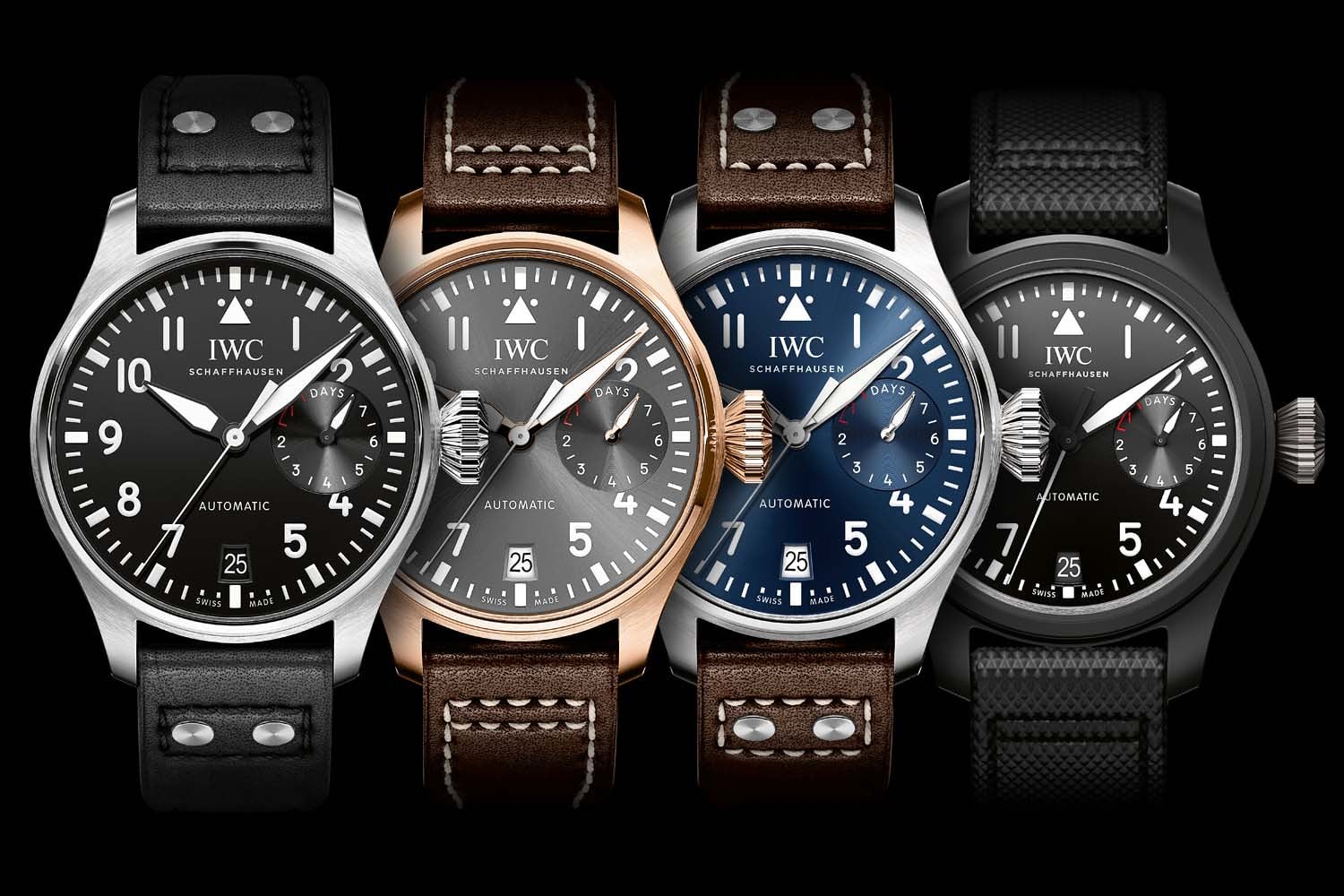
Military pilots needed watches they could read instantly in combat conditions, often while wearing thick gloves and dealing with extreme G-forces.
IWC’s answer was the oversized Mark series, starting with the Mark IX in the 1930s and evolving through subsequent decades.
These watches featured enormous Arabic numerals, high-contrast dials, and anti-magnetic movements that wouldn’t be thrown off by aircraft instrumentation.
The design was brutally functional, stripped of anything that didn’t serve immediate legibility and reliability.
What the Pilot’s Watch gave modern style was permission to go big.
Before these watches, large timepieces were considered crude or working-class.
The Mark series proved that size could be purposeful and sophisticated when executed with precision.
The pilot watch aesthetic—large crown for easy adjustment, simple dial layout, utilitarian straps—became a foundational style category that brands still mine for inspiration.
It showed that military specifications could translate into civilian appeal without losing their essential character.
Why They Endure
These watches didn’t shape modern style through marketing campaigns or celebrity endorsements alone.
They earned their status by solving real problems with design intelligence that still resonates today.
They proved that the best design is often a conversation between form and function, where neither dominates but both elevate each other.
Every smartwatch, fashion watch, and microbrand release exists in the shadow of these classics.
They either honor their principles or deliberately rebel against them.
Either way, the conversation continues.
These watches remain the reference points that define what timepieces can be when everything goes right.
More from Go2Tutors!

- The Romanov Crown Jewels and Their Tragic Fate
- 13 Historical Mysteries That Science Still Can’t Solve
- Famous Hoaxes That Fooled the World for Years
- 15 Child Stars with Tragic Adult Lives
- 16 Famous Jewelry Pieces in History
Like Go2Tutors’s content? Follow us on MSN.