Writers Who Created Masterpieces in Odd Places
Throughout history, some of the world’s greatest books came to life in the most unexpected locations. Writers have crafted their most famous works while sitting in laundry rooms, basement libraries, garden huts, and even bathrooms.
These unusual writing spaces didn’t limit their creativity. Instead, they often became the perfect environments for imagination to flourish, away from the distractions of everyday life.
Here is a closer look at where some beloved authors found their inspiration and put pen to paper.
Stephen King’s laundry room between washer and dryer
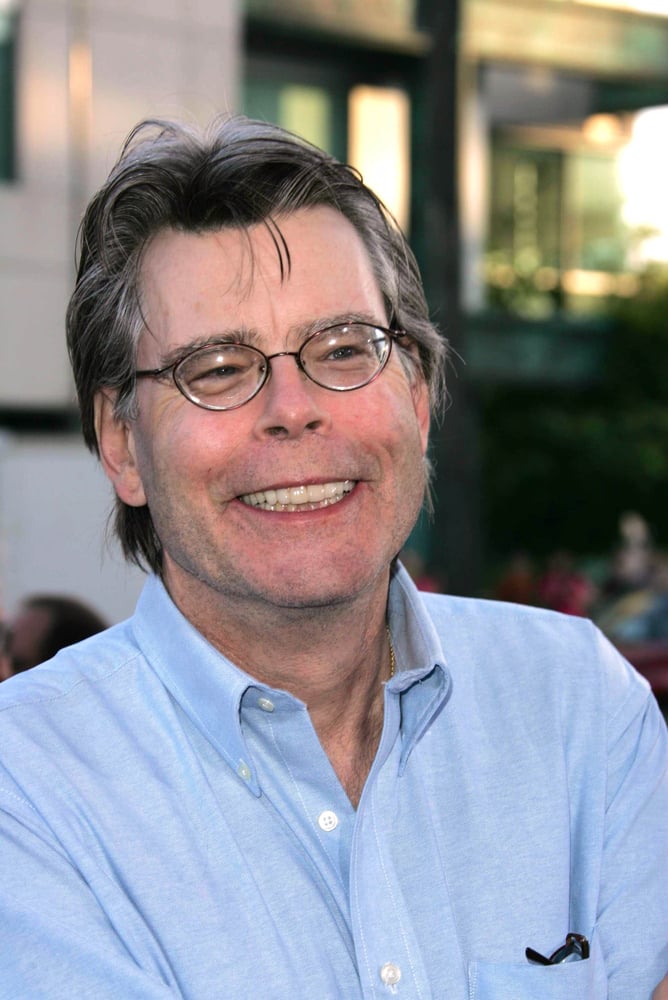
Stephen King wrote his breakthrough novel Carrie in a small laundry room wedged between a washing machine and a dryer in his trailer in Hermon, Maine. He was working as a high school English teacher, earning barely enough to support his wife and two young children.
King didn’t even own his own typewriter, so he used his wife’s old Olivetti. After writing just three pages, he became discouraged and crumpled up the manuscript, throwing it in the trash.
His wife Tabitha pulled it from the wastebasket, brushed off the dust, and encouraged him to keep going. That salvaged story eventually sold to Doubleday for $2,500, and Carrie became a horror classic that would define his career.
Ray Bradbury’s UCLA library basement

Ray Bradbury wrote the original version of Fahrenheit 451 on a rented typewriter in the basement of UCLA’s Powell Library in 1953. He had a noisy household with a newborn child, so he needed a quiet place to work.
Bradbury discovered that he could rent typewriters in the library basement for just ten cents per half hour. Armed with a bag of dimes, he sat down and completed the entire novella in nine days, spending only $9.80 total.
The librarian wandering among the stacks above him inspired the novel’s title after Bradbury called the Los Angeles Fire Department to ask the exact temperature at which book paper catches fire. They answered: 451 degrees Fahrenheit.
J.K. Rowling’s Edinburgh cafés

J.K. Rowling wrote much of the early Harry Potter books in Edinburgh’s cafés while her baby daughter napped. She spent significant time at Nicolson’s Café and later The Elephant House, a cozy spot overlooking Edinburgh Castle.
Rowling was struggling financially as a single mother, and these cafés provided warm, quiet spaces where she could write between pushes of the baby pram. The Elephant House became so famous for its connection to the Harry Potter saga that it’s now a major tourist attraction, though Rowling actually conceived the idea for Harry Potter on a train journey years before she ever stepped inside the café.
Roald Dahl’s garden hut

Roald Dahl wrote all of his beloved children’s books from a small hut at the bottom of his garden in Great Missenden, England. The hut was just fifteen feet long and ten feet wide, with no electricity or phone access, making it his personal sanctuary.
Inside, Dahl sat in his mother’s old armchair with his feet on a leather trunk, working on yellow legal paper with pencil. He kept the space warm by wrapping himself in a sleeping bag and surrounded himself with odd artifacts from his life.
Dahl spent four hours a day there for 35 years, producing classics like Charlie and the Chocolate Factory, Matilda, The BFG, and The Witches.
Agatha Christie’s bathtub

Mystery writer Agatha Christie planned most of her detective novels while soaking in the bathtub, eating apples and thinking through her plots undisturbed. She revealed that she never wrote down ideas while bathing because the thinking came first.
Christie would outline entire mysteries in her mind, sometimes spending hours in the tub working out plot twists and character motivations. Once she had the story figured out, she would return to her desk to put the words on paper.
Her habit became so legendary that the bathtub became her unofficial writing space, even though no actual writing took place there. She created 66 detective novels and 14 short story collections using this quirky method.
Jack London’s bar

Jack London wrote his acclaimed novel The Call of the Wild while spending time in various bars and saloons. London frequented drinking establishments in Oakland, California where he would jot down notes and ideas between conversations.
He used the lively, rough atmosphere of these bars to capture the raw, adventurous tone of his stories. The outdoor setting and conversations he overheard influenced his vivid descriptions of Yukon wilderness.
London found inspiration in the people he met and the stories they told in these unlikely venues. His work reflected the gritty, untamed spirit of the places where he gathered his material.
O. Henry’s tavern table
O. Henry reportedly wrote The Gift of the Magi at a table in Pete’s Tavern in New York City, now the oldest bar continuously operating in Manhattan since 1864. The author would sit at a table nursing a drink while penning one of the most beloved American short stories ever written.
The story, which tells of a young couple’s Christmas sacrifice, was conceived in the warm, crowded atmosphere of the bar. O. Henry used the bustling tavern as his unofficial office, finding the background noise and human activity around him useful for his creative process.
The bar still displays memorabilia honoring his memory and his famous short story.
Voltaire’s prison cell

Voltaire wrote his play Oedipe while imprisoned in the Bastille in 1717 for alleged satire against the French government. Confined to a single cell with limited materials, the French philosopher and writer found refuge in his imagination and pen.
Rather than succumb to despair, Voltaire channeled his energies into creative work, producing a play that would later be performed on stage to acclaim. His time in prison didn’t break his spirit.
Instead, it became a turning point in his literary career, proving that even harsh circumstances couldn’t silence his voice. The play demonstrated that confinement could become a crucible for artistic achievement.
Jean-Paul Sartre’s café table

Jean-Paul Sartre spent countless hours at Café de Flore in Paris writing his existentialist masterworks, including Being and Nothingness. The café became his second office, where he would work for hours surrounded by other writers, artists, and thinkers.
Sartre established a routine of arriving early, ordering coffee, and settling in to write his philosophical ideas. The vibrant intellectual atmosphere of the café, filled with debate and creative energy, fueled his work.
He shared this space with other notable writers of the time, making Café de Flore a hub for philosophical and literary discussion. The café remains one of Paris’ most iconic literary landmarks.
Simone de Beauvoir’s Les Deux Magots café
Simone de Beauvoir wrote much of The Second in the Les Deux Magots café in Paris, another legendary haunt of mid-twentieth century intellectuals. She worked at a corner table, ordering coffee and settling in for hours of focused writing.
The café’s intellectual environment and proximity to her philosophical circle made it an ideal workspace. De Beauvoir appreciated the ambient activity and the sense of being part of a larger community of thinkers.
She produced one of the most influential feminist texts of the twentieth century in these café surroundings, proving that groundbreaking ideas could emerge from ordinary public spaces.
Edith Wharton’s bed
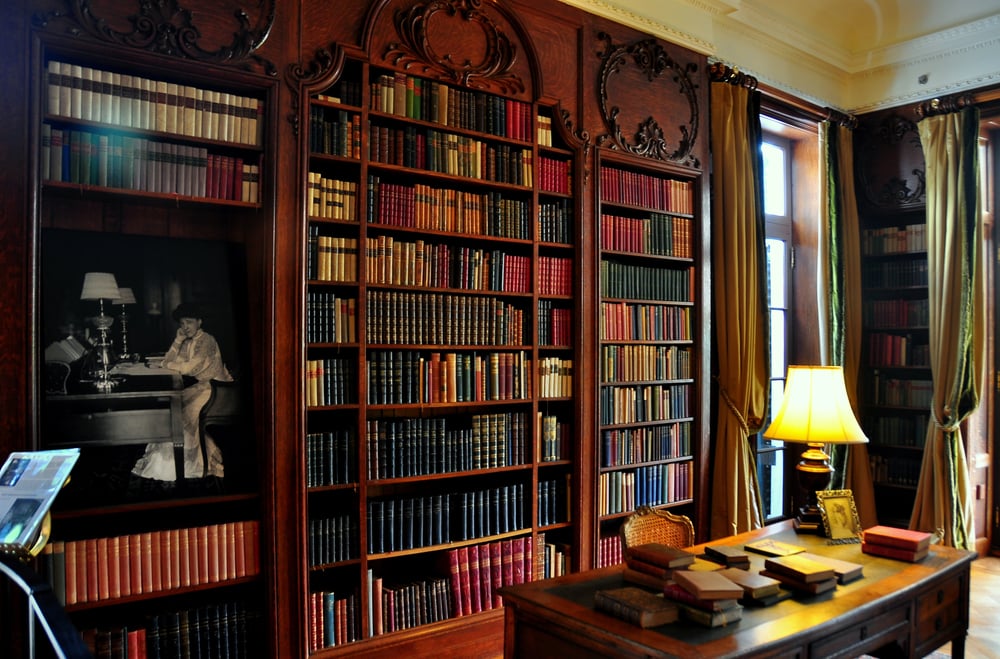
Edith Wharton wrote many of her novels while lying in bed, working from a cushioned surface with papers and materials arranged around her. She composed parts of The House of Mirth and Ethan Frome while resting, sometimes dictating to a secretary positioned nearby.
Wharton found the bed to be a comfortable and productive workspace where she could write for extended periods without physical strain. Her unconventional approach to writing didn’t diminish the quality of her work.
Instead, she created masterpieces of American literature from her bedroom, showing that comfort and creativity could coexist. Wharton’s method proved that a writer didn’t need a formal office to produce powerful fiction.
Ernest Hemingway’s standing desk
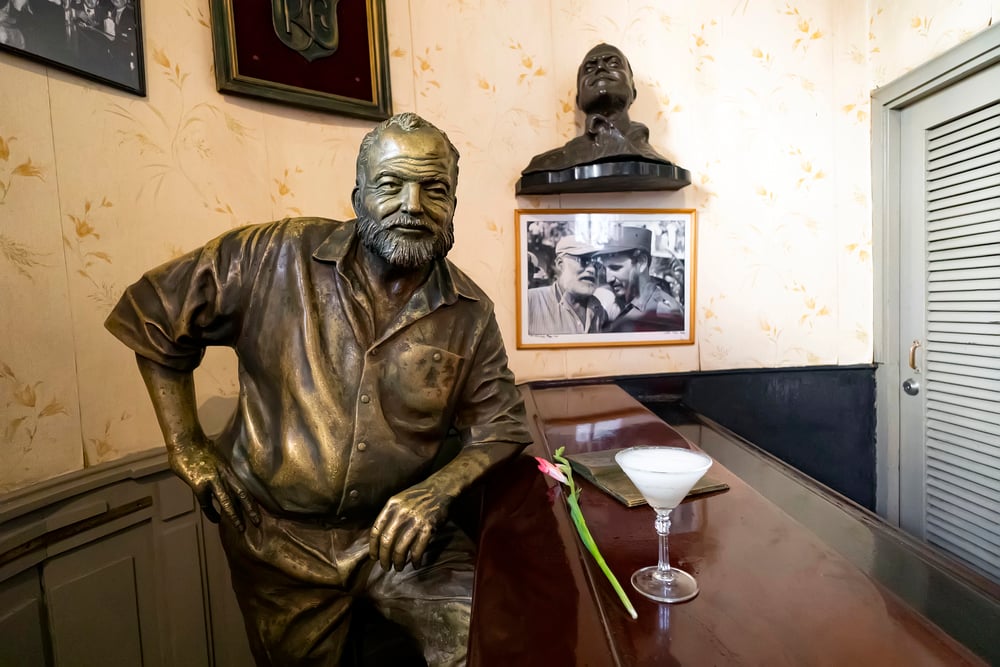
Ernest Hemingway famously wrote standing up at a tall desk in his homes in Key West and later Cuba, sometimes using the top of a bureau or wardrobe. He believed standing kept him alert and prevented him from becoming too comfortable and lazy.
Hemingway would work for hours on his feet, composing sentences carefully and revising constantly. He also wrote while traveling, staying in hotels across Europe and Spain.
His nomadic lifestyle and unconventional workspace arrangement didn’t hinder his productivity. Some of his greatest novels came from these makeshift writing stations, proving that the best location was wherever Hemingway had his typewriter and determination.
Vladimir Nabokov’s car
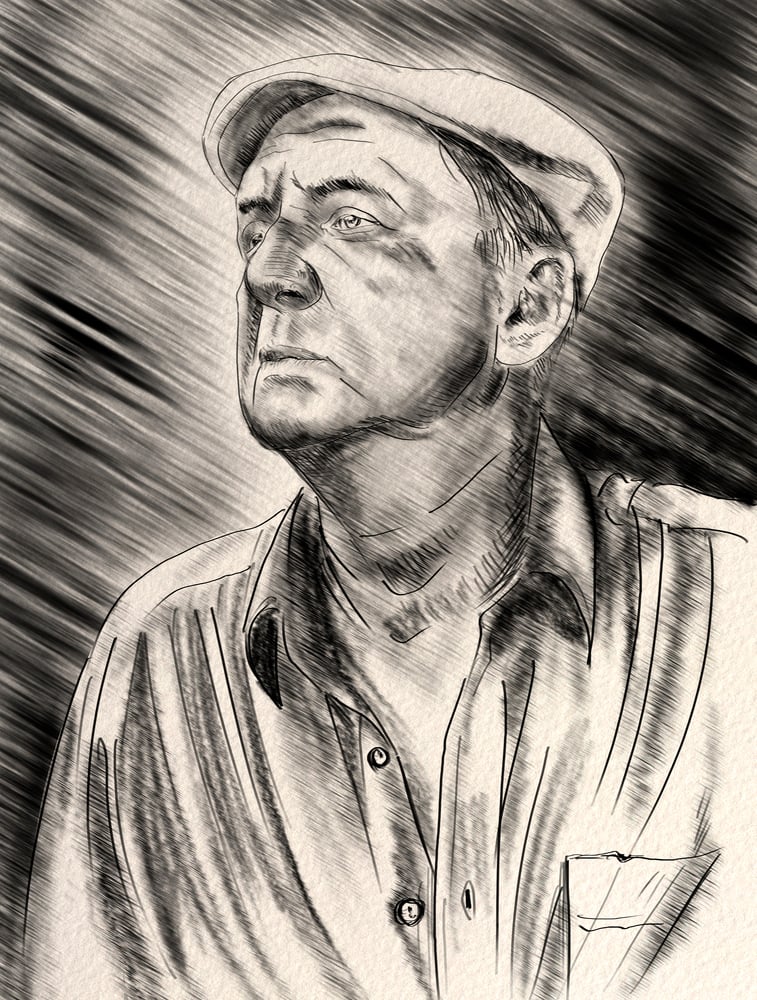
Vladimir Nabokov wrote significant portions of his novels sitting in his car, using a clipboard or notebook balanced on his lap. The author would park in quiet locations and spend hours composing, often editing and revising his work in this confined space.
His wife Véra would drive while Vladimir wrote in the passenger seat. The car became a mobile writing studio where he could focus without distraction.
Nabokov’s method was unusual but effective, allowing him to write while traveling across America. He captured ideas and refined passages in these car writing sessions, proving that a writer’s true workspace exists between the ears, not in any particular location.
Mark Twain’s octagonal hut
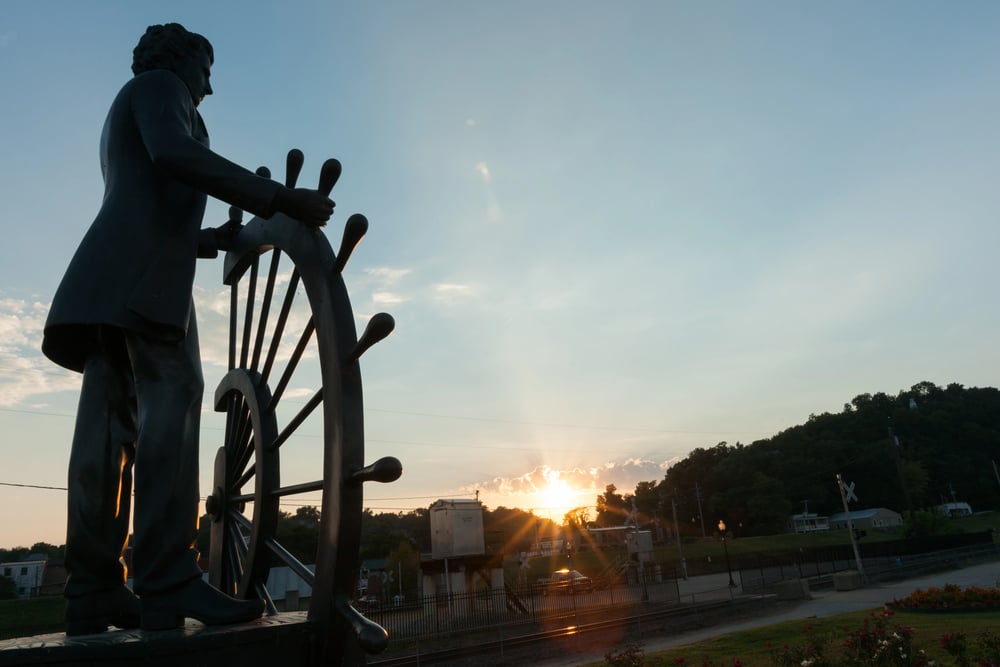
Mark Twain wrote Tom Sawyer and Adventures of Huckleberry Finn in a small octagonal study behind his house in Elmira, New York. The hut served as his retreat from family and household demands.
Twain would retreat to this quirky space and spend hours crafting his American classics. The isolation provided by the small structure allowed him to concentrate deeply on his work.
The hut’s unusual shape and remote location made it a sanctuary where Twain could enter the world of his characters fully. He created some of the most important works in American literature from within those distinctive eight walls.
Roald Dahl’s inspired conversations

While some writers used unusual spaces for silent work, Roald Dahl generated story ideas through conversations and bedtime stories with his children. He would tell them elaborate tales at night, and if they asked for more the next evening, he knew he had something worth developing.
Dahl would test his ideas on his children first, gauging their reactions before committing anything to paper. This interactive process meant his creative space extended to his living room, kitchen, and his children’s bedrooms.
The family home became a laboratory for testing ideas before they appeared in his garden hut. Dahl’s approach showed that inspiration and creation don’t always happen in isolation.
Maya Angelou’s empty hotel rooms
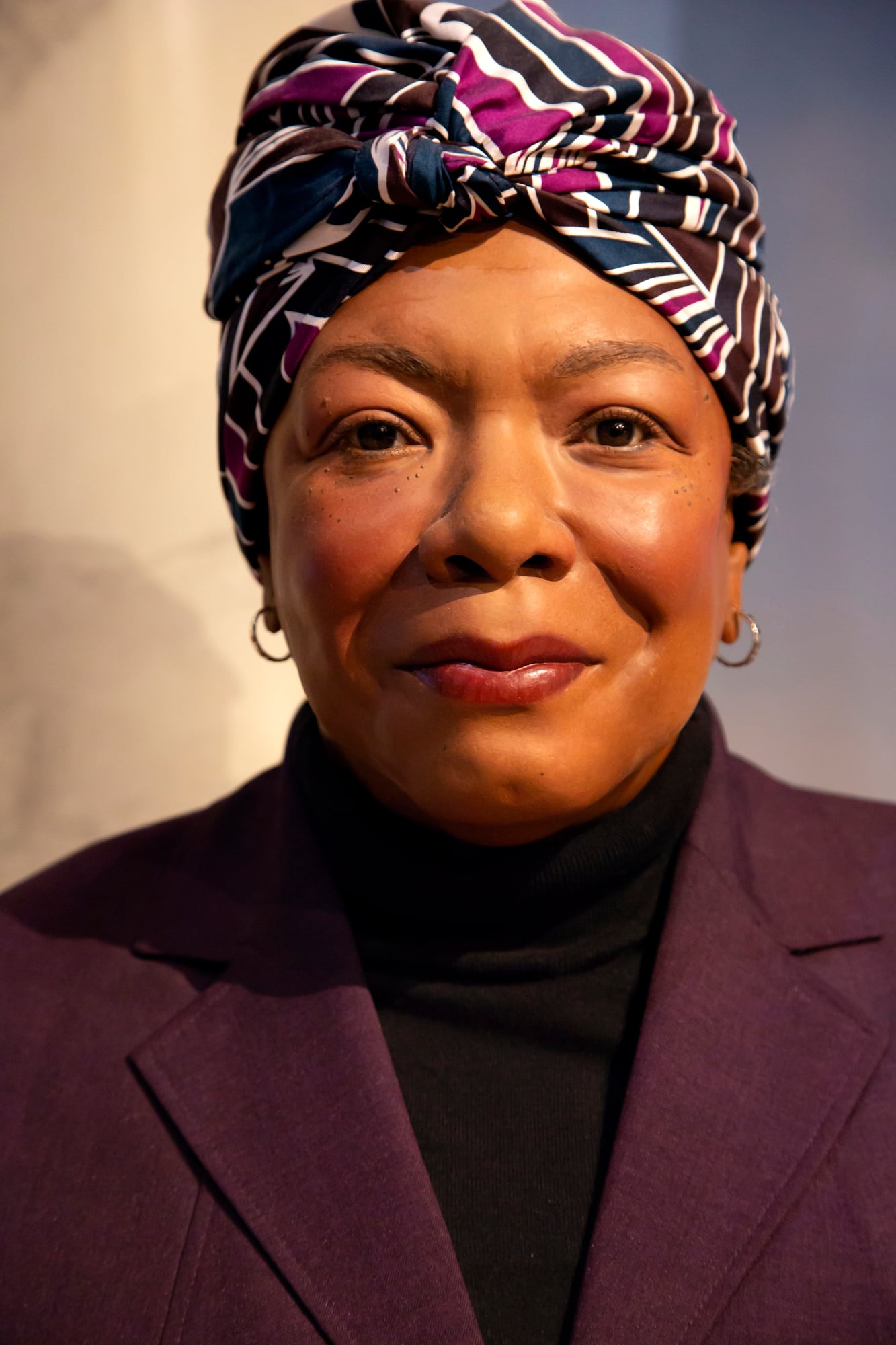
Maya Angelou booked vacant hotel rooms just to work on her books, including her life stories, staying one day at a time. She’d arrive with almost nothing, ditching the noise and stress from everyday living.
Without decorations or background sound, her thoughts could drift into old moments and feelings. These short-term stays gave her peace – quiet settings where heavy truths weren’t so hard to face.
Angelou carried just her notebooks, keeping her mind set on the task. Yet this odd habit helped her craft bold, truthful words reflecting how messy life really was.
The strength of odd places

Writers showed us you don’t need a fancy desk or quiet house to get ideas. Often, the best spots are weird ones – no one would guess them.
Like a laundry space tucked between washers, a dark corner under the library, a tiny shed in the yard, maybe even a tub full of bubbles. Odd places gave more than coziness – they brought sharp attention, no distractions, and a break from regular life.
The odd spaces forced writers to think differently now and then. These strange spots still live on in stories from the past, showing new writers that where you write doesn’t matter – what counts is grit mixed with vision.
More from Go2Tutors!

- The Romanov Crown Jewels and Their Tragic Fate
- 13 Historical Mysteries That Science Still Can’t Solve
- Famous Hoaxes That Fooled the World for Years
- 15 Child Stars with Tragic Adult Lives
- 16 Famous Jewelry Pieces in History
Like Go2Tutors’s content? Follow us on MSN.