Hidden Rituals from Ancient Royal Courts
Royal courts weren’t just places of fancy dinners and throne room meetings. Behind the grand ceremonies everyone could see, kings and queens followed strange customs that most people never knew about.
These secret practices shaped how monarchs lived their daily lives and held onto power. Let’s take a look at some of the most unusual traditions that happened behind palace doors.
The morning lever of French kings

French kings didn’t just wake up and get dressed like regular people. The lever du roi, or king’s rising, turned getting out of bed into a carefully planned event with dozens of nobles watching.
Courtiers would compete for the honor of handing the king his shirt or holding his mirror. The closer you stood to the king during this ritual, the more political power you had at court.
Egyptian pharaohs and the daily rebirth ceremony

Every morning, Egyptian priests performed a ritual where they symbolically woke up the pharaoh’s statue in the temple. They washed it, dressed it in fresh linens, and offered it food and incense.
This wasn’t just about decoration or religion. The ceremony reinforced the idea that the pharaoh was a living god who needed to be reborn each day to keep Egypt safe.
Chinese emperors eating alone in silence
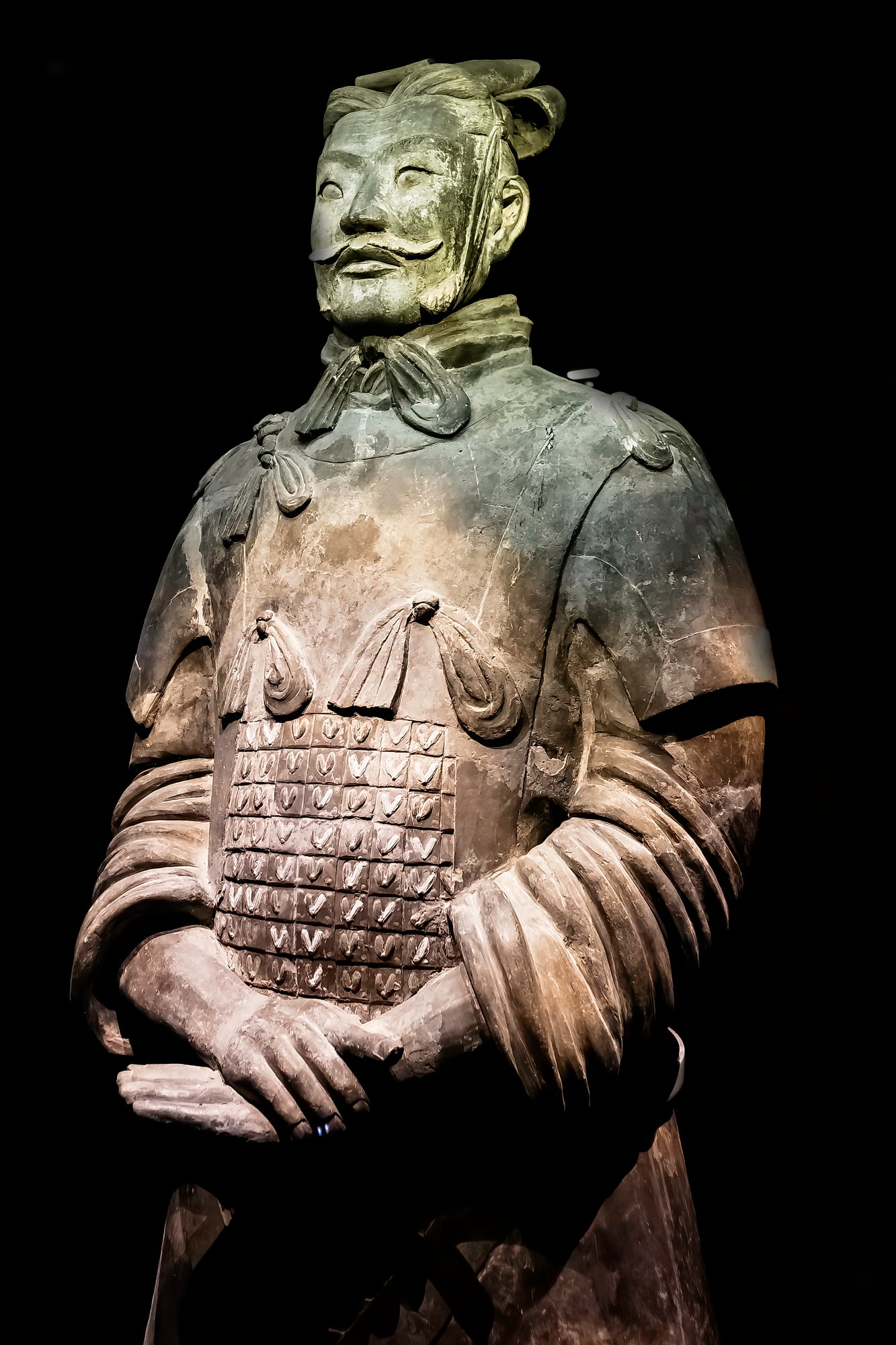
Chinese emperors rarely ate with anyone else, and when they did dine, strict rules controlled everything. The emperor would taste food from dozens of dishes, but servants had to test everything first to check for poison.
No one could watch the emperor chew or swallow. This created an atmosphere of mystery and made the emperor seem almost superhuman to those around him.
Byzantine rulers and the purple room births

Byzantine empresses had to give birth in a special room covered entirely in purple marble and porphyry stone. Babies born in this room earned the title ‘born in the purple,’ which gave them a stronger claim to the throne than siblings born elsewhere.
The whole palace was designed with secret passages leading to this chamber so empresses could reach it privately when labor started.
Japanese emperors never touching the ground

Japanese emperors from certain periods were considered so sacred that their feet couldn’t touch bare earth. Servants carried them on palanquins or laid down special mats wherever they walked.
When they traveled, workers would prepare paths in advance with cloth or wooden platforms. This practice made the emperor seem separate from the ordinary world that common people lived in.
Ottoman sultans and the cage system
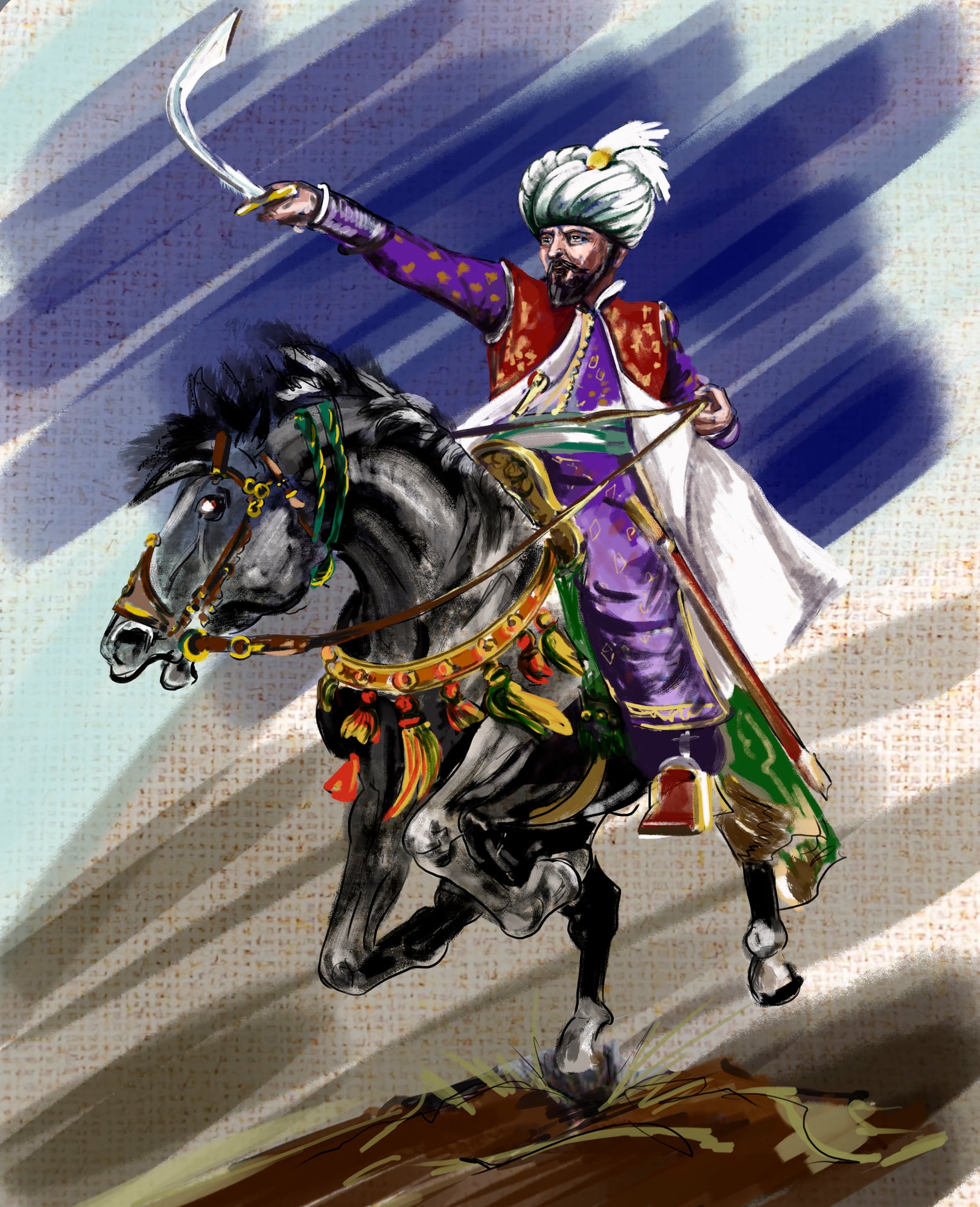
Ottoman princes lived in a section of the palace called the kafes, or cage, where they stayed isolated from the outside world. They had servants, teachers, and entertainment, but they couldn’t leave or participate in government until they were chosen to rule.
This system prevented civil wars between brothers, but it also meant new sultans sometimes had no practical experience with ruling when they took the throne.
Incan ruler’s clothes burned daily

The Sapa Inca, ruler of the Incan Empire, never wore the same outfit twice. Every piece of clothing he touched during the day was collected and burned in a sacred ceremony.
His hair clippings and nail trimmings were also carefully stored because people believed these items contained his divine essence. Wearing the same clothes twice would supposedly weaken his connection to the sun god.
Korean kings and the secret food tasters

Korean kings employed multiple tiers of food tasters who sampled every dish before it reached the royal table. The interesting twist was that these tasters didn’t know which dishes were actually meant for the king.
Chefs prepared identical meals and sent them through different routes, so potential poisoners couldn’t target the real food. This elaborate deception happened three times a day for every meal.
Russian tsars blessing water on Epiphany

Russian tsars participated in a January ritual where they watched priests cut a cross-shaped pits in frozen rivers. The tsar would then bless the water and sometimes even drink from it despite the freezing temperature.
This ceremony connected the tsar’s authority to the Orthodox Church and showed his willingness to share in his people’s spiritual practices, at least symbolically.
Aztec emperors and the new fire ceremony

Every 52 years, Aztec rulers led a ceremony where every fire in the empire was extinguished. The emperor would watch priests create a new sacred fire on the chest of a sacrifice victim at midnight.
This fire was then distributed throughout the kingdom to light every hearth and temple. The ritual marked the beginning of a new calendar cycle and reinforced the emperor’s role as mediator between gods and people.
English monarchs touching for scrofula

English and French kings practiced the ‘royal touch,’ where they would place their hands on sick people suffering from scrofula, a form of tuberculosis. Thousands of people would line up for this ceremony, believing the king’s touch could cure them.
The practice continued into the 18th century and required elaborate rituals including special prayers and the giving of gold coins to each person touched.
Khmer kings and the sacred sword ceremony

Cambodian kings of the Khmer Empire kept a sacred sword that supposedly held the kingdom’s protective power. Each night, the king performed a private ceremony with this sword in a special tower temple.
According to legend, the king had to meet with a divine serpent spirit who appeared as a woman. If he missed even one night, disaster would strike the kingdom.
Persian shahs and the spring cleaning ritual

Persian rulers celebrated Nowruz, the new year, with a massive palace cleaning that had symbolic meaning beyond just tidying up. Every object in the throne room was removed, cleaned, and blessed by priests before being returned.
The shah would personally inspect these items and sometimes replace ones he felt had lost their power. This renewal ceremony took nearly two weeks to complete properly.
Mayan kings bloodletting ceremonies
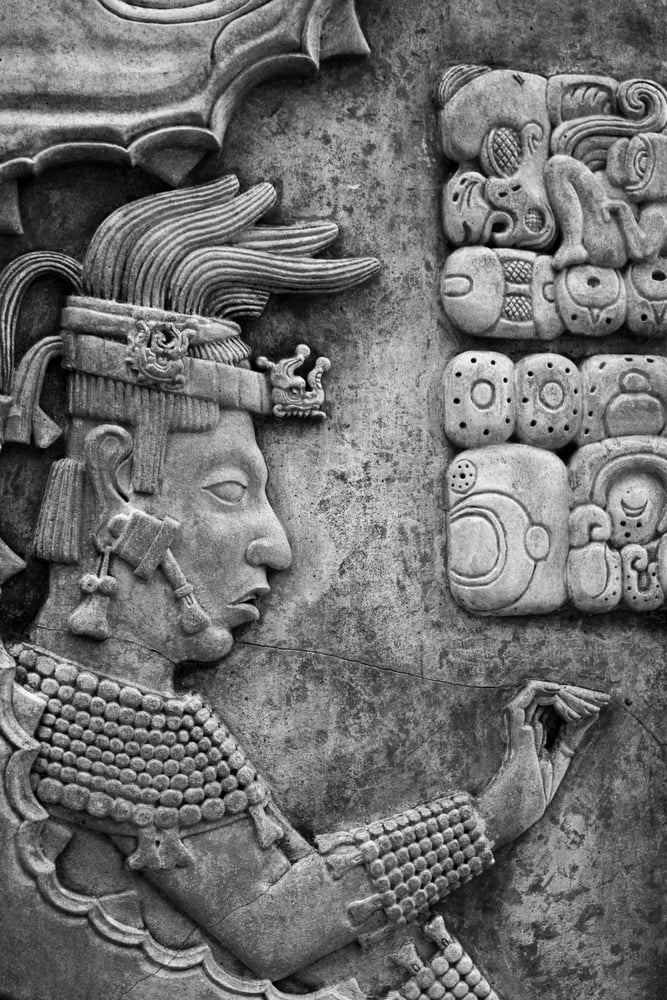
Mayan rulers performed self-bloodletting rituals where they would pierce their tongues or other body parts with stingray spines or obsidian blades. They collected the blood on special paper that was then burned to send smoke messages to the gods.
These ceremonies happened during important astronomical events and were seen as necessary sacrifices to maintain cosmic balance and the kingdom’s prosperity.
Holy Roman emperors and the anointing ritual

Holy Roman Emperors underwent a secret anointing ceremony where priests applied holy oil to specific parts of their bodies in a particular sequence. The formula for this oil and the exact locations of application were closely guarded secrets passed down through church officials.
This ritual transformed the emperor from a regular noble into someone chosen by God, giving him authority over other kings.
Mughal emperors and the daily public appearance
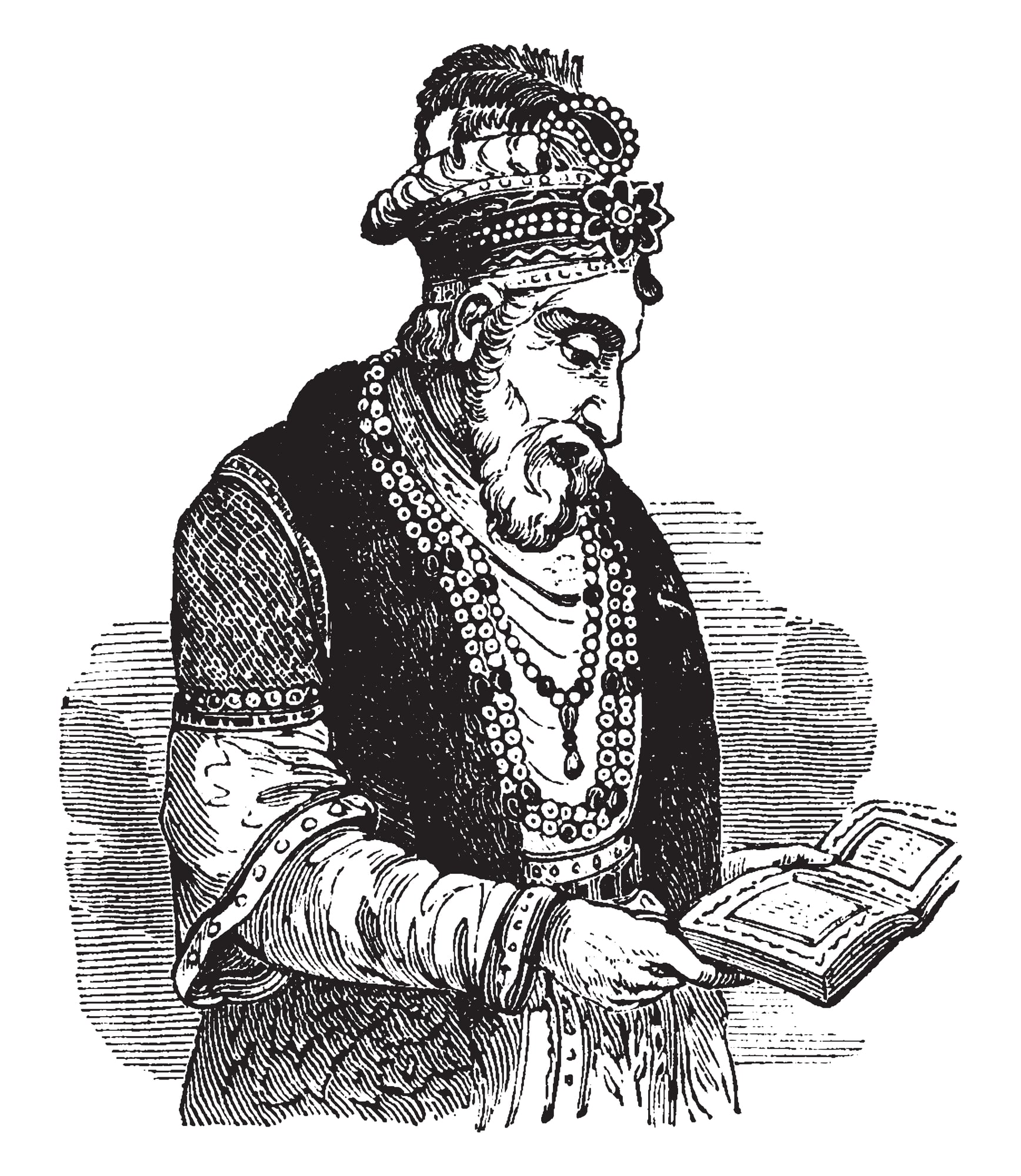
Mughal emperors appeared at a special window called the jharoka every morning so subjects could see them and present petitions. This wasn’t casual.
The emperor wore specific clothes, jewels were arranged precisely, and the timing connected to astrological calculations. Missing this appearance would spark rumors about the emperor’s health or grip on power, so it happened even when rulers were sick or traveling.
Thai kings and the white elephant ceremony

A strange sight arrived when a pale elephant stepped into the realm, turning quiet courts into buzzing centers of ritual. Days unfolded with chants, offerings, lights strung across courtyards, all for the animal now given a noble name.
It lived behind gilded walls, waited on by attendants who brought fruit and silk cloth. People watched closely – such rare beasts meant heaven favored the ruler.
Each new ivory-gray arrival quietly silenced doubts among lords and villagers alike.
Hawaiian chiefs and the kapu system
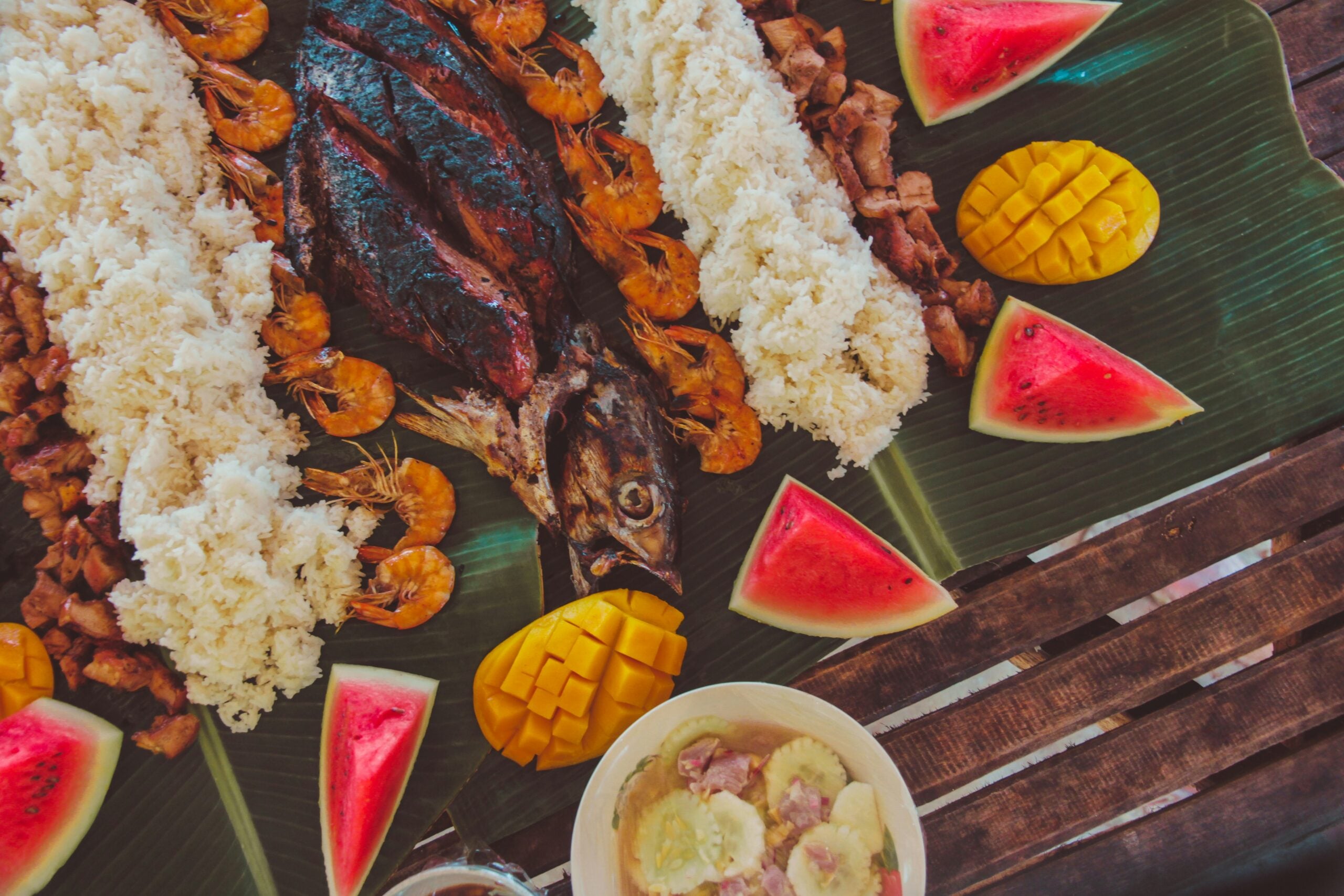
Food times, eye contact, walking paths – all ruled by unseen forces tied to old beliefs. Death waited for those who stepped wrong, no matter their rank.
A ruler’s shade carried such weight that touching it brought execution without delay. Separation marked the top tier of power from every other soul below.
Not a single slip allowed in the silent code that held them above.
Fresh questions rise through long-held customs

Away back then, odd customs made sense. Rulers stood apart, not mixed with crowds.
Power felt untouchable, backed by higher forces. Life at court moved in fixed patterns.
Certain rules kept kings safe from knives in the shadows. Other acts played out for show – grand displays meant to stun and silence.
Today’s leaders keep the ceremony alive. The holy glow has faded.
Instead, the weight falls on public trust.
More from Go2Tutors!

- The Romanov Crown Jewels and Their Tragic Fate
- 13 Historical Mysteries That Science Still Can’t Solve
- Famous Hoaxes That Fooled the World for Years
- 15 Child Stars with Tragic Adult Lives
- 16 Famous Jewelry Pieces in History
Like Go2Tutors’s content? Follow us on MSN.