Historic Banquet Halls That Hosted Legends
Stone archways, glittering chandeliers, and tables laden with feasts fit for royalty. Throughout history, certain banquet halls have served as the grand stages where monarchs celebrated victories, signed world-changing treaties, and entertained the most powerful figures of their time.
These magnificent spaces weren’t just rooms with fancy decorations—they were carefully designed statements of power, wealth, and cultural sophistication. Kings and queens understood that the grandeur of their banquet halls could impress foreign dignitaries, intimidate rivals, and cement their place in history.
The walls of these halls have witnessed coronations, diplomatic negotiations, and celebrations that shaped the course of nations. Many of these historic venues continue to host important events today, maintaining traditions that stretch back centuries.
Here is a list of 13 historic banquet halls that hosted legends. Dates, dimensions, and events verified against official palace and museum records; monetary or attendance figures omitted unless documented.
Hall of Mirrors at Versailles
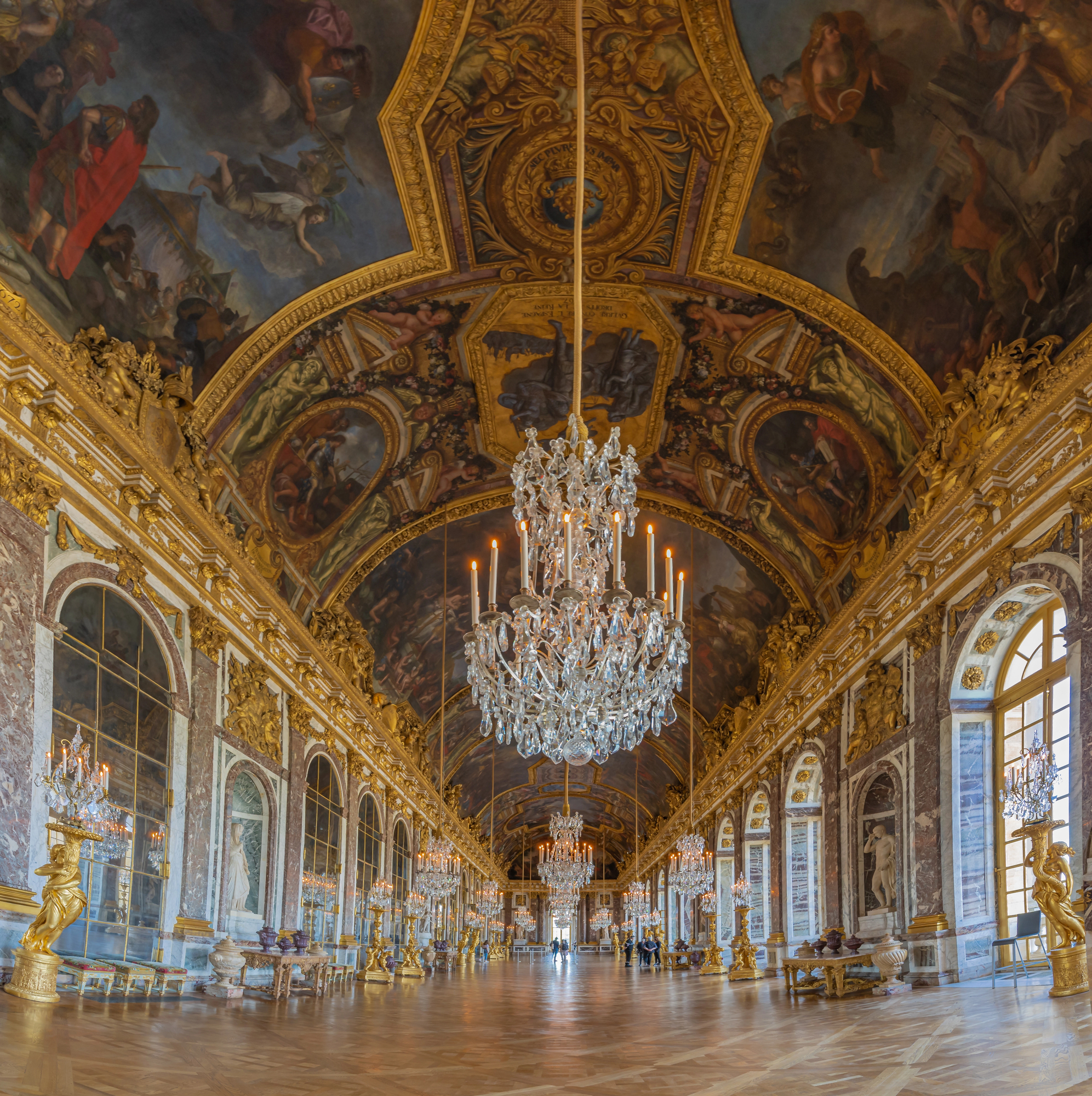
Built between 1678 and 1684 during the reign of Louis XIV, the Hall of Mirrors stretches 73 meters (240 feet) through the Palace of Versailles. Architect Jules Hardouin-Mansart designed this gallery featuring 357 mirrors in 17 arched assemblies, with Charles Le Brun painting 30 scenes across the vaulted ceiling illustrating the Sun King’s triumphs.
The hall hosted royal weddings including Louis XVI and Marie Antoinette in 1770, and diplomatic receptions where ambassadors from Siam, Persia, and the Ottoman Empire walked its length. Most famously, the Treaty of Versailles was signed here on June 28, 1919, ending World War I in the very room where the German Empire had been proclaimed in 1871.
Westminster Hall
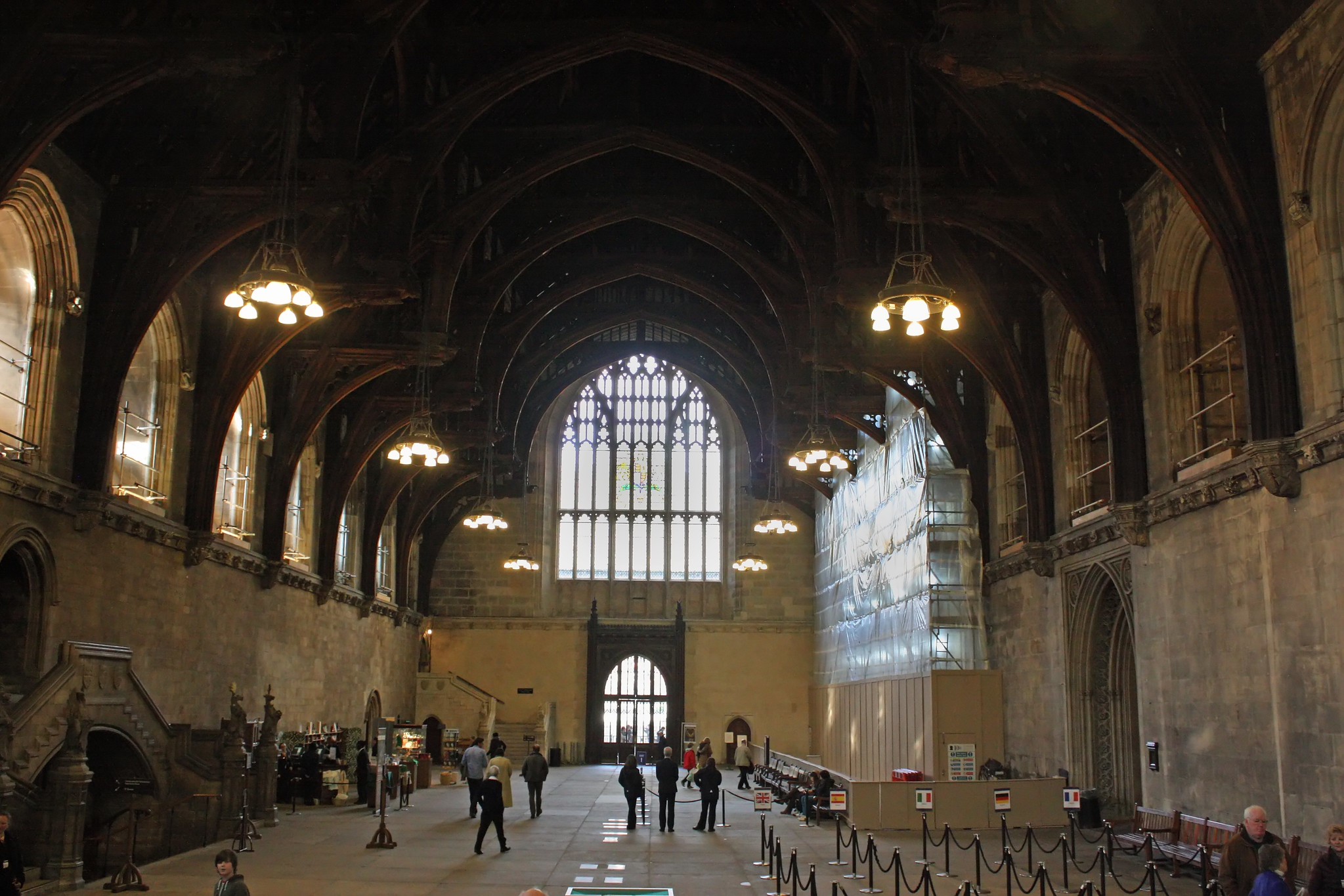
Completed in 1097 by William Rufus, Westminster Hall stands as the oldest building in the UK Parliamentary estate, with Richard II rebuilding its roof between 1393 and 1399. The medieval timber masterpiece measures 73 × 20.7 meters (240 × 68 feet) and remains the largest of its kind in Northern Europe.
From 1189 until 1821, this hall served as the venue for coronation banquets, with the king’s champion riding in full armor to challenge anyone who denied the monarch’s right to rule. The 1821 banquet proved so extravagant that William IV abandoned the tradition entirely in 1830.
Banqueting House at Whitehall
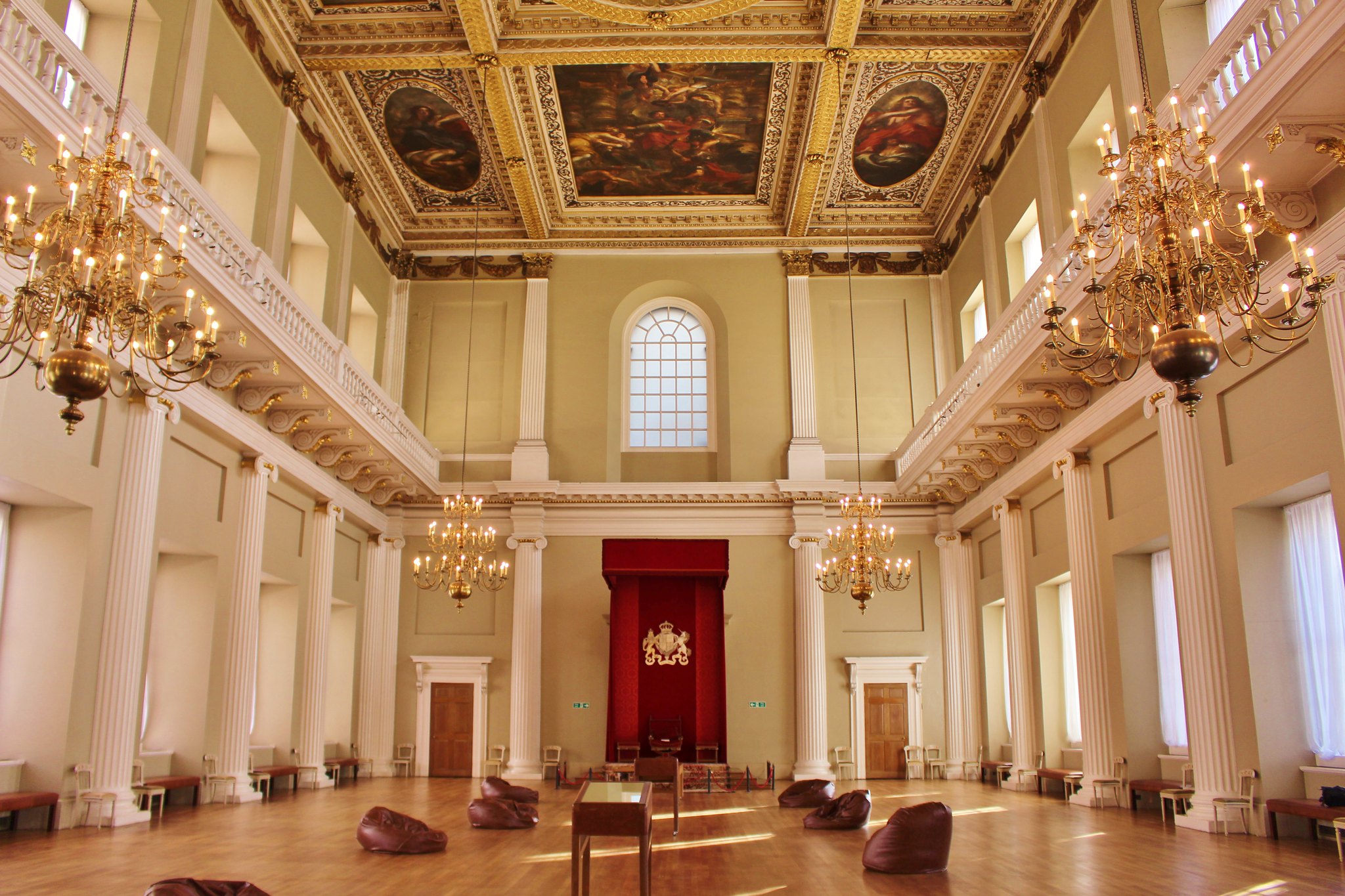
Inigo Jones designed this architectural masterpiece between 1619 and 1622 for James I, creating the first building in England completed in the Palladian style. The double-height hall features a stunning ceiling painted by Peter Paul Rubens between 1635 and 1636, representing the only surviving in-situ Rubens ceiling painting.
The hall served for royal masques, ambassadorial receptions, and ceremonies, though it became the scene of Charles I’s execution in January 1649. After the 1698 fire destroyed the rest of Whitehall Palace, the Banqueting House survived and witnessed William III and Mary II accepting the crown in 1689.
Buckingham Palace Ballroom
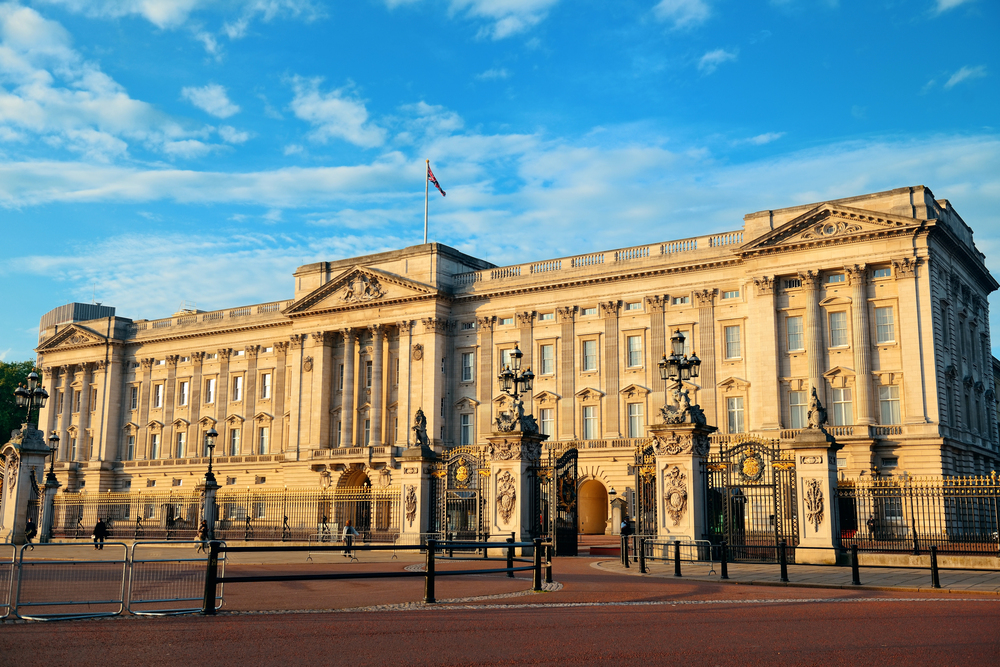
Completed in 1855 during Queen Victoria’s reign, the Ballroom measures 36.6 × 18 meters (120 × 59 feet) and represents the largest of Buckingham Palace’s State Rooms. Since 1914, state banquets in London have traditionally been held in this magnificent space, where the monarch hosts heads of state and distinguished guests.
The room contains two thrones made for King Edward VII and Queen Alexandra’s 1902 coronation, positioned beneath a triumphal arch flanked by sphinxes. Recent state banquets have honored dignitaries including Barack Obama and Michelle Obama in 2011, and the Emir of Qatar in October 2023.
Grand Kremlin Palace Ceremonial Halls
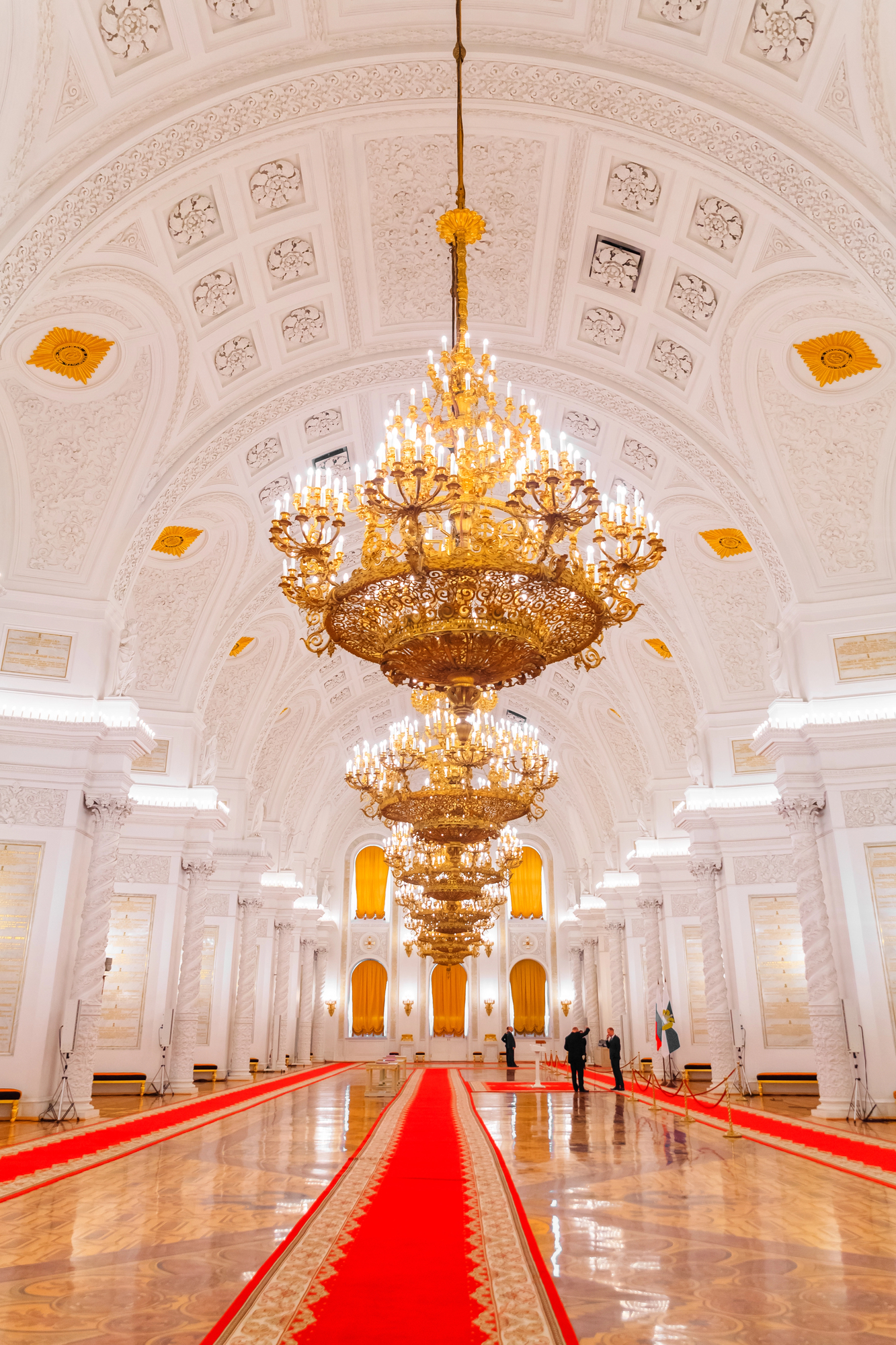
Architect Konstantin Thon designed this complex between 1837 and 1849, creating five magnificent reception halls named after Russian imperial orders. The Hall of St. George features walls decorated with gold embossed stars and insignia bearing the motto ‘For Service and Bravery,’ witnessing pivotal moments including celebrations of victory over Nazism.
The Hall of St. Andrew serves as the venue for the presidential inauguration of Russia, maintaining the palace’s role as a center of political power. During World War II, the palace hosted solemn meetings with foreign delegations, welcoming Chinese diplomat Soong Ziwen and General Dwight Eisenhower among others.
Hollywood Roosevelt Blossom Ballroom
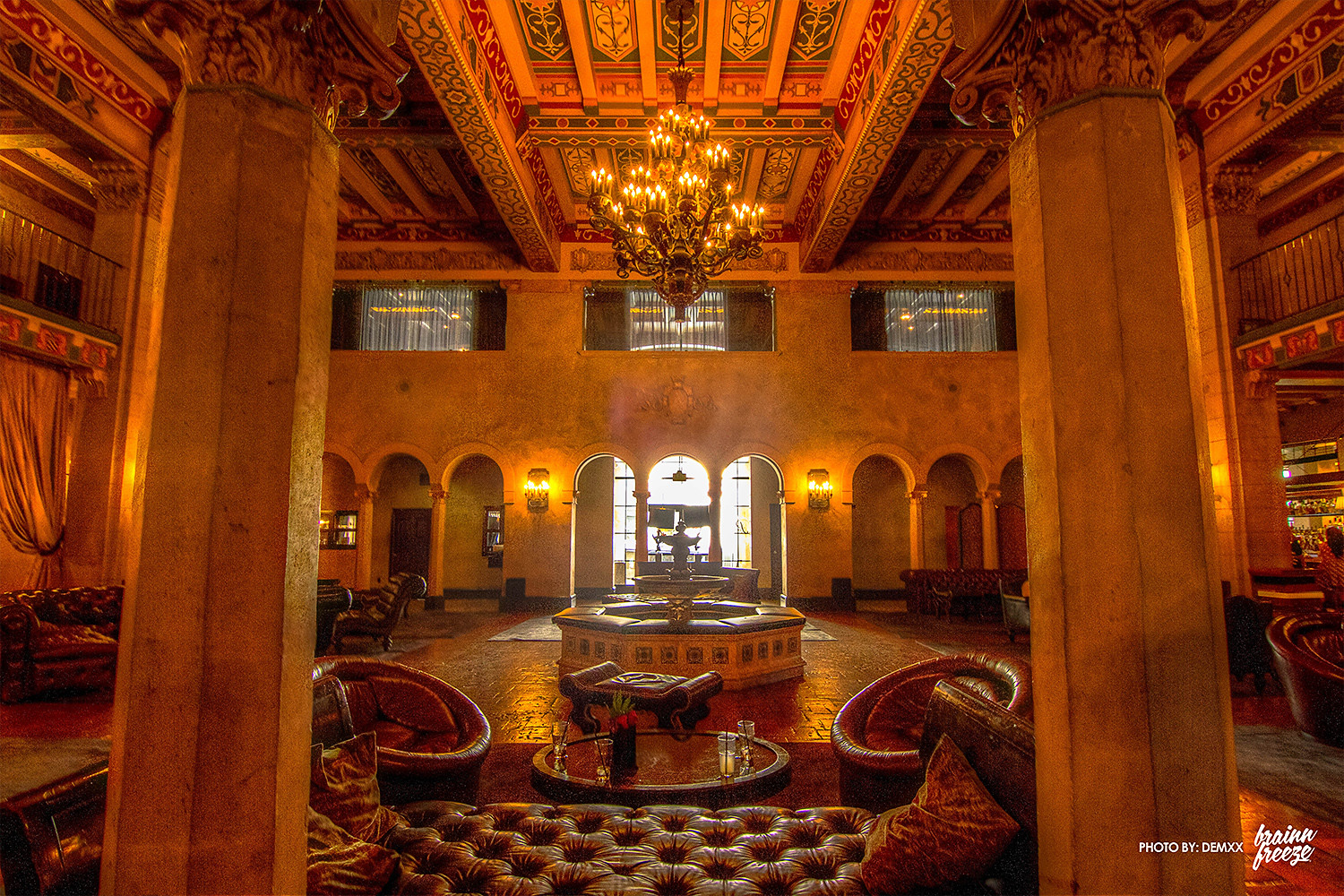
Since opening in 1927, the Hollywood Roosevelt Hotel has attracted Tinseltown luminaries including Clark Gable, Charlie Chaplin, and Marilyn Monroe. The Blossom Ballroom earned its place in cinema history by hosting the first Academy Awards ceremony on May 16, 1929, welcoming 270 guests for a 15-minute ceremony.
Following a recent multi-million dollar renovation, the ballroom features 25-foot tall LED light ceilings, nearly 4,500 square feet of space, and carefully preserved original ceiling details. Throughout the 1930s and 1940s, the hotel hosted the Academy Awards several additional times, cementing its status as a legendary entertainment venue.
Windsor Castle St. George’s Hall
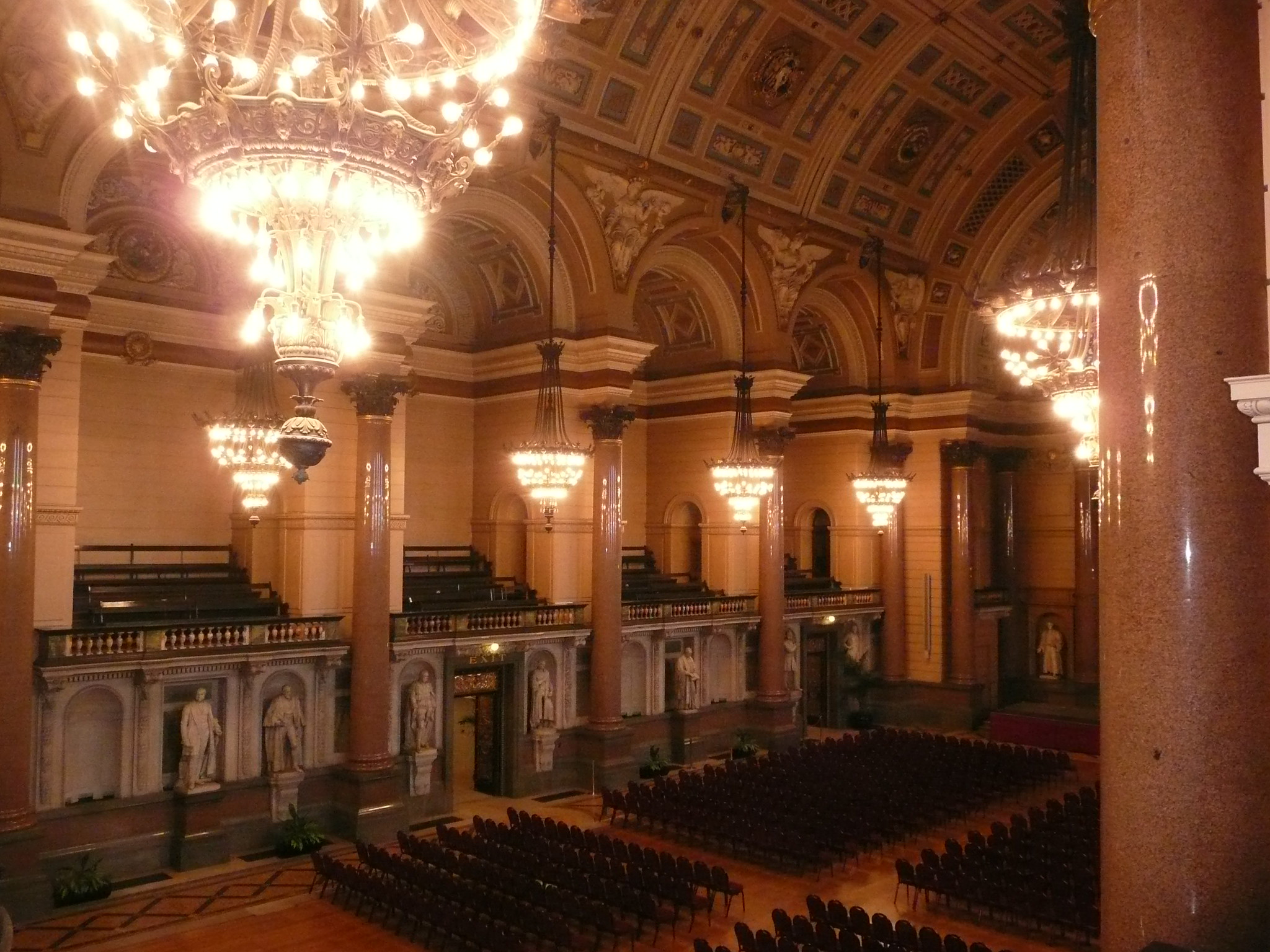
This magnificent space within Windsor Castle was rebuilt following the devastating 1992 fire and reopened in 1997. The hall has hosted state banquets for visiting dignitaries throughout British history, including French President Nicolas Sarkozy and First Lady Carla Bruni in 2008.
The hall features a 52-meter (170-foot) mahogany table where guests enjoy French-inspired menus accompanied by fine wines. Windsor Castle provides a more intimate alternative to Buckingham Palace for certain state occasions while maintaining ceremonial traditions established by generations of British monarchs.
Hampton Court Palace Great Hall
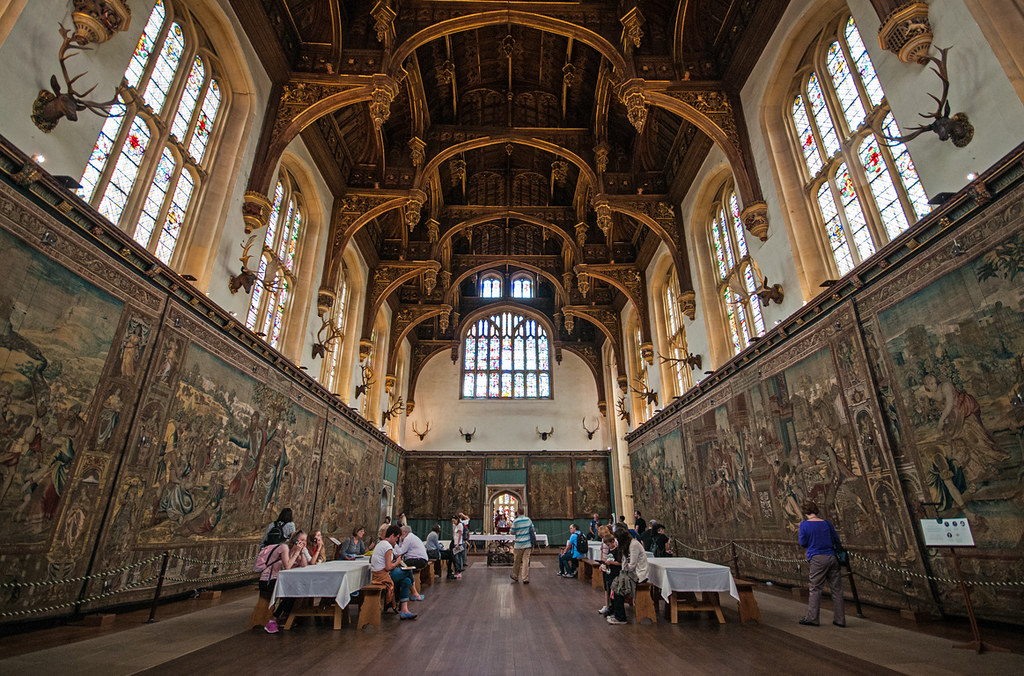
Henry VIII transformed Hampton Court Palace into one of England’s grandest royal residences, with the Great Hall serving as the centerpiece for his legendary feasts. Tudor banquets held here rivaled the splendor of the coronation feast that chronicler Edward Hall described as ‘greater than any Caesar had known.’
These meat-heavy celebrations included venison and birds such as swan or peacock, often served cooked on platters with their feathers fanned flamboyantly. The hall witnessed the pageantry of Tudor court life, where the king’s champion would charge through after the second course, and courtiers competed for royal favor.
State Kremlin Palace Great Hall
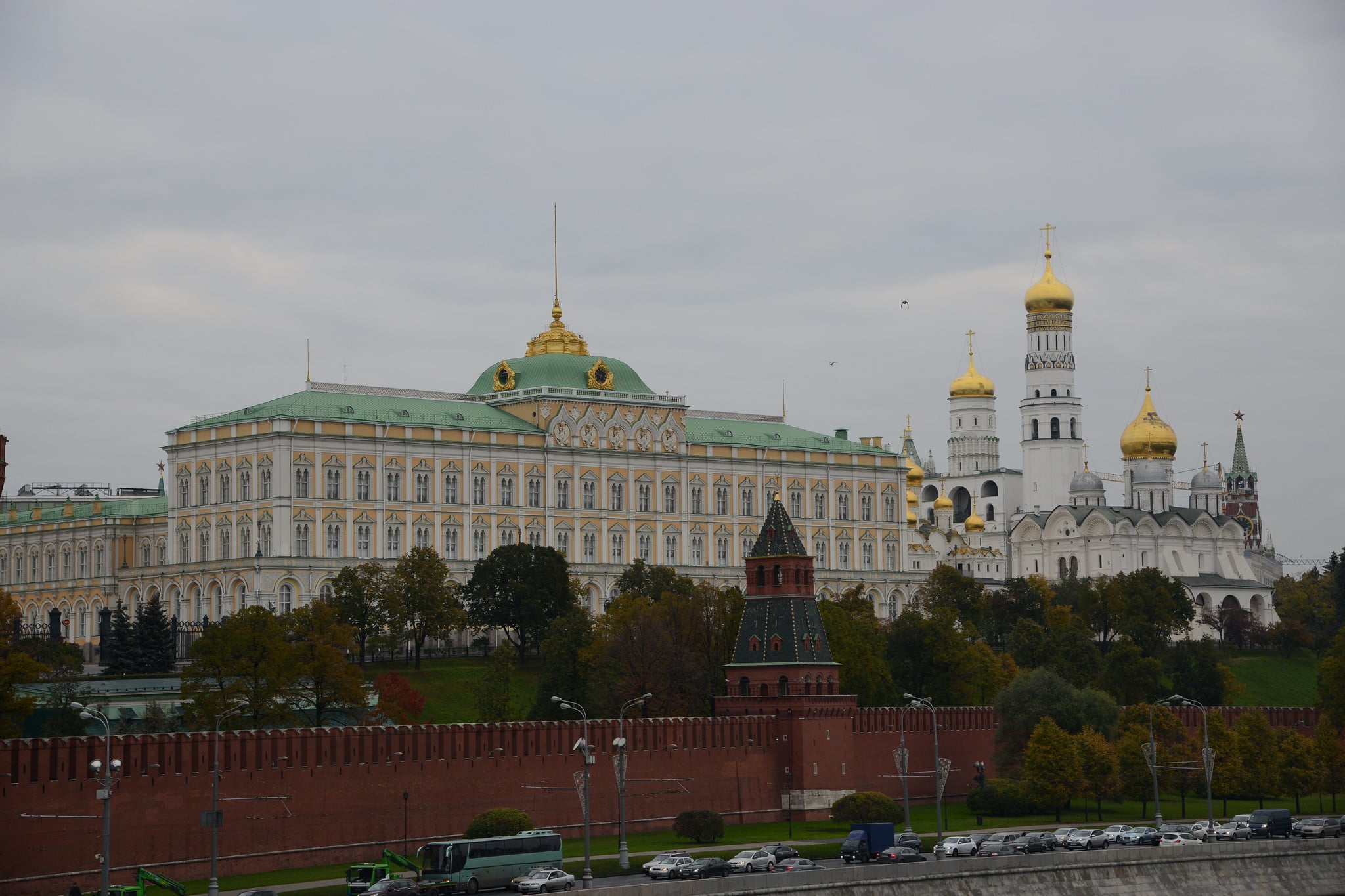
Built between 1959 and 1961 by architects Mikhail Posokhin and Ashot Mndoyants, this modern building inside the Moscow Kremlin can accommodate 6,000 spectators. The building opened on October 17, 1961, along with the 22nd Congress of the Communist Party of the Soviet Union.
The Great Hall became the main venue for mass state events and witnessed the first President of Russia taking the oath of office. Artist Alexander Deineka created mosaic emblems in the banquet hall, and today it remains one of the premier theatrical and concert venues in the world.
Brighton Pavilion Banquet Room
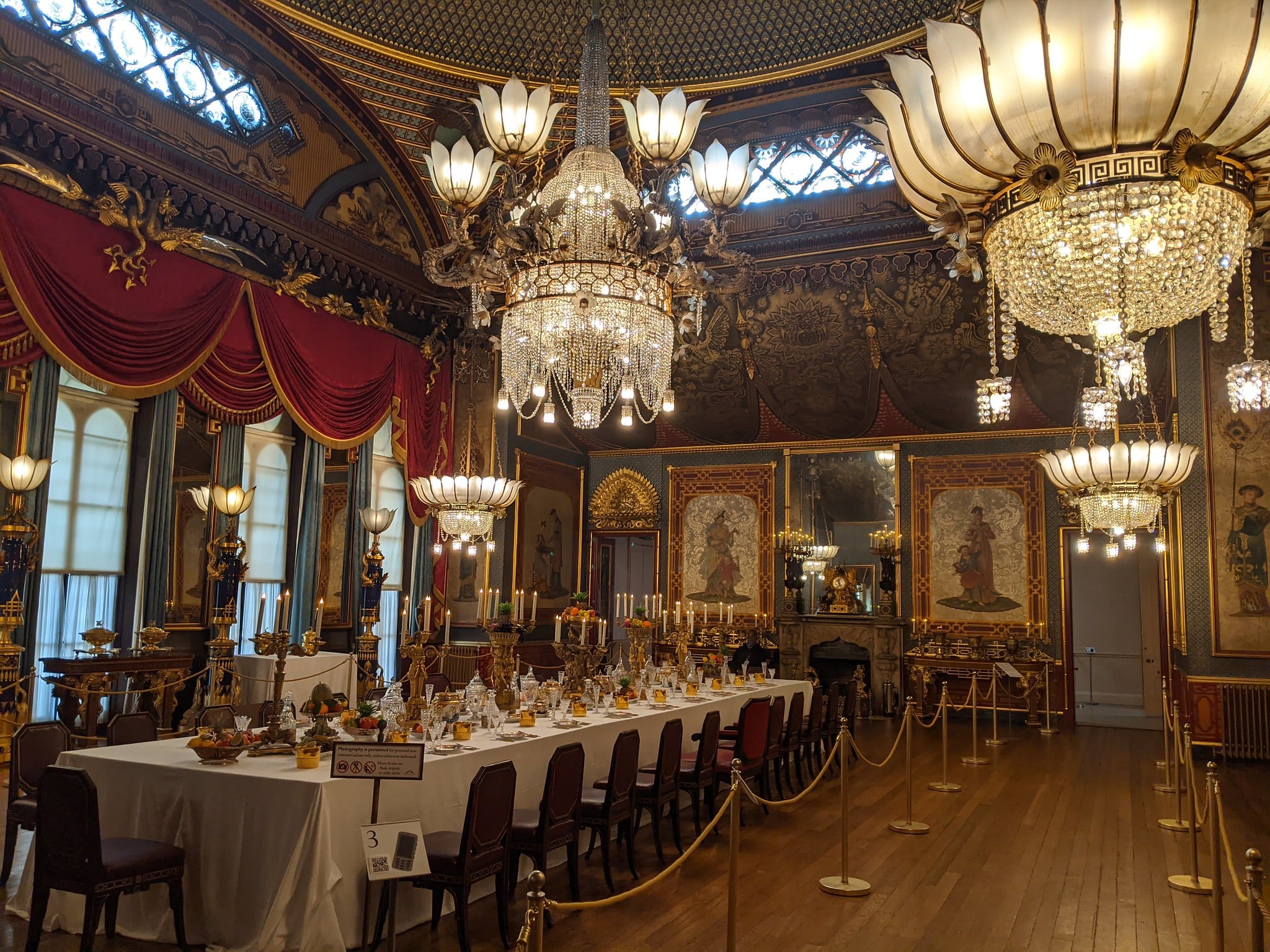
Prince George IV commissioned this exotic palace in Brighton, creating banquets that became legendary for their opulence and theatrical presentation. Chef Marie-Antoine Carême worked here briefly in 1816-1817, popularizing elaborate service à la française menus that influenced British royal dining for generations.
The building’s unique Indo-Saracenic architecture, with its distinctive onion domes and minarets, created an atmosphere unlike any other royal residence in Britain. These banquets showcased not just culinary excellence but also the Prince Regent’s desire to distinguish himself through unique aesthetic choices.
Palace of Fontainebleau Salle de Bal
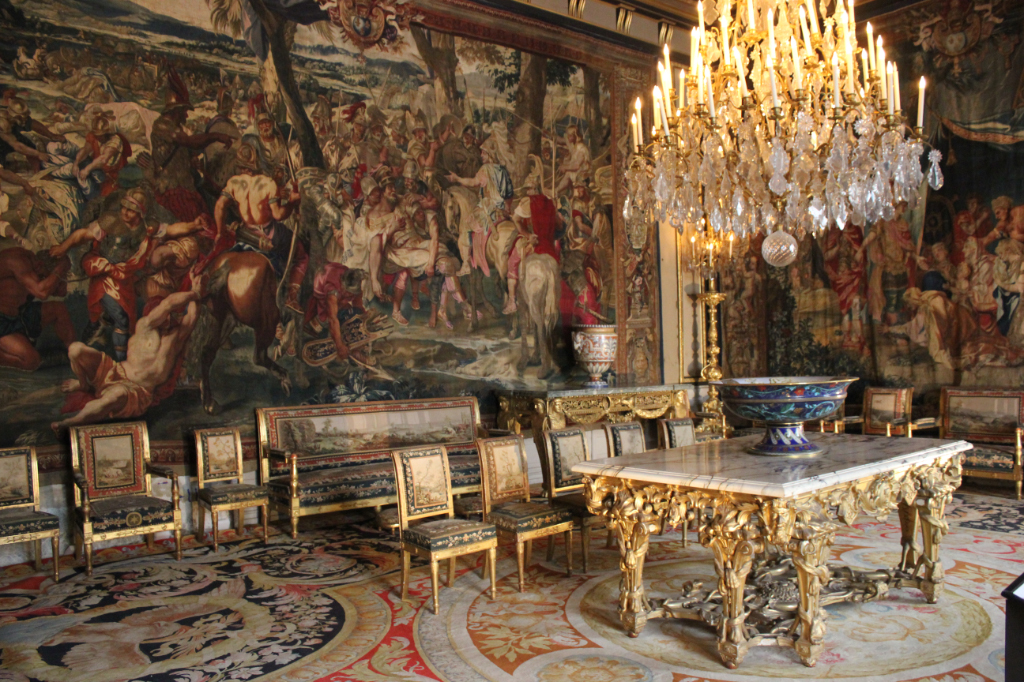
Built under Francis I in the 1540s, the Salle de Bal hosted centuries of magnificent celebrations and diplomatic receptions at this French royal residence. The ballroom’s Renaissance architecture and elaborate frescoes created an atmosphere of refined elegance distinct from Versailles’ overwhelming opulence.
French kings entertained foreign ambassadors and nobility in this space, conducting the delicate diplomatic dance that maintained France’s position as a European power. The palace’s location outside Paris provided monarchs with a more intimate setting while still maintaining appropriate royal grandeur.
Schönbrunn Palace Great Gallery
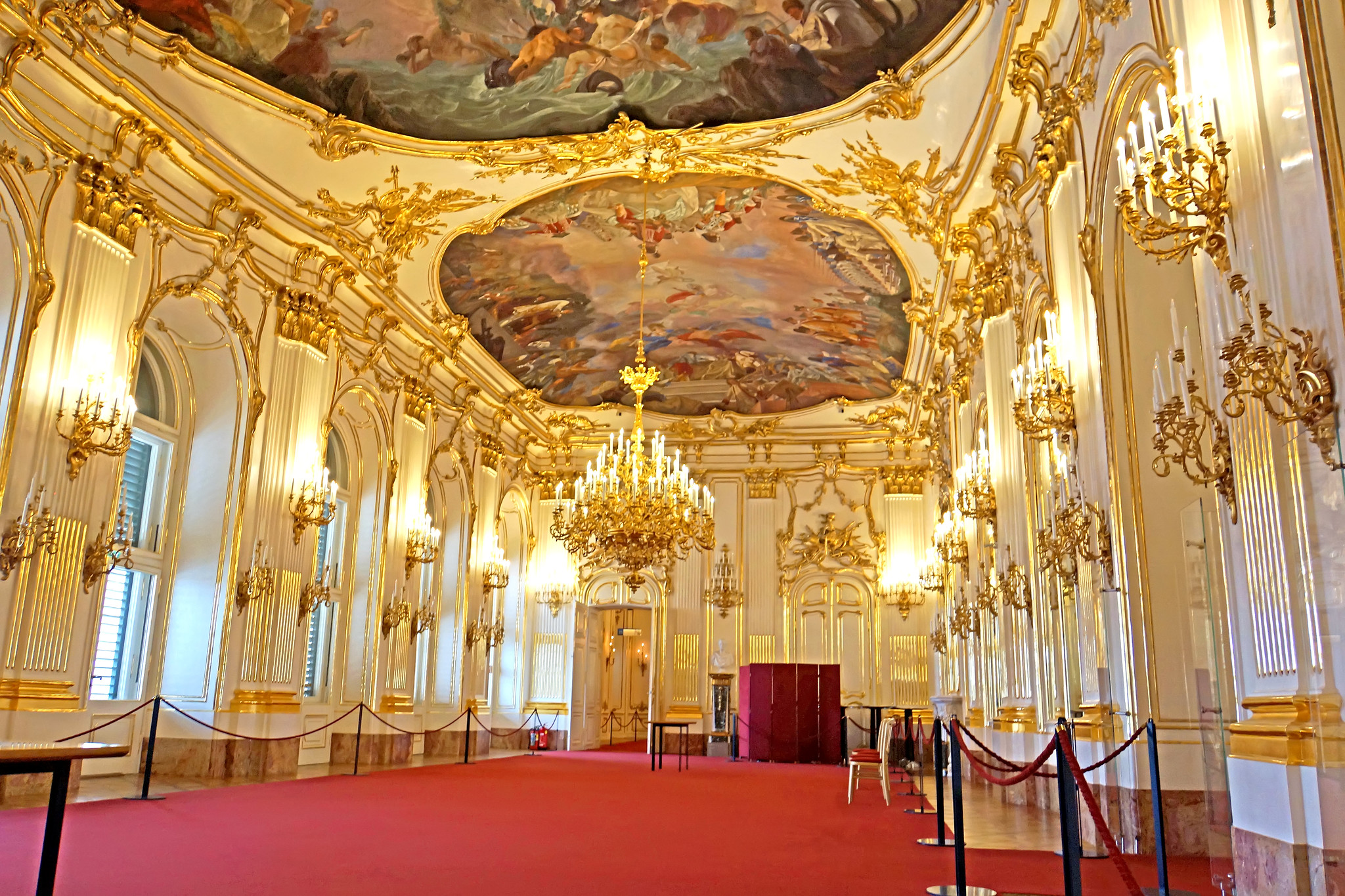
Built between 1744 and 1749, this rococo masterpiece served as the ballroom for the Habsburg dynasty in Vienna, Austria. The Great Gallery hosted imperial banquets, diplomatic receptions, and elaborate court ceremonies for the rulers of the Austro-Hungarian Empire.
The room features elaborate ceiling frescoes, crystal chandeliers, and gilded decorations that epitomize 18th-century imperial splendor. Today, the gallery hosts major diplomatic receptions and concerts, maintaining its relevance as a venue for international gatherings where Mozart once performed as a child prodigy.
Doge’s Palace Grand Council Chamber
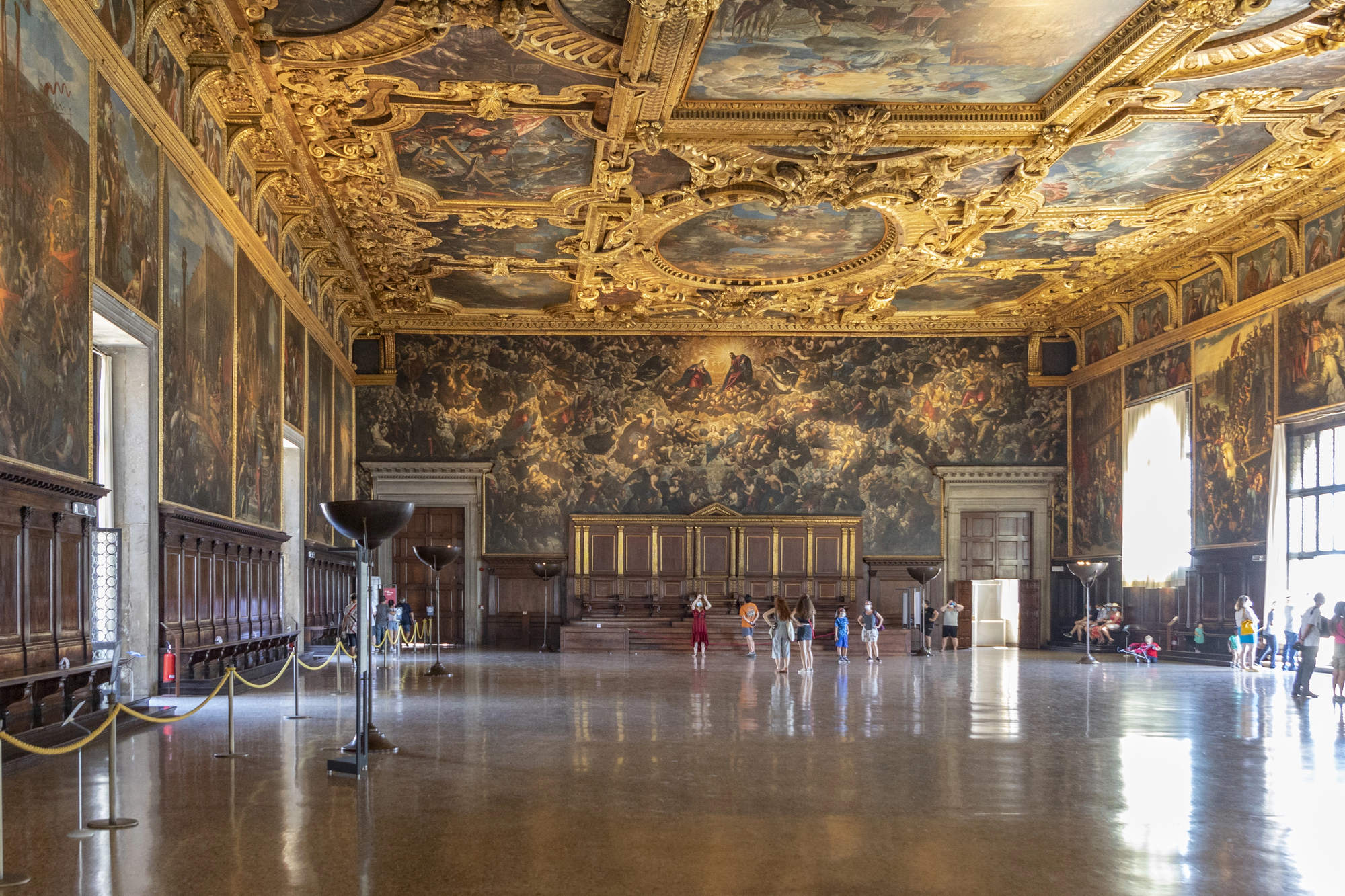
The political and ceremonial heart of the Venetian Republic, this vast hall hosted the assemblies of Venice’s ruling council and state receptions for visiting dignitaries. The chamber features walls covered in paintings by Tintoretto and other Venetian masters, including Paradise, measuring 22 × 7 meters (72 × 23 feet).
The Doge of Venice entertained foreign ambassadors and nobility here, demonstrating the maritime republic’s wealth and cultural sophistication through carefully orchestrated events. The hall’s decoration served as propaganda, depicting Venetian military victories and maintaining the republic’s prestige during its centuries as an independent power.
Where Power Met Pageantry
These magnificent spaces demonstrate how architecture and celebration intertwined to project authority and cultural achievement. From medieval Westminster to Renaissance Versailles, rulers understood that the grandeur of their banquet halls could accomplish diplomatic goals that armies and diplomacy alone could not.
The Hall of Mirrors dazzled foreign ambassadors into recognizing French supremacy, while Westminster Hall’s timber roof reminded subjects of royal permanence stretching back centuries. These venues weren’t just beautiful—they were strategic tools that turned feasting into statecraft.
Today, many continue hosting state functions, maintaining traditions while adapting to modern diplomatic needs. The chandeliers still sparkle, the tables still display elaborate arrangements, and world leaders still gather in these halls where history was made over carefully prepared meals and ceremonial toasts.
More from Go2Tutors!

- The Romanov Crown Jewels and Their Tragic Fate
- 13 Historical Mysteries That Science Still Can’t Solve
- Famous Hoaxes That Fooled the World for Years
- 15 Child Stars with Tragic Adult Lives
- 16 Famous Jewelry Pieces in History
Like Go2Tutors’s content? Follow us on MSN.



