14 Movie Roles Based on Real-Life Criminals
Hollywood keeps coming back to real criminals for inspiration. These stories pack a punch that fiction often can’t match — the knowledge that these events actually happened adds weight to every scene. Filmmakers face the tricky balance of staying true to real events while crafting compelling entertainment, and audiences can’t seem to get enough of these dark character studies.
Here’s a list of 14 movie roles where actors tackled the challenge of bringing genuine criminals to life on the big screen.
Al Capone in ‘Scarface’ (1983)
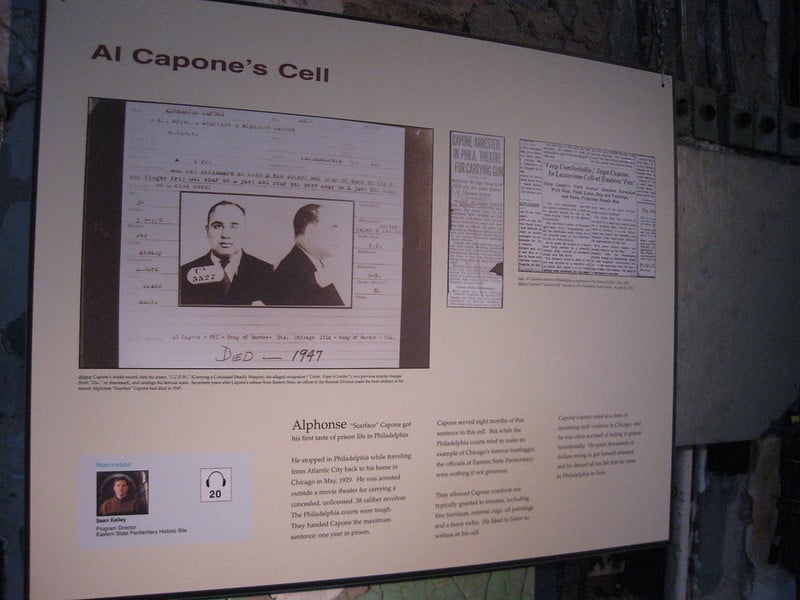
Al Pacino’s Tony Montana wasn’t technically a direct portrayal of Al Capone, but the inspiration runs deep throughout the film. De Palma shifted the setting from 1920s Chicago to 1980s Miami — smart move that kept the essence while updating the context.
Pacino’s explosive performance captures what made Capone legendary: that mix of charisma and violence that could fill a room with both respect and terror.
Henry Hill in ‘Goodfellas’ (1990)

Ray Liotta became Henry Hill so completely that it’s hard to imagine anyone else in the role. Hill had worked with the Lucchese crime family before turning informant to save himself from prison time.
The performance shows why that world was so seductive — the money flowed freely, respect came automatically, and rules didn’t apply to them — until reality came crashing down.
Frank Abagnale Jr. in ‘Catch Me If You Can’ (2002)
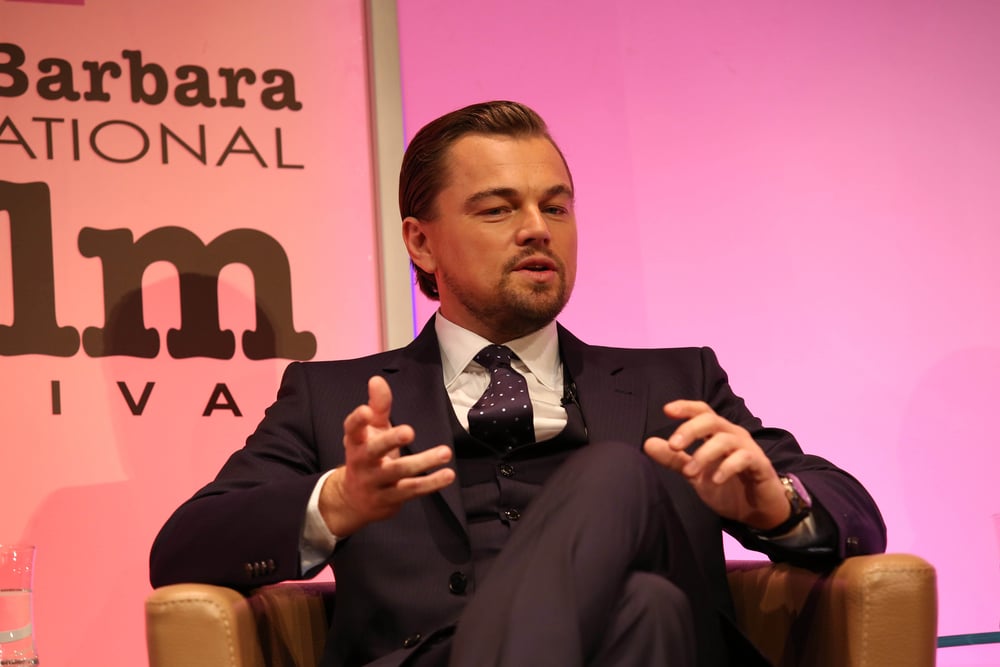
Leonardo DiCaprio made Frank Abagnale Jr. seem almost likeable, which is pretty remarkable considering the guy was a master manipulator. The real Abagnale had posed as a pilot, doctor, and lawyer before his 19th birthday — all while cashing millions in fake checks.
DiCaprio’s charm offensive shows how Abagnale could talk his way into almost anything, though the film doesn’t let us forget the real people who got hurt along the way.
Aileen Wuornos in ‘Monster’ (2003)

Charlize Theron disappeared completely into Aileen Wuornos — the physical transformation was just the beginning. Wuornos had killed seven men in Florida, claiming self-defense though the courts saw it differently.
Theron’s Oscar-winning work doesn’t ask us to excuse the crimes, but it does force us to grapple with the broken system that created such a damaged person.
John Gotti in ‘Gotti’ (1996)

Armand Assante stepped into the flashy world of John Gotti, the Gambino boss who treated media attention like a drug. The real Gotti loved being photographed — he’d practically strut for the cameras outside courthouses.
Assante captures that showboat personality while never letting us forget the brutal reality behind the expensive suits and confident smiles.
Bonnie Parker in ‘Bonnie and Clyde’ (1967)

Faye Dunaway transformed a small-town waitress into one of America’s most notorious criminals. The real Bonnie Parker — along with Clyde Barrow — terrorized the Midwest during the Great Depression.
Many Americans saw them as folk heroes fighting back against a system that had abandoned them. Dunaway’s fierce performance captures Parker’s absolute devotion to Clyde, a loyalty that would ultimately destroy them both.
Jordan Belfort in ‘The Wolf of Wall Street’ (2013)

Leonardo DiCaprio went full manic mode as Jordan Belfort, the stockbroker who built his fortune on fraud and excess. The real Belfort wrote the memoir that inspired the film — though his version of events probably shouldn’t be taken at face value.
DiCaprio’s performance shows how Belfort’s complete moral bankruptcy created a lifestyle so extreme it was bound to collapse under its own weight.
Clyde Barrow in ‘Bonnie and Clyde’ (1967)
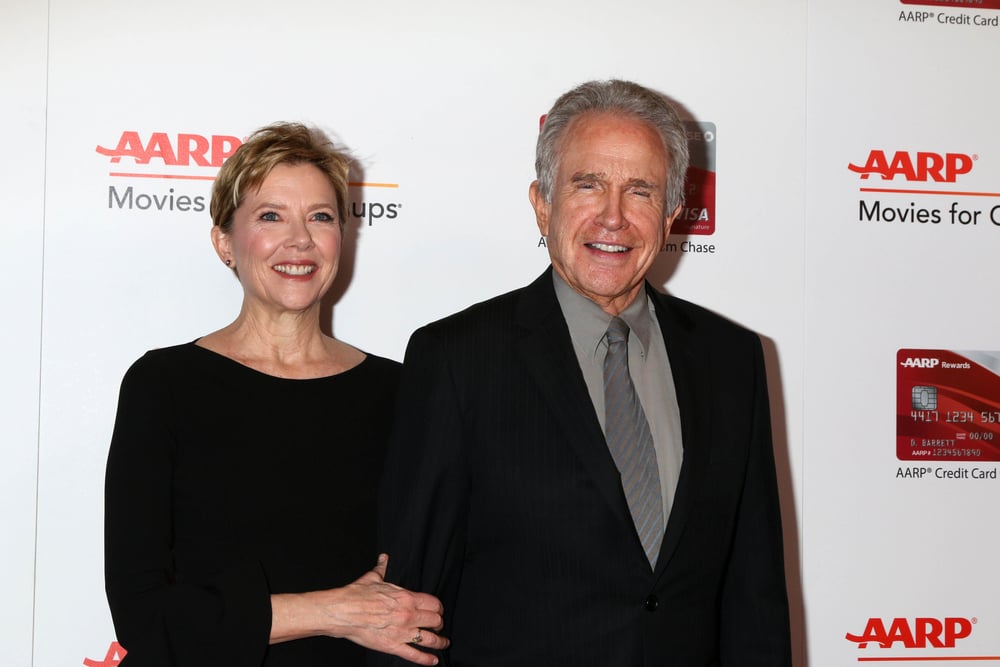
Warren Beatty brought complexity to Clyde Barrow, the violent half of America’s most famous criminal couple. The real Barrow killed at least nine people during their two-year rampage — he had a hair-trigger temper that could explode without warning.
Beatty’s portrayal balances that volatility with genuine tenderness toward Bonnie, creating a character who was simultaneously ruthless and deeply human.
Jeffrey Dahmer in ‘My Friend Dahmer’ (2017)

Ross Lynch took on the uncomfortable task of playing Jeffrey Dahmer during his high school years — before he became one of America’s most notorious serial killers. The real Dahmer would eventually murder 17 people between 1978 and 1991.
Lynch’s performance focuses on those crucial teenage years, showing the isolation and mental illness that would later manifest in unthinkable ways.
Charles Bronson in ‘Bronson’ (2008)

Tom Hardy delivered a powerhouse performance as Charles Bronson, Britain’s most violent prisoner who has spent most of his adult life in solitary confinement. The real Bronson, born Michael Peterson, became notorious for his unpredictable prison assaults and theatrical behavior.
Hardy’s portrayal captures how Bronson turned violence into his own twisted art form, performing for an audience that existed mostly in his own mind.
Frank Lucas in ‘American Gangster’ (2007)
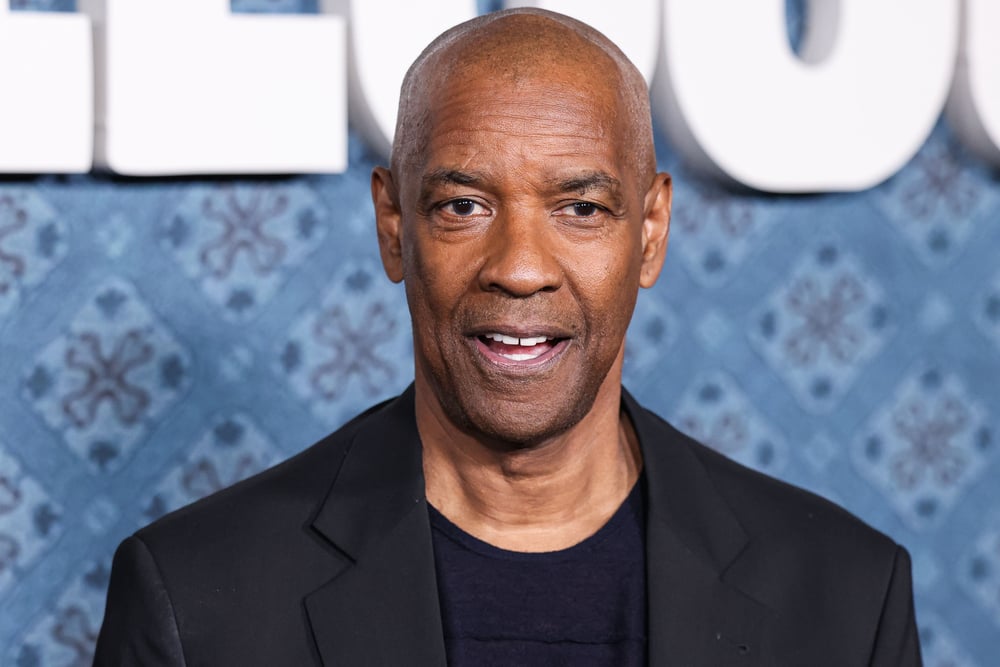
Denzel Washington embodied Frank Lucas, the Harlem drug dealer who revolutionized the heroin trade by cutting out middlemen and dealing directly with Southeast Asian suppliers. The real Lucas was a brilliant businessman who managed to stay under the radar while building a massive criminal empire.
Washington’s performance demonstrates how Lucas combined street smarts with ruthless efficiency to dominate the drug trade.
John Dillinger in ‘Public Enemies’ (2009)
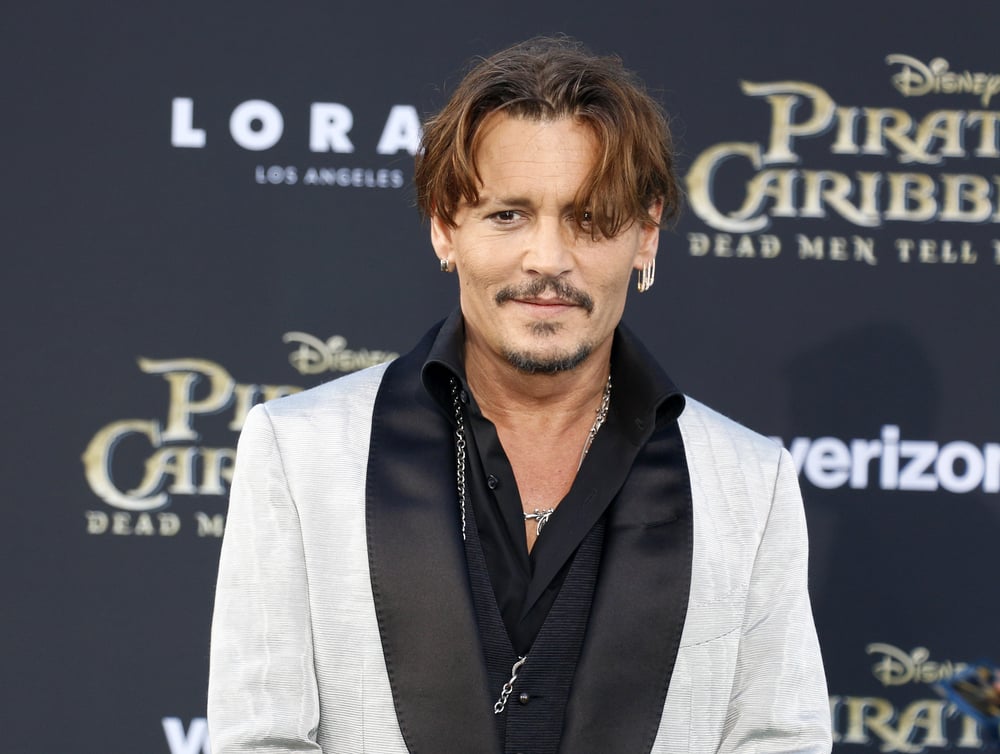
Johnny Depp brought Depression-era flair to John Dillinger, the bank robber who became Public Enemy Number One before meeting his end outside a Chicago theater in 1934. The real Dillinger robbed banks across the Midwest while somehow maintaining a Robin Hood image with the public.
Depp’s performance captures that strange charisma that made Dillinger a folk hero during America’s darkest economic times.
Chopper Read in ‘Chopper’ (2000)
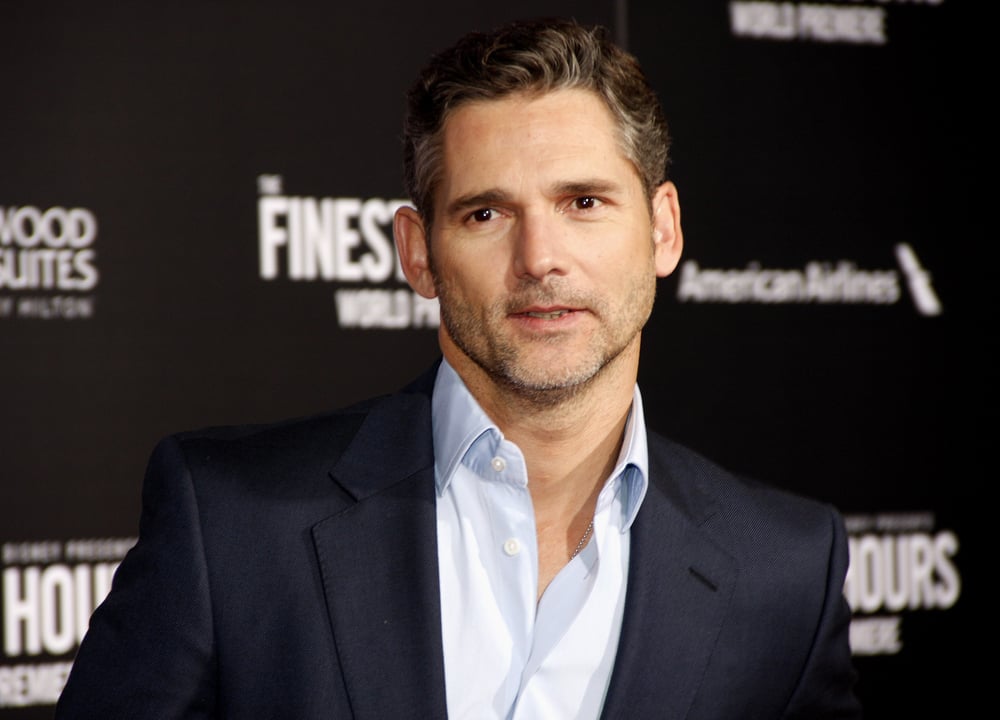
Eric Bana completely reinvented himself to play Mark ‘Chopper’ Read, the Australian criminal who became famous for his violent exploits and tell-all books. The real Read spent most of his life in prison but managed to become a celebrity criminal through his writing.
Bana’s performance captures Read’s unpredictable nature and his bizarre ability to market himself as an entertainment figure while behind bars.
Mickey Cohen in ‘Bugsy’ (1991)

Harvey Keitel portrayed Mickey Cohen, the explosive Los Angeles mobster who controlled much of the city’s criminal activity during the 1940s and 1950s. The real Cohen was famous for his violent temper and his ongoing wars with rival crime families.
Keitel’s performance captures Cohen’s brutality while showing his central role in the power struggles that defined organized crime in post-war Los Angeles.
Why These Stories Keep Drawing Us Back

These criminal portrayals continue to fascinate because they force us to confront uncomfortable truths about human nature. The actors who take on these roles walk a tightrope between making monsters understandable without making them sympathetic.
These films remind us that evil often wears an ordinary face, and that understanding what drives people to commit terrible acts might help us recognize warning signs in the future. The most successful performances leave us disturbed by how recognizable these criminals can seem, forcing us to acknowledge the capacity for darkness that exists within humanity itself.
More from Go2Tutors!

- The Romanov Crown Jewels and Their Tragic Fate
- 13 Historical Mysteries That Science Still Can’t Solve
- Famous Hoaxes That Fooled the World for Years
- 15 Child Stars with Tragic Adult Lives
- 16 Famous Jewelry Pieces in History
Like Go2Tutors’s content? Follow us on MSN.