Historic milestones to mark Black History Month
What stands out in Black History Month isn’t just memory. Courage stepping forward, refusing to wait – this changed how things work now.
Not old wins locked away somewhere. Moments that bent rules, made space, altered the shape of change across the U.S. and wider.
Each one still echoes, quietly steering what comes next. Some of those times faced pushback when they happened.
Only later did people grasp what really changed, once consequences stretched far into the future. Each piece fits into a story that links hardship with chance, and recall with duty.
A glance back shows key moments shaping the reason February remains significant now. What happened long ago continues to echo through current times.
Moments from the past build understanding of present meaning. Each event adds context, not just memory.
Time reveals how deeply roots go beneath surface awareness.
The end of slavery through the Thirteenth Amendment

The ratification of the Thirteenth Amendment in 1865 formally abolished slavery in the United States. This milestone marked a legal turning point, ending a system that had defined the nation’s economy and social structure for centuries.
While freedom on paper did not immediately translate to equality in practice, the amendment created a foundation for future legal challenges and civil rights efforts. It established the principle that liberty was not conditional, even if the reality of that promise would take generations to pursue.
Reconstruction and the first Black elected officials

In the years following the Civil War, Reconstruction opened a brief but significant window of political participation. Black Americans were elected to local, state, and federal offices, reshaping governance in former Confederate states.
Figures like Hiram Rhodes Revels and Blanche K. Bruce demonstrated that leadership and representation were achievable despite immense opposition. Though Reconstruction was eventually undermined, this period established a precedent that representation could not be permanently denied.
The founding of historically Black colleges and universities
The establishment of historically Black colleges and universities, often referred to as HBCUs, marked a transformative investment in education. Institutions such as Howard University and Spelman College became centers of intellectual development, leadership, and cultural preservation.
These schools emerged when access to higher education was systematically restricted elsewhere. Their influence extended far beyond classrooms, producing leaders, thinkers, and professionals who shaped law, medicine, politics, and the arts for generations.
The Harlem Renaissance and cultural redefinition
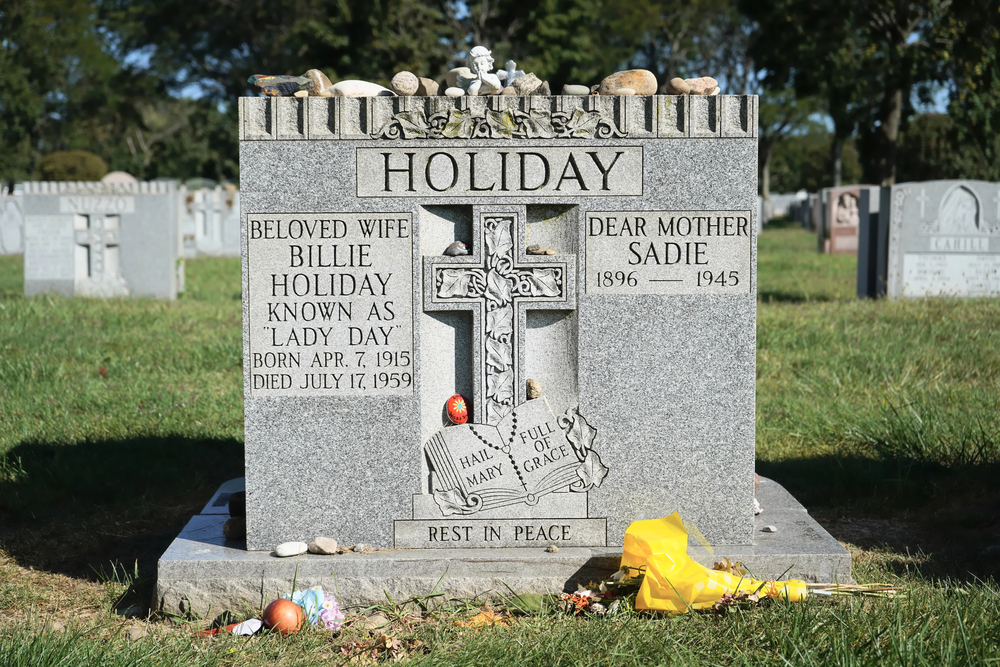
The Harlem Renaissance of the 1920s represented a cultural milestone that reshaped American art, literature, and music. Writers, musicians, and artists used creativity as a form of self-definition, rejecting narrow stereotypes imposed by mainstream society.
Figures such as Langston Hughes and Zora Neale Hurston helped center Black voices in national conversations. This movement demonstrated that cultural expression could be a powerful form of resistance and identity-building.
Jackie Robinson breaks Major League Baseball’s color barrier
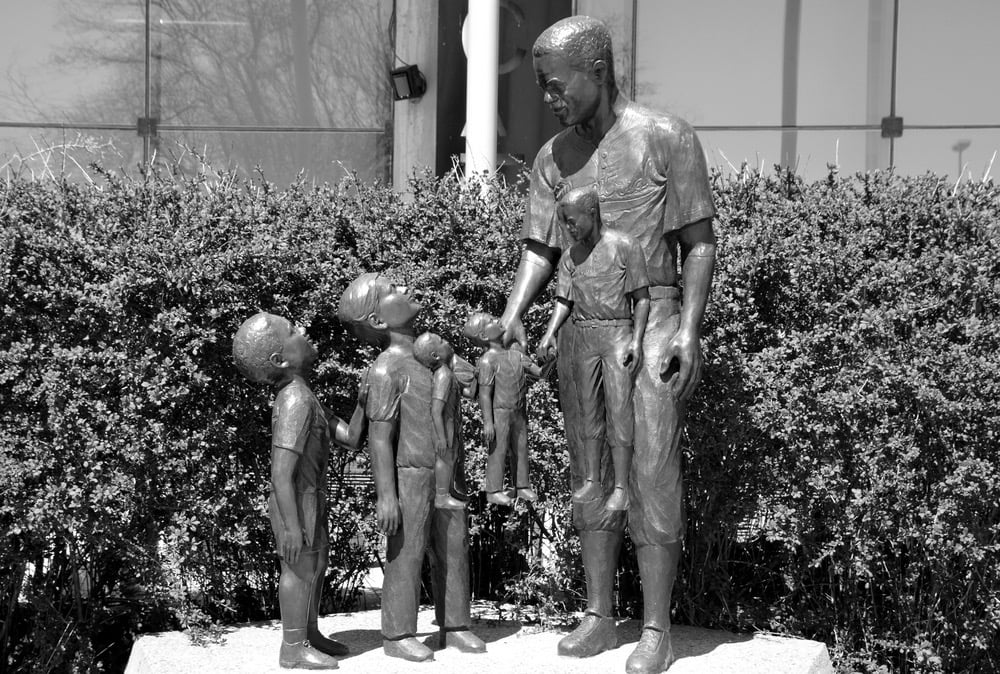
In 1947, Jackie Robinson became the first Black player in Major League Baseball’s modern era. His entry into the league challenged long-standing segregation in professional sports.
Robinson’s impact extended beyond baseball. His success under intense scrutiny helped shift public attitudes and demonstrated that integration could succeed even in highly visible arenas.
Sports became a stage where broader social change could be tested and witnessed.
Brown v. Board of Education and the fight for equal schooling

The 1954 Supreme Court decision in Brown v. Board of Education declared racial segregation in public schools unconstitutional. This ruling overturned decades of legal justification for separate and unequal education.
While implementation was slow and often resisted, the decision provided a powerful legal tool for dismantling segregation. It affirmed that inequality could not be justified as tradition and set the tone for future civil rights litigation.
The Montgomery Bus Boycott and collective action
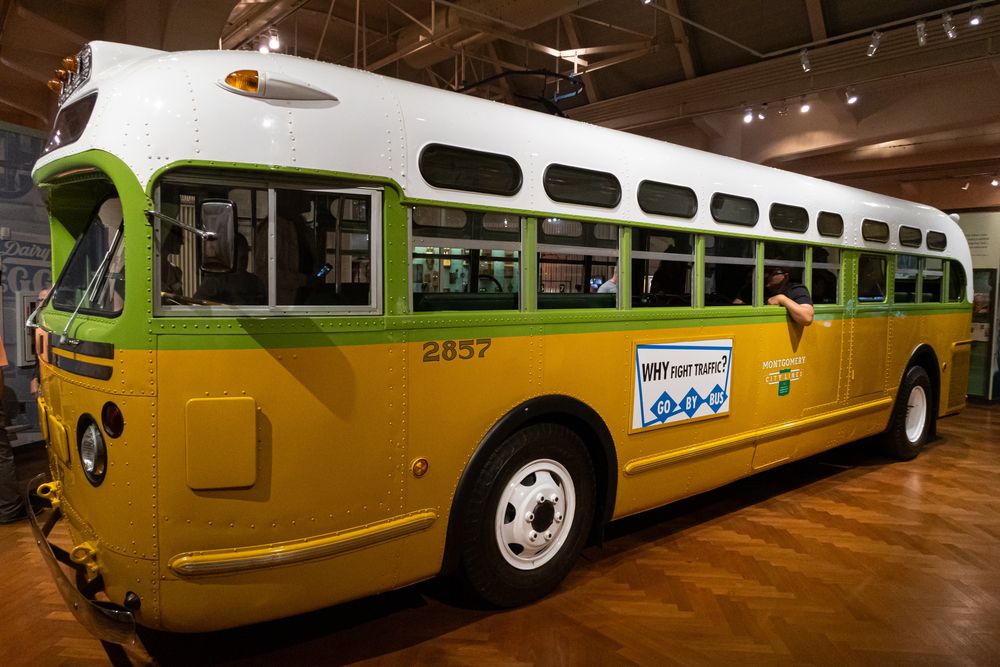
The Montgomery Bus Boycott of 1955 and 1956 demonstrated the power of coordinated, peaceful protest. Sparked by the arrest of Rosa Parks, the boycott lasted more than a year and disrupted the city’s transit system through sustained community action.
This milestone elevated Martin Luther King Jr. as a national leader and showed that organized resistance could produce tangible change. It also highlighted the role of everyday citizens in shaping history through persistence rather than force.
The Civil Rights Act of 1964
The passage of the Civil Rights Act of 1964 marked one of the most significant legislative achievements in American history. It outlawed discrimination in public spaces, employment, and education, addressing inequalities that had been normalized for generations.
Though enforcement remained uneven, the law provided a clear standard against which institutions could be held accountable. It translated protest into policy, showing how sustained activism could reshape the legal framework of a nation.
Voting Rights Act of 1965 and political participation
The Voting Rights Act of 1965 targeted barriers that had long suppressed Black political participation. By addressing discriminatory practices, it expanded access to the ballot and reshaped the democratic process.
This milestone reinforced the idea that voting is foundational to citizenship. Its impact was visible in increased representation and policy influence, demonstrating how access to civic participation can alter power structures over time.
Black achievement in space exploration

In 1983, Guion Bluford became the first Black American to travel to space. His mission challenged assumptions about who could participate in scientific and technological advancement.
This achievement symbolized progress beyond Earth itself. It highlighted the importance of inclusion in fields that shape the future, reinforcing that innovation thrives when opportunity is broadly accessible.
The election of Barack Obama
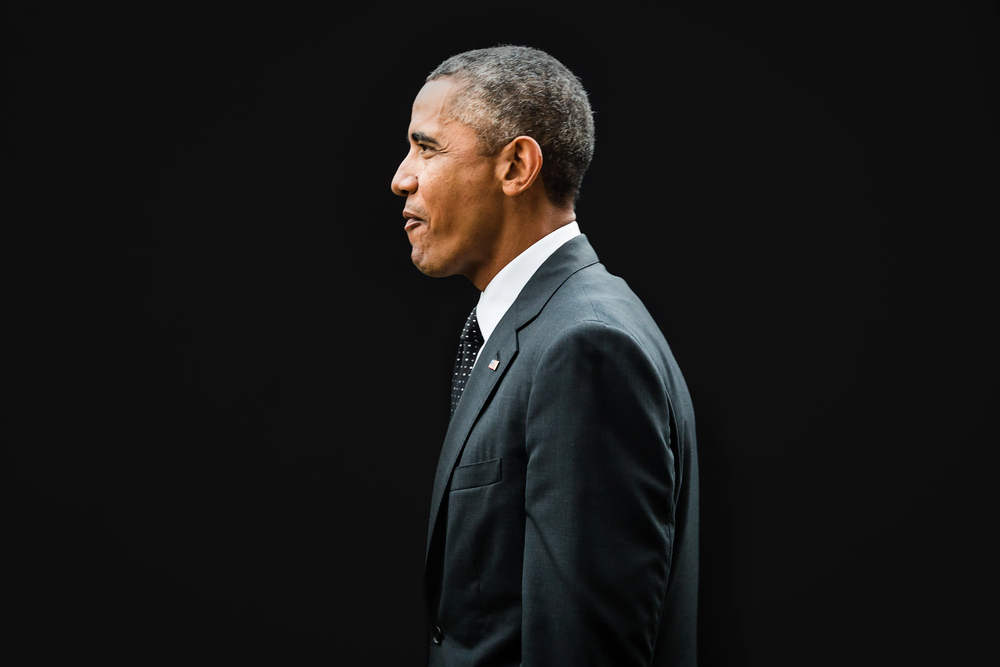
The election of Barack Obama as President of the United States in 2008 marked a historic moment in American political life. It reflected both generational change and decades of groundwork laid by civil rights efforts.
While it did not signal the end of racial inequality, the election represented expanded possibilities. It demonstrated how milestones accumulate over time, turning once-unimaginable outcomes into lived reality.
The rise of Black influence in global culture

In recent decades, Black influence has reshaped global culture across music, film, fashion, and media. Artists, creators, and entrepreneurs have used platforms to redefine storytelling and visibility on their own terms.
This cultural impact builds on earlier milestones, showing how representation evolves from access to authorship. It reflects a shift from inclusion to leadership, where narratives are created rather than filtered through external perspectives.
Why these milestones still matter
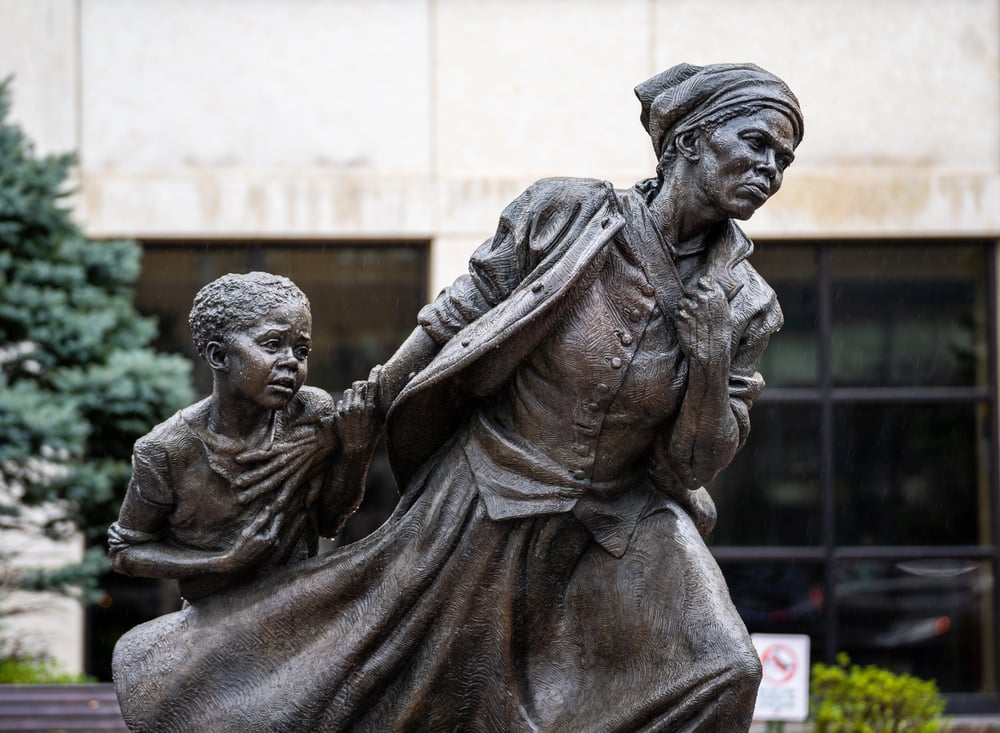
Not every landmark marks a finish line. Instead, they serve as markers showing how far things have moved, why gains need guarding.
Behind each lies work, pushback, sometimes hope flickering weakly through long odds. What seems like a single event often carries weight built slowly, quietly, over time.
Looking back at key moments during Black History Month ties old battles to what we must do now. Because of this, history feels alive – built by decisions people make each day.
Even so, where we go next relies on seeing just how much ground was covered already.
More from Go2Tutors!

- The Romanov Crown Jewels and Their Tragic Fate
- 13 Historical Mysteries That Science Still Can’t Solve
- Famous Hoaxes That Fooled the World for Years
- 15 Child Stars with Tragic Adult Lives
- 16 Famous Jewelry Pieces in History
Like Go2Tutors’s content? Follow us on MSN.