Historic Moments Changed by a Wrong Turn
History books make everything look inevitable. Events unfold in neat sequences, with clear causes leading to obvious effects.
But scratch beneath the surface and you’ll find something messier—moments that pivoted on mistakes, accidents, and people being in exactly the wrong place at exactly the right time. These weren’t the grand strategies of generals or the calculated risks of inventors.
They were wrong turns down unfamiliar streets, failed experiments left on windowsills, and substances that weren’t supposed to stick but did anyway. The world turned on these accidents, and somehow we ended up here.
The Archduke’s Last Detour
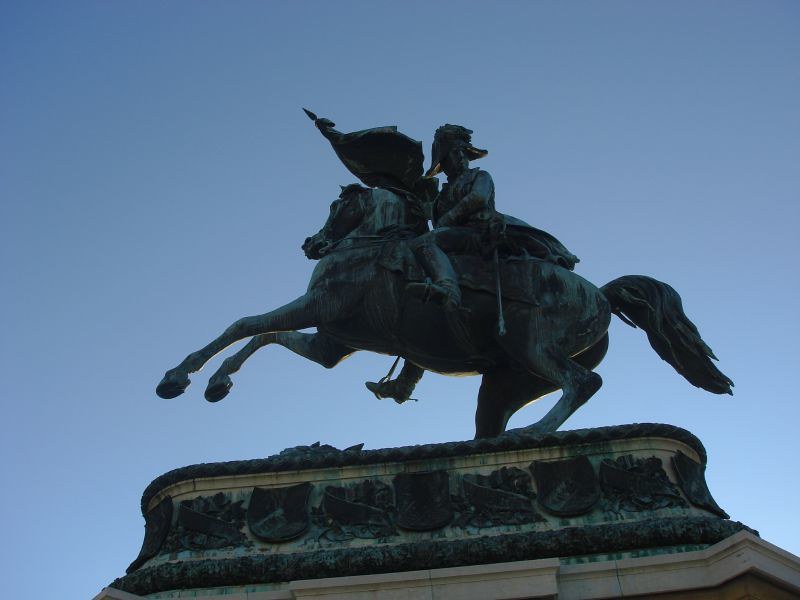
June 28, 1914. Franz Ferdinand’s motorcade took a wrong turn in Sarajevo. The original route had been abandoned after an earlier assassination attempt that morning—someone threw a grenade at the archduke’s car.
It missed. Ferdinand wanted to visit the injured officer in the hospital, but his driver didn’t know the new route.
The driver turned onto Franz Joseph Street, realized the mistake, and stopped to reverse. Right there, stalled in front of a delicatessen, sat the archduke’s car. Gavrilo Princip, one of the would-be assassins who’d given up after the failed grenade attack, happened to be standing there.
He stepped forward and fired twice. World War I started because a driver made a wrong turn. Millions died. Empires fell.
The world map was redrawn. All from one confused chauffeur.
Columbus and the “Indies”
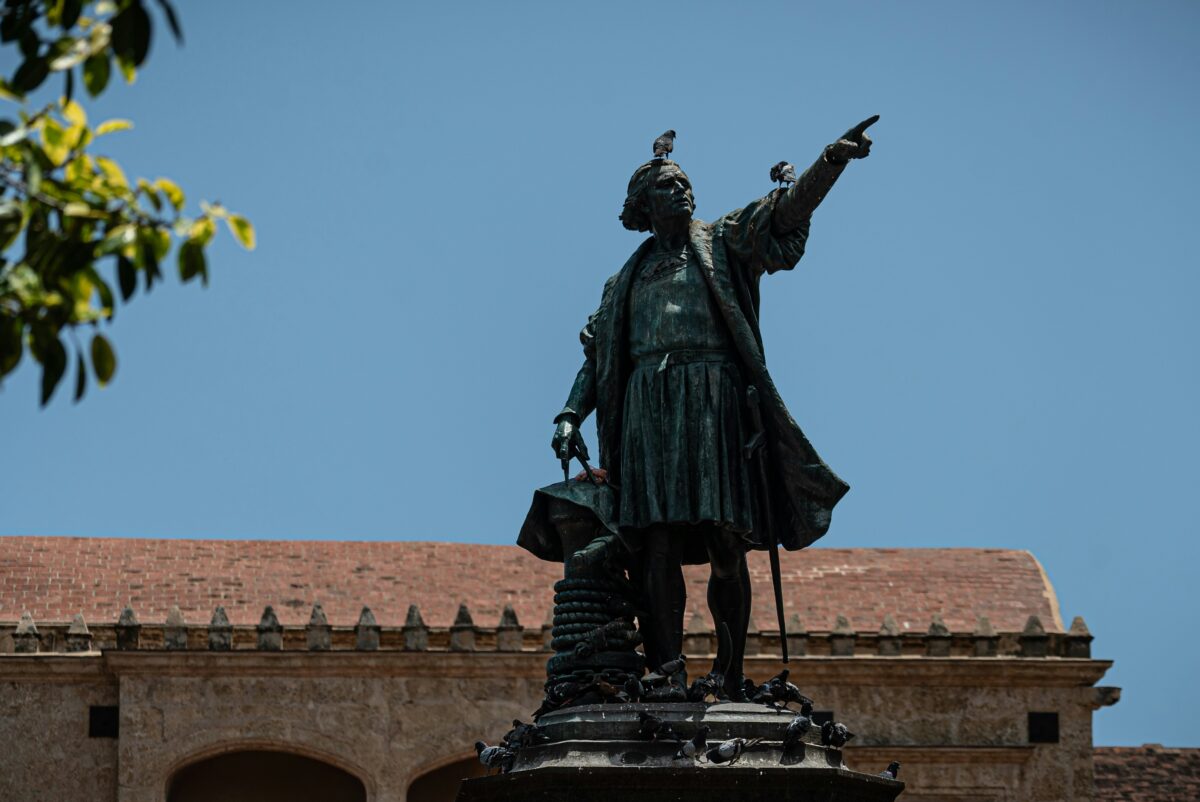
Christopher Columbus set out to find a shortcut to Asia. The spices and riches of the East had European merchants drooling, but the Ottoman Empire controlled the traditional routes.
Columbus thought he could sail west and arrive at the same destination. He was wrong about almost everything—the size of the Earth, the width of the ocean, what he’d find when he got there.
He landed in the Bahamas and died thinking he’d reached the outskirts of Asia. The “Indians” he described weren’t from India.
The “West Indies” weren’t the Indies at all. But his mistake opened up the Americas to European colonization and changed the course of human history in ways that still echo today.
You could argue Columbus didn’t just take a wrong turn. He took a wrong voyage across an ocean he didn’t understand, to a place he never recognized for what it was.
And yet, that error reshaped the world more than most intentional discoveries ever could.
The Moldy Petri Dish
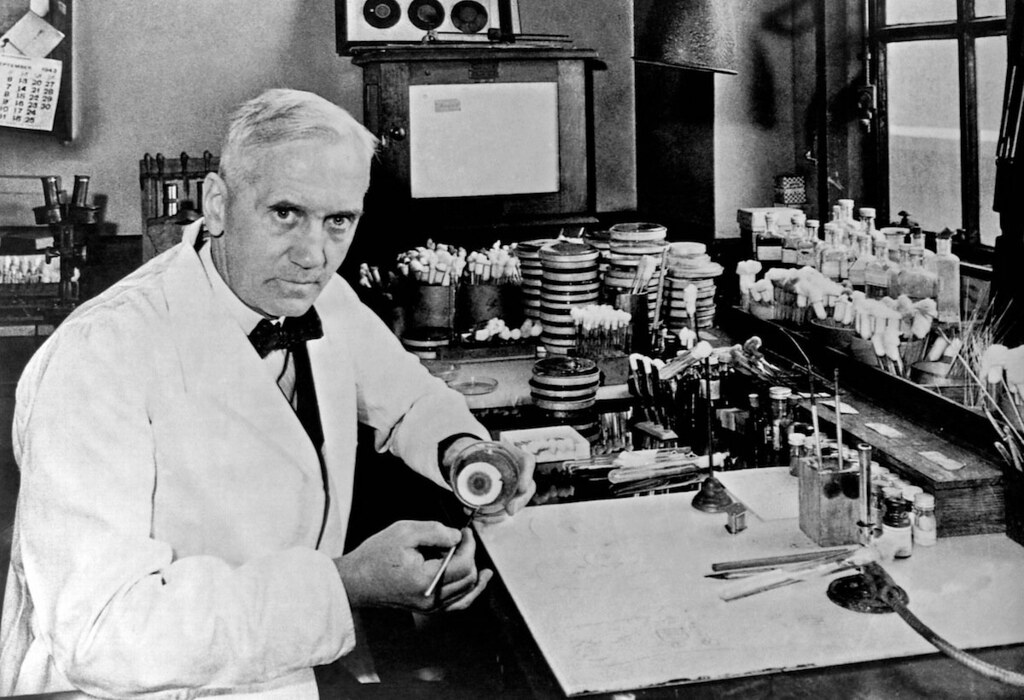
Alexander Fleming wasn’t trying to revolutionize medicine in 1928. He was just a researcher studying bacteria, the kind of work that involves endless petri dishes and careful notes.
Then he left for vacation. When he came back, one of his bacterial cultures had been contaminated by mold. Most scientists would have tossed it out.
Fleming noticed something strange. The bacteria near the mold had died.
The mold was producing something that killed bacteria. That accidental contamination became penicillin, the first true antibiotic.
It saved millions of lives in World War II and transformed modern medicine. The wrong turn here was leaving bacteria cultures exposed while he was away.
Or maybe the wrong turn was not throwing out contaminated samples immediately. Either way, that mistake gave humanity one of its most powerful weapons against disease.
Weak Glue, Strong Idea
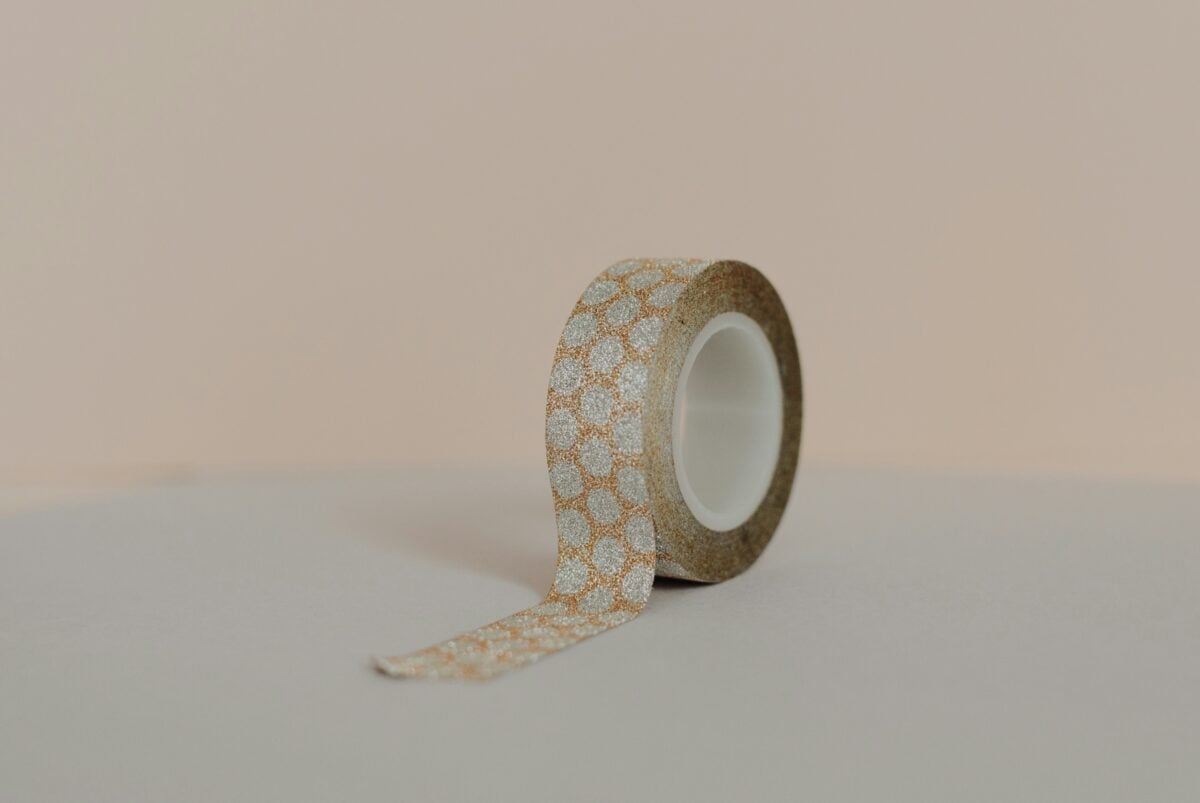
Spencer Silver worked for 3M in 1968, trying to create a super-strong adhesive. He failed.
Instead, he created something that barely stuck to anything—a glue that could be peeled off and reused. By most measures, this was a complete failure.
The company had no use for weak glue. Years later, another 3M scientist named Art Fry sang in his church choir.
His bookmarks kept falling out of his hymnal. He remembered Silver’s failed adhesive and realized weak glue had its purpose.
Those falling bookmarks led to Post-it Notes, one of the most successful office products ever created. The wrong turn was creating glue that didn’t work as intended.
The right turn was recognizing that failure had value.
Hooked on Burrs

George de Mestral took his dog for a walk in the Alps in 1941. When they got home, burrs covered the dog’s fur.
Most people would have cursed and pulled them off. De Mestral got curious.
He looked at the burrs under a microscope and saw tiny hooks catching onto the loops in the fabric. That observation led him to spend years developing Velcro—a combination of the French words for velvet and crochet.
The product struggled at first. People thought it looked cheap.
But NASA started using it for space suits, and suddenly Velcro became indispensable. The wrong turn was walking through a field full of burrs.
The genius was paying attention to an annoyance instead of just removing it.
Warming Up Chocolate

Percy Spencer worked on radar technology for Raytheon in 1945. One day, he stood near a magnetron—a tube that generates microwaves for radar.
The chocolate bar in his pocket melted. Most people would have blamed it on body heat or the warm room.
Spencer wondered if the magnetron had done it. He tested his theory with popcorn kernels.
They popped. He tried an egg.
It exploded. Within months, Raytheon filed a patent for the first microwave oven. The initial models were massive and expensive, but the technology eventually shrank and cheapened enough to become a kitchen staple.
The wrong turn was standing too close to a magnetron with chocolate in your pocket. Or maybe it wasn’t wrong at all.
Maybe it was exactly where Spencer needed to be.
Seeing Through Skin
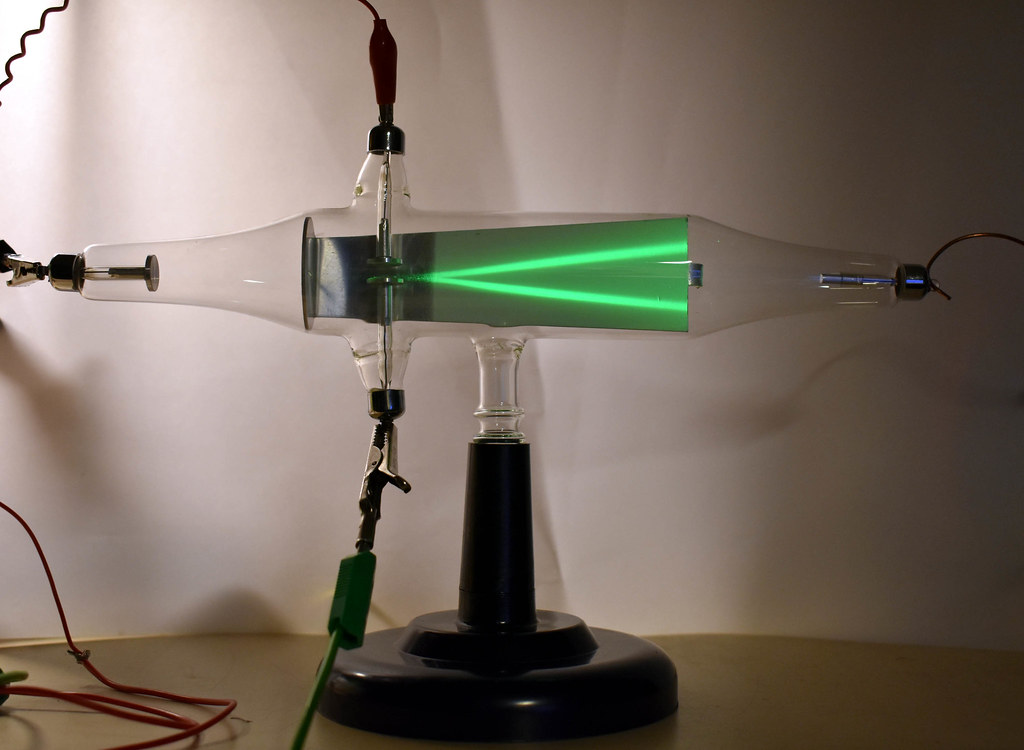
Wilhelm Röntgen studied cathode rays in his lab in 1895. He noticed something odd—a fluorescent screen across the room glowed even though his cathode ray tube was covered.
Whatever was coming from the tube could pass through the cardboard. He called them X-rays because he didn’t know what they were.
Within weeks, he took the first X-ray photograph—of his wife’s hand, showing bones and her wedding ring. The medical implications were immediate and enormous.
Doctors could finally see inside the body without cutting it open. Röntgen stumbled onto X-rays because he paid attention to an unexplained glow.
That observation transformed diagnostic medicine and earned him the first Nobel Prize in Physics.
Heart Medicine Turned Sensation
Pfizer researchers developed a drug called sildenafil in the 1990s. They hoped it would treat angina and high blood pressure by increasing blood flow to the heart.
Clinical trials showed it didn’t work well for that purpose. The drug was a failure.
But trial participants reported an interesting side effect. Pfizer pivoted, and sildenafil was rebranded as a treatment for a completely different condition.
The drug became Viagra, one of the most profitable pharmaceuticals ever created. The wrong turn was developing a heart medication that didn’t help hearts.
The right turn was listening when patients reported unexpected benefits.
The Accidental Heartbeat
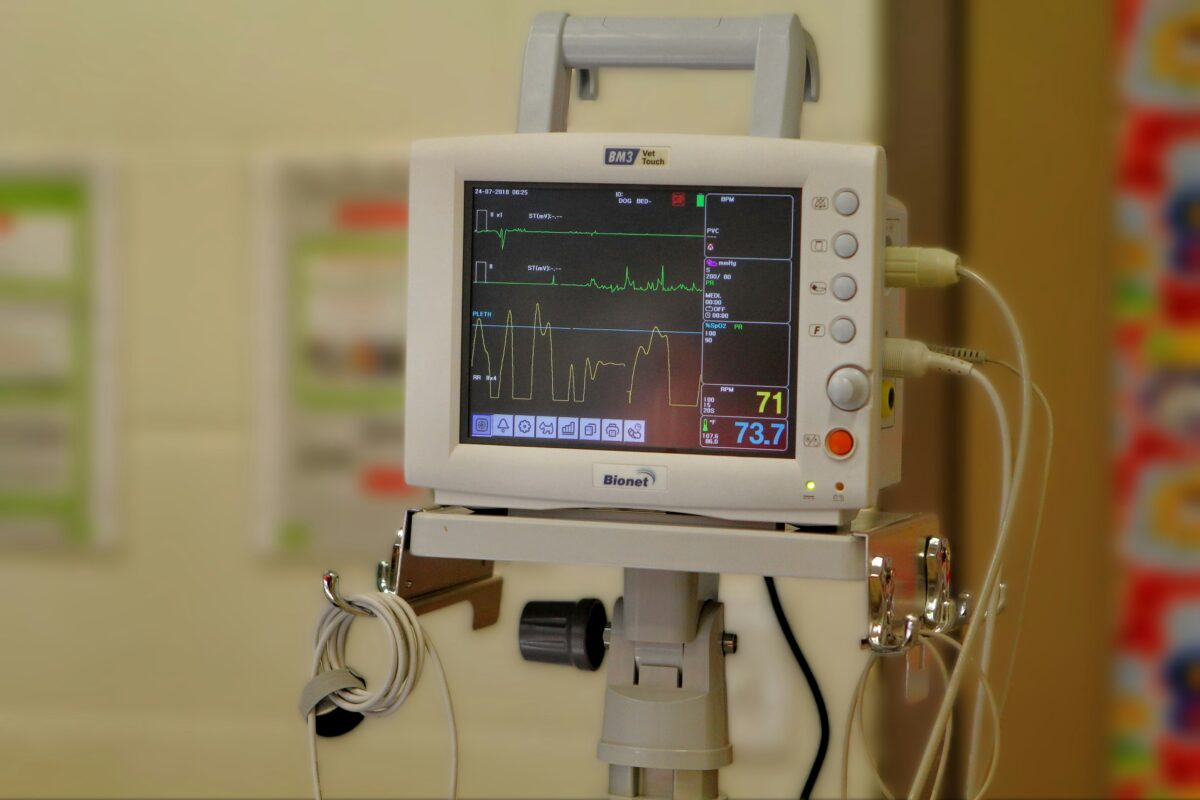
Wilson Greatbatch was building a device to record heart rhythms in 1956. He needed to grab a resistor from his toolbox.
He picked up the wrong one—grabbed a resistor with the wrong resistance value. When he installed it in his circuit, the device started producing rhythmic electrical pulses.
Those pulses looked like a heartbeat. Greatbatch realized he’d accidentally created something far more valuable than a recording device.
He’d created something that could regulate heartbeats. That mistake became the first implantable pacemaker, saving countless lives.
The wrong resistor created the right invention. Greatbatch’s error gave hearts a second chance.
Sweet Mistake on Coal Tar
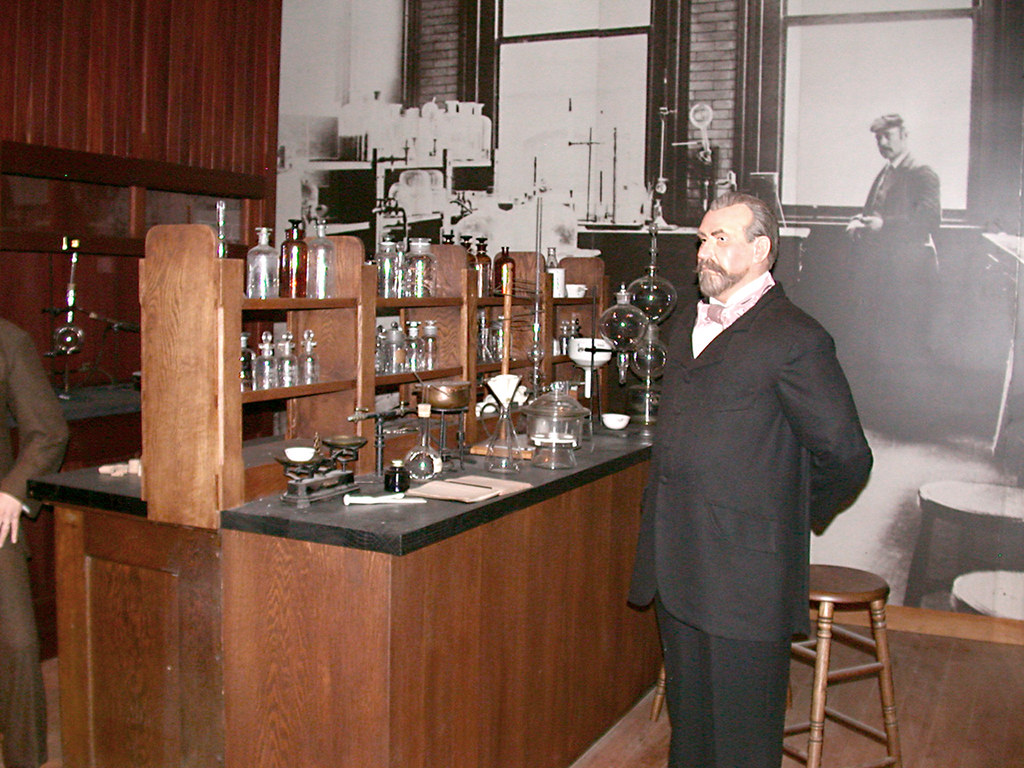
Constantin Fahlberg worked in a chemistry lab at Johns Hopkins in 1879, researching coal tar derivatives. One evening, he forgot to wash his hands before dinner.
Everything he ate tasted incredibly sweet. He realized something from the lab had gotten on his skin.
He went back and tested every compound he’d worked with that day. The culprit was a substance that would become known as saccharin—the first artificial sweetener.
Fahlberg rushed to patent it, sparking controversy when his lab supervisor accused him of stealing credit. But saccharin spread anyway.
The wrong turn was eating with dirty hands. The discovery was noticing that sweetness and asking why.
Chips That Weren’t Planned
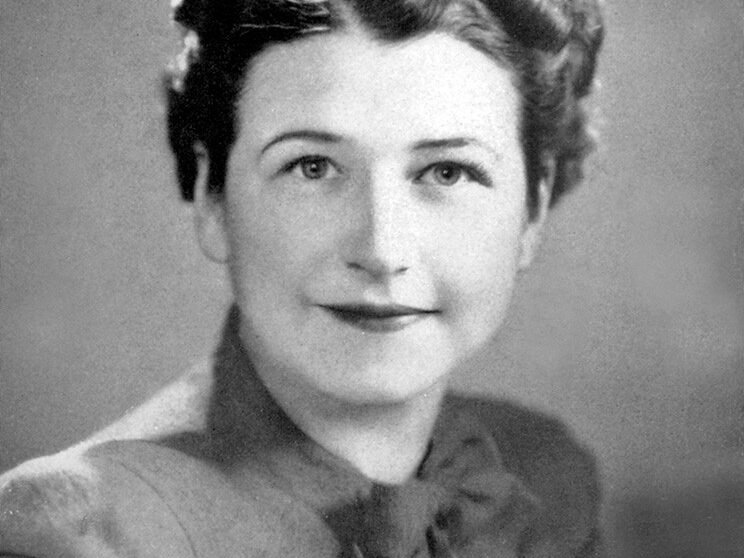
Ruth Wakefield ran the Toll House Inn in Massachusetts. One day in 1930, she was making chocolate cookies and realized she was out of baker’s chocolate.
She broke up a bar of Nestle semi-sweet chocolate instead, expecting it to melt and spread through the dough like baker’s chocolate does. It didn’t.
The chunks stayed intact, creating something entirely new—chocolate chip cookies. The mistake became one of America’s most beloved desserts.
Nestle bought the rights to the recipe, and Wakefield received a lifetime supply of chocolate in return. The wrong turn was using the wrong type of chocolate.
The result was a cookie that would become a cultural icon.
Flakes from Forgotten Wheat

Will Keith Kellogg and his brother John ran a sanitarium in Michigan. They served patients a strict vegetarian diet.
One day in 1894, they cooked wheat and then got called away. The wheat sat out longer than intended.
When they returned, they decided to process it anyway, forcing it through rollers. Instead of a sheet of dough, the wheat came out in flakes.
They toasted the flakes and served them to patients. The patients loved them.
Those forgotten, stale wheat flakes became Kellogg’s Corn Flakes and launched an entire breakfast industry. The wrong turn was leaving cooked wheat unattended.
The right turn was serving it anyway instead of starting over.
The Spring That Walked
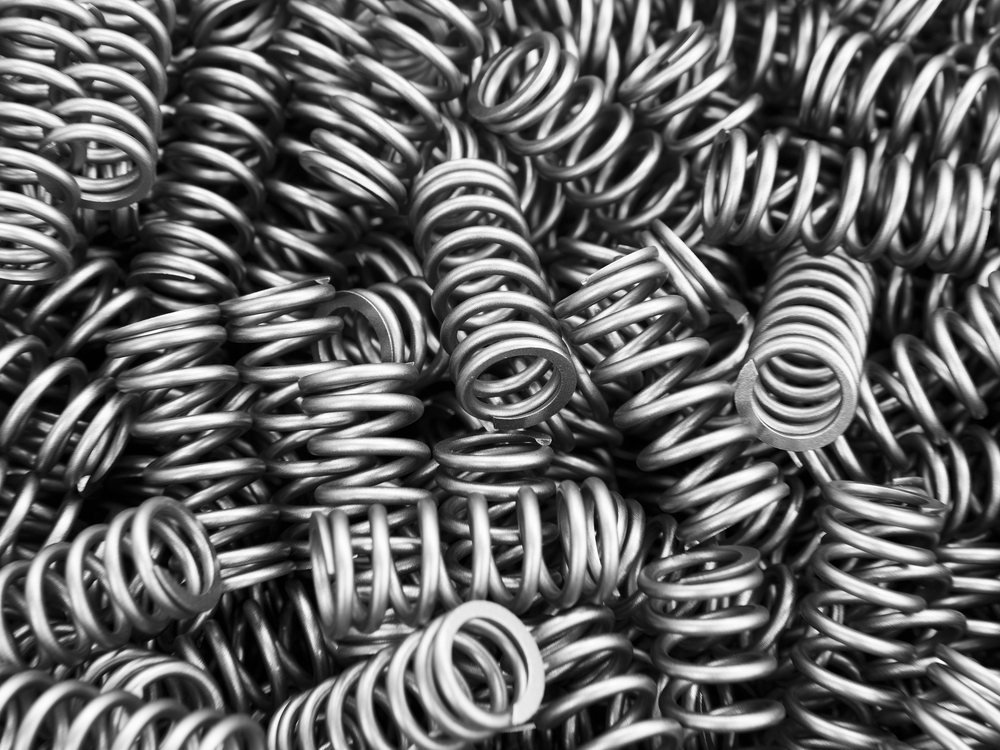
Richard James, a naval engineer, worked on stabilizing ship instruments in 1943. He knocked a torsion spring off his workbench.
Instead of clattering to the floor and stopping, the spring “walked” down a stack of books, then onto a table, then to the floor. It moved in that distinctive end-over-end motion that would become famous.
James showed his wife Betty. She found a name in the dictionary—Slinky.
They borrowed money, manufactured 400 units, and demonstrated them at a department store. All 400 sold in 90 minutes.
The wrong turn was dropping a spring. The genius was watching it fall.
Cleaning Walls with Putty
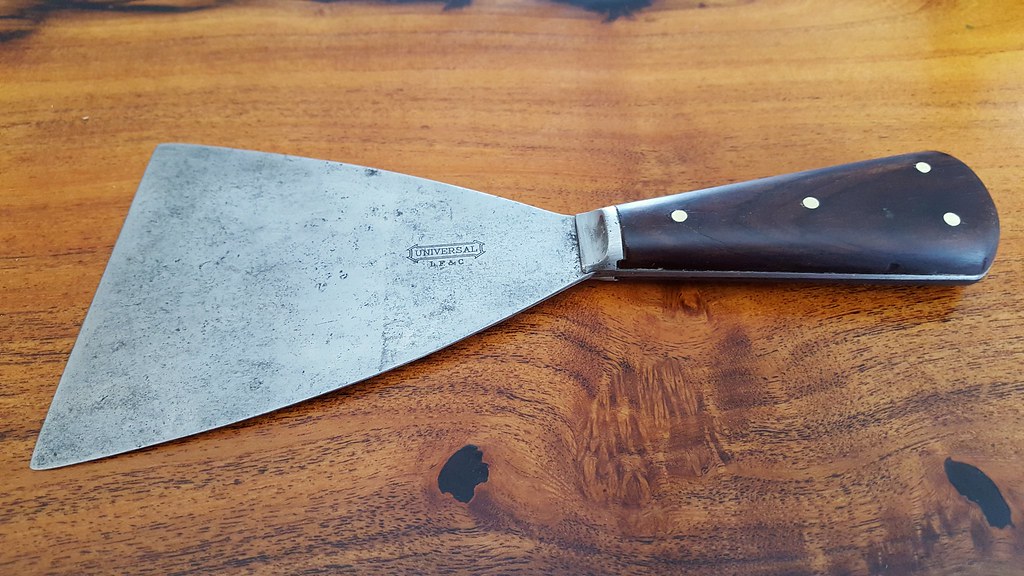
Back in the 1930s, Noah McVicker came up with a soft putty meant for cleaning walls. Surprisingly sticky stuff – it lifted grime from old wallpapers just by rolling across them.
Then homes stopped burning coal; those black smudges vanished from living rooms. New kinds of wall coverings showed up, tougher ones that didn’t need gentle treatments.
Before long, nobody needed his invention anymore. A teacher – McVicker’s nephew – noticed children enjoyed squishing the pliable substance.
Instead of keeping it as a cleaner, they dropped the chemical mix, swapped in dyes and a mild fragrance. What once peeled dirt off walls turned into Play-Doh, moved countless units, and ended up on toy shelves everywhere.
That mistake began by building something for an industry fading away. A different choice came when kids started using what had not worked.
When Mistakes Make History
A twist runs through these tales. Not what was planned, yet still a result arrived.
One person reached for X but found Y instead. Down an unplanned road went a car.
Forgotten in the lab, the petri dishes changed overnight. A tiny coil bounced off the table.
That single moment changed everything they thought was certain. Look again.
The pattern falls apart. Not just random events.
Someone messed up behind the wheel that day. Yet there stood Princip – loaded, waiting.
Fleming could have tossed those dirty petri dishes aside. He didn’t.
Chocolate goo on his hand? Spencer paused at that odd detail rather than trashing it like anyone else might’ve done. What seemed like errors became important once seen.
Mistakes shaped events since folks looked closely rather than erase and forget. Being where you should not be when things happen cannot be arranged ahead.
Still, how you act after arriving is yours to shape.
More from Go2Tutors!

- The Romanov Crown Jewels and Their Tragic Fate
- 13 Historical Mysteries That Science Still Can’t Solve
- Famous Hoaxes That Fooled the World for Years
- 15 Child Stars with Tragic Adult Lives
- 16 Famous Jewelry Pieces in History
Like Go2Tutors’s content? Follow us on MSN.