Luxury Goods From Ocean Plastic
Shiny things used to come from deep underground, dug up, cleaned, then sold for huge sums. Lately, though, that idea is changing.
Now, prized items often start out as trash – pulled from beaches, docks, even drifting across oceans – then shaped into sleek new forms people want to own. Stuff nobody wanted turns into something people proudly display.
Slow shifts built this new reality. At first, using reclaimed stuff usually meant sacrificing elegance – seen more as duty than desire.
Yet better techniques began changing minds, one detail at a time. A broken bottle, once ignored, now holds meaning far beyond waste.
Stories shaped the shift just as much as science. What was dumped is now displayed.
Luxury redefined itself quietly, through grit and vision alike.
The Rise Of Reclaimed Marine Materials

Ocean plastic entered the luxury conversation through necessity rather than trend. Growing awareness of marine pollution pushed designers to look beyond traditional supply chains.
Fishing nets, packaging waste, and fragmented debris offered a raw material source that was abundant and symbolically powerful. At first, these materials were difficult to work with.
Inconsistent quality and contamination posed challenges that luxury brands were not accustomed to managing. As processing methods improved, however, reclaimed plastic could be refined into fibers and composites that met exacting standards.
The material shifted from liability to asset, carrying a story that added value rather than detracting from it.
High-End Fashion Embraces Transformation

Fashion was one of the first luxury sectors to experiment seriously with ocean plastic. Designers began incorporating regenerated fibers made from marine waste into outerwear, knitwear, and footwear.
The appeal lay not only in sustainability, but in narrative contrast. Turning pollution into precision-crafted garments offered a compelling statement.
These pieces were not marketed as compromises. They were positioned as modern luxury, blending performance, aesthetics, and responsibility.
Texture, durability, and finish became proof points, showing that recycled origins did not limit refinement. In some cases, the material’s story elevated the garment beyond traditional luxury markers.
Watches With Reclaimed Components

Watchmaking operates on tradition and engineering discipline, making its adoption of ocean plastic especially notable. Some luxury watchmakers introduced straps and casings derived from recovered marine waste, pairing them with high-precision movements.
The contrast was deliberate. Centuries-old craftsmanship met contemporary environmental awareness.
Reclaimed materials were treated with the same attention as leather or metal, processed to achieve consistency and comfort. The result was a product that felt forward-looking without abandoning heritage, reinforcing the idea that luxury can evolve without losing credibility.
Designer Accessories And Everyday Prestige

Accessories offered an ideal testing ground for reclaimed ocean materials. Sunglasses, handbags, and small leather goods adapted quickly, using recycled plastic for frames, linings, and structural components.
These items allowed consumers to engage with sustainability in visible, everyday ways. Design played a critical role.
Clean lines, thoughtful color palettes, and meticulous finishing ensured the products felt intentional rather than experimental. Carrying an accessory made from ocean waste became a subtle signal of awareness and taste, aligning environmental values with personal style.
Footwear Built From The Sea
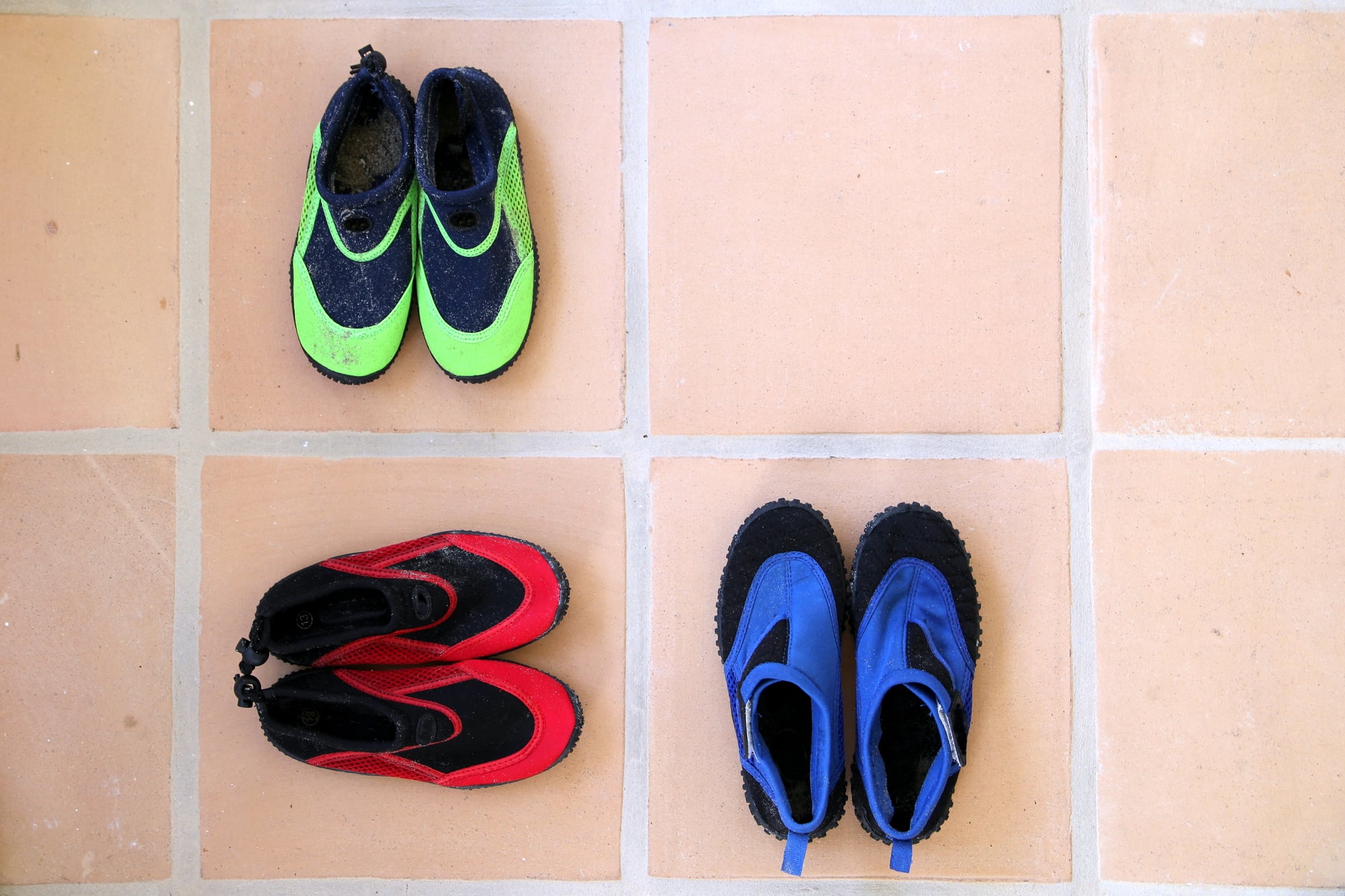
Luxury footwear brands found opportunity in performance-focused design. Ocean plastic could be transformed into lightweight, durable yarns ideal for uppers and linings.
This aligned well with modern expectations around comfort and wearability. Shoes made from reclaimed marine materials often emphasized versatility.
They looked refined enough for urban settings while offering technical benefits associated with athletic design. The material origin became part of the appeal, reinforcing the idea that innovation and responsibility can coexist in high-end products.
Furniture And Interior Design Applications

Beyond personal goods, ocean plastic entered luxury interiors. Designers used recycled marine materials in seating, lighting, and decorative objects.
In these contexts, the transformation was especially striking. What once floated in water now anchored sophisticated living spaces.
Processing techniques allowed plastic to be molded, textured, and colored in ways that rivaled traditional materials. The emphasis was on longevity and craftsmanship, not novelty.
In luxury interiors, the story of reclamation added depth, turning furniture into conversation pieces without sacrificing elegance.
Automotive Luxury And Sustainable Materials
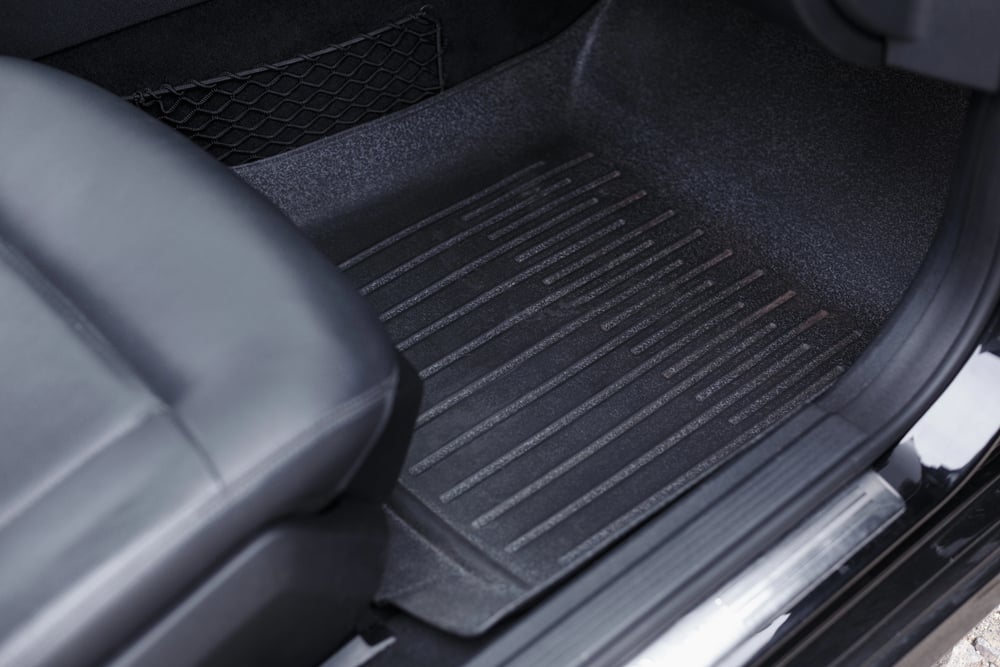
High-end automotive design increasingly incorporates recycled materials, including ocean plastic, into interiors. Floor mats, upholstery components, and trim elements now feature reclaimed content processed to meet durability and safety standards.
This shift reflects broader changes in luxury mobility. Comfort, performance, and ethics are no longer separate conversations.
Using marine waste materials signals innovation and environmental awareness without compromising tactile quality. The result is a cabin that feels modern in both design and philosophy.
The Role Of Advanced Processing
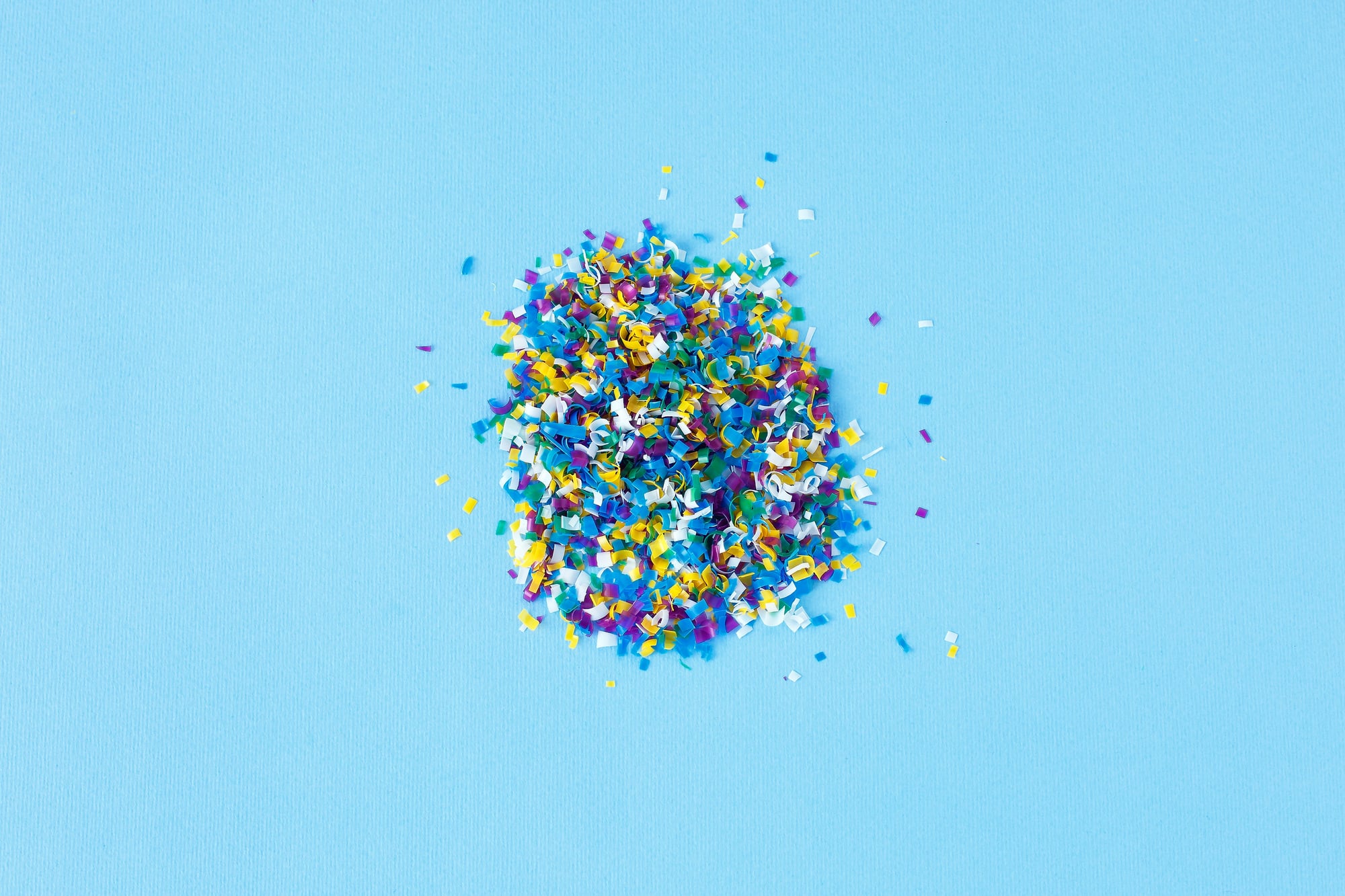
The success of luxury goods made from ocean plastic depends on technology. Raw marine waste is unsuitable for direct use.
It must be collected, sorted, cleaned, and transformed into uniform materials that meet strict specifications. Advances in chemical recycling and fiber regeneration made this possible.
These processes break plastic down to its base components, allowing it to be rebuilt with consistency and strength. For luxury brands, this level of control is essential.
Precision in materials enables precision in design.
Storytelling As Part Of The Product

Luxury has always relied on narrative. Ocean plastic introduced a new kind of story, rooted in restoration rather than extraction.
Brands carefully communicated how materials were sourced and transformed, framing the process as purposeful rather than promotional. This storytelling resonated with consumers who valued transparency and impact.
The origin of the material became part of the product’s identity, adding emotional value. In a crowded market, meaning itself became a form of differentiation.
Shifting Perceptions Of Value

Using waste materials once carried connotations of scarcity or compromise. Luxury goods made from ocean plastic challenged that assumption.
They reframed value around intention, innovation, and responsibility rather than rarity alone. This shift mirrors broader cultural changes.
Consumers increasingly view luxury as alignment with personal values. Craftsmanship remains essential, but context now matters just as much.
A beautifully made object gains additional worth when it contributes to a larger solution.
Criticism And Skepticism

Not everyone embraced the trend immediately. Critics questioned scale, impact, and whether such products meaningfully addressed marine pollution.
Some argued that luxury adoption risked turning environmental concern into aesthetic branding. These critiques pushed brands to improve accountability.
Greater transparency around sourcing volumes and partnerships helped distinguish serious efforts from superficial ones. Over time, consistency and follow-through earned credibility, even among skeptics.
Collaboration With Environmental Groups

Many luxury brands partnered with organizations involved in marine cleanup and waste recovery. These collaborations provided access to materials while supporting broader environmental initiatives.
They also grounded design efforts in real-world impact. Such partnerships reinforced authenticity.
Products were not isolated gestures, but part of ongoing systems aimed at reducing pollution. For luxury consumers, this connection strengthened trust and reinforced the narrative of responsible design.
Why Luxury Was Well Positioned To Lead
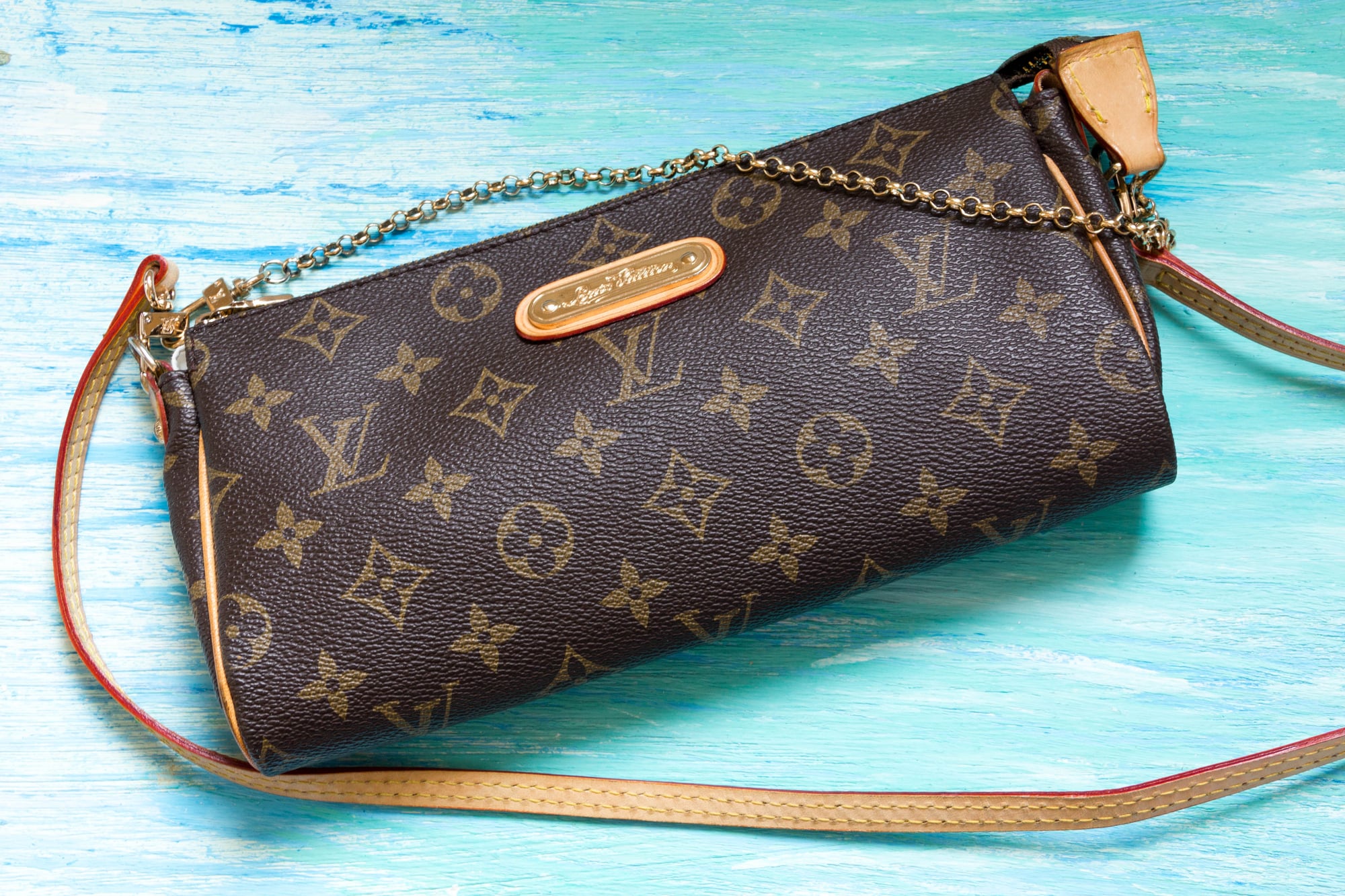
Luxury brands operate with higher margins and longer development cycles. This gave them flexibility to invest in new materials and processes that mass-market brands could not easily absorb.
Innovation carried less immediate risk. Their influence also mattered.
When luxury adopted ocean plastic, it reframed recycled materials as desirable rather than inferior. This cultural shift encouraged broader adoption across price points, amplifying impact beyond the luxury sector itself.
The Future Of Reclaimed Materials In Luxury

Ocean plastic is unlikely to remain a novelty. As material science advances, reclaimed inputs will become more refined and versatile.
Luxury design will continue to integrate these materials in ways that prioritize aesthetics and performance. The focus is shifting from exception to expectation.
Consumers increasingly assume that high-end products reflect environmental awareness. What began as experimentation is becoming standard practice, reshaping how luxury defines progress.
Why It Matters Now

A shift hides inside high-end items crafted from sea debris. Not just smart recycling – it’s a quiet remake of desire.
Status now leans less on taking, more on changing what was discarded. Value grows not from abundance, but from repair.
Out of this shift comes a quiet change in how we see things. When trash becomes something people want, high-end makers show cleverness does not have to cost the earth – elegance stays, damage drops.
What takes shape is a version of luxury aimed ahead, shaped less by possession and more by what gets brought back to life during the journey.
More from Go2Tutors!

- The Romanov Crown Jewels and Their Tragic Fate
- 13 Historical Mysteries That Science Still Can’t Solve
- Famous Hoaxes That Fooled the World for Years
- 15 Child Stars with Tragic Adult Lives
- 16 Famous Jewelry Pieces in History
Like Go2Tutors’s content? Follow us on MSN.