Most Terrible Events in History
History carries weight that numbers alone can’t express. When you read about millions dead, entire civilizations destroyed, or suffering that stretched across generations, the mind struggles to grasp the scale.
These events changed the course of human existence, left scars that still haven’t healed, and remind us how fragile progress can be.
The Holocaust
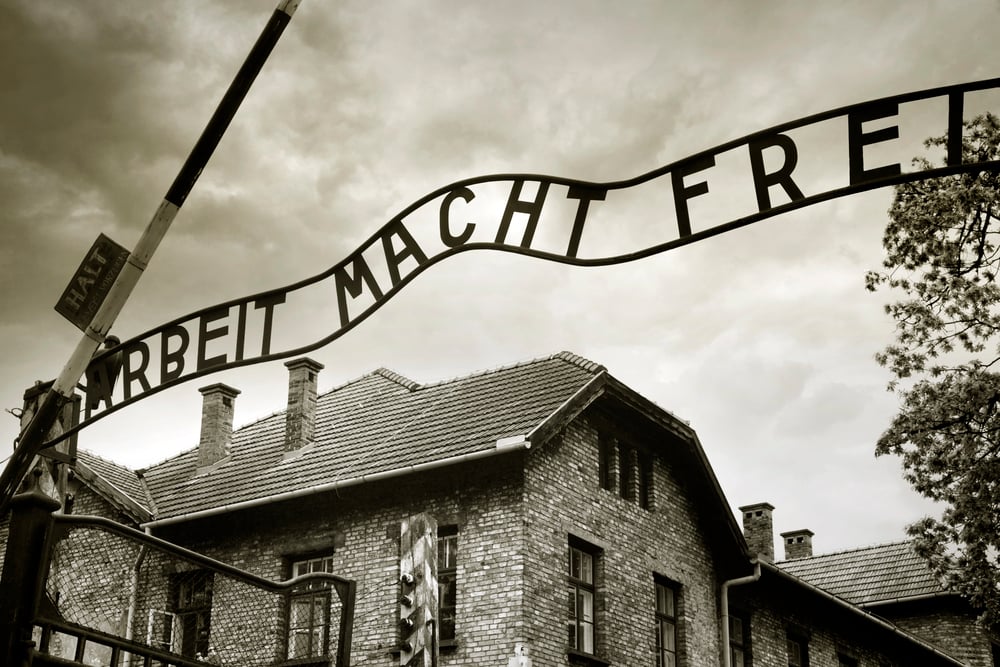
Between 1941 and 1945, Nazi Germany systematically murdered six million Jews across Europe. This wasn’t just war—it was industrial-scale killing designed to eliminate an entire people.
The Nazis built death camps with gas chambers, transport systems to move victims, and bureaucracies to track the murders. The Holocaust also targeted Roma people, disabled individuals, political dissidents, and others the regime deemed undesirable.
Millions more died in these camps. The efficiency of the killing, the documentation of it, the way ordinary people participated—all of it revealed something disturbing about human nature and state power.
The Atomic Bombings

On August 6 and 9, 1945, the United States dropped atomic bombs on Hiroshima and Nagasaki. The immediate death toll reached 200,000 people.
Most were civilians. The bombs didn’t just kill instantly—they burned people from the inside out, caused radiation sickness that lingered for years, and left survivors with cancers and birth defects that affected their children.
Those two moments changed warfare forever. They showed that humans could now destroy entire cities in seconds.
The shadows burned into walls, the stories of people vaporized mid-stride—these images became permanent warnings about where technology and war could lead.
The Atlantic Slave Trade
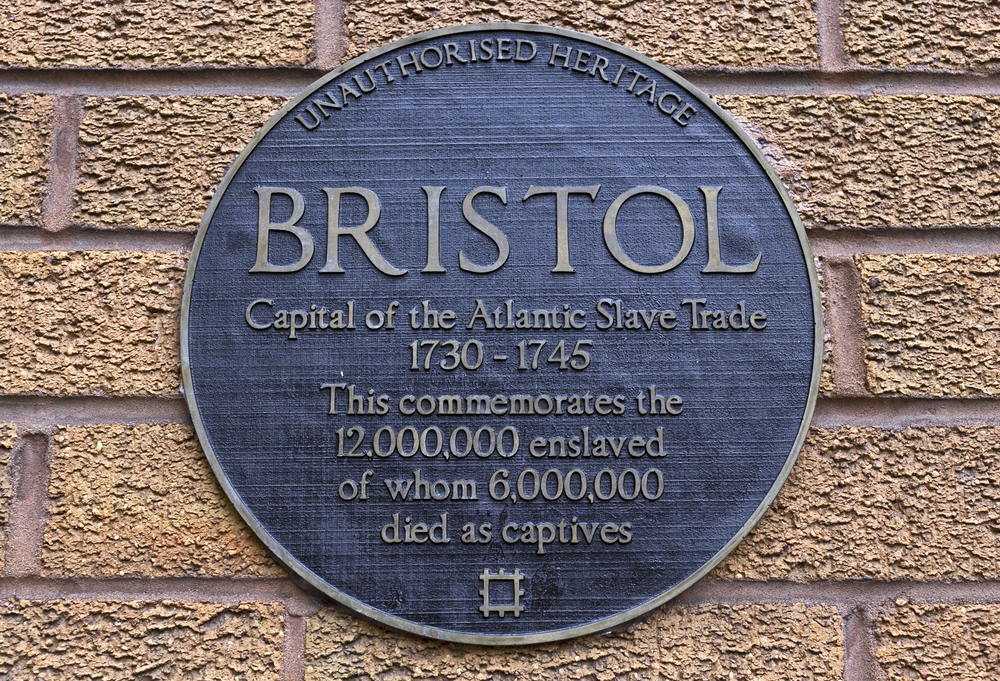
For over 400 years, European and American traders forcibly transported roughly 12 million Africans across the Atlantic. The Middle Passage alone killed millions more—packed into ship holds, chained, starving, many threw themselves overboard rather than continue.
Those who survived faced lives of forced labor, families torn apart at auction blocks, violence, and a complete denial of humanity. The slave trade didn’t just damage those who lived through it.
It created racial hierarchies and economic inequalities that still shape societies today. The wealth built on enslaved labor funded empires while condemning generations to trauma that echoes forward.
The Black Death
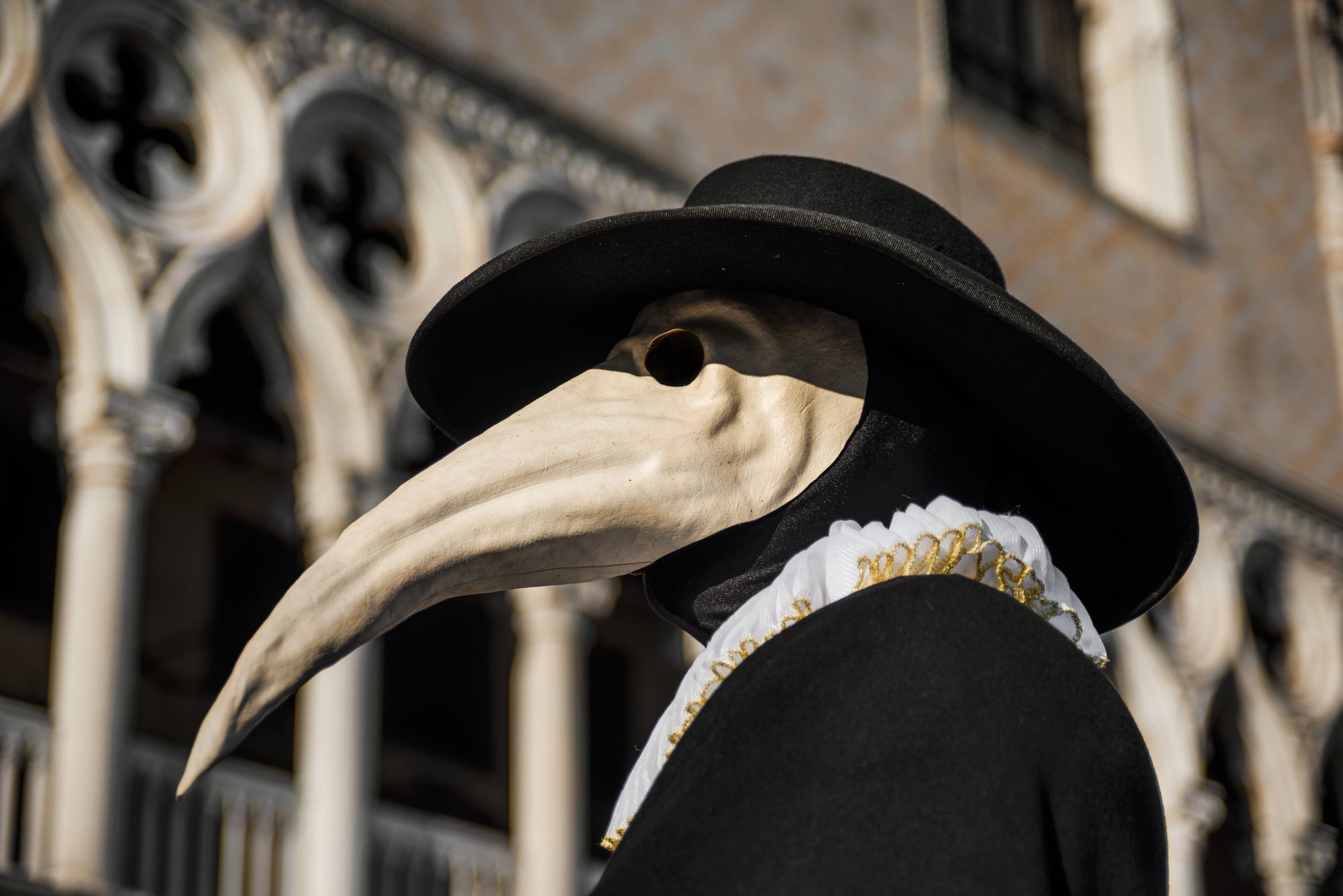
From 1347 to 1351, bubonic plague killed an estimated 75 to 200 million people. That meant roughly a third of Europe’s population died within five years.
Entire villages were wiped out. Bodies piled in the streets.
The social order collapsed as laborers died, trade stopped, and survivors struggled to maintain even basic services. The plague spread from Asia through trade routes, carried by fleas on rats.
People had no understanding of how disease worked, so they blamed everything from bad air to divine punishment. The fear, the speed of death, the helplessness—it all created a society-wide trauma that changed European culture and economics for generations.
The Rwandan Genocide

In 100 days during 1994, Hutu extremists murdered approximately 800,000 Tutsi people and moderate Hutus in Rwanda. This wasn’t distant battlefield killing—neighbors murdered neighbors, often with machetes.
Radio broadcasts encouraged the violence. Roadblocks were set up to check ethnic identification cards.
The international community knew what was happening but did almost nothing to stop it. The United Nations pulled most of its peacekeepers out.
When the genocide ended, Rwanda was left with a traumatized population, a destroyed infrastructure, and the impossible task of rebuilding a society where killers and survivors had to live side by side.
The Great Leap Forward
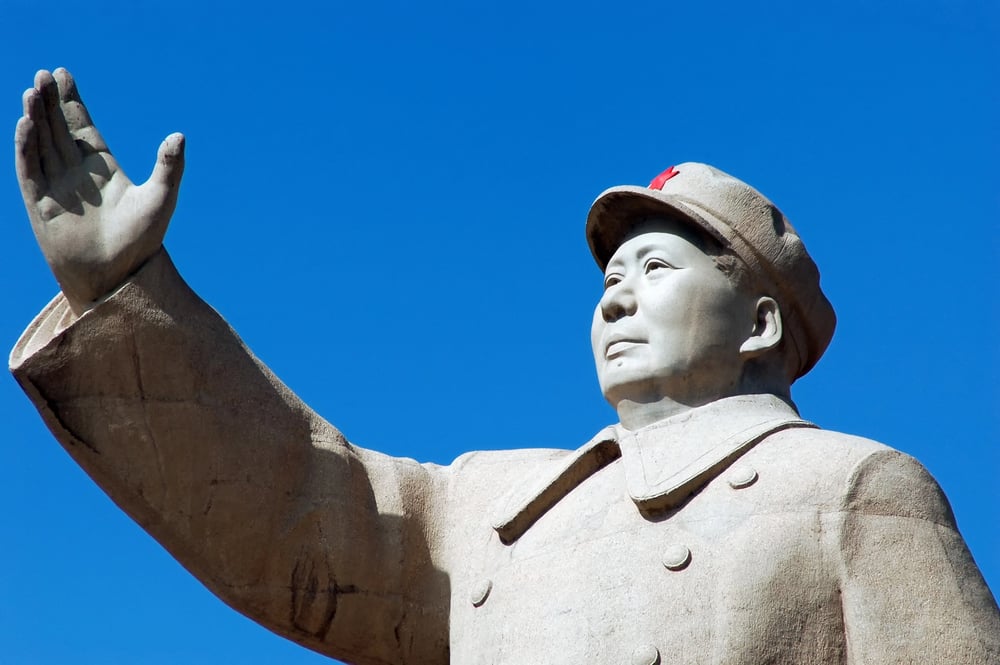
Mao Zedong’s attempt to rapidly industrialize China from 1958 to 1962 created the deadliest famine in human history. Between 15 and 55 million people starved to death.
The government forced farmers into communes, demanded impossible grain quotas, and punished anyone who questioned the policies. People ate tree bark, leather, and dirt trying to survive.
Parents watched their children die from starvation. The state took food from rural areas to feed cities and export abroad, maintaining the fiction that everything was working.
Local officials lied about harvests to avoid punishment, making the crisis worse. The famine was entirely preventable—it resulted from policy, not nature.
World War I

From 1914 to 1918, World War I killed roughly 17 million people and wounded 21 million more. The war introduced industrial killing on an unprecedented scale.
Machine guns mowed down advancing soldiers. Artillery bombardments turned landscapes into moonscapes.
Poison gas burned lungs and blinded thousands. Soldiers lived in trenches filled with mud, rats, and corpses.
They went “over the top” into no man’s land where survival was largely luck. The war destroyed four empires, redrew maps across Europe and the Middle East, and created conditions that led directly to World War II.
The generation that fought it was never the same.
The Khmer Rouge

Between 1975 and 1979, the Khmer Rouge regime in Cambodia killed approximately 2 million people—a quarter of the country’s population. Pol Pot’s government emptied cities, forced people into labor camps, and executed anyone associated with the educated class, including people who wore glasses.
The regime wanted to return Cambodia to “Year Zero,” eliminating all modern influences. They murdered doctors, teachers, and engineers.
People were worked to death in rice fields. Children were trained to spy on and execute adults.
When Vietnam invaded and ended the regime, Cambodia was left devastated, with few educated people remaining to rebuild the country.
The Armenian Genocide
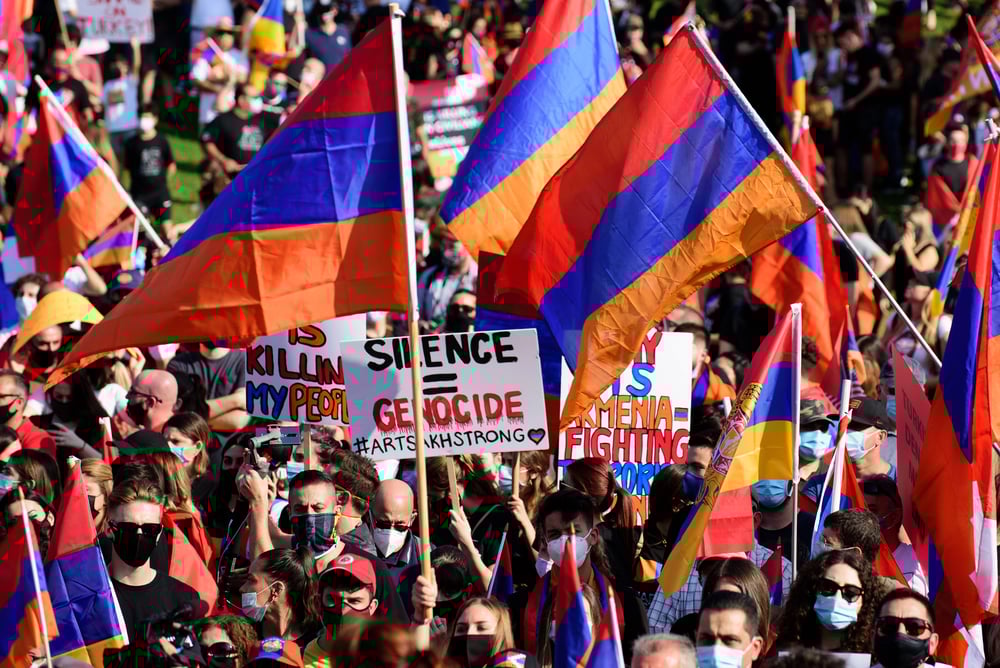
From 1915 to 1923, the Ottoman Empire systematically killed 1.5 million Armenians. The government deported Armenians from their homes, marched them into the Syrian desert without food or water, and massacred entire communities.
Women and children were often taken and forcibly converted or enslaved. The Ottoman authorities denied the killings were systematic, claiming they were just wartime casualties.
This denial continues in Turkey today, making the Armenian Genocide one of the first modern examples of state-sponsored mass killing followed by decades of official denial. The pattern would repeat throughout the 20th century.
The Holodomor

In 1932-1933, Stalin’s Soviet government created an artificial famine in Ukraine that killed between 3 and 12 million people. The state seized grain and livestock, blocked food from entering affected regions, and prevented starving people from leaving.
Guards were posted at borders to stop refugees. People resorted to eating anything they could find.
Reports of cannibalism emerged. The Soviet government denied the famine was happening, even as foreign journalists snuck in and documented it.
The famine was used as a tool to break Ukrainian resistance to Soviet collectivization and control. Entire villages died.
The Partition of India

When British India was divided into India and Pakistan in 1947, the partition created one of the largest mass migrations in human history. Between 10 and 20 million people moved across the new borders.
An estimated 1 to 2 million died in the communal violence that erupted. Trains arrived at stations filled with corpses.
Mobs attacked villages. Families were separated and never reunited.
Women were abducted and assaulted. The borders drawn by British officials split communities that had lived together for centuries, creating rifts between Hindus, Muslims, and Sikhs that still exist today.
The Spanish Flu Pandemic
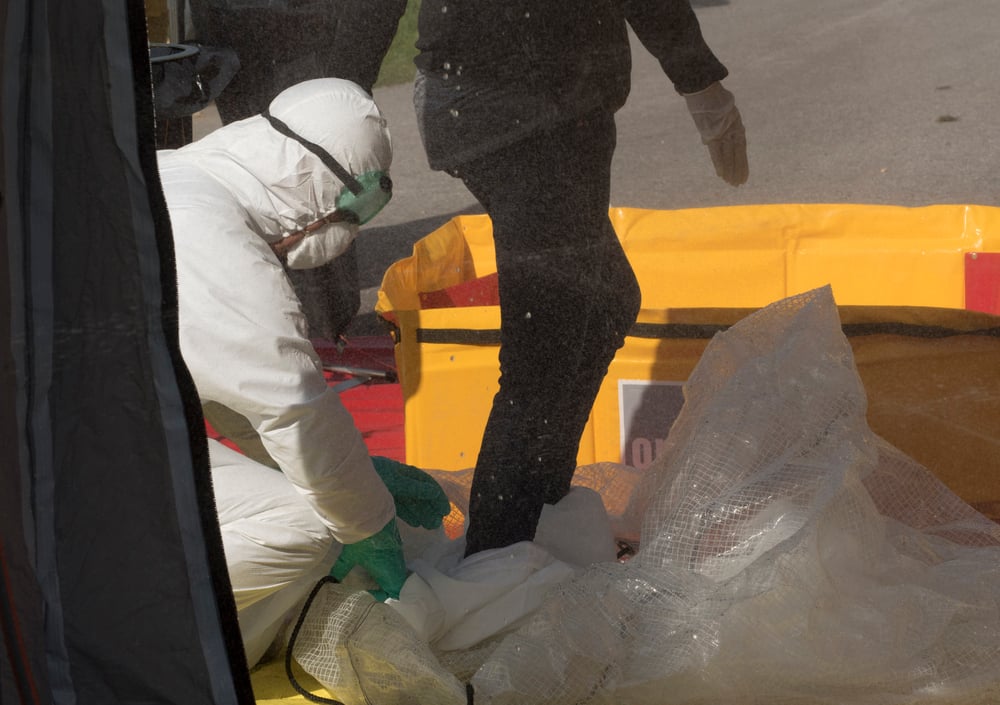
Between 1918 and 1920, a global flu outbreak took around 50 to 100 million lives. Because of World War I, folks were already weak – so the sickness moved fast.
This wasn’t your usual fever; strong young grown-ups died too. Places couldn’t keep up – coffins vanished.
Medical centers? Packed beyond capacity. The illness might end lives just hours after signs appeared.
Some left home at dawn for jobs – gone before nightfall. Every landmass faced outbreaks, tiny island villages or huge urban centers alike.
With little medical knowledge back then, reactions differed greatly across regions. More people died than soldiers in the entire Great War – but few recall this chapter today.
European Colonization of the Americas

Once Europeans landed in the Americas from 1492 on, native numbers dropped fast. Illnesses, fighting, or brutal work wiped out around 56 million natives in a hundred years – about 90% gone.
Germs like smallpox and measles moved faster than soldiers, tearing apart communities long before outsiders showed up. The colonizers forced survivors into slavery, wiped out traditions while seizing territory.
Civilizations such as the Aztec and Inca were torn apart, broken down piece by piece. Tongues once spoken daily faded away, silenced over time.
Sacred rituals got outlawed, replaced by foreign rules. A massive population collapse changed the continent forever – laying foundations for dominance that lasted generations.
What Remains
These moments keep echoing into today. Trauma sticks around, shaping kids and grandkids who never lived it.
Places put up markers, share stories in classrooms, yet somehow the same cycles pop up somewhere else later on. What shows up every time?
Seeing others as less than human, leaders grabbing control with no one watching them, also regular folks either helping or looking away when things go bad. You won’t get today’s world without looking at the past.
Because current fights, who moves where, gaps between rich and poor, or stress in politics – they tie directly to old events. It’s not only about facts from before, yet how folks now use those truths.
Just remembering isn’t enough to stop repetition. Real effort means designing ways that reduce chances of such things happening again – while accepting people can still pick awful paths.
More from Go2Tutors!

- The Romanov Crown Jewels and Their Tragic Fate
- 13 Historical Mysteries That Science Still Can’t Solve
- Famous Hoaxes That Fooled the World for Years
- 15 Child Stars with Tragic Adult Lives
- 16 Famous Jewelry Pieces in History
Like Go2Tutors’s content? Follow us on MSN.



