Historic Ships With Legendary Voyages
The ocean has always been humanity’s testing ground. Ships carried explorers to uncharted lands, armies to decisive battles, and entire civilizations across impossible distances.
Some vessels became famous for their speed, others for their tragedy, and a few for moments that changed the course of history. These aren’t just boats with interesting stories—they’re floating monuments to human ambition, foolishness, and determination.
Here is a list of historic ships whose voyages left an indelible mark on the world.
Santa Maria
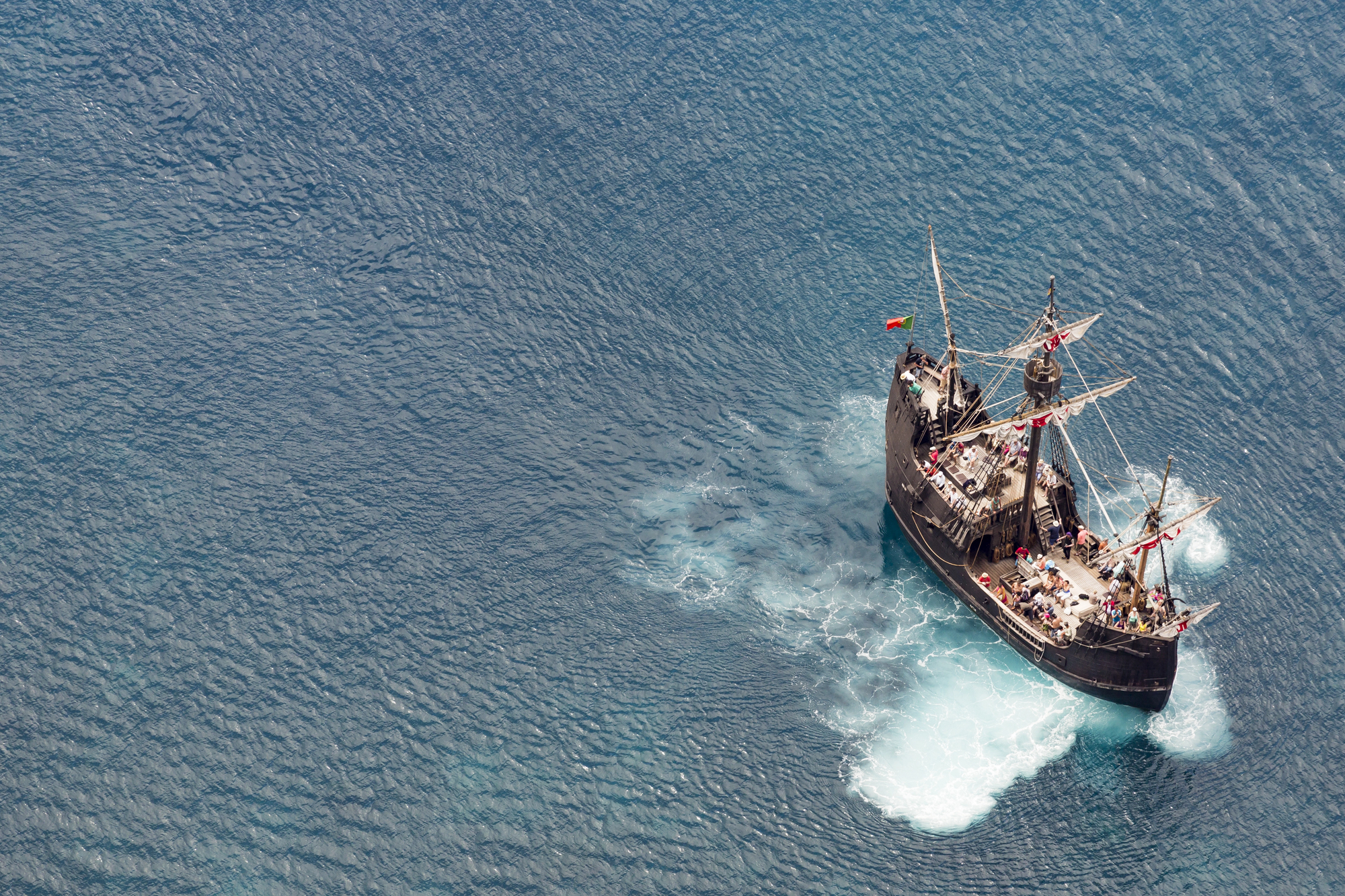
Christopher Columbus sailed this Spanish carrack straight into the history books in 1492. The ship measured about 62 feet long and carried a crew of 40 men across the Atlantic Ocean, reaching what Columbus mistakenly believed was Asia.
Santa Maria ran aground on Christmas Day near present-day Haiti, forcing Columbus to leave some crew behind and build a fort from the salvaged wood. Despite its short career, this vessel opened up an entirely new world to European exploration and fundamentally changed both hemispheres forever.
Mayflower
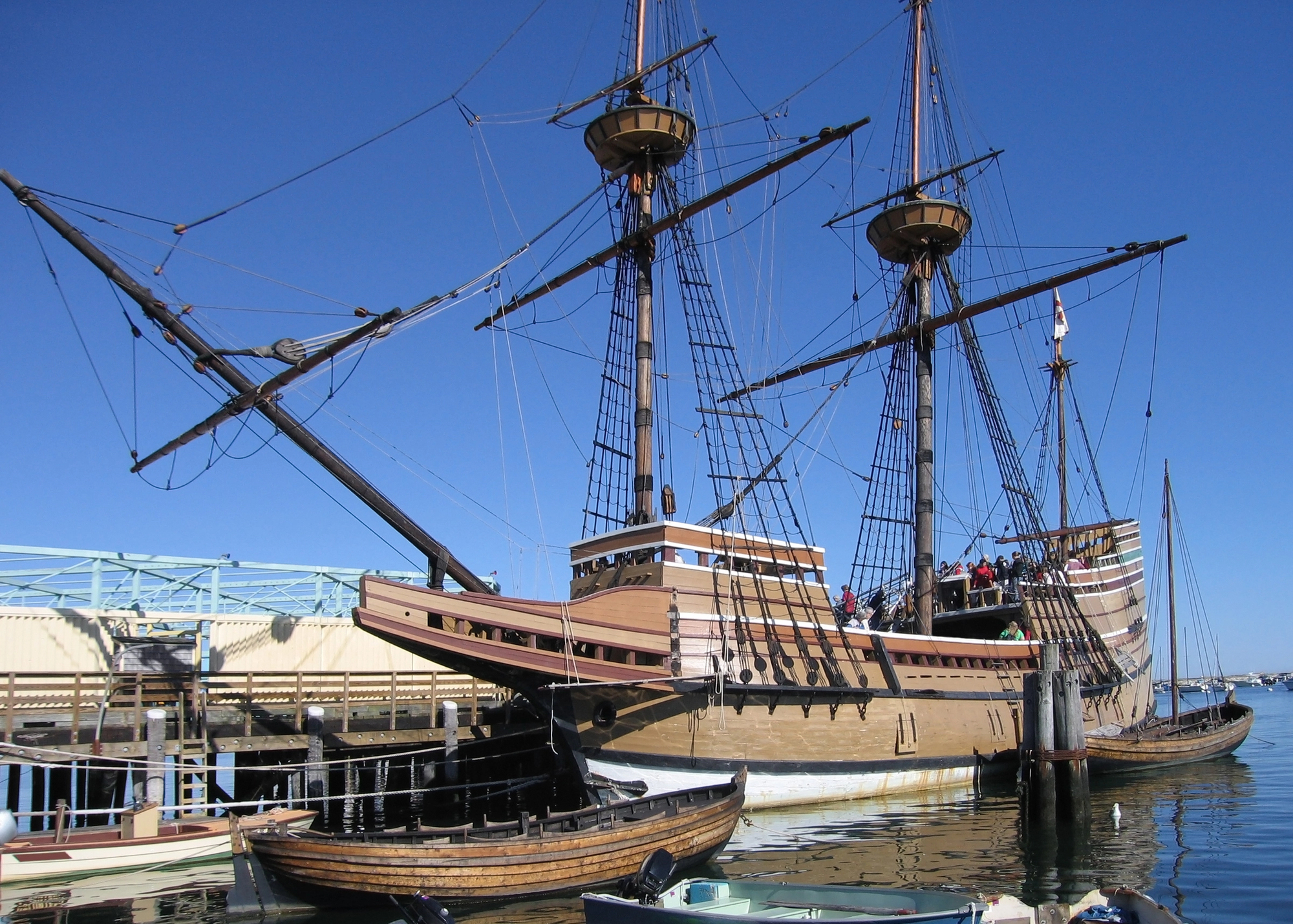
The Pilgrims crammed 102 passengers plus crew onto this merchant ship in 1620, seeking religious freedom in the New World. The 66-day Atlantic crossing tested everyone aboard, with storms so violent that a main beam cracked mid-voyage.
After arriving at Cape Cod, the passengers signed the Mayflower Compact before disembarking—a document that became a cornerstone of American democracy. The ship itself returned to England and likely ended its days dismantled for scrap, but its legacy as the vessel that carried the seeds of a new nation remains undisputed.
HMS Endeavour
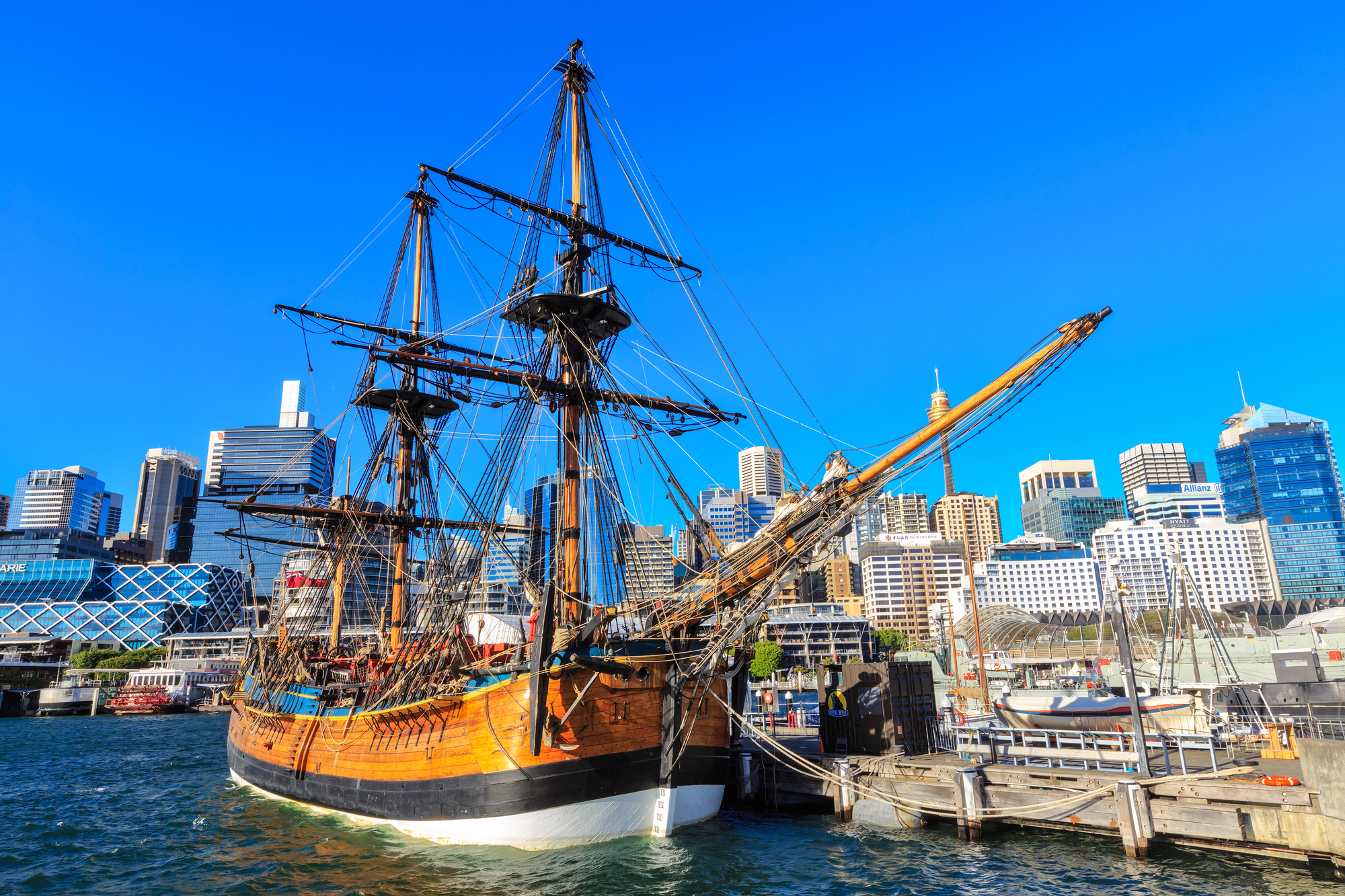
Captain James Cook took this former coal hauler and turned it into one of history’s most important exploration vessels. Between 1768 and 1771, Endeavour sailed to Tahiti, mapped New Zealand’s coastline, and became the first European ship to reach Australia’s eastern shore.
The ship carried scientists and artists who documented everything they encountered, creating an invaluable record of Pacific peoples and ecosystems. Cook’s meticulous navigation and the detailed charts he produced transformed European understanding of the Pacific Ocean and proved that careful observation beats guesswork every time.
HMS Beagle
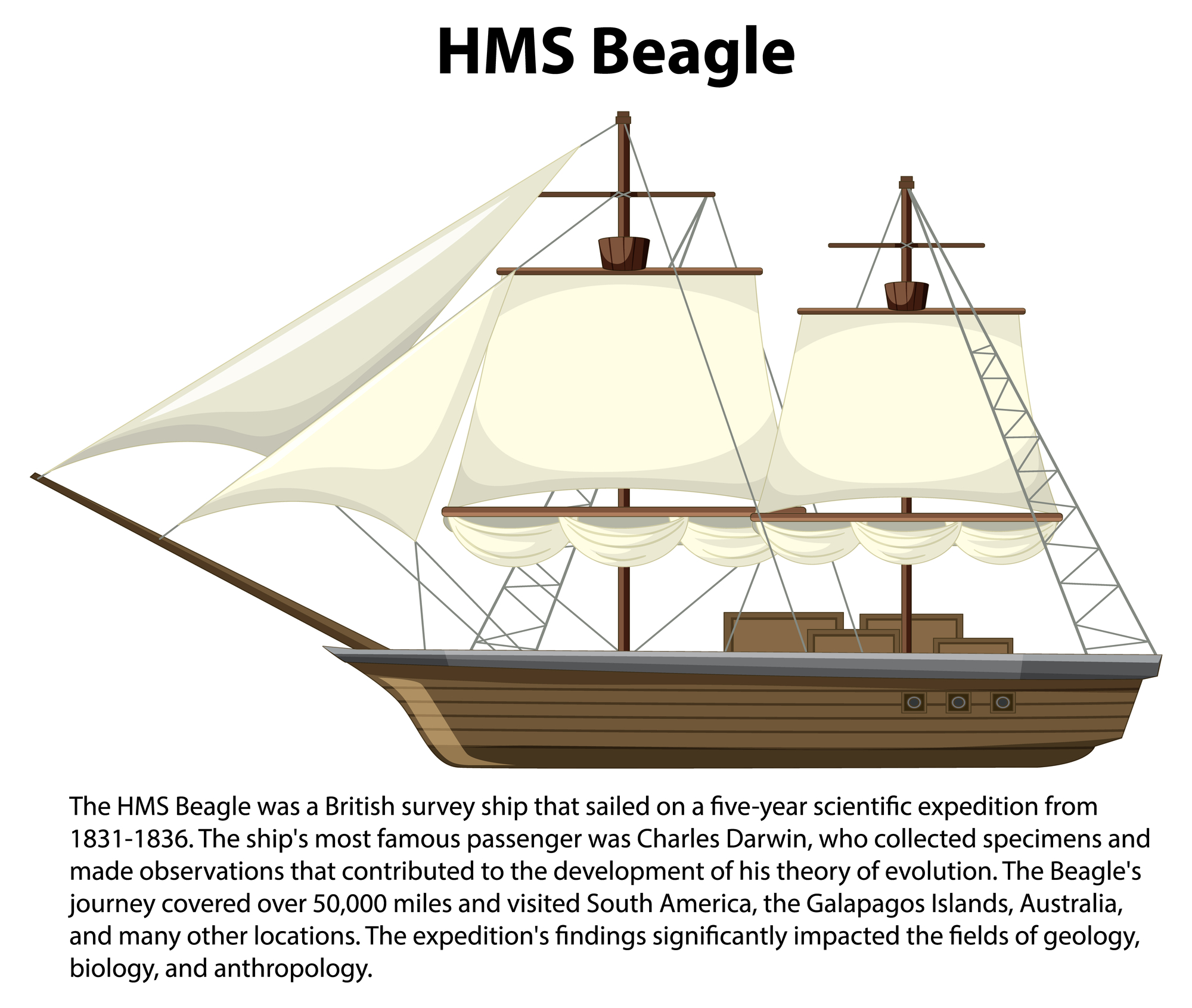
This small British survey ship gave the world something far more valuable than maps—it gave us the theory of evolution. Charles Darwin boarded as a naturalist in 1831 for what became a five-year voyage around South America and across the Pacific.
The observations Darwin made during this journey, particularly in the Galápagos Islands, eventually led to his groundbreaking work ‘On the Origin of Species.’ A ship designed to chart coastlines ended up charting the story of life itself, which makes HMS Beagle arguably the most scientifically significant vessel ever to sail.
HMS Victory
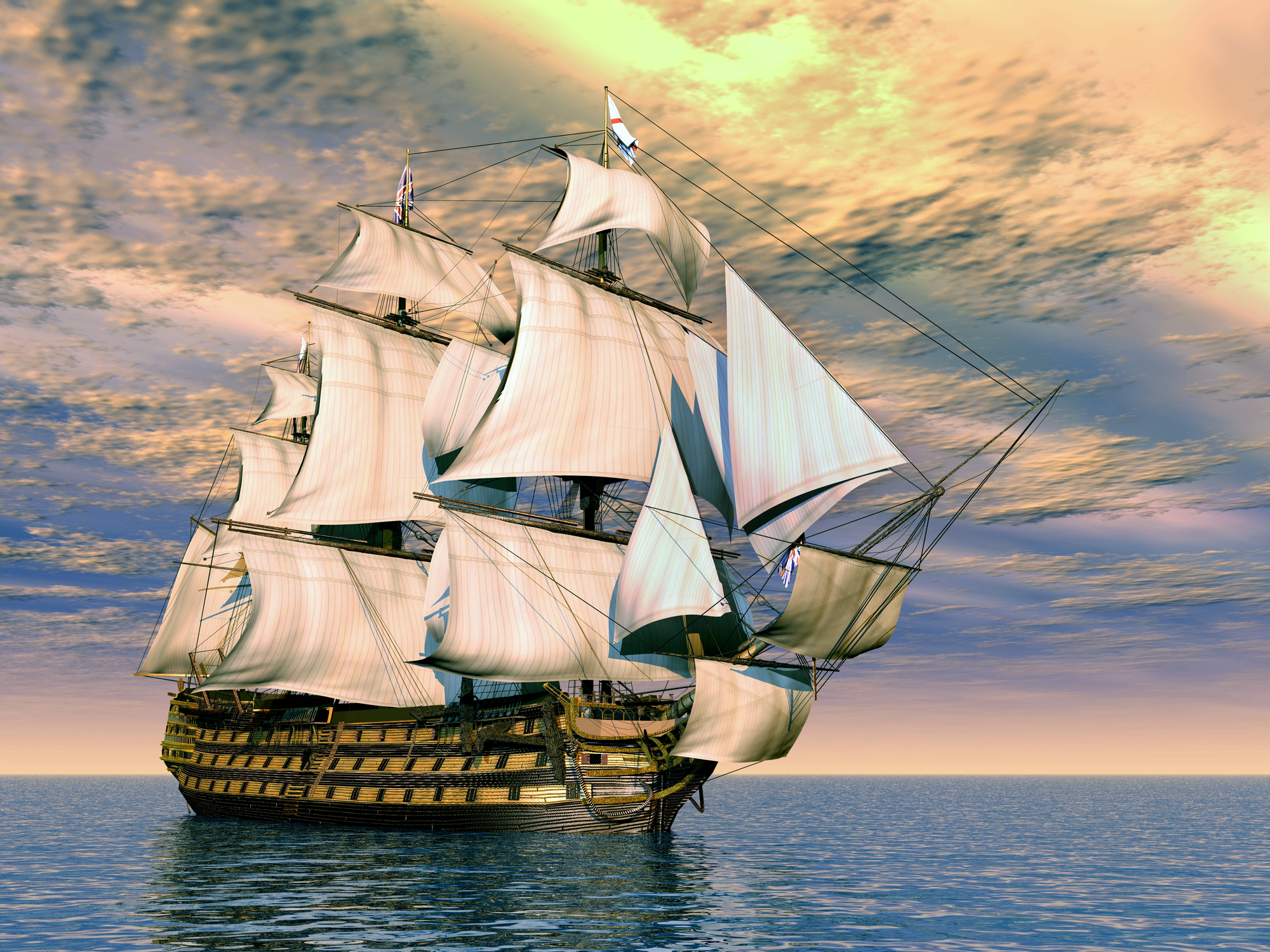
Admiral Horatio Nelson’s flagship at the Battle of Trafalgar in 1805 remains the oldest commissioned warship in the world. This massive three-decker carried 104 guns and over 800 crew members into one of naval history’s most decisive battles.
Nelson’s famous signal ‘England expects that every man will do his duty’ flew from Victory’s masts just before the British fleet smashed the combined French and Spanish forces. Nelson died aboard the ship during the battle, shot by a French sniper, but his victory secured British naval dominance for a century.
USS Constitution
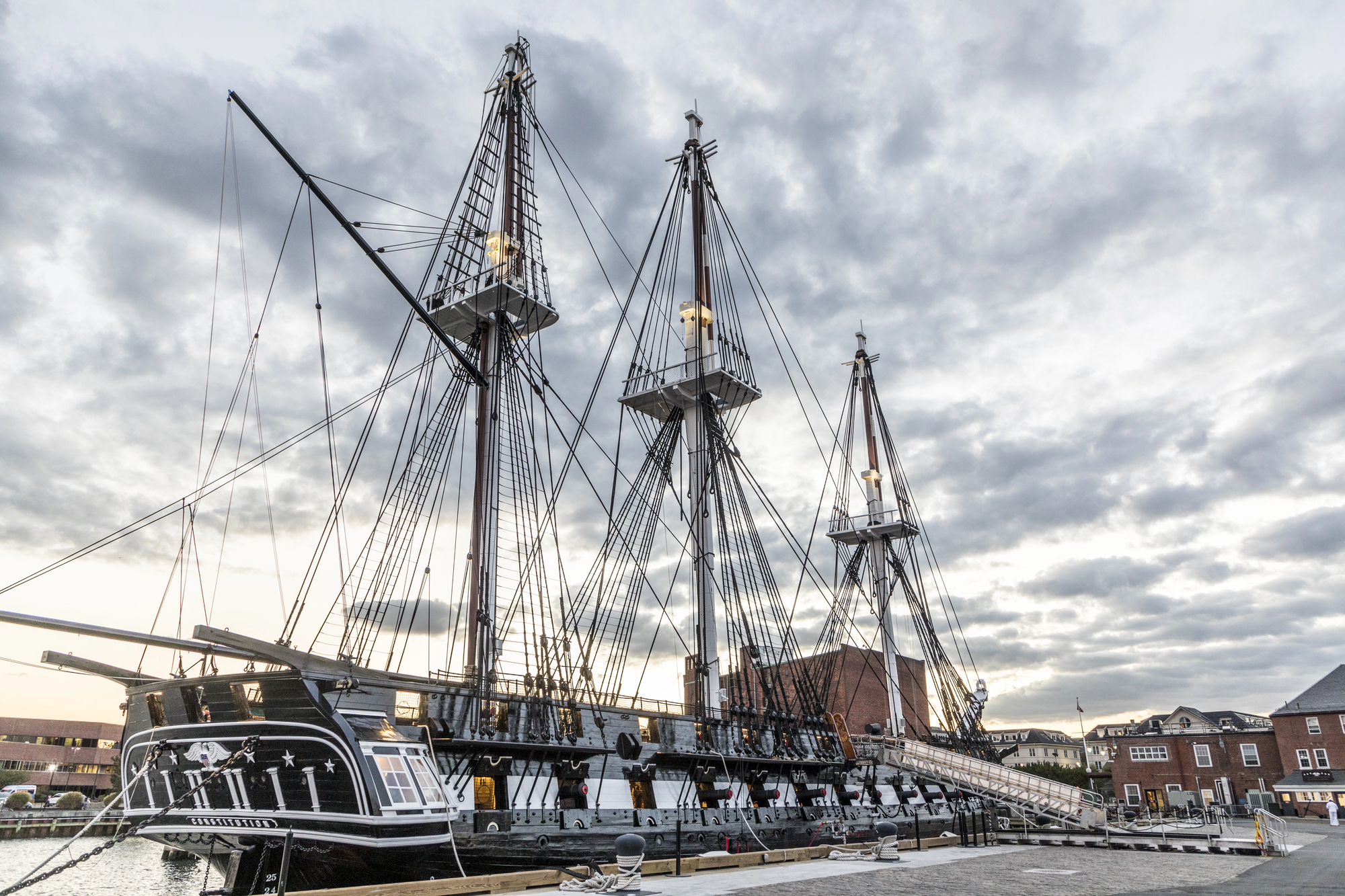
This three-masted frigate earned the nickname ‘Old Ironsides’ during the War of 1812 when British cannonballs seemed to bounce off its thick oak hull. Launched in 1797, Constitution became the U.S. Navy’s most celebrated warship after defeating four British vessels in separate engagements.
The ship was so well-built that Americans refused to let it be scrapped in the 1830s, launching a preservation campaign that saved the vessel. At 227 years old, Constitution remains the world’s oldest commissioned naval ship still afloat and occasionally sails under its own power in Boston Harbor.
HMS Bounty
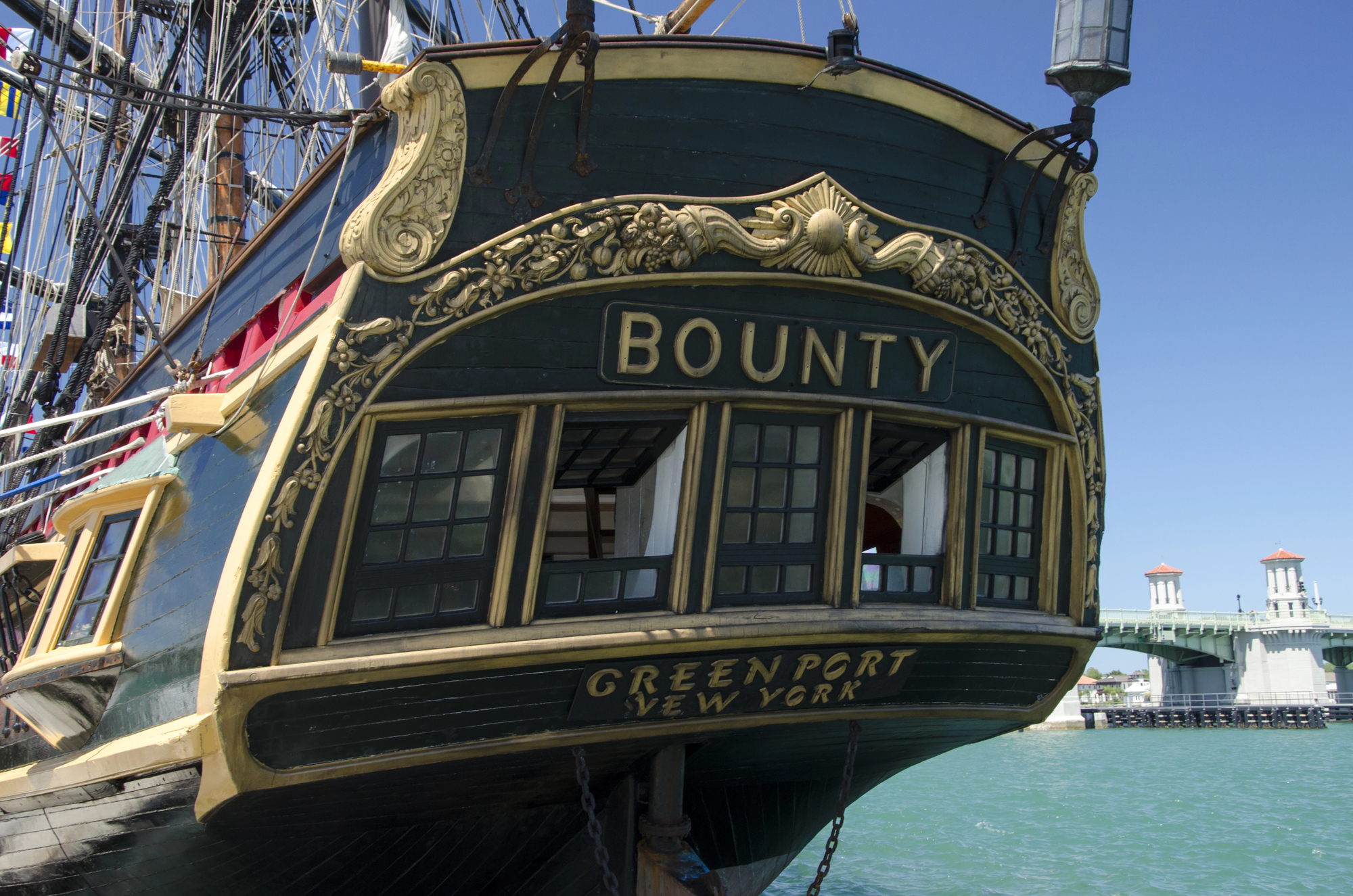
The mutiny aboard this British vessel in 1789 became one of the most famous rebellions in maritime history. Fletcher Christian and his fellow mutineers seized the ship from Captain William Bligh in the Pacific, then cast Bligh and 18 loyal crew members adrift in a small boat with minimal supplies.
What happened next showcased Bligh’s remarkable skills as a navigator—he sailed that tiny boat nearly 4,000 miles to safety in Timor, losing only one man along the way. The mutineers scattered, with some settling on Pitcairn Island where their descendants still live today, while others faced trial and execution in England.
Cutty Sark
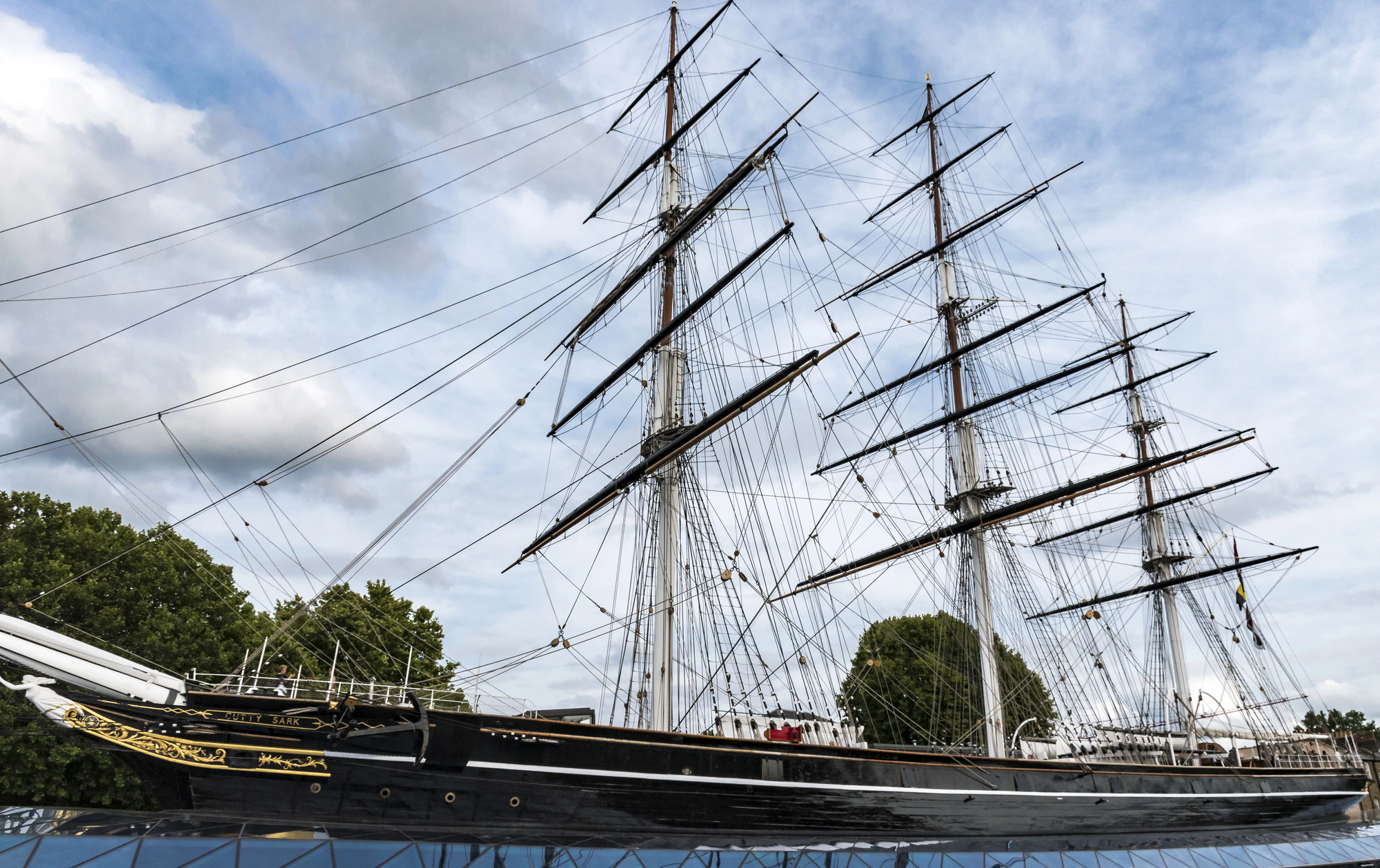
Built in 1869, this British clipper ship represented the absolute peak of sailing vessel design. Cutty Sark was created to race tea from China to London, taking advantage of the premium prices paid for the first fresh tea of the season.
The opening of the Suez Canal that same year meant steamships could beat sailing ships on the China run, so Cutty Sark switched to hauling wool from Australia instead. The ship found its true calling there, setting speed records that made it the fastest merchant vessel afloat in the 1880s.
Flying Cloud
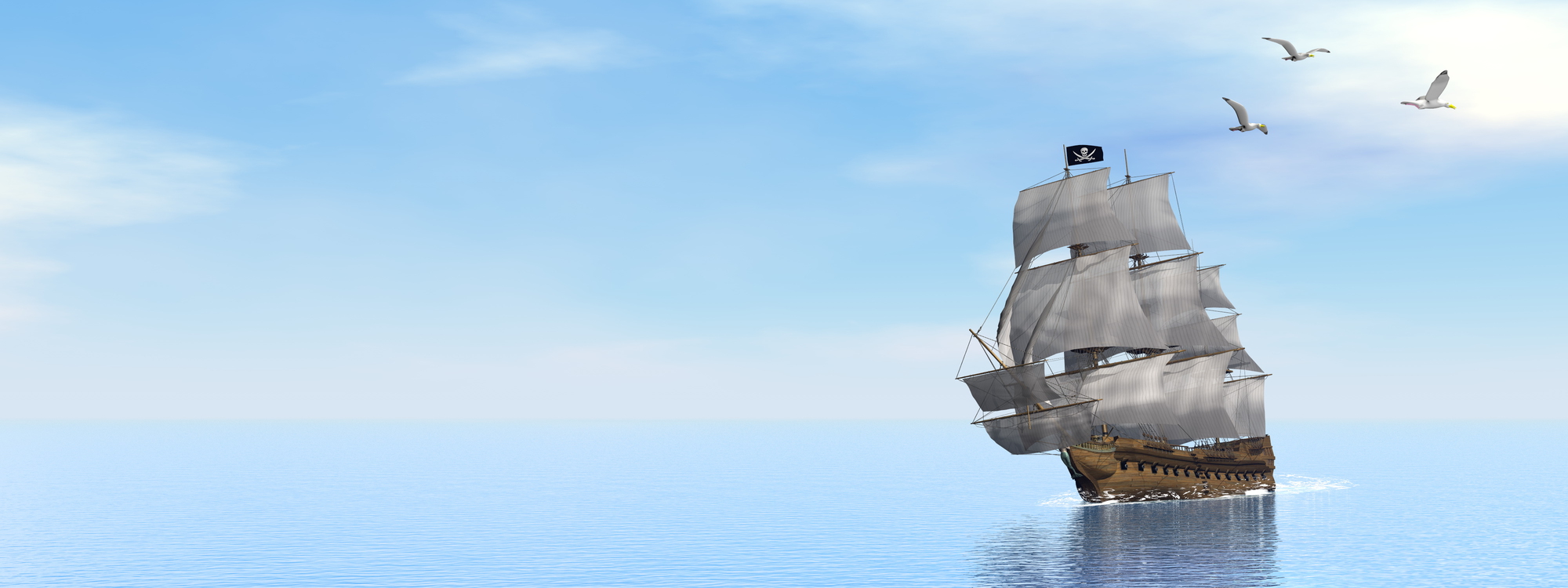
This American clipper ship set a sailing record in 1854 that lasted 135 years. Built in Boston and launched in 1851, Flying Cloud made the run from New York to San Francisco in just 89 days and 8 hours—a blistering pace during the California Gold Rush when speed meant everything.
The ship’s navigator was Eleanor Creesy, one of the only women navigators of the era, who plotted courses that pushed the vessel to its absolute limits. Flying Cloud’s sleek design and massive sail area made it the fastest ship of its time, and modern sailing vessels didn’t break its record until 1989.
RMS Titanic
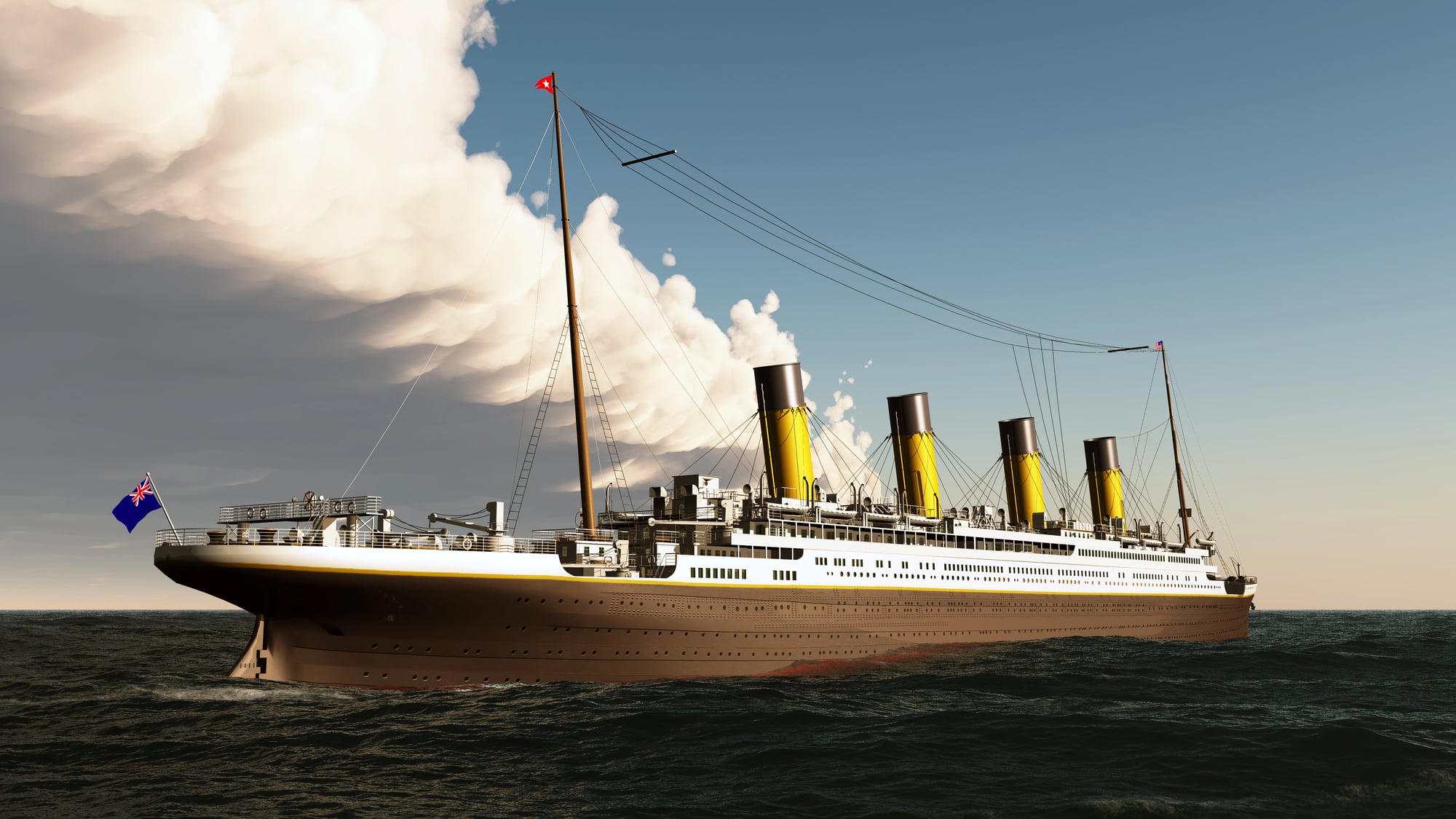
The ‘unsinkable’ ship that sank on its maiden voyage became history’s most famous maritime disaster. This British luxury liner struck an iceberg on April 14, 1912, and disappeared beneath the North Atlantic less than three hours later, taking more than 1,500 people with it.
The ship carried enough lifeboats for only half its passengers because designers believed Titanic’s watertight compartments made sinking impossible. The tragedy shocked the world and led to sweeping changes in maritime safety regulations, including requirements for sufficient lifeboats and 24-hour radio watch.
RMS Lusitania
This British ocean liner’s sinking in 1915 pushed the United States closer to entering World War I. A German submarine torpedoed Lusitania off the coast of Ireland, sending the ship down in just 18 minutes and killing nearly 1,200 people, including 128 Americans.
Germany claimed the ship carried weapons and ammunition, which turned out to be true, though the British government denied it for decades. The attack outraged American public opinion and helped shift sentiment toward joining the war.
USS Missouri
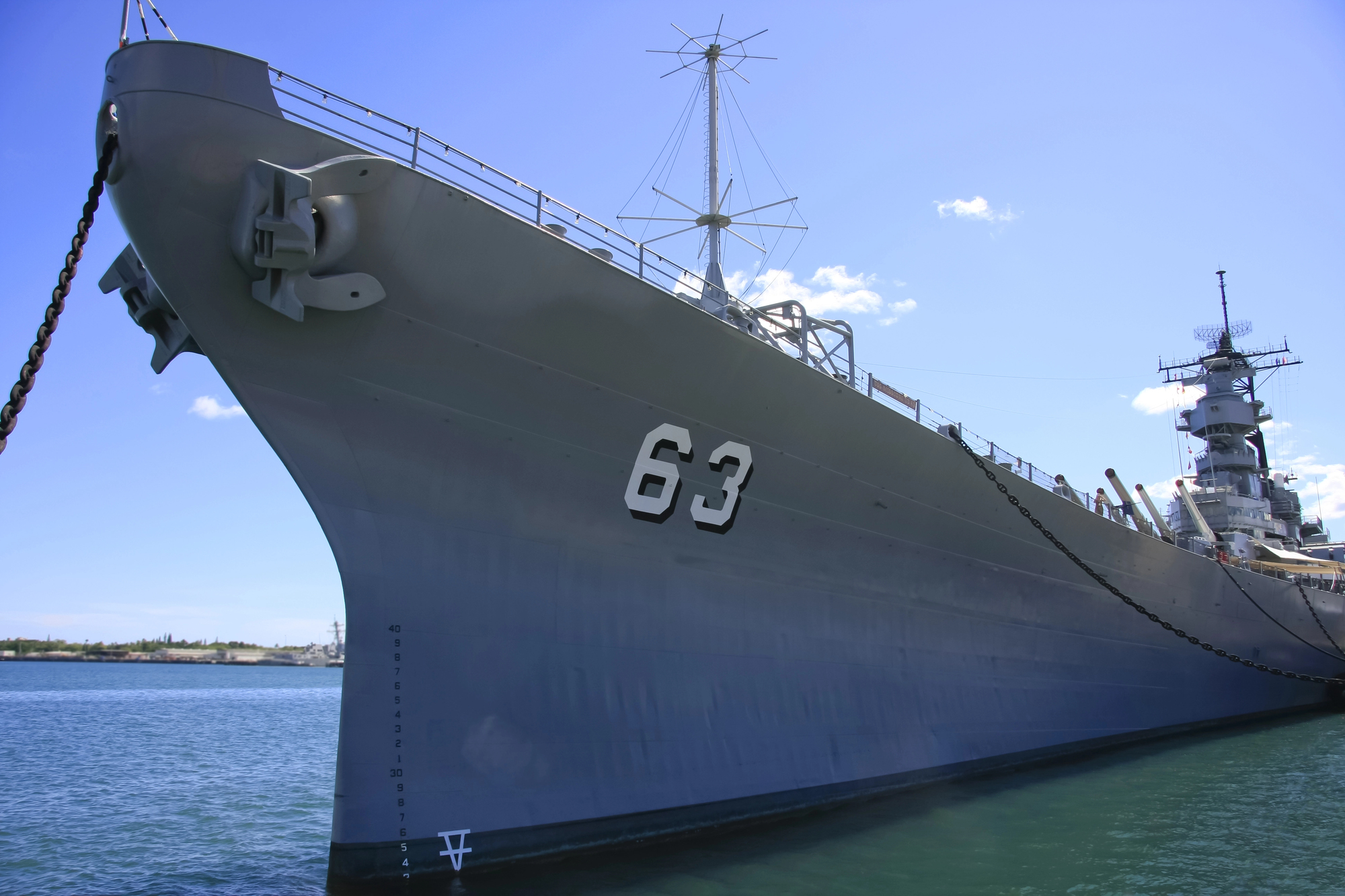
World War II officially ended on the deck of this American battleship. On September 2, 1945, Japanese officials signed the instrument of surrender aboard Missouri in Tokyo Bay, watched by thousands of Allied personnel crowded onto the ship.
The ceremony lasted just 23 minutes but marked the conclusion of history’s bloodiest conflict. President Harry Truman chose Missouri partly because it was named after his home state, and the ship flew both the American flag from Pearl Harbor and Commodore Perry’s 1853 flag as symbolic reminders of the past.
USS Arizona
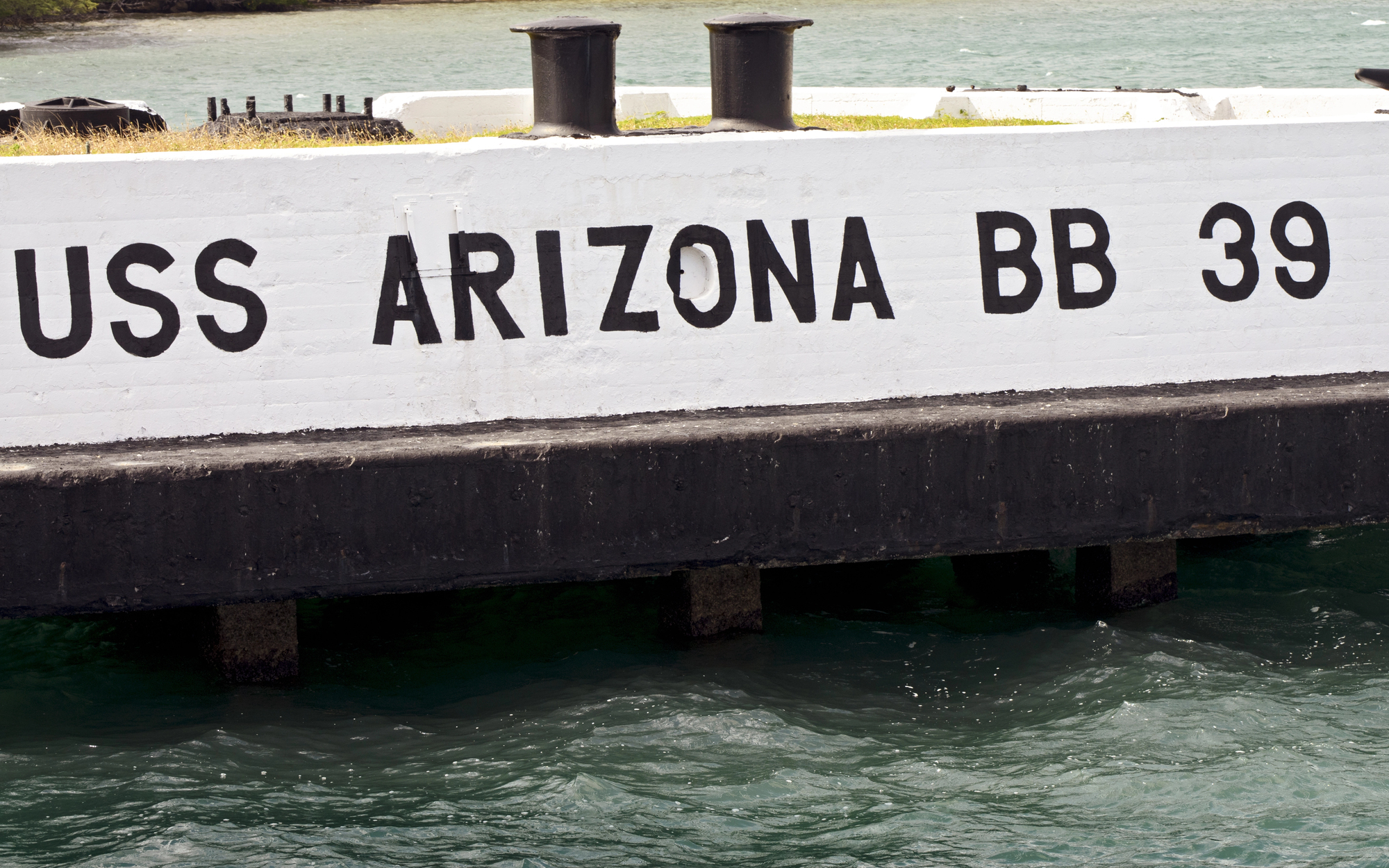
This battleship became a tomb on December 7, 1941, when Japanese bombs ignited its forward magazine at Pearl Harbor. The massive explosion tore Arizona apart in seconds, killing 1,177 of the 1,400 crew members aboard.
The ship sank quickly and settled on the harbor bottom, where it remains to this day with most of the crew still entombed inside. Oil still seeps from the wreck in what some call ‘black tears,’ a visible reminder of that devastating morning.
Bismarck
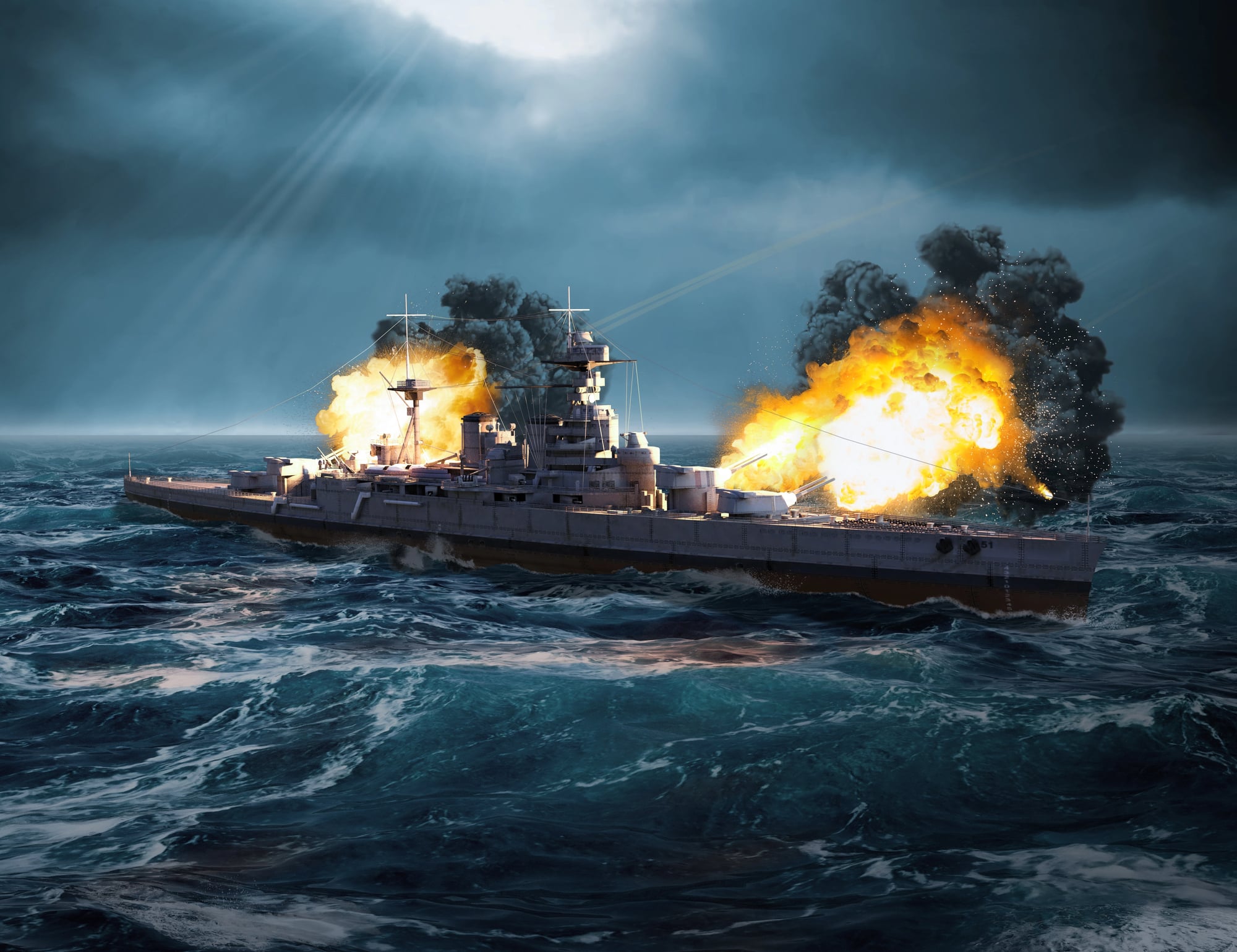
Germany’s largest and most powerful battleship lasted only nine months before meeting a violent end in 1941. Bismarck displaced over 50,000 tons, carried eight massive 15-inch guns, and terrified the British Admiralty from the moment it launched.
On its first combat mission, the ship sank HMS Hood, Britain’s pride and joy, in less than eight minutes with just a few well-placed shots. The British Navy threw everything available into hunting Bismarck down, eventually crippling its steering with a torpedo strike.
CSS H.L. Hunley
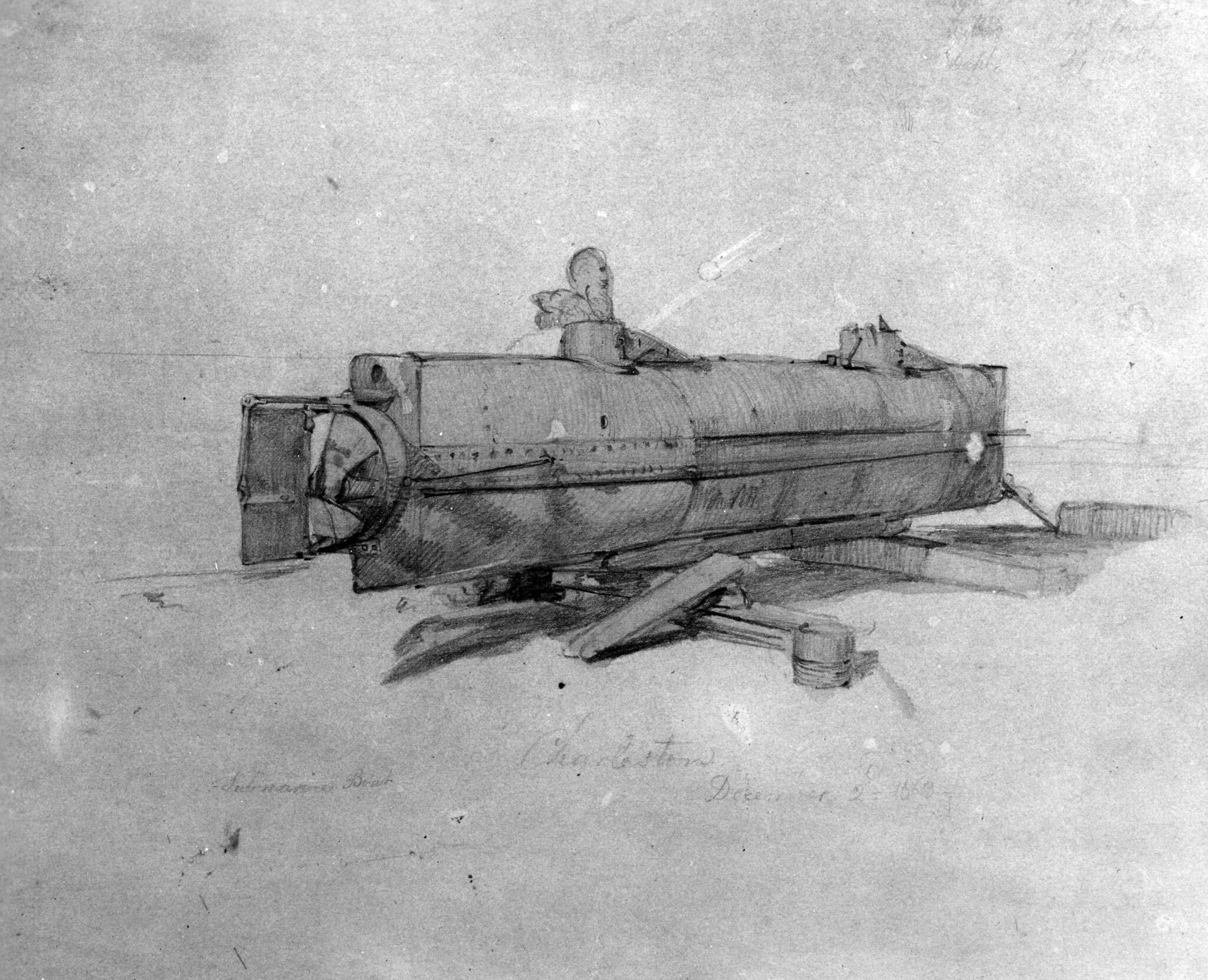
This Confederate submarine became the first sub in history to sink an enemy warship, though it cost the lives of everyone aboard. Hand-cranked by eight men turning a propeller, Hunley crept up to the Union blockade ship USS Housatonic in Charleston Harbor on February 17, 1864.
The sub rammed a spar torpedo into Housatonic’s hull and backed away before detonating the explosive, sending the Union ship to the bottom. Hunley never returned from the mission, sinking with all hands for reasons still debated by historians.
USS Monitor
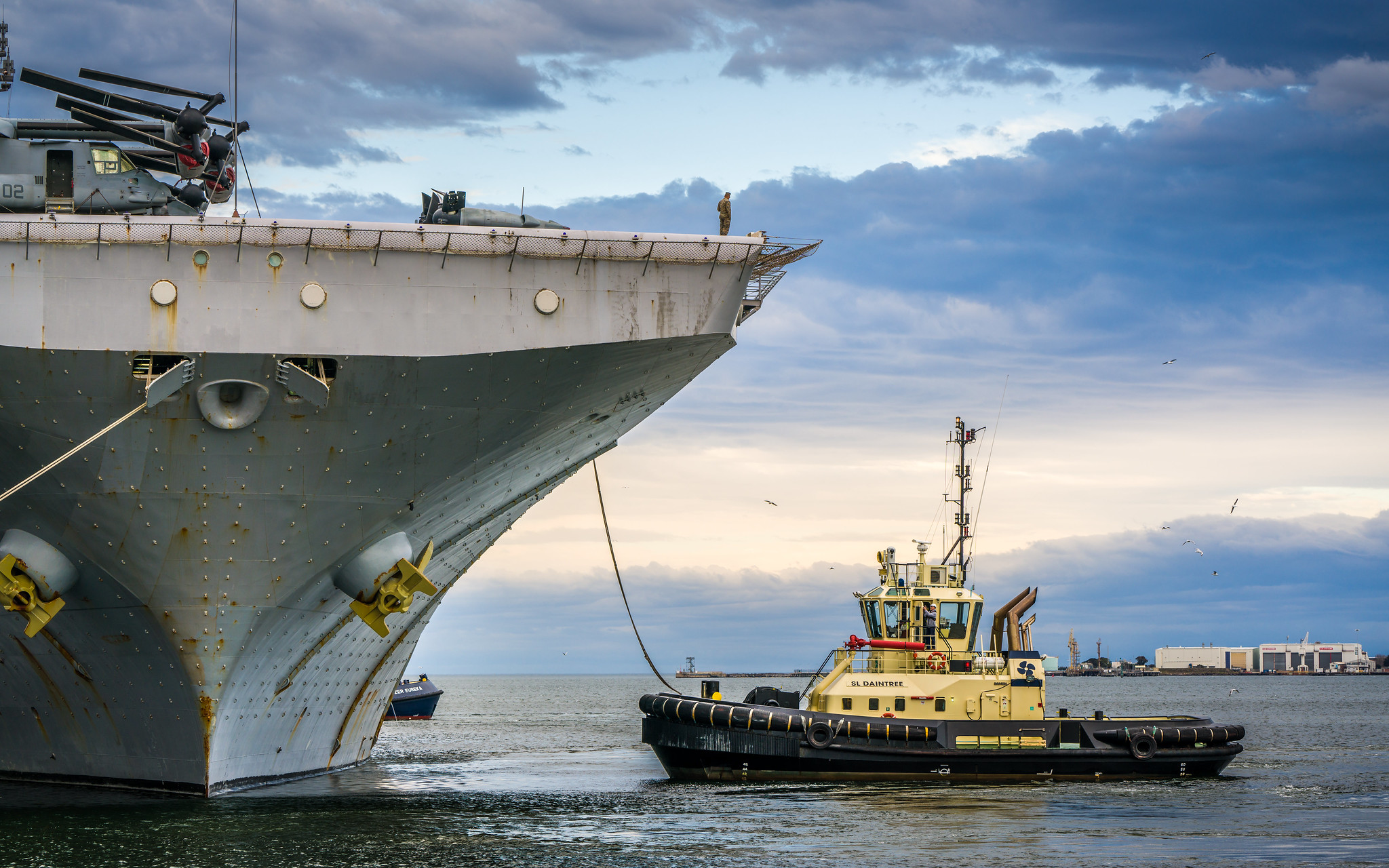
This Union ironclad changed naval warfare forever when it battled CSS Virginia in March 1862. The monitor looked like nothing anyone had seen before—a flat deck with a rotating gun turret that could fire in any direction without turning the entire ship.
The four-hour battle between Monitor and Virginia at Hampton Roads ended in a draw, but it proved that wooden warships were obsolete overnight. Naval architects around the world immediately started designing ironclads, making traditional sailing ships of the line irrelevant.
When Wood and Canvas Ruled the Waves
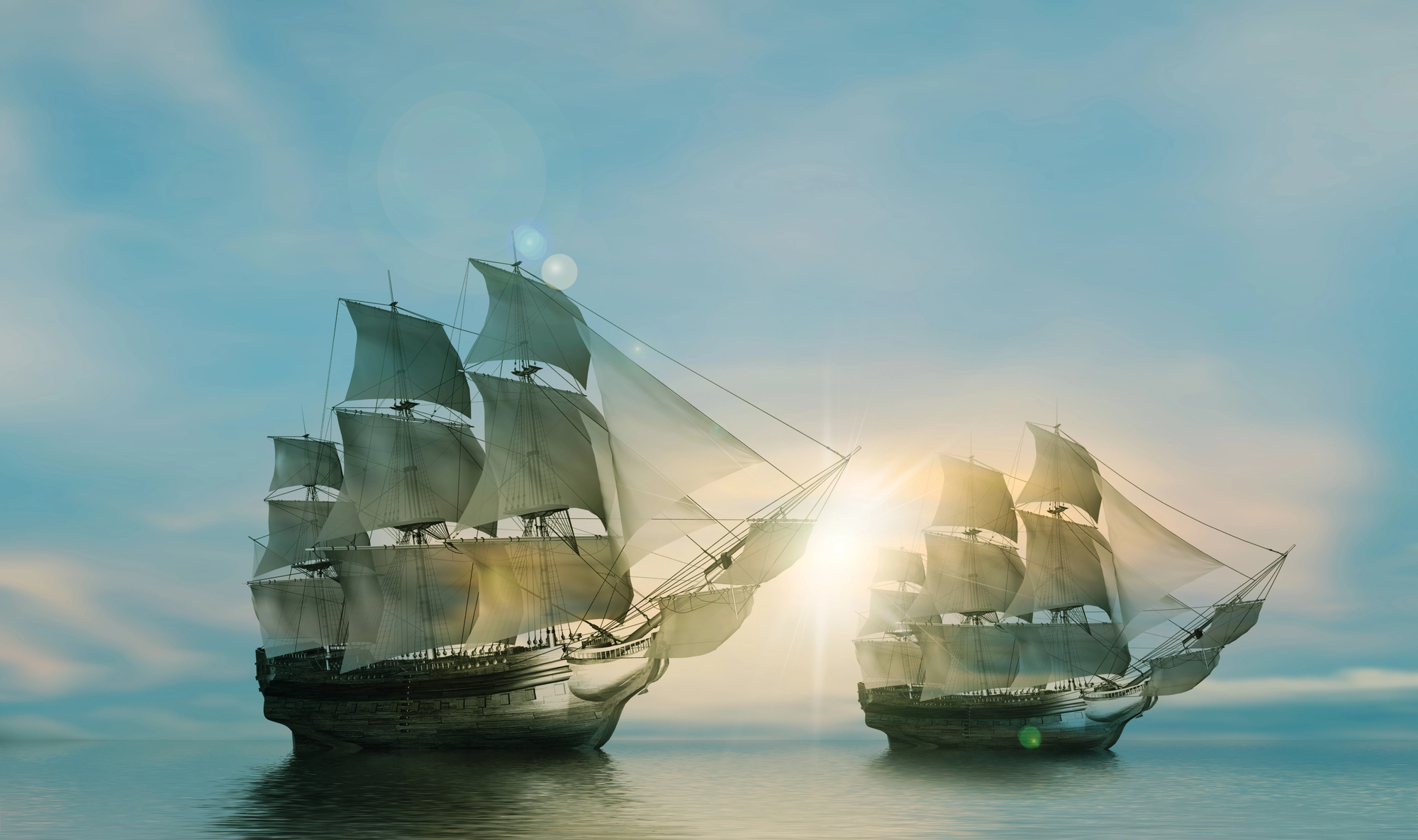
These vessels shared something beyond their individual stories—they all pushed boundaries that people thought were fixed. Some carried explorers who believed the impossible was worth attempting, others transported ideas that reshaped civilizations, and a few demonstrated that even the mightiest creations can be humbled by nature or war.
The ships themselves are mostly gone now, resting on ocean floors or preserved in museums, but their voyages continue to echo through history. Each vessel reminds us that every great journey begins with someone willing to cast off the lines and head into uncertain waters, trusting that the voyage itself justifies the risk.
More from Go2Tutors!

- The Romanov Crown Jewels and Their Tragic Fate
- 13 Historical Mysteries That Science Still Can’t Solve
- Famous Hoaxes That Fooled the World for Years
- 15 Child Stars with Tragic Adult Lives
- 16 Famous Jewelry Pieces in History
Like Go2Tutors’s content? Follow us on MSN.



