Rarest Animal Fossils Found in US Deserts
Hidden under sunbaked rock and dunes, old bones wait quietly. When this region bloomed with green thickets and watery marshes, life swarmed where silence rules today.
Fossils tucked in layers reveal lives lived eons ago. Scientists piece together scenes from eras gone by, long before people arrived.
What remains tells stories older than memory. Picking out old bones means waiting, hoping, then spotting something odd in the dust.
Sometimes it’s a twist in stone, sometimes just a hint of shape beneath sand – either way, someone notices. Across sunbaked stretches of land where little moves except wind and time, people dig up fragments few would believe.
These pieces once belonged to creatures nothing like today’s animals. Each one sits quietly now, cracked but telling its own long story.
Coelophysis Fossils Found At Ghost Ranch

Out in the New Mexico dust, bones poked through the ground – hundreds of them – slim frames tangled like buried secrets. These creatures ran light on their feet long before mammals ever tried.
A flash flood might have swept them all at once; that would explain why so many stood intact beneath rock layers. Researchers keep returning because few places offer such clear windows into ancient movement patterns.
Fewer still show how early dinos traveled – not alone, but bunched tight.
Smilodon From The Mojave

Saber-toothed cats often bring the La Brea Tar Pits to mind, yet traces of Smilodon have surfaced now and then in the Mojave Desert too. Since dry climates tend to break down bone faster than sticky asphalt, such discoveries feel almost accidental.
Each fragment uncovered there reaches back roughly ten thousand years – when greenery clung closer to what is now sand. Back then, sweeping grasslands supported herds and these hunters stalked quietly.
Their upper fangs stretched as long as seven inches, built not for show but for piercing thick hides after a short rush.
Pentaceratops In New Mexico

Out near Farmington, a rocky layer coughed up a nearly whole head of Pentaceratops – still among the biggest dino skulls on record. Back then, about 75 million years past, swamps and rivers soaked the land where now there’s desert and scrub.
Stretching close to ten feet tip to tail, that bone case dwarfs your average sedan parked in a driveway today. Whole heads like this hardly survive time; big bony frames usually shattered long before stone could claim them.
Desert Woolly Mammoths

Out in Arizona’s sunbaked stretches, bones of shaggy Ice Age beasts turn up where nobody expects them. Though built for frost, these huge creatures somehow roamed lands now known for heat.
Fossils near the southern edge of the state hint at seasonal moves or responses to changing weather patterns long ago. A tusk dug up in 2015 kept its internal layers intact, telling secrets about how old it was and what kind of life it led.
Roughly eleven thousand years back, they walked those dry flats – just before vanishing from the continent altogether.
Dimetrodon From Texas
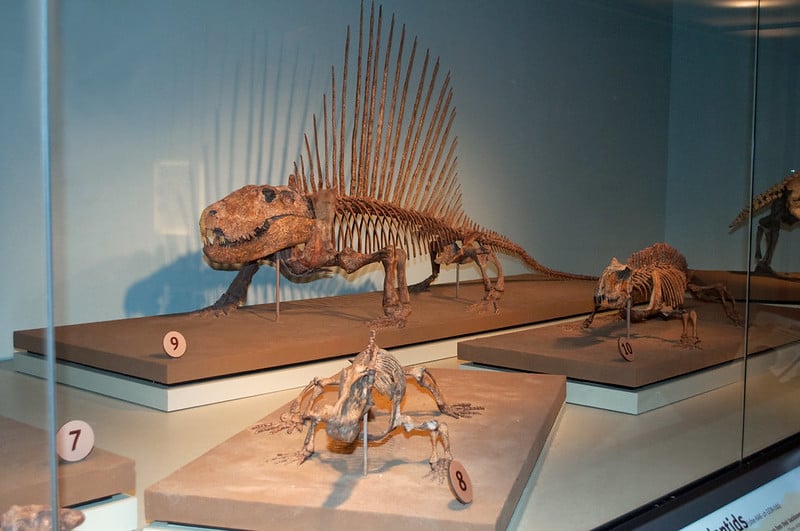
Long ago, red stones in Texas locked away remains of Dimetrodon – creatures that lived 280 million years back, ages ahead of dinosaurs. Not truly a dinosaur, this animal with a fin-like ridge along its spine shares deeper ties to today’s mammals than reptiles.
That broad sail possibly managed heat while the beast moved through wetlands where sand now covers everything. Finding full sets of bones is uncommon since they broke apart easily, spread wide before earth could cover them.
Camelops In Nevada

Nevada’s Black Rock Desert has yielded fossils of Camelops, an extinct camel that stood taller than modern horses. These ancient relatives of today’s camels evolved in North America before their descendants migrated to Asia and South America.
The Nevada specimens date back about 15,000 years and show these animals had longer legs and larger bodies than any camel alive today. Finding complete leg bones is particularly rare because scavengers often carried off these nutritious skeletal elements before fossilization occurred.
Triassic Phytosaurs In Arizona

The Petrified Forest National Park has produced rare phytosaur skulls that look remarkably similar to modern crocodiles despite not being directly related. These aquatic predators lived 220 million years ago in rivers that flowed through what is now Arizona desert.
Their nostrils sat high on their snouts near their eyes, allowing them to breathe while mostly submerged. Complete skulls with intact teeth are extremely uncommon because the rushing ancient rivers often broke apart these reptile remains before burial.
Columbian Mammoths From New Mexico

The city of Albuquerque sits atop ancient deposits that have revealed several Columbian mammoth skeletons in remarkable condition. These mammoths stood about 14 feet tall at the shoulder, making them larger than their woolly cousins.
One specimen discovered during construction work in 1990 included preserved stomach contents that showed what plants these giants ate 20,000 years ago. Finding soft tissue or stomach contents is extraordinarily rare because these organic materials typically decay completely within weeks of death.
Allosaurus From Utah
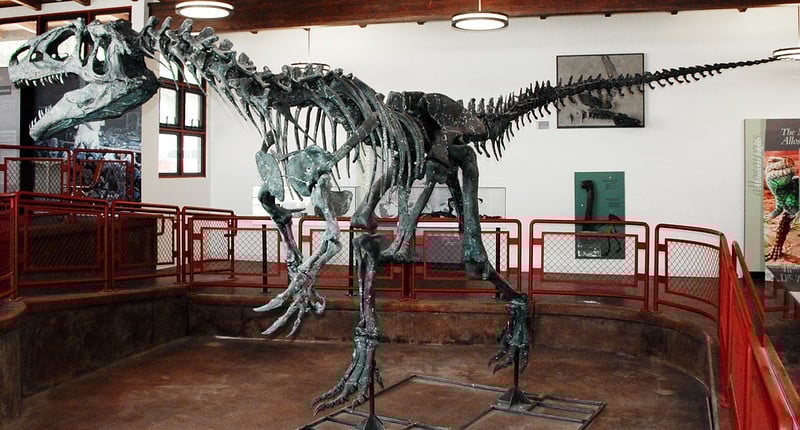
Utah’s Cleveland-Lloyd Dinosaur Quarry has produced more Allosaurus fossils than anywhere else on Earth, yet complete skeletons remain exceptionally scarce. This massive predator lived 150 million years ago and could grow up to 30 feet long.
Scientists have found over 10,000 bones at this site, but most belong to different individuals that accumulated over thousands of years. The rare complete specimens show Allosaurus had powerful jaws and three-fingered hands with sharp claws for gripping struggling prey.
Ancient Horses From California
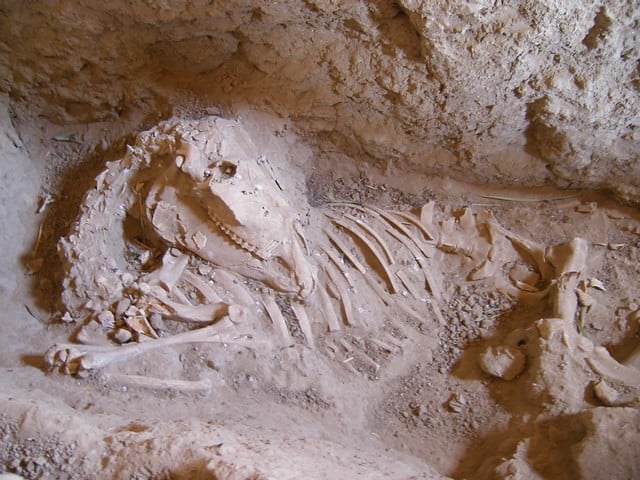
The Anza-Borrego Desert has revealed fossils of several extinct horse species that roamed California between 5 million and 500,000 years ago. These ancient horses looked quite different from modern breeds, with some species having three toes instead of a single hoof.
One particularly rare find included a nearly complete skeleton of a horse that stood barely three feet tall at the shoulder. These small horses lived in herds across grasslands that received much more rainfall than the desert gets today.
Shonisaurus In Nevada

Nevada’s state fossil, Shonisaurus, represents one of the largest marine reptiles ever discovered. These dolphin-like creatures grew up to 50 feet long and swam in a shallow sea that covered much of Nevada 215 million years ago.
The Berlin-Ichthyosaur State Park protects a rare site where multiple Shonisaurus skeletons lie partially exposed in the rock. Finding multiple large marine reptiles together suggests they may have beached themselves like modern whales sometimes do.
Tyrannosaurus In New Mexico
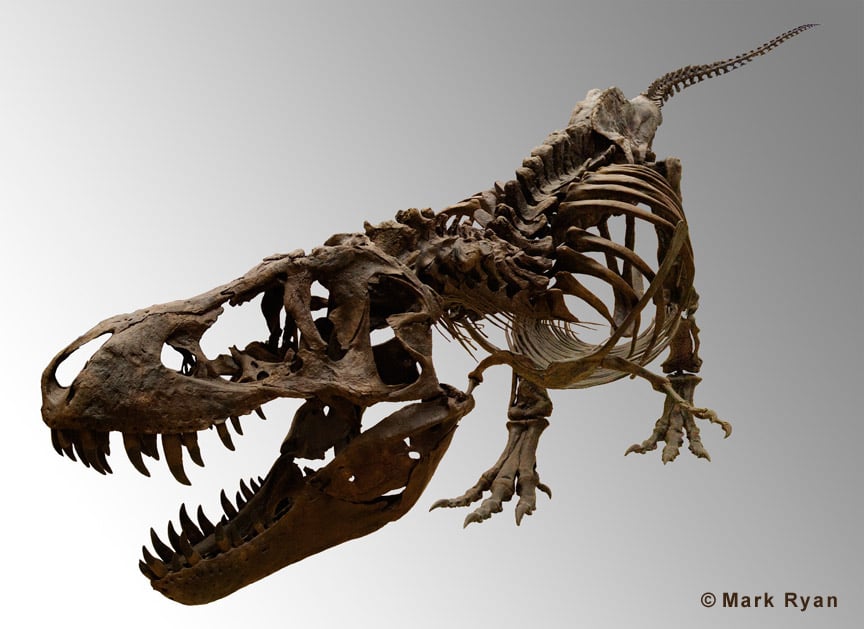
While South Dakota and Montana are famous for T. rex discoveries, New Mexico has produced several rare Tyrannosaurus specimens from the very end of the dinosaur era. These southern tyrannosaurs lived in a warmer climate than their northern relatives about 66 million years ago.
One partial skeleton found in 1983 showed evidence of healed injuries, proving this apex predator survived serious wounds during its lifetime. Complete T. rex skeletons remain among the rarest fossils on Earth, with fewer than 50 reasonably complete specimens ever found.
Dire Wolves From California

The Mojave Desert has yielded scattered dire wolf remains that complement the famous La Brea finds. These extinct canines were larger and more robust than modern gray wolves, with stronger jaws for crushing bone.
The desert specimens are particularly valuable because they come from different time periods than the tar pit fossils, showing how these predators changed over thousands of years. Dire wolves vanished about 10,000 years ago, likely unable to adapt when their large prey animals went extinct.
Plesiosaurs From Kansas

Although Kansas is not typically considered desert today, its western regions include badlands that have produced rare plesiosaur fossils from 80 million years ago. These long-necked marine reptiles swam in the Western Interior Seaway that split North America in half during the Late Cretaceous period.
One specimen includes rare preserved skin impressions showing these creatures had smooth, fish-like scales. Finding soft tissue impressions requires perfect burial conditions that occur only in exceptional circumstances.
Ancient Bison From Texas

The Texas Panhandle has produced fossils of Bison antiquus, an extinct species that stood six feet tall at the shoulder with horns spanning seven feet from tip to tip. These giants roamed the Great Plains until about 10,000 years ago when they were hunted by early humans and affected by climate change.
One rare find included a complete skull with both horn cores intact, showing how these weapons would have been used in combat between competing males. Most bison fossils consist only of scattered teeth and bone fragments because these animals often died in places where scavengers could easily reach them.
Pteranodon From Kansas Badlands

Western Kansas has yielded several rare Pteranodon specimens, flying reptiles with wingspans reaching 20 feet across. These creatures soared over ancient seas 85 million years ago, diving to catch fish like modern seabirds.
One particularly well-preserved skull shows the distinctive backward-pointing crest that may have helped balance the animal’s long beak during flight. Finding complete pterosaur fossils is exceptionally difficult because their hollow, lightweight bones are crushed easily and scattered in currents before fossilization.
Ground Sloths From Arizona

The Grand Canyon area has produced rare fossils of Shasta ground sloths, shaggy giants that lived in caves and ate desert plants until about 11,000 years ago. These creatures stood eight feet tall on their hind legs and had massive claws for pulling down branches.
Some caves have preserved not just bones but also dried dung and hair, giving scientists unprecedented information about their diet and lifestyle. Finding preserved soft tissues from extinct animals is incredibly rare and requires the special dry conditions that some desert caves provide.
Mosasaurs From New Mexico

New Mexico’s badlands have yielded rare mosasaur fossils, marine lizards that grew over 40 feet long and ruled the ancient seas. These predators had double-hinged jaws that allowed them to swallow large prey whole, similar to modern snakes.
One exceptional specimen includes preserved stomach contents showing the mosasaur had eaten several large fish and a smaller mosasaur before it died. Finding a fossil with its last meal still inside is extraordinarily rare and provides direct evidence of prehistoric food chains.
When Deserts Remember The Past

These rare fossils scattered across American deserts connect modern landscapes to vanished worlds of ancient seas, lush forests, and megafauna. Every new discovery adds another piece to the puzzle of how life evolved and changed across millions of years.
The dry desert air that makes these regions harsh for living things also helps preserve the bones of creatures that died long ago. Scientists continue searching these badlands and sand dunes, knowing that the next rainstorm or windstorm might expose another incredible fossil that has waited millions of years to tell its story.
More from Go2Tutors!

- The Romanov Crown Jewels and Their Tragic Fate
- 13 Historical Mysteries That Science Still Can’t Solve
- Famous Hoaxes That Fooled the World for Years
- 15 Child Stars with Tragic Adult Lives
- 16 Famous Jewelry Pieces in History
Like Go2Tutors’s content? Follow us on MSN.



