Historic Speeches That Reshaped Nations
Out of silence, conflict often begins – just as peace sometimes follows. One voice, meeting open ears at just the right hour, has cracked kingdoms apart while stitching others together behind it.
Moments like these aren’t about clever talk; they’re when words take weight, shifting how people live and think across continents. Those who spoke here knew timing mattered, yes – but so did truth sharp enough to cut through noise and reach bone.
Lincoln at Gettysburg
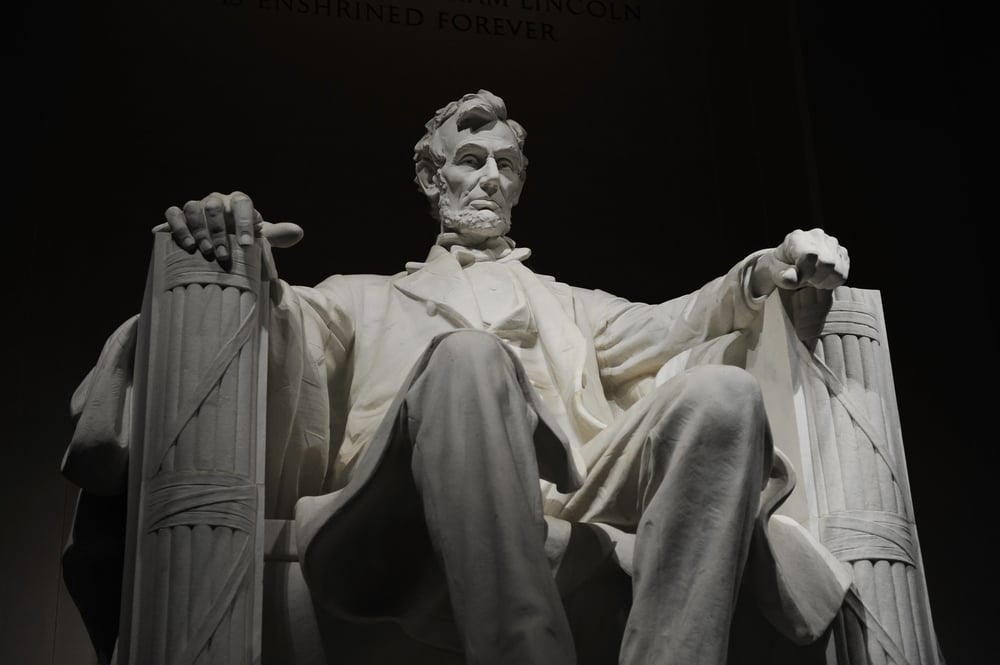
Abraham Lincoln spoke for barely two minutes on November 19, 1863. The featured orator that day, Edward Everett, had held the crowd for two hours.
Yet it was Lincoln’s 272 words that would be memorized by schoolchildren for generations.
The occasion was the dedication of a cemetery for Union soldiers who had fallen at the Battle of Gettysburg four months earlier. Lincoln used the moment to redefine what the Civil War meant.
He never mentioned the Confederacy, slavery, or even the Union by name. Instead, he reached back to the founding principles of the nation and forward to a vision of what America could become.
“Four score and seven years ago our fathers brought forth on this continent, a new nation, conceived in Liberty, and dedicated to the proposition that all men are created equal.” With that opening, Lincoln connected the bloodshed at Gettysburg to the promises made in 1776—promises not yet fulfilled.
The speech concluded with a charge to the living: ensuring “that government of the people, by the people, for the people, shall not perish from the earth.”
Churchill’s Finest Hour
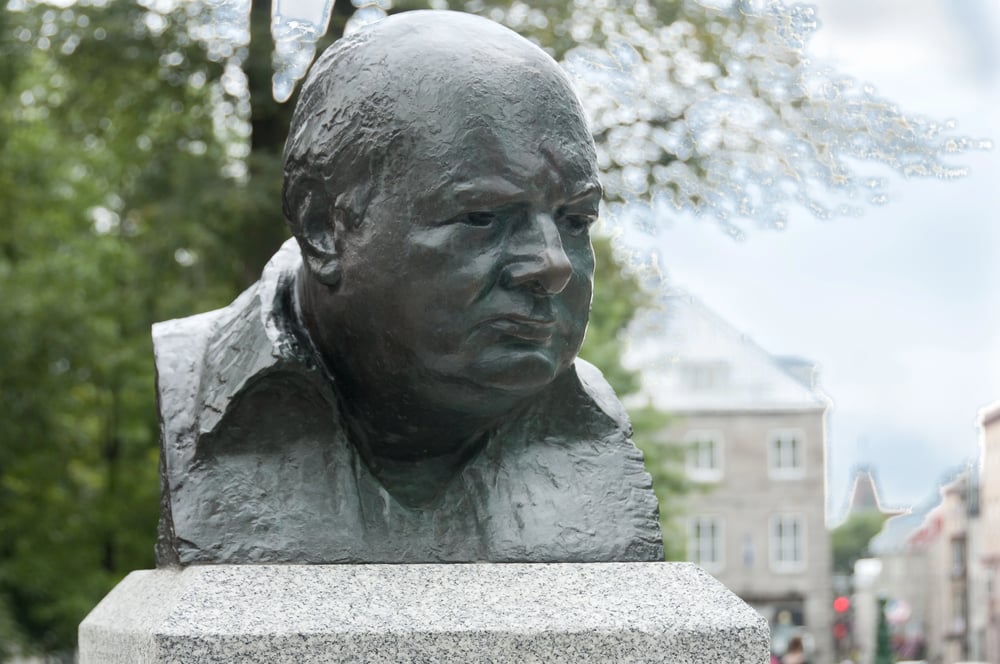
Britain stood alone in June 1940. France had fallen.
The evacuation at Dunkirk had saved the army but left its equipment behind. Nazi Germany controlled most of Europe, and an invasion of Britain seemed imminent.
Winston Churchill addressed the House of Commons on June 18, 1940, knowing that the survival of British democracy depended on maintaining public morale. He did not minimize the danger.
He acknowledged that “the Battle of France is over” and that “the Battle of Britain is about to begin.” What followed was a masterclass in defiant resolve.
“Hitler knows that he will have to break us in this Island or lose the war,” Churchill declared. He spoke of the coming struggle in terms that made surrender unthinkable and resistance glorious.
The speech climaxed with a vision that extended beyond Britain itself: “Let us therefore brace ourselves to our duties, and so bear ourselves that, if the British Empire and its Commonwealth last for a thousand years, men will still say, ‘This was their finest hour.'”
King’s Dream
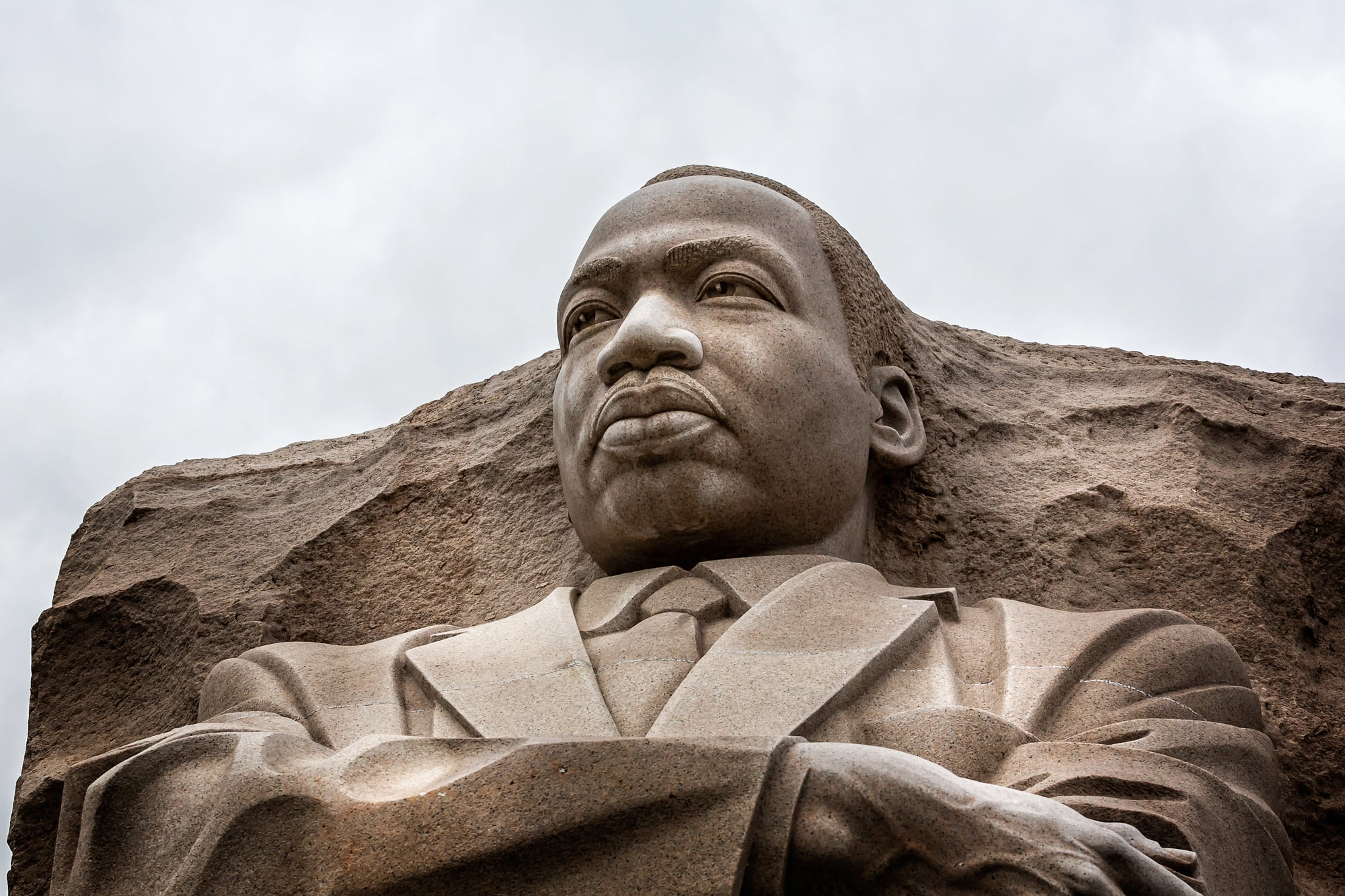
On August 28, 1963, Martin Luther King Jr. stood on the steps of the Lincoln Memorial and addressed a crowd of 250,000 people who had marched on Washington for civil rights. The speech he had prepared dealt with the broken promises of American democracy.
It was powerful but measured.
Then Mahalia Jackson, the gospel singer standing nearby, called out: “Tell them about the dream, Martin.” King pushed his notes aside and began to preach.
“I have a dream that my four little children will one day live in a nation where they will not be judged by the color of their skin but by the content of their character.” The refrain built and built, each dream more vivid than the last, until King described a vision of former slaves and former slave owners sitting together at the table of brotherhood.
The speech galvanized the civil rights movement. Within two years, Congress passed both the Civil Rights Act and the Voting Rights Act.
King had painted a picture of an America that did not yet exist but suddenly seemed possible.
FDR’s Fear Itself
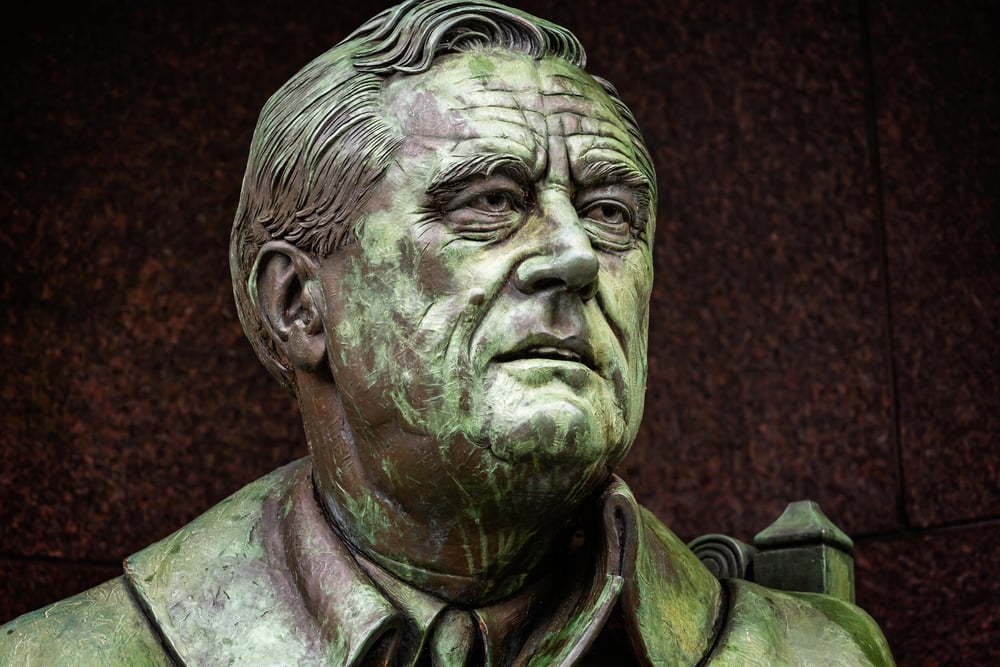
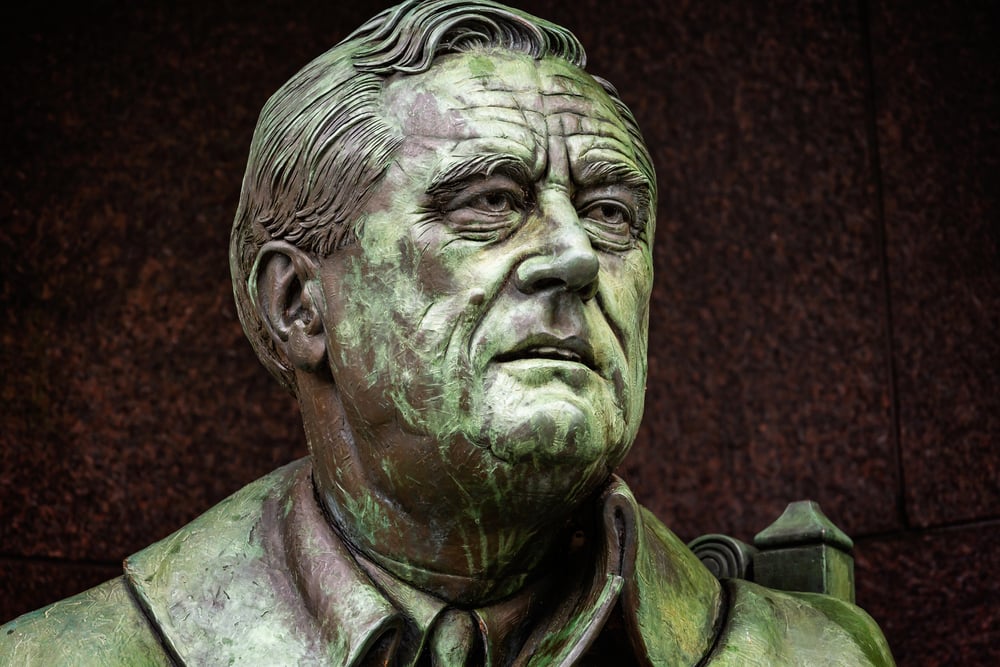
Franklin Roosevelt took the oath of office on March 4, 1933, at the lowest point of the Great Depression. Banks were failing across the country.
Unemployment had reached 25 percent. Americans were losing their homes, their savings, and their faith in the future.
Roosevelt understood that restoring confidence mattered as much as any policy initiative. His First Inaugural Address attacked fear directly: “The only thing we have to fear is fear itself—nameless, unreasoning, unjustified terror which paralyzes needed efforts to convert retreat into advance.”
The speech promised bold action. Roosevelt compared the economic crisis to a war and suggested he would seek emergency powers to fight it.
He spoke plainly about putting people back to work and reforming the financial system. But the lasting impact came from the psychological shift he engineered.
By the time he finished, Americans believed their government would act decisively—and that belief became a self-fulfilling prophecy.
Nehru’s Tryst with Destiny
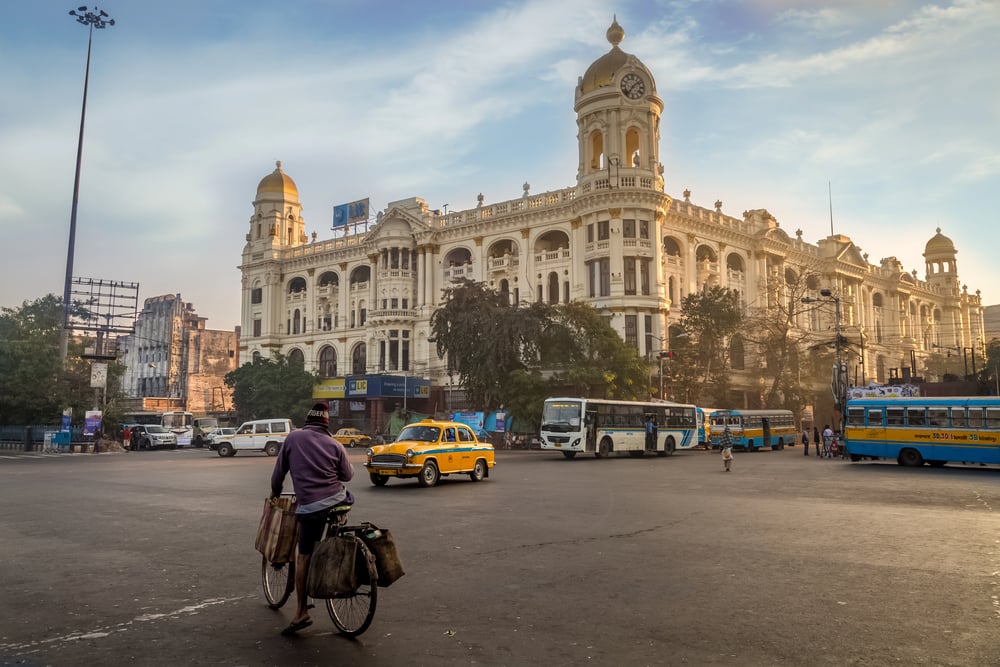
At the stroke of midnight on August 14, 1947, after nearly two centuries of British colonial rule, India became independent. Jawaharlal Nehru, the nation’s first Prime Minister, addressed the Constituent Assembly in New Delhi with a speech that captured the weight of the moment.
“Long years ago we made a tryst with destiny, and now the time comes when we shall redeem our pledge, not wholly or in full measure, but very substantially.”
“At the stroke of the midnight hour, when the world sleeps, India will awake to life and freedom.”
The speech acknowledged both triumph and tragedy. Partition had torn the subcontinent apart, and violence was spreading.
Nehru spoke of “the pain we all carried in our hearts” while calling for dedication to the immense task of building a new nation. He framed Indian independence not as an ending but as a beginning—and not just for India, but for colonized peoples everywhere watching to see what freedom might look like.
Kennedy’s Inaugural
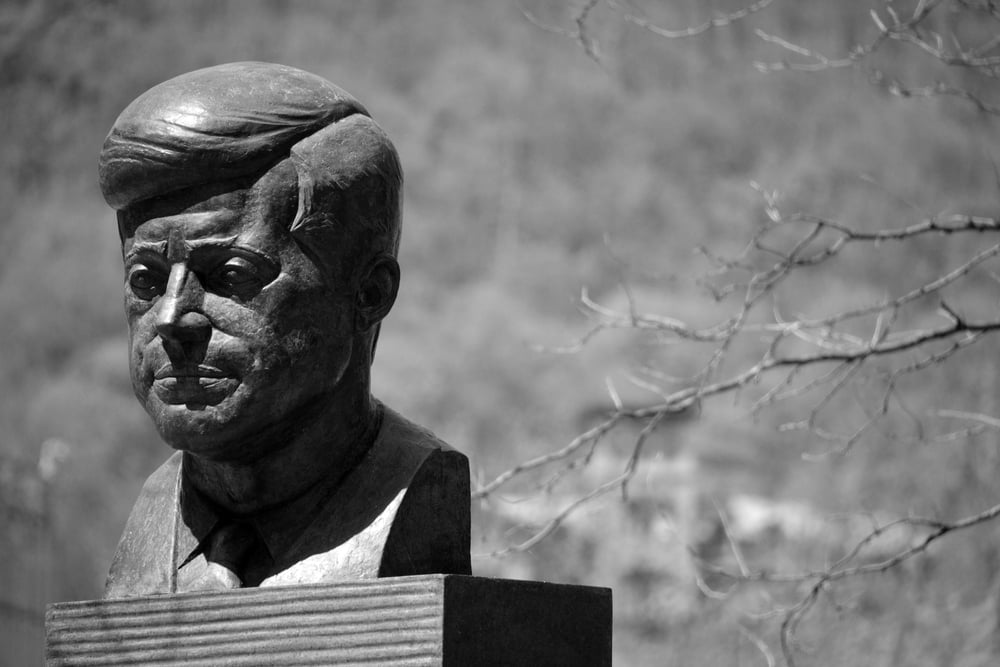
John F. Kennedy was 43 years old when he took the oath of office on January 20, 1961—the youngest person ever elected president. The Cold War dominated global politics.
The Soviet Union had beaten America into space. Nuclear weapons threatened annihilation.
Kennedy’s inaugural address reframed these challenges as opportunities. He spoke directly to a new generation “born in this century, tempered by war, disciplined by a hard and bitter peace.”
He pledged that America would “pay any price, bear any burden, meet any hardship, support any friend, oppose any foe to assure the survival and the success of liberty.”
The speech’s most famous line reversed the traditional relationship between citizen and state: “Ask not what your country can do for you—ask what you can do for your country.” Kennedy challenged Americans to see citizenship as a duty, not a privilege.
The Peace Corps was established within months. A decade later, Americans walked on the moon.
Mandela’s Rainbow Nation
Nelson Mandela spent 27 years in prison for fighting apartheid. On May 10, 1994, he stood at the Union Buildings in Pretoria and was inaugurated as South Africa’s first Black president.
The moment was almost unthinkable—a country that had institutionalized racial oppression for generations was now led by a man it had once tried to silence forever.
Mandela could have spoken of vengeance. Instead, he spoke of reconciliation.
“We enter into a covenant that we shall build the society in which all South Africans, both black and white, will be able to walk tall, without any fear in their hearts, assured of their inalienable right to human dignity—a rainbow nation at peace with itself and the world.”
The phrase “rainbow nation” captured what Mandela was attempting: not merely a transfer of power from one group to another, but the creation of something new entirely.
His speech concluded with a promise that still echoes: “Never, never and never again shall it be that this beautiful land will again experience the oppression of one by another.”
Roosevelt After Pearl Harbor
The attack on Pearl Harbor on December 7, 1941, killed over 2,400 Americans and destroyed much of the Pacific Fleet. The nation was stunned.
The following day, Franklin Roosevelt addressed a joint session of Congress to request a declaration of war against Japan.
The speech lasted just seven minutes. Roosevelt opened with words that have defined the attack ever since: “Yesterday, December 7, 1941—a date which will live in infamy—the United States of America was suddenly and deliberately attacked by naval and air forces of the Empire of Japan.”
Roosevelt’s tone was controlled fury. He methodically listed Japanese attacks across the Pacific, building an overwhelming case for war.
Within an hour of the speech, Congress declared war with only one dissenting vote. A nation that had resisted entering World War II for over two years unified overnight.
Queen Elizabeth at Tilbury
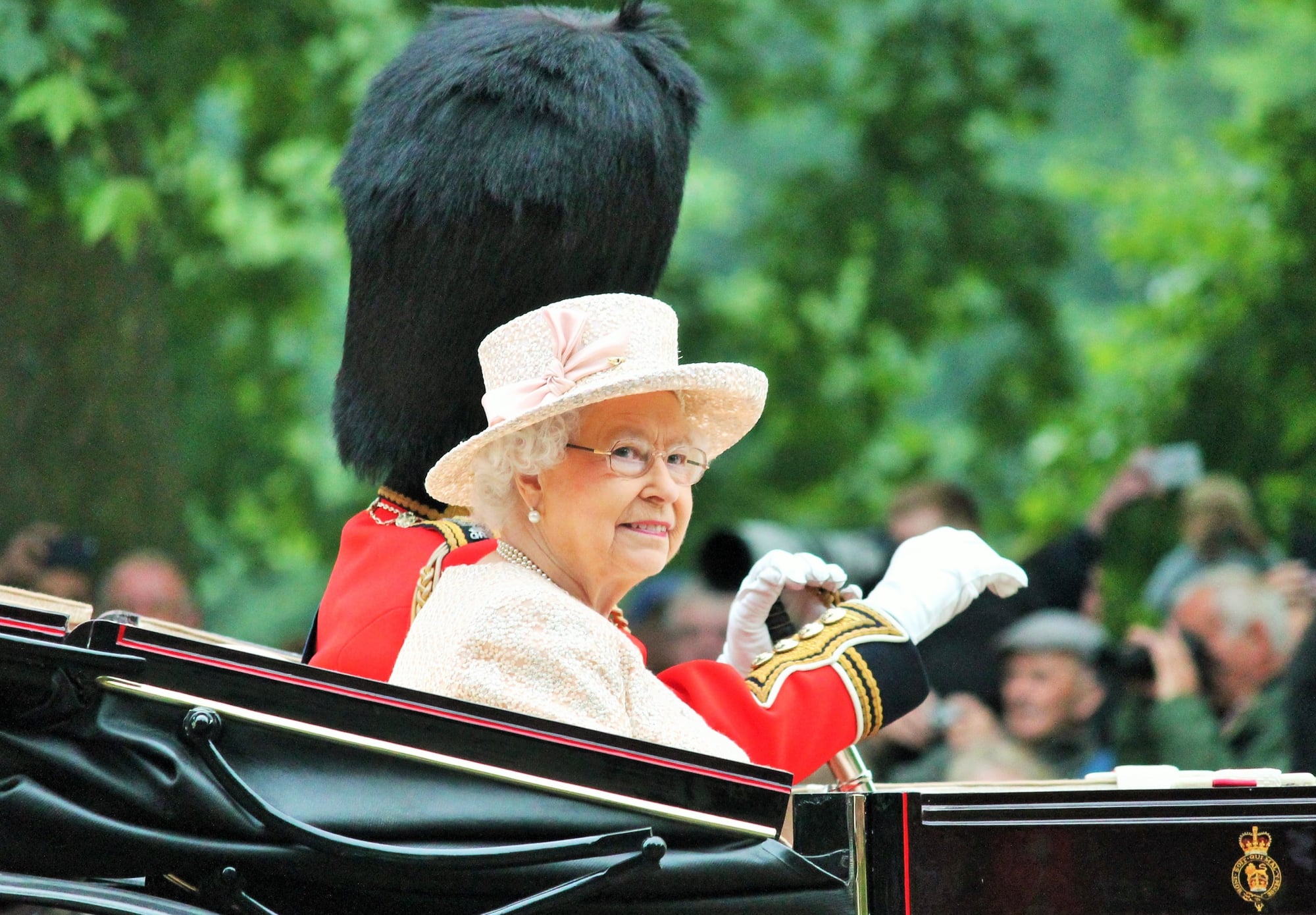
In 1588, the Spanish Armada—a fleet of 130 ships—sailed toward England with plans for invasion. Queen Elizabeth I rode to Tilbury, where her troops had assembled to defend the coast, and delivered a speech that has echoed through centuries.
“I know I have the body of a weak and feeble woman,” Elizabeth declared, “but I have the heart and stomach of a king, and of a king of England too.”
She promised to fight alongside her soldiers and dismissed any thought of surrender. The speech transformed a queen into a warrior and rallied a nation facing destruction.
The Armada was ultimately scattered by storms and English tactics, but Elizabeth’s words at Tilbury established her as a leader willing to stake everything on England’s survival. She had made herself inseparable from the nation’s fate.
Reagan at the Berlin Wall
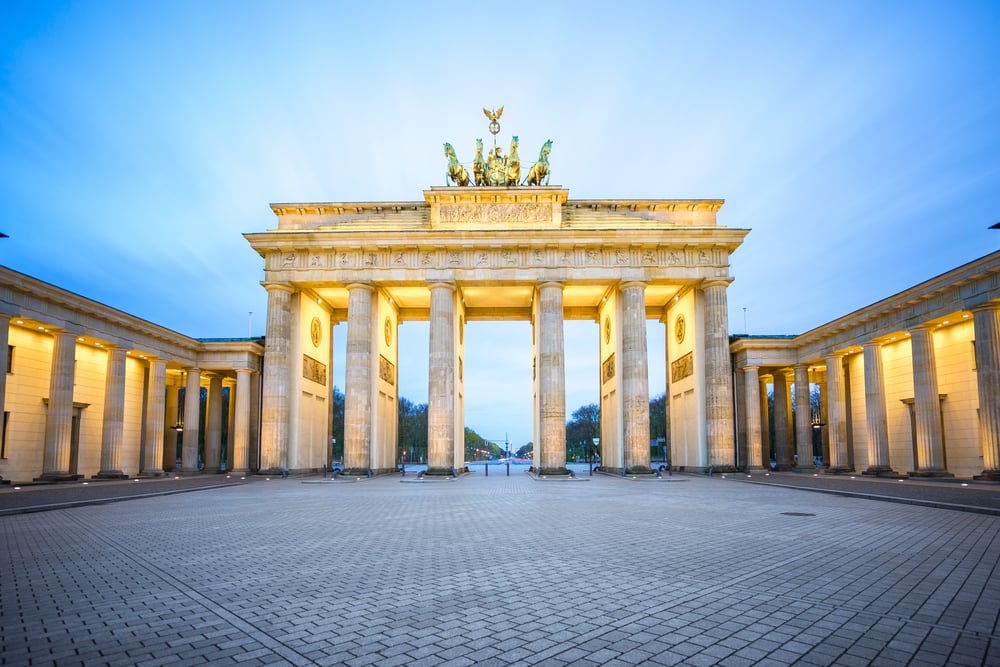
On June 12, 1987, Ronald Reagan stood near the Brandenburg Gate and addressed the people of Berlin—and, by extension, the Soviet Union. The Cold War had defined global politics for four decades.
The Berlin Wall had divided the city since 1961.
Reagan’s advisors had repeatedly removed one line from his speech, considering it too provocative. Reagan kept putting it back.
Standing before the wall, he delivered it directly to the Soviet leader: “Mr. Gorbachev, tear down this wall!”
The speech received little attention at the time. Critics called it theatrical and naive.
But two years later, the wall fell. The Soviet Union collapsed shortly after.
Reagan’s words, dismissed as wishful thinking, came to symbolize the end of an era.
Frederick Douglass on the Fourth of July
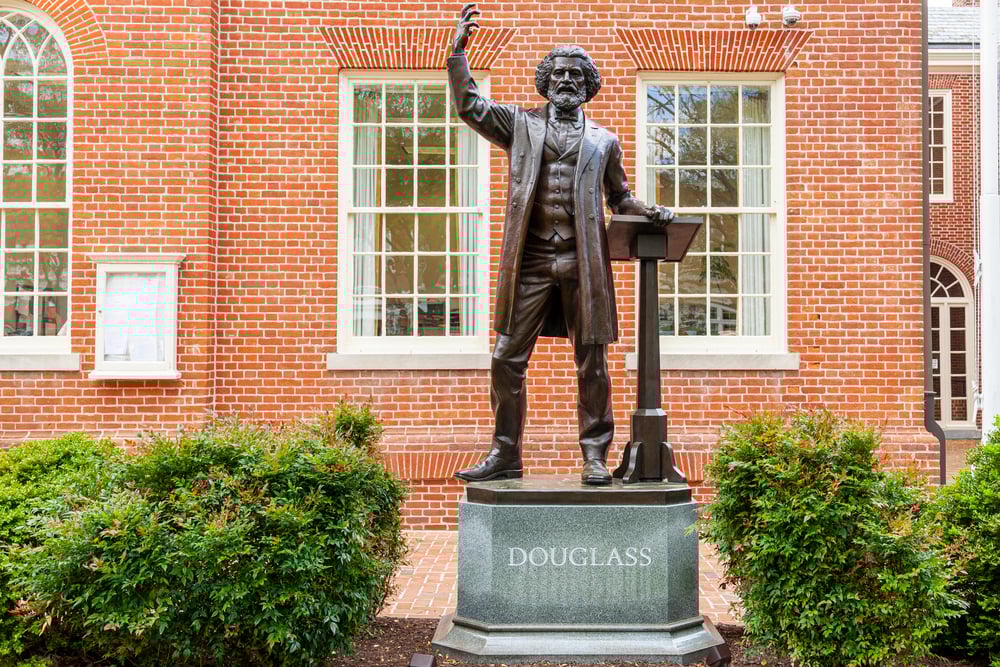
On July 5, 1852, Frederick Douglass addressed the Rochester Ladies’ Anti-Slavery Society at Corinthian Hall in Rochester, New York. The event was billed as a Fourth of July celebration, but Douglass insisted on speaking the day after—a pointed choice for a former slave asked to celebrate American independence.
The audience expected patriotic praise. They received something else entirely.
“What, to the American slave, is your Fourth of July?” Douglass demanded. “I answer: a day that reveals to him, more than all other days in the year, the gross injustice and cruelty to which he is the constant victim.”
He called the celebration “mere bombast, fraud, deception, impiety, and hypocrisy—a thin veil to cover up crimes which would disgrace a nation of savages.”
Douglass was not rejecting America. He was holding it accountable to its own stated ideals.
The speech remains powerful precisely because it refuses to let the nation off the hook. A former slave stood before citizens of a republic founded on liberty and forced them to confront the chasm between principle and practice.
Gandhi’s Quit India
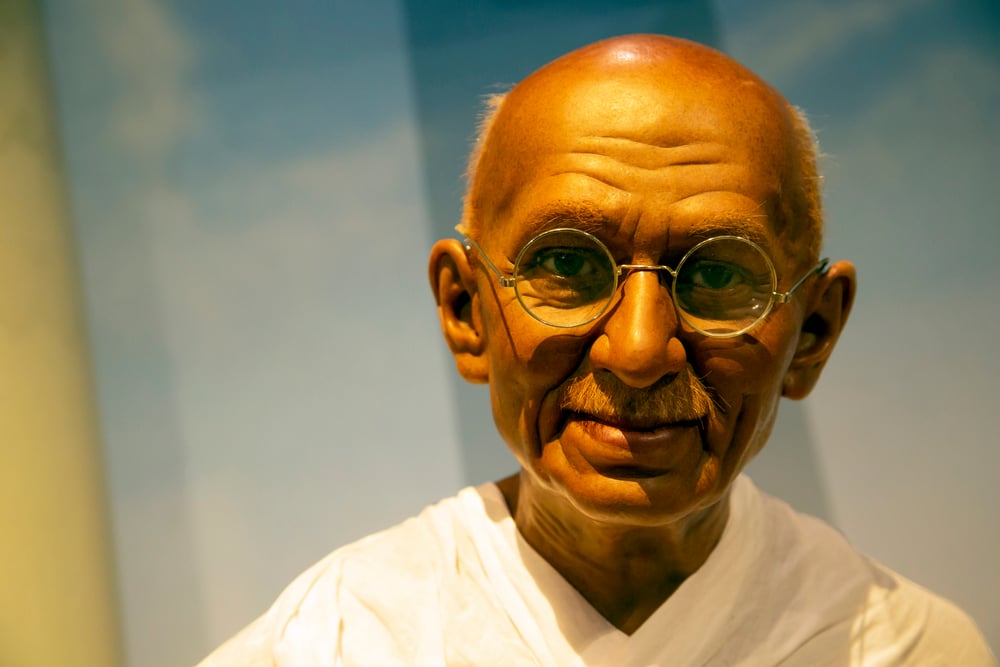
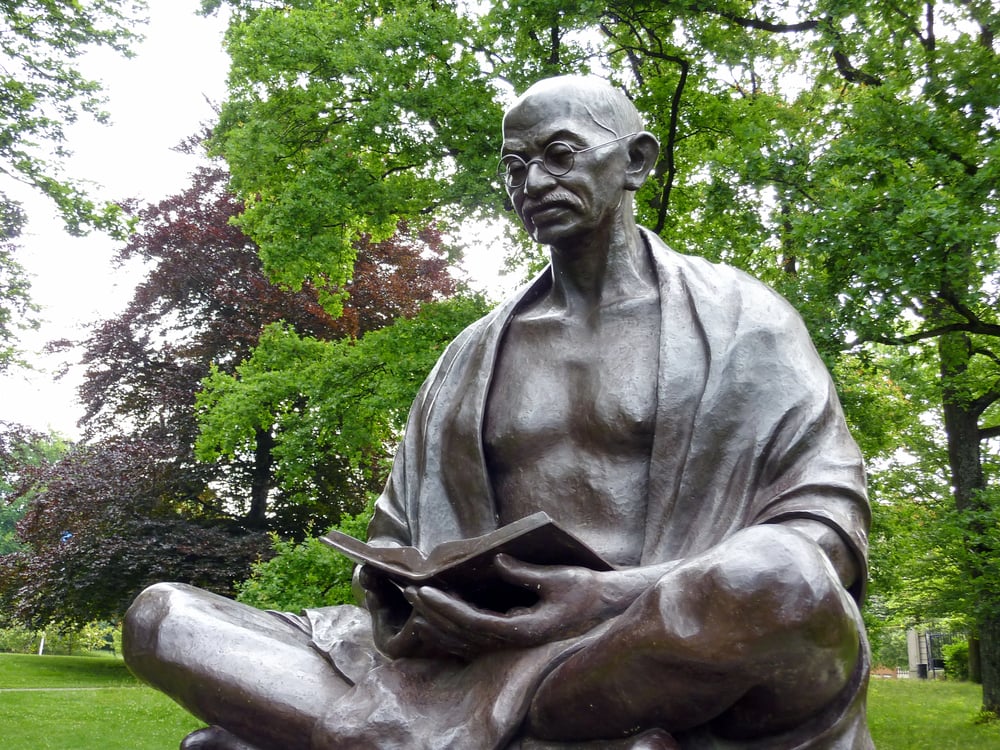
On August 8, 1942, Mohandas Gandhi addressed the All India Congress Committee in Bombay and launched the Quit India movement. British rule, he declared, must end—not gradually, not eventually, but immediately.
“Here is a mantra, a short one, that I give you,” Gandhi told the crowd. “Do or die. We shall either free India or die in the attempt.”
The words ignited the largest mass protest in Indian history. The British responded by arresting Gandhi and other Congress leaders within hours.
The movement faced brutal suppression, but it demonstrated that India could no longer be governed without Indian consent. Five years later, the British departed.
Gandhi’s speech had crystallized decades of resistance into an ultimatum that could not be ignored.
Susan B. Anthony on Women’s Rights
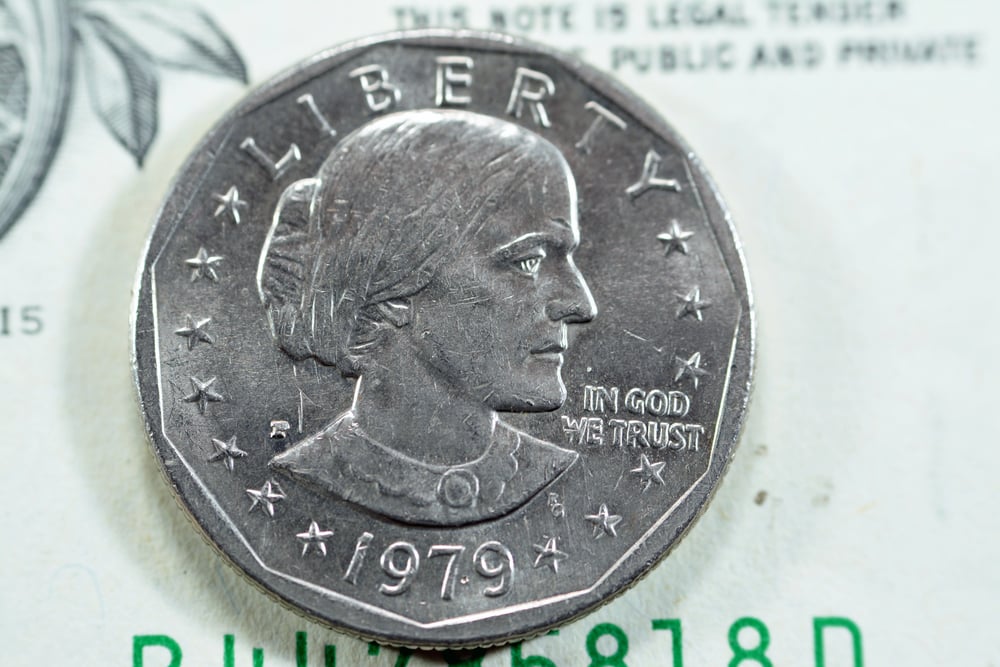
In 1872, Susan B. Anthony voted in the presidential election. This was illegal.
She was arrested, tried, and fined $100. Rather than pay the fine, she launched a speaking tour that turned her crime into a cause.
“It was we, the people; not we, the white male citizens; nor yet we, the male citizens; but we, the whole people, who formed the Union,” Anthony argued.
She dissected the Constitution’s language and demonstrated that denying women the vote violated its fundamental principles.
Anthony died in 1906, fourteen years before the Nineteenth Amendment granted women the right to vote. But her speeches had shifted the debate from whether women deserved the ballot to when they would receive it.
The Sound That Survives
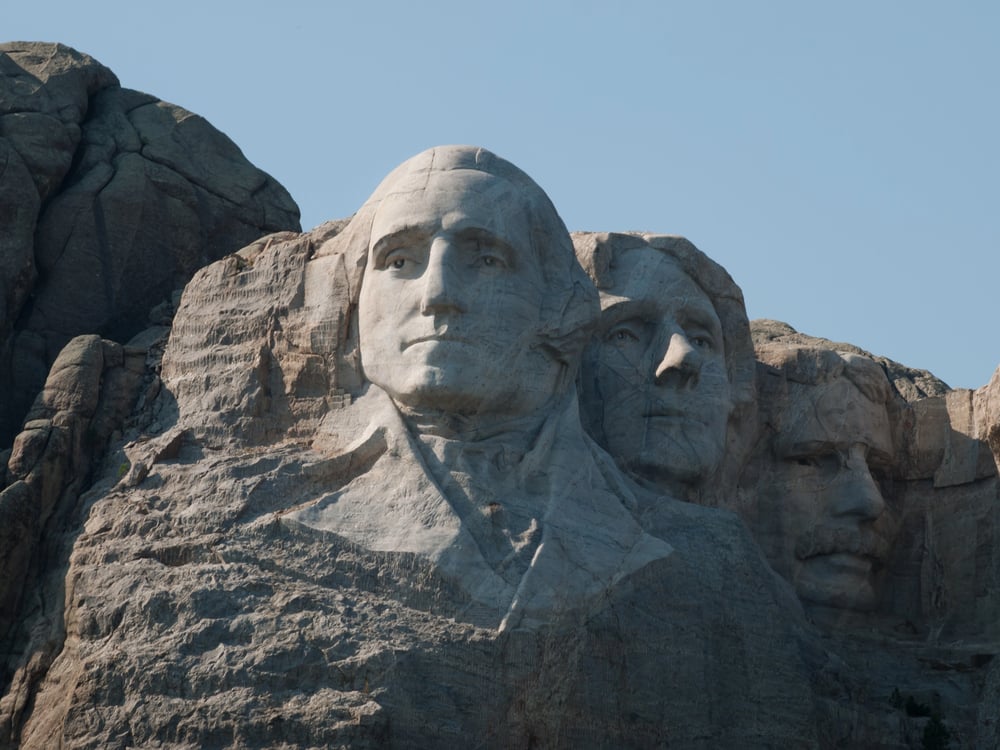
What ties these speeches together isn’t just how well they’re spoken. It was timing – each stepped forward when everything hung in balance, when one path or another could change a country forever.
Not just reporting what was, but shaping what came next. They found phrases for dreams people couldn’t name, gave voice to anxieties still hidden, made visible what felt out of reach – all because someone stood up and spoke before silence took over.
Today, you might pick up the transcripts and sense how heavy those times must have been. Often, words appear plain.
Mostly, thoughts repeat what’s known. Still, when the speaker met the listener at just that moment, a spark stayed behind long after.
Words carry weight. Sometimes they shift everything.
A single phrase, spoken just so, lands like thunder. They show how speech shapes what we believe.
Moments crack open when someone says exactly what must be said.
More from Go2Tutors!

- The Romanov Crown Jewels and Their Tragic Fate
- 13 Historical Mysteries That Science Still Can’t Solve
- Famous Hoaxes That Fooled the World for Years
- 15 Child Stars with Tragic Adult Lives
- 16 Famous Jewelry Pieces in History
Like Go2Tutors’s content? Follow us on MSN.



