The Rise of Polaroid Cameras in Pop Culture
Imagine being at a party in the 1970s when a bulky white camera is pulled out. Your face will appear like magic as they shake a small square photo in the air in a matter of minutes.
In a world where you typically had to wait days to see your photos, Polaroid offered instant gratification. The intriguing thing is that Polaroid cameras were used for more than just capturing moments.
They captivated our shared imagination and turned into cultural icons that still have an impact on everything from social media filters to album covers today. Edwin Land’s ingenious answer to his daughter’s straightforward query, “Why can’t we see the picture right now?” became something much more.
These cameras evolved into artistic instruments, representations of spontaneity, and ultimately, sentimental artifacts that will never be lost. The following list of 12 significant events and factors demonstrates how Polaroid cameras became true pop culture icons:
The Simple Question That Changed Everything
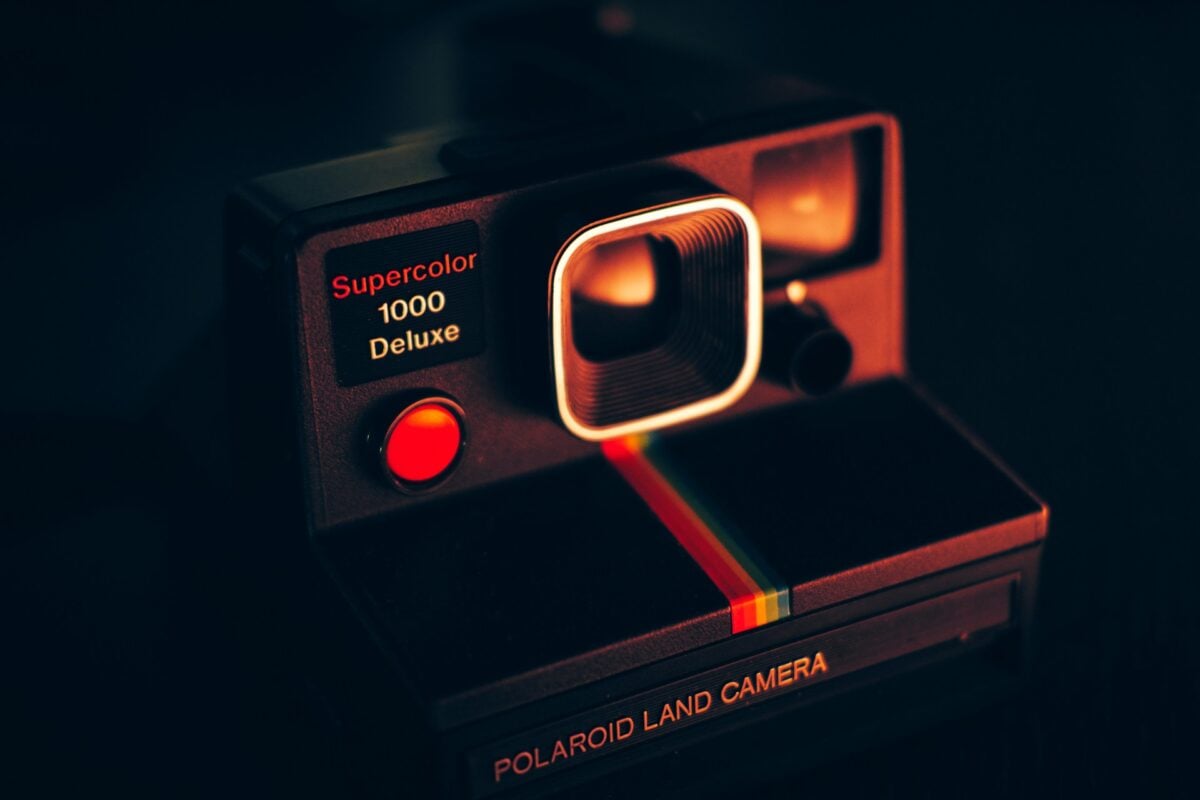
Back in 1943, Edwin Land was walking with his 3-year-old daughter Jennifer when she asked why she couldn’t see the picture he had just taken of her. That innocent question sparked something incredible—Land wasn’t just thinking about solving a technical problem, he was imagining a completely different relationship between people and photography, and he figured out a way to develop both the negative and positive image in one minute, creating instant gratification decades before smartphones existed.
The Historic First Sale

On November 26, 1948, the first Polaroid Land Camera, Model 95, went on sale at Jordan Marsh department store in Boston for about $90 (over $1,000 today), and people were absolutely mesmerized by the ability to see photos develop right before their eyes—so much so that less than a decade later, the millionth camera had rolled off the production line.Proving this wasn’t just success, it was cultural revolution.
Like Go2Tutors’s content? Follow us on MSN.
The Sepia Era Begins

Those first Polaroid photos weren’t crisp black and white images but dreamy sepia-toned prints that made every snapshot feel like a vintage memory even when it was brand new. When the company actually published magazine ads for their black-and-white film before it was even available, employees worked around the clock to meet the incredible public demand.
Color Changes Everything
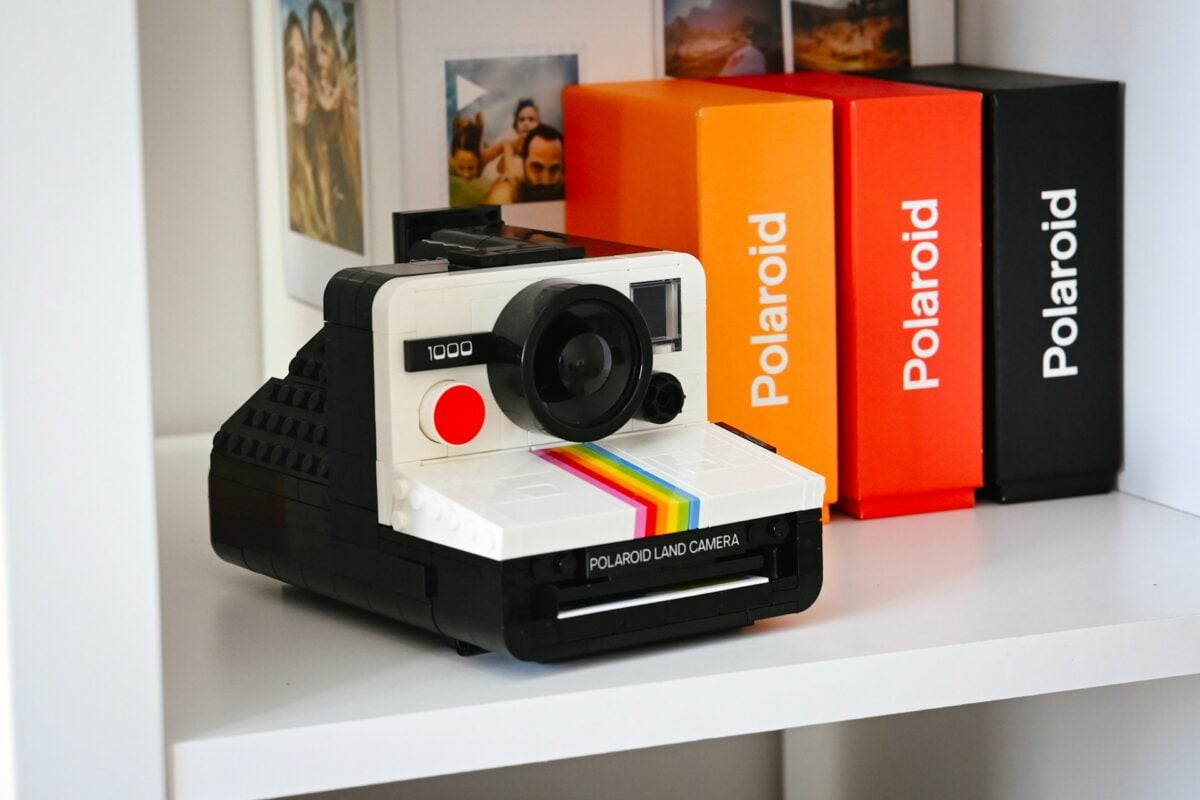
In 1963, peel-apart color prints arrived, followed by non-peel-apart color prints in 1972. Suddenly instant photography wasn’t just about speed—it was about capturing life in full, vibrant color, perfectly timed for the 1960s cultural moment when people were breaking boundaries and expressing themselves like never before.
The Swinger Revolution

The iconic Polaroid Swinger camera launched in 1965 and became one of the best selling cameras in photography history. It transformed Polaroids from formal documentation tools into lifestyle accessories that showed up at parties, on college campuses, and in the hands of young people who saw photography as personal expression.
Like Go2Tutors’s content? Follow us on MSN.
Peak Polaroid Power

By the late 1970s, Polaroid employed over 20,000 people and by the early 1980s generated around $3 billion in revenue. Holding two-thirds of the instant camera market despite fierce competition from photography giant Kodak—this wasn’t just a niche product anymore, it was a cultural phenomenon that dominated an entire industry.
The SX-70 Masterpiece

The elegant, sophisticated SX-70 folding SLR camera launched as the first model using dry development technology. It represented Polaroid at its most innovative and ambitious—this wasn’t just about making cameras, it was about perfecting Edwin Land’s original vision of instant photography as both art and science.
Andy Warhol’s Artistic Revolution

When Polaroid introduced the Big Shot camera in 1971 for $19.95, it flopped with general consumers but became Andy Warhol’s favorite tool. Between 1971 and his death in 1987, he produced nearly one thousand silk-screen portraits using Polaroids as his foundation, transforming a simple camera into an instrument of high art.
Like Go2Tutors’s content? Follow us on MSN.
The Factory Production Line
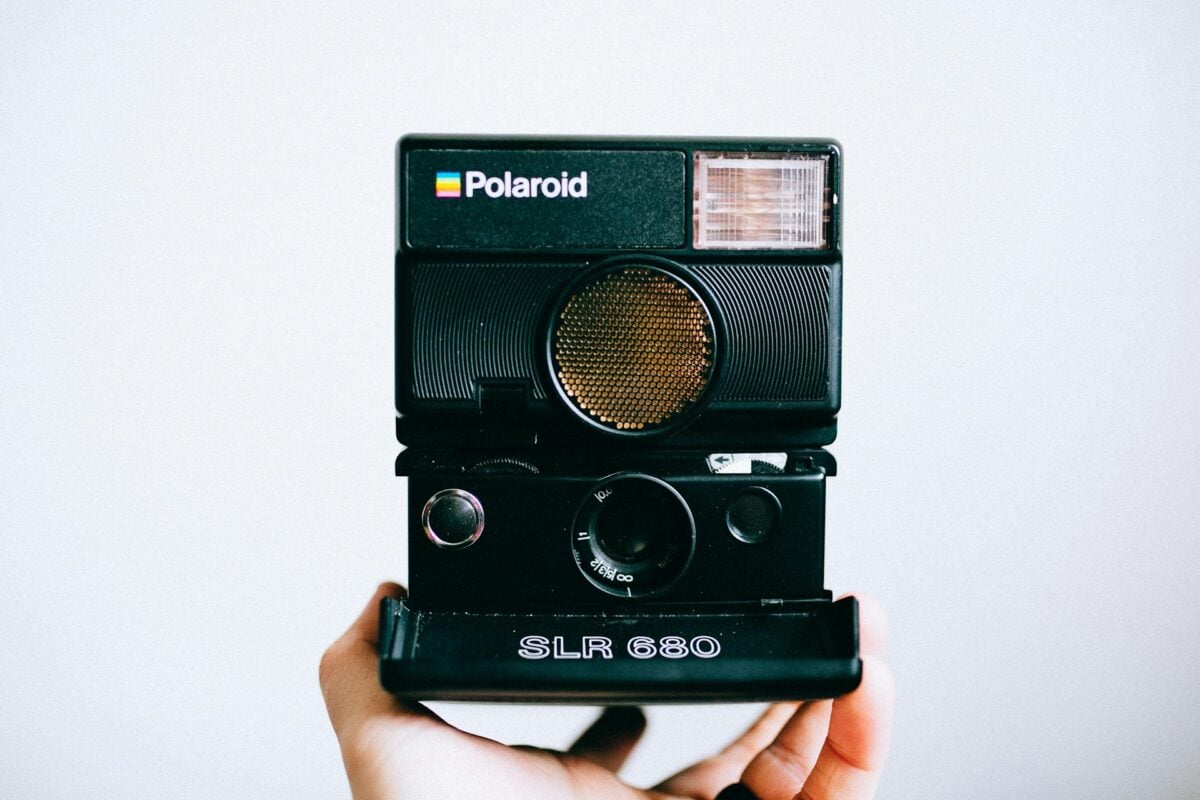
Warhol’s process became legendary: he’d stack boxes of Polaroids on a table with a couple Big Shot cameras, shoot hundreds of photos while saying things like ‘Oh! That looks so greeeeaaat.’ Then he used these instant snapshots as the foundation for his $25,000 commissioned silk-screen portraits, with celebrity clients backlogged for months—he brilliantly transformed simple Polaroid snapshots into the preparatory work for luxury art that everyone wanted to be part of.
The Kodak Patent Wars
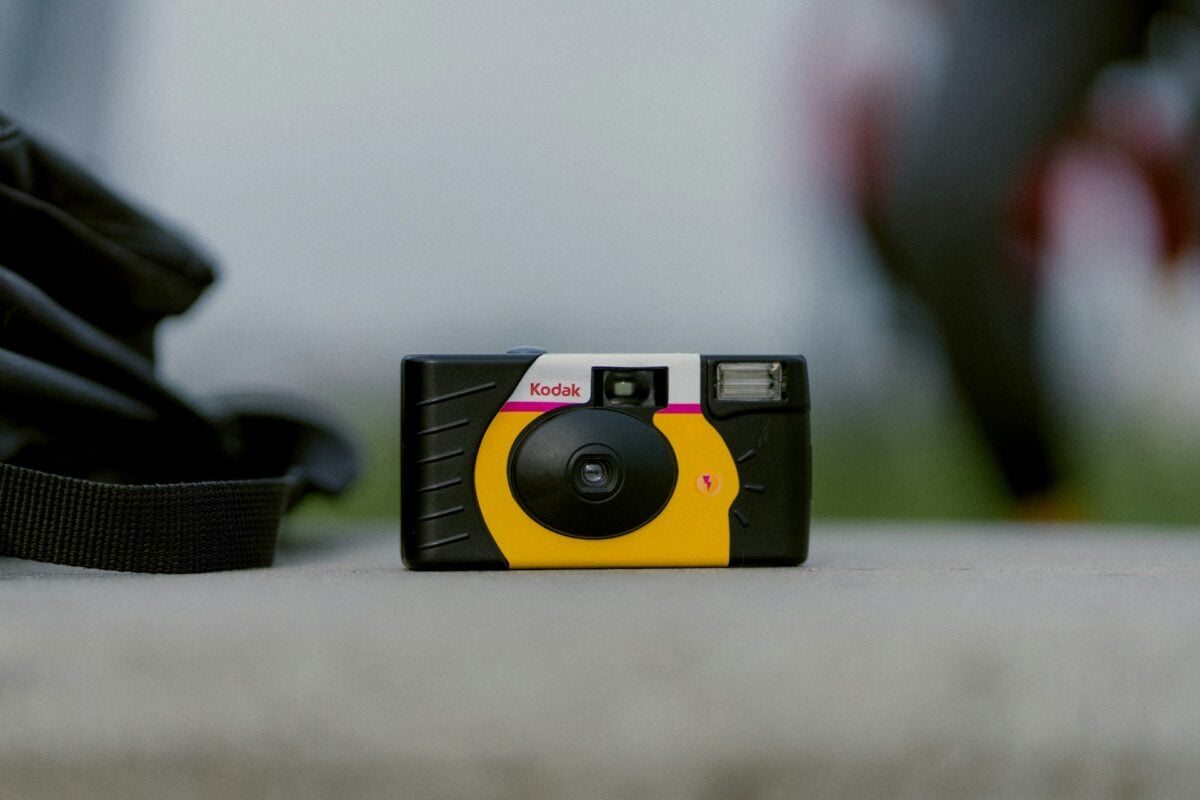
When Kodak launched instant cameras in 1976, Polaroid sued for patent infringement and won a massive $925 million settlement that forced Kodak out of instant photography entirely. This wasn’t just about money, it was about protecting the innovative spirit that made Polaroid special and reinforcing their position as the undisputed leader in instant photography.
Taylor Swift’s 1989 Aesthetic

When Taylor Swift insisted her 2014 album ‘1989’ feature Polaroid packaging—a method more popular in her birth year than her album’s release year—each CD included 13 random Polaroids from 65 different photos. Swift understood that Polaroids weren’t just about photography, they were about storytelling and emotional connection.
Like Go2Tutors’s content? Follow us on MSN.
The Instagram Connection
Instagram’s founders named their app after instant cameras and designed their original 2010 icon to resemble a Polaroid Land Camera 1000. It launched with instant film-aping filters and square format—the digital world borrowed heavily from Polaroid’s visual language, proving that people still craved the instant gratification Polaroid pioneered decades earlier.
From Innovation to Icon

Pop culture’s narrative around Polaroid cameras isn’t so much about technology as it is about spontaneity, connection, and the beauty of imperfection that makes life worthwhile. Polaroids have always stood for something more profound than convenience, from Andy Warhol’s artistic revolution to Taylor Swift’s aesthetic choices, from Instagram’s visual DNA to today’s analog renaissance.
They are emblems of genuine moments, artistic expression, and the unforgettable experience of witnessing memories form in front of your eyes, demonstrating how some inventions become so culturally significant that they outlive their original intent and become timeless icons.
More from Go2Tutors!

- 16 Historical Figures Who Were Nothing Like You Think
- 12 Things Sold in the 80s That Are Now Illegal
- 15 VHS Tapes That Could Be Worth Thousands
- 17 Historical “What Ifs” That Would Have Changed Everything
- 18 TV Shows That Vanished Without a Finale
Like Go2Tutors’s content? Follow us on MSN.