Historic Weather Events That Redirected Society
Weather shapes everything. It decides what people eat, where they build cities, and how entire civilizations rise or fall.
Throughout history, extreme weather has forced humanity to change course in ways that still affect us today. Let’s look at some of the most powerful weather events that completely changed the direction of human society.
The Year Without a Summer
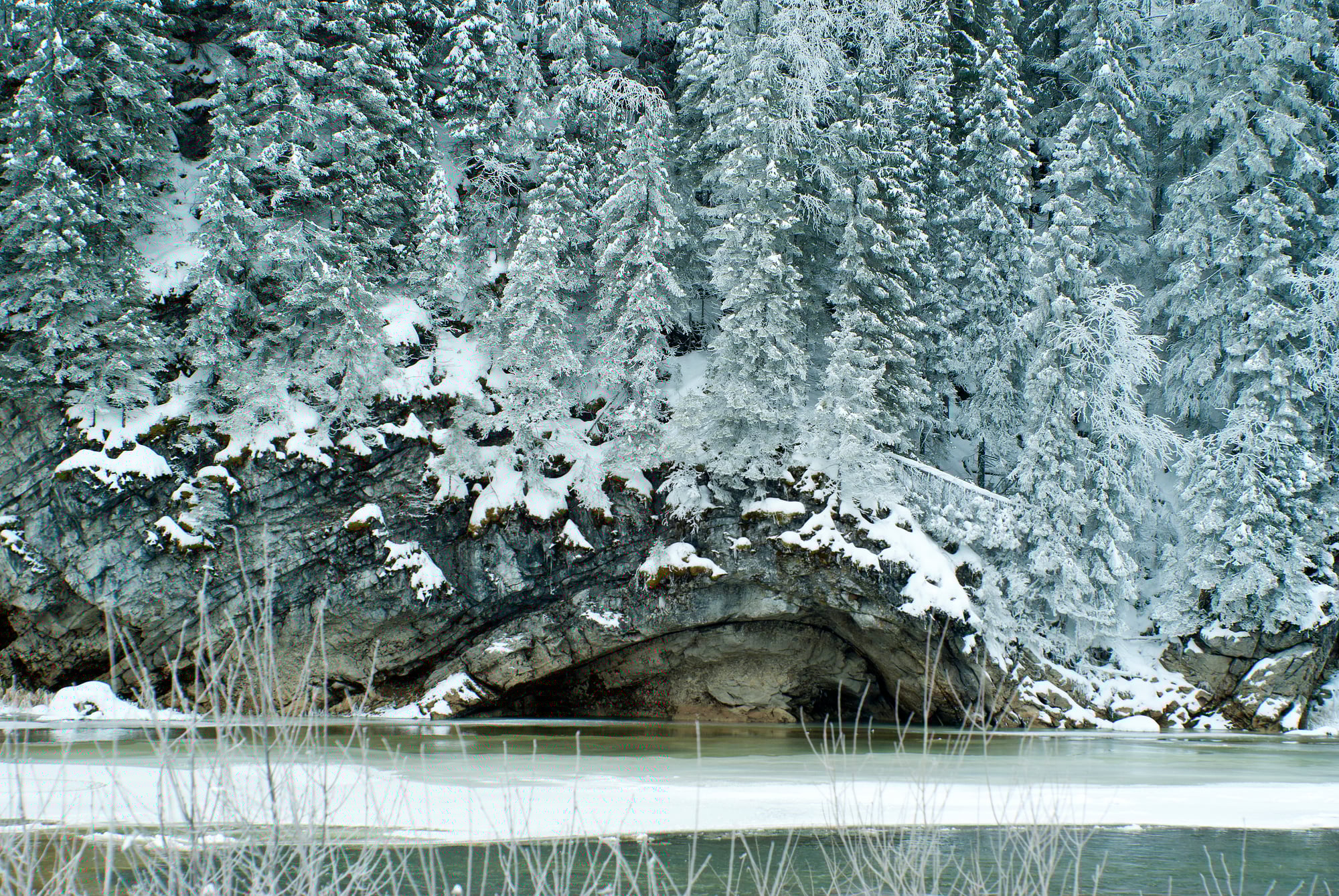
In 1816, people across Europe and North America woke up to snowfall in June. Mount Tambora had erupted in Indonesia the year before, sending so much ash into the atmosphere that it blocked sunlight across the globe.
Crops failed everywhere, and food prices shot up to levels that caused riots in the streets. This single year of cold weather pushed thousands of farmers in New England to abandon their land and move west, accelerating American expansion.
The hunger and desperation also inspired Mary Shelley to write Frankenstein while trapped indoors during a dreary vacation in Switzerland.
The Dust Bowl
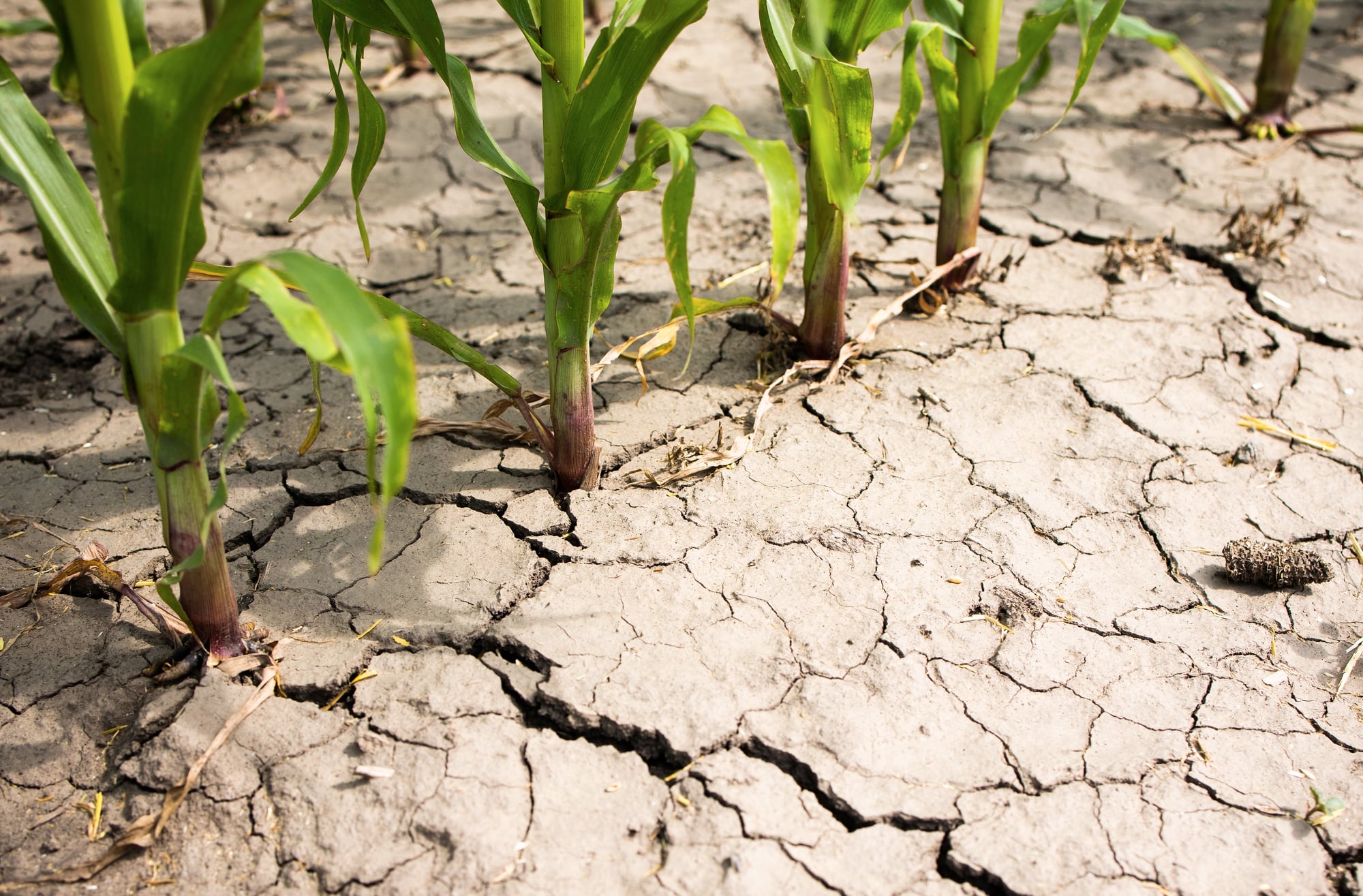
The 1930s brought a disaster that Americans had created themselves. Years of poor farming practices stripped the Great Plains of protective grass, and when a severe drought hit, the topsoil simply blew away.
Massive dust storms turned day into night and buried entire towns under drifts of dirt. More than 2.5 million people fled the region, mostly heading to California in search of work.
The federal government responded by creating new agencies and programs that changed how America approached farming, conservation, and land management forever.
The Irish Potato Famine

A period of unusually wet and cool weather in the 1840s created perfect conditions for a fungus-like organism that destroyed Ireland’s potato crops. Potatoes were the main food source for most Irish families, and the widespread crop failure caused a famine that killed about one million people.
Another million emigrated, mostly to America, fundamentally changing the demographic makeup of both Ireland and the United States. The disaster also fueled Irish resentment toward British rule, since the government’s response was widely seen as inadequate and callous.
The Great Hurricane of 1780
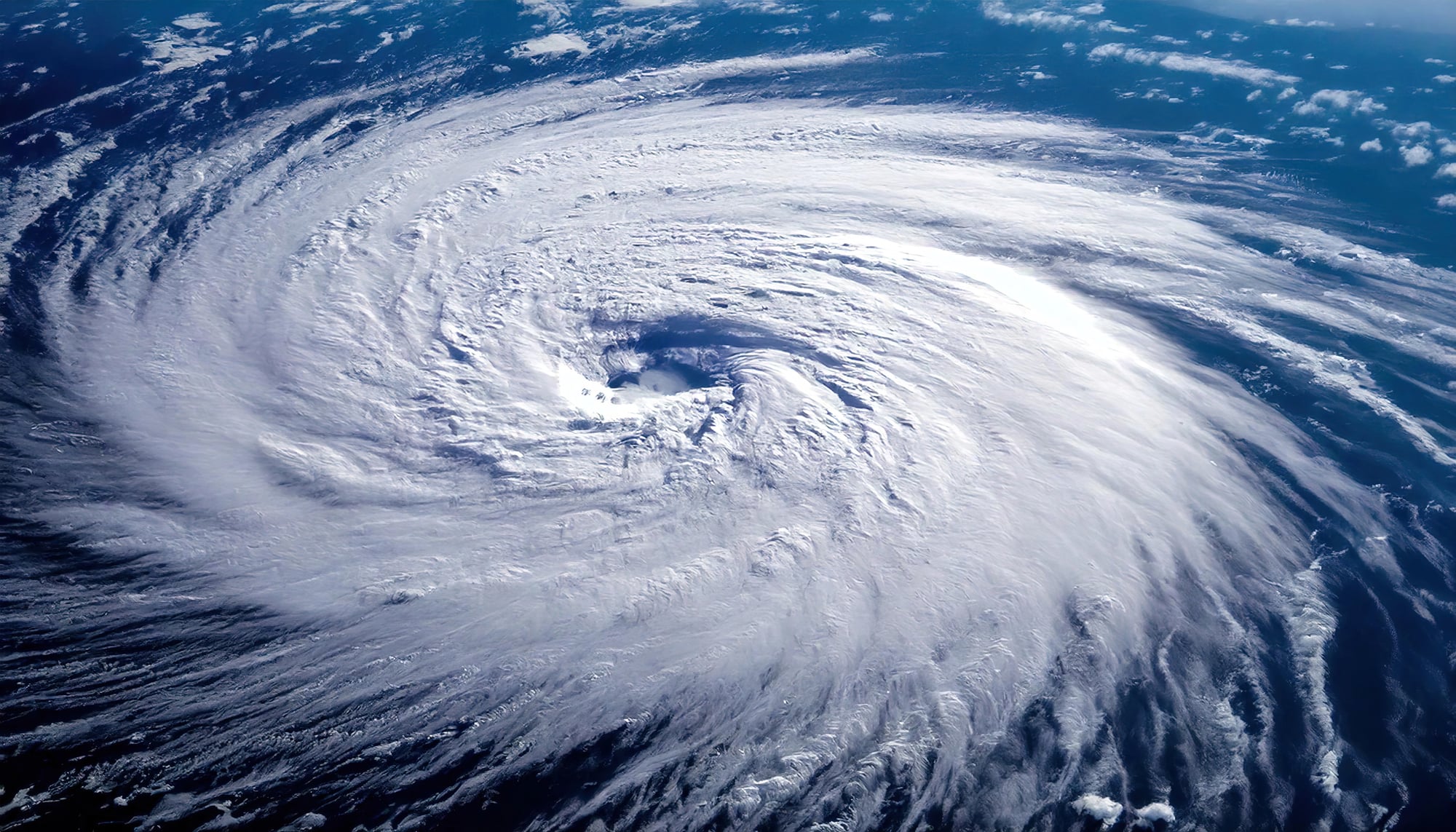
This storm remains the deadliest Atlantic hurricane ever recorded, killing somewhere between 22,000 and 27,000 people across the Caribbean. The hurricane struck during the American Revolutionary War, destroying both British and French naval fleets that were fighting in the region.
Ships sank, military plans fell apart, and the balance of naval power shifted dramatically. Some historians argue that this storm helped the American colonists win their independence by weakening the British military presence in the region at a critical time.
The Little Ice Age migration
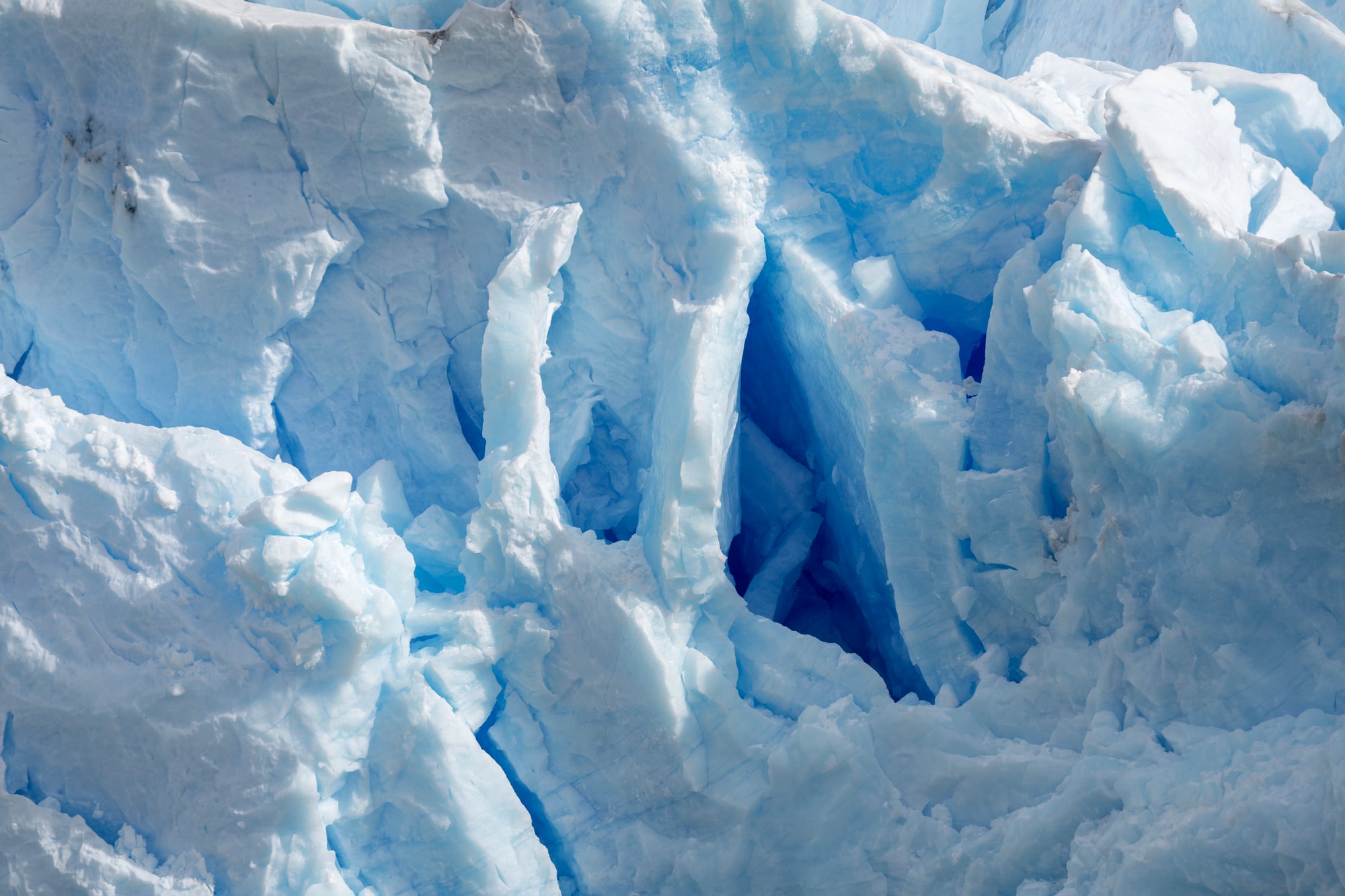
Between roughly 1300 and 1850, global temperatures dropped enough to freeze rivers that rarely iced over and caused widespread crop failures across Europe. Norse settlements in Greenland collapsed completely as farming became impossible.
People in Iceland nearly starved multiple times. The cold weather contributed to social upheaval, witch trials, and political instability across the continent.
It also pushed European nations to explore warmer regions and establish colonies, partly out of desperation for resources and food security.
The Great Blizzard of 1888
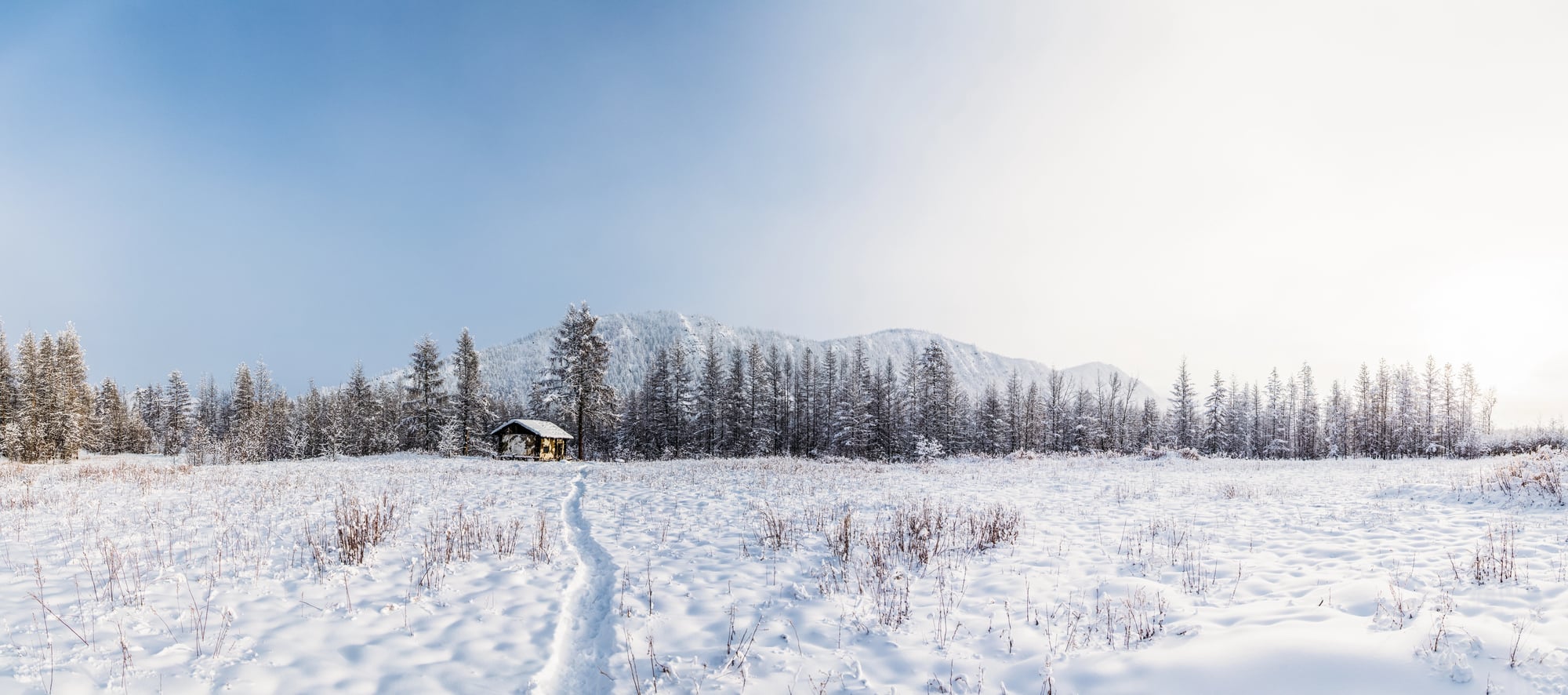
New York City came to a complete standstill when this storm dumped up to 50 inches of snow and created drifts that buried entire buildings. More than 400 people died, many of them frozen in the streets.
Telegraph lines snapped, trains stopped running, and people realized how vulnerable modern cities were to nature’s power. The disaster led directly to the construction of underground subway systems in major cities, as officials decided that essential transportation needed to be protected from weather.
The Galveston Hurricane
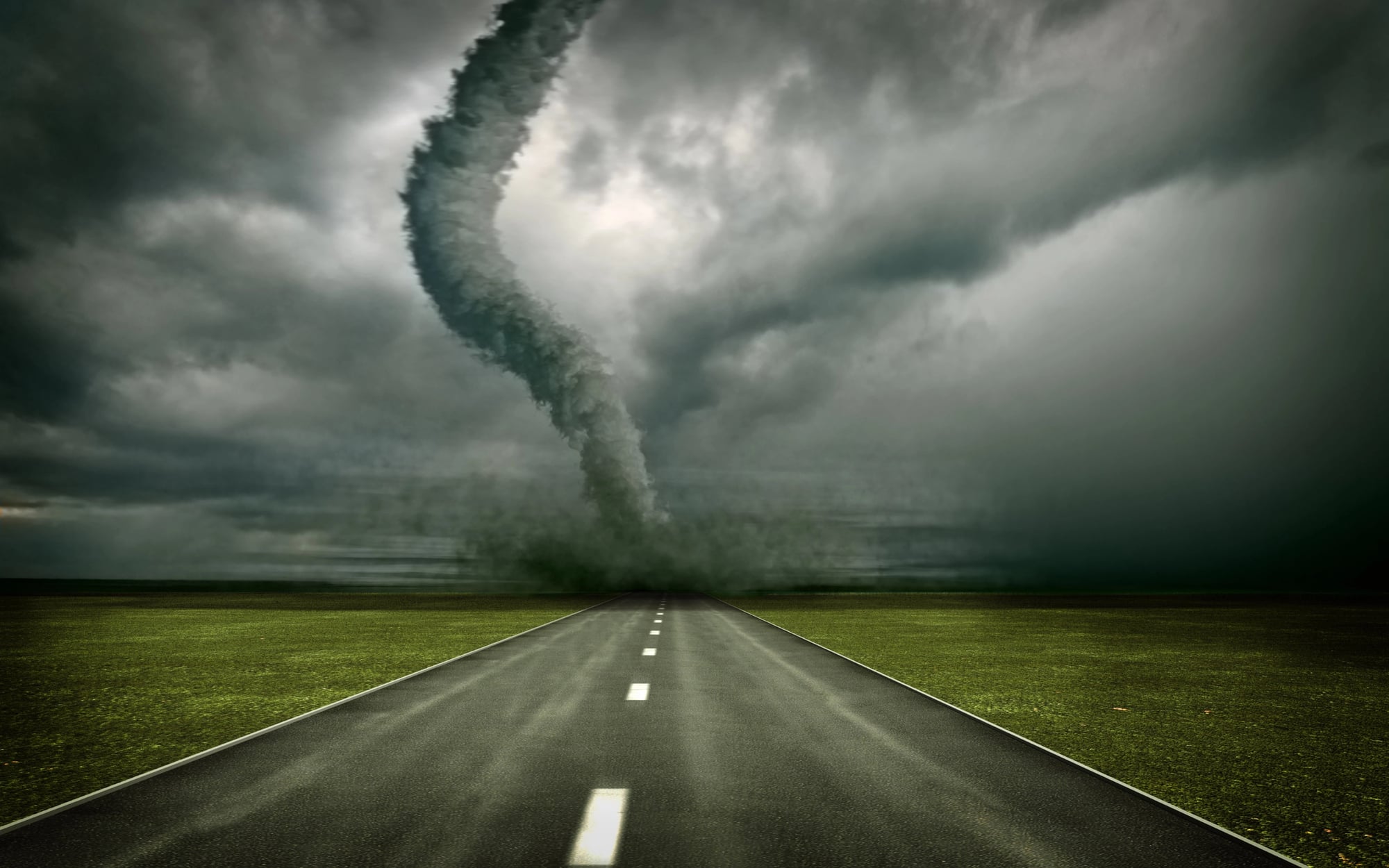
In September 1900, a massive hurricane struck Galveston, Texas, which was then one of the wealthiest cities in America and a major port. The storm killed between 6,000 and 12,000 people, making it the deadliest natural disaster in U.S. history.
Galveston never fully recovered its status as a major commercial center. Houston, located inland and protected from hurricanes, grew into the dominant Texas city instead.
The disaster also pushed the development of better weather forecasting systems and hurricane warning networks.
The Great Flood of 1931

China’s Yangtze River flooded catastrophically after months of heavy rain and snowmelt, killing somewhere between 1 and 4 million people. The flood covered an area roughly the size of England and destroyed thousands of towns and villages.
The Chinese government’s inability to respond effectively weakened its authority and contributed to political instability that would eventually lead to revolution. The disaster also prompted massive changes in how China approached flood control and water management.
The European heat wave of 1540
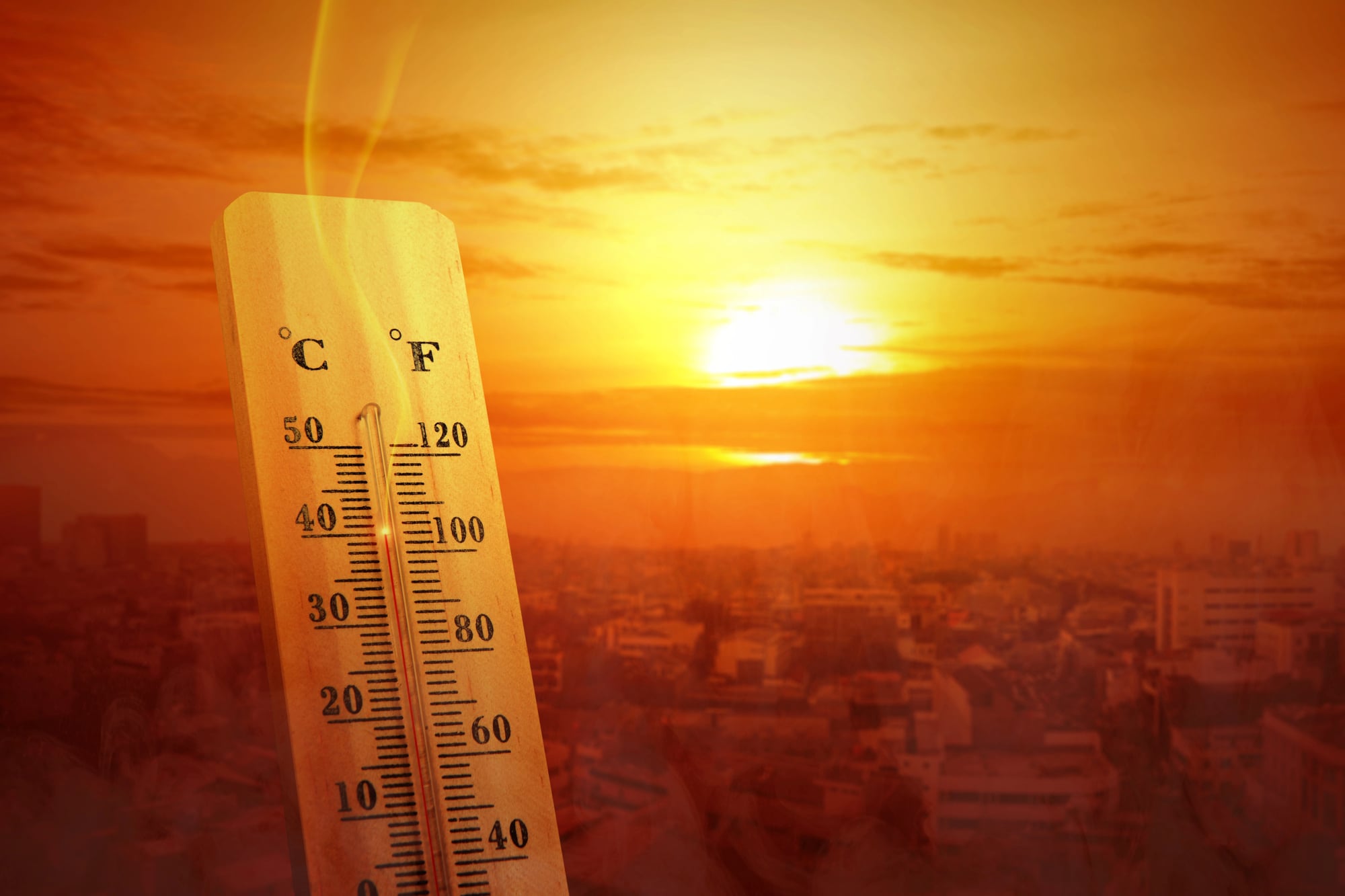
Historical records describe a drought and heat wave so extreme that major rivers dried up and people could walk across the Rhine. The heat lasted for months, destroying crops across Europe and causing widespread famine.
Wine production collapsed, forests caught fire, and social order broke down in many regions. The disaster forced European societies to develop better food storage systems and trade networks to protect against future crop failures.
The Carrington Event
In 1859, a massive solar storm hit Earth and caused auroras visible as far south as the Caribbean. Telegraph systems sparked and caught fire, and some operators received electric shocks.
If a similar storm happened today, it could destroy power grids and satellite systems worldwide. The event reminded people that weather doesn’t just happen in the atmosphere, and it pushed the development of new scientific fields studying space weather and electromagnetic phenomena.
The Bangladesh cyclone of 1970
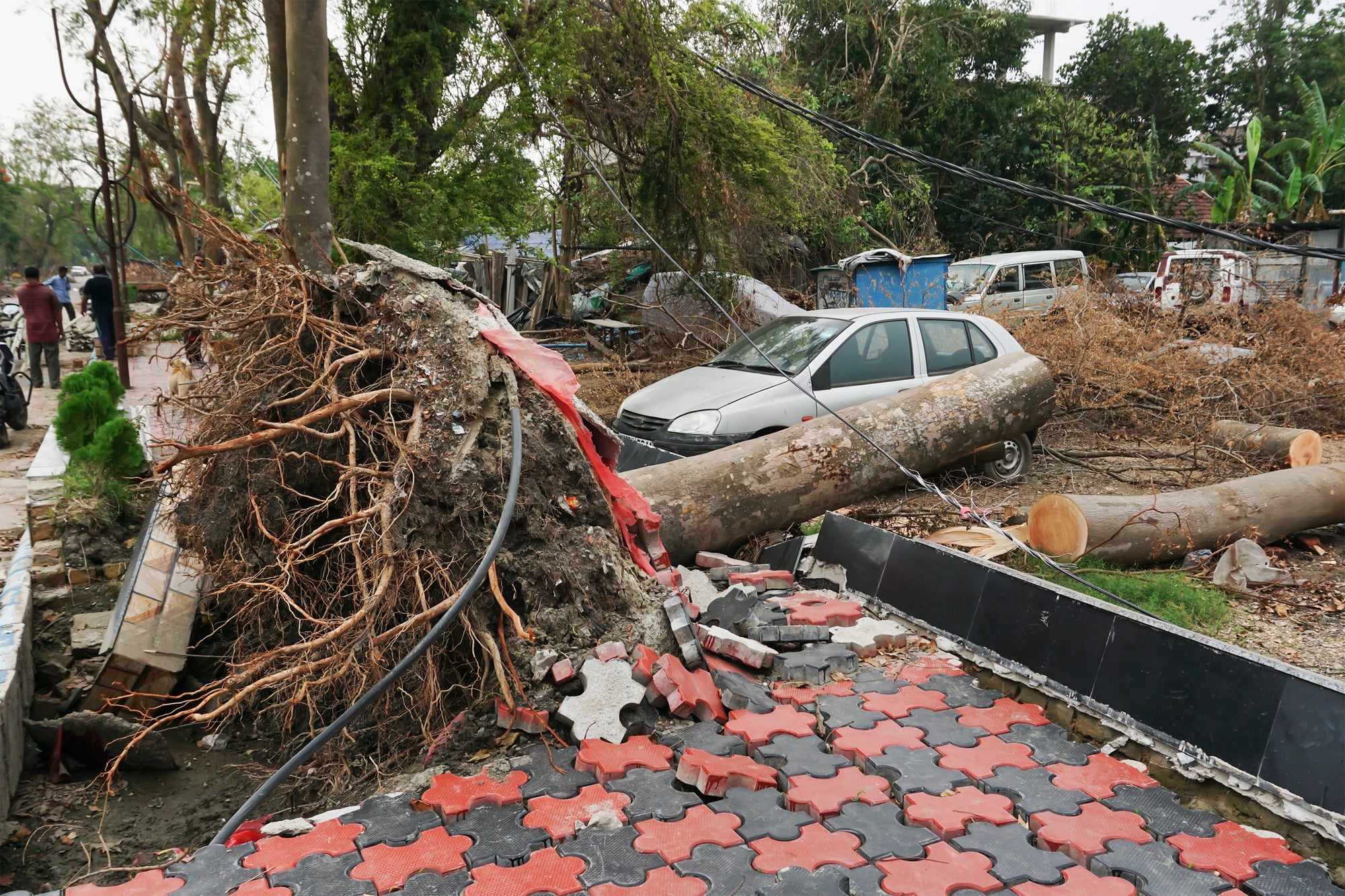
A powerful tropical cyclone struck East Pakistan (now Bangladesh) and killed between 300,000 and 500,000 people, mostly in low-lying coastal areas. The Pakistani government’s slow and inadequate response angered people in East Pakistan, who already felt marginalized.
This disaster became one of the key factors that sparked the independence movement, leading to war and the creation of Bangladesh as a separate nation in 1971.
The Great Mississippi Flood

In 1927, heavy rains caused the Mississippi River to overflow and flood an area the size of Ireland. More than 700,000 people lost their homes, and the disaster disproportionately affected Black communities in the South.
The federal government’s response was slow and often racist, which contributed to the Great Migration of Black Americans to northern cities. The flood also led to major changes in federal disaster policy and the creation of the modern levee system.
The drought that ended the Mayans
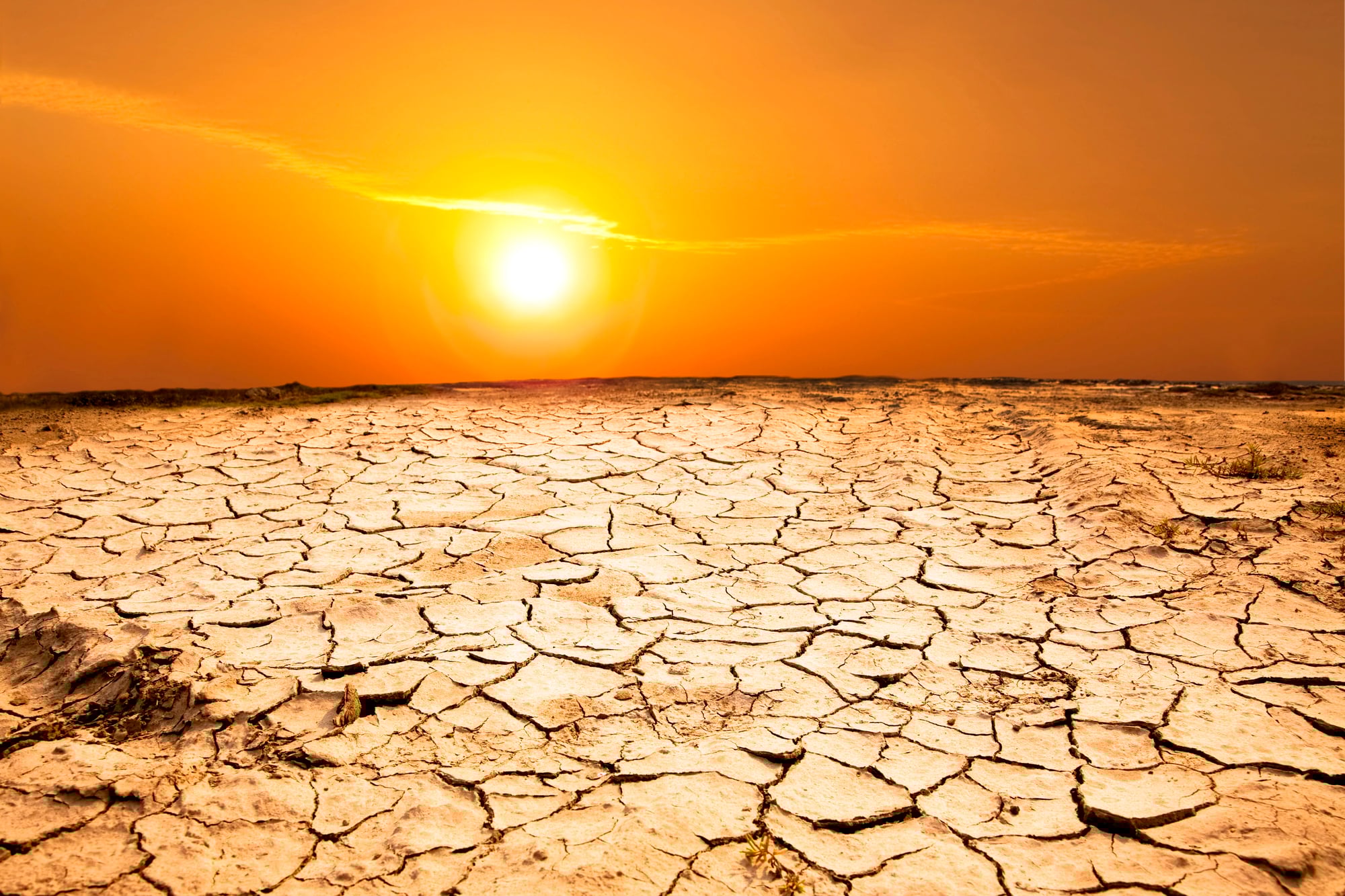
A series of severe droughts between 800 and 1000 AD likely played a major role in the collapse of Classic Maya civilization. The Mayans had built impressive cities in areas that depended on seasonal rainfall, and when the rains failed repeatedly, their agricultural system couldn’t support the population.
Cities were abandoned, political systems fell apart, and the population declined dramatically. The Maya never regained their former power, though descendants still live in the region today.
The Great Smog of London
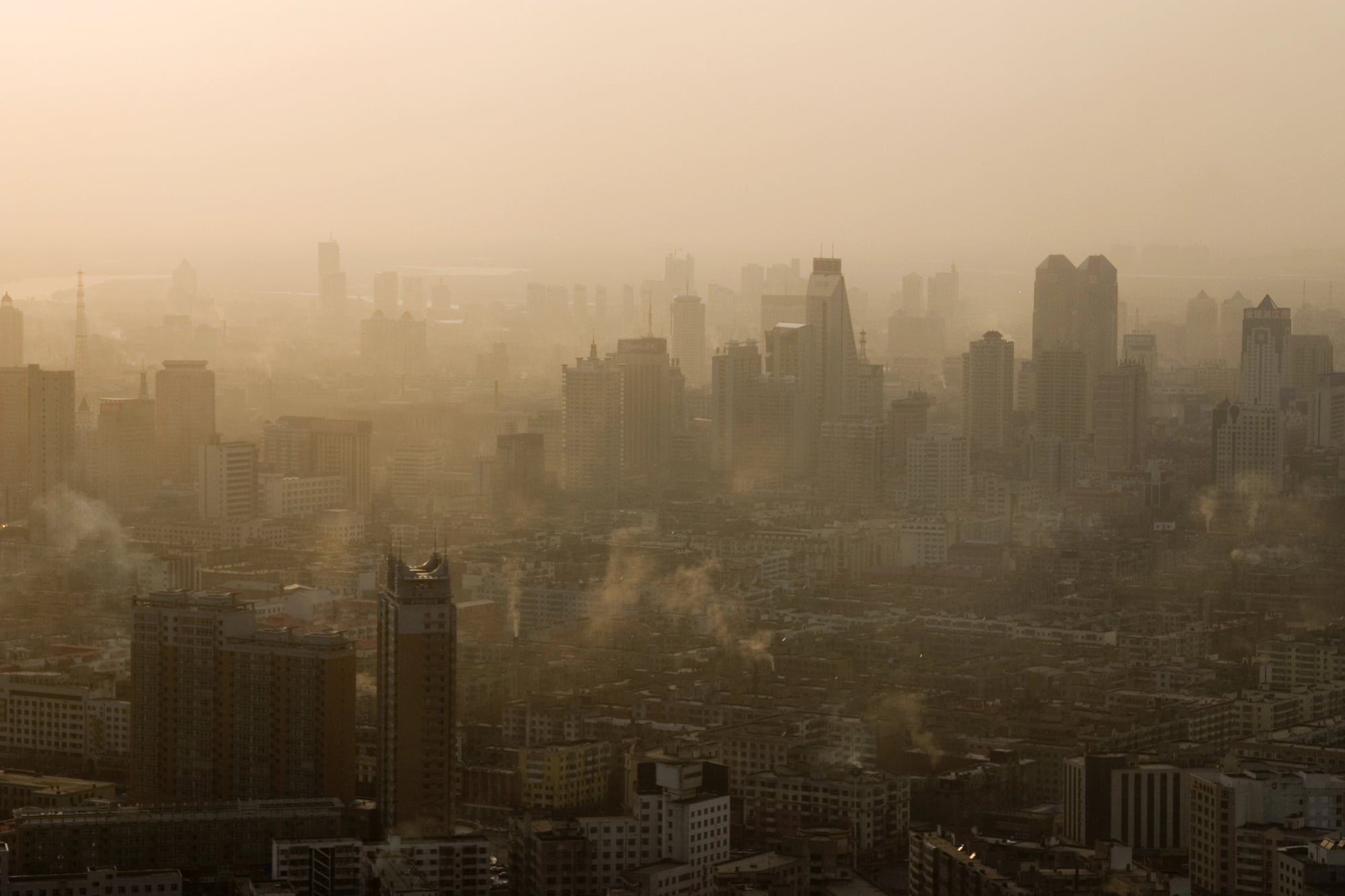
In December 1952, freezing temps plus no breeze held coal fumes and mist stuck over London – five days straight – building a dense haze that took around 12,000 lives. Sight got so bad folks lost track of their shoes; clinics filled up fast with those gasping for air.
The crisis hit hard, waking up the UK’s leaders, sparking the 1956 Clean Air Act, outlawing coal fires in cities. That shift became a key moment shaping eco-laws across the globe.
The Sahara’s transformation

About five or six thousand years back, the Sahara wasn’t a desert – more like grasslands with lakes, home to animals and folks living together. Slow shifts in weather over centuries made it drier, so humans moved closer to waterways such as the Nile River instead.
As groups settled near these rivers, communities grew larger, which eventually sparked what we now call ancient Egypt. Similar moves happened all through northern Africa, setting patterns for towns and cities still seen on maps today.
The Pacific Northwest heat dome
In June 2021, a huge high-pressure zone held scorching air in place across the Pacific Northwest, pushing temps past 115°F where serious heat hardly ever hits. Dozens lost their lives, electricity systems barely kept up, while streets warped under intense warmth.
This episode blew past old heat records, pushing towns to question how they build things and handle crises. It showed climate shifts aren’t coming – they’re here, ramping up wild weather with greater risk.
Wherever the weather takes us from here
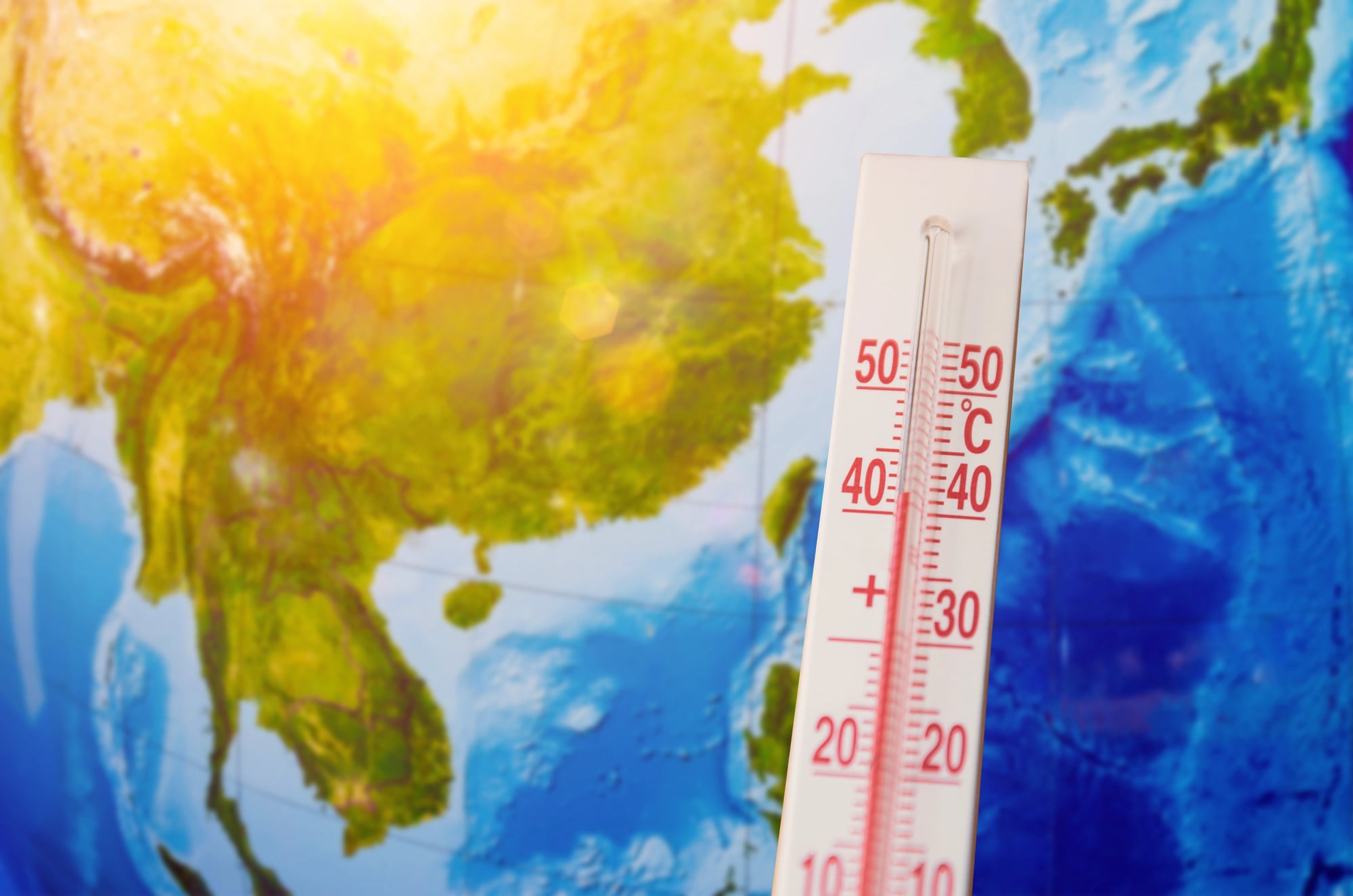
Each big storm shifts views on danger, buildings, or where folks settle. Towns thought secure get left behind when water rises or winds hit, whereas fresh hubs grow up in spots with stronger safeguards.
After every crisis, officials set up offices, push rules through, and also start barriers. Climate’s force has long steered humankind’s path – making groups adjust or fall apart. Right now, wild weather keeps doing the same thing, altering neighborhoods, driving updates that’ll shape what comes next like old hurricanes molded today.
More from Go2Tutors!

- The Romanov Crown Jewels and Their Tragic Fate
- 13 Historical Mysteries That Science Still Can’t Solve
- Famous Hoaxes That Fooled the World for Years
- 15 Child Stars with Tragic Adult Lives
- 16 Famous Jewelry Pieces in History
Like Go2Tutors’s content? Follow us on MSN.