WWII soldiers’ letters that made it into films
During World War II, soldiers didn’t have smartphones or video calls. They had paper, pens, and time in between battles — and they used that time to write.
Some letters were full of love. Others were filled with fear, or jokes, or just updates about the weather.
These notes helped people back home feel close, even when they were oceans apart. And some of those letters?
They didn’t just make it to mailboxes — they made it to movie screens.
A final note in Saving Private Ryan
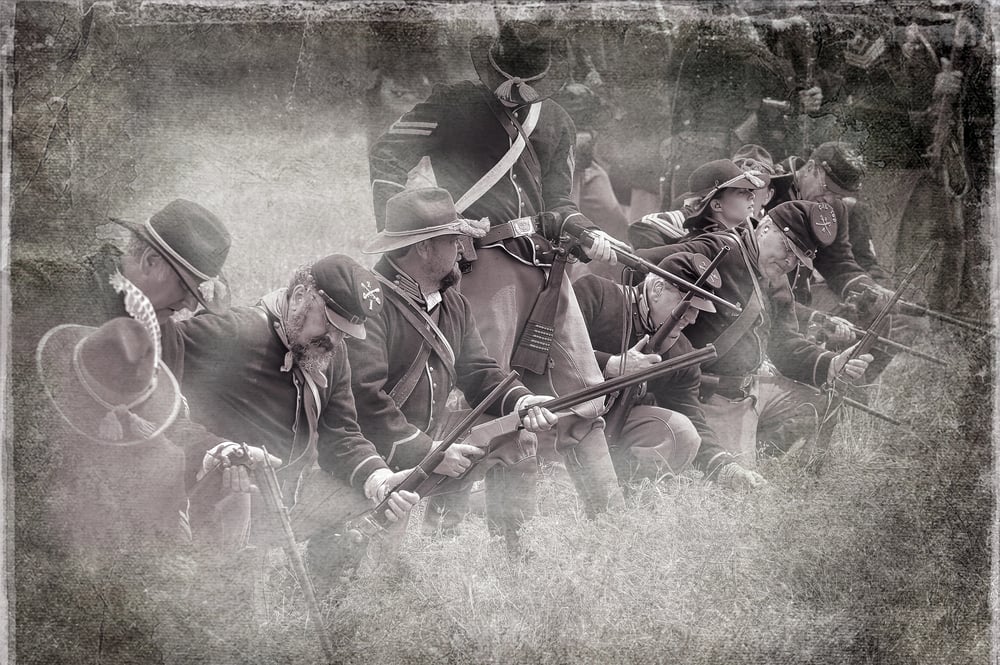
The letter read at the end of Saving Private Ryan feels like a movie moment, but it came from real life. It was inspired by a letter Abraham Lincoln once wrote to a grieving mother, and echoed the kinds of messages generals and fellow soldiers sent during WWII.
Many soldiers wrote final letters too, in case they didn’t make it home. Those letters were honest, often simple, and always full of heart.
The film used that feeling to close the story on a deeply human note.
Real voices in Band of Brothers
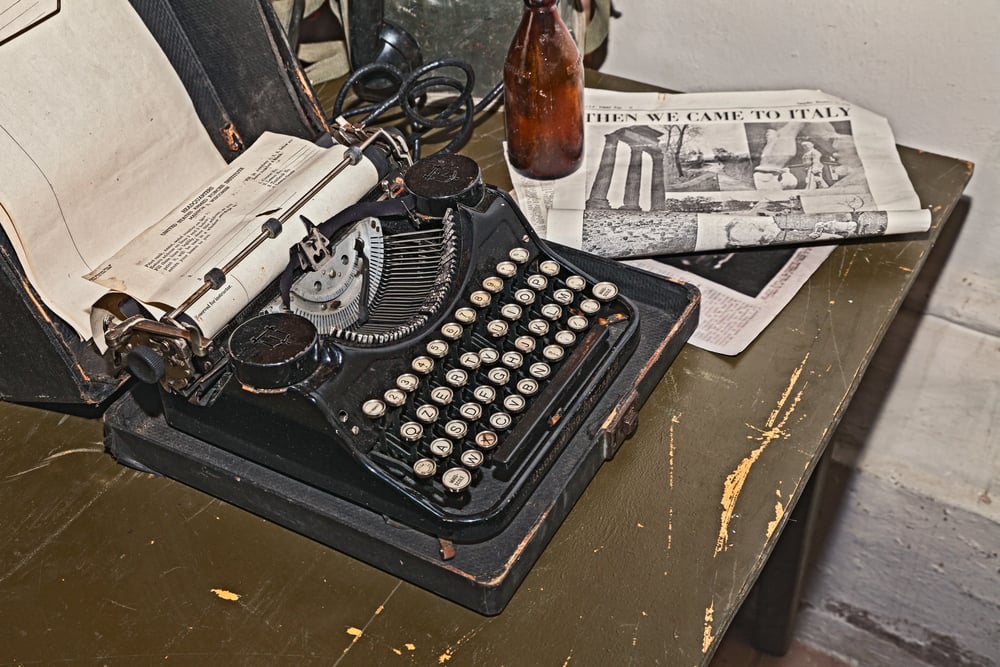
Band of Brothers stands out because it’s based on real men. Much of the dialogue, especially the parts where they read or write letters, came from actual notes sent home.
One letter from Major Winters is read word for word in the final episode. It’s not dramatic — it’s calm, thoughtful, and full of quiet pride.
That’s what makes it so powerful.
Love and fear in The Thin Red Line
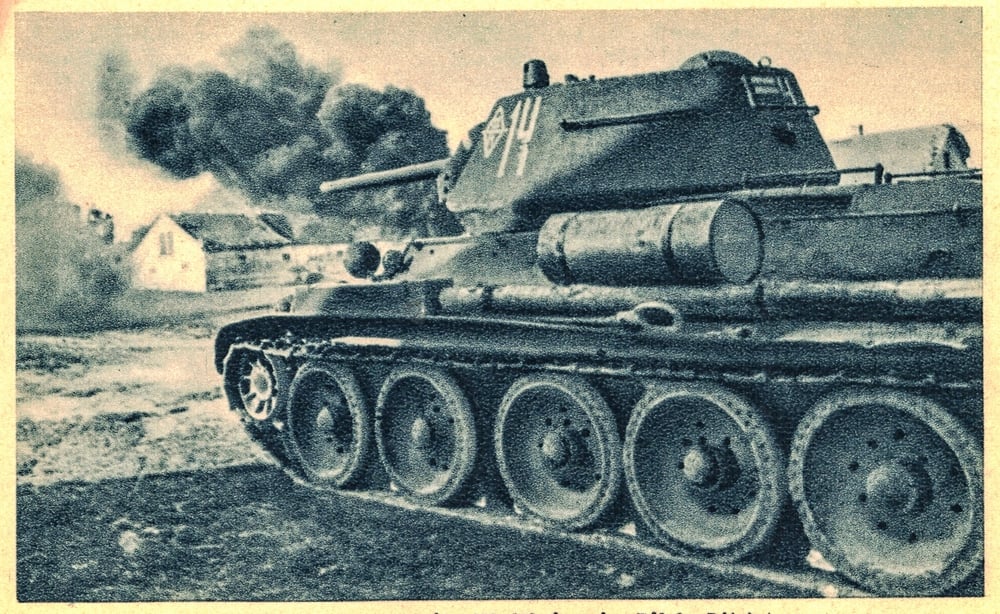
In The Thin Red Line, a soldier writes home to his wife while sitting in the middle of chaos. It’s soft and personal, not loud like the gunfire around him.
That moment was shaped by real letters from soldiers who tried to stay connected to the people they loved. Sometimes those letters were the only peace they had in a very loud world.
The film captured that perfectly.
Buried words in Letters from Iwo Jima

This entire movie was based on real letters Japanese soldiers left behind in caves. American troops found them after the battle ended.
The letters didn’t talk about glory — they spoke about family, fear, and wondering if they were doing the right thing. Director Clint Eastwood used the actual words to write much of the script.
It’s rare to see war through the eyes of the other side, but these letters made that possible.
A medic’s mission in Hacksaw Ridge
Desmond Doss, the soldier in Hacksaw Ridge, didn’t carry a weapon — just his faith and a strong will to help others. Some of the lines in the movie came from his letters to his family.
He often wrote about why he stood by his beliefs, even when others mocked him. Those real words helped explain who he was without needing to make anything up.
The film stayed close to what he actually said.
Patton’s sharp words
General George Patton didn’t hold back in battle or in writing. Some of his letters were full of strong opinions and rough language, and that’s exactly how he came across in the movie Patton.
The filmmakers pulled directly from his notes and speeches. His voice was clear — bold, sometimes harsh, but always real.
That’s why it worked so well on screen.
Letters in The Pacific
The Pacific showed a different kind of war — hotter, muddier, and often lonelier. The series used real letters from Marines who fought in places like Guadalcanal and Okinawa.
Some described what it felt like to be soaked for weeks. Others talked about losing friends.
These weren’t grand stories — they were small, personal truths that made the show feel honest.
A family’s heartbreak in The Fighting Sullivans
When the five Sullivan brothers all died in the same attack, it shocked the country. Letters between the family and the Navy shaped the script for The Fighting Sullivans.
One moment in the film, where their mother writes to ask about her sons, came from a real letter. Her words were polite, hopeful, and heartbreaking.
No special effects could do what that letter did.
A paratrooper’s pocket note in Overlord
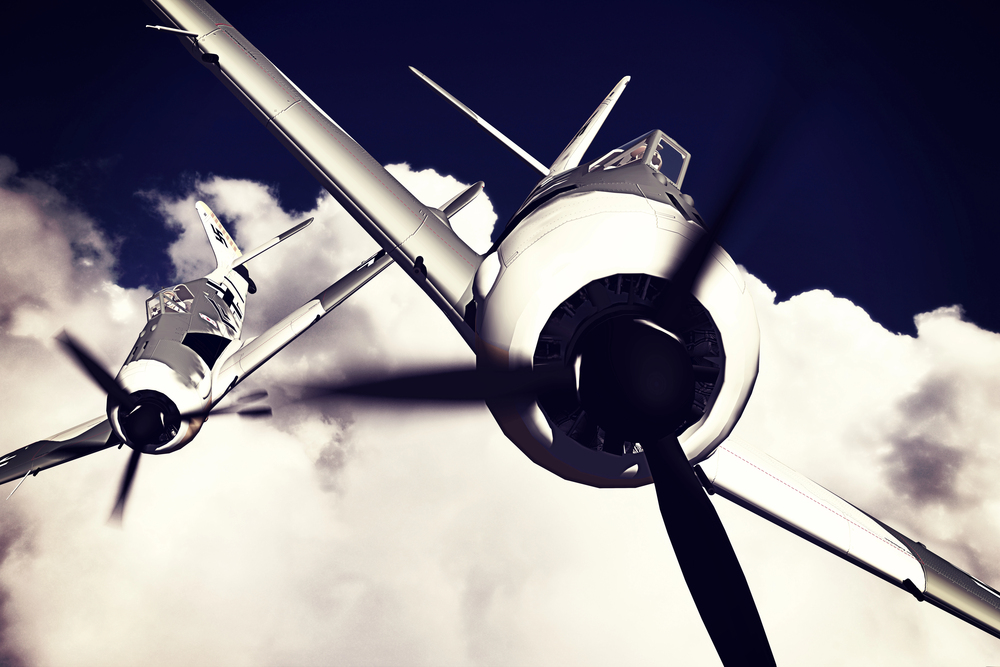
In Overlord, one soldier reads a goodbye letter just before jumping from a plane. That wasn’t just a movie idea.
Many real paratroopers wrote quick notes and tucked them into their uniforms before flying into danger. Some were short, just one or two lines, but they said a lot.
The movie used that detail to remind viewers what was really at stake.
D-Day letters in The Longest Day
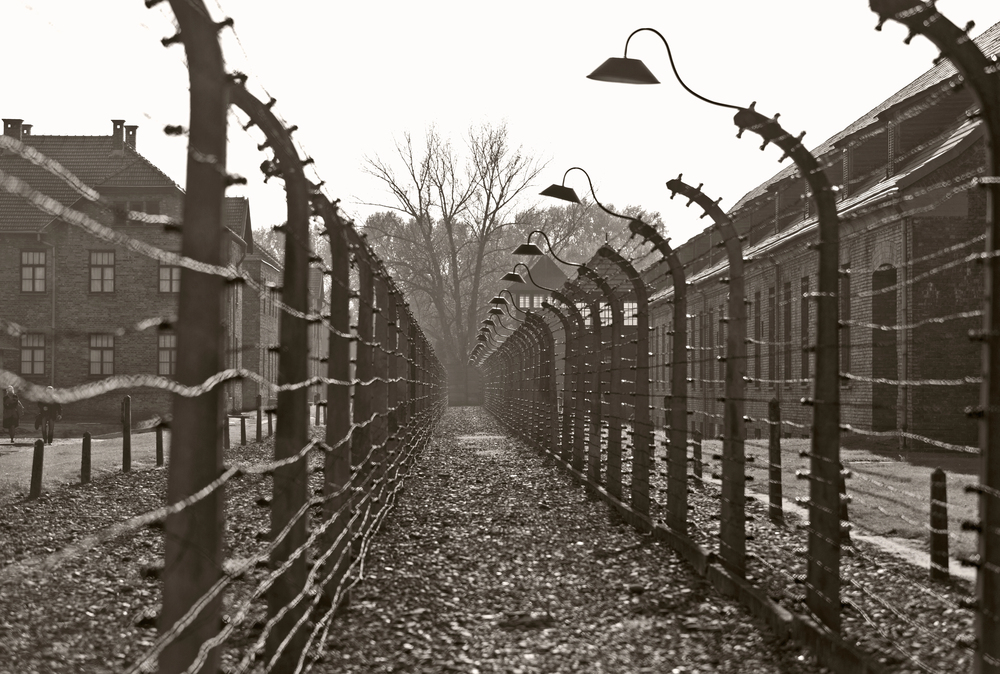
The Longest Day tells the story of D-Day from many sides — American, British, German, and more. To write the script, the creators used real letters and diaries from soldiers who were there.
They described the waves, the gunfire, and the sound of boats hitting the shore. These details helped make each scene feel grounded.
You could tell it wasn’t just acting.
Heat and dust in Sahara
In the 1943 film Sahara, one soldier writes about the desert heat and his doubts about the war. This wasn’t fiction — it came from a real letter written by a man fighting in North Africa.
He wrote about sandstorms and sore feet, but also about missing his kids. That letter became a key part of the story.
It gave the movie something real to hold onto.
The fight on two fronts in Red Tails
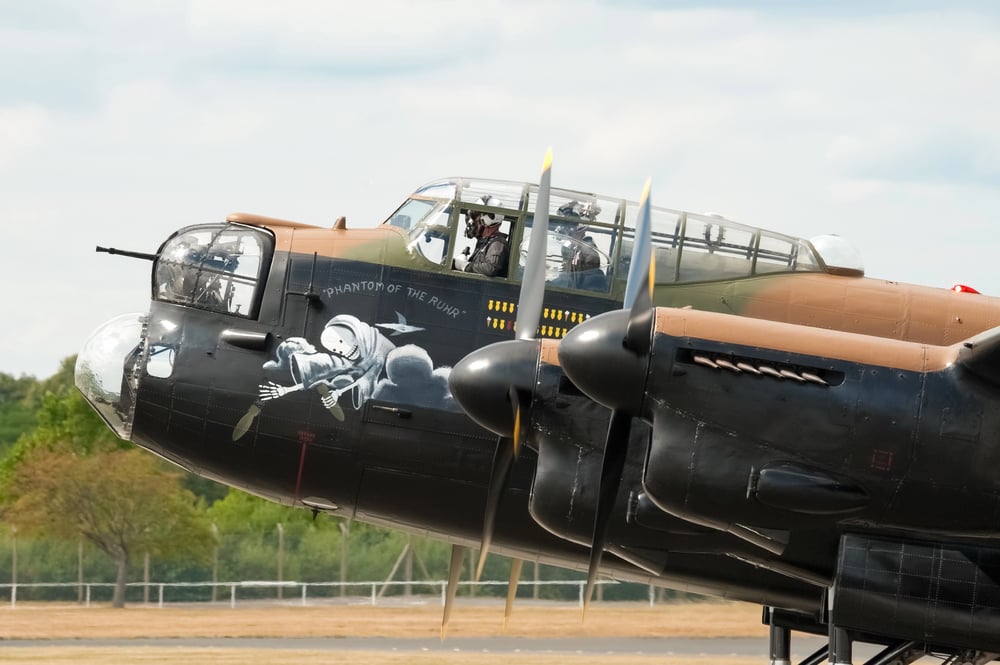
Red Tails tells the story of the Tuskegee Airmen — the first Black pilots in U.S. military history. Some of the most moving scenes came from letters they wrote about being treated unfairly, even while fighting for their country.
These men faced battles in the sky and on the ground. Their letters spoke clearly about both.
The film honored their words by using them directly.
A quiet goodbye in A Midnight Clear
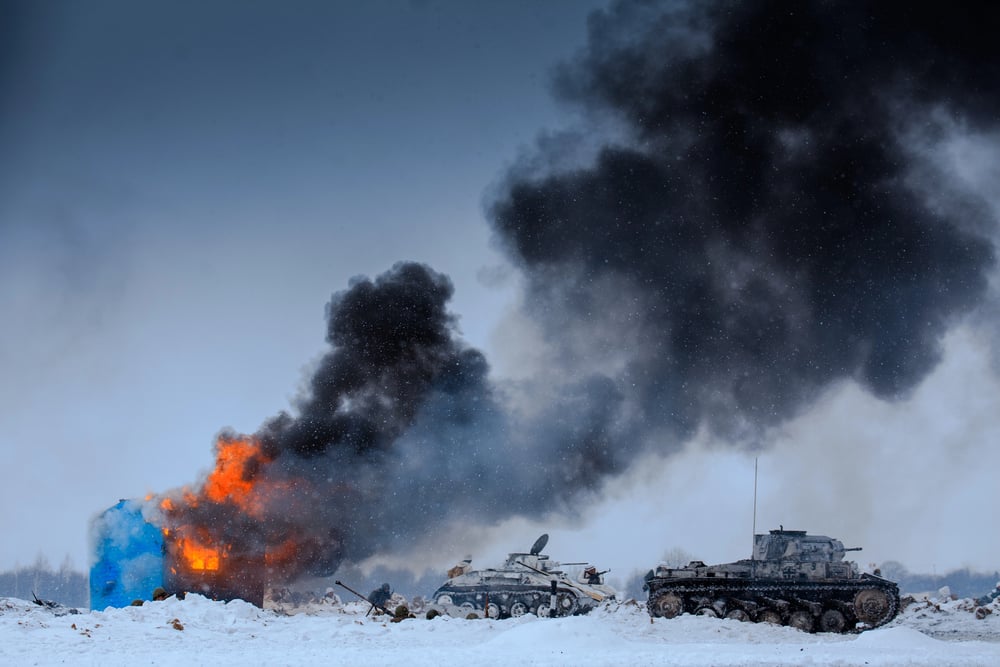
A Midnight Clear focuses on a small group of American soldiers near the end of the war. One writes home about the snow and silence around him.
That letter was based on a real one found in an old archive. It’s not dramatic.
It’s just quiet, and sad, and honest — like many letters written during those final cold weeks.
From letters to legacy
After the war, thousands of letters were saved. Some ended up in museums, others in shoe boxes under beds.
A few were so powerful they made their way into film scripts. They weren’t written to be famous.
But they helped tell the truth in ways that movies alone never could.
Still speaking across time
Those letters, folded and faded, are still telling stories. Not because they’re dramatic, but because they’re real.
They help people today understand what war felt like for the ones who lived through it. In a world full of noise, these quiet voices still matter.
And they always will.
More from Go2Tutors!

- The Romanov Crown Jewels and Their Tragic Fate
- 13 Historical Mysteries That Science Still Can’t Solve
- Famous Hoaxes That Fooled the World for Years
- 15 Child Stars with Tragic Adult Lives
- 16 Famous Jewelry Pieces in History
Like Go2Tutors’s content? Follow us on MSN.