15 Crayola Crayons That Have Been Retired
Since 1903, Crayola has brought color to millions of childhoods around the world. But like any long-running story, some characters have made their exit along the way. Over the decades, the company has said goodbye to certain hues to make room for fresh additions, creating a fascinating graveyard of discontinued colors that collectors now hunt down like buried treasure.
Some retirements happened with great fanfare and public mourning, while others quietly slipped away unnoticed. Here’s a complete list of 15 Crayola crayons that have been officially retired from the standard lineup, each with their own story to tell.
Dandelion

The most famous retirement in Crayola history happened in 2017 when Dandelion was officially retired on National Crayon Day. This sunny yellow color didn’t go quietly into the night—Crayola sent it on a farewell tour to places like Times Square and the Grand Canyon, treating it like a retiring celebrity. The color was replaced by Bluetiful, a newly discovered blue pigment that marked the first new blue discovered in 200 years.
A bit dramatic for a crayon, perhaps. Still, today vintage Dandelion crayons can sell for anywhere from $50 to $200 depending on the collection size.
Blue Gray
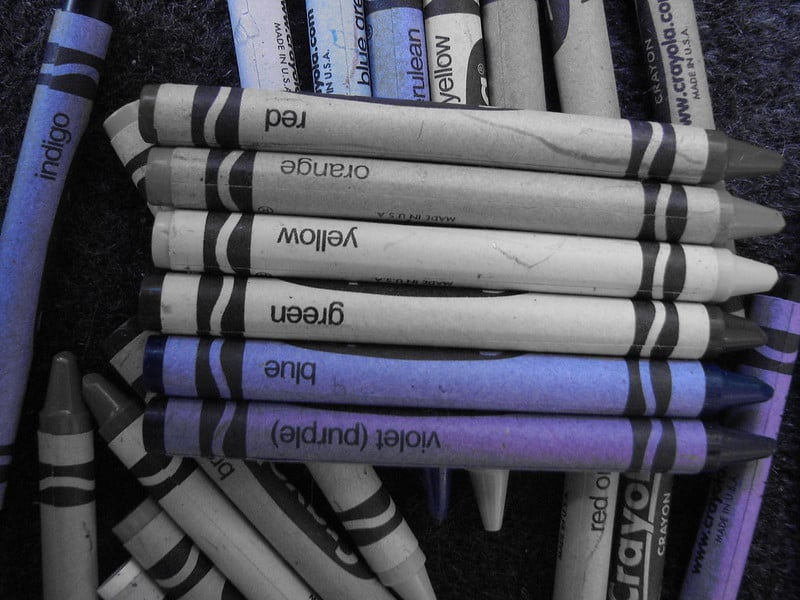
Blue Gray was one of the original eight colors retired in 1990, marking the first time in Crayola history that colors were officially placed in the ‘Hall of Fame’. This muted color sat somewhere between a stormy sky and morning fog, offering kids a sophisticated alternative to plain gray. The 1990 retirement made room for brighter, more vibrant options that better reflected the colorful decade ahead.
Green Blue

Another casualty of the 1990 color purge, Green Blue occupied that tricky space between two primary colors. Think of it as the color of shallow ocean water or a peacock’s neck feathers. While it might sound like Crayola couldn’t make up their mind about what to call it, Green Blue actually had its own distinct personality that made it popular with young artists who wanted something more interesting than regular blue or green.
Lemon Yellow
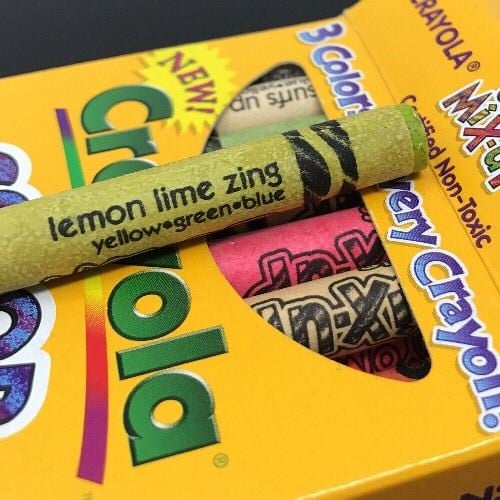
Lemon Yellow joined the retirement class of 1990, making way for the introduction of Dandelion. This citrusy shade was brighter and more acidic than regular yellow, perfect for drawing sunshine or highlighting important parts of a coloring book page.
Funny thing is, its replacement Dandelion would eventually face the same fate 27 years later, proving that even the most beloved colors aren’t guaranteed permanent spots in the box.
Maize

Named after the golden kernels on a corn cob, Maize was retired in 1990 along with seven other colors. This warm, earthy yellow represented the practical side of the color spectrum—less flashy than bright yellow but more interesting than beige. It was the kind of color that made perfect autumn leaves and cozy kitchen scenes in children’s drawings. The sort of shade that felt reliable, like your favorite old sweater.
Orange Red

Orange Red was part of the historic 1990 retirement, but it got a second chance when Crayola brought it back as one of eight colors in their 2025 Limited Edition Retired Colors collection. This fiery color captured the essence of a sunset or the glow of hot coals.
Talk about a comeback story. The color returned to shelves for the first time since the 1990s as part of Crayola’s first-ever revival of retired colors.
Orange Yellow

Orange Yellow completed the warm color trio that got the boot in 1990. Picture the color of a ripe peach or the center of a daffodil—that perfect blend where orange and yellow meet and decide to be friends. This color was particularly popular for drawing flowers, fall leaves, and anything that needed a warm, inviting glow that regular orange or yellow couldn’t quite capture.
Raw Umber
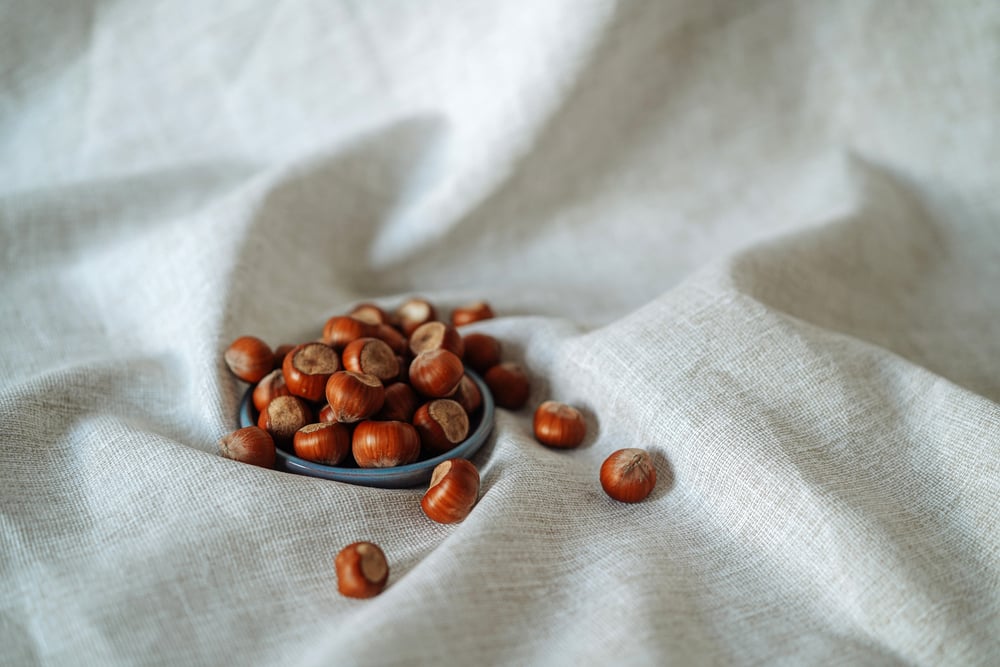
Raw Umber was the most sophisticated member of the 1990 retirement class, and like Orange Red, it made a comeback in the 2025 Limited Edition collection. Named after a natural earth pigment from the Umbria region of Italy, this rich brown color was like having a piece of art history in your crayon box. It was perfect for drawing tree trunks, soil, or anything that needed an authentic, earthy appearance.
Probably the fanciest name in the entire retirement bunch.
Violet Blue
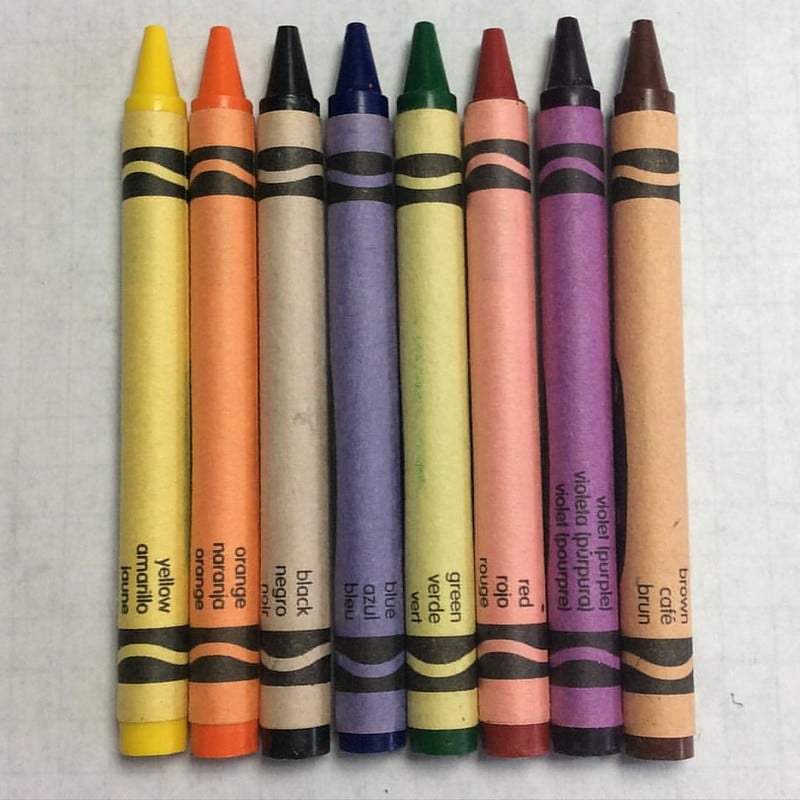
Violet Blue joined its colorful companions in the 1990 retirement and also returned in the special 2025 collection. This purple-tinged blue was like capturing twilight in crayon form—not quite purple, not quite blue, but something magical in between. It was among the oldest colors to return to shelves, having been absent since the 1990s.
Blizzard Blue
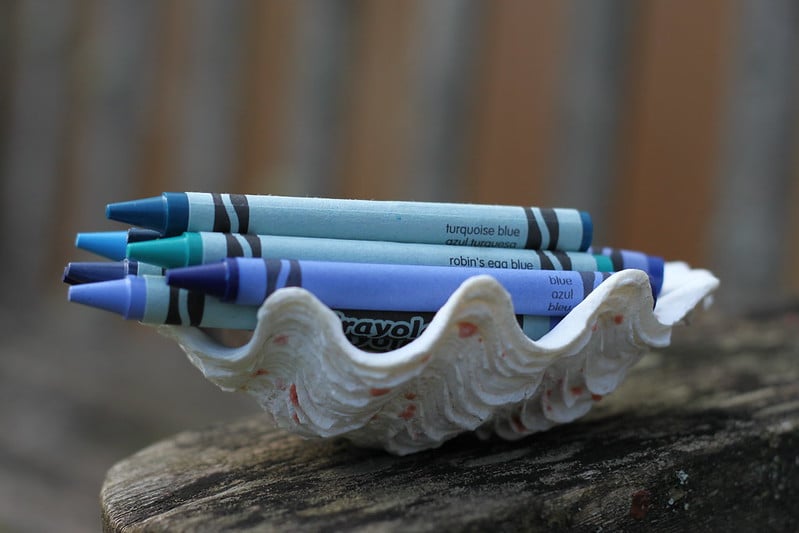
Blizzard Blue met its fate in 2003 when Crayola celebrated their 100th anniversary by retiring four colors to make room for new ones. This icy blue color was perfect for winter scenes and arctic adventures in children’s artwork. Like several other retired colors, Blizzard Blue made a limited comeback in 2025, giving a new generation the chance to experience this cool, crystalline shade.
Magic Mint

Magic Mint was another victim of the 2003 anniversary celebration retirement. This refreshing green had the cool freshness of a mint leaf or the pale green of early spring grass.
The color returned as part of the 2025 Limited Edition collection, proving that sometimes retirement doesn’t have to be permanent. Even so, it took more than 20 years to make that particular comeback.
Mulberry

Mulberry was retired in 2003 despite being in the lineup since 1958. This deep purple-red color got its name from the dark berries that grow on mulberry trees. After more than two decades in retirement, Mulberry joined the other comeback colors in 2025, bringing its rich, berry-like hue back to crayon boxes across the country.
Almost 50 years of faithful service before getting the axe.
Teal Blue
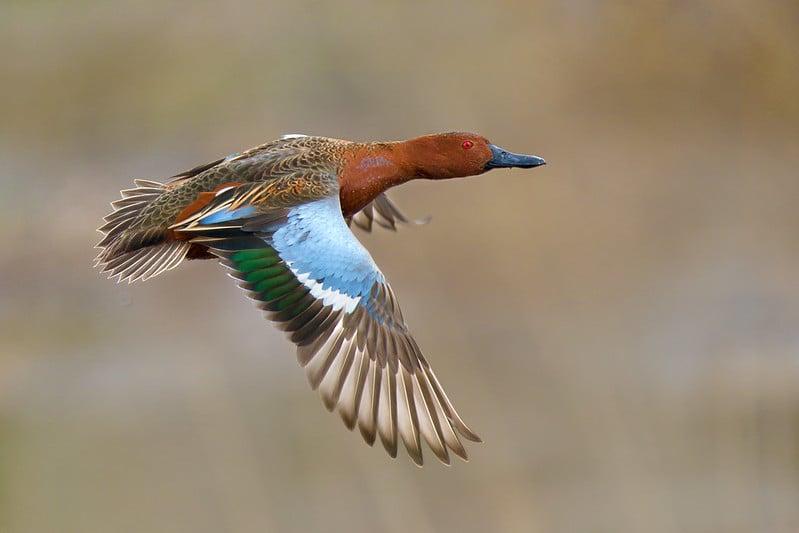
Teal Blue had a short but memorable run from 1990 to 2003. This blue-green color was introduced as part of the 1990 refresh but didn’t make it past the next major overhaul. Named after the distinctive color found on teal duck feathers, it offered a sophisticated alternative to regular blue or green that was popular with kids who wanted their artwork to look more grown-up. Not everyone gets a long career in the crayon world.
Thistle

Thistle was an old-school Crayola color that debuted in 1949 and lasted nearly long enough to witness the millennium before being retired in 1999. This soft purple color was named after the spiky purple wildflower and was replaced by Indigo. Individual vintage Thistle crayons can now sell for around $10 unused, with one selling for $18.95 on eBay.
Indian Red

Indian Red was part of the Crayola lineup since 1903 but was renamed Chestnut in 1999. This color got its name from a natural pigment sourced from India, not from Native Americans, though the potential for confusion led to the name change. Like other renamed colors, unused Indian Red crayons can fetch around $18.98 online, making them valuable pieces of Crayola history.
The Colors Live On

While these 15 crayons may have officially left the standard lineup, their legacy continues in the hearts of artists and collectors worldwide. Crayola’s 2025 decision to bring back eight of these retired colors for a limited time shows that sometimes the past can find new life in the present. So whether you’re hunting down vintage boxes on eBay or hoping to snag one of the limited edition re-releases, these retired crayons remind us that every color has its moment to shine—even if that moment doesn’t last forever.
More from Go2Tutors!

- 16 Historical Figures Who Were Nothing Like You Think
- 12 Things Sold in the 80s That Are Now Illegal
- 15 VHS Tapes That Could Be Worth Thousands
- 17 Historical “What Ifs” That Would Have Changed Everything
- 18 TV Shows That Vanished Without a Finale
Like Go2Tutors’s content? Follow us on MSN.