Real-world issues sparked by video games
Video games started as simple fun for kids and adults who wanted to escape reality for a while. But as gaming grew bigger and more popular, it began creating problems nobody saw coming.
What seemed like harmless entertainment turned into something that affected real people’s lives, relationships, and even entire communities. Here are some of the biggest ways video games have caused real problems in the world outside the screen.
Addiction that ruins families

Gaming addiction became a serious problem when people started playing for 12 or more hours every day. Parents watched their children skip school, ignore friends, and stop eating regular meals just to keep playing.
Some gamers lost jobs because they couldn’t stop playing long enough to go to work. Marriages fell apart when spouses chose gaming over spending time with their families.
Mental health experts now recognize gaming disorder as a real condition that needs treatment.
Kids spending parents’ money without permission

Mobile games with in-app purchases created a nightmare for many families. Children would use their parents’ credit cards to buy virtual items, sometimes racking up thousands of dollars in charges.
Parents discovered these surprise bills when it was too late to stop the spending. Some families went into debt because of unauthorized game purchases.
Game companies made it too easy for kids to spend real money on digital items they didn’t really own.
Online bullying and harassment

Gaming chat features gave bullies new ways to hurt other people. Players would target others with mean comments, threats, and cruel behavior during games.
Women and minority gamers faced especially harsh treatment from other players. Some victims of gaming harassment felt unsafe even when they weren’t playing.
The anonymous nature of online gaming made it easy for people to be cruel without facing consequences.
Violence debates after tragic events

Every time a violent crime happened, people looked for connections to video games. Politicians and parents blamed games for school shootings and other violent acts.
The gaming industry had to defend itself constantly against claims that games made people violent. Research studies gave mixed results, keeping the debate alive for years.
This created lasting tension between gamers and people who saw games as dangerous.
Gambling problems from loot boxes

Loot boxes in games work exactly like gambling, but kids could access them easily. Players would spend hundreds of dollars trying to get rare items from these digital surprise boxes.
Some people developed serious gambling addictions from loot box mechanics. Countries started investigating whether loot boxes should be regulated like real gambling.
The practice created a whole generation of young people comfortable with gambling-style mechanics.
Physical health problems from too much gaming

Sitting and playing games for hours every day caused real health issues. Gamers developed back problems, eye strain, and repetitive stress injuries in their hands and wrists.
Some people gained dangerous amounts of weight from inactive lifestyles and poor eating habits. Blood clots became a risk for people who sat gaming for extremely long periods.
Emergency room visits increased for gaming-related injuries and health complications.
Professional gaming exploitation

As esports became popular, young players faced exploitation from teams and sponsors. Teenage gamers signed contracts they didn’t understand, giving up rights to their earnings and careers.
Some professional players worked long hours without proper pay or benefits. Mental health support was often lacking for players dealing with intense competition pressure.
The rush to capitalize on gaming talent led to many unfair business practices.
Social isolation and lost friendships

Heavy gaming caused many people to withdraw from real-world relationships. Gamers stopped hanging out with friends in person, choosing online interactions instead.
Family dinners and social events became less important than gaming sessions. Some people lost the ability to have normal conversations without gaming topics.
Real friendships suffered when gaming took priority over face-to-face social time.
Academic failure and dropped dreams

Students began failing classes because gaming took priority over homework and studying. Some promising young people dropped out of college to pursue gaming careers that never happened.
Parents watched their children’s academic potential disappear into endless gaming sessions. Teachers reported more students falling asleep in class after all-night gaming marathons.
Educational goals got pushed aside for the immediate rewards of gaming achievements.
Workplace problems and lost jobs
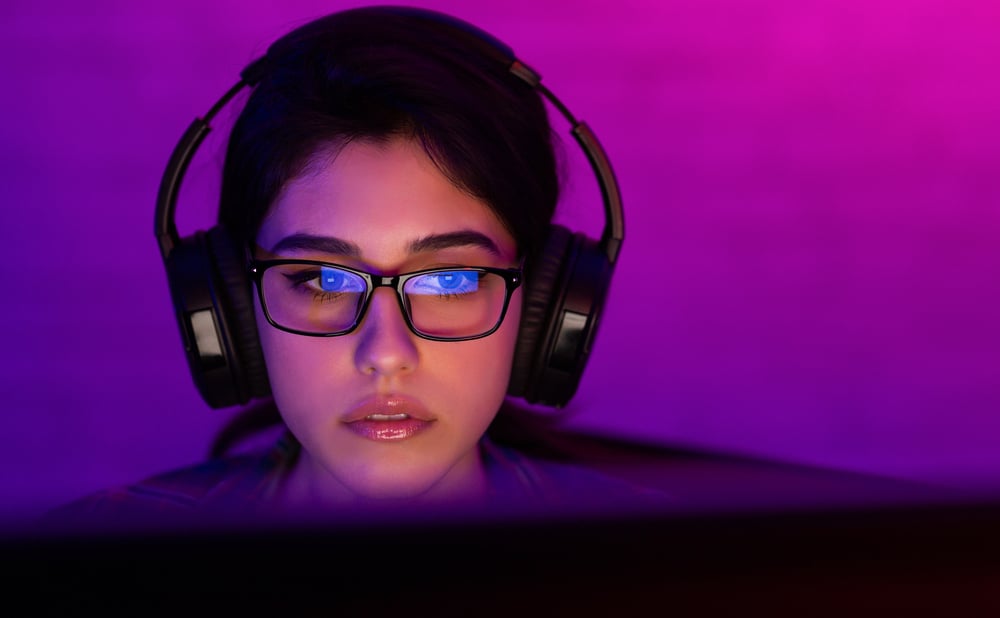
Gaming addiction affected adult careers in serious ways. Employees got fired for playing games at work or showing up exhausted from all-night gaming sessions.
Some people chose to stay home gaming instead of going to job interviews or important work meetings. Productivity dropped in offices where workers were distracted by mobile games.
Career advancement became impossible for people who prioritized gaming over professional development.
Relationship breakups over gaming priorities

Romantic relationships ended when one partner chose gaming over quality time together. Dating became harder for people who preferred virtual relationships to real ones.
Couples fought constantly about gaming time versus relationship time. Some people found it easier to connect with online gaming friends than with their actual romantic partners.
Wedding plans and anniversaries got forgotten when big gaming events happened at the same time.
Financial ruin from gaming expenses

People spent their rent money on gaming equipment, new releases, and in-game purchases. Credit card debt piled up from constant gaming-related spending.
Some gamers borrowed money they couldn’t pay back to fund their gaming habits. Families struggled financially when gaming expenses took priority over necessities like food and utilities.
The gaming industry made it easy to spend money impulsively on digital items with no real value.
Sleep disorders and health complications

All-night gaming sessions destroyed normal sleep patterns for millions of players. People developed chronic insomnia from the excitement and screen light exposure.
Sleep deprivation led to serious health problems including weakened immune systems and mental health issues. Some gamers experienced dangerous microsleep episodes during driving or other activities.
The gaming industry’s focus on engagement kept people playing when they should have been sleeping.
Legal troubles from gaming behavior

Some gaming situations led to real legal problems. Players made threats during online games that resulted in police investigations.
Swatting incidents happened when gamers called police on other players as pranks, sometimes with dangerous consequences. Copyright violations occurred when people streamed games without permission.
Virtual item theft and account hacking created new types of crimes that courts had to figure out how to handle.
Community problems from gaming cafes

Internet cafes and gaming centers became gathering places for problematic behavior. Some locations had poor supervision, allowing inappropriate content and behavior.
Neighborhood complaints increased about noise and loitering around gaming establishments. Local businesses suffered when gaming cafes attracted crowds that scared away other customers.
Zoning battles erupted in communities that didn’t want gaming centers in their neighborhoods.
From innocent fun to complex consequences

What started as simple entertainment has become a force that shapes how people live, work, and relate to each other. Gaming went from being a hobby to being a lifestyle that affects every aspect of modern life.
The industry that began with good intentions now faces the challenge of addressing the problems it helped create. Today’s gamers and game makers have the opportunity to learn from these issues and build a healthier relationship between virtual worlds and real life, making gaming truly beneficial rather than harmful to society.
More from Go2Tutors!

- The Romanov Crown Jewels and Their Tragic Fate
- 13 Historical Mysteries That Science Still Can’t Solve
- Famous Hoaxes That Fooled the World for Years
- 15 Child Stars with Tragic Adult Lives
- 16 Famous Jewelry Pieces in History
Like Go2Tutors’s content? Follow us on MSN.