Hit 2000s Songs You Didn’t Know Were Sampled
The 2000s redefined how producers built hit songs. Behind many of the decade’s biggest tracks were samples pulled from unexpected sources.
These weren’t just obvious hooks from famous songs. Producers dug through obscure soundtracks, forgotten funk records, and international music libraries to find the perfect sound.
Gnarls Barkley Made Spaghetti Westerns Sound Modern
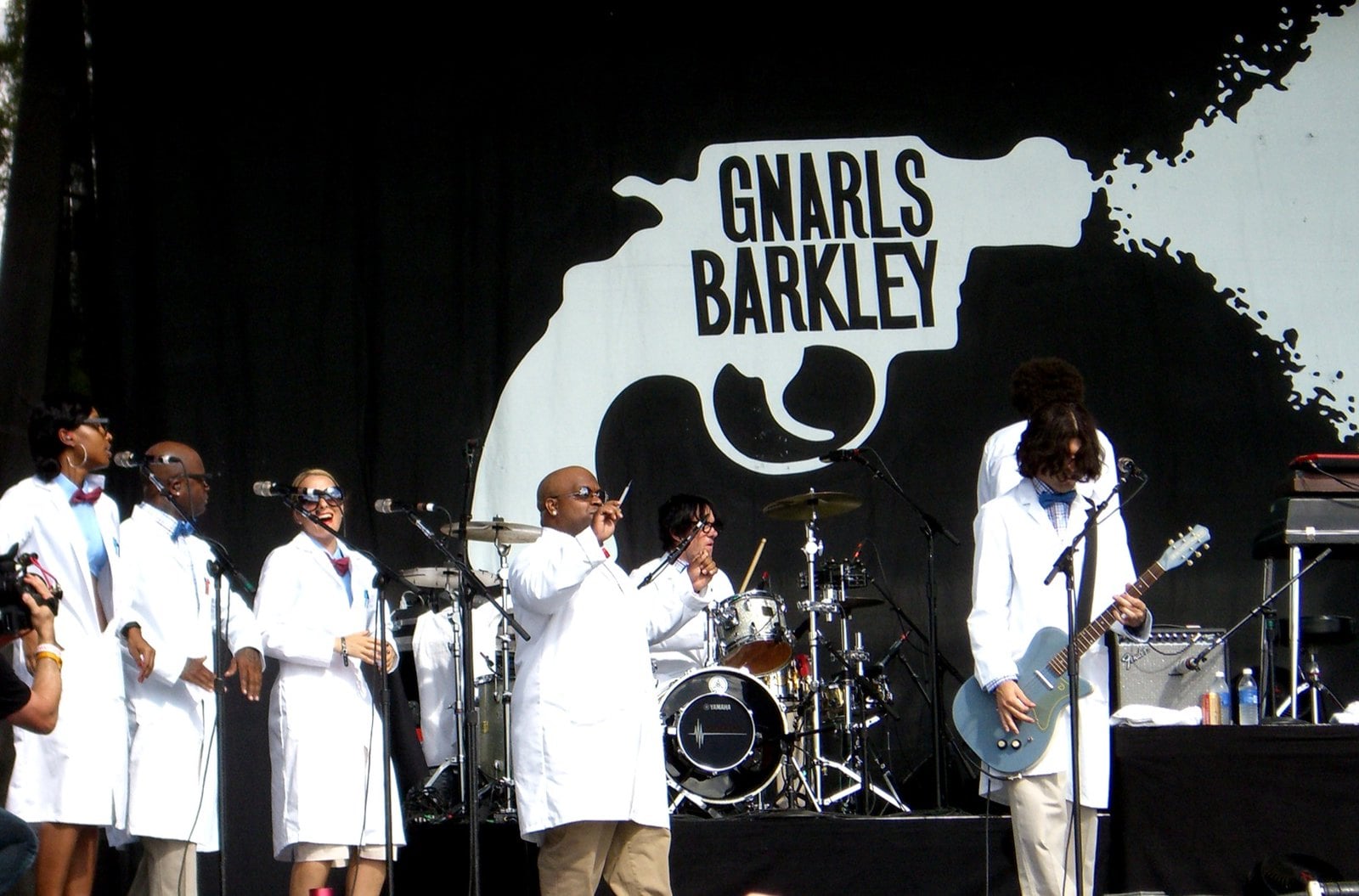
When Gnarls Barkley released “Crazy” in 2006, it topped charts worldwide. The haunting string arrangement gave the track its distinctive sound.
Most listeners had no idea it came from a 1968 spaghetti western soundtrack.
Producer Danger Mouse sampled “Nel Cimitero di Tucson” from the film Django, Prepare a Coffin. The Reverberi brothers composed the original score, and its dramatic strings became the melodic foundation of “Crazy.”
Danger Mouse wanted a cinematic feel inspired by Ennio Morricone’s western scores. He found it in a forgotten Italian film most people never saw.
The song became the UK’s best-selling single of 2006 and won a Grammy for Best Urban/Alternative Performance.
Beyoncé’s Horn Section Came From a 1970 Soul Track

The explosive horn riff in “Crazy in Love” is one of the most recognizable hooks of the decade. The sound originally came from The Chi-Lites’ 1970 track “Are You My Woman (Tell Me So).”
The original was an upbeat Chicago soul song. Beyoncé and producer Rich Harrison flipped that horn section into a fiery, urgent opener that demanded attention.
The deep-cut sample helped shape one of the most important pop songs of the 2000s.
“Crazy in Love” spent eight straight weeks at number one. It launched Beyoncé as a solo powerhouse, and that Chi-Lites sample was a huge part of its magic.
Daft Punk Built Their Breakthrough on George Duke
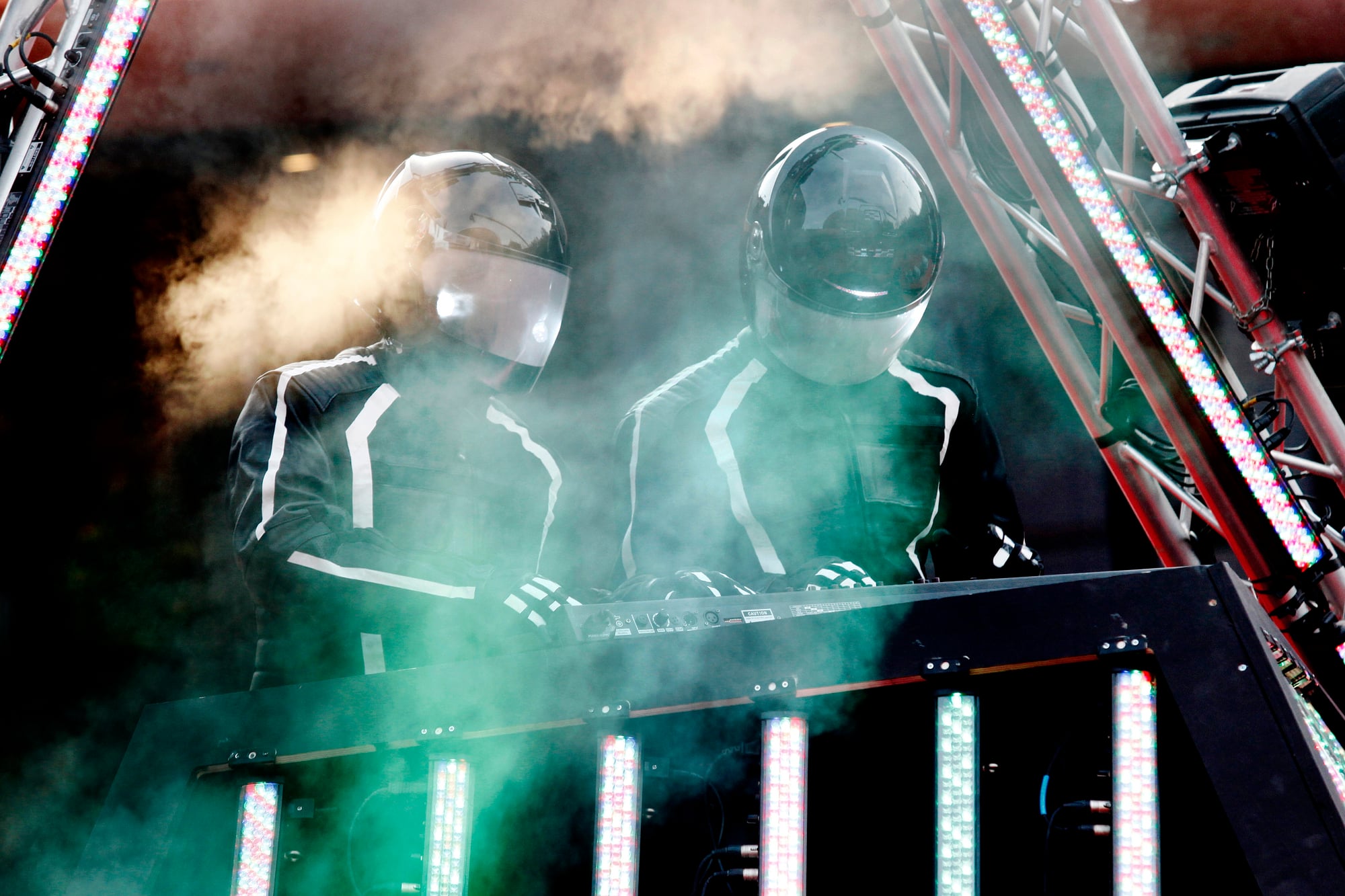
Daft Punk’s “Digital Love” from their 2001 Discovery album used a sample from jazz-funk legend George Duke.
They lifted the intro from Duke’s 1979 track “I Love You More” and transformed it completely. They looped and modified those few seconds to build an entirely new emotional feel.
This signature sampling approach helped define Discovery as one of the most influential electronic albums ever.
The duo used similar techniques elsewhere on the album, like sampling Eddie Johns on “One More Time.” They proved sampling could be art—not just imitation.
M.I.A. Borrowed From The Clash

“Paper Planes” was everywhere in 2007 and 2008. M.I.A. built the track on a sample from The Clash’s 1982 song “Straight to Hell.”
The Clash wrote the original as a political commentary on immigration. M.I.A., as a Sri Lankan-Tamil immigrant, sampled it to explore similar themes from a modern perspective.
Gunshot sounds and cash register effects gave it a rebellious edge. Combined with the mellow groove from The Clash, the result was unforgettable.
The song peaked at number four on the Billboard Hot 100 and brought M.I.A. to mainstream audiences.
Eminem Got Permission From Aerosmith
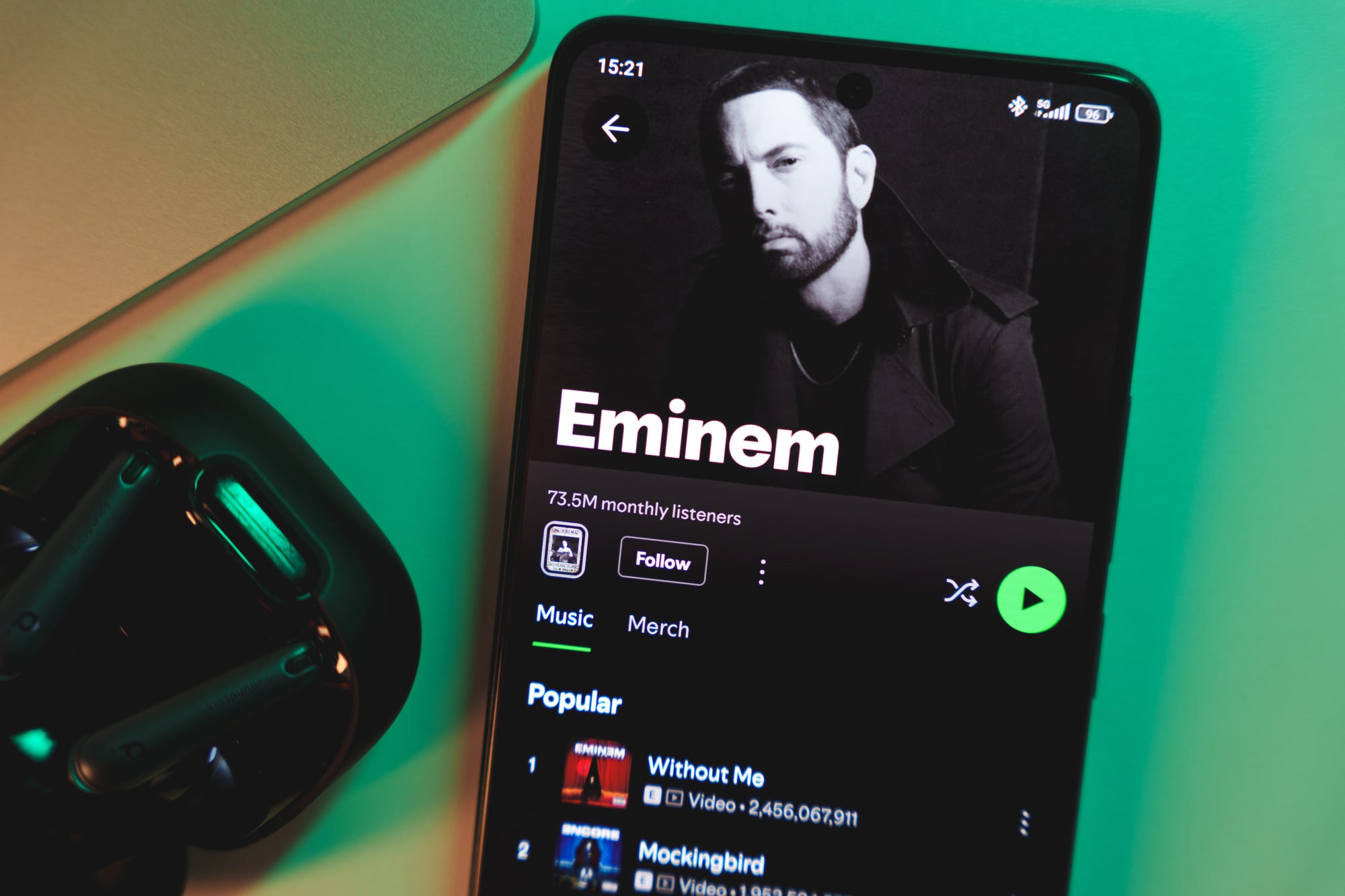
Eminem’s 2003 track “Sing for the Moment” sampled Aerosmith’s 1973 anthem “Dream On.”
He didn’t hide it—Steven Tyler’s vocals and Joe Perry’s riffs are central to the song.
Eminem had to secure approval from Aerosmith before release. The band loved how he repurposed their music, and Joe Perry even recorded a new guitar solo for the track.
The sample’s emotional weight strengthened Eminem’s message about artistic criticism and expression.
Rihanna Brought Back 1980s Synth-Pop
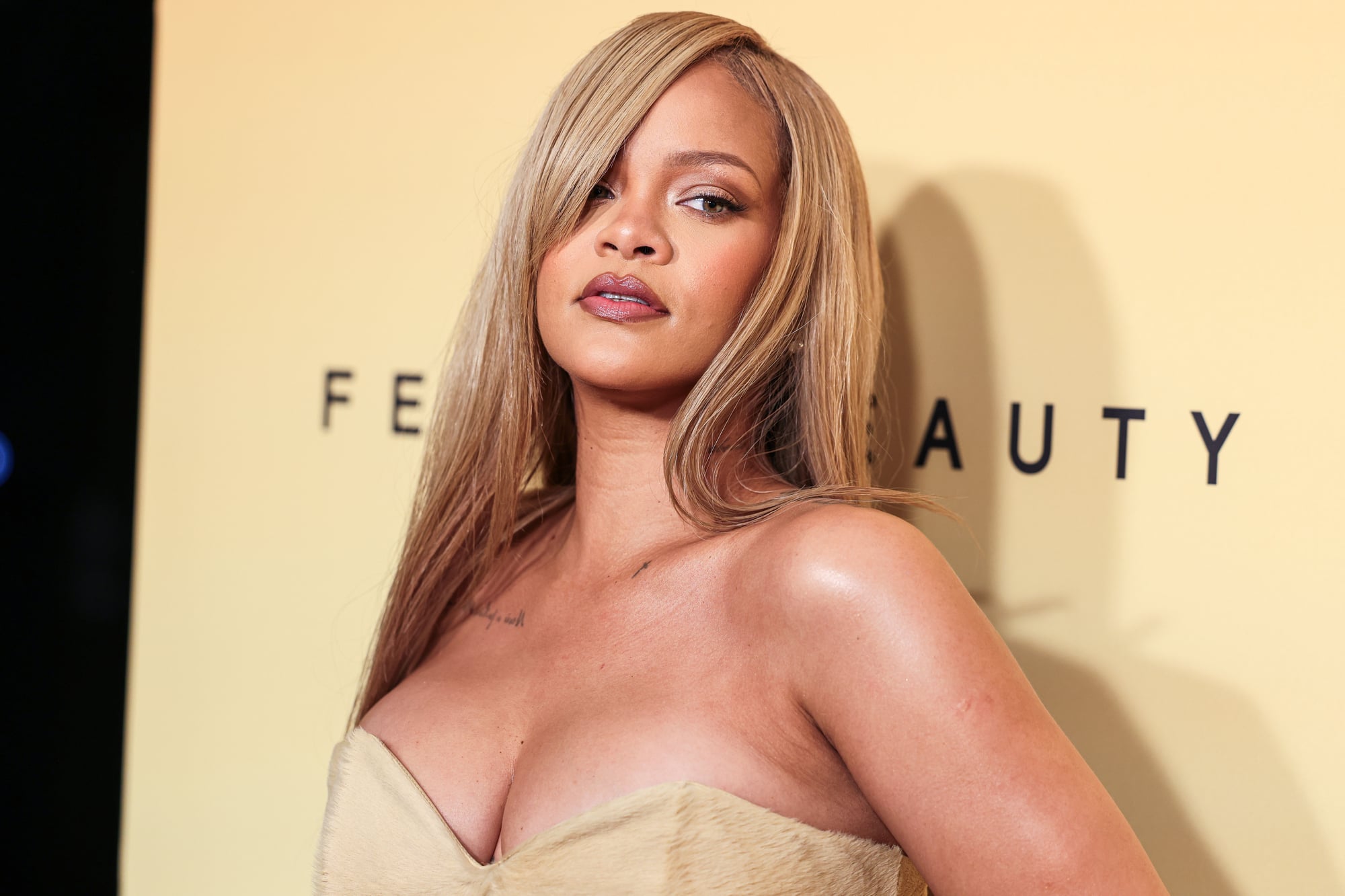
Rihanna scored her first number one with 2006’s “SOS,” which leaned heavily on Soft Cell’s 1981 version of “Tainted Love.”
Soft Cell’s recording was itself a cover of a 1964 soul song by Gloria Jones. Rihanna’s producers took the iconic synth riff and modernized it for the club-pop sound of the 2000s.
The hook remained timeless. “SOS” stayed at number one for three weeks and helped establish Rihanna as a rising superstar.
Janet Jackson’s Voice Became a Sample Source

Janet Jackson has been sampled for decades. Kendrick Lamar’s 2013 track “Poetic Justice” heavily sampled her 1993 hit “Any Time, Any Place.”
The song’s title and single artwork referenced her film Poetic Justice. The sample tied the two eras together, connecting Jackson’s R&B legacy with Kendrick’s lyrical storytelling.
Jackson later acknowledged the track on tour, blending elements of both songs live.
Kanye Made No Secret of His Sources
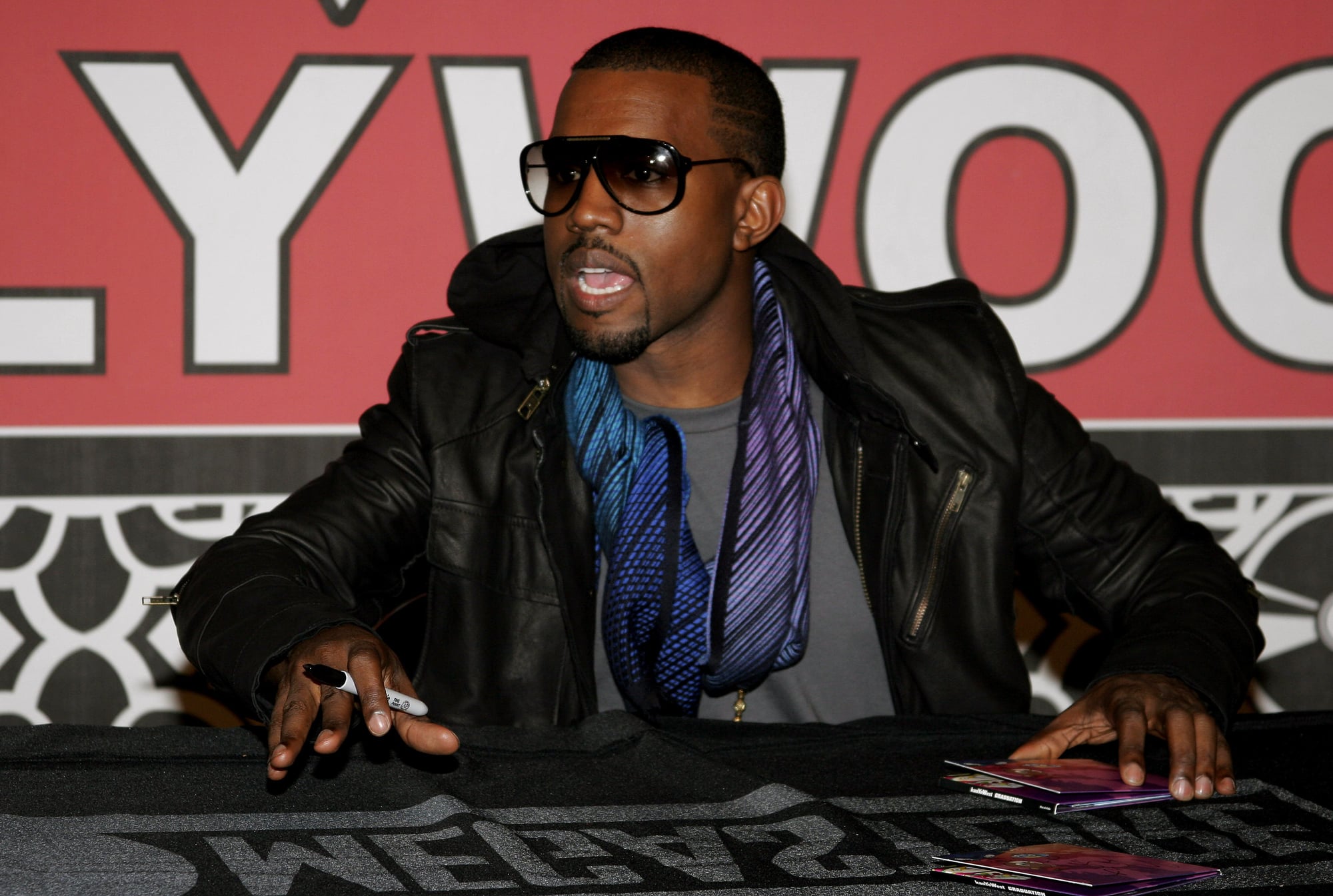
Kanye West’s 2007 hit “Stronger” openly used Daft Punk’s “Harder, Better, Faster, Stronger.”
Daft Punk’s track had elements from Edwin Birdsong’s 1970s work. Kanye layered on hip-hop production, redefining the sample entirely.
The collaboration produced one of the decade’s most influential tracks and earned a Grammy.
Sometimes transparency strengthens the art instead of hiding the inspiration.
Eminem Found Gold in British Folk-Funk
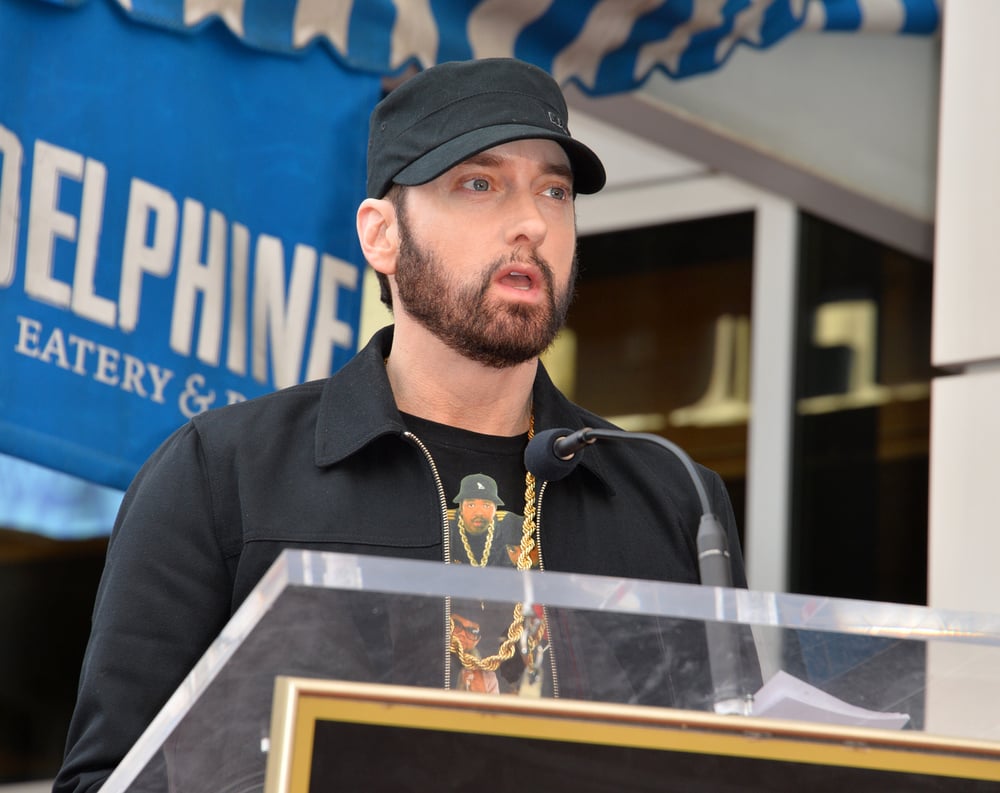
“My Name Is,” which carried Eminem into the 2000s, used a sample from Labi Siffre’s “I Got The…”
Siffre approved the sample on one condition: Eminem had to remove certain offensive lyrics. Once changed, the sample cleared.
Most listeners had never heard of Siffre, but his quirky guitar line became the backbone of one of hip-hop’s most iconic intros.
Dr. Dre Raided the Jazz-Funk Archives
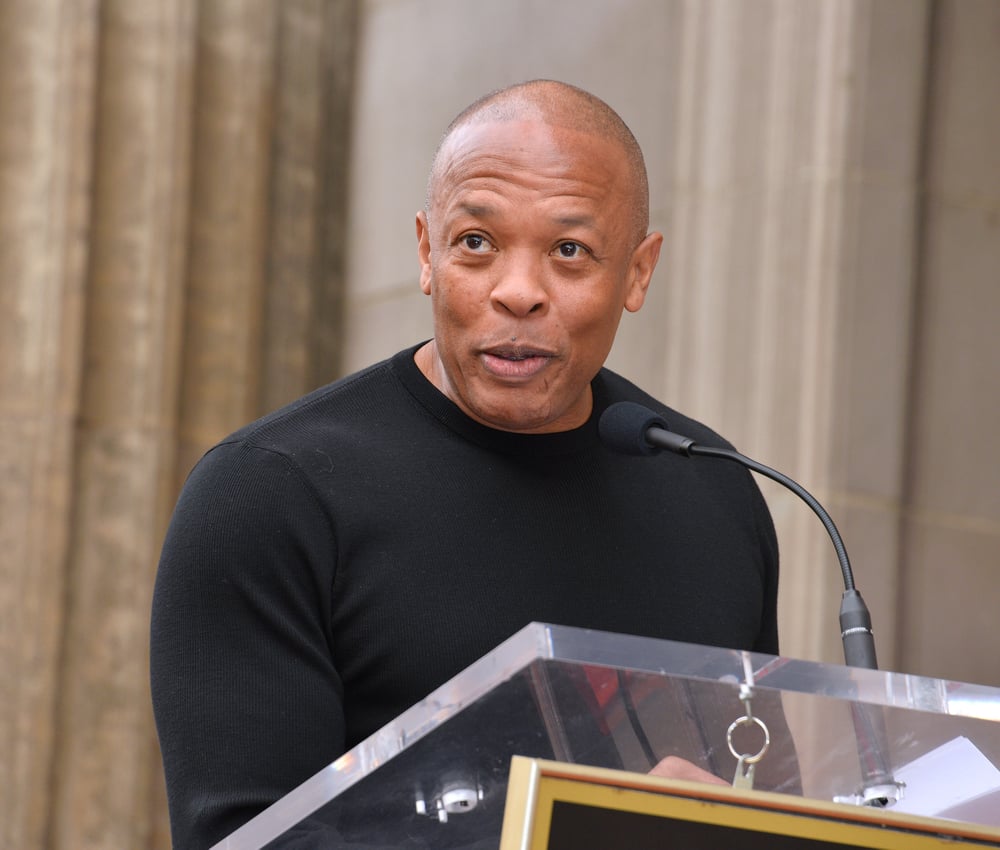
“The Next Episode,” released in 2000, used a dramatic sample from jazz-funk composer David Axelrod.
Axelrod’s cinematic arrangements matched Dre’s production style perfectly. The eerie melodies gave the track its unmistakable tension and atmosphere.
Most listeners never recognized the source, but hip-hop producers knew Dre was pulling from deep musical archives.
When Digging Through Crates Pays Off

These samples prove that the best producers are part musician, part historian, and part detective. They uncover forgotten recordings, international gems, and unexpected genres to build something new.
The 2000s pushed sampling beyond simple loops. Producers reimagined entire soundscapes.
A spaghetti western turned into a neo-soul masterpiece. A soul horn riff became a pop revolution. An obscure jazz-funk track became a West Coast anthem.
The art of sampling wasn’t just copying—it was transformation.
More from Go2Tutors!

- The Romanov Crown Jewels and Their Tragic Fate
- 13 Historical Mysteries That Science Still Can’t Solve
- Famous Hoaxes That Fooled the World for Years
- 15 Child Stars with Tragic Adult Lives
- 16 Famous Jewelry Pieces in History
Like Go2Tutors’s content? Follow us on MSN.



