Hotels That Redefine Luxury
Luxury used to be all about marble lobbies, gold-plated fixtures, and a concierge who remembered your name. That kind of luxury still exists, of course, but it’s no longer the only way to impress.
Over the past decade, the hospitality industry has quietly rewritten the rules, swapping obsession with thread counts for experiences you can’t buy anywhere else. The change reflects how travelers themselves have evolved.
A suite with Egyptian cotton sheets matters less when you’ve slept in a cave carved from volcanic rock or woken up fifty feet above the forest canopy. Modern luxury travelers crave stories, not amenity lists.
They want to feel like they’ve discovered something unique, not just checked into a hotel. And the properties meeting that demand aren’t always the priciest or most exclusive—but they are unforgettable.
Here’s a closer look at how today’s luxury hotels are rewriting the playbook.
Sleeping in Unexpected Places
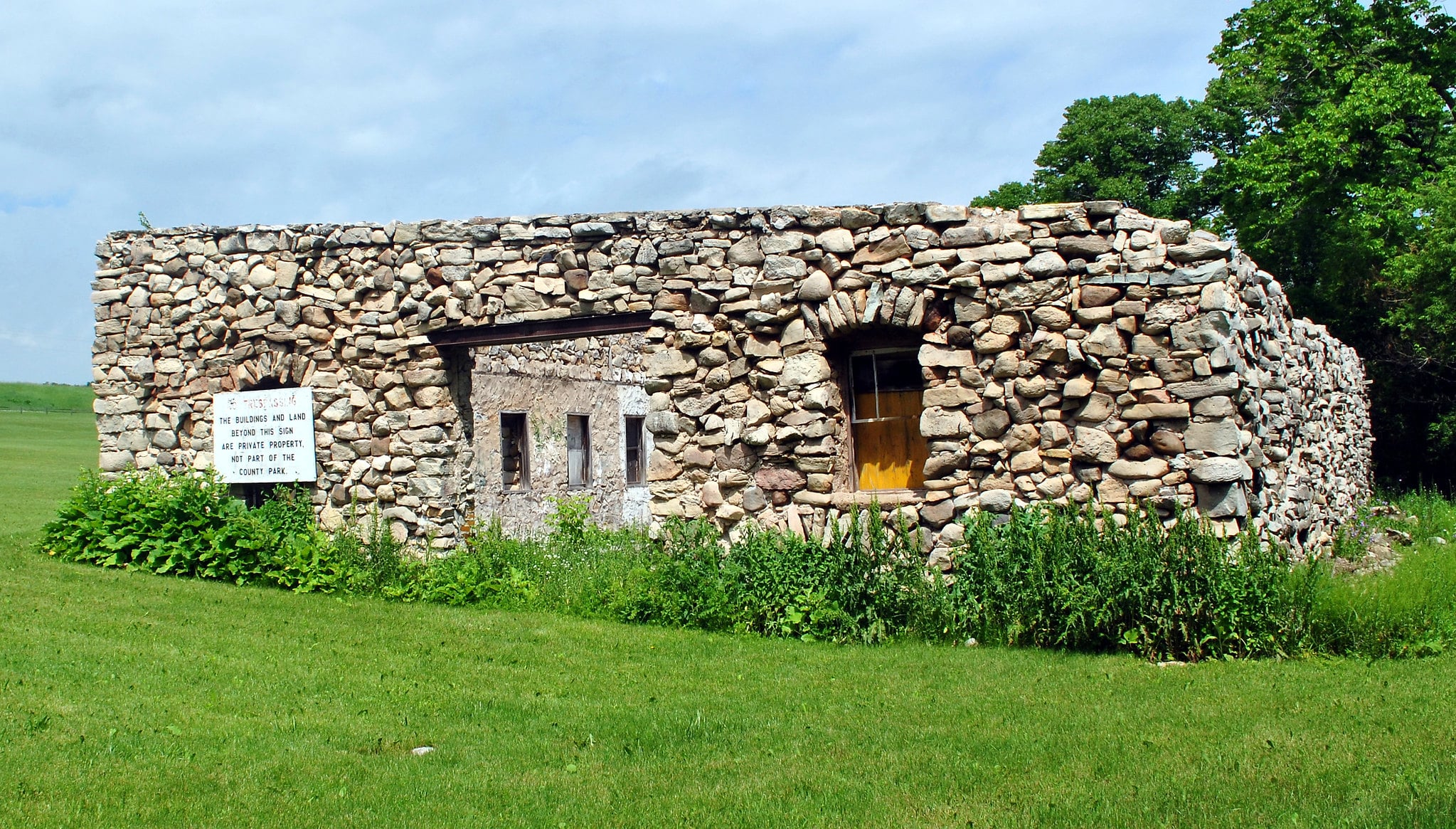
Cave hotels have flipped traditional luxury on its head by embracing spaces most builders would avoid. In Cappadocia, centuries-old cave dwellings now house boutique hotels where stone walls stay naturally cool, and arched ceilings make everything feel quiet and sacred.
In Santorini, volcanic cliffs host suites with infinity pools, while in Arkansas, a former mine now contains surprisingly elegant limestone rooms. These spaces connect guests to history and landscape in ways no conventional hotel can.
Treehouses have followed a similar path from childhood fantasy to grown-up indulgence. In northern Thailand, open-air structures climb living trees, offering panoramic jungle views.
In Wales, eco-friendly treehouses blend seamlessly into ancient forests, complete with underfloor heating and wood-fired hot tubs. African safari lodges take it further, with elevated platforms letting guests fall asleep to the sounds of wildlife below.
Across all these examples, elevation—both literal and experiential—gives guests a sense of escape from the everyday.
Beneath the Surface

Underwater hotels might be the boldest gamble in modern luxury, requiring enormous engineering for just a few guests. The Maldives pioneered the trend with suites below sea level, featuring acrylic walls that turn reefs into living artwork.
Dubai followed with its own submerged rooms, where arrival feels like a theatrical submarine descent. These experiences aren’t aquarium visits—they’re multi-day immersions where the line between guest and ecosystem blurs in the most thrilling way.
Guests often describe a sense of intimacy, almost as if the ocean is holding them. Daylight filters differently through the water, creating a hypnotic rhythm that many say recalibrates their internal clocks.
Luxury here isn’t about comfort—it’s about changing the way you feel.
Technology That Disappears

Smart hotel tech has matured past gimmicks because the best systems anticipate needs rather than demand attention. Rooms can adjust temperature before arrival, recommend restaurants, and subtly alter lighting as the day progresses.
Guests rarely touch controls or open apps because everything works seamlessly. It feels as though a long-time staff member prepared the space just for them.
The most valuable innovations happen quietly. Air conditioning fixes itself before failure, amenities never run out, and guest scheduling flows smoothly without effort.
When technology succeeds in luxury hotels, it vanishes—leaving only the sense that everything is effortless.
Wellness Beyond the Spa Menu

Wellness hotels have proliferated, but the properties redefining luxury go far beyond gyms with fluffy robes. They integrate traditional medicine practices with modern diagnostics and personalized programs.
Guests may arrive for multi-day protocols involving sleep optimization, microbiome-based meal plans, or bespoke exercise regimens. The aim isn’t just relaxation—it’s total recalibration.
Architecture supports this mission through design that enhances sunlight, minimizes interference, and guides behavior subtly. Some hotels remove alcohol, replace coffee with adaptogenic drinks, or eliminate TVs entirely.
These restrictions feel empowering rather than limiting, encouraging guests to extend their stays.
Sustainability That Doesn’t Apologize
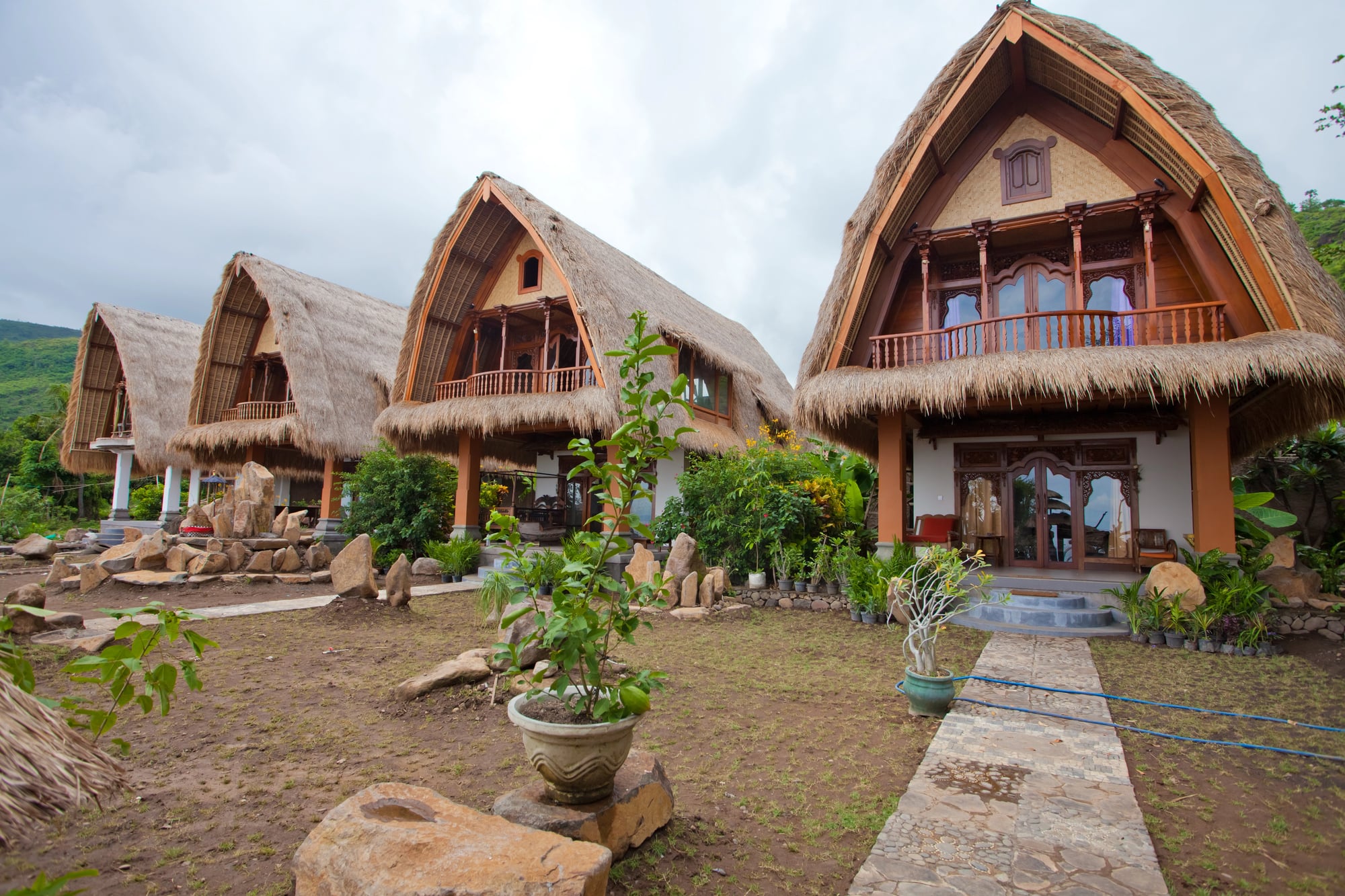
Eco-luxury once meant giving up comfort for the environment. Now, the smartest hotels treat sustainability as a design opportunity, creating better experiences than traditional approaches.
Off-grid resorts in Patagonia produce their own energy through hydro and solar systems. Independence allows them to operate in delicate landscapes responsibly.
Hotels use furniture made from fallen trees, rammed earth, and recycled ocean plastic. Locally sourced materials reduce emissions while giving each property a unique sense of place.
Guests now see real luxury as enjoying something without leaving a negative mark on the planet.
Cultural Immersion as Currency

The old model treated hotels as bubbles shielding guests from local life. Today, the best properties act as gateways into culture, offering experiences travelers couldn’t access alone.
Japanese ryokans have always mastered this balance, teaching guests about seasonal rituals, cuisine, and architecture. Now, hotels worldwide are hiring cultural experts alongside hospitality staff.
In Bhutan, lodges serve as basecamps for exploring monasteries with resident scholars guiding guests. In Mexico, properties partner with indigenous communities for workshops in textiles, cooking, and medicinal plants.
The hotel’s role is no longer just accommodation—it’s a translator connecting guests to culture.
Personalization Without Intrusion
Luxury personalization now anticipates needs without crossing boundaries. Successful properties surprise guests with meaningful touches like favorite wines or perfectly timed restaurant bookings.
Guests don’t fill out forms or make requests. The hotel simply observes and adapts.
Staff training focuses on subtlety and empathy. Employees read energy and cues, adjusting service for each personality.
This quiet attentiveness defines modern elite hospitality more than any grand gesture could.
Why Luxury Keeps Changing

The evolution of luxury mirrors how travelers think about value. Flaunting wealth feels outdated, while meaningful experiences and personal transformation command new prestige.
Hotels embracing this shift are modest in scale yet rich in purpose. They are rooted in place and unafraid to rethink what service and design mean.
The reinvention continues as remote work, climate change, and new values reshape hospitality. The hotels that thrive will be those that see luxury not as status, but as possibility—offering moments that can’t exist anywhere else.
More from Go2Tutors!

- The Romanov Crown Jewels and Their Tragic Fate
- 13 Historical Mysteries That Science Still Can’t Solve
- Famous Hoaxes That Fooled the World for Years
- 15 Child Stars with Tragic Adult Lives
- 16 Famous Jewelry Pieces in History
Like Go2Tutors’s content? Follow us on MSN.