Secrets About the White House Most Americans Don’t Know
A single structure stands seen by millions through lenses and screens – still, its inner story stays hidden. Those pillars out front? Just the surface.
Behind them, rooms breathe changes most never notice. Wars left marks.
Fire once gutted everything. Each crisis carved a quiet shift, unseen.
Today’s guards, wires, and walls grew from old scars. Cameras show symmetry.
They miss the layers beneath. This old house keeps secrets way beyond what any picture could show.
It Was Almost Lost to Structural Failure

By the late 1940s, the White House was in serious trouble. Floors sagged, walls cracked, and chandeliers swayed when people walked across rooms.
President Harry Truman even reported hearing unexplained creaks at night, which turned out not to be ghosts but a building on the brink of collapse.
Between 1948 and 1952, the interior was completely gutted while the exterior walls were preserved. Workers rebuilt the inside with a steel frame, essentially constructing a new building within the old shell.
Most Americans assume the White House today is largely original. In reality, much of what stands behind those familiar white walls dates to the mid-20th century reconstruction.
There Is a Secret Bunker Beneath It
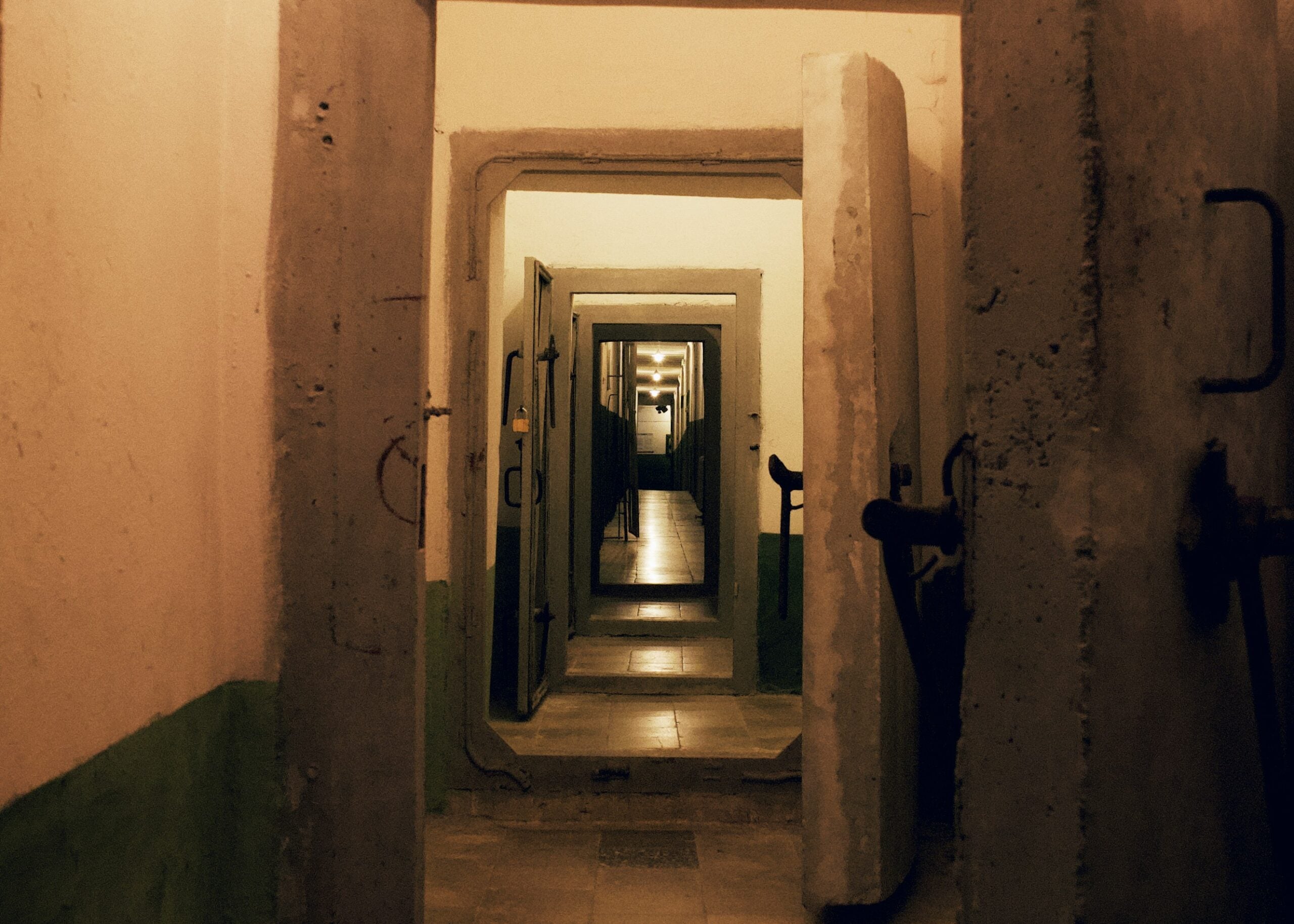
Beneath the East Wing lies the Presidential Emergency Operations Center, a fortified bunker built during World War II. It was designed to protect the president during air raids and later adapted for Cold War threats.
Though details remain limited for security reasons, its existence is publicly acknowledged.
The bunker briefly entered public awareness on September 11, 2001, when Vice President Cheney was taken there during the attacks. The White House may look like a stately mansion above ground, but below it sits infrastructure built for worst-case scenarios.
It functions as both symbol and shield.
The West Wing Was Not Part of the Original Design
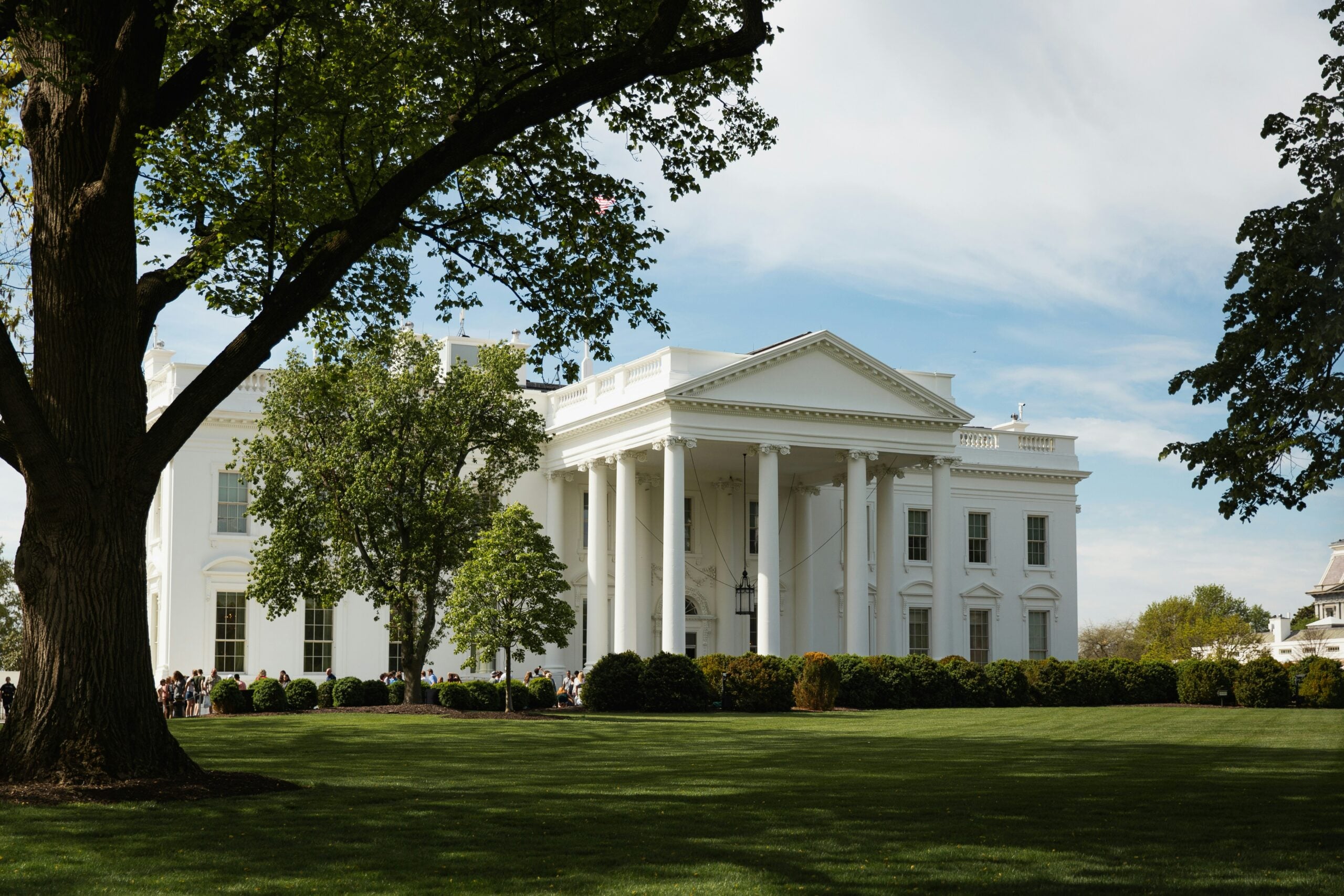
When John Adams moved into the White House in 1800, there was no West Wing. The original building served strictly as both residence and workspace.
As presidential duties expanded, space became tight and chaotic.
In 1902, President Theodore Roosevelt oversaw a major renovation that added the West Wing to separate family life from official business. Later, President William Howard Taft created the Oval Office inside that extension.
What many assume to be a permanent fixture of American politics is actually an early 20th-century solution to overcrowding.
The White House Has Been Repainted Constantly

The iconic white color did not begin as a design choice. After the British set fire to the building during the War of 1812, workers applied thick coats of white paint to conceal smoke damage and protect the porous sandstone exterior.
Over time, that practical decision became tradition.
Today, repainting the exterior requires hundreds of gallons of specialized paint. The bright facade suggests permanence and polish, but maintaining that look demands ongoing attention.
The building’s appearance depends on routine restoration rather than untouched history.
There Is a Private Movie Theater Inside
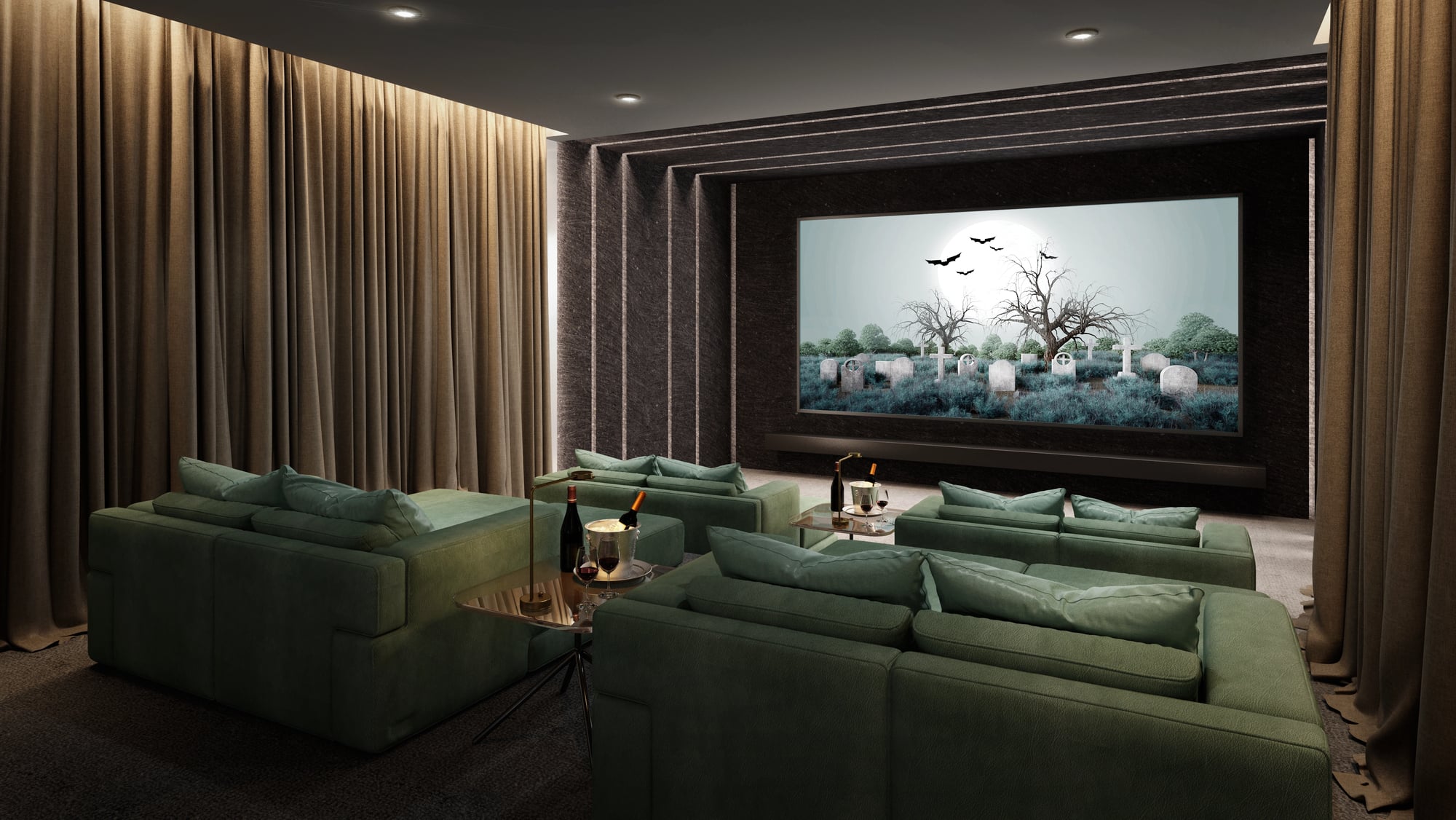
Few people realize that the White House includes a small movie theater on the ground floor of the East Wing. Installed in 1942 under President Franklin D. Roosevelt, the theater was originally intended for reviewing wartime footage.
Over the decades, it evolved into a space for screenings and private entertainment.
Modern presidents have hosted film premieres and private viewings there. The presence of a theater inside the executive mansion underscores how the building serves as both home and command center.
It balances public responsibility with moments of ordinary domestic life.
The Bowling Alley Is Real
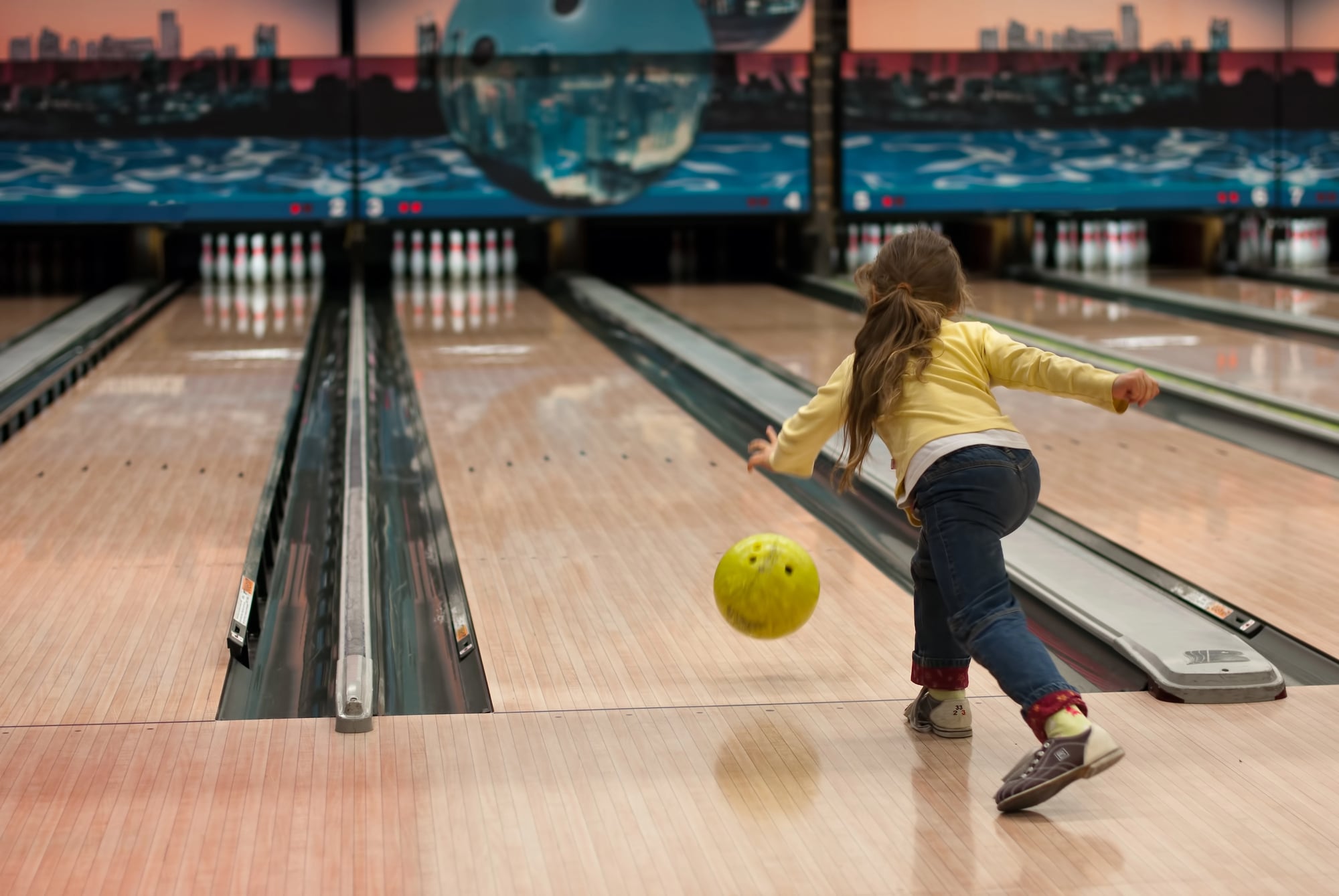
A game of bowling once caught Harry Truman’s attention back in 1947 – so they put a lane inside the White House. That version did not last forever, eventually getting torn out.
Years passed before Richard Nixon wanted his own turn, leading to another built below the North Portico by 1969.
Still used now. Though choices are made up above, down below there’s something you’d expect at a neighborhood pool instead.
That little thing seems odd here, still shows how every leader adds quiet marks of themselves.
The Rose Garden Was Once a Stable Yard

The White House Rose Garden is now a setting for press conferences and diplomatic ceremonies. Originally, however, the area functioned as a stable yard in the early 19th century.
The transformation into a formal garden began in 1913 under First Lady Ellen Wilson.
Later redesigns under President John F. Kennedy and horticulturist Rachel Lambert Mellon shaped the layout seen today. What appears timeless is actually the result of layered landscaping choices over more than a century.
Even the most ceremonial spaces evolved from practical beginnings.
It Has Hidden Passageways

The White House contains several discreet corridors designed for security and logistical movement. Some allow staff to move efficiently between wings without passing through public areas.
Others were added to provide secure exits during emergencies.
These passageways are not part of official tours, yet they are documented by historians and former staff members. The building’s public rooms project openness, but behind them lies a network designed for privacy and protection.
That duality reflects the unique pressures placed on the presidency.
It Operates Like a Small Town

At any given time, hundreds of staff members work inside the White House complex. From chefs and florists to electricians and archivists, the building functions with the coordination of a small municipality.
The Executive Residence alone requires full-time maintenance crews.
Meals are prepared daily, events are staged, and historic artifacts are preserved under careful supervision. While televised moments focus on speeches and state dinners, daily operations resemble a carefully choreographed system.
The building runs continuously, long after cameras power down.
It Was Built by Enslaved Labor

One of the lesser-discussed facts about the White House is that enslaved African Americans contributed to its construction in the 1790s. Historical payroll records document payments to slave owners whose laborers quarried stone, cut timber, and performed skilled craftsmanship.
That reality complicates the building’s symbolism. The residence of the president, often described as a monument to democracy, was constructed in part through forced labor.
Acknowledging that history does not diminish the structure’s importance. It deepens understanding of how national ideals evolved alongside contradiction.
It Has Survived More Than One Fire

The British burning in 1814 is the most famous attack, but it was not the only time flames threatened the building. Smaller fires and electrical incidents occurred in the 19th and early 20th centuries.
Each incident prompted upgrades in safety measures.
Survival became part of the White House identity. Its resilience mirrors the country’s own turbulent path.
Though rebuilt and reinforced repeatedly, the structure endures as a symbol of continuity.
The Building Is Smaller Than It Looks

Television angles and ceremonial staging can make the White House appear massive. In reality, while it contains 132 rooms and spans roughly 55,000 square feet, its footprint is modest compared to modern office complexes.
Its power comes less from size and more from symbolism.
The structure’s scale feels intimate relative to the responsibilities housed within it. That contrast between physical space and political weight adds to its mystique.
The building does not dominate through height or sprawl. It commands attention through history.
Why It Still Holds Power

Not just a building, the White House carries change inside its bones. Layers of fixes and fresh ideas run through it.
Where walls trembled long ago, steel now holds firm. Below polished meeting spaces, hidden shelters lie waiting.
What used to be stables now grows flowers under open sky.
What often goes unnoticed changes how you see it. Not stuck in the past, the building has weathered disputes, contradictions, yet still stands.
Shaped by emergencies, negotiation, day after day attention. Behind its clean surface sits proof – familiar icons keep evolving, held up as much by what came before as by work never done.
More from Go2Tutors!

- The Romanov Crown Jewels and Their Tragic Fate
- 13 Historical Mysteries That Science Still Can’t Solve
- Famous Hoaxes That Fooled the World for Years
- 15 Child Stars with Tragic Adult Lives
- 16 Famous Jewelry Pieces in History
Like Go2Tutors’s content? Follow us on MSN.