How Are Deserts Actually Formed?
Most people think of deserts as places where the sun beats down on endless sand dunes. But deserts are much more varied than that stereotype makes them out to be. Some rocky plateaus that never see a grain of sand are also technically deserts.
It’s not the heat or sand that makes a desert a desert; it’s the lack of water. A desert is any place that gets less than 25 centimeters (about 10 inches) of rain or snow each year, no matter how cold or hot it is.
The formation of deserts is a fascinating mix of geography, atmospheric science, and sometimes even people. Mountains, ocean currents, wind patterns, and the Earth’s rotation all help make these dry places. Here are real ways that deserts form on Earth.
Hadley Cells
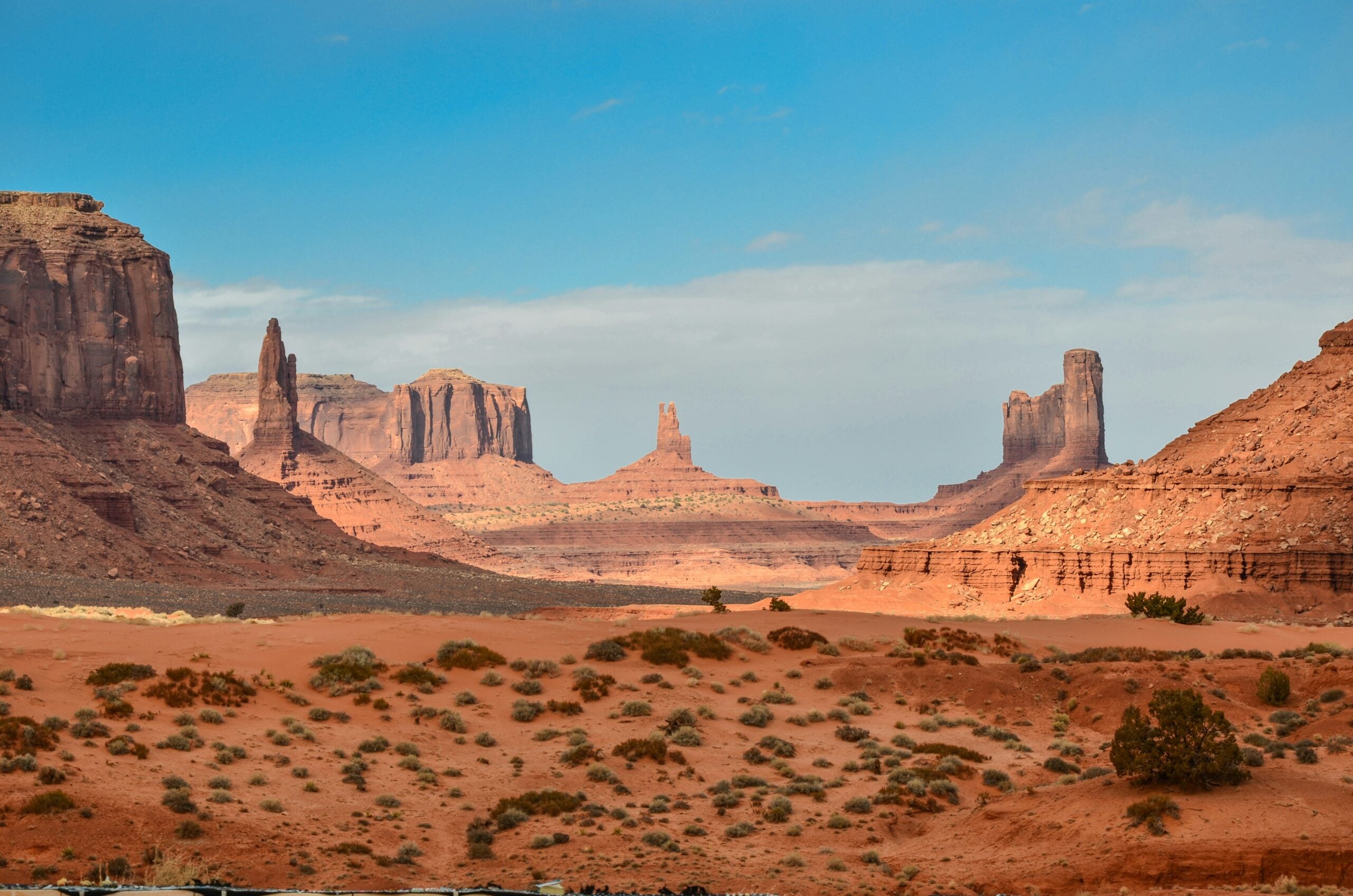
The Earth’s rotation and uneven heating create massive air circulation patterns called Hadley cells, which are responsible for some of the world’s largest deserts. Hot air rises at the equator, loses its moisture as rain over tropical rainforests, then travels toward the poles as dry air.
Around 30 degrees north and south latitude, this now-dry air sinks back down in subtropical high-pressure belts, compresses, and heats up even more. The Sahara Desert and Australian Outback both sit right in these zones, where persistent descending air suppresses convection and makes rain nearly impossible.
Rain Shadow Effect
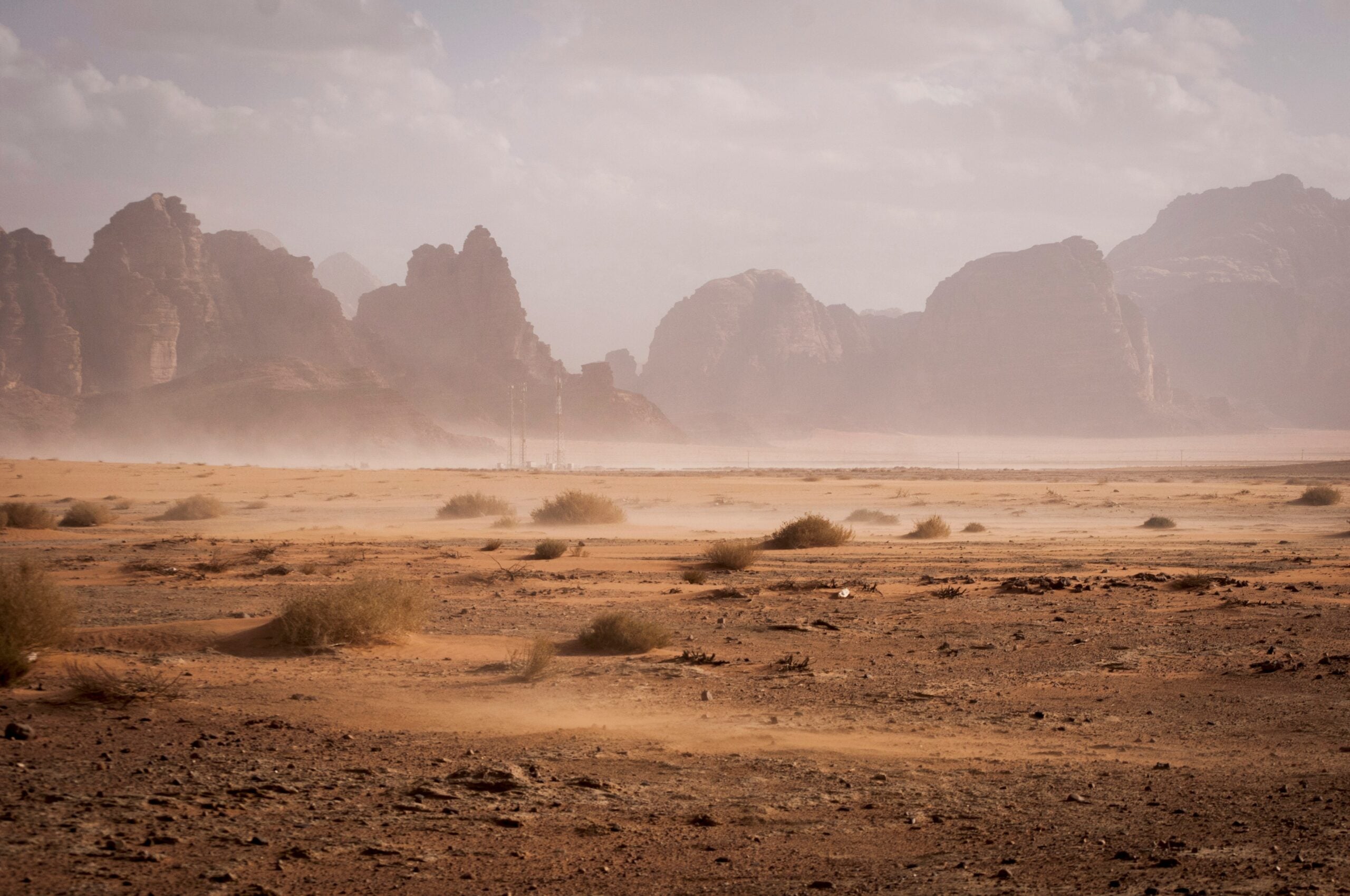
Mountains act like giant moisture thieves, stealing water from one side and leaving the other bone dry. When moist air hits a mountain range, it’s forced upward where it cools and dumps its moisture as rain or snow on the windward side.
By the time the air crosses over to the leeward side, it’s lost almost all its water and actually warms up as it descends. The Mojave Desert sits east of the Sierra Nevada and south of the Cascades, existing because these mountain ranges block moisture from the Pacific Ocean and create a rain shadow that keeps the region perpetually parched.
Like Go2Tutors’s content? Follow us on MSN.
Cold Ocean Currents
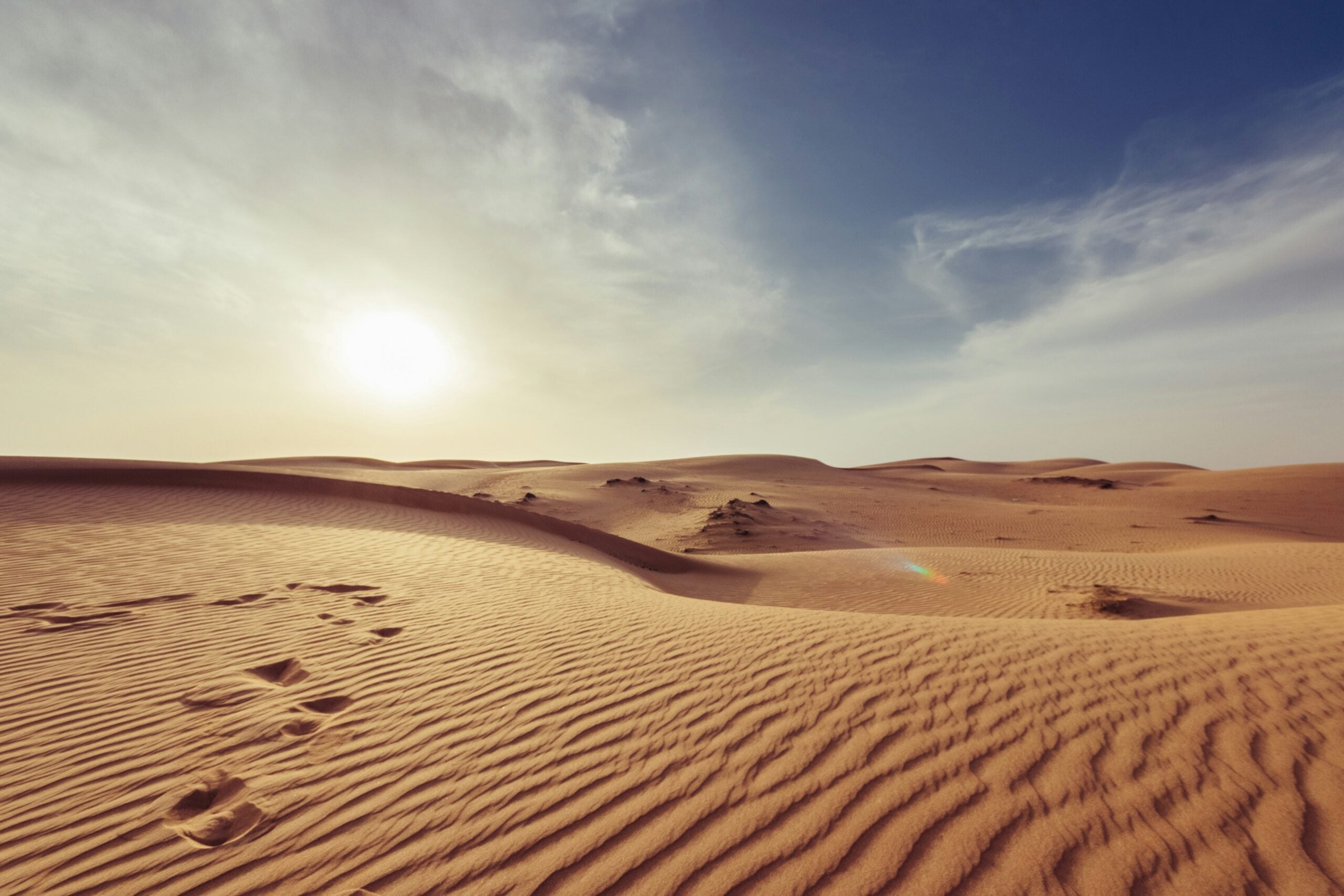
Cold water flowing along coastlines can create some of the driest places on Earth, which seems counterintuitive when you’re right next to the ocean. The cold currents chill the air above them, and cold air can’t hold much moisture.
This creates fog that hangs over coastal areas but rarely turns into actual rain because the air never warms up enough. The Atacama Desert in Chile is so dry that some areas receive less than 0.04 inches of rain annually, all thanks to the cold Humboldt Current (also called the Peru Current) running along the coast.
Continental Interior Location

The farther you get from large bodies of water, the drier things tend to become—it’s simple geography. Ocean winds lose their moisture as they travel inland, dropping rain along the way until they’ve got nothing left to give.
By the time these winds reach the heart of a continent, they’re completely tapped out. The Gobi Desert sits so far inland, bounded by the Himalayas to the south, the Pamirs to the west, and the Altai ranges to the north, that ocean breezes arrive there stripped of every bit of humidity they once carried.
Subtropical High-Pressure Zones
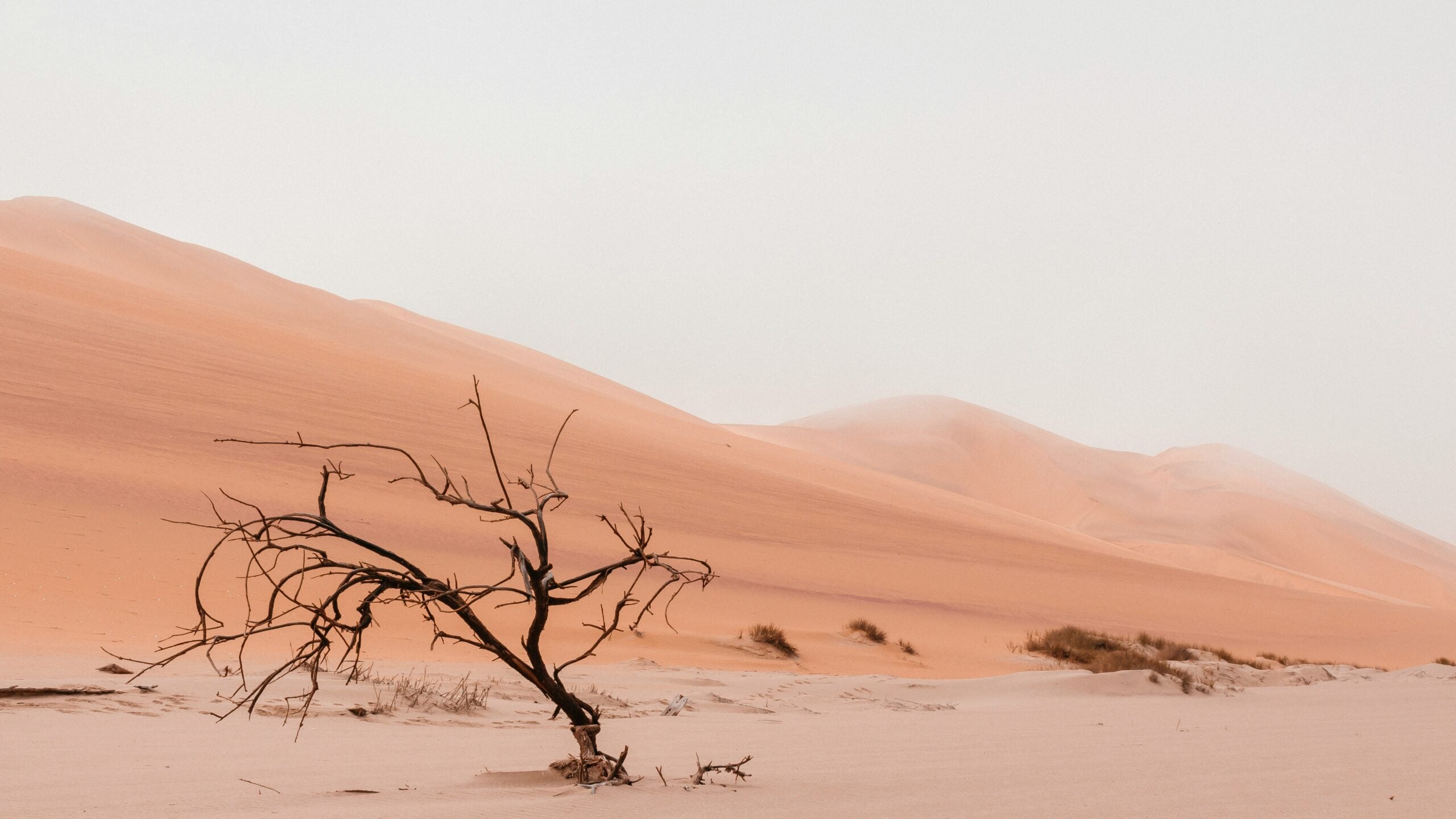
Permanent or semi-permanent high-pressure systems park themselves over certain regions and essentially ban clouds from forming. High pressure means descending air, and this persistent descending air suppresses convection, preventing the upward movement needed for cloud formation and rainfall.
These systems are incredibly stable and can dominate an area for months or even year-round. The Sahara sits under one of these high-pressure zones, which is why cold fronts that bring rain to other regions never make it there—the high pressure acts like an invisible barrier pushing storms away.
Like Go2Tutors’s content? Follow us on MSN.
Distance from Moisture Sources

Deserts often form in places that are just too far from oceans, lakes, or other water sources to receive much precipitation. Air masses traveling from coastal areas gradually lose moisture through precipitation along their journey inland.
What starts as humid ocean air becomes progressively drier with each mile it travels over land. Eventually, in the most remote continental interiors like Central Asian deserts and the interior deserts of North America, there’s simply no moisture left in the air to form clouds or produce rain.
Orographic Lift

When prevailing winds blow perpendicular to a mountain range, they’re forced to climb, and that’s when the magic happens—or rather, when the moisture disappears. As air rises up the mountain slope, it expands and cools, causing water vapor to condense into clouds and precipitation.
This leaves the mountains’ windward side lush and green while the leeward side becomes a desert. Death Valley, one of the hottest places on Earth, lies in the rain shadow of both the Sierra Nevada to the west and the Panamint Range, creating some of the most extreme desert conditions found anywhere.
Katabatic Winds

In polar regions, gravity-driven winds called katabatic winds race downhill from ice sheets and contribute to desert conditions. These winds form when cold, dense air slides down from elevated ice-covered areas toward lower elevations.
The McMurdo Dry Valleys in Antarctica stay ice-free partly because these powerful winds—which can exceed 100 miles per hour—prevent snow accumulation and create some of the driest conditions on the planet. They’re basically nature’s way of keeping certain polar areas swept clean of precipitation.
Like Go2Tutors’s content? Follow us on MSN.
Earth’s Rotation and Wind Patterns

The Coriolis effect, caused by Earth’s rotation, influences global wind patterns that determine where deserts form. Winds don’t blow straight north or south—they curve because the planet is spinning beneath them, deflecting winds to the right in the Northern Hemisphere and to the left in the Southern Hemisphere.
This creates predictable wind belts around the globe that either bring moisture or withhold it. The subtropical regions where many deserts form are caught in wind patterns that favor dry, descending air rather than the moist, rising air that produces rain.
Evaporation Exceeding Precipitation

Some regions become deserts simply because water evaporates faster than it falls from the sky. High temperatures, low humidity, and strong winds all accelerate evaporation rates.
Even if an area receives a few inches of rain per year, if the evaporation rate is higher, the landscape remains desert-like. This creates a vicious cycle where the lack of vegetation means less moisture in the soil, which leads to even more evaporation and less chance of plant life taking hold.
Cold Polar Temperatures
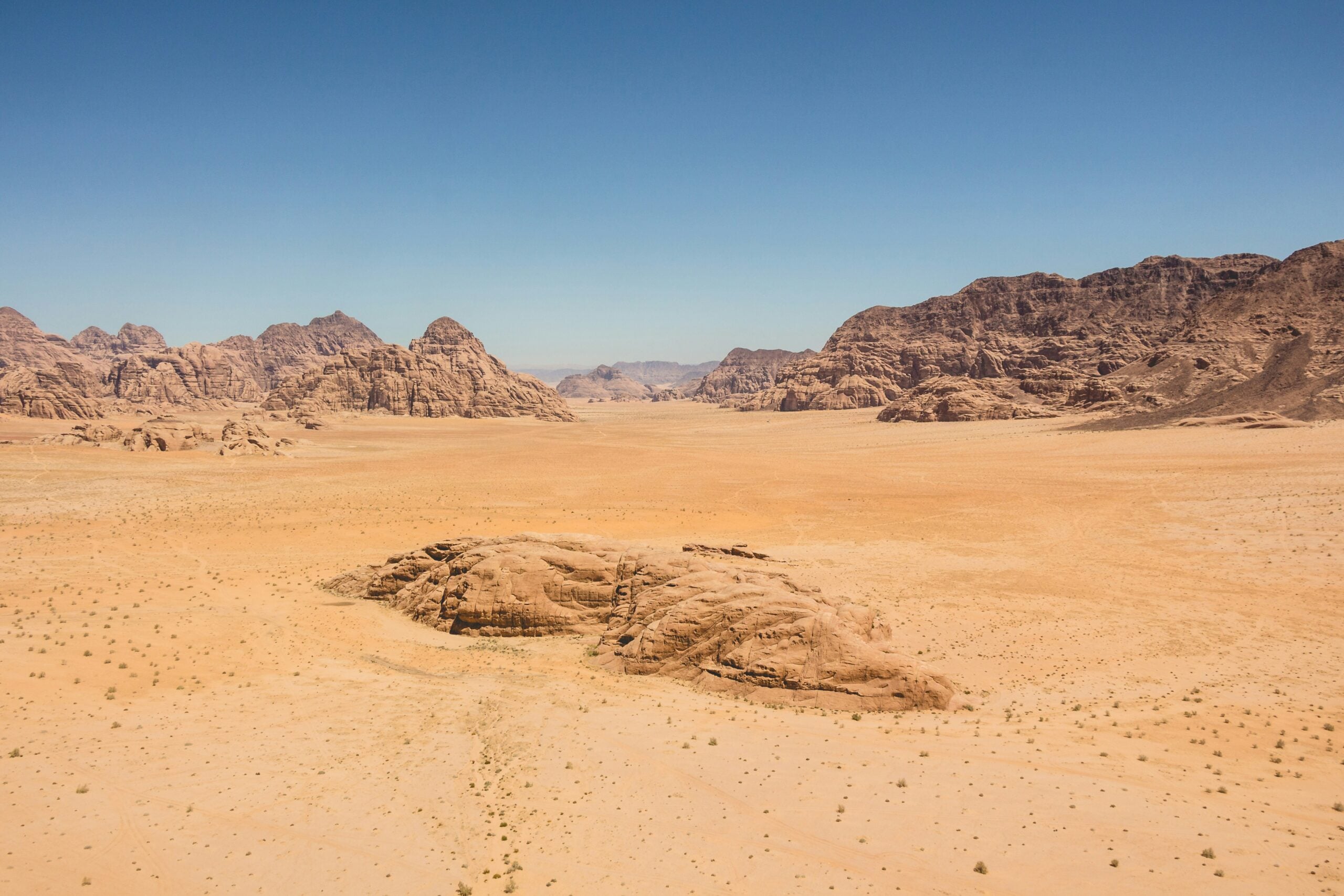
Polar deserts form not because of heat, but because extreme cold prevents moisture from cycling through the atmosphere normally. The Antarctic interior receives only about 50 millimeters of precipitation per year, making it technically drier than the Sahara.
The air is so cold that it can’t hold much water vapor, and what little moisture exists often sublimates directly from ice to vapor without ever becoming liquid water. Ice may cover the landscape, but it accumulated over millions of years—current precipitation is minimal.
Like Go2Tutors’s content? Follow us on MSN.
Coastal Fog Without Rain
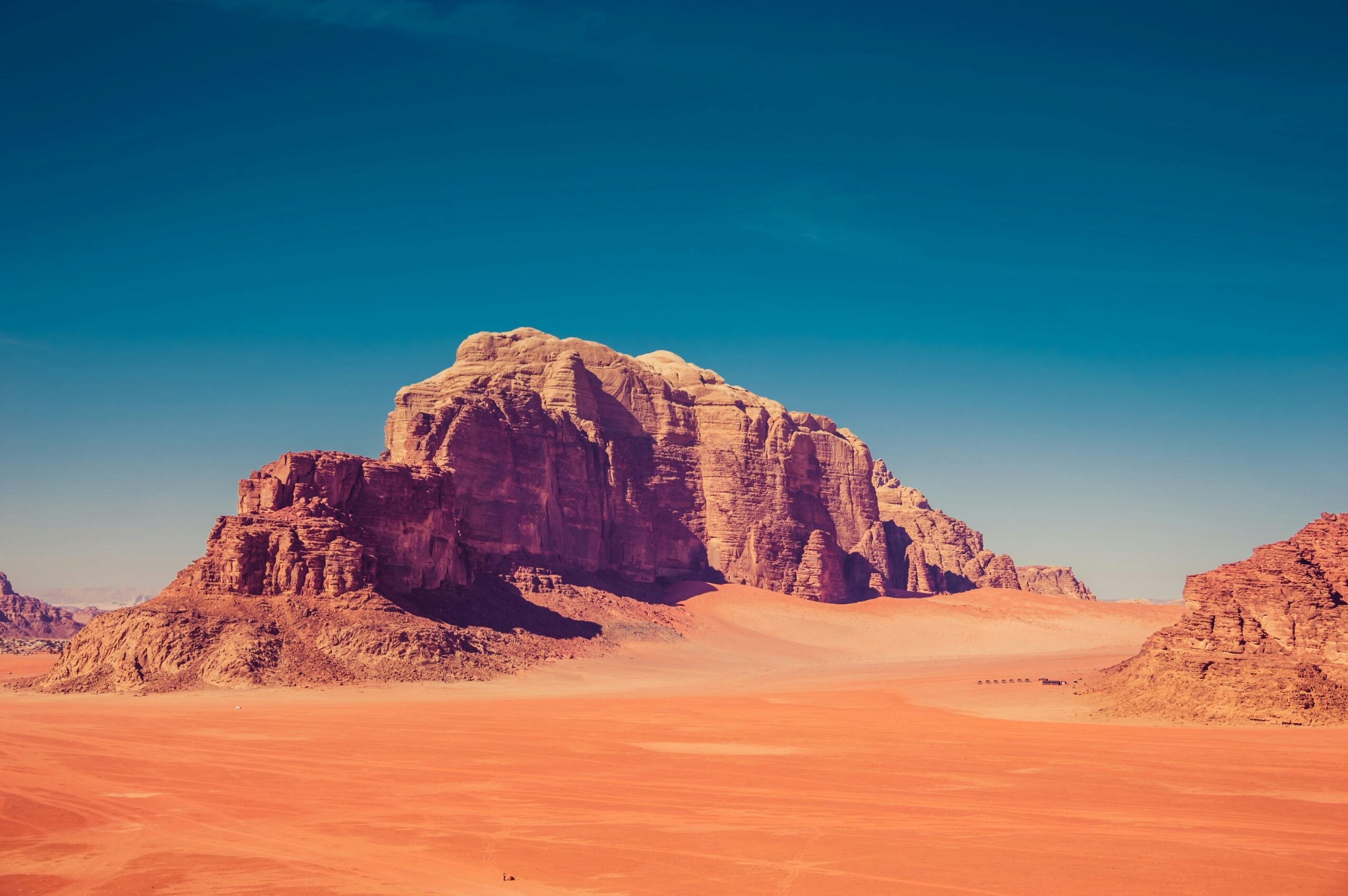
Some coastal deserts experience an odd phenomenon where thick fog rolls in regularly but never produces actual rainfall. Cold ocean water chills the air above it, creating dense fog banks that drift onshore.
However, because the air never warms enough and wind patterns keep pushing the fog inland without letting it rise, the moisture never condenses into rain. Both the Namib and Atacama coasts receive moisture through fog drip rather than rainfall—specialized plants and insects capture water droplets directly from the fog, but it’s never enough to break the desert’s grip on the landscape.
Geographic Latitude

Most of the world’s hot deserts cluster around two specific latitude bands—roughly between 20 and 35 degrees north and south of the equator. This isn’t coincidence; it’s where the global atmospheric circulation patterns naturally create dry zones.
The air that rises at the equator and loses its moisture doesn’t just disappear—it flows toward the poles and descends around these latitudes. This creates a belt of deserts circling the globe, including the Sahara, Arabian, Kalahari, and Australian deserts.
Where Past Meets Present

Desert formation isn’t something that happened once and is still happening. It happens all over the world right now.
Climate change is changing the way it rains and the temperatures, which could make some areas into deserts and let plants grow back in others. The same forces that carved out the Sahara millions of years ago are still changing landscapes today, but we don’t always see them happening.
Knowing how deserts form helps us guess where they might grow or shrink in the next few decades. This information is becoming more important as water shortages affect more areas.
These dry areas that look like they will last forever are actually dynamic systems that are always changing in response to the atmospheric, oceanic, and geographic forces that created them.
Like Go2Tutors’s content? Follow us on MSN.
More from Go2Tutors!

- 16 Historical Figures Who Were Nothing Like You Think
- 12 Things Sold in the 80s That Are Now Illegal
- 15 VHS Tapes That Could Be Worth Thousands
- 17 Historical “What Ifs” That Would Have Changed Everything
- 18 TV Shows That Vanished Without a Finale
Like Go2Tutors’s content? Follow us on MSN.