How Coffee Is Made
Coffee is one of the world’s most beloved drinks.
Most people have no idea how much work goes into creating that perfect cup.
From a tiny seed planted in tropical soil to the steaming mug in your hand, coffee goes through an incredible transformation that involves farmers, processors, roasters, and countless other dedicated professionals.
The journey is far more complex and fascinating than you might think.
Understanding how coffee is made gives you a whole new appreciation for every sip.
Here is a list of 13 essential steps that transform a simple seed into the coffee you love.
Planting Coffee Seeds
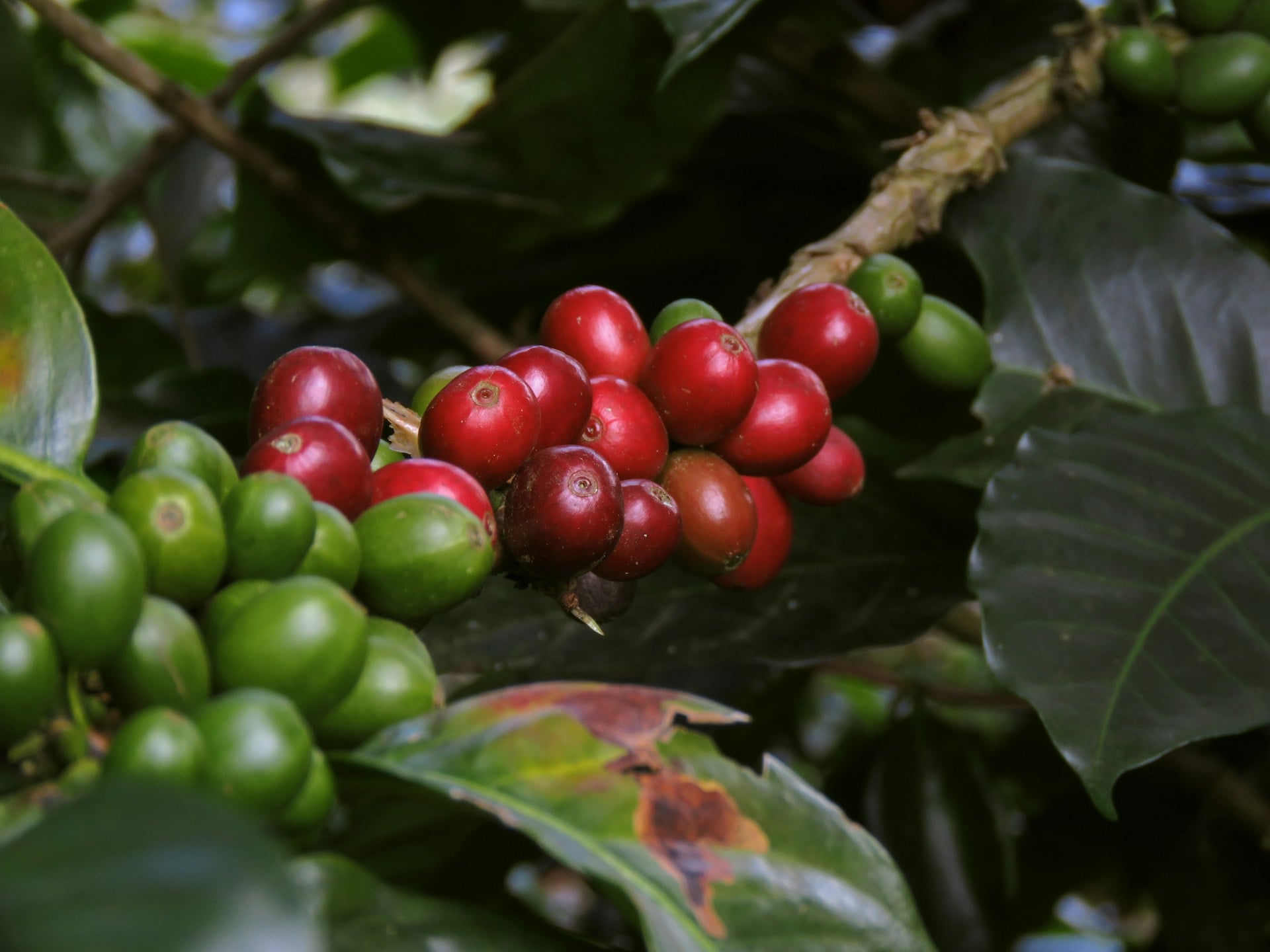
Coffee beans are actually seeds.
When unprocessed seeds are planted, they can germinate and grow into coffee plants.
The seeds are planted in large shaded beds in nurseries where they’re watered frequently and protected from bright sunlight until they sprout.
After the young seedlings establish themselves, they’re moved to individual pots with carefully formulated soil that helps their roots grow strong.
This early stage is crucial because healthy seedlings become productive coffee plants that can bear fruit for decades.
Farmers treat these baby plants with incredible care, making sure they get just the right amount of water and shade before they’re ready for the big move to permanent growing locations.
Growing to Maturity
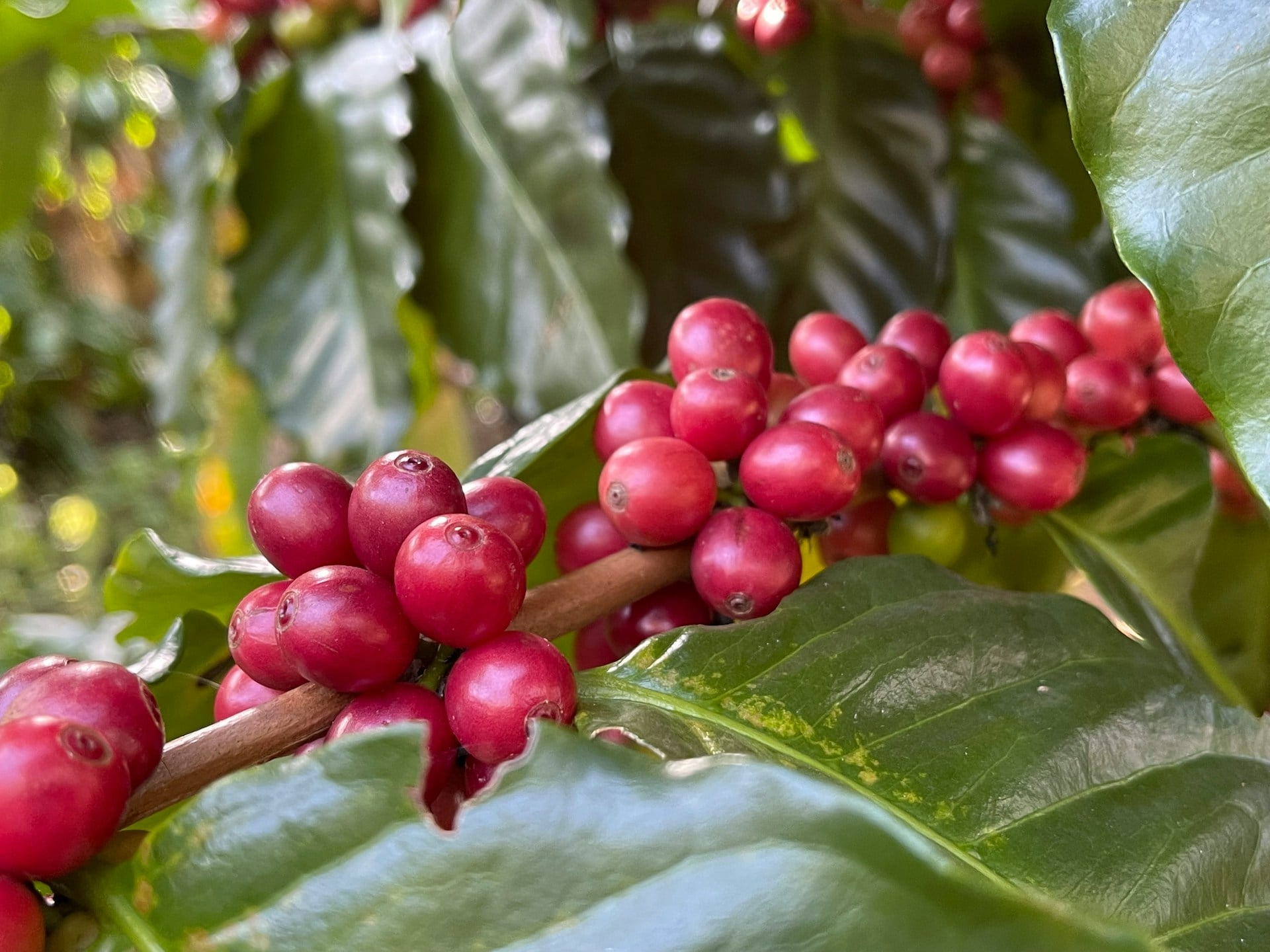
Once seedlings have strong roots and sufficient strength, they’re relocated to their permanent growing locations on coffee farms.
Depending on the variety, it takes approximately three to four years for newly planted coffee bushes to bear their first fruit.
During this time, the plants need consistent care, regular watering, and the right balance of sunlight and shade.
Coffee plants are particular about where they live.
They thrive in tropical climates with specific altitude ranges, steady rainfall, and rich volcanic soil.
The growing conditions directly impact the flavor of the final coffee.
This is why beans from different regions taste so distinct from each other.
Harvesting the Cherries
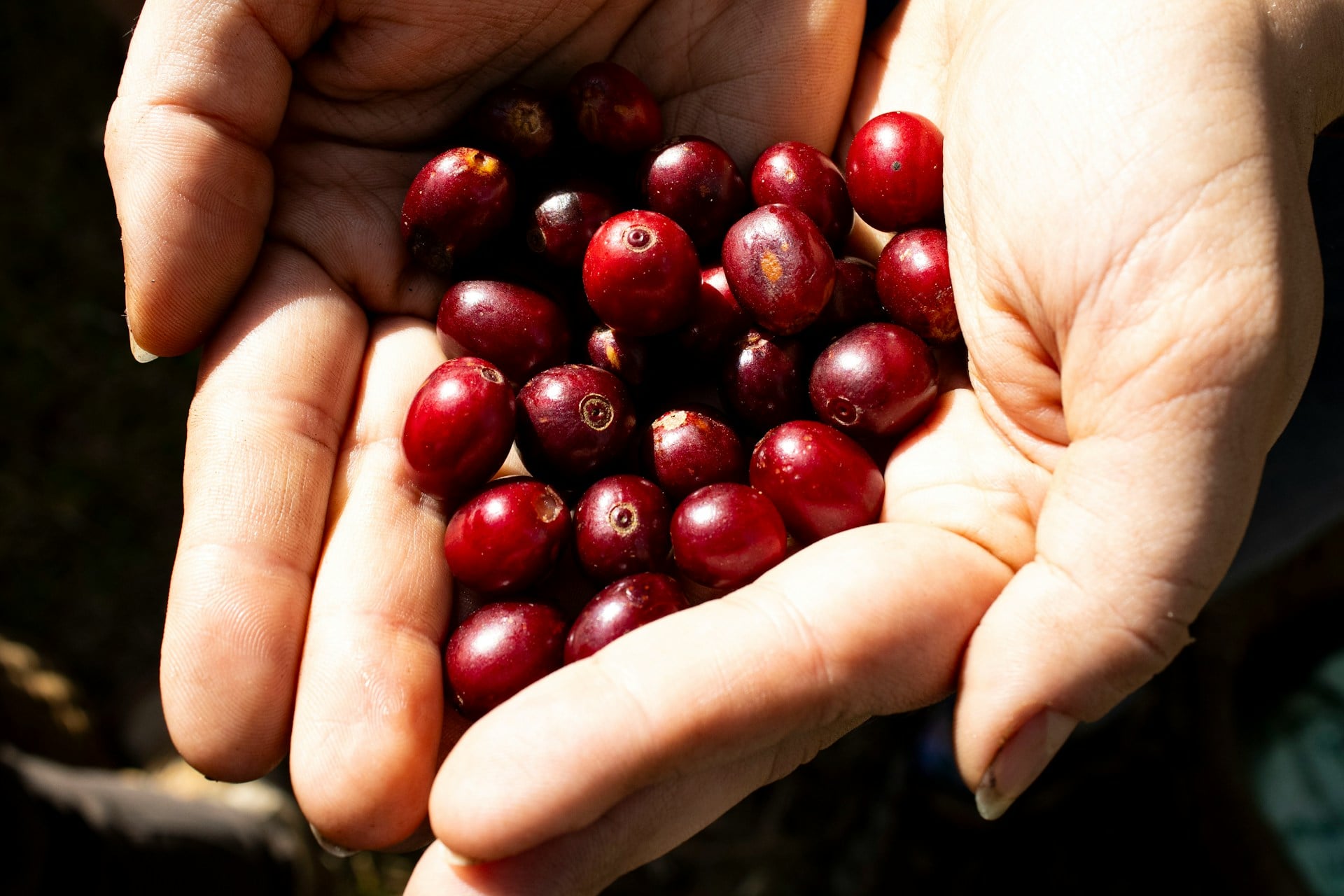
The fruit of the coffee plant is called a coffee cherry, which turns deep red when ripe and ready to be harvested.
In most countries, coffee is picked by hand in a difficult and time-consuming process.
Some places like Brazil use mechanized harvesting on large, flat fields.
There are two main harvesting methods.
Strip picking removes all cherries from the branch at once.
Selective picking involves workers individually picking only ripe cherries and returning every 8 to 10 days.
Selective picking is more expensive and labor-intensive, but it’s the preferred method for premium arabica beans because it ensures only perfectly ripe cherries make it into the batch.
The timing of the harvest makes a massive difference in quality.
Experienced pickers can tell just by looking and feeling which cherries are ready.
Processing the Cherries
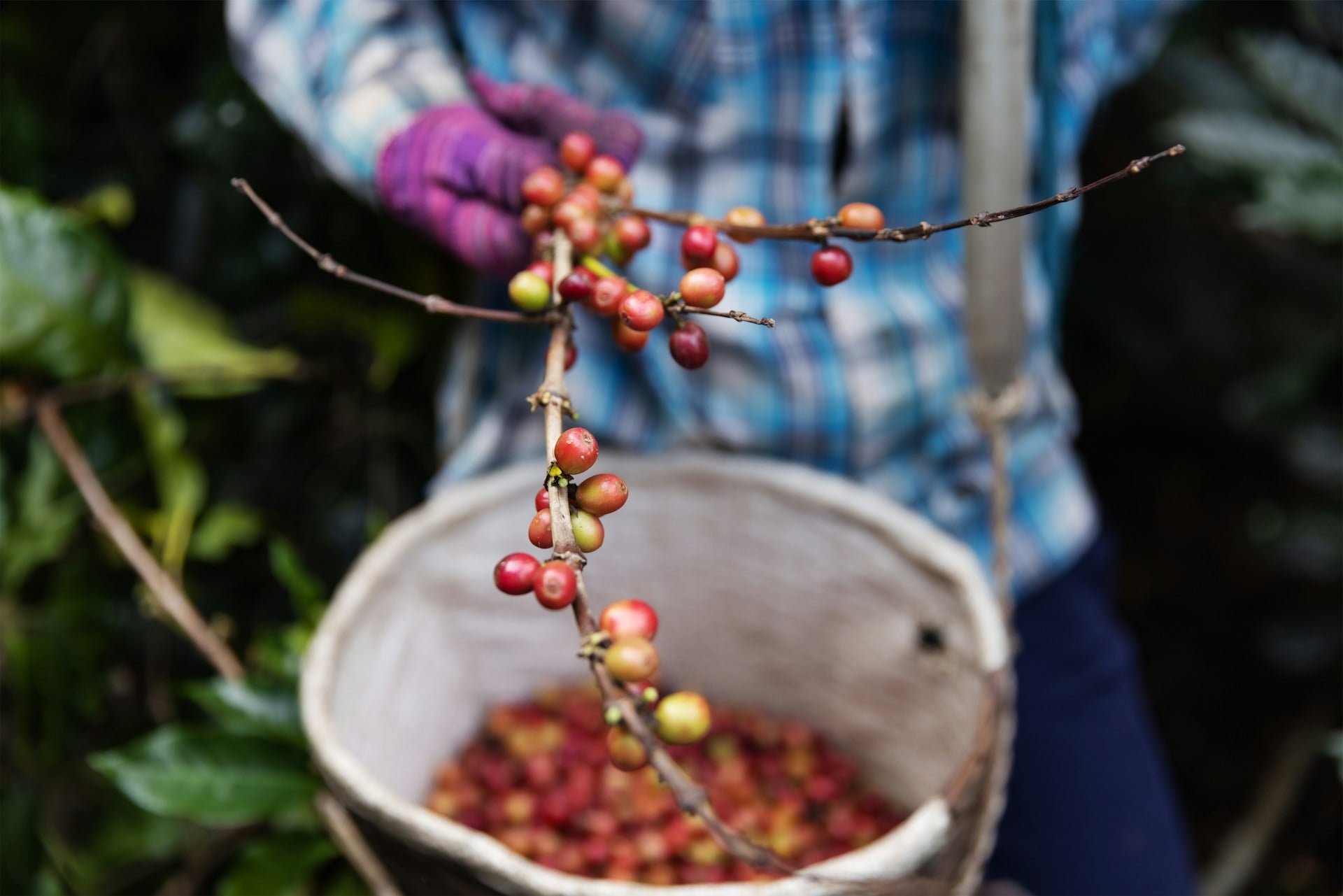
After harvesting, coffee cherries must be processed as quickly as possible to prevent spoilage.
There are three main processing methods.
The dry or natural method involves spreading cherries out to dry in the sun with the fruit intact.
The wet or washed method removes the fruit using machines, and the beans are fermented and washed in water.
The honey method is a hybrid that removes some but not all of the fruit.
Each processing method dramatically affects the final flavor of the coffee.
Natural processing tends to create sweeter, fruitier flavors.
Washed coffees are cleaner and more acidic.
The choice of processing method often depends on the region’s climate, available resources, and the desired flavor profile.
This stage is where a lot of the coffee’s unique characteristics start to develop.
Drying the Beans

In the dry method, freshly picked cherries are spread on large surfaces to dry in the sun.
They’re regularly turned and raked to ensure even drying and prevent fermentation.
Coffee beans have a moisture content of roughly 60% when picked and should be dried to around 10 to 12% to avoid rotting.
Depending on the climate, the drying process might continue for several days to a few weeks.
Getting the moisture level just right is critical.
Too much moisture and the coffee can develop mold or off flavors.
Too little and it becomes brittle and loses quality.
Some producers use mechanical dryers to speed up the process or to supplement sun drying during rainy periods.
Milling and Hulling
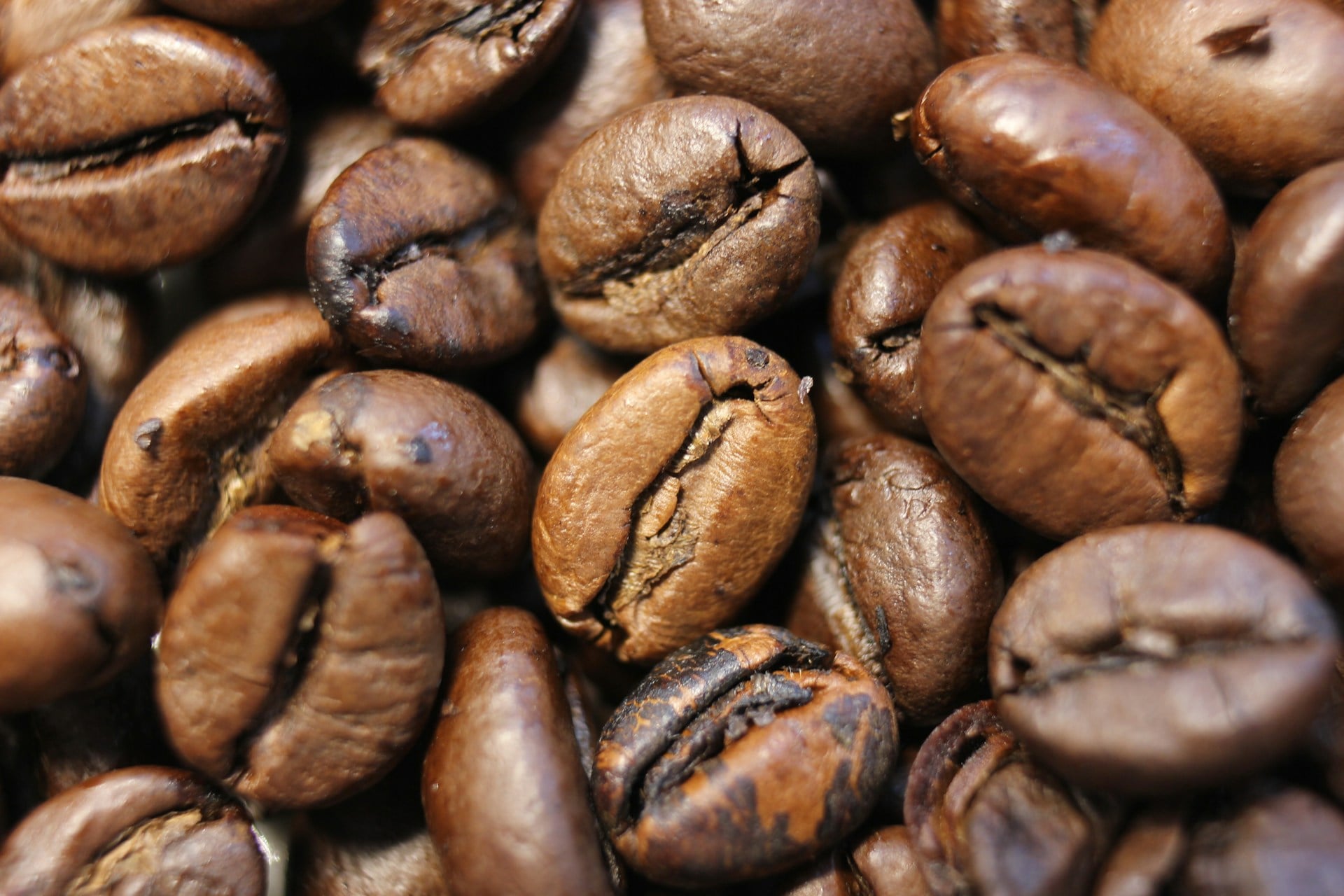
When coffee arrives at the dry mill, the beans are checked for impurities or stones before the final parchment layer is removed through hulling.
Hulling machinery removes the dried husk from the coffee bean, which is a crucial step in ensuring cleanliness.
For wet-processed coffee, hulling removes the parchment layer.
For dry-processed coffee, it removes the entire dried husk including all the cherry remains.
This is when the beans finally start to look like the green coffee that roasters work with.
The hulling process must be done carefully to avoid damaging the beans.
Modern mills use sophisticated machinery to get it just right.
Sorting and Grading

Once the parchment layer is eliminated, the beans are sorted and differentiated by size, color, and density.
Beans are sized by being passed through a series of screens.
They’re also sorted pneumatically using air jets to separate heavy from light beans.
Defective beans are removed either by hand or by computerized optical sorters.
Only the finest quality beans make it through.
Uniformly sized beans roast more evenly.
Smaller beans roast faster than larger ones, so mixing them would result in an inconsistent roast.
The grading system helps buyers know exactly what quality they’re getting.
It directly affects the price farmers receive for their coffee.
Quality Testing and Cupping
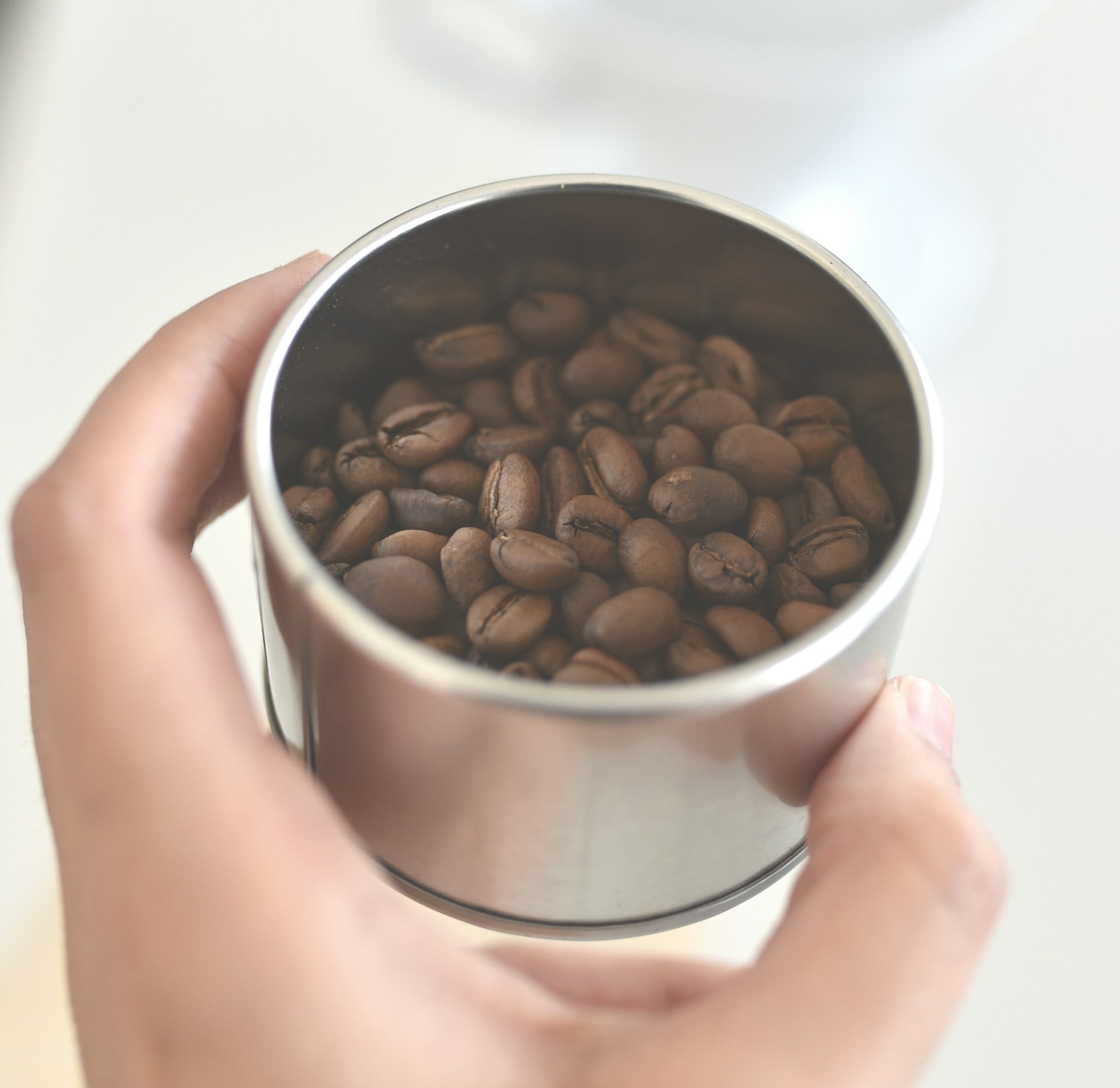
Coffee cupping involves assessing the aroma, flavor, sweetness, acidity, body, and aftertaste of brewed coffee.
Professional coffee cuppers may taste hundreds of coffees per day.
They slurp the coffee and spit it out to avoid exhausting their palate.
The cupping process tests and assesses the coffee for quality and helps determine the price.
Professional Q graders use the Specialty Coffee Association’s 100-point scale.
Before roasters purchase green coffee, they cup samples to make sure the beans meet their standards.
This step catches any defects or processing problems before the coffee gets shipped around the world.
Roasting the Beans

Roasting transforms green coffee into the aromatic brown beans we know and love.
It’s generally performed in the country where the beans will be sold since freshly roasted beans must reach consumers quickly.
When beans reach an internal temperature of about 400 degrees Fahrenheit, they begin to turn brown and release aromatic oils.
The degree of roasting, from light to dark, significantly impacts the final taste.
Light roasts retain more original flavors and acidity.
Medium roasts offer a balanced profile.
Dark roasts deliver bold, rich flavors.
Roasting is equal parts science and art.
After roasting, the beans are immediately cooled to stop the process and lock in the flavors.
Grinding the Coffee
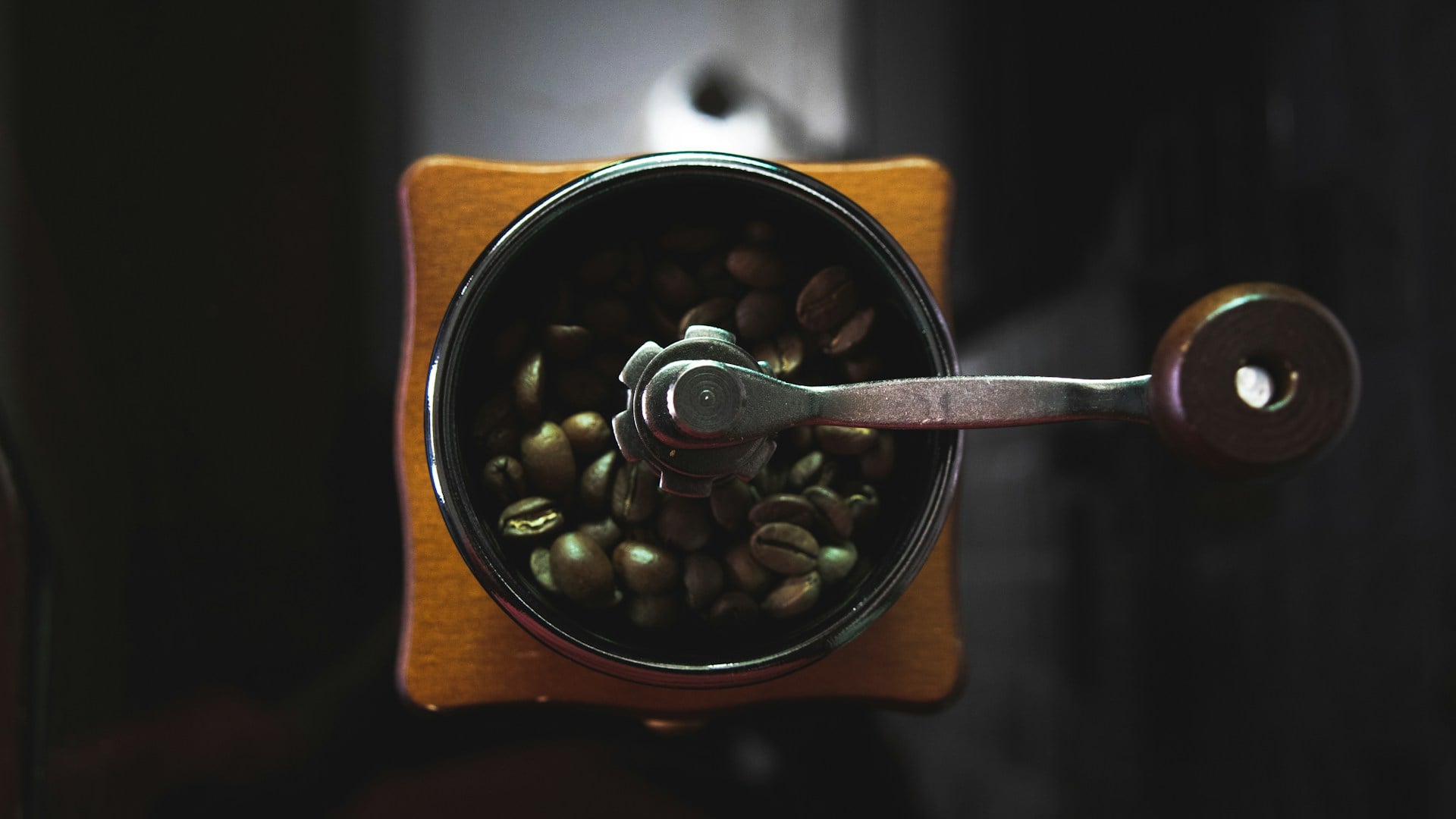
The primary goal of grinding is to produce the most flavor in a cup of coffee.
The type of coffee brewer used determines how fine or coarse the coffee should be ground.
Espresso machines need very fine grounds slightly finer than table salt.
French presses work best with coarse grounds that resemble sea salt.
The grind size affects how quickly water can extract flavors from the coffee.
Finer grinds have more surface area and extract faster, while coarser grinds take longer.
Grinding coffee right before brewing gives you the freshest, most flavorful cup.
Aromatic compounds start to dissipate as soon as the beans are broken apart.
Packaging for Freshness

Coffee is now packaged in increasingly sustainable materials.
Many brands are moving away from plastic and opting for fully biodegradable or compostable packaging.
For shipping green coffee internationally, beans are packed in hermetic GrainPro bags to maintain moisture stability.
They are placed inside burlap jute sacks for added strength during transport.
Proper packaging is essential for keeping coffee fresh during its journey from roaster to consumer.
One-way valve bags have become popular because they let carbon dioxide escape while preventing oxygen from getting in.
Shipping and Distribution

About 275 bags weighing 60 kilograms each are stacked into a 20-foot shipping container.
That totals approximately 36,000 pounds.
Dry mills handle the legal documentation and logistics of exporting coffee.
Many coffee farms are in isolated areas lacking basic services, so mills frequently manage their financial transactions as well.
Coffee typically arrives at major ports such as New Jersey, Houston, New Orleans, Seattle, or Oakland.
It’s stored in climate-controlled warehouses until roasters are ready to purchase it.
The global coffee supply chain is remarkably complex.
It connects millions of small farmers in remote tropical regions with consumers in cities around the world.
Brewing Methods

The final step is where all that hard work comes together in your cup.
There are countless ways to brew coffee, each bringing out different characteristics of the beans.
Drip coffee makers pour hot water over grounds in a filter.
French presses steep grounds directly in hot water before pressing them down.
Espresso machines force pressurized hot water through finely-ground coffee to create concentrated shots.
Pour-over methods give you precise control over the brewing process.
Cold brew steeps coarse grounds in cold water for 12 to 24 hours to create a smooth, less acidic drink.
The brewing method you choose, along with water temperature, brewing time, and coffee-to-water ratio, affects how the final cup tastes.
The Perfect Cup

Coffee production has evolved dramatically over the decades.
Technology and innovation have improved every step from planting to brewing.
What started as a simple agricultural product has become a sophisticated global industry.
It supports millions of families and brings joy to billions of people every day.
The next time you take a sip of your morning coffee, you’re tasting the result of months of growing, processing, roasting, and brewing.
That simple cup represents an incredible journey across continents and through countless dedicated professionals who’ve perfected their craft.
It brings you the perfect start to your day.
More from Go2Tutors!

- The Romanov Crown Jewels and Their Tragic Fate
- 17 Halloween Costumes Once Considered Taboo
- Famous Hoaxes That Fooled the World for Years
- 15 Child Stars with Tragic Adult Lives
- 16 Famous Jewelry Pieces in History
Like Go2Tutors’s content? Follow us on MSN.