How Getting Your Photo Taken Used to Be a Genuine Occasion
There’s a version of the past where getting your photograph taken meant something. Not in a vague, nostalgic way — in a concrete, logistical, deeply personal way.
You planned for it. You dressed for it.
You sat still for it. The camera wasn’t in your pocket, wasn’t pointed at your lunch, wasn’t something you absentmindedly aimed at a sunset before scrolling past the result.
It was an event, occasionally a ceremony, and sometimes the most deliberate thing a family did together all year. Somewhere between the daguerreotype parlors of the 1840s and the front-facing camera of the smartphone era, that weight dissolved — quietly, completely, and probably without most people noticing it go.
The Early Cost of It
Getting photographed in the mid-1800s was not cheap. A daguerreotype portrait at a commercial studio could cost anywhere from 25 cents to several dollars — real money when a laborer’s daily wage hovered around a dollar.
So people didn’t do it casually.
Sitting Still for Minutes at a Time
Early photographic exposure times were brutal — ranging from several seconds to several minutes depending on the light, the equipment, and what decade you happened to be living in — which meant that the subject had to remain genuinely motionless while the image formed, often aided by a neck brace or headrest clamped discreetly behind them, a fact that reframes every stiff Victorian portrait you’ve ever seen as less a personality trait and more a physical survival strategy.
And yet people did it, again and again, because the alternative was no record of your face at all. So you clenched your jaw and held.
The Studio as a Sacred Space
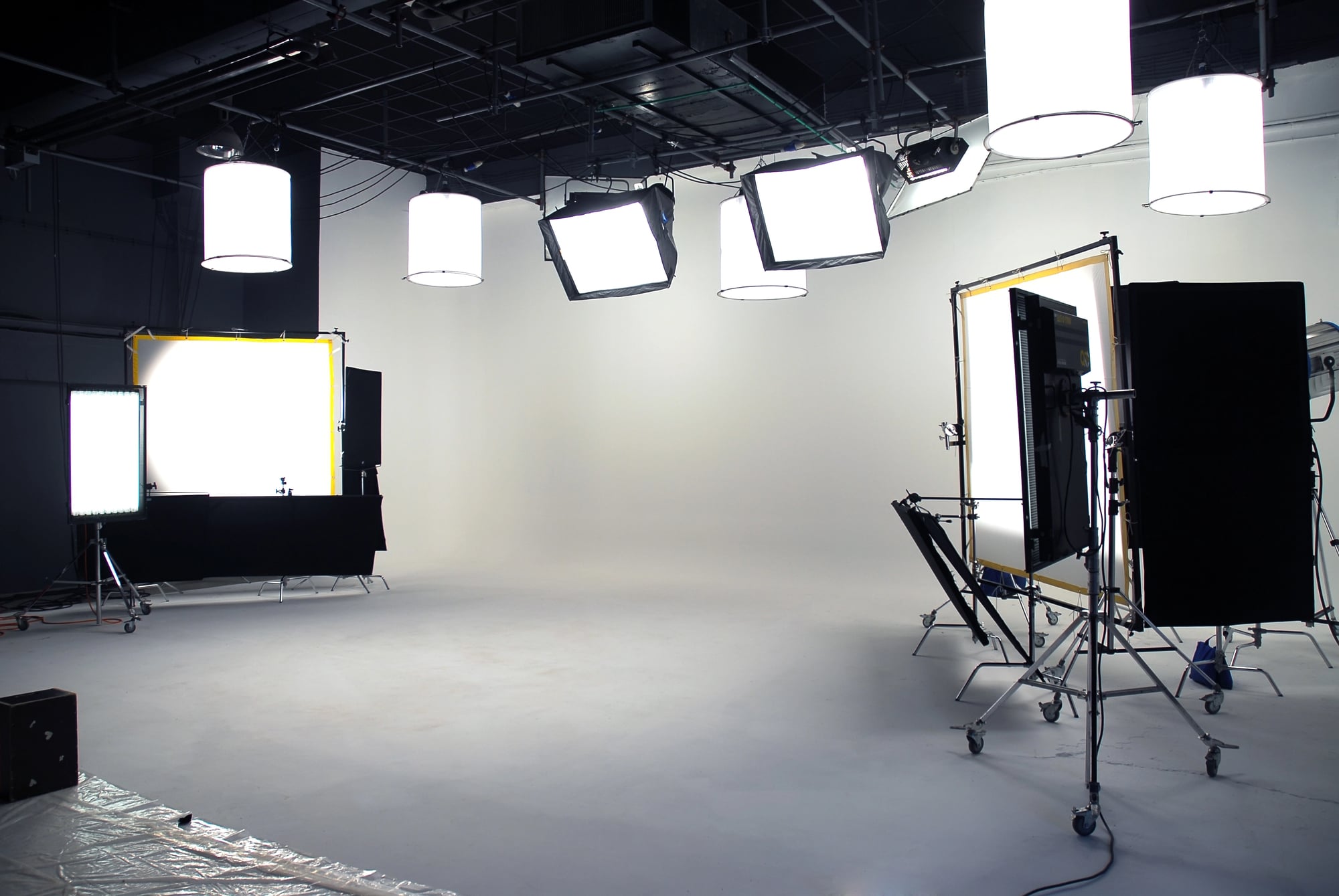
A portrait studio carried the atmosphere of a place where something real was being preserved. The props, the painted backdrops, the careful arrangement of chairs — it all worked like staging for a small, personal theater, one where the subject was both actor and artifact.
Sunday Clothes Were Not a Figure of Speech
People wore their best clothing to be photographed — not as vanity, but as a form of respect for the permanence of the image. The photograph would outlast the outfit, outlast the wearer, and eventually outlast everyone who remembered the occasion firsthand.
Turns out, dressing well for posterity is a reasonable instinct.
The Photographer as a Skilled Professional
Portrait photography in the 19th century demanded genuine technical expertise — knowledge of chemistry, optics, lighting ratios, and the particular alchemy of wet collodion plates or silver-coated copper — and the photographers who practiced it occupied a social position closer to a craftsman or artisan than to a service worker, a distinction that mattered in an era when the difference between a well-exposed portrait and a ruined one was not correctable with a filter.
The best studios attracted devoted clientele. Matthew Brady’s Washington gallery drew politicians, generals, and the merely ambitious with equal reliability.
A Once-in-a-Decade Possibility for Most Families
For working-class families in 19th-century America, a formal photograph might happen once every decade, if that. The image produced wasn’t just a keepsake — it was practically documentary evidence that the people in it had existed at all.
The Weight of a Single Print
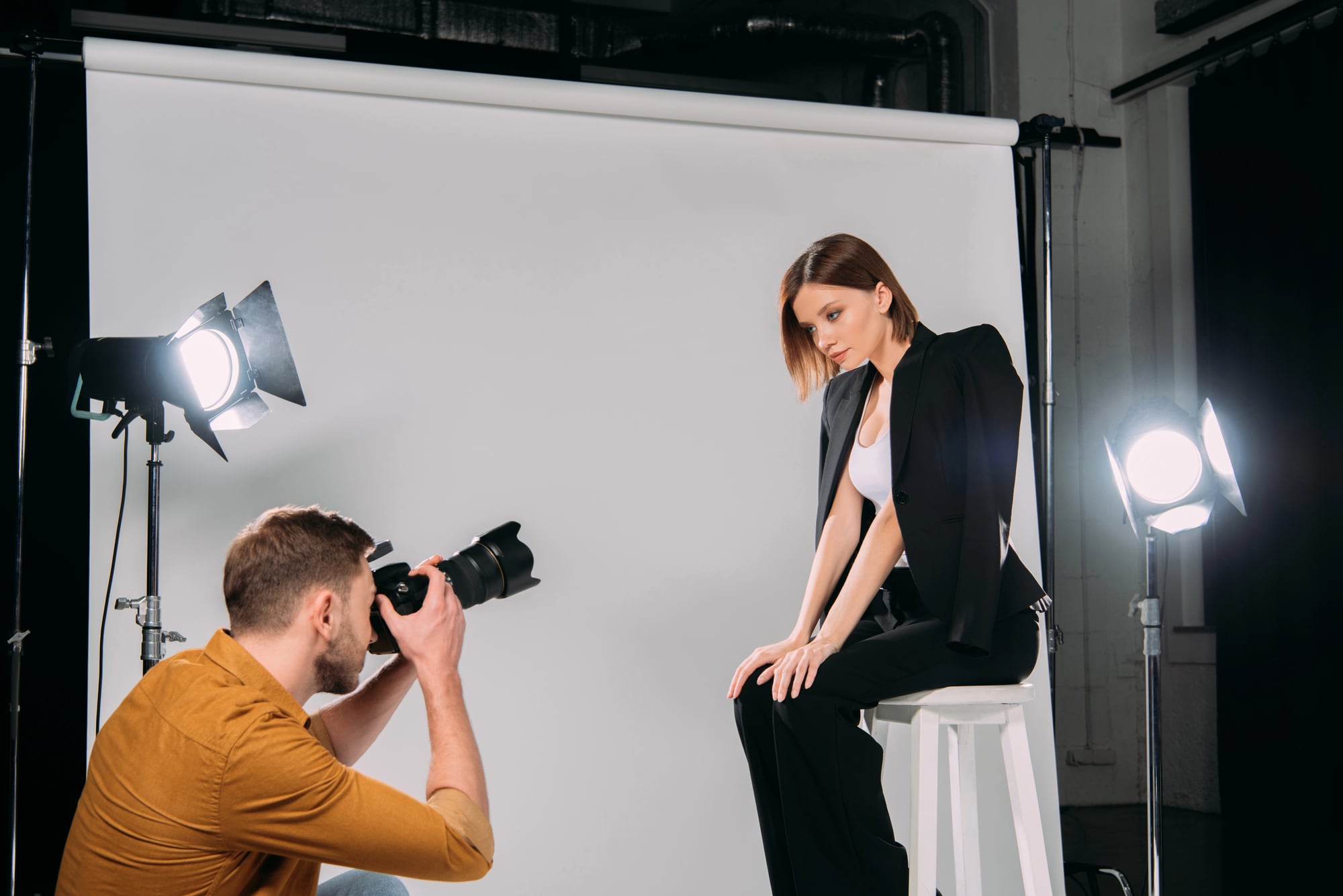
A photograph was an object you handled carefully, stored deliberately, and passed between family members like something fragile and irreplaceable — which it was, because for much of photographic history a single print was exactly that: singular, unrepeatable, the only one in existence.
It sat in a velvet-lined case or a leather album on the parlor table, not in a folder on a hard drive with 4,000 other images indistinguishable from it. The photograph had gravity the way a deed or a letter had gravity: it was proof of something.
Postmortem Photography
Victorian-era postmortem photography — the practice of photographing the recently deceased, often posed alongside living family members — reads as morbid by contemporary standards, but it was frequently the only photograph ever taken of that person.
Death, perversely, was the occasion that finally justified the expense.
The Traveling Photographer
In rural America, the arrival of an itinerant photographer was a community event. Word spread fast — this person might not pass through again for months — and families who couldn’t travel to a city studio finally had their one chance to exist on paper.
Carte de Visite and the First Photo Craze
In the 1860s, the carte de visite — a small albumen print mounted on a card roughly the size of a business card — triggered the first genuine mass enthusiasm for portrait photography in America.
People collected them obsessively, traded them, filled dedicated albums with portraits of celebrities, politicians, and their own families arranged side by side as if proximity to Abraham Lincoln’s card conferred something. It was the first time photography felt slightly democratic, and the public responded with an appetite that surprised almost everyone involved in the industry.
The Kodak Brownie Changed Everything
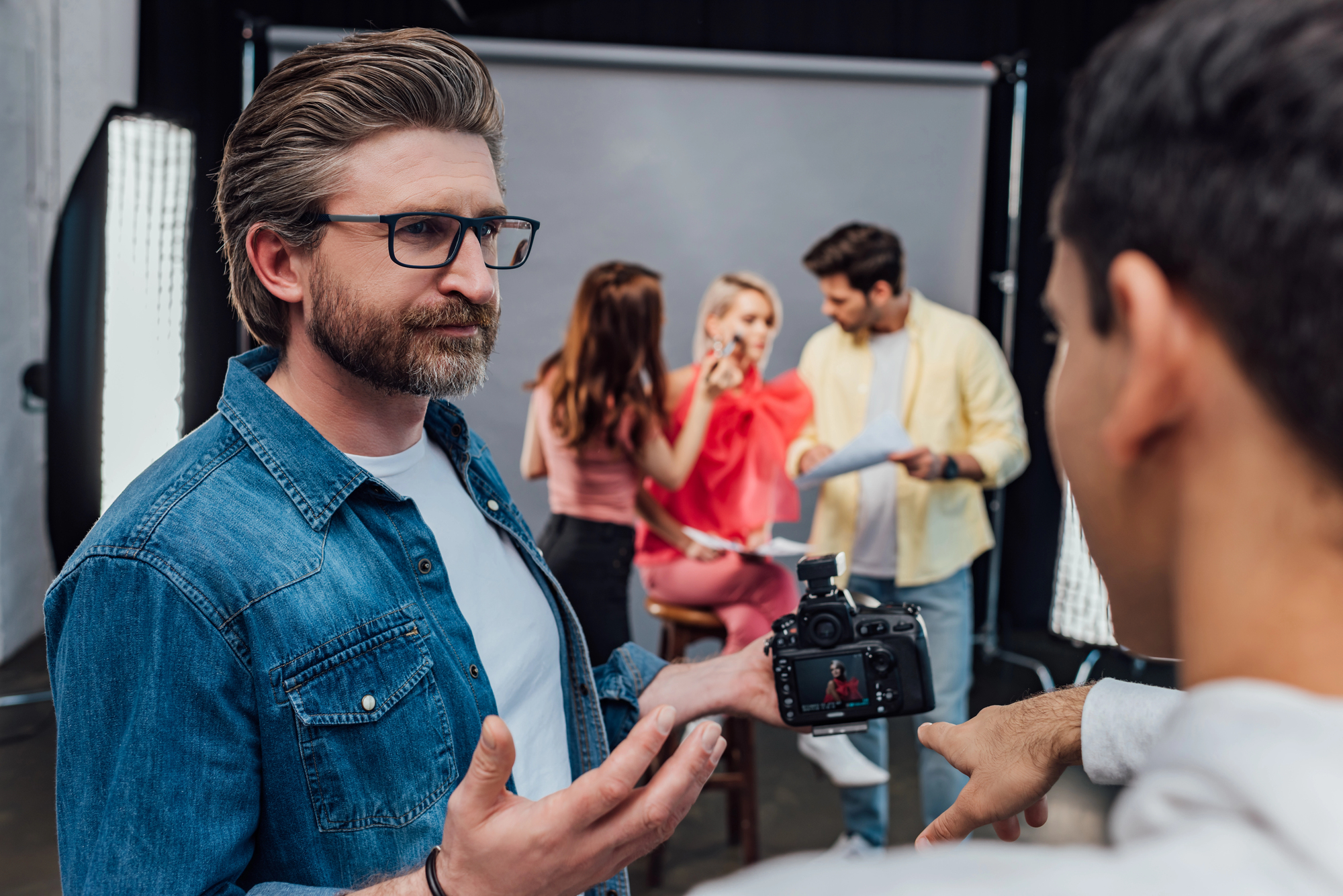
The Brownie, introduced by Kodak in 1900 for one dollar, put a camera in the hands of people who had never considered owning one. Photography became something you could do yourself — at home, in the yard, at the beach — rather than something you commissioned from a professional in a studio.
And yet even then, with film that had to be developed and prints that cost money to produce, people still chose their shots with some deliberateness. Every frame spent was a small financial decision.
Film Had a Finite Number of Shots
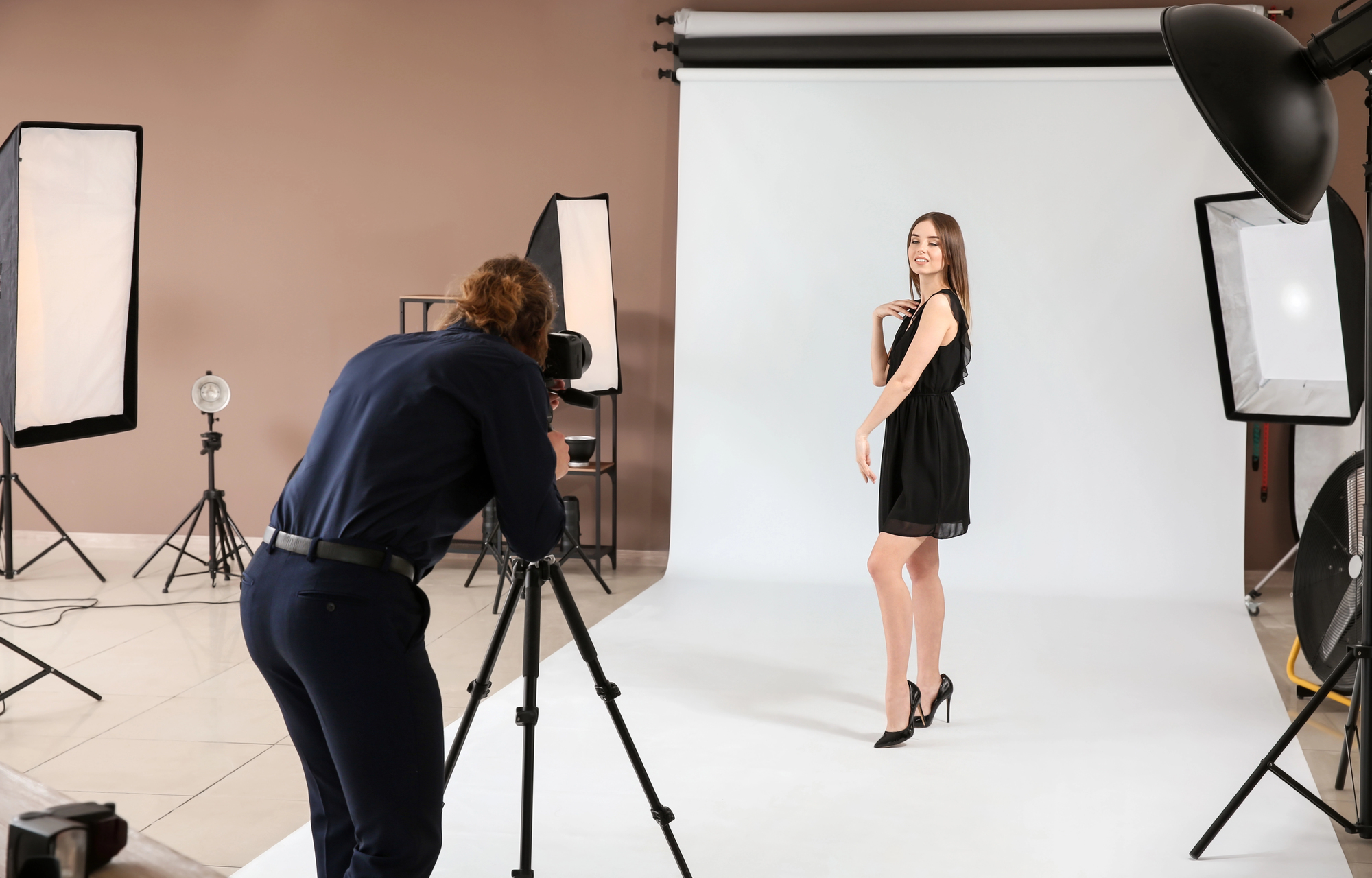
A roll of film held 12, 24, or 36 exposures, and that physical constraint imposed a discipline on every photographer who used one. You thought before you pressed the shutter.
You didn’t take seven nearly identical versions of the same shot hoping one would land.
Waiting for Development

There was a specific kind of anticipation that lived in the days between dropping off a roll of film at the drugstore and picking up the developed prints — an interval of genuine uncertainty, because you didn’t know yet whether the birthday party shots had come out blurry or the lighting had been wrong or someone had blinked at the exact wrong moment.
The photograph revealed itself to you rather than the other way around, and that reversal — the image arriving on its own terms — made each successful print feel like a small vindication.
School Photo Day
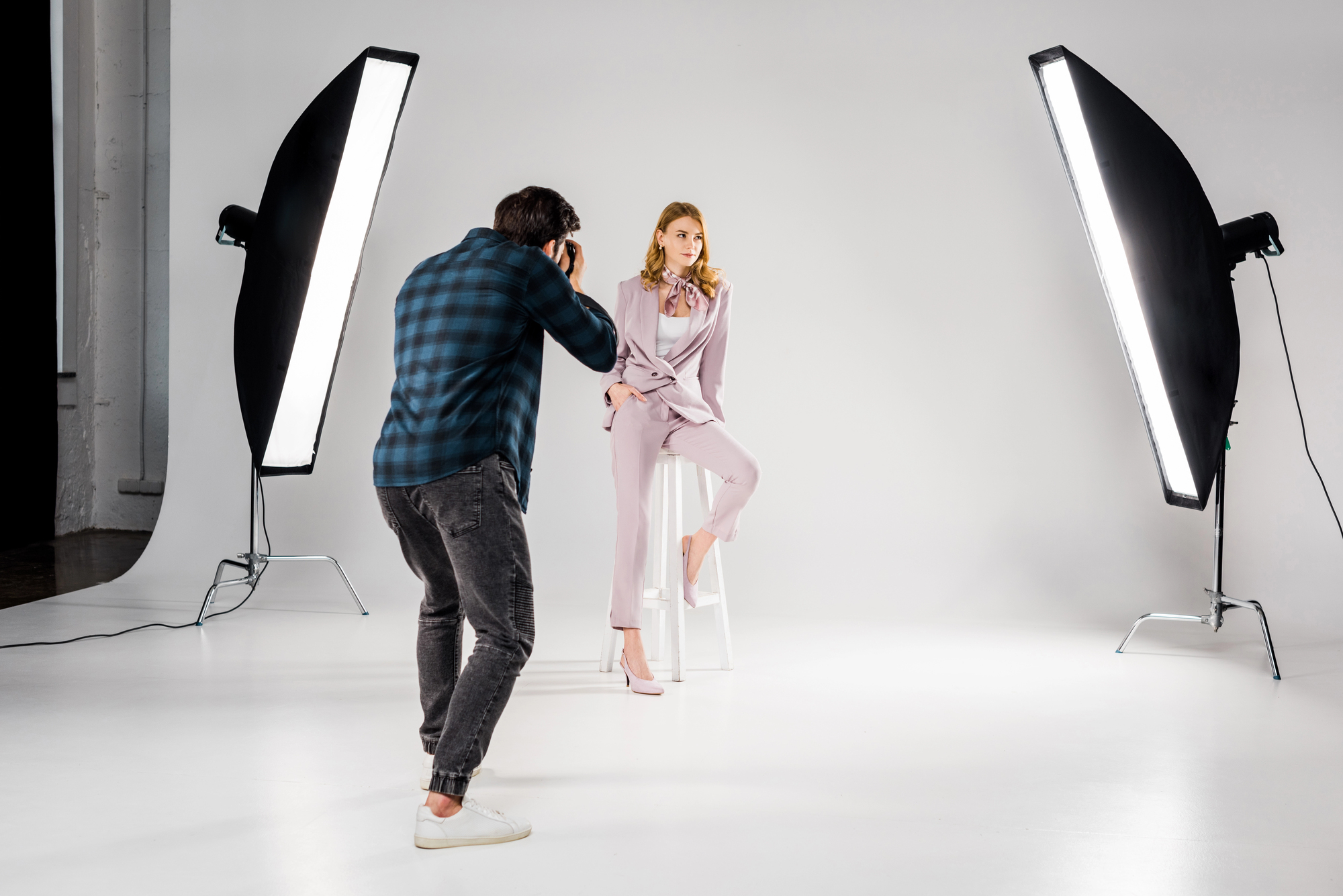
School photo day had a ceremonial weight to it that’s difficult to overstate — the specific tension of wearing your best shirt on a Tuesday, the line of students moving toward a backdrop and a stranger with a camera, the knowledge that whatever expression you produced in that three-second window would be laminated and distributed to your relatives and filed in your permanent record.
It was one of the very few times a year when your image was formally documented. The stakes felt enormous, which is why the results were so often catastrophic.
Family Portrait Sessions

The formal family portrait session — scheduled months in advance, requiring coordination of clothing colors, studio booking, and the herculean effort of getting everyone to appear pleasant simultaneously — was a ritual investment that families undertook deliberately.
The resulting photograph typically hung somewhere prominent in the house. It wasn’t decoration so much as it was a statement: this is who we are, this is when we were here, and we considered it worth the effort.
Photographs at Weddings
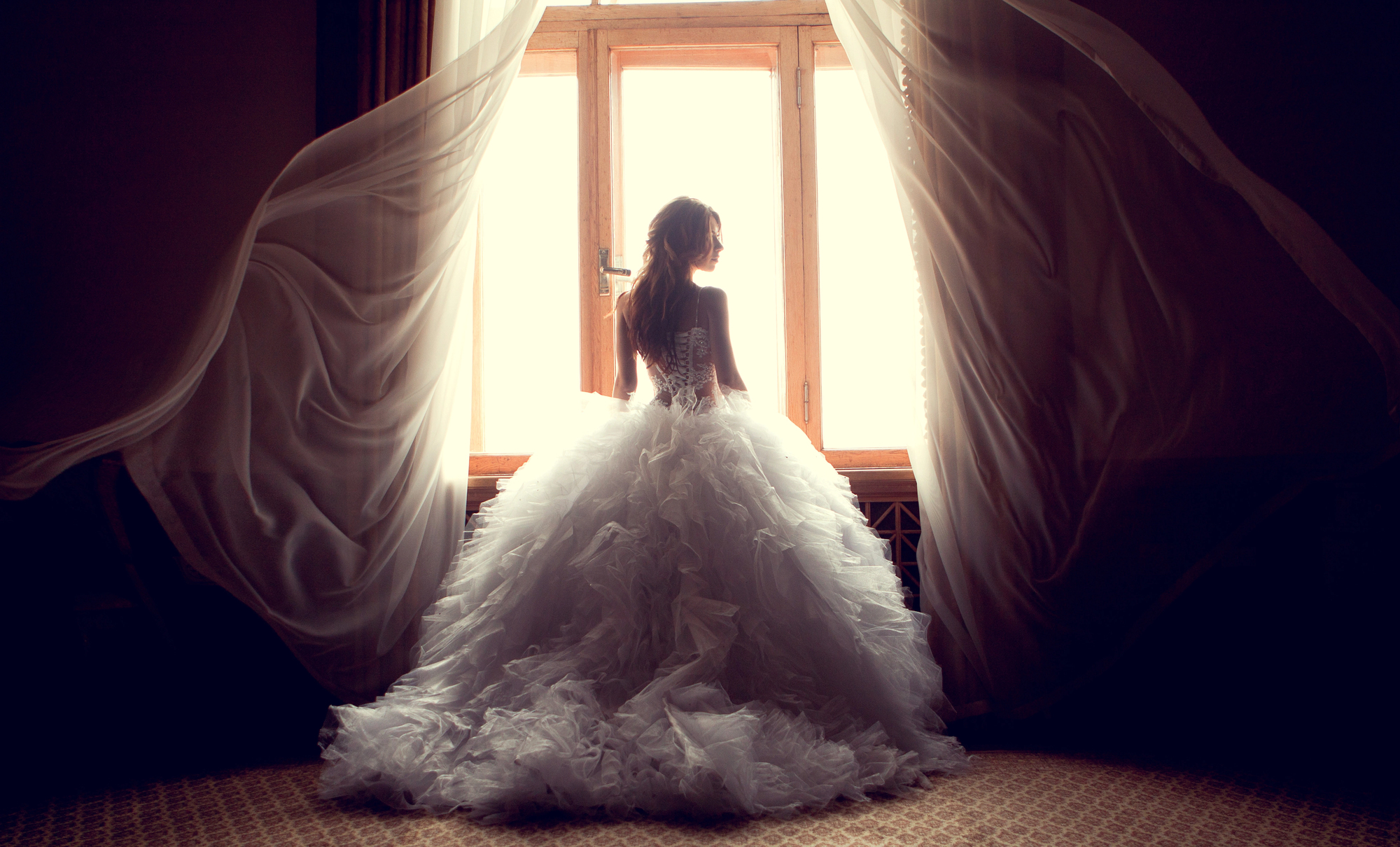
Wedding photography was once a specialized, expensive, and logistically serious undertaking — the photographer was often the highest-paid vendor at the event, their work considered the one irreplaceable record of a day that couldn’t be repeated.
A single missed shot was a genuine loss, not an inconvenience correctable by checking whether the backup camera got it.
Holiday and Vacation Photos

Vacation photographs carried the distinct purpose of documentation — proof of having been somewhere — rather than the performance function they’ve largely assumed today. You took one photograph at the Grand Canyon because you were at the Grand Canyon, not because you needed to establish that publicly.
The image lived in an album. It was for you.
The Album as Narrative
A photo album told a story in a way that a camera roll does not — curated, sequential, with actual gaps where nothing was photographed because life didn’t always demand recording.
Pulling an album off a shelf and sitting down with it was a deliberate act, the photographic equivalent of rereading a particular chapter rather than scrolling endlessly through a feed.
Photographs as Heirlooms
Photographs were willed to people. They appeared in estate sales, in shoeboxes in attics, in the back drawers of desks belonging to people who had been dead for thirty years.
A photograph could outlive everyone who knew the subject’s name and still carry the faint gravity of having once mattered deeply to someone. That’s a different category of object than a file on a server somewhere, and everyone who has ever found an old photograph of a stranger and felt inexplicably affected by it already knows this.
What a Rare Image Does to Memory
Memory and photography used to have a different relationship — one where the photograph was exceptional rather than comprehensive. When a single image existed of a particular day or a particular person, that image became the anchor for everything else remembered about them.
It concentrated meaning the way a rare thing naturally does, simply by not being everywhere.
The Permanence That Came With Scarcity
Scarcity made photographs feel permanent in a way that abundance cannot replicate. When only a handful of images exist of a person’s entire life, each one carries disproportionate weight — the way a single letter from a long-dead relative speaks louder than a thousand texts would have.
When Being Photographed Meant Being Seen
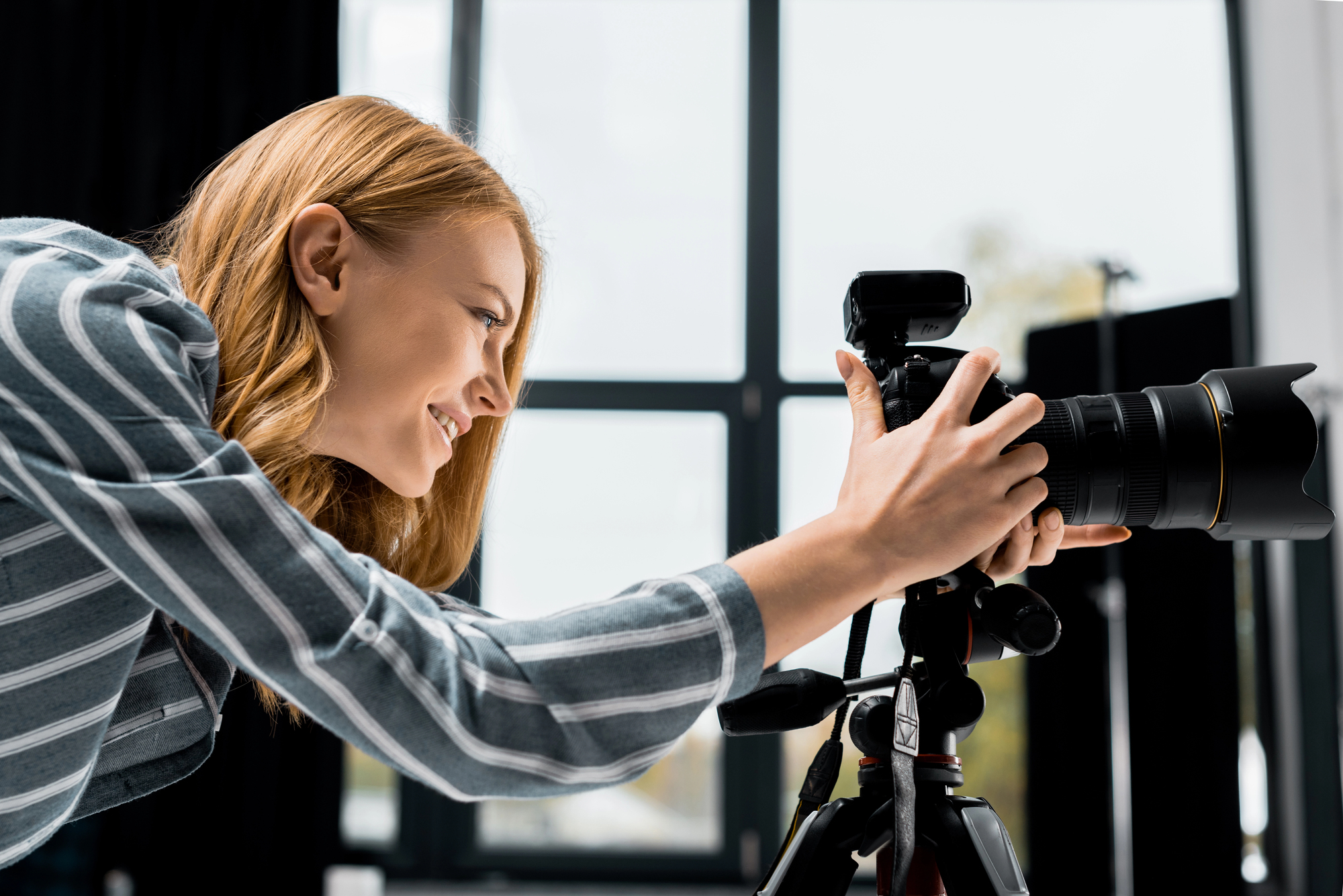
There’s something to the idea that sitting for a photograph — deliberately, with preparation, in a space designed for the purpose — was a form of being genuinely witnessed.
Someone pointed a machine at you and made a record of your existence that would outlast you. That’s not a small thing. Go figure it took industrialization to make it feel like one.
Where the Occasion Went
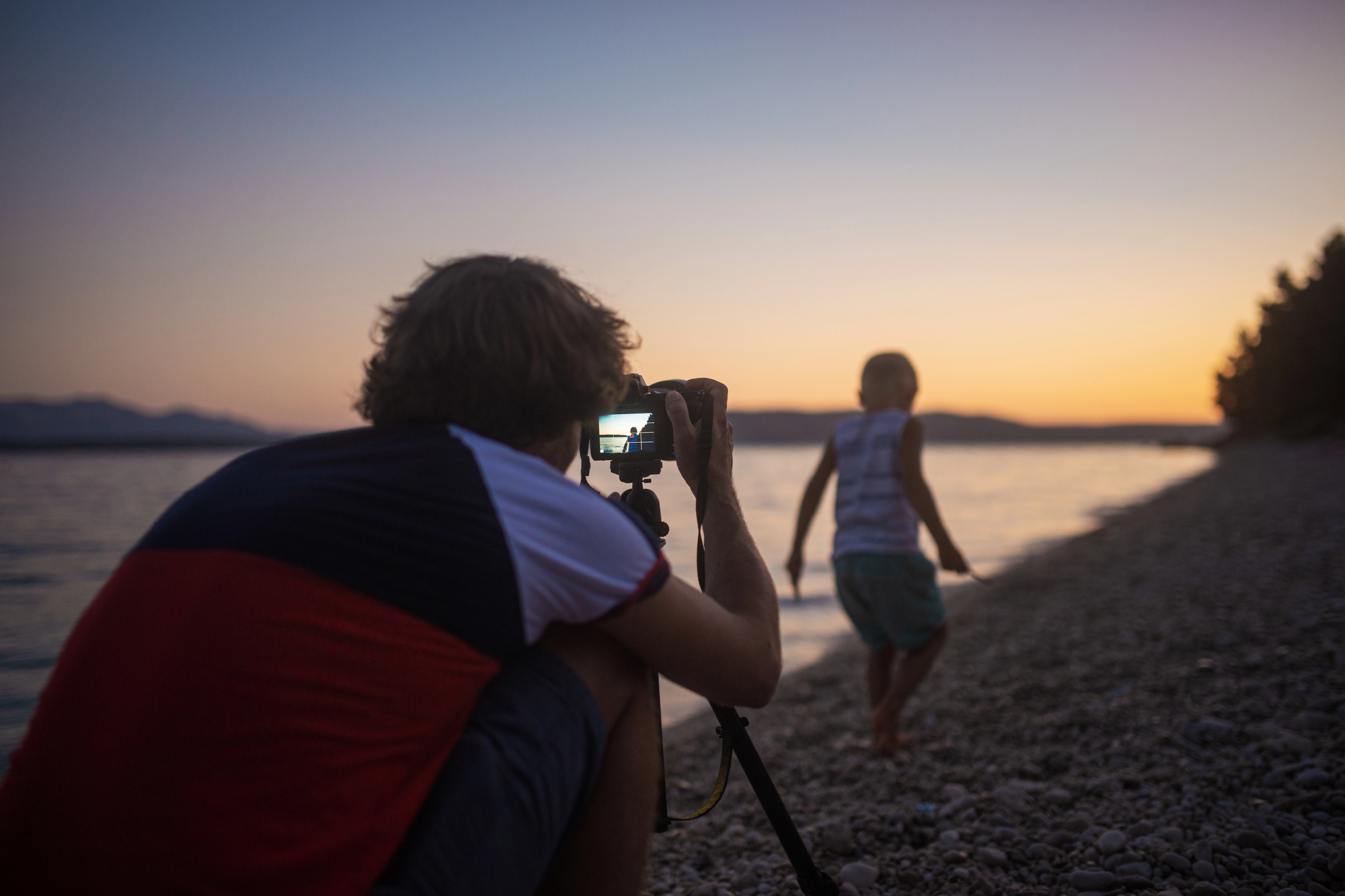
The occasion didn’t disappear overnight — it eroded incrementally, each new convenience shaving a little more ceremony from the act until nothing ceremonial remained.
The smartphone didn’t kill the meaningful photograph; it just made the meaningful one invisible inside an avalanche of the unmemorable.
The Light That Doesn’t Store Itself
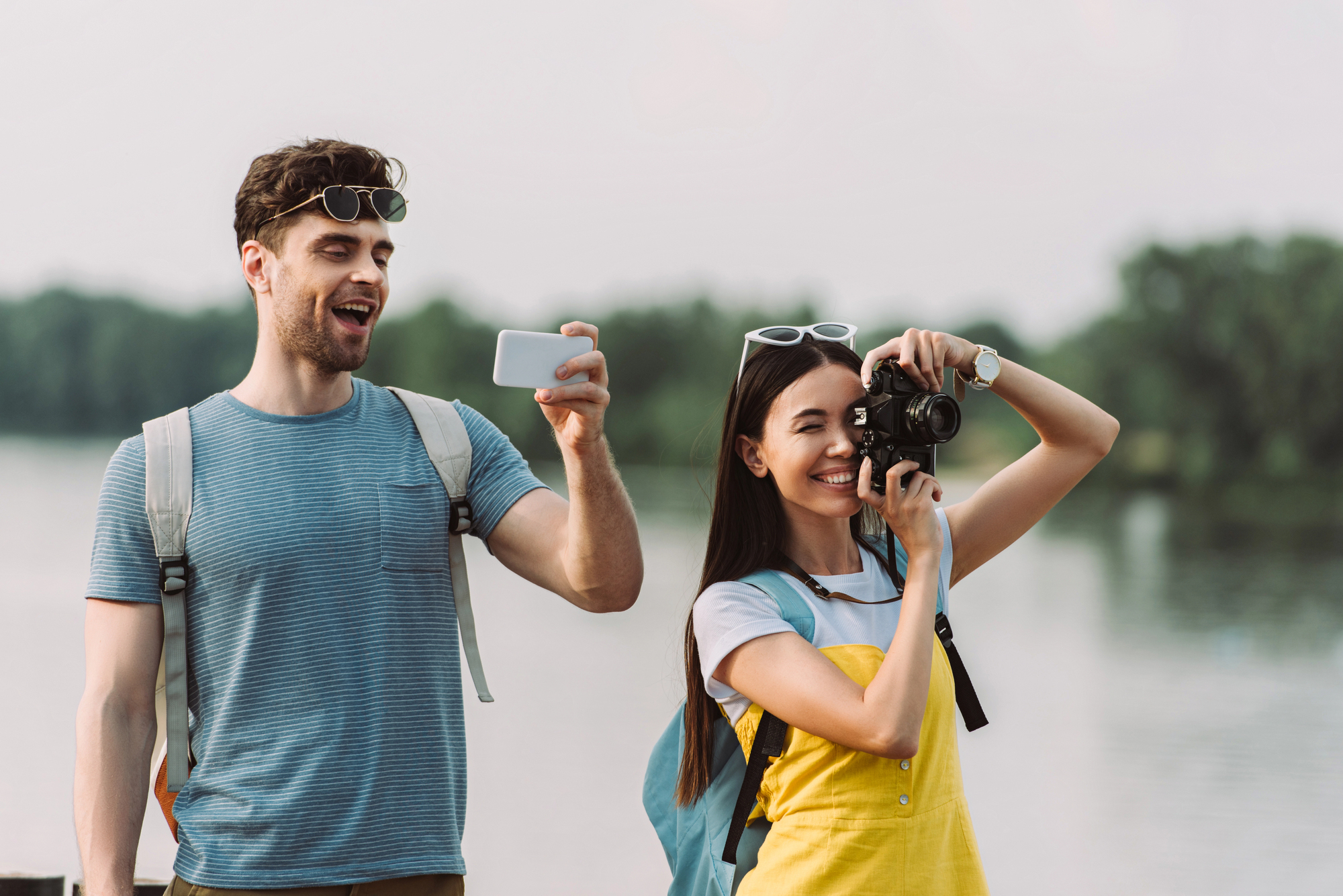
There’s a particular quality to a photograph that was chosen — out of genuine scarcity, out of cost, out of the knowledge that this one image might be the only one — that no amount of editing or curation can fully manufacture after the fact.
It’s the difference between a sentence someone agonized over and one typed without looking up. Both are sentences. Only one carries the weight of having mattered before it was finished.
More from Go2Tutors!

- The Romanov Crown Jewels and Their Tragic Fate
- 13 Historical Mysteries That Science Still Can’t Solve
- Famous Hoaxes That Fooled the World for Years
- 15 Child Stars with Tragic Adult Lives
- 16 Famous Jewelry Pieces in History
Like Go2Tutors’s content? Follow us on MSN.