Historical Mass Hysterias
Mass hysteria has appeared all through history, often starting small and then spreading fast. These moments show how fear, confusion, and strong emotions can move through a group of people long before anyone has time to slow down and think.
Before diving in, it helps to see these events as reminders of how easily groups react when stress builds. With that in mind, here’s a clear look at some of the most memorable cases.
The dancing plague

In 1518, residents of Strasbourg began dancing in the streets and could not stop for days. The behavior spread from person to person as fear rose and the town grew more stressed.
Leaders struggled to calm the crowd because no one understood what fueled the sudden dancing.
The meowing nuns

A group of nuns in a French convent began meowing together in the 1400s. The sound carried through the building until nearby communities became concerned.
People watched in disbelief as the group acted in the exact same way at the exact same time.
The trembling schoolgirls

In 1892, a school in Chile saw students collapse, tremble, and cry without warning. Teachers tried to separate the students, yet similar behavior spread from classroom to classroom.
The town blamed bad air, though stress from strict rules played a larger role.
The witch scare in Salem

In 1692, several young girls in Massachusetts suddenly claimed to feel strange fits and pains. Their behavior fueled panic in the village and led to accusations that spiraled far beyond the original group.
Fear and rumor carried more weight than facts, which turned the town against itself.
The great fear of 1789
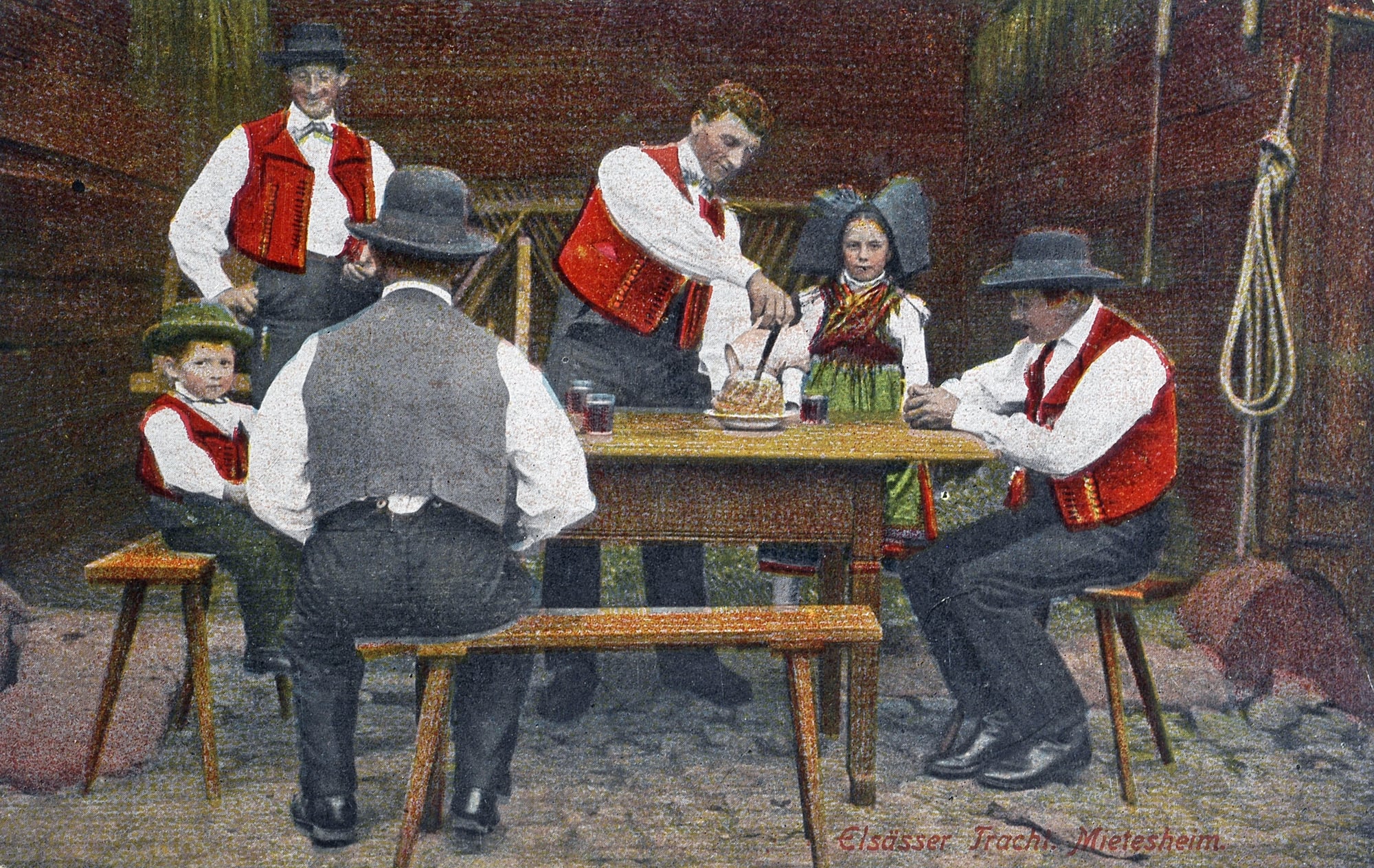
French peasants heard rumors that thieves planned to attack farms, and panic swept across the countryside. Villagers armed themselves and banded together even when no threat actually appeared.
The tension of the era helped small rumors turn into massive worry.
The wartime phantom attacker

During World War II, reports spread in the American Midwest about a man spraying people with a strange gas. Families locked their doors and jumped at every sound, even though no attacker was ever found.
Newspapers at the time helped push the fear even further.
The laughing epidemic

In 1962, students in Tanganyika began laughing uncontrollably. The laughs spread from one school to another, lasting weeks and disrupting entire villages.
Stress from school pressure played a strong role in letting the behavior ripple outward.
The monkey man scare

In 2001, residents of Delhi reported seeing a creature jumping from rooftops at night. Fear grew until people panicked at shadows, loud noises, and stray animals.
The city struggled to calm the public because every whisper seemed to confirm the creature’s presence.
The windshield pitting panic

Drivers in Washington state noticed small marks on their windshields in 1954 and feared an unknown attacker or new weapon. The worry rose so quickly that police departments were flooded with calls.
Later, experts pointed out that most marks had been there for years without anyone noticing.
The Strasbourg poison scare

Centuries after the dancing plague, the same region faced another wave of fear when people believed they had been poisoned by bread. Townsfolk reported strange sensations and sudden illness that spread through word of mouth.
The worry grew stronger than any real evidence.
The June bug outbreak

Workers at a North Carolina textile mill in 1962 reported dizziness, nausea, and rashes. Many blamed a biting insect, though none existed.
Stress from long work hours likely caused symptoms to rise and spread among the staff.
The Halifax slasher reports

In 1938, residents of Halifax in England claimed that a mysterious attacker was targeting pedestrians. As the story spread, more people reported cuts and scares that turned out to have no clear cause.
The fear itself fueled the reports, especially as newspapers picked up the story.
The medieval biting nuns

Several convents in Europe saw nuns begin biting one another in the Middle Ages. The behavior spread from one group to another, even across countries.
Authorities struggled to understand why the same odd habit kept appearing in distant places.
The West Bank fainting spells

In 1983, fainting episodes appeared among schoolgirls in the West Bank and then spread to other towns. Communities feared a hidden toxin, but medical teams found no physical cause.
Stress from conflict and uncertainty played a large part in the shared symptoms.
The fashion fears of the 1800s

For a time in Europe, people worried that bright green dresses made with arsenic dye would cause sudden fainting and strange sensations. Rumors traveled faster than actual cases.
Stores struggled to reassure customers as fear outpaced facts.
The Singapore crowd panic

In the 1970s, Singapore saw bursts of panic after several men believed a food item caused sudden illness. The fear moved through neighborhoods as people rushed to clinics even without symptoms.
Public health teams had to speak directly with communities to settle the anxiety.
The toxic lady scare

In 1994, a California hospital treated a woman whose body was believed to emit dangerous fumes. Staff members reported dizziness and confusion, and more workers joined them as worry spread.
Later reviews found no toxic source, yet the event showed how quickly a tense environment can amplify fear.
Past fears that echo today

Many of these events may sound distant, yet they show how easily people can influence one another during stressful times. Even now, groups can react strongly to rumors or sudden worry before facts catch up.
Looking back at these moments helps explain how emotions move through communities like a fast current. It also offers a reminder that calm thinking often slows that current before it spills into daily life.
More from Go2Tutors!

- The Romanov Crown Jewels and Their Tragic Fate
- 13 Historical Mysteries That Science Still Can’t Solve
- Famous Hoaxes That Fooled the World for Years
- 15 Child Stars with Tragic Adult Lives
- 16 Famous Jewelry Pieces in History
Like Go2Tutors’s content? Follow us on MSN.