Famous Landmarks With Secret Design Quirks
You walk past these structures in photographs and documentaries all the time. They look solid, permanent, exactly as the architects intended.
But behind the postcard-perfect facades, engineers built solutions to problems most visitors never think about. The wind moves things.
Gravity pulls in unexpected ways. Materials expand and contract.
Every famous landmark carries hidden adjustments that keep it standing.
The Eiffel Tower Sways in Strong Wind

The iron lattice wasn’t just about looking impressive. Gustave Eiffel designed the tower to move.
In strong winds, the top can sway up to seven inches from center. The open framework lets air pass through instead of pushing against a solid surface.
Without this flexibility, the structure would have torn itself apart decades ago. The metal also expands in summer heat, making the tower grow by about six inches.
Big Ben’s Clock Gets Adjusted with Old Pennies

The great clock of Westminster keeps accurate time through a surprisingly low-tech method. When the clock runs fast, clockmakers add an old penny to the pendulum.
Each penny slows the clock by two-fifths of a second per day. When it runs slow, they remove a penny.
This system has worked since 1859. The pendulum weighs 660 pounds, but those small copper coins make all the difference.
The Parthenon Uses Curved Lines to Look Straight
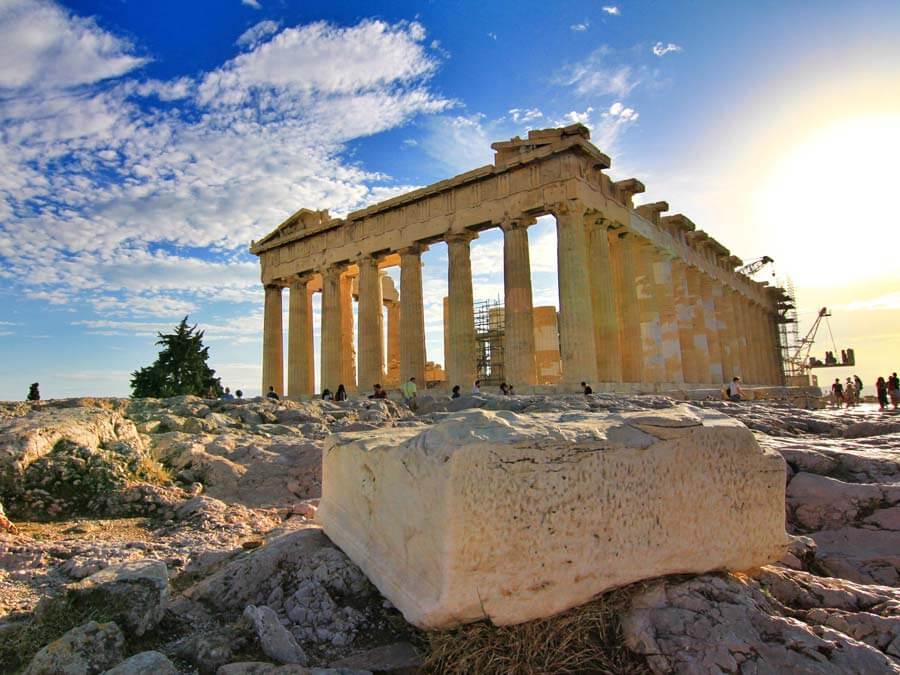
Walk around the ancient Greek temple with a level and you’ll find something odd. Nothing is actually straight. The columns lean slightly inward.
The floor curves upward in the middle. The horizontal lines all have a subtle arch.
The ancient builders knew that perfectly straight lines look warped to the human eye from a distance. So they built in curves to create the illusion of straightness.
Your brain sees perfection, but your measuring tools would disagree.
The Statue of Liberty’s Torch Closed After an Explosion
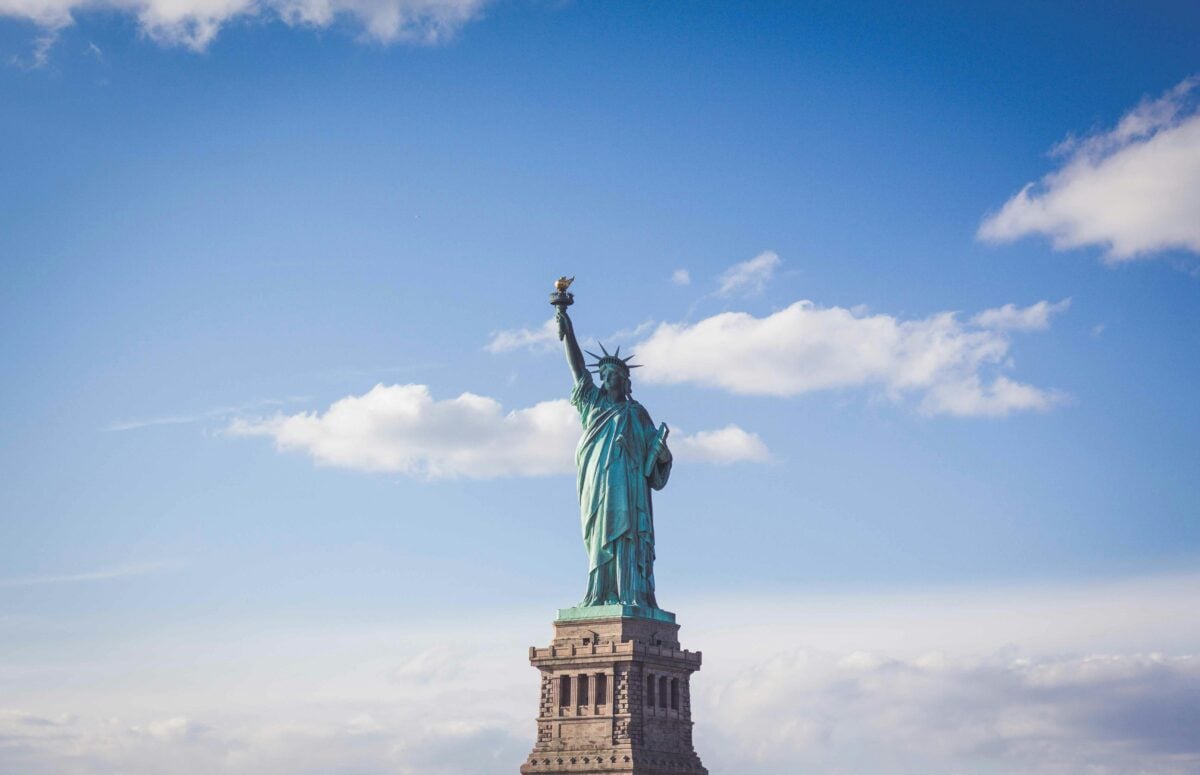
You can climb to the crown, but the torch has been sealed since 1916. During World War I, German saboteurs blew up a munitions depot in New Jersey.
The explosion damaged the torch’s structural integrity. Engineers replaced the original copper flame with a new one covered in gold leaf, but they never reopened access to visitors.
The arm and torch remain off-limits over a century later.
The Leaning Tower of Pisa Leans Less Now Than Before

Engineers spent decades trying to straighten the tower without toppling it. Between 1990 and 2001, they removed soil from underneath the higher side.
The tower straightened by about 17 inches and bought another 200 years of stability. Before the intervention, the lean increased each year.
Now it leans at roughly the same angle it did in 1838. The tilt makes it famous, but too much tilt would make it rubble.
The Golden Gate Bridge Hums and Vibrates
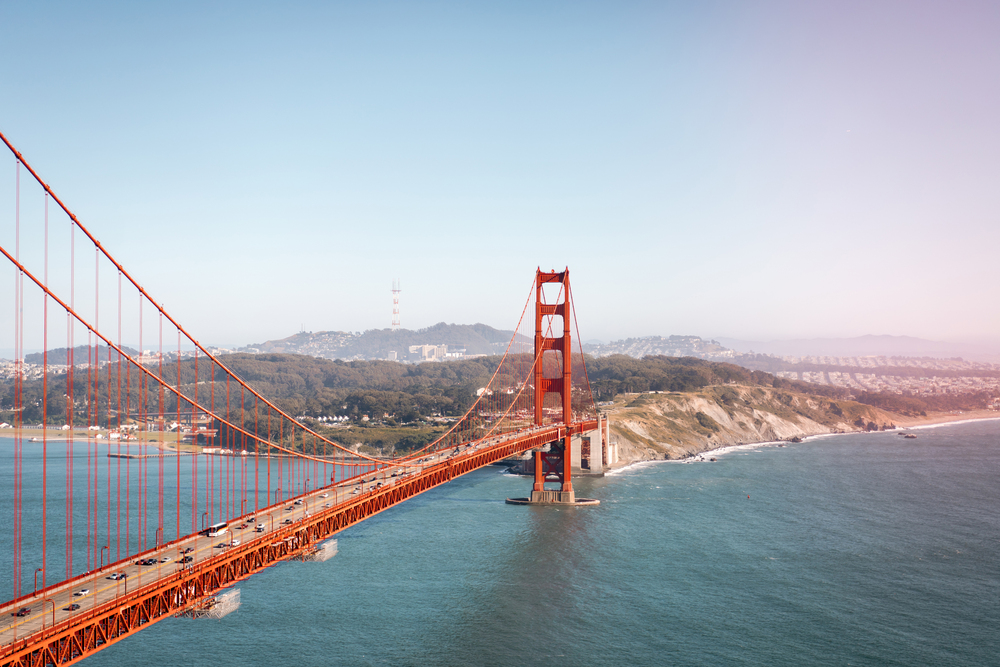
The bridge makes sounds. In certain wind conditions, the cables whistle and the deck vibrates.
Engineers modified some design elements in 2020 after complaints about excessive noise, but the bridge still produces harmonics. The sound comes from wind moving across the railings at specific speeds.
The structure was built to flex and move, which means it interacts with weather in ways solid buildings don’t.
Sydney Opera House Tiles Point in Multiple Directions

From far away, the roof looks uniform. Get closer and you’ll see the tiles create a subtle texture by facing different directions.
The architect wanted the surface to catch light at various angles throughout the day. Over a million tiles cover the shells, and workers placed them in a specific chevron pattern.
This wasn’t decorative whimsy. The varying angles help the structure handle wind loads more effectively.
The Taj Mahal’s Minarets Lean Outward on Purpose

The four towers tilt slightly away from the main building. If an earthquake toppled them, they’d fall outward instead of crashing into the central dome.
The architects planned this 400 years ago. They understood seismic risks and built in a safety measure that most visitors never notice.
The outward lean is subtle enough that your eyes read them as perfectly vertical.
The Colosseum Had an Advanced Drainage System

The arena could be flooded for naval battle reenactments, then drained in minutes. A network of channels and pipes underneath the floor directed water flow.
The same system handled rainwater during events. Engineers designed the slope of the seating area to funnel water toward drains.
Without this system, the structure would have flooded regularly and deteriorated much faster. The Romans understood hydraulics better than most people realize.
The Great Wall Used Rice Mortar
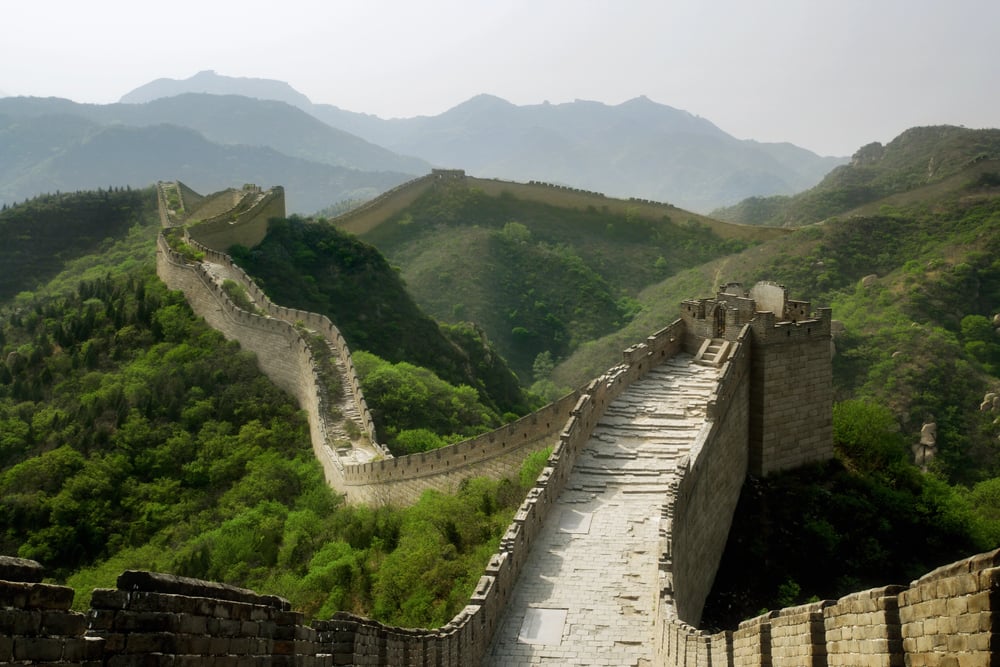
The bricks stay together through a mixture of sticky rice, slaked lime, and water. This organic mortar proved stronger than using lime alone.
Scientists tested sections of the wall and found the rice created a dense compound that resisted weathering and earthquakes. The workers figured this out centuries before materials science could explain why it worked.
Some sections built with rice mortar have lasted better than modern concrete structures.
The Empire State Building Has a Mooring Mast for Airships

The distinctive spire wasn’t meant as decoration. Builders designed it as a docking station for dirigibles.
Passengers would exit the airship and take an elevator down into the building. The plan failed for practical reasons—wind made docking dangerous at that height.
The mooring mast got used exactly once, for about three minutes, as a publicity stunt. But the structure stayed because it made the building taller than its competitor, the Chrysler Building.
St. Peter’s Basilica’s Dome Looks Bigger Than It Is

The dome uses forced perspective to appear taller and more imposing. The architect made the windows smaller as they went higher and adjusted the proportions of decorative elements.
Your brain interprets these changes as distance, making the dome seem much larger than its actual measurements. This technique creates drama without the engineering challenges of building an even taller structure.
The Sagrada Familia Calculates Natural Light for Specific Dates

On special religious dates, light lands just where Gaudí intended through his window placements. Colors shift across surfaces in precise ways, guided by seasons rather than chance.
Sun angles were studied using math before any glass was cut or set in place. Builders now keep adding pieces, yet still rely on his early notes about how daylight should move.
Structures here do more than stand – they mark time like a giant sundial made of stone and color.
The Washington Monument Changes Color Halfway Up

A band near the middle shows where new stone begins. Around 150 feet up, the color takes a turn.
Work had halted – war came, money ran out. Years passed before anyone continued building.
The first marble source was gone when they returned. A substitute arrived from elsewhere, slightly off in hue.
That shift tells of delays, gaps, choices made long ago.
Buildings That Remember Their Problems
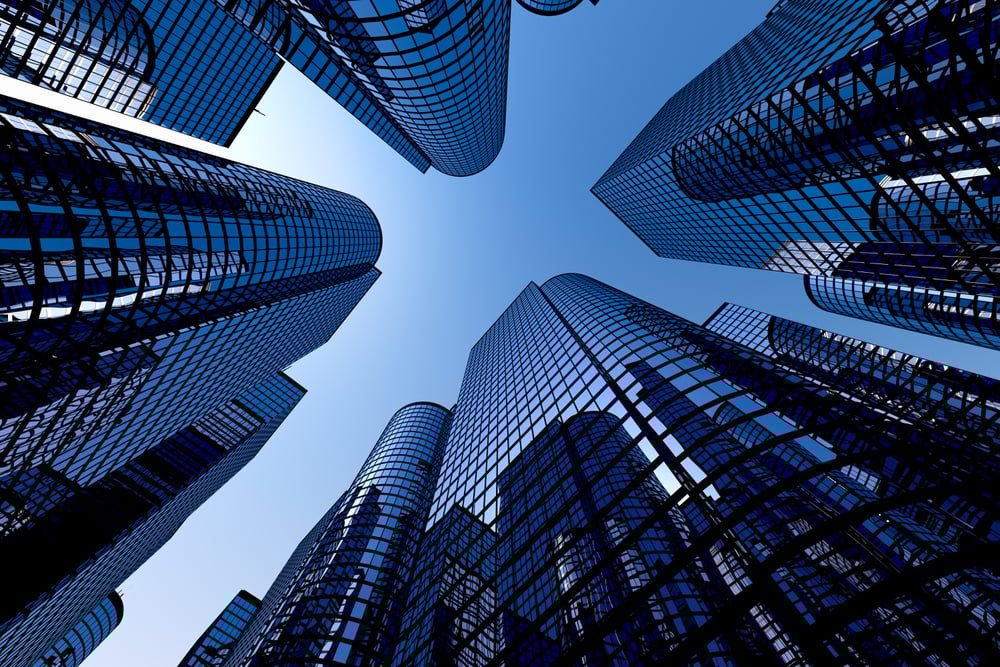
Not every old landmark stays still like a statue. Some move slightly when people walk by, grow warmer in sunlight, hum under wind pressure, adapt using tricks older than digital simulations.
What seems steady often bends without showing it – floors curved but appearing flat, walls tilted yet standing firm, joints sealed with mixes once found in kitchens. Looks matter, sure, but so does staying upright.
Beauty meets balance through quiet trade-offs few see at first glance. History keeps those choices visible longer than expected.
re from Go2Tutors!

- The Romanov Crown Jewels and Their Tragic Fate
- 13 Historical Mysteries That Science Still Can’t Solve
- Famous Hoaxes That Fooled the World for Years
- 15 Child Stars with Tragic Adult Lives
- 16 Famous Jewelry Pieces in History
Like Go2Tutors’s content? Follow us on MSN.