How Neighborhood Ice Cream Trucks Slowly Became a Rarity in Most Towns
There’s a specific kind of summer afternoon that used to belong to the ice cream truck. The heat pressing down, the distant jingle growing louder, and the sudden sprint from the backyard to catch it before it turned the corner.
For a lot of people who grew up in American suburbs between the 1950s and the early 2000s, that sequence is practically a sensory memory — the tinny music, the sticky change, the cold paper wrapper. It didn’t disappear overnight.
It eroded, piece by piece, through decades of shifting economics, changing neighborhoods, and a culture that gradually stopped leaving room for it.
Rising Operating Costs
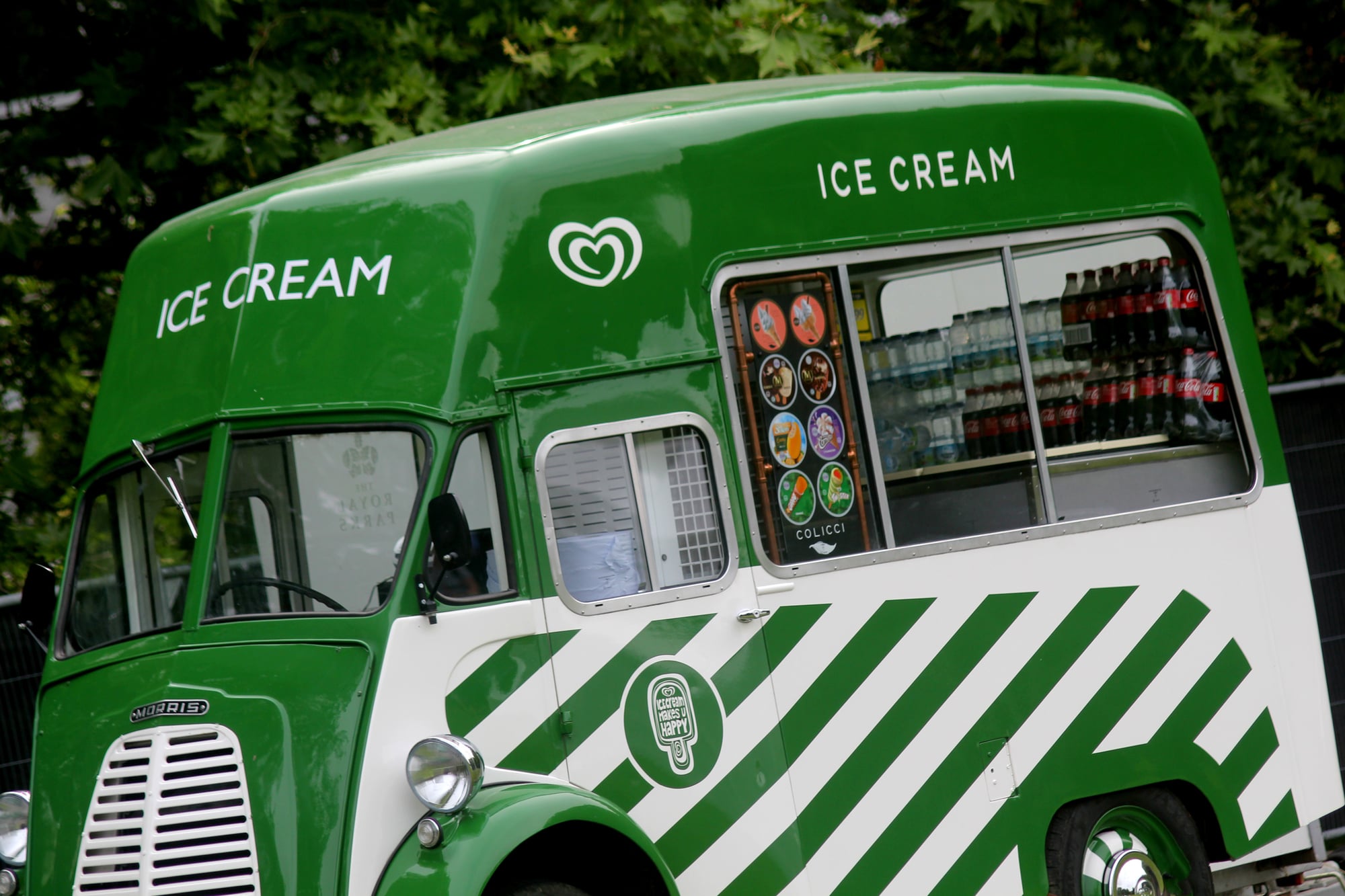
Running an ice cream truck in the 1970s cost a fraction of what it costs today, and the math has only gotten more hostile. Fuel prices, commercial vehicle insurance, freezer unit maintenance, and the cost of the product itself have all climbed steeply while the margins on a $1.50 novelty bar have not kept pace.
Some operators in major metro areas report spending upward of $400 a day just to keep the truck moving before a single sale is made.
Zoning and Permit Restrictions
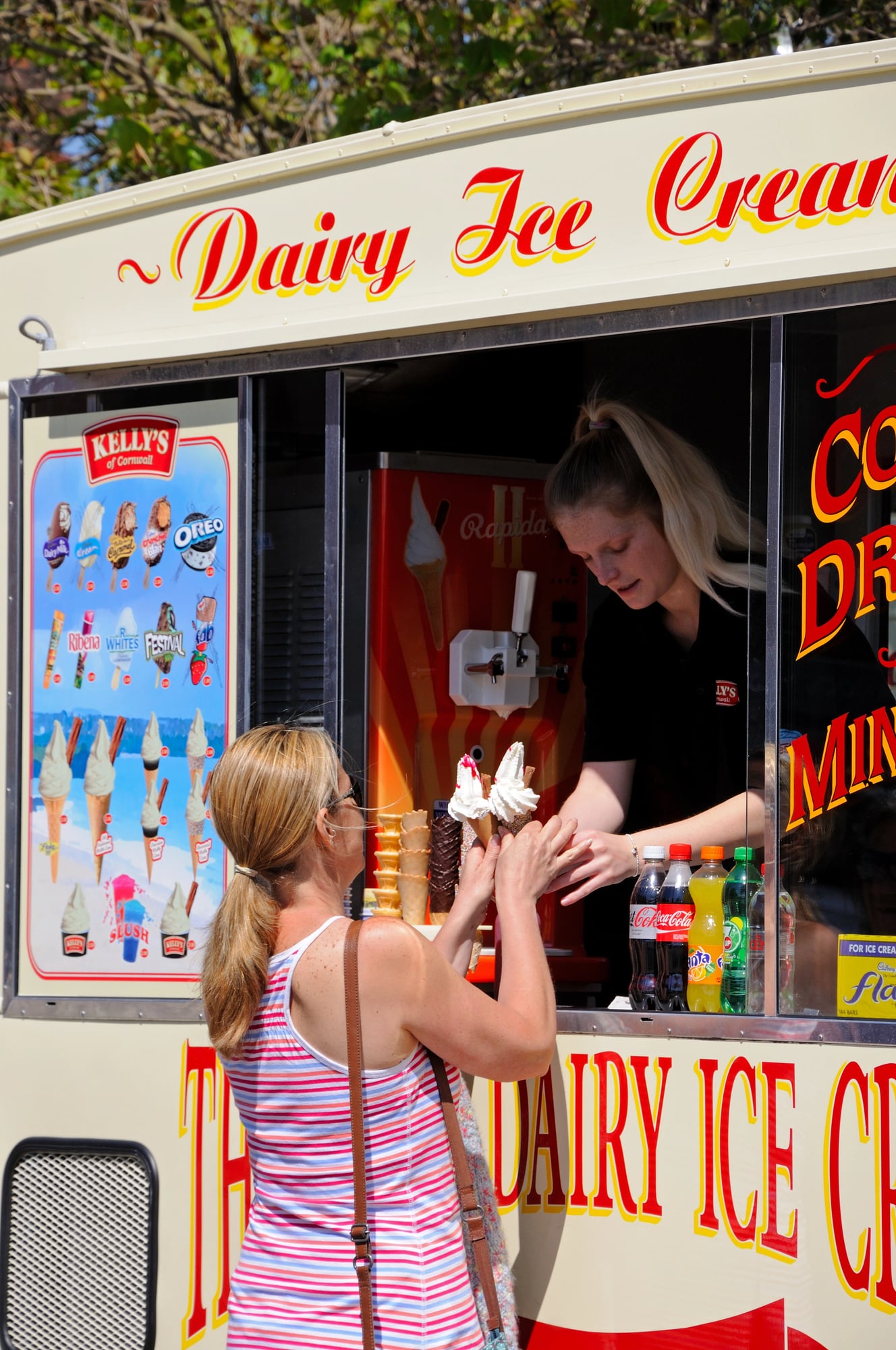
Cities quietly strangled the ice cream truck through paperwork. Vendors in places like New York City, Los Angeles, and Chicago face permit fees, designated vending zones, and restrictions on how long a truck can idle in a residential area — rules that didn’t exist or weren’t enforced when the industry was at its peak.
Some municipalities require separate permits for each neighborhood or borough, which turns a single afternoon route into a bureaucratic obstacle.
The Suburban Sprawl Problem
The ice cream truck was built for a specific kind of neighborhood — dense, walkable, full of kids playing outside within earshot of the street. Suburban sprawl, with its cul-de-sacs, gated communities, and long stretches of road between houses, broke that model entirely.
A truck that once covered a compact grid of streets in twenty minutes now needs an hour to reach the same number of potential customers, and many of those customers are tucked behind fences and garage doors, indifferent to the jingle passing outside.
Children Stopped Playing Outside
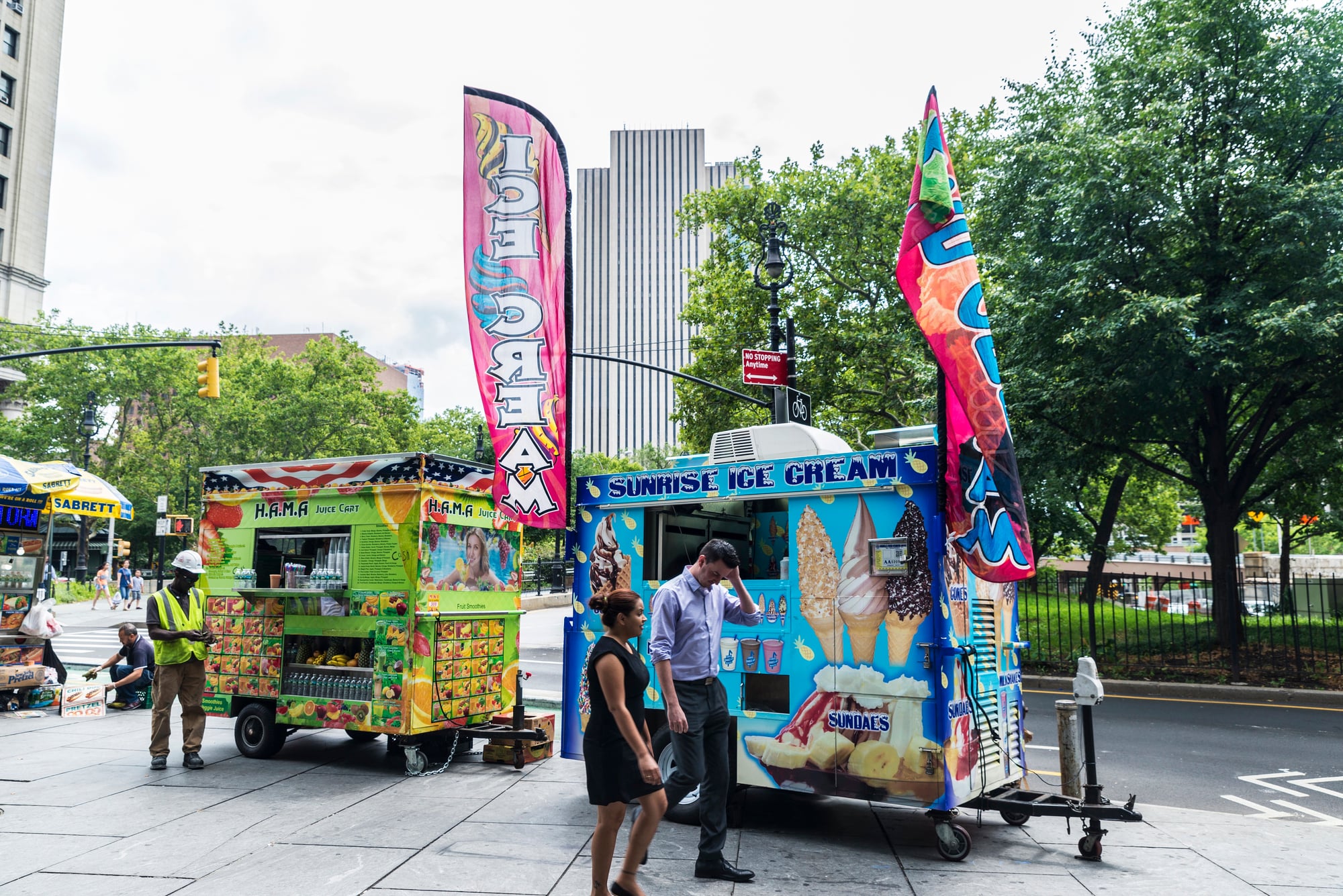
This one is harder to quantify but impossible to ignore. The gradual retreat of children from outdoor, unsupervised play — driven by parental anxiety, screen time, and the slow disappearance of the kind of neighborhood culture where kids roamed freely — removed the ice cream truck’s core customer base from its natural habitat.
You can’t sell to a kid who isn’t there.
Competition From Convenience Stores
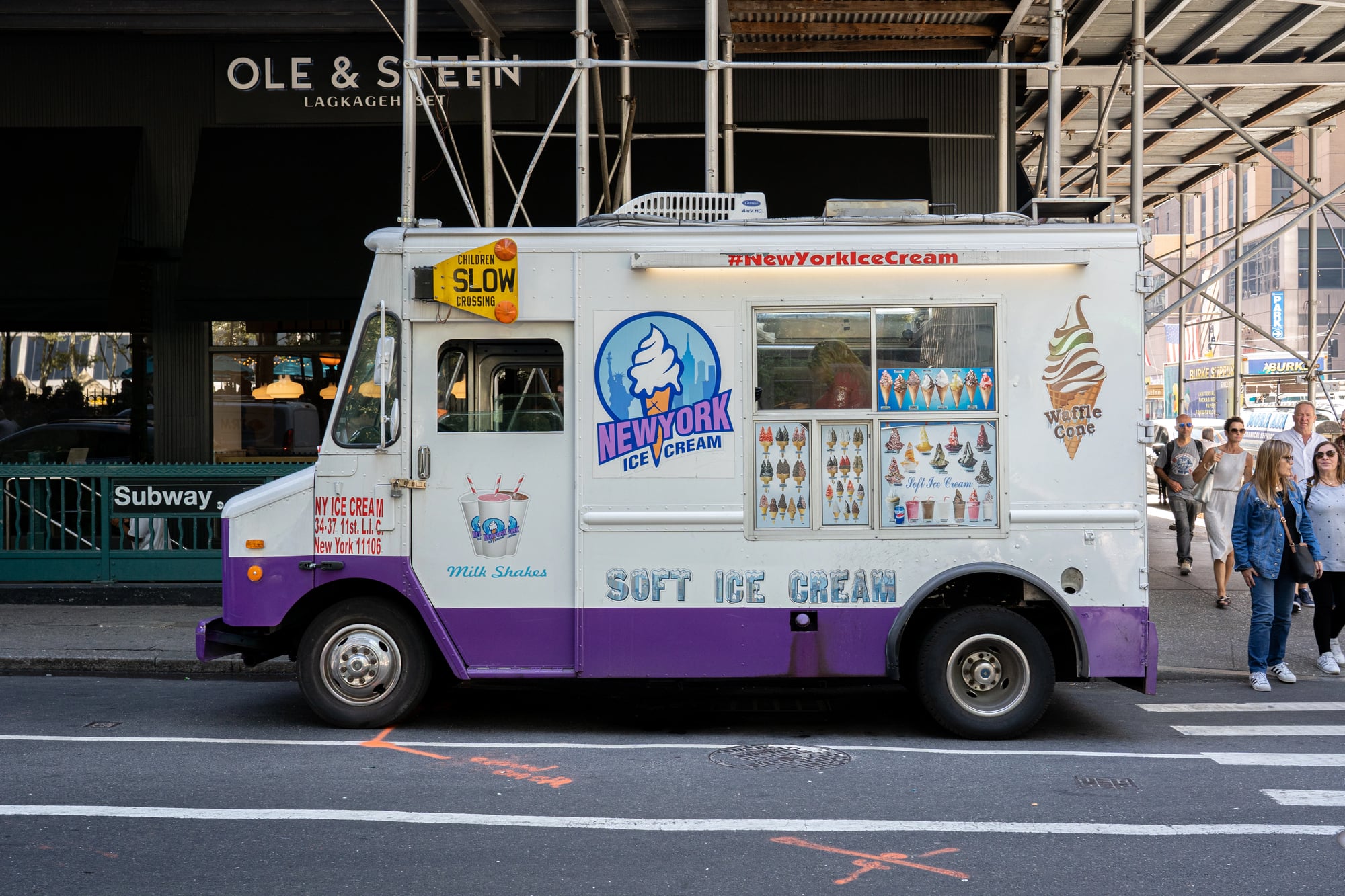
The ice cream truck used to be one of the only ways a child could get a cold treat without a parent driving somewhere, and that convenience was the whole value proposition — but then a gas station with a freezer full of Drumsticks appeared on every other corner.
The explosion of 7-Elevens, Walmarts, QuikTrips, and dollar stores offering the same novelty bars at lower prices made the truck feel redundant in a way it simply hadn’t been before. To be fair, it’s hard to compete with a store that never moves and stays open until midnight.
Liability and Safety Concerns
The ice cream truck became a legal liability in ways nobody anticipated when the business was young. Children running into traffic chasing a truck led to lawsuits, and some states passed specific legislation — sometimes called “ice cream truck laws” — requiring trucks to stop in designated areas and use safety arms, adding operational complexity.
Insurance premiums in some states rose so sharply in response to accident claims that small operators simply walked away from the business.
The Stranger Danger Era
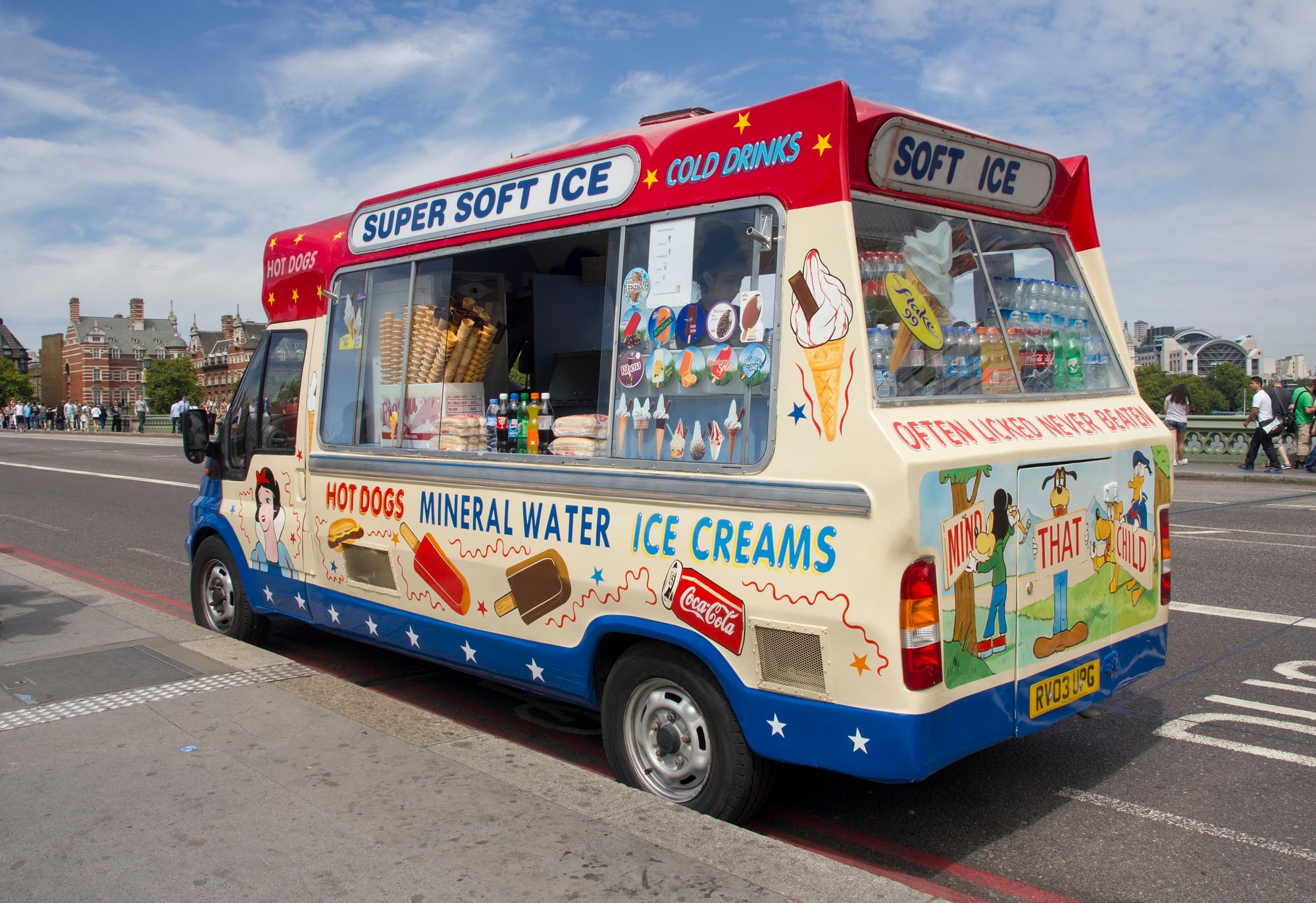
Something shifted culturally in the 1980s and 1990s that cast a long shadow over the ice cream truck. The stranger danger campaigns of that era — however well-intentioned — reframed the image of an adult in a vehicle offering treats to children in a way that was genuinely damaging to an entire industry built on exactly that premise.
Parents who had grown up running to the truck began hesitating, or simply discouraging their own kids from doing the same.
Health and Nutrition Consciousness
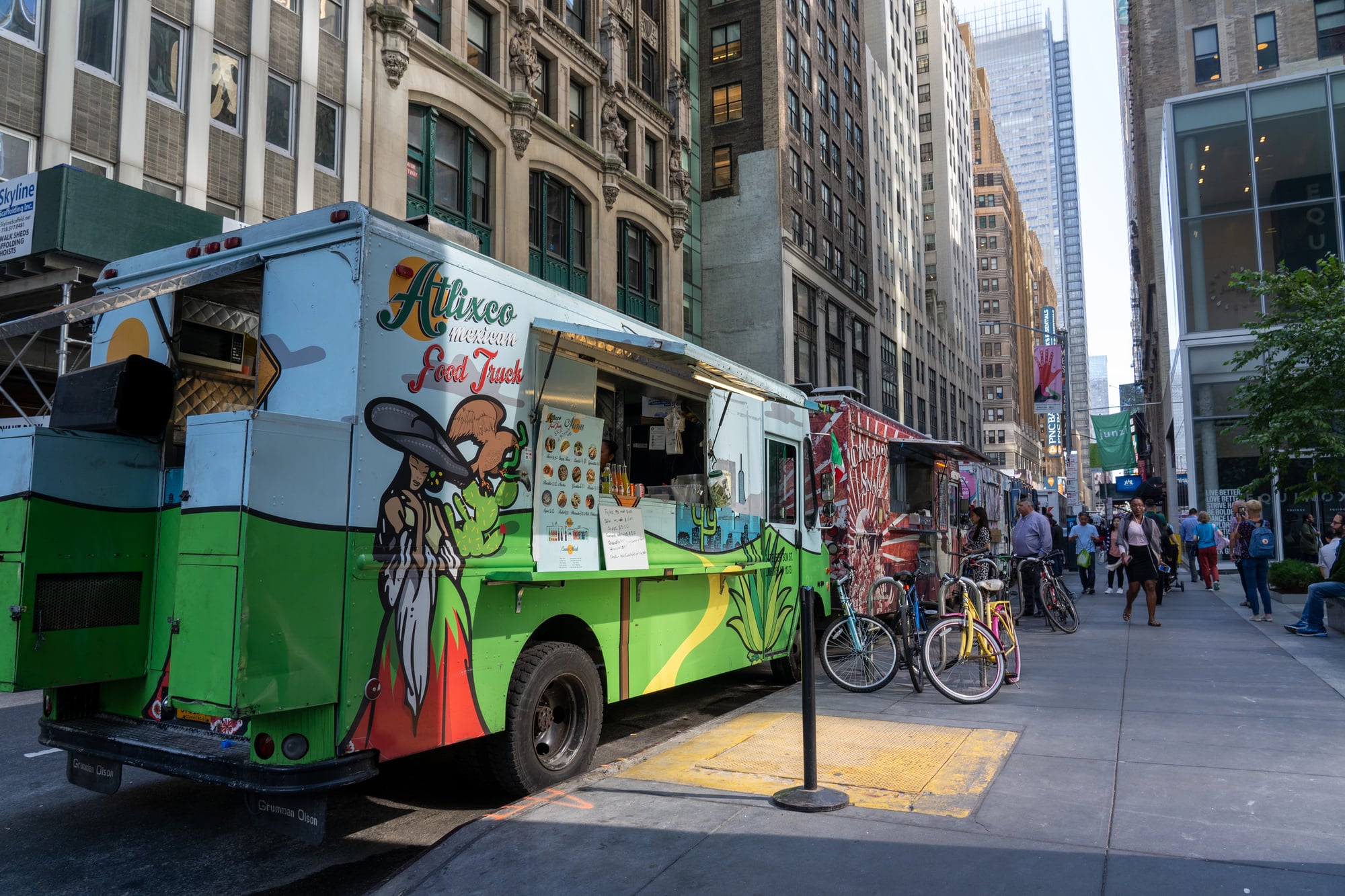
The ice cream truck is not a health food destination, and it never pretended to be — but the broader cultural turn toward nutrition awareness hit novelty ice cream harder than most indulgences. School wellness programs, pediatric guidelines on sugar consumption, and a general parental anxiety about processed food made the truck feel, to a certain demographic of parents, less like a summer tradition and more like something to redirect children away from.
The Creamsicle didn’t change; the conversation around it did.
Corporate Consolidation
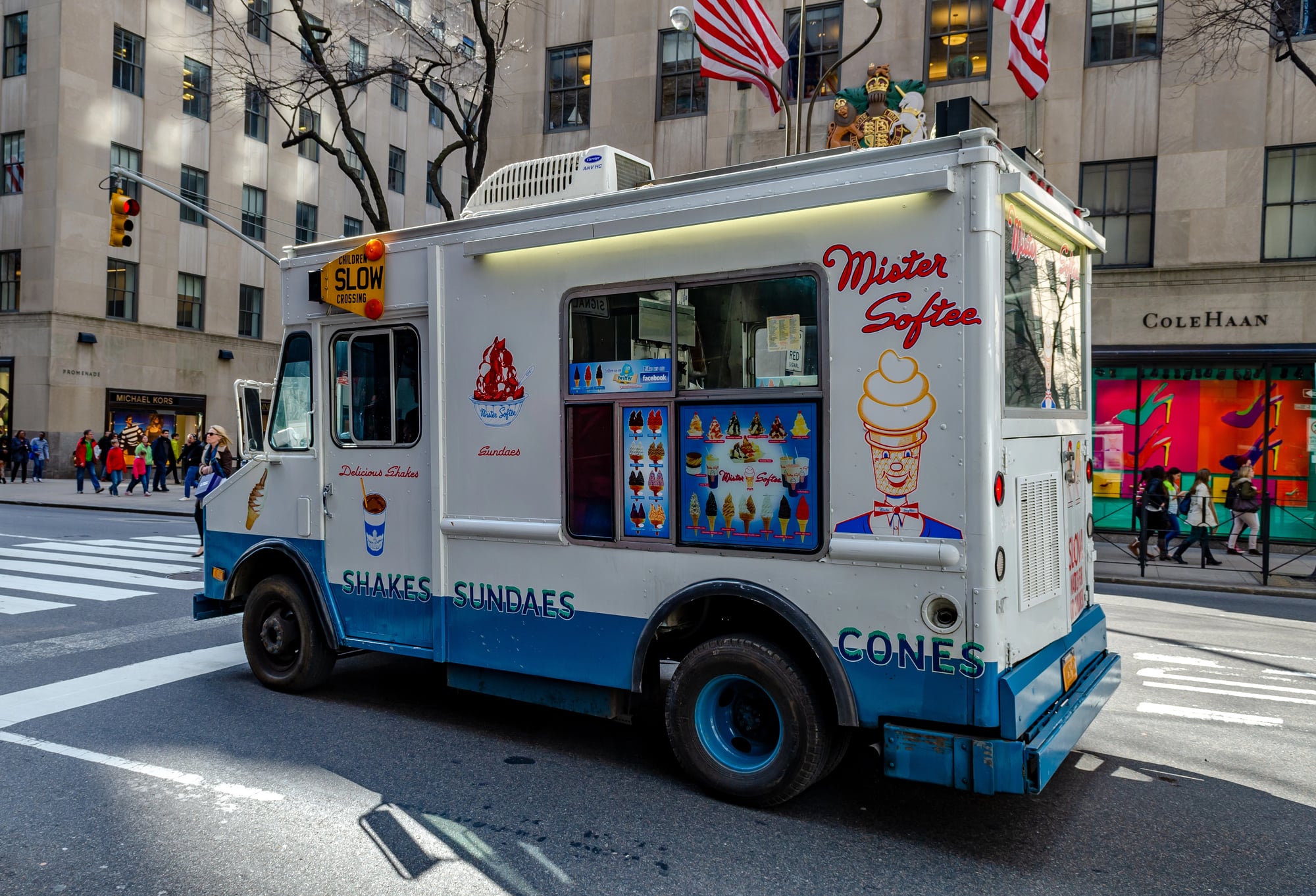
The ice cream truck business was once dominated by independent operators who knew their routes and their customers personally — a guy named Dave who showed up every Tuesday at 4 p.m. and remembered that your brother always wanted the Screwball.
What happened over the decades is that corporate consolidation absorbed many of those operators, stripped out the local character, and replaced it with franchise models that were harder to sustain in low-density markets. The soul of the thing lived in the independence, and consolidation quietly extracted it.
The Music Licensing Tangle
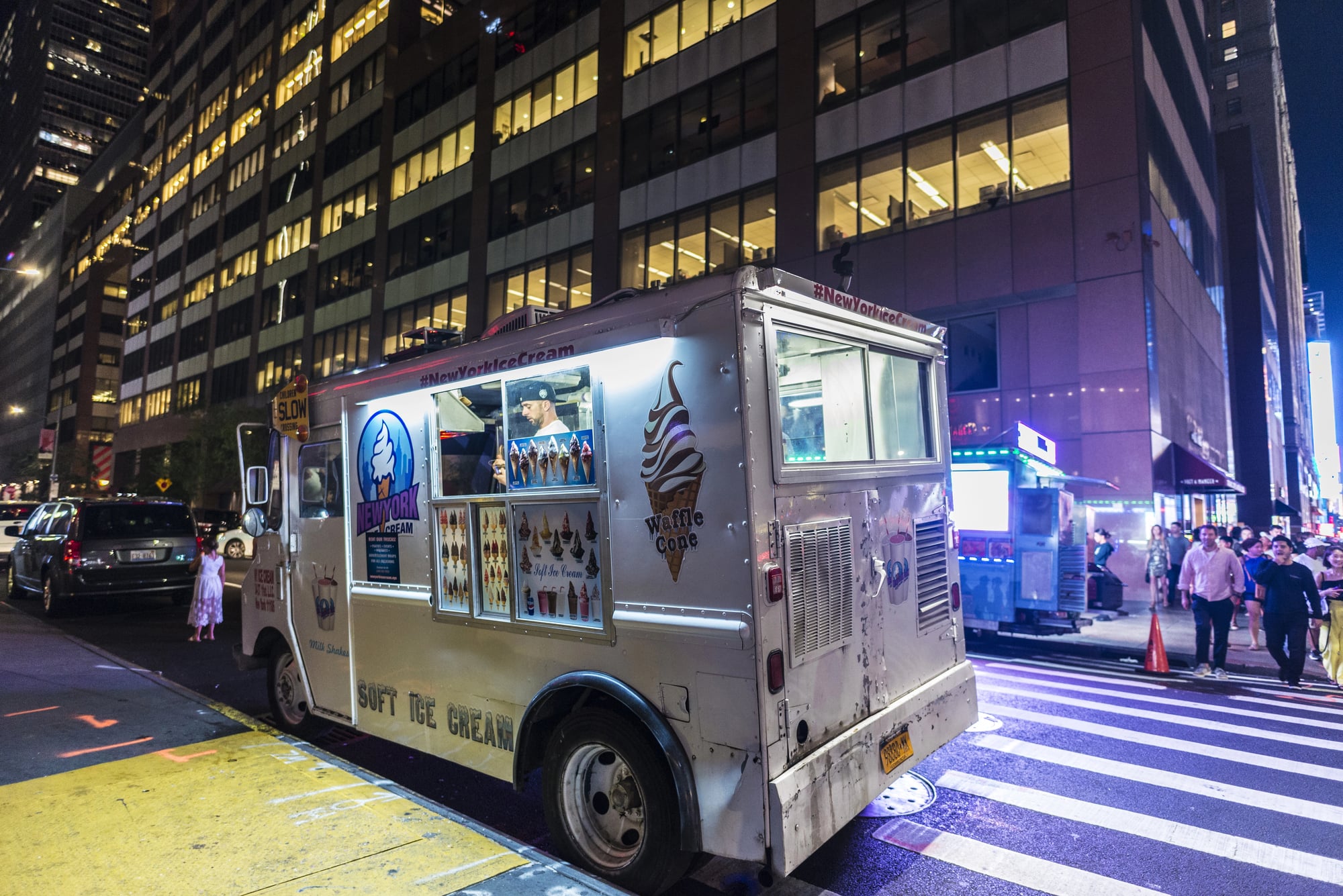
That familiar jingle — whether it was “The Entertainer,” “Turkey in the Straw,” or some other loop — became its own legal headache as copyright law tightened around commercial use of recorded music. Operators using modern sound systems with updated tracks found themselves navigating licensing fees and restrictions that their predecessors, playing warped tapes through tinny speakers, never had to consider.
It sounds minor until you realize it’s one more cost added to a business already operating on thin margins.
Minimum Wage Increases
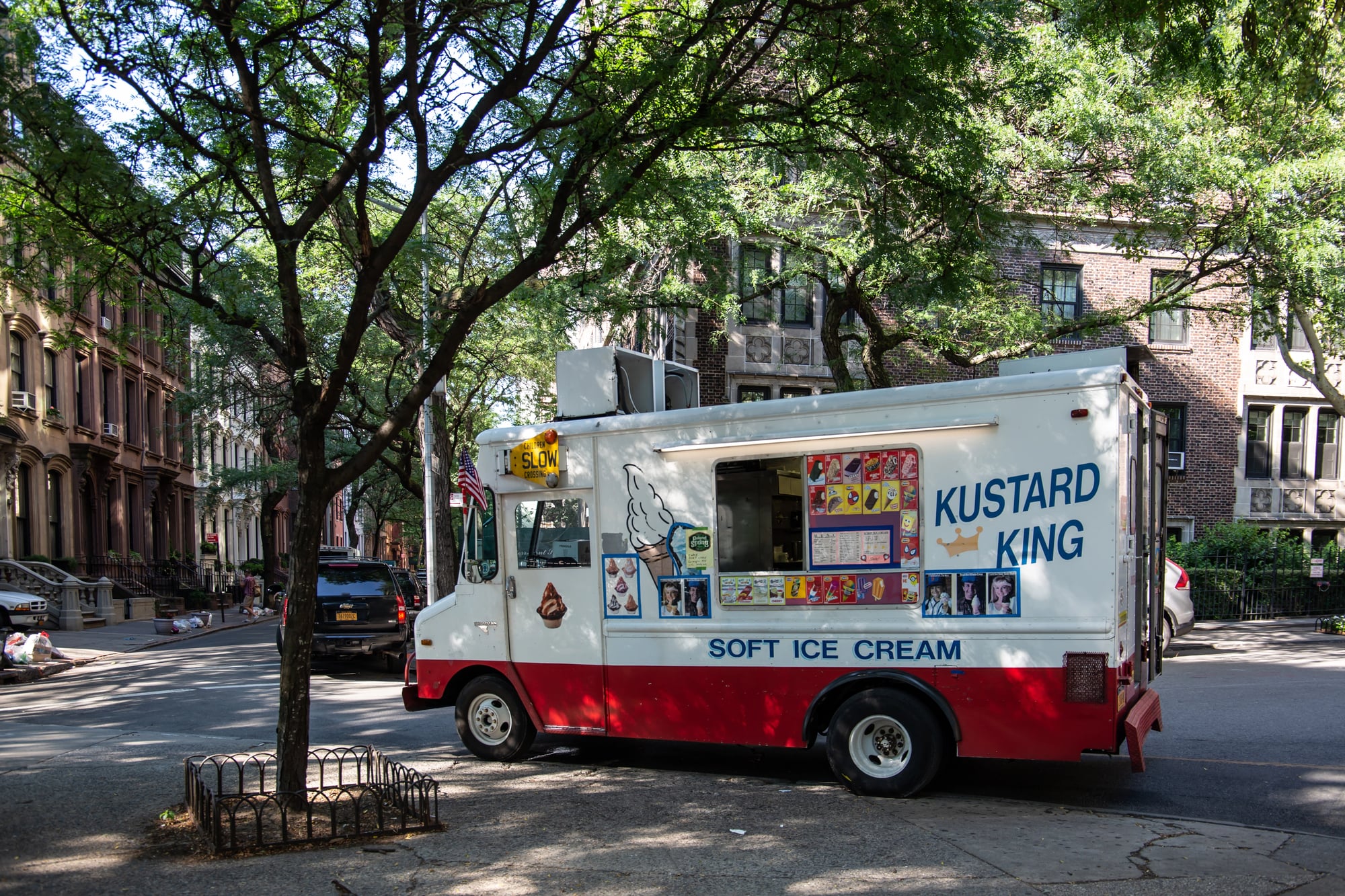
The ice cream truck was always a low-margin, labor-intensive operation, and rising minimum wages — while broadly beneficial — accelerated the math problem facing operators who employed drivers. A single driver making $15 an hour needs to sell a significant number of $2 novelty bars just to cover their own wages, before fuel, permits, product, or vehicle maintenance enters the equation.
Some family-run operations survived by keeping it strictly in the family; hired-driver models struggled far more visibly.
The Summer Schedule Shift

Summer used to be genuinely unstructured for most American kids — long afternoons with nowhere to be, which is exactly when ice cream trucks thrive. The creep of organized summer activities, camps, summer school programs, and structured enrichment schedules compressed the window of idle afternoon time that the truck depended on.
A neighborhood full of kids at swim practice or coding camp at 3 p.m. is a neighborhood the truck drives through without stopping.
Digital Distraction
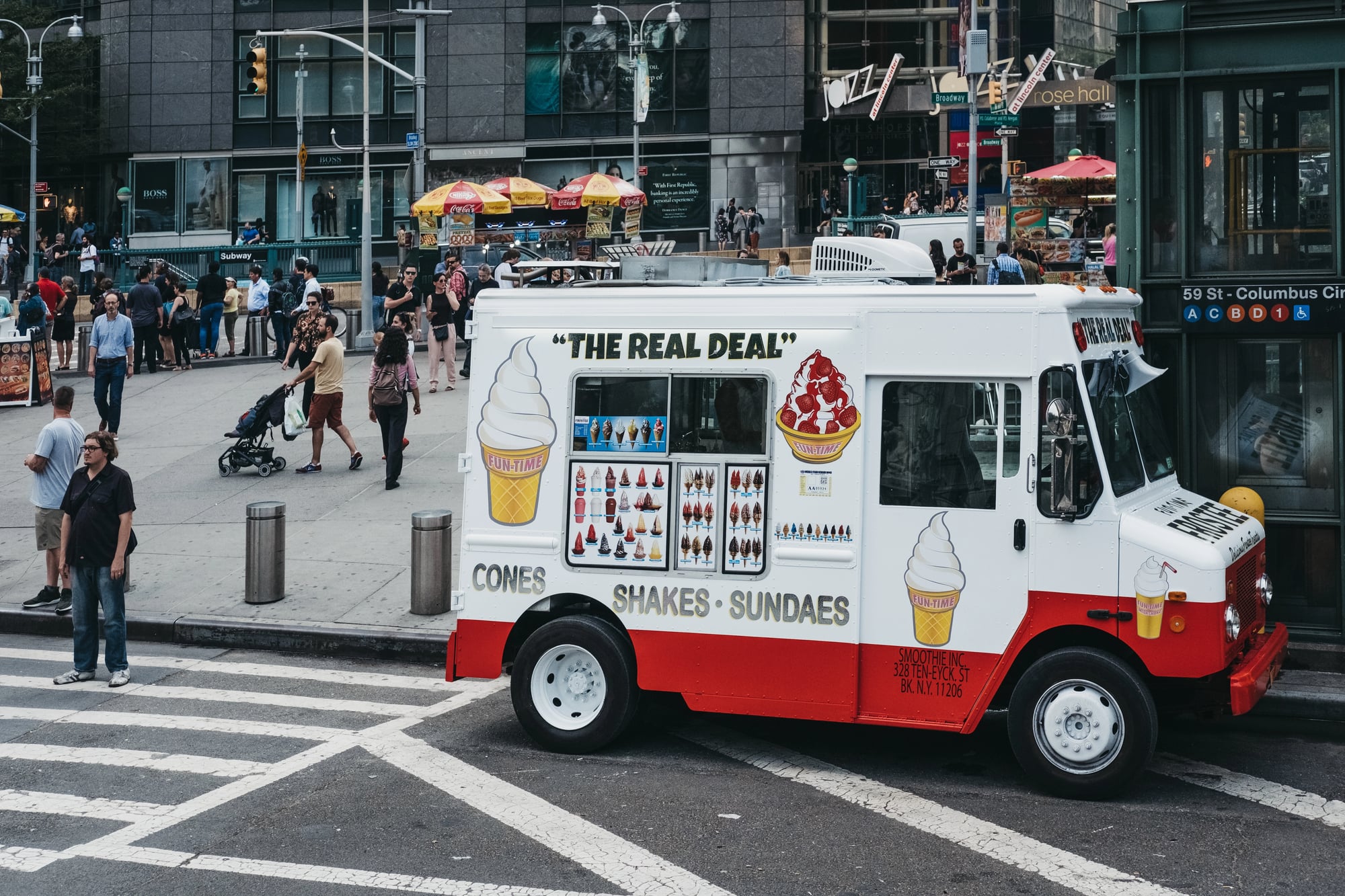
There’s something almost poetic about the fact that the same devices that pulled children indoors also made it theoretically easier to find the truck — apps like Roamer and IceCreamTruckFinder briefly promised a tech-assisted revival — and yet the pull of the screen proved stronger than the pull of the jingle.
The truck required a kind of ambient attention, an ear half-turned toward the street, that competes poorly with a phone or a game console demanding full focus. Turns out, “catch it before it leaves” is not a compelling mechanic for a generation raised on on-demand everything.
The Gentrification Effect
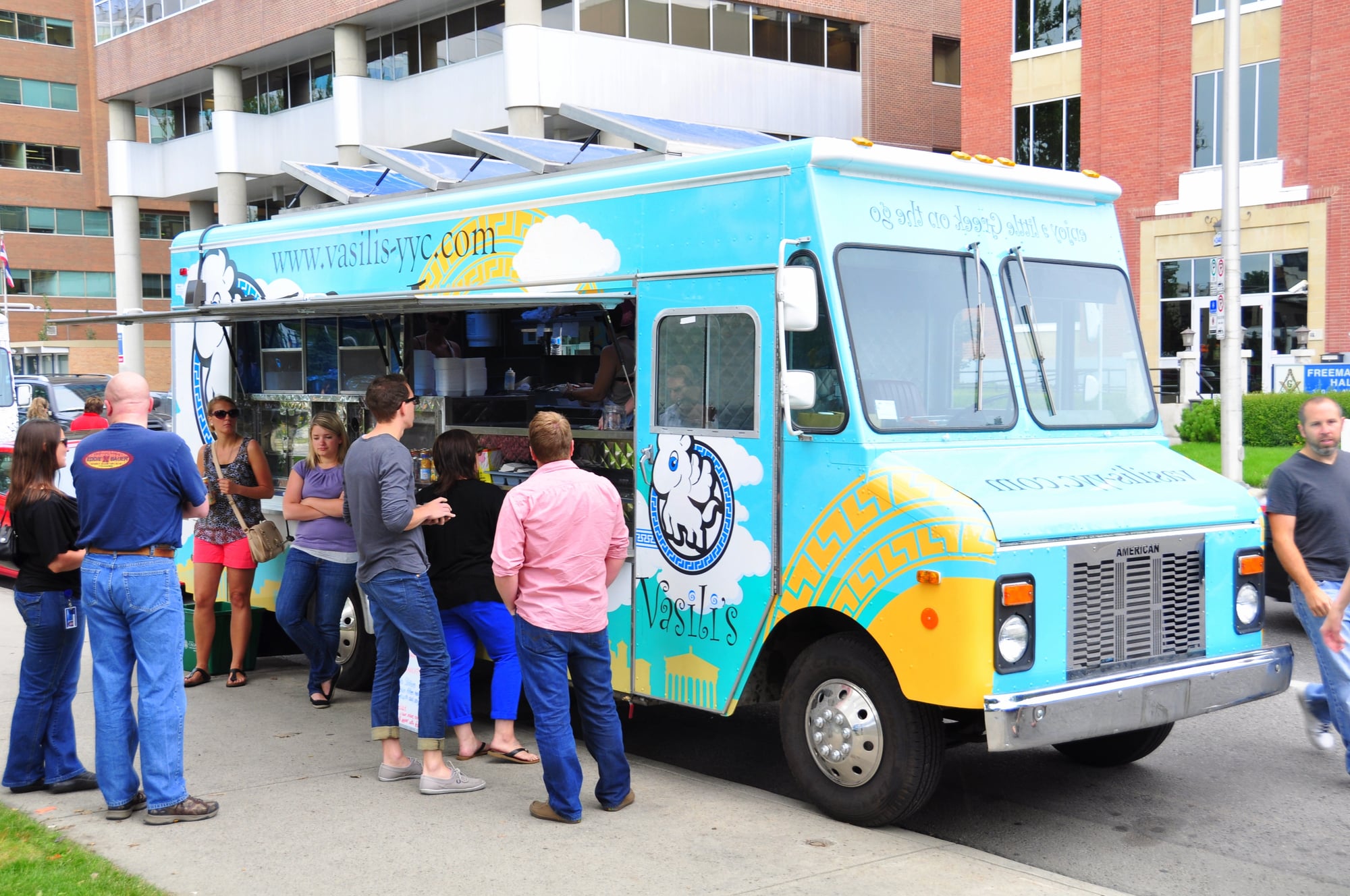
In urban neighborhoods where ice cream trucks traditionally thrived — dense, working-class, full of foot traffic and street life — rapid gentrification reshuffled the social fabric in ways that hurt the business. Rising property values attracted wealthier, more car-dependent residents who were more likely to drive to an artisanal gelato shop than flag down a truck.
The vendors who built routes in those neighborhoods over decades found the customer base they’d relied on displaced, sometimes miles away, and the new residents largely indifferent to what the truck was offering.
The Nostalgia Trap
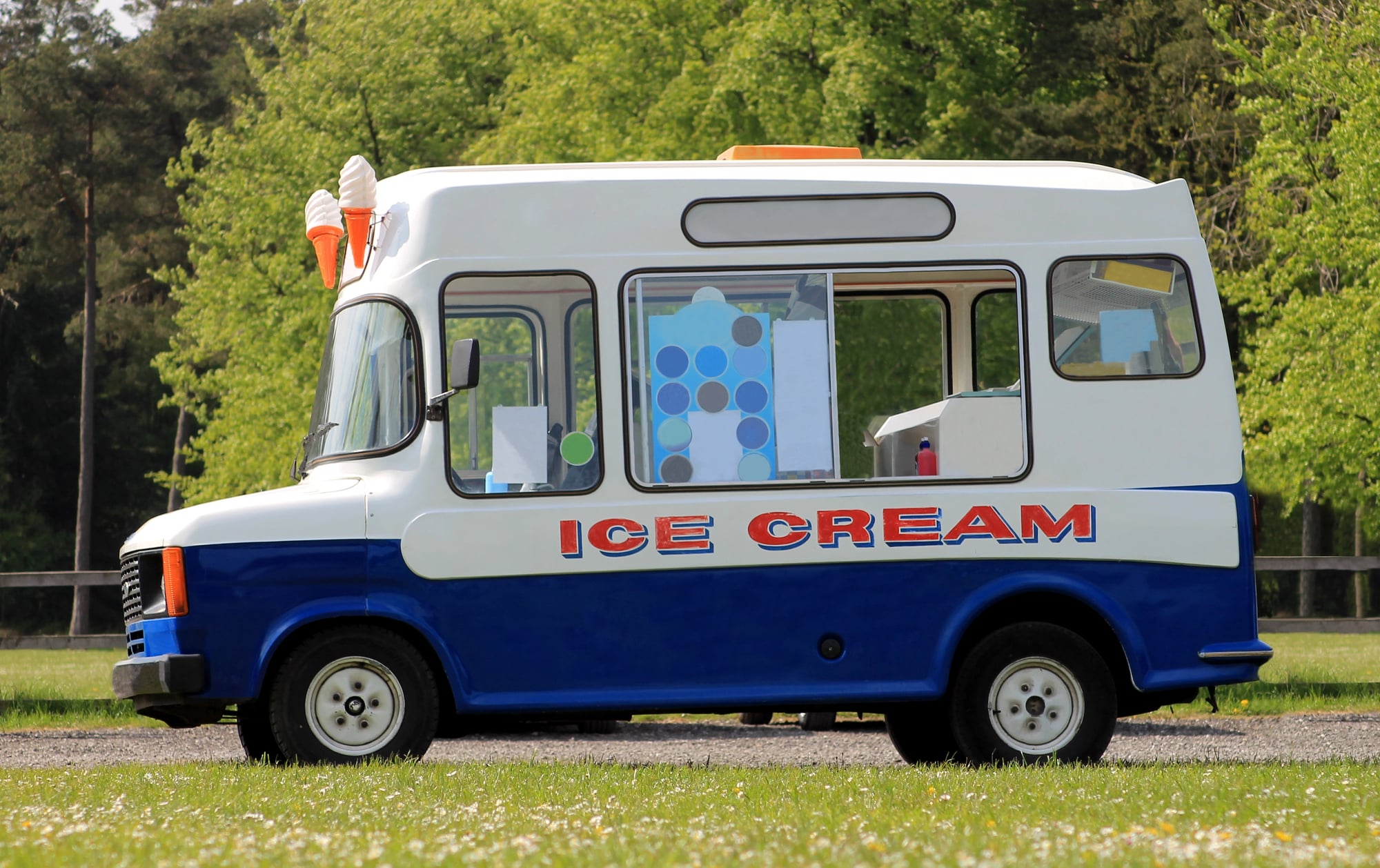
The ice cream truck that exists now mostly exists as nostalgia — a wedding reception feature, a corporate event prop, a gourmet rebranding charging $8 for a matcha soft serve out of a renovated vintage truck. That version is charming and clever, but it’s a museum piece wearing the costume of the original.
The neighborhood truck that showed up uninvited on a Tuesday evening and sold SpongeBob popsicles with the gumball eyes slightly misaligned — that version has largely become a rarity, remembered more often than encountered.
The Routes That Remain
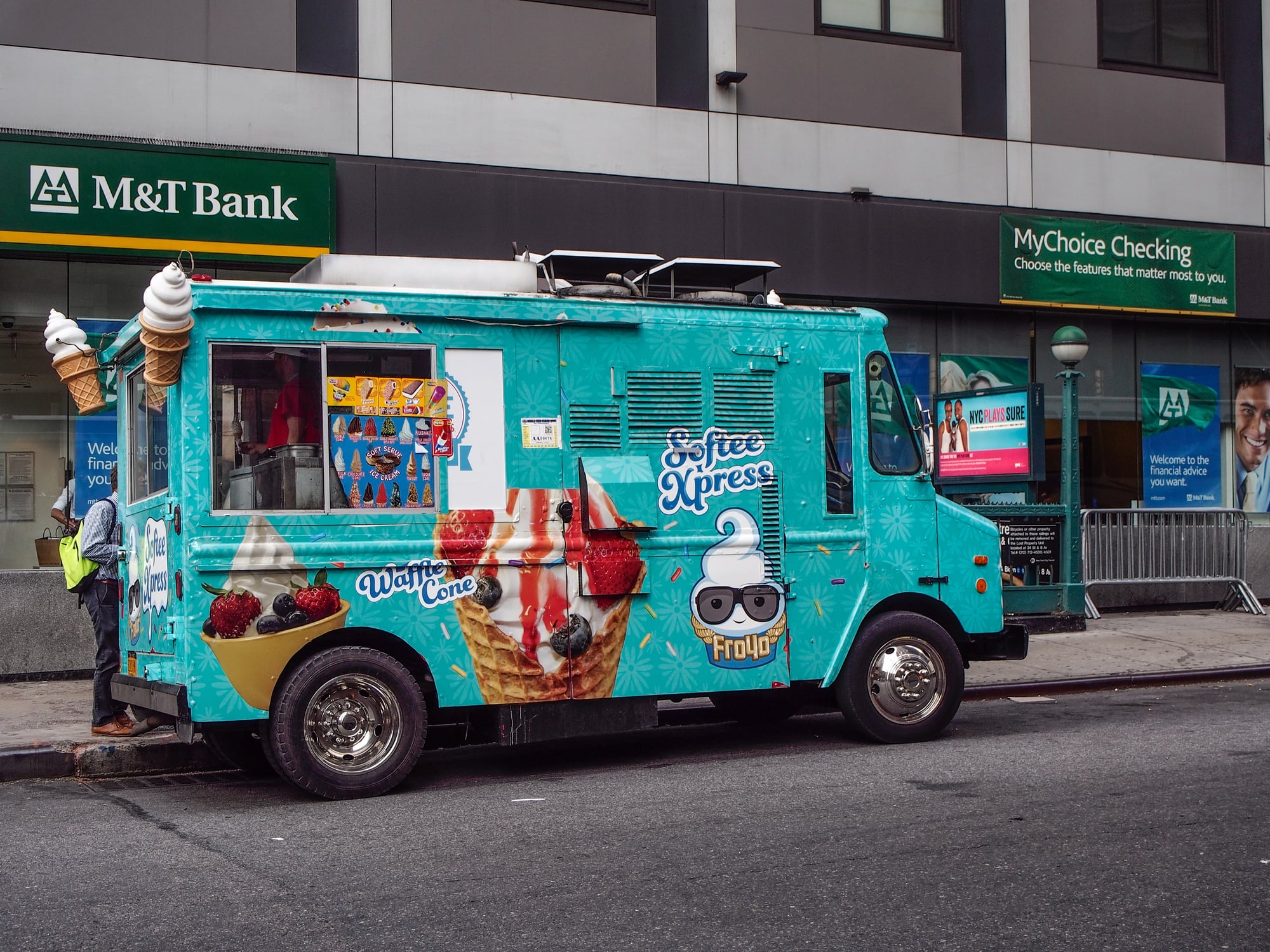
The ice cream truck hasn’t vanished entirely — it just retreated to the places where the conditions that made it work still exist. Dense urban neighborhoods in certain cities, lower-income suburban areas where kids still play outside, small towns with compact street grids: these are the pockets where the truck survives.
It’s a telling map, because the places where the truck still works are also the places that haven’t been fully reshaped by the forces that dismantled it elsewhere.
The Sound That Lingers
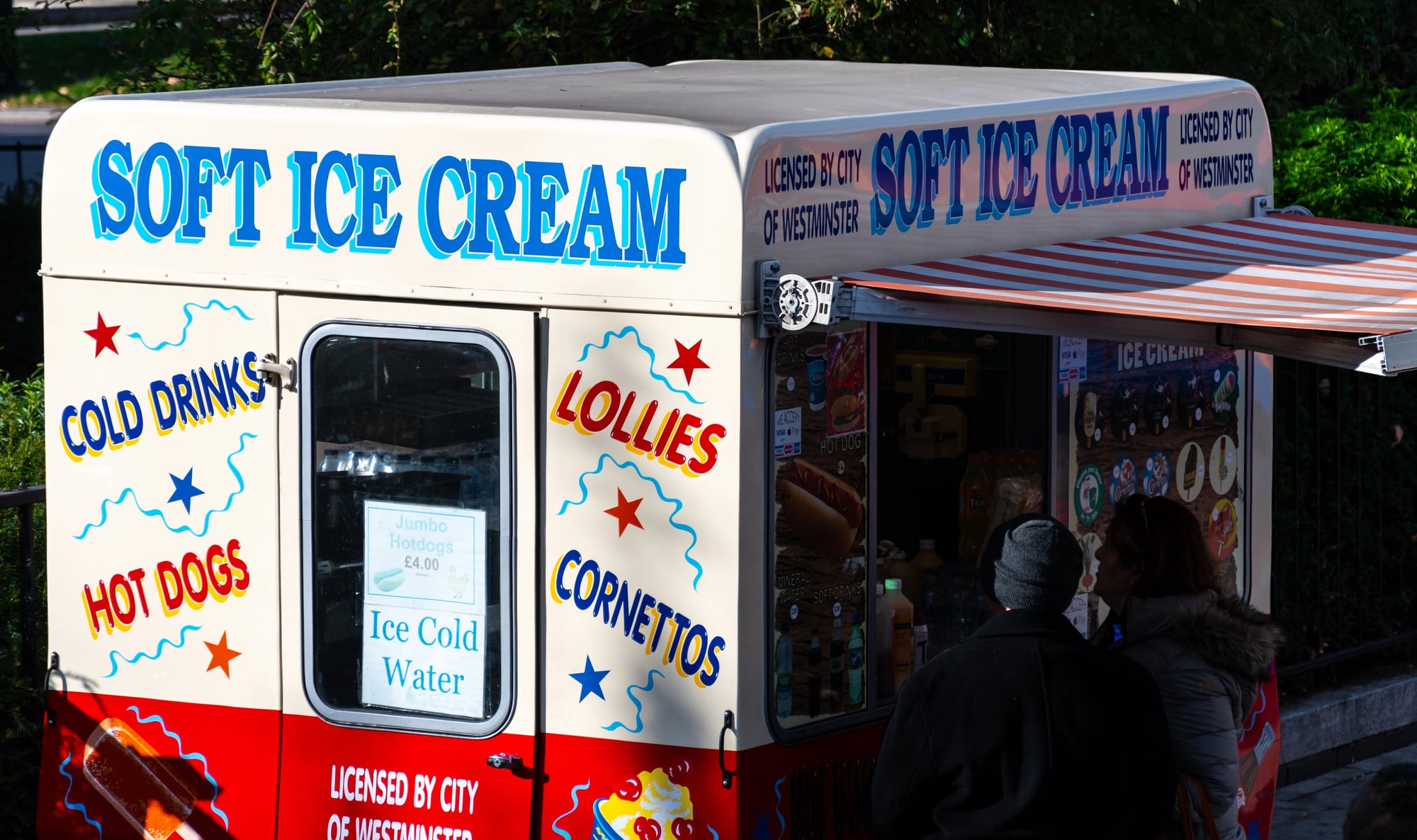
Memory is stubborn about this particular thing. People who haven’t heard an ice cream truck jingle in twenty years still recognize it instantly — still feel the small, urgent pull of it somewhere in the chest, the way you’d feel a familiar song from childhood.
The truck outlasted itself as an experience by decades because it lodged itself somewhere below conscious recall, in the part of the brain that doesn’t distinguish between what happened and what mattered. It became rare before anyone thought to say goodbye.
More from Go2Tutors!

- The Romanov Crown Jewels and Their Tragic Fate
- 13 Historical Mysteries That Science Still Can’t Solve
- Famous Hoaxes That Fooled the World for Years
- 15 Child Stars with Tragic Adult Lives
- 16 Famous Jewelry Pieces in History
Like Go2Tutors’s content? Follow us on MSN.