How Smart Home Tech Is Blending With Decor Styles
Smart home technology used to stand out like a sore thumb in tastefully designed spaces. You’d spend hours getting your living room perfect, only to add an oversized white speaker or a shiny plastic thermostat that would destroy the whole ambiance.
Those days are rapidly fading, and the transformation is pretty exciting. Now, tech firms are finally waking up to the reality that people notice what their devices look like. Interior designers are collaborating with engineers to create devices that complement a room rather than destroy it.
The result is an entirely new generation of smart home devices that really respect your design choices. Technology is evolving to fit into nearly any style of decor available, from sleek, modern lines to farmhouse trends.
Here’s the way clever technology is learning to coexist with your home furnishings.
Speakers disguised as decor objects
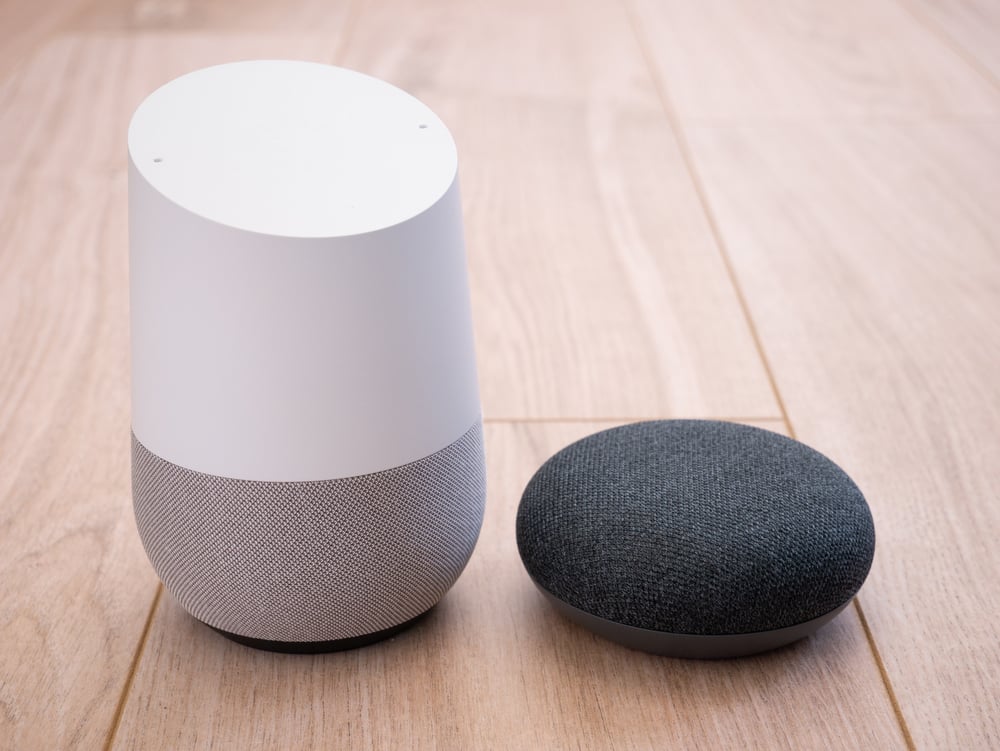
Smart speakers have undergone a complete transformation over recent years. Manufacturers now produce devices in woven covers, wood veneer casings, and even sculptural appearances that resemble a piece of art.
Bang & Olufsen has speakers that double as sculptures for modernism, while others, like Marshall, retain their retro-appearing amplifier design, which fits nicely in rooms with an old-school theme. There are speakers designed to be portable in the shape of everything from classy wooden goblets to pillow ornaments – and some high-end products feature brushed brass or rose ornaments that serve as an accent piece rather than an eyesore.
Hidden audio systems in walls and ceilings
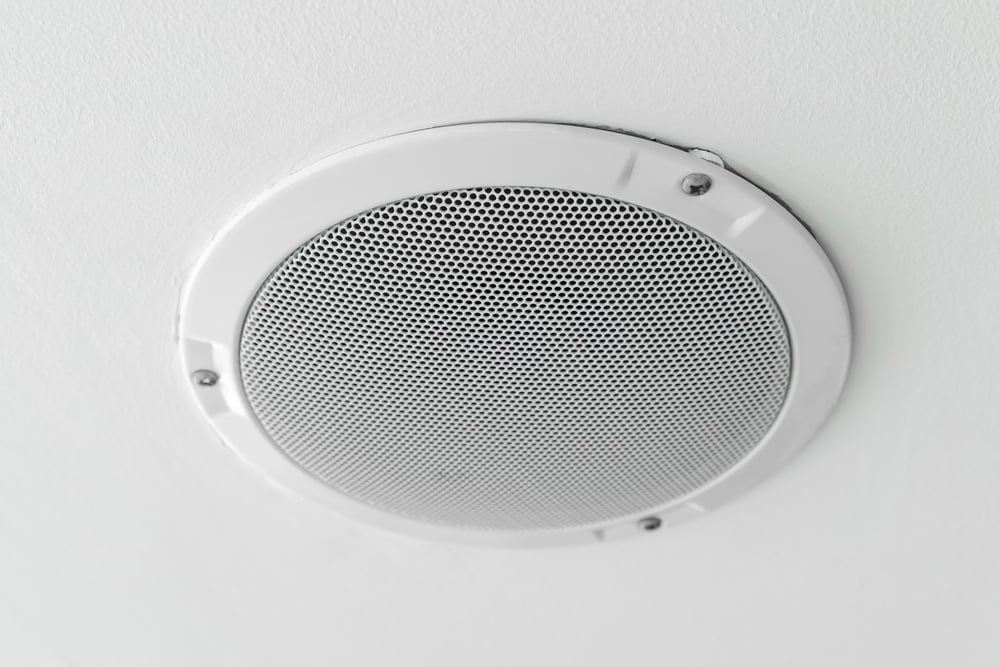
In-ceiling and in-wall speakers are the ultimate home audio disappearing trick. These speakers are installed directly into walls or ceilings and can be painted to match your surrounding surfaces.
They leverage the wall as a built-in amplifier, delivering crystal-clear sound in rooms devoid of a single sight of a speaker. The technology is best applied in open-concept spaces where traditional speakers obstruct sightlines, and special finish blends seamlessly with any wall aesthetic.
Smart thermostats with designer finishes
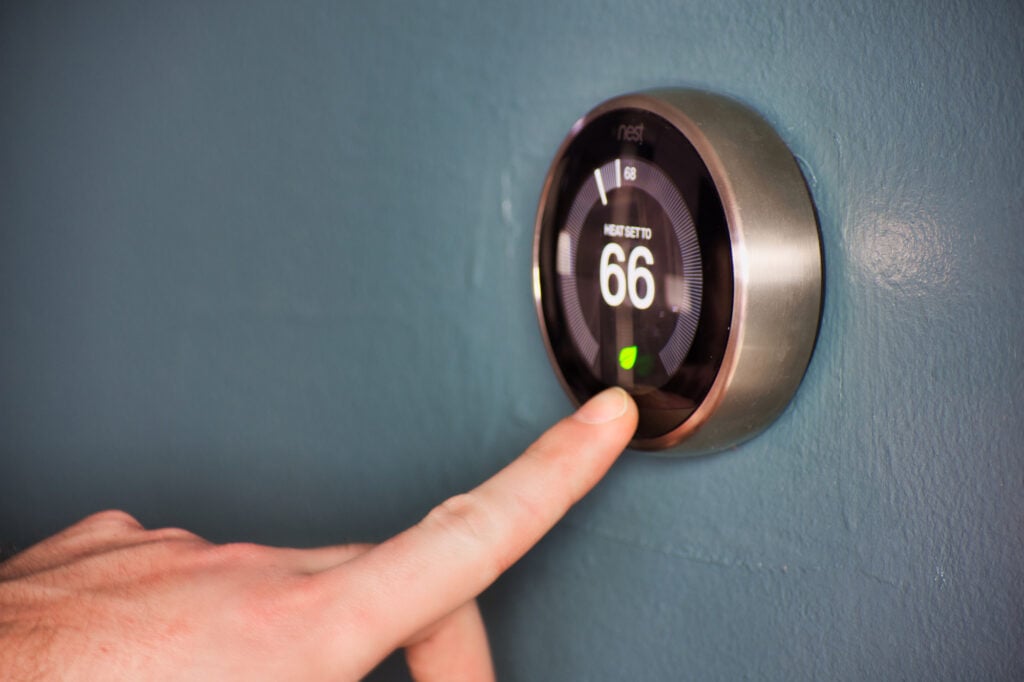
Farewell to the beige plastic enclosures of yesteryear’s climate control. Today’s smart thermostats appear in sleek silhouettes with adjustable displays and finishes from matte black to brushed metal.
Some have wooden surrounds or can be mounted almost flush into walls to reduce their visual footprint. Ambient light sensors are often built in, which automatically dim the display in bright light, so they won’t glow like a beacon in the dark or disappear during the day.
Digital art frames that transform masterpieces

Smart picture frames have transitioned from displaying family members’ portraits to becoming serious works of art for your walls. Devices like the Meural Canvas and Canvia utilize high-definition screens with matte coatings that mimic the texture of real canvas, streaming a wide range of content, from Van Gogh masterpieces to contemporary photography.
You can place different pieces of art to display at various times of day or in different moods, and many frames come in traditional wood finishes with a variety of staining options. The technology eliminates the need to pick a single piece of art; with thousands of works available through subscription services or your own picture library.
Voice assistants built into furniture
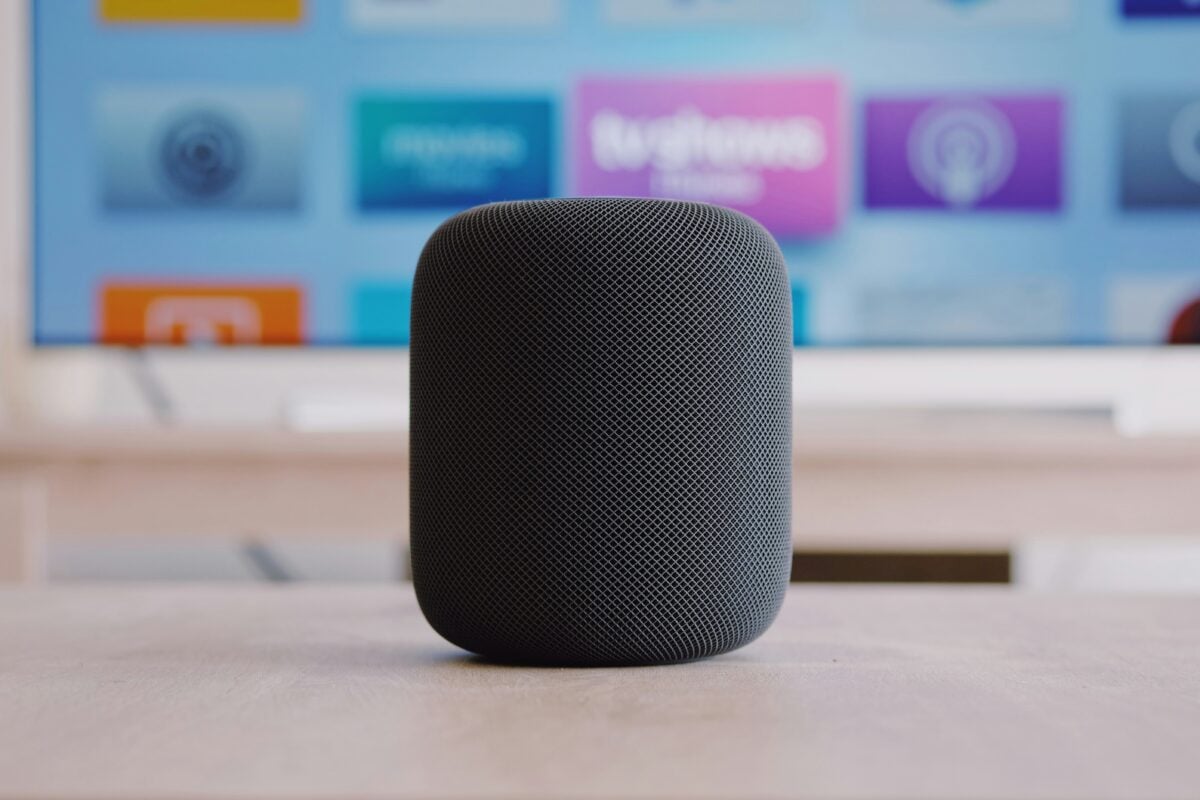
Technology-integrated furniture is making space for all these smart devices. Wireless charging pads and hidden Bluetooth speakers are embedded in coffee tables, while hidden USB ports and spaces for smart home hubs are found in nightstands.
Hidden space for remotes and devices is incorporated into some sofas, allowing them to remain in easy reach while out of sight. This does not give your home a cluttered appearance but makes furniture an active participant in your smart home system.
Minimalist smart lighting controls
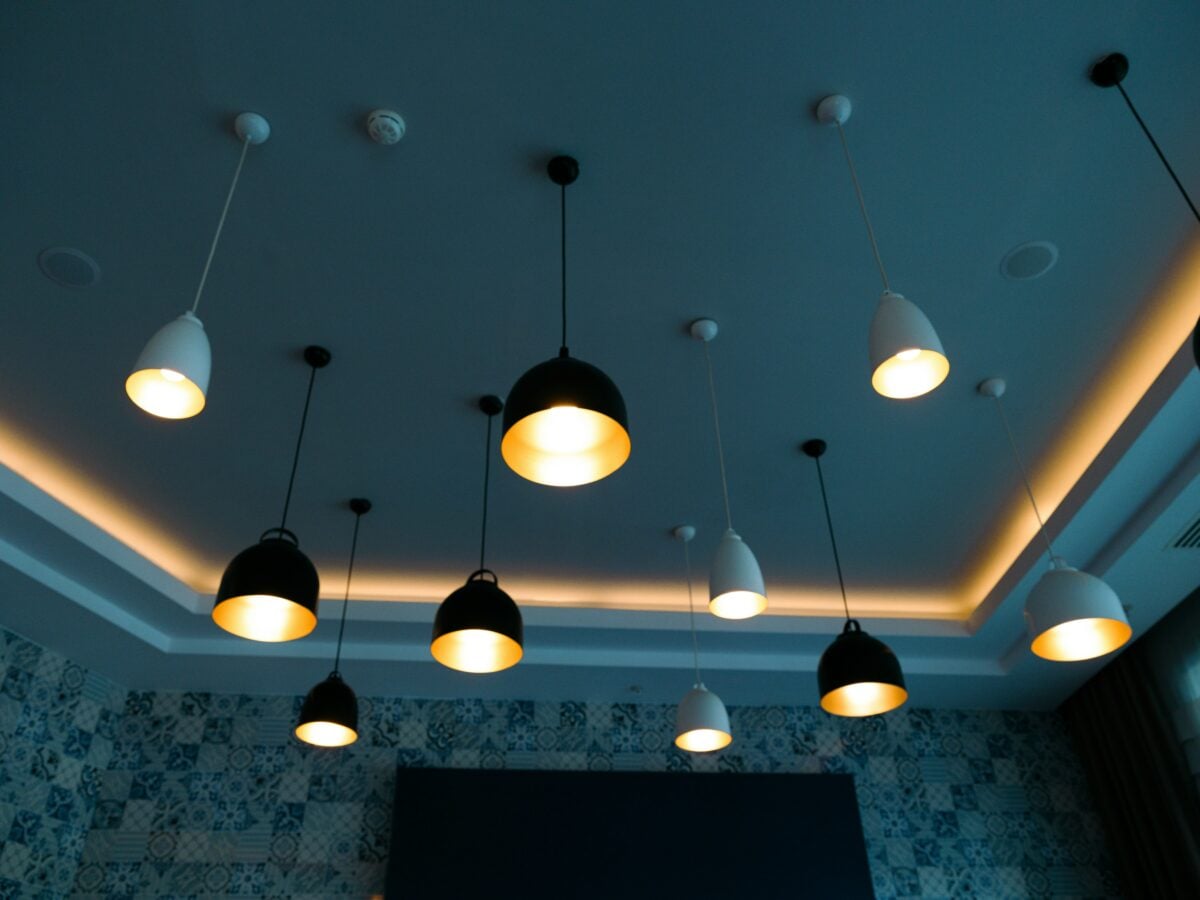
Smart lighting has evolved from bulky switches to thin touch panels and concealed inputs. Companies like Lutron and Basalte offer switches that are virtually flush with the walls and come in designer finishes to match high-end interiors.
Some employ LED strips hidden behind mirrors, under cabinets, or along ceiling edges to cast ambient lighting that seems to be coming from nowhere. Voice and app control allow you to occasionally eliminate visible switches or replace entire sets of switches with a single sleek panel.
Motorized TVs that disappear

Hidden TV systems utilize motorized mounts that allow screens to pop up from furniture, drop down from the ceiling, or slide out from the wall with the touch of a button. When you’re done watching, they roll up entirely out of sight, so your carefully curated gallery wall or architectural details take center stage.
Some systems hide TVs behind artwork or sliding panels that can match your decor. The technology eliminates the old problem of the large black rectangle dominating your living room, delivering entertainment when you want it and a clean design when you don’t.
Panel-ready smart appliances
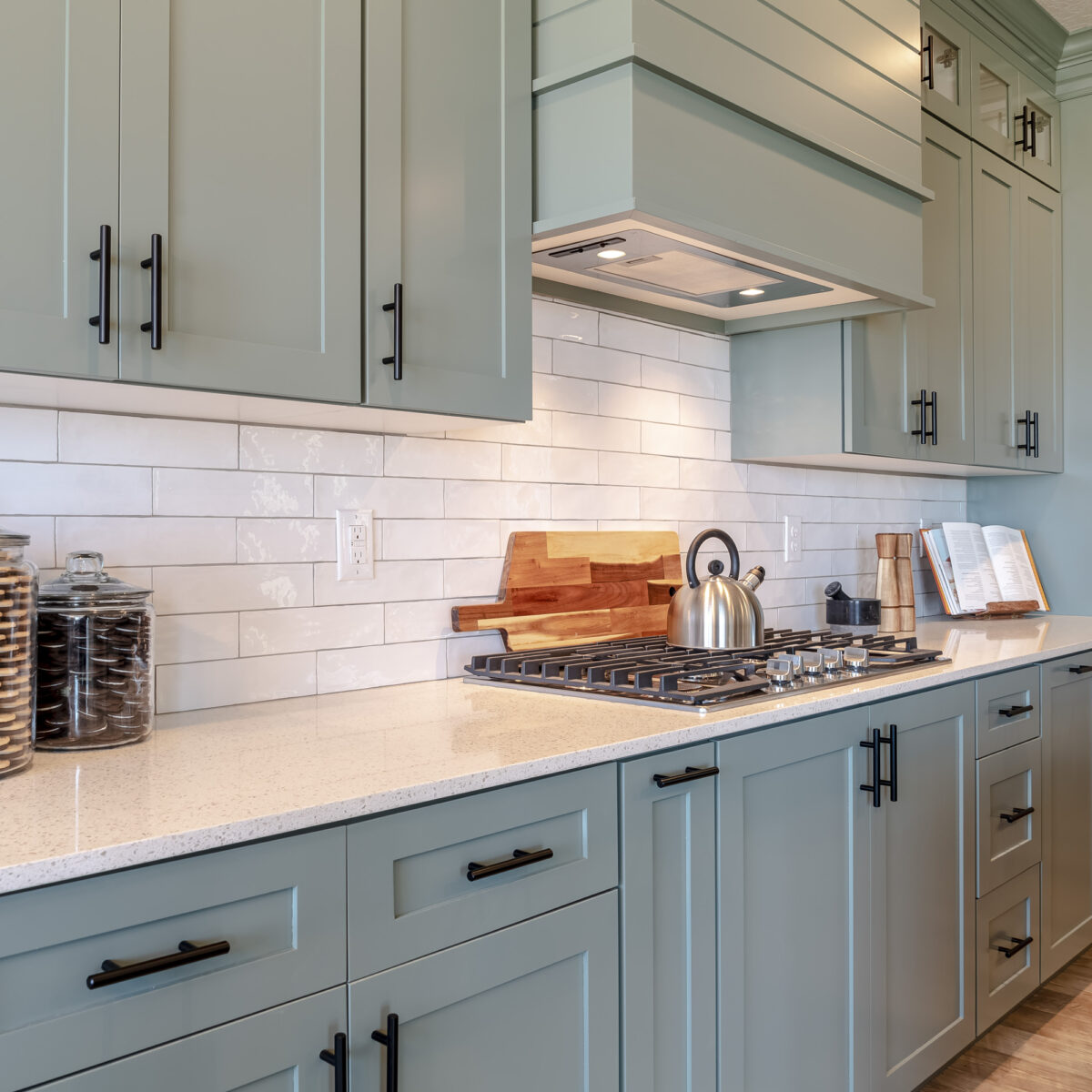
The kitchen appliances are receiving customized treatment with panel-ready designs that can match the same cabinet face as the rest of your kitchen. High-end refrigerators, dishwashers, and even wine coolers can be decked out in wood panels to match your cabinetry perfectly, concealing them in plain sight.
This maintains the sleek appearance of an integrated kitchen look without sacrificing any of the intelligent features, including remote temperature control, inventory tracking, and maintenance alerts.
Technology gadgets in natural materials

Designers are moving away from plastic and toward nature-based materials that are warmer and more tactile. Speakers with cork, stone, or sustainably sourced wood covers bring a natural touch to technology.
Products with rounded edges and natural color schemes make them feel less like a gadget and more like an ornament. This shift toward natural materials enables technology to become more integrated into biophilic and nature-based design systems, rather than conflicting with them.
Smart mirrors with hidden screens

Mirrors in bathrooms and bedrooms are becoming smart without compromising on their reflectivity purpose. Smart mirrors can display your weather updates, calendar reminders, and news while you get ready for the day, but the information is only present if the screen is activated.
Switched off, they are ordinary mirrors without any hint of technology. Others are able to read facial expressions and adjust their behavior accordingly, and some incorporate lighting that mimics daylight to enhance makeup and grooming.
Automated window treatments in custom fabrics
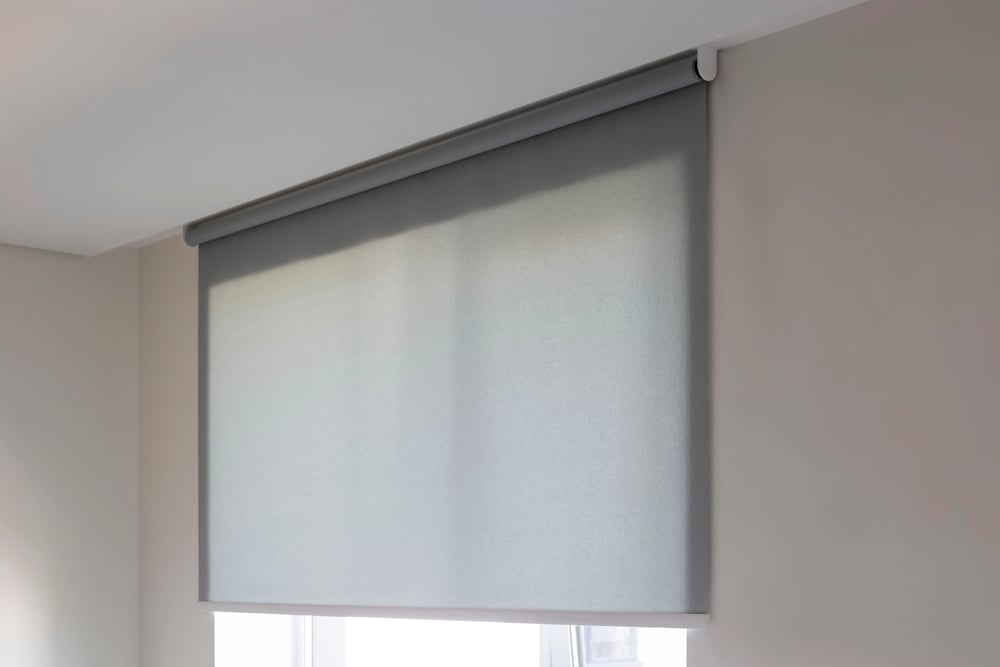
Curtains and shades are now intelligent and come in almost any fabric, pattern, or color imaginable. Motorized systems are hidden behind traditional-looking curtain rods or roll discreetly into ceiling pockets.
They can be set to open at sunrise, close for evening privacy, or cycle throughout the day to moderate heat and light. They are noiseless in operation, thanks to whisper-silent motors, and most systems are compatible with smart home systems, allowing window treatments to coincide with lighting and temperature settings automatically.
Flush-mounted control panels
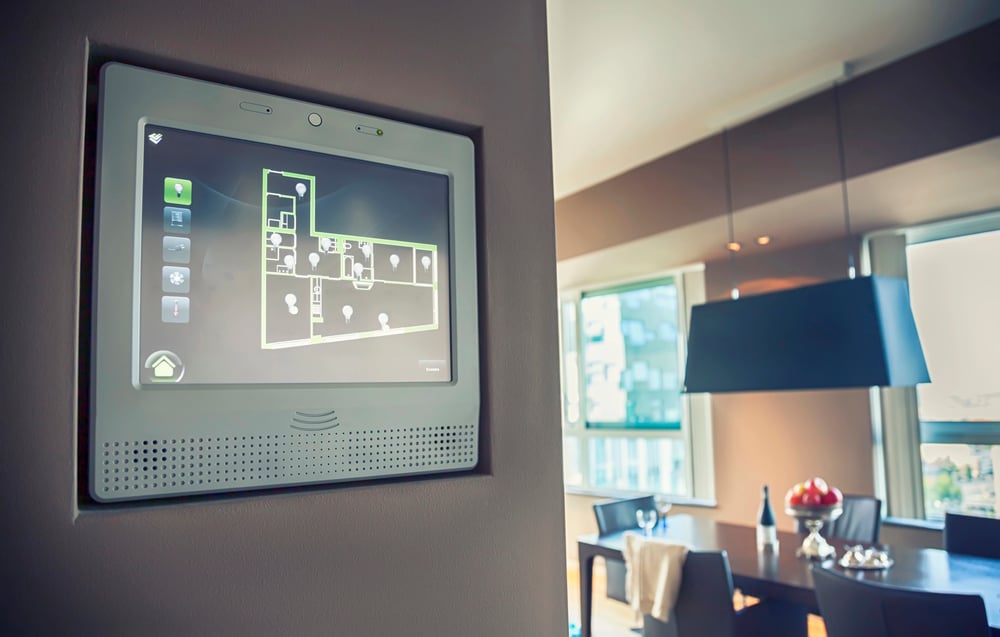
Smart home control panels have shed their clunky tablet appearance for sleek, super-thin styles that blend seamlessly into walls. Some, like TRUFIG, offer completely seamless installations where the panel is invisible except when it is pressed.
Others use material like glass or metal in a variety of finishes to match your style, from industrial chic to shine. These panels can control everything from lights to security systems, combining multiple switches and remotes into one sleek interface.
Customizable finishes and colors on devices
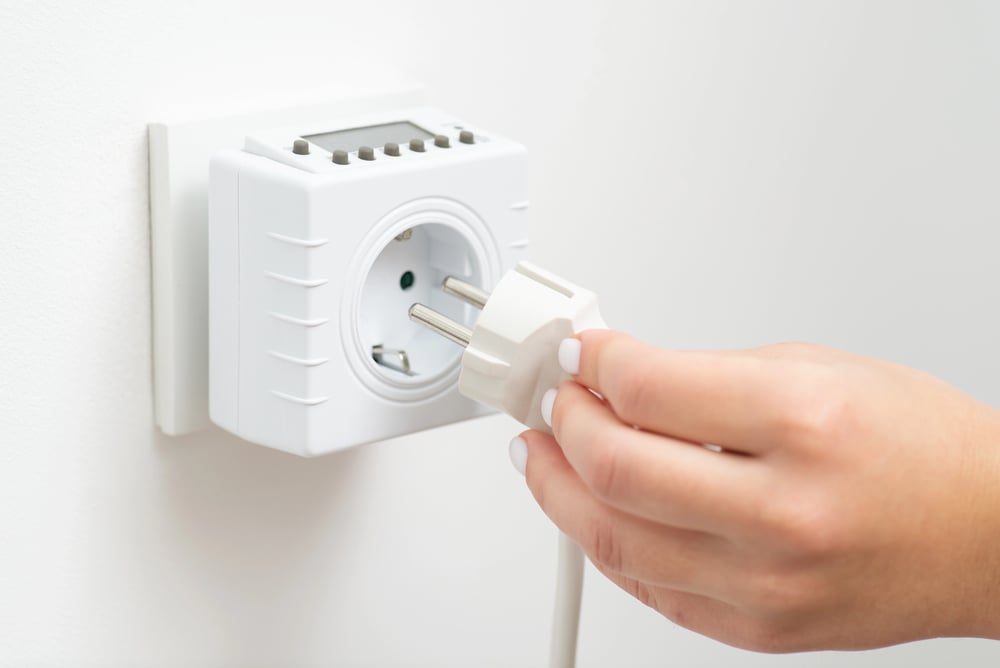
One-size-fits-all style for tech is a thing of the past. With most manufacturers now selling their devices in multiple color choices, ranging from classic neutrals to bold statement colors, customization is in.
Smart plugs, sensors, and hubs are available in colors other than plain white and black, as well as metallic, pastel, and even custom colors in some cases. Replaceable covers allow you to change the look of devices as your aesthetic style evolves, and some manufacturers partner with interior designers to create limited-edition finishes themed around trending design styles.
Concealment behind building components

Designers are integrating technology spaces into the building itself, rather than adding devices as an afterthought. Ventilated mesh panels located behind custom millwork hide speakers and hardware while allowing sound and signals to pass through.
Tech closets on each floor house dedicated routers, hubs, and server equipment, keeping them out of living spaces. Magnetic wall panels offer instant access to cables and interfaces for future upgrades, eliminating clutter in your workspace.
This smart home architectural design allows technology to evolve without requiring noticeable modifications to your finished spaces.
Where form meets function
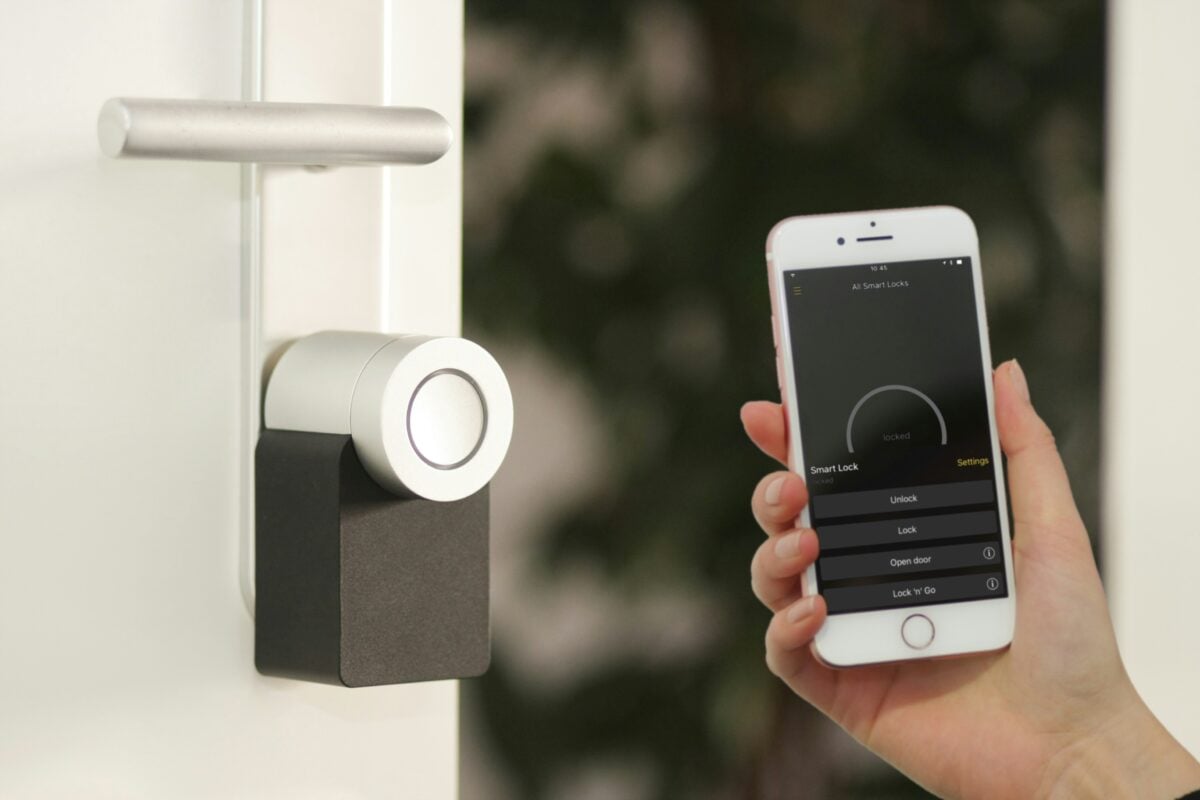
The union of intelligent technology and interior design is a challenging paradigm shift in how we approach our living room space. The novelty of clunky technology destroying well-thought-out aesthetics was a bridge too far, and now it has given way to sophisticated appliances that complement and even enhance design decisions.
Manufacturers are finally realizing that technology doesn’t have to shout itself hoarse to be effective, and designers are learning how to integrate innovative elements from the start without viewing them as intrusive necessities. The future of home design is not about sacrificing beauty or intelligence—it’s about achieving both without compromising.
More from Go2Tutors!

- The Romanov Crown Jewels and Their Tragic Fate
- 13 Historical Mysteries That Science Still Can’t Solve
- Famous Hoaxes That Fooled the World for Years
- 15 Child Stars with Tragic Adult Lives
- 16 Famous Jewelry Pieces in History
Like Go2Tutors’s content? Follow us on MSN.



