27 Fashion Trends from Past Decades That Are Quietly Making a Comeback
Fashion has a long memory. What gets declared dead in one decade tends to resurface in the next, usually worn by someone half the age of the person who wore it the first time around — and somehow looking entirely intentional.
The cycle isn’t new, but it does seem to be moving faster now, pulled along by vintage resale culture, social media aesthetics, and a collective nostalgia for eras that feel simpler in hindsight. Some of these returning trends make complete sense.
Others are genuinely puzzling. All of them are worth paying attention to, because the odds are good that at least a few are already hanging in your closet, waiting.
Low-Rise Jeans
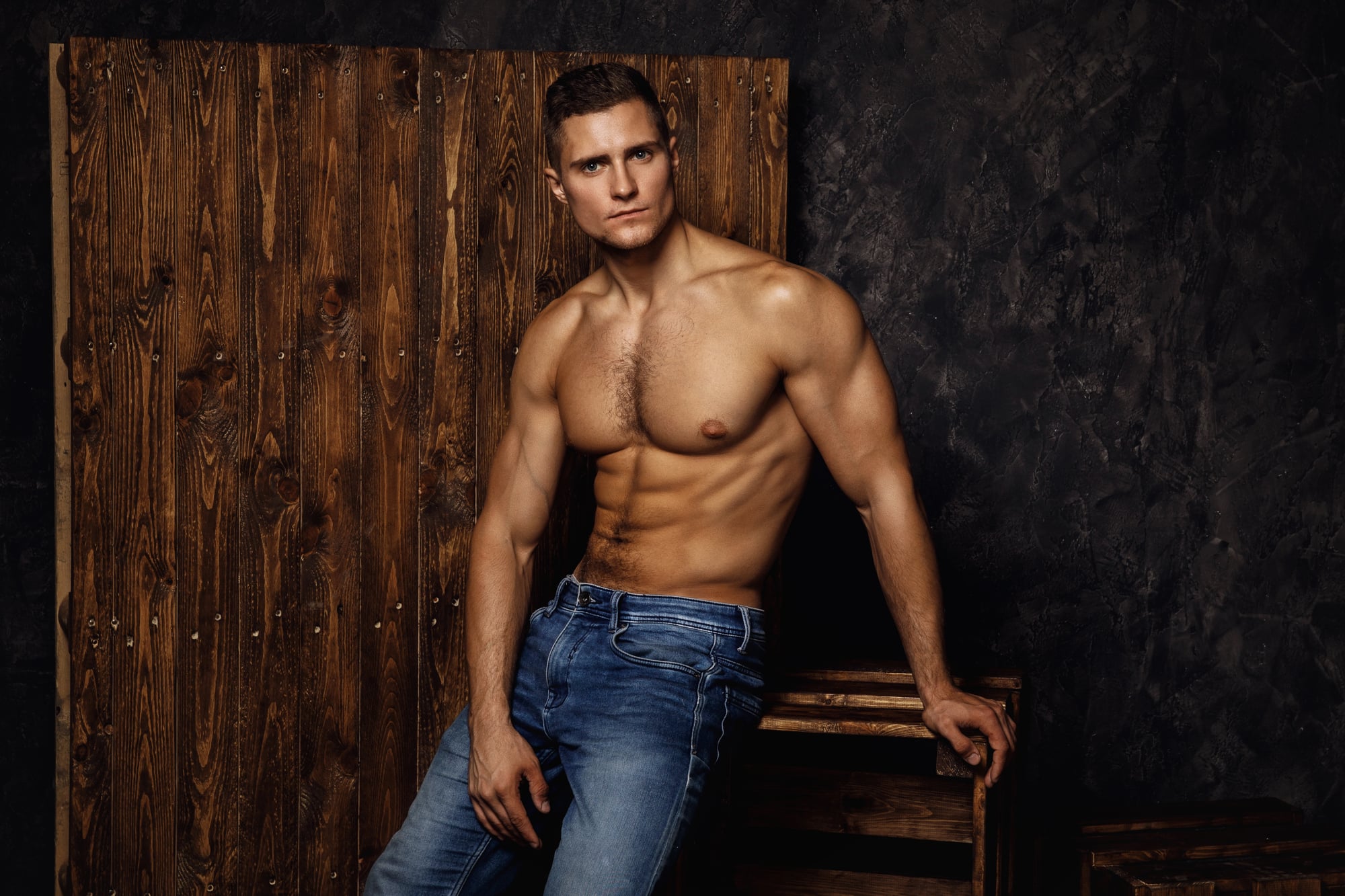
Low-rise jeans are back, and nobody seems particularly happy about it — and yet, here we are. The early 2000s silhouette, once the signature of pop music videos and magazine spreads, has been migrating back into storefronts for a couple of years now.
Young shoppers who weren’t around for the first wave are embracing it without any of the complicated feelings older wearers carry.
Corsets as Outerwear
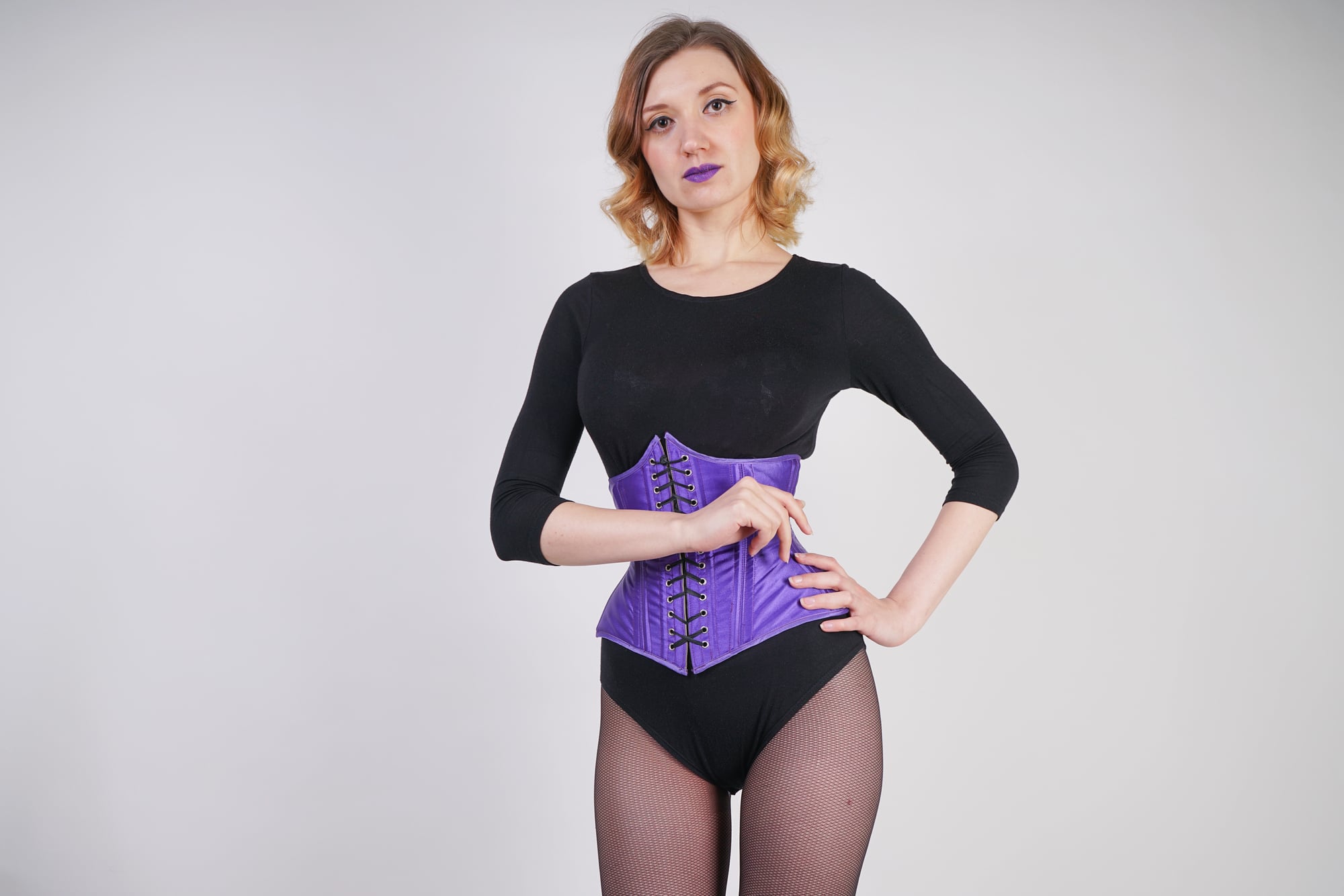
There’s something almost architectural about a well-structured corset worn as a top — it treats the torso like a building worth designing around rather than simply covering. The trend, which had its most theatrical moment in the 1990s when Madonna made it explicitly confrontational, has returned in a quieter, more tailored form, often styled over a plain white shirt or with high-waisted trousers.
And yet the underlying logic is the same: structure used as statement.
Wide-Leg Trousers
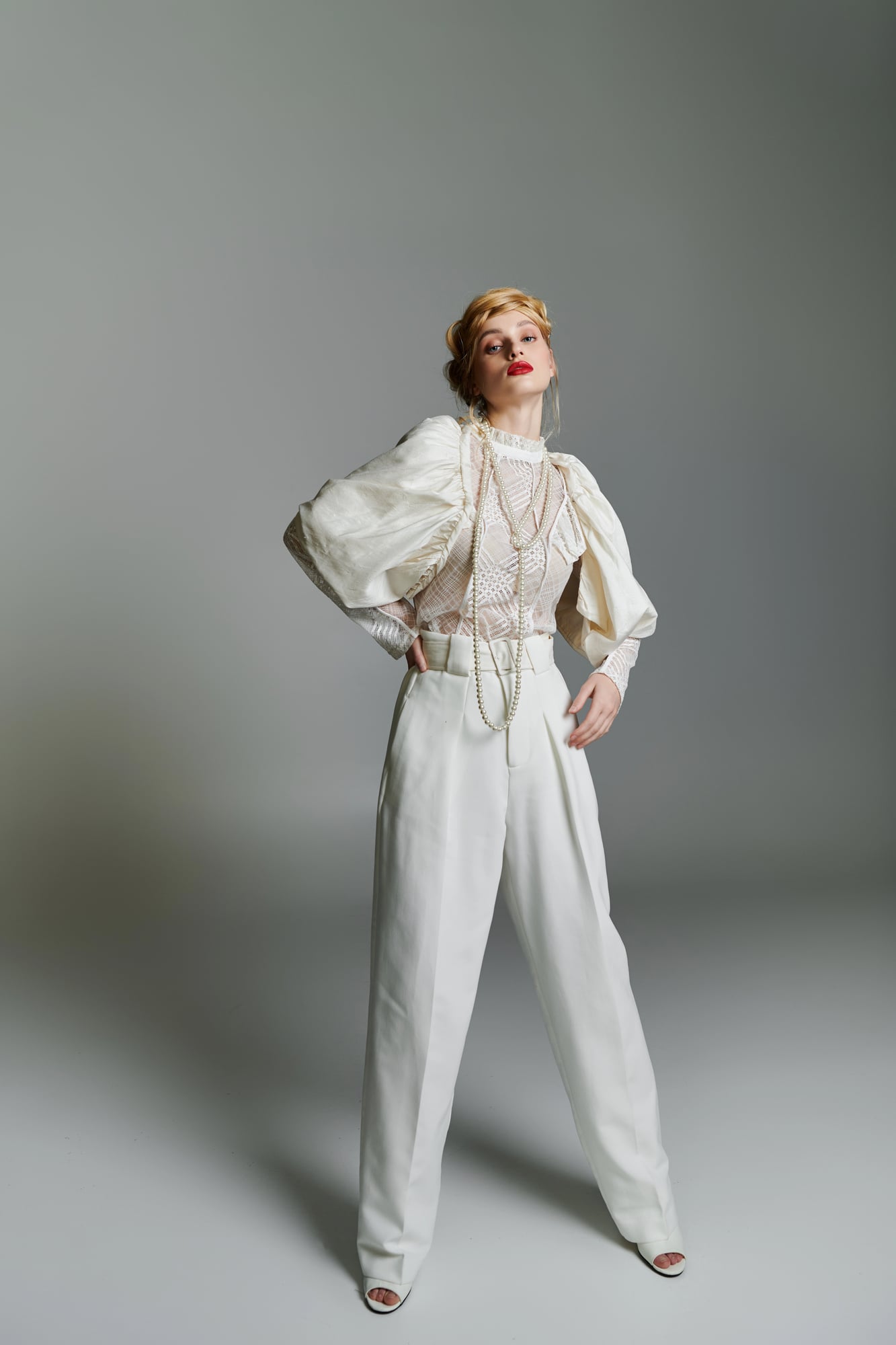
Wide-leg trousers simply look better than skinny jeans on most body types, and the fashion world has finally caught back up to what the 1970s already knew. The flared or palazzo-cut leg is everywhere right now — worn with chunky loafers, platform sandals, or tucked-heel boots.
To be fair, it took about a decade of skinny denim dominance before the pendulum swung, but it did swing.
Crochet Tops and Skirts
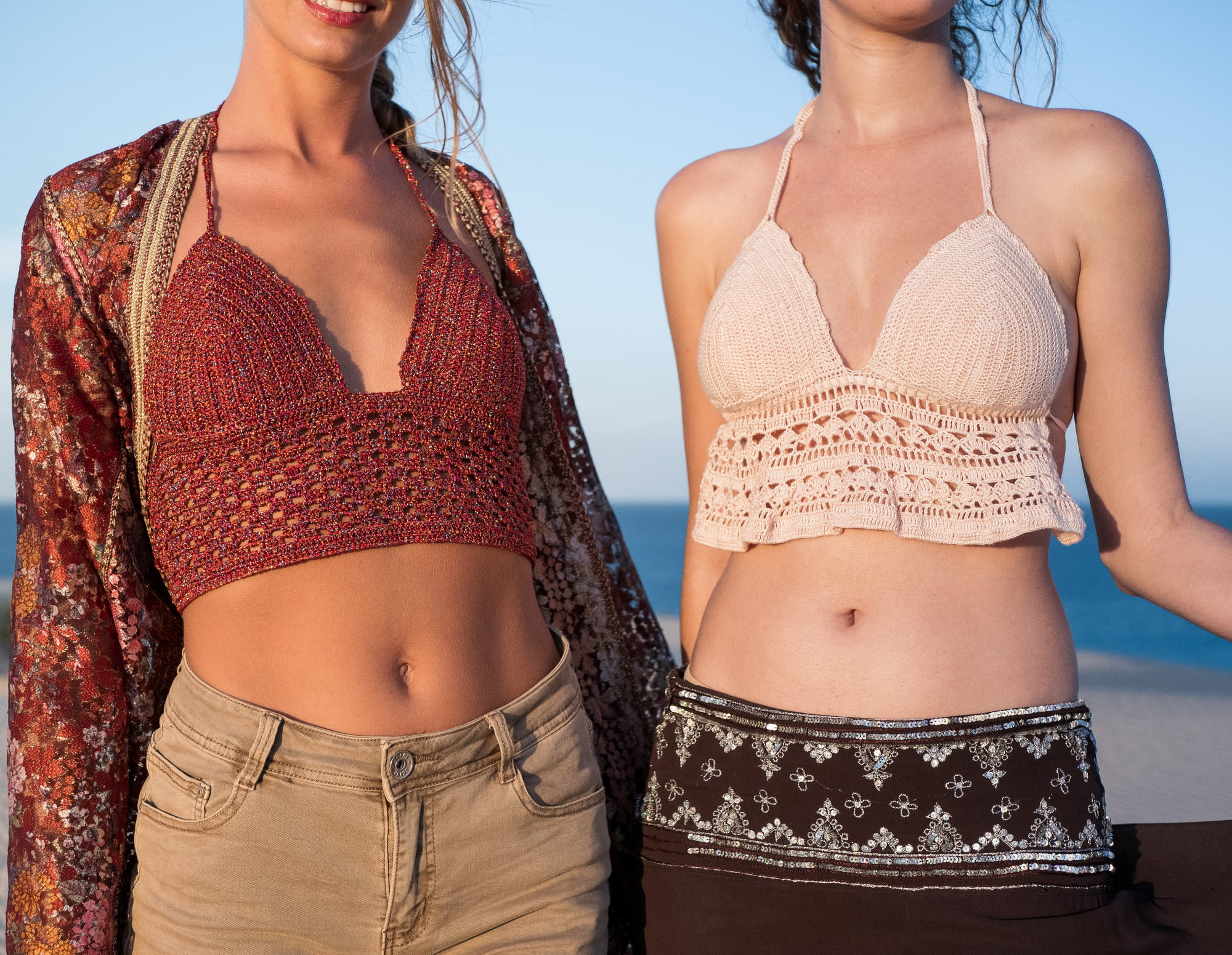
Crochet clothing carries the particular warmth of something handmade — the visible labor of it, the slight irregularity in each piece, like wearing something someone stayed up late to finish. The 1970s boho staple never fully disappeared from specialty boutiques, but it’s now found its way into mainstream retail in a way that feels genuinely renewed rather than retro-costumed.
Warm-weather collections from fast fashion giants to independent designers have all picked it up.
Ballet Flats
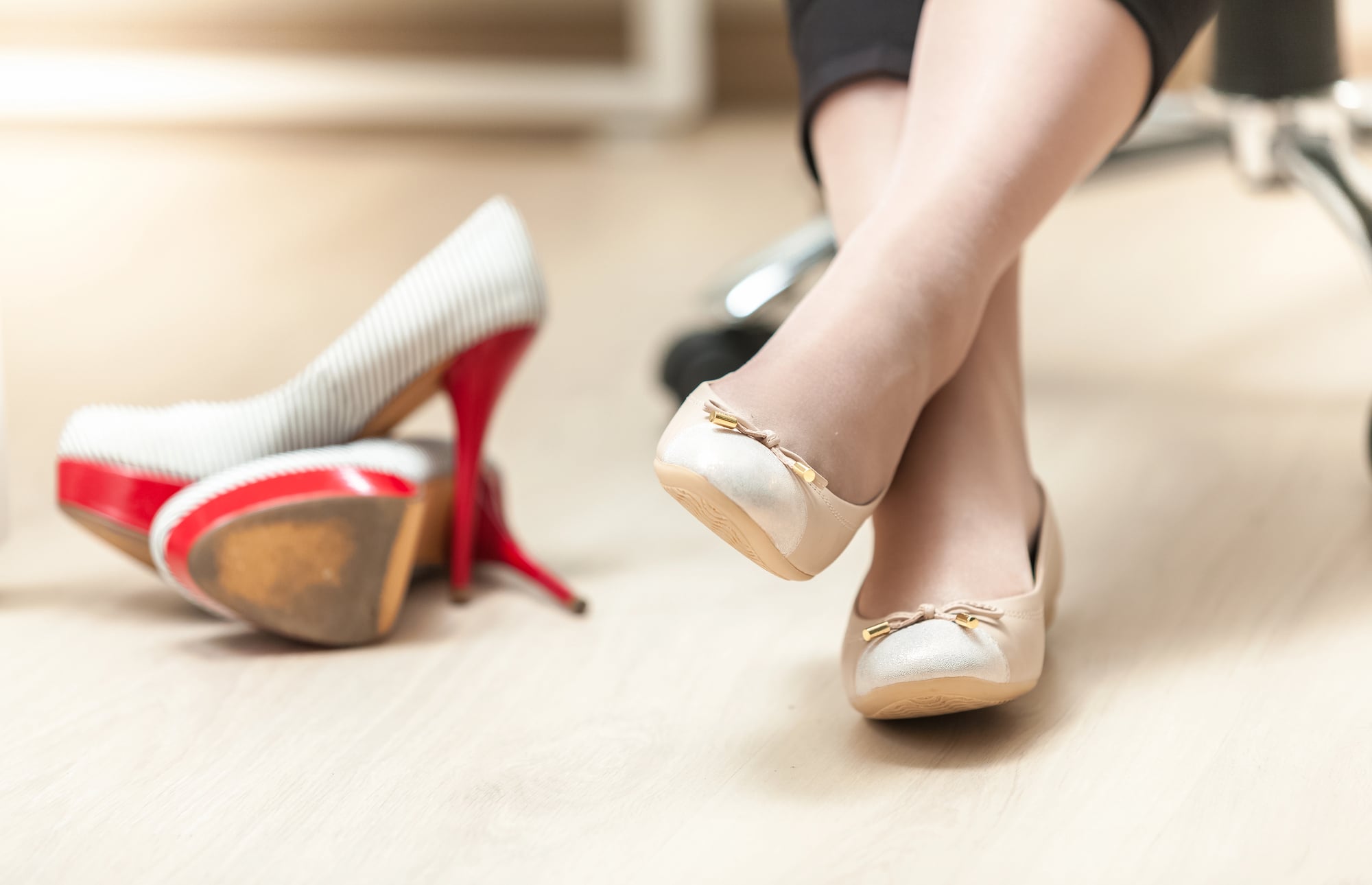
Ballet flats are the most underrated shoe of the past fifty years, and their comeback feels less like a trend and more like a correction. The pointed-toe, ribbon-trimmed version — channeling Audrey Hepburn and early 2000s It-girls simultaneously — is appearing everywhere from fashion weeks to airport paparazzi shots.
Turns out the flat, elegant silhouette never stopped making sense.
Maxi Skirts
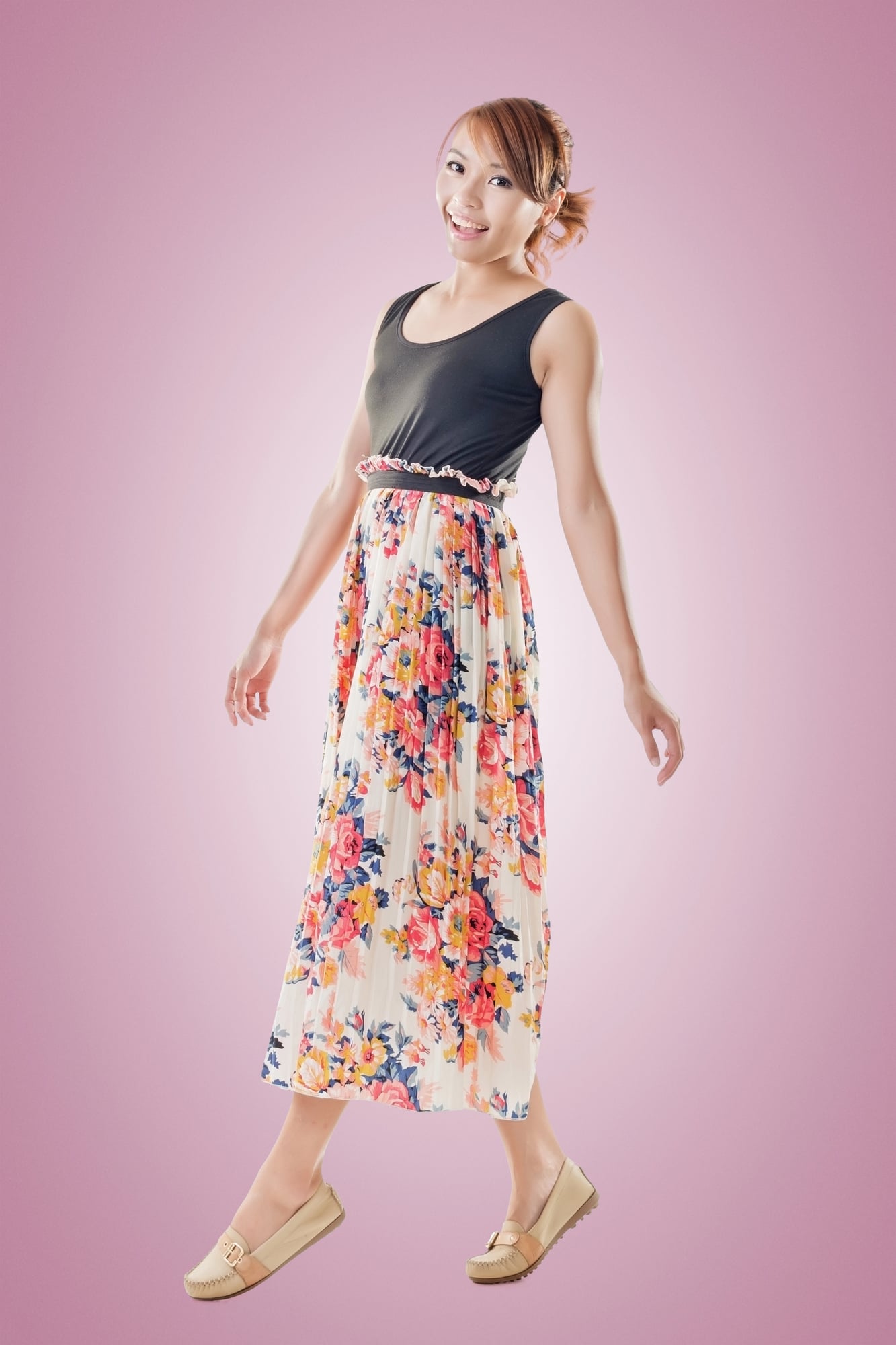
The maxi skirt — that floor-grazing, slightly dramatic length that dominated the early 1970s and briefly resurged in the 2010s — is back in a form that feels less hippie festival and more considered. Bias-cut silks, pleated linens, and printed cottons are all showing up in this length, styled with simple fitted tops or tucked-in blouses.
So the skirt that always looked slightly braver than the alternatives has reclaimed its place.
Oversized Blazers
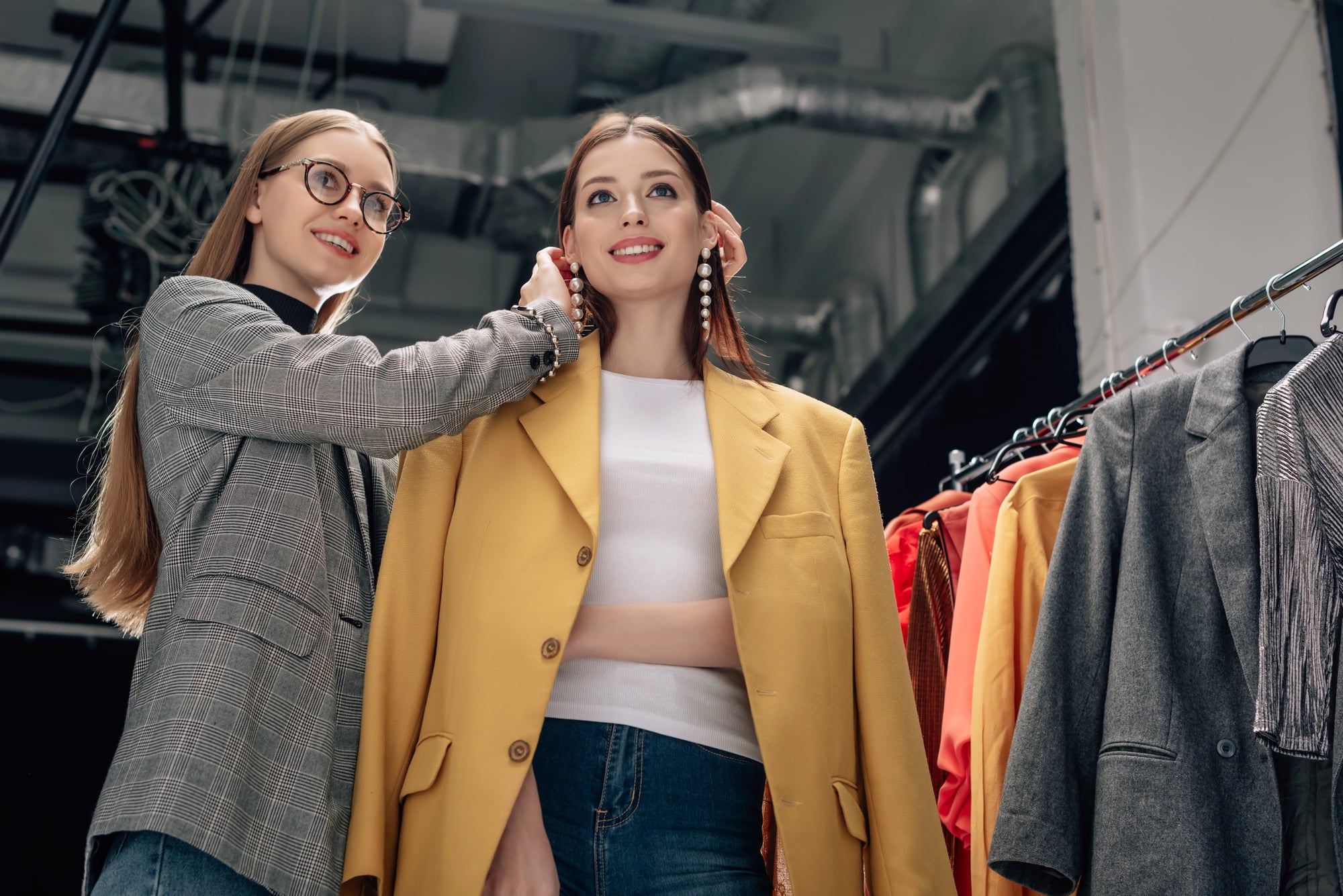
Something happens when an oversized blazer hits just right — it borrows authority from formalwear while refusing to take any of it seriously, wearing power lightly the way very confident people do. The trend traces back to the 1980s power-dressing era (where it was genuinely about asserting professional dominance) and the 1990s grunge period (where it was about deliberate underdress), but its current incarnation splits the difference: structured at the shoulder, relaxed everywhere else.
Belted or unbuttoned, over a slip dress or with bike shorts — it works in a troubling number of combinations.
Velvet Everything
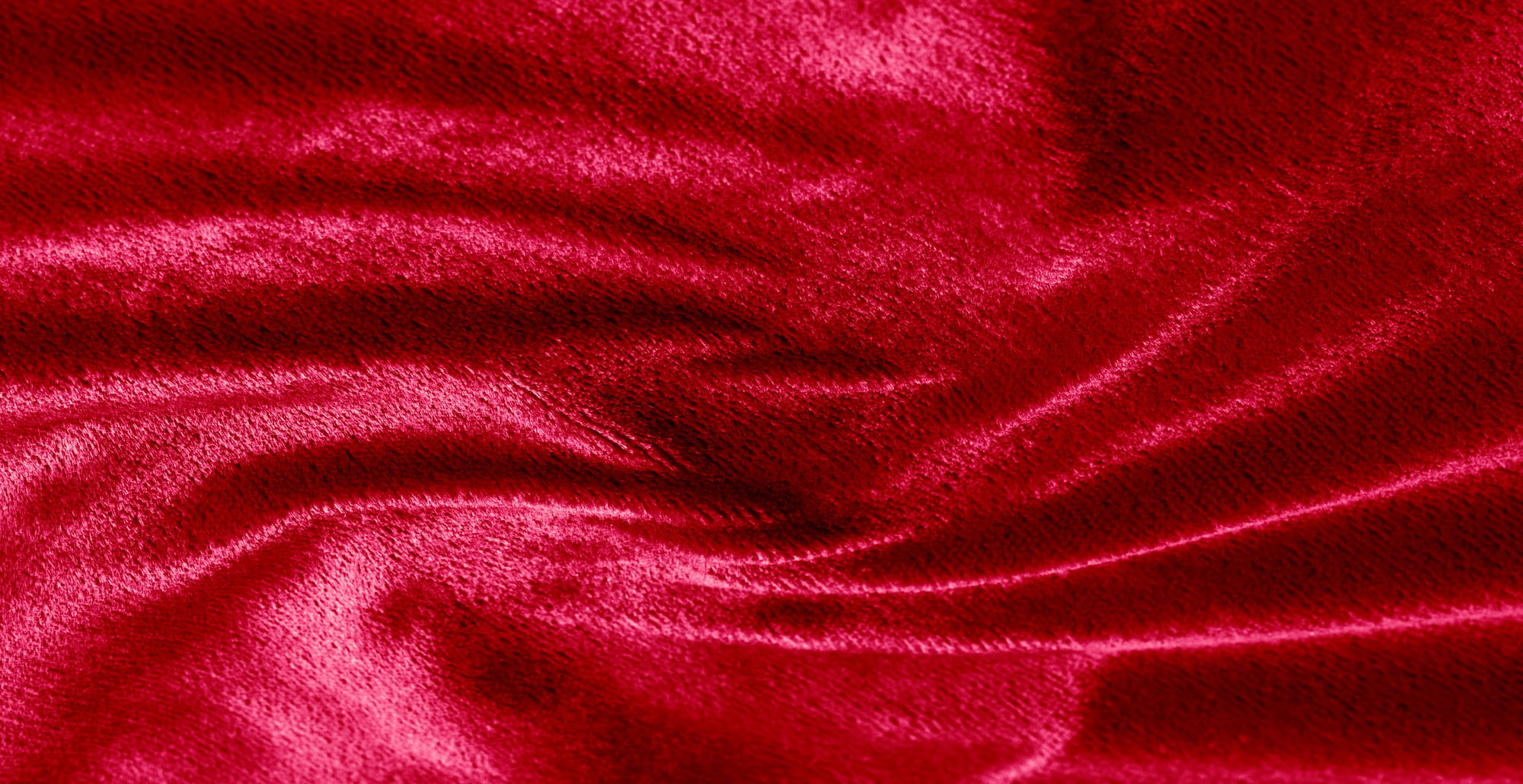
Velvet rewards attention. It changes color depending on which direction the light hits it, catches glare in one motion and absorbs it completely in another — materials don’t usually behave that way.
The fabric had its most devoted era in the 1990s (velvet chokers, velvet slip dresses, velvet scrunchies) and is cycling back with a similar range of applications, from full trousers to simple headbands. It remains the most visually interesting textile available at any price point.
Cargo Pants
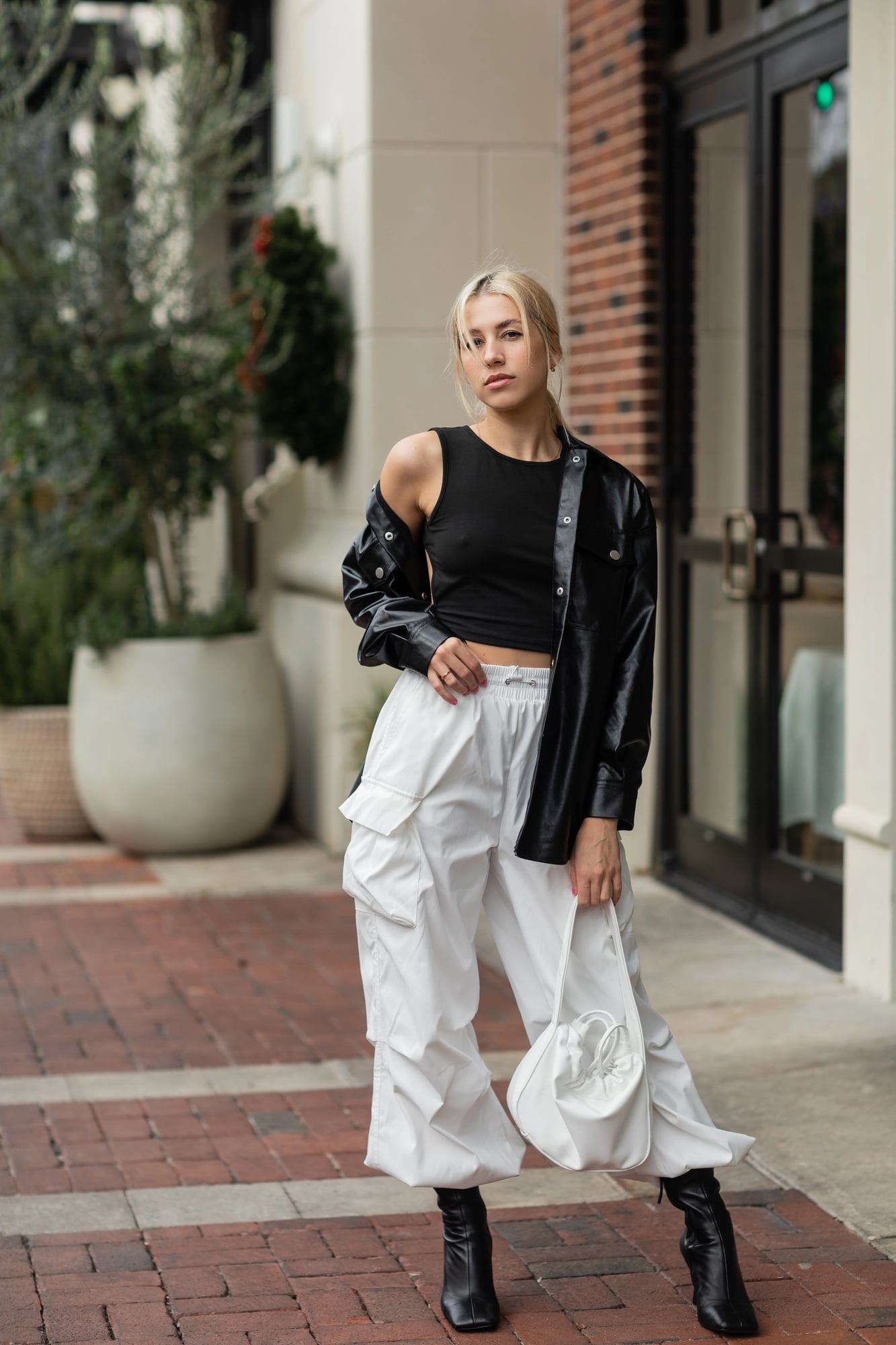
Cargo pants are genuinely useful, and the fashion industry spent about fifteen years pretending otherwise. The pockets are functional, the silhouette is comfortable, and the slightly utilitarian look has aged better than the slim trousers that replaced it on runways in the 2010s.
Worn low and baggy in the style of late 1990s skate culture, or tapered and belted in a more tailored version, they’re now a legitimate wardrobe item again rather than a punchline.
Slip Dresses

The slip dress asks almost nothing of its wearer, which is exactly why it’s so hard to get wrong — it’s the fashion equivalent of understatement that somehow ends up saying more than something louder would. The 1990s staple (worn by Kate Moss, famously over a white t-shirt) has returned with the same effortless premise: a bias-cut, spaghetti-strapped dress in satin or silk that works almost regardless of what’s layered over it.
Paired with chunky boots or strappy heels, it adjusts its whole personality accordingly.
Platform Shoes
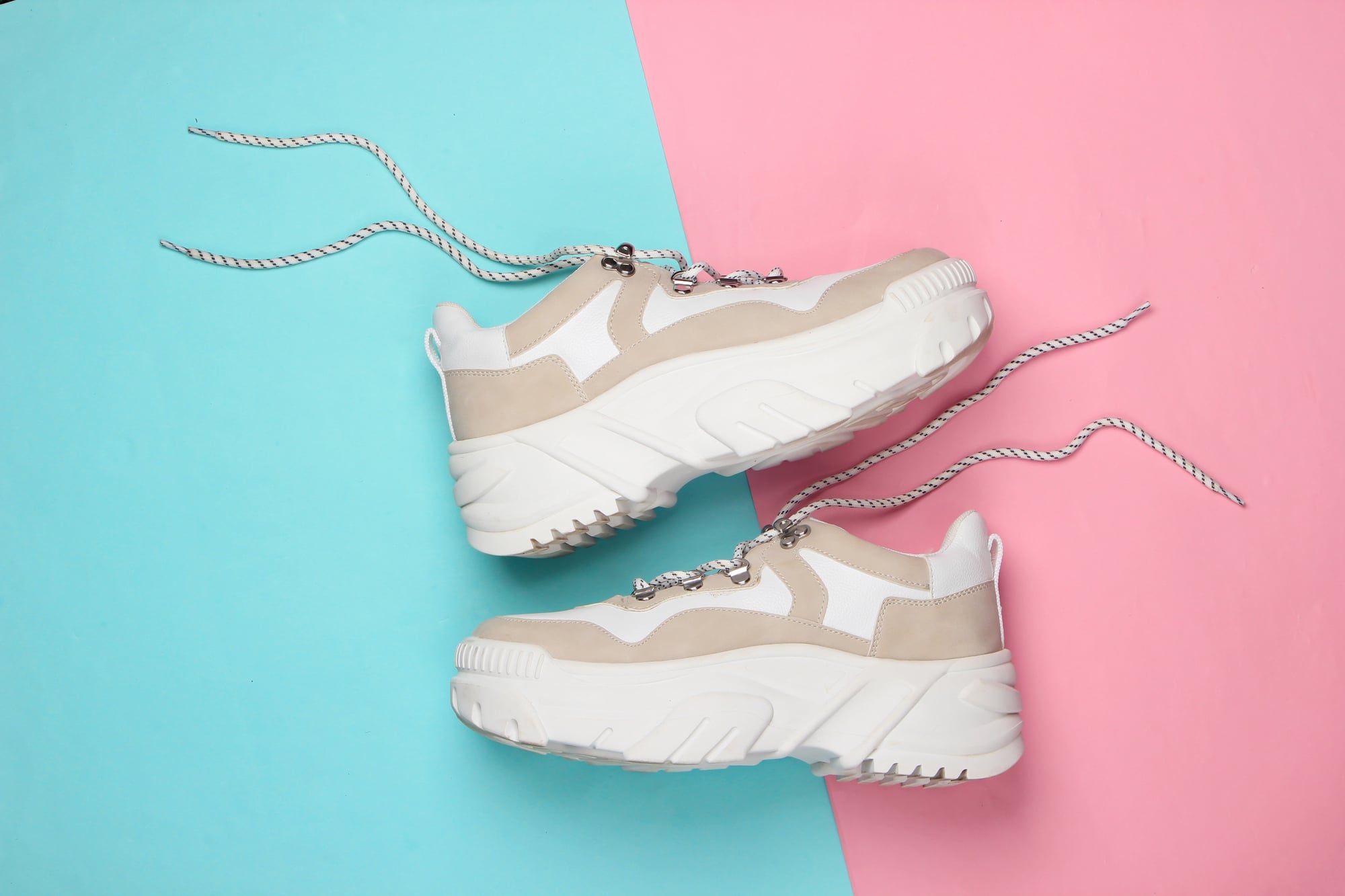
Platform shoes came back before most people noticed they’d left. The chunky sole — in sneaker form, sandal form, and chunky boot form — has been a fixture for several years now, drawing from both the 1970s disco era and the late 1990s Spice Girls aesthetic.
The practical upside is genuine: a few inches of platform delivers the visual height of a heel with considerably less strain on the foot.
Head Scarves and Bandanas
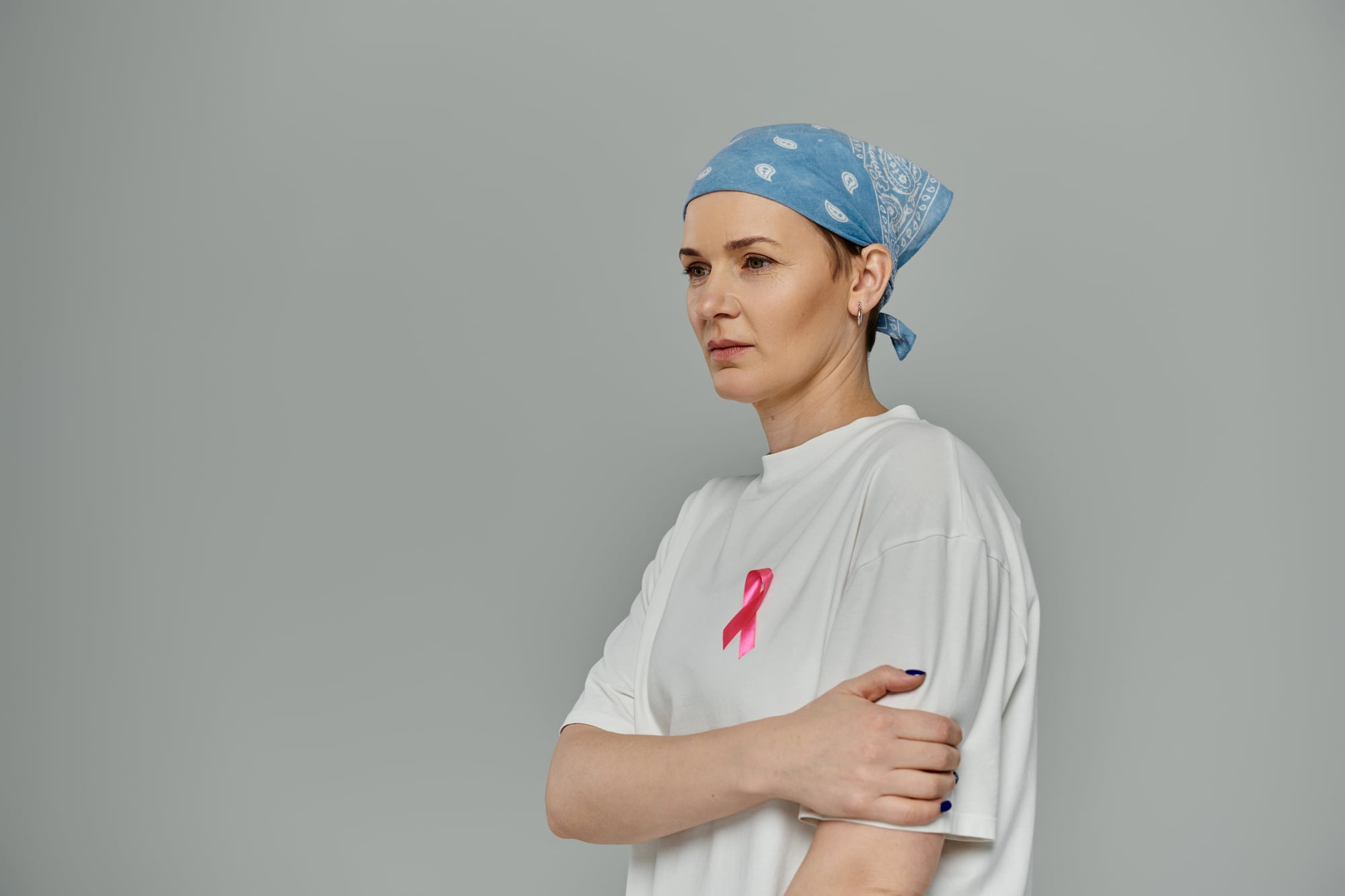
A bandana tied around the head reads, depending on how it’s worn, like a 1950s housewife, a 1970s California road-tripper, or a 1990s R&B video — and the current incarnation borrows from all three without fully committing to any. Silk scarves tied at the crown, folded bandanas knotted at the nape of the neck, and printed squares worn as headbands are all circulating again.
The styling versatility is the point.
Denim-on-Denim
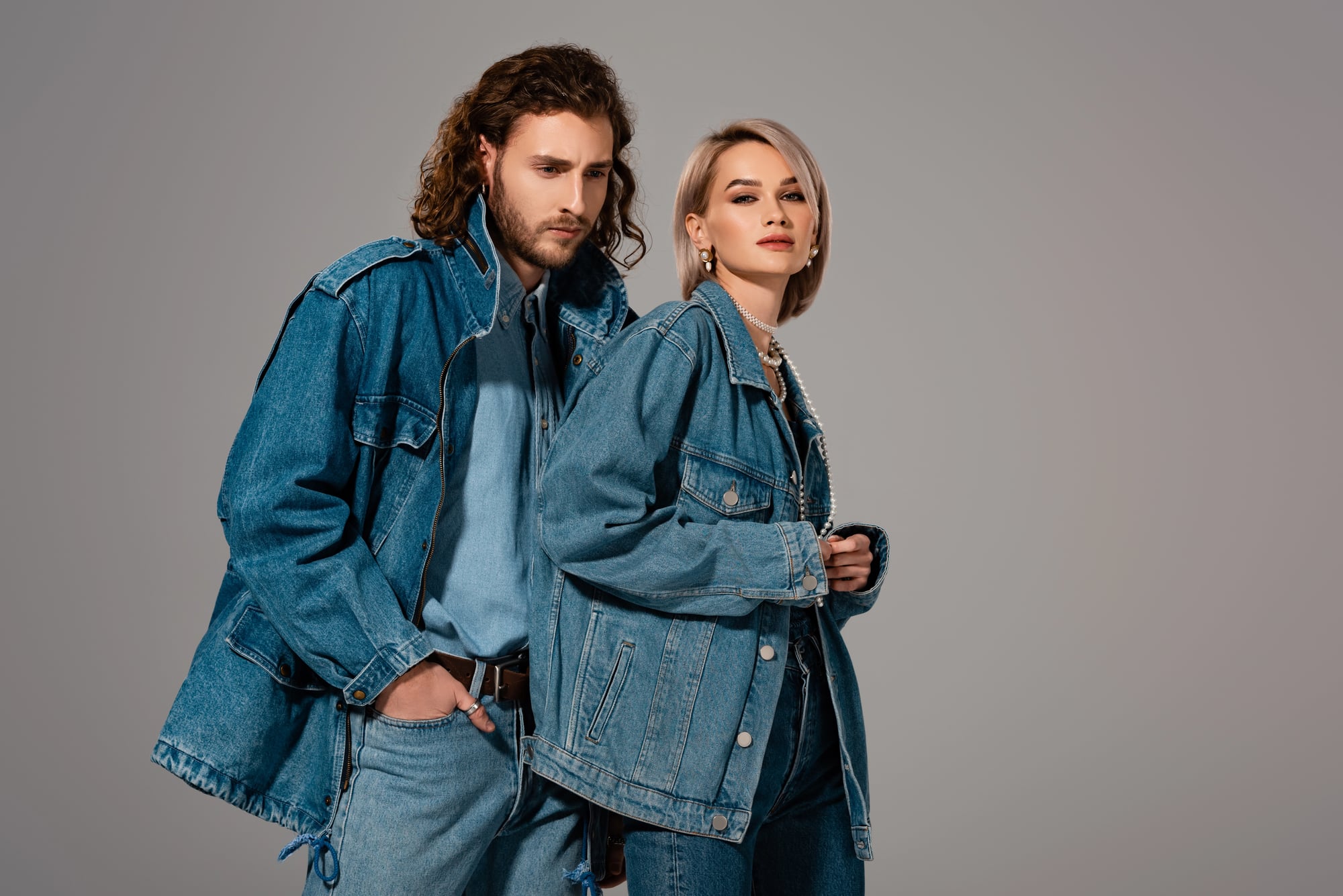
The so-called “Canadian tuxedo” — full denim head to toe — spent years as a cautionary tale before becoming a deliberate statement. Styling denim jeans with a denim jacket in a matching or intentionally mismatched wash is no longer a sign of someone who didn’t know better; it’s now clearly on purpose, which changes the whole reading of it.
Go figure.
Knit Vests
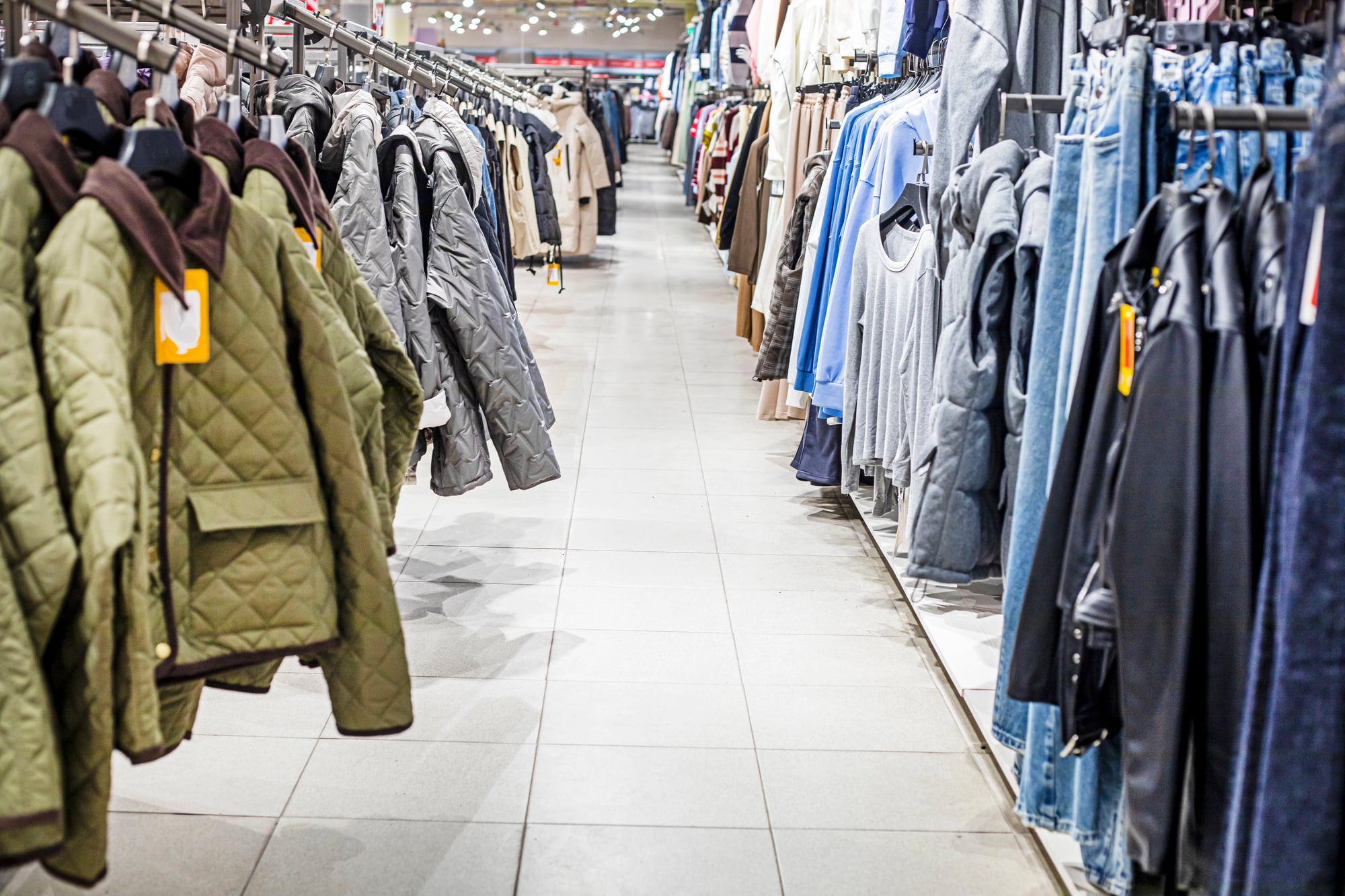
The knit vest occupies a strange aesthetic territory — it looks both studious and relaxed, like someone who reads difficult books but doesn’t make a point of it. The grandpa-sweater-without-arms look, rooted in 1970s collegiate dressing and briefly reclaimed in the 1990s prep revival, is back in a way that feels genuinely wearable rather than ironic.
Worn over a collared shirt or alone over wide trousers, it has a quiet specificity that most wardrobe staples don’t.
Y2K Micro Bags
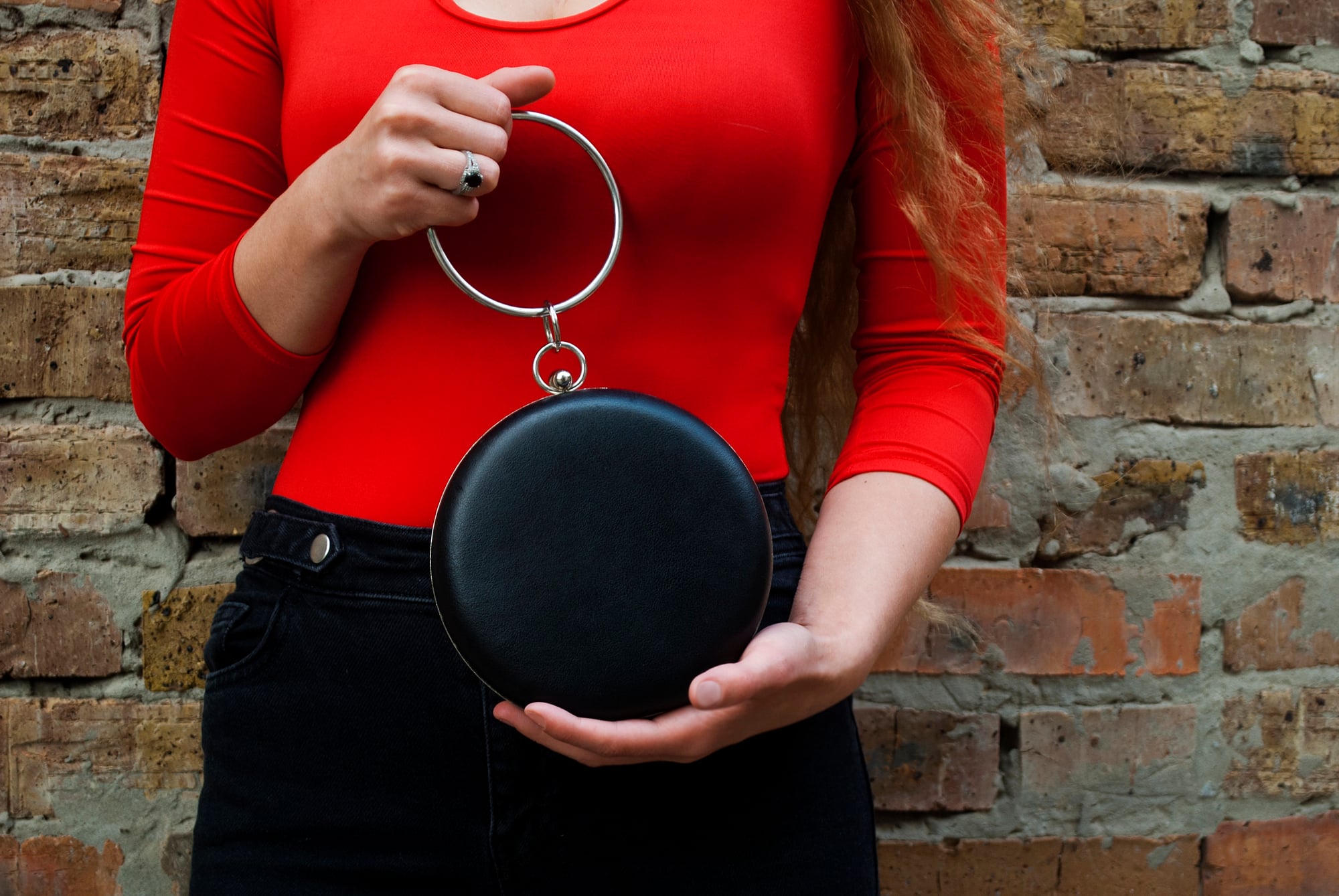
Tiny bags are objectively impractical. A bag that holds a phone, one card, and a lip balm is not solving any problem — it is, in fact, creating several.
And yet the micro bag of the early 2000s (a status symbol precisely because its uselessness signaled that its owner had other people to carry things for them) is back in full force, appearing in rhinestone, patent leather, and furry iterations that make no apologies for their inconvenience.
Chunky Loafers
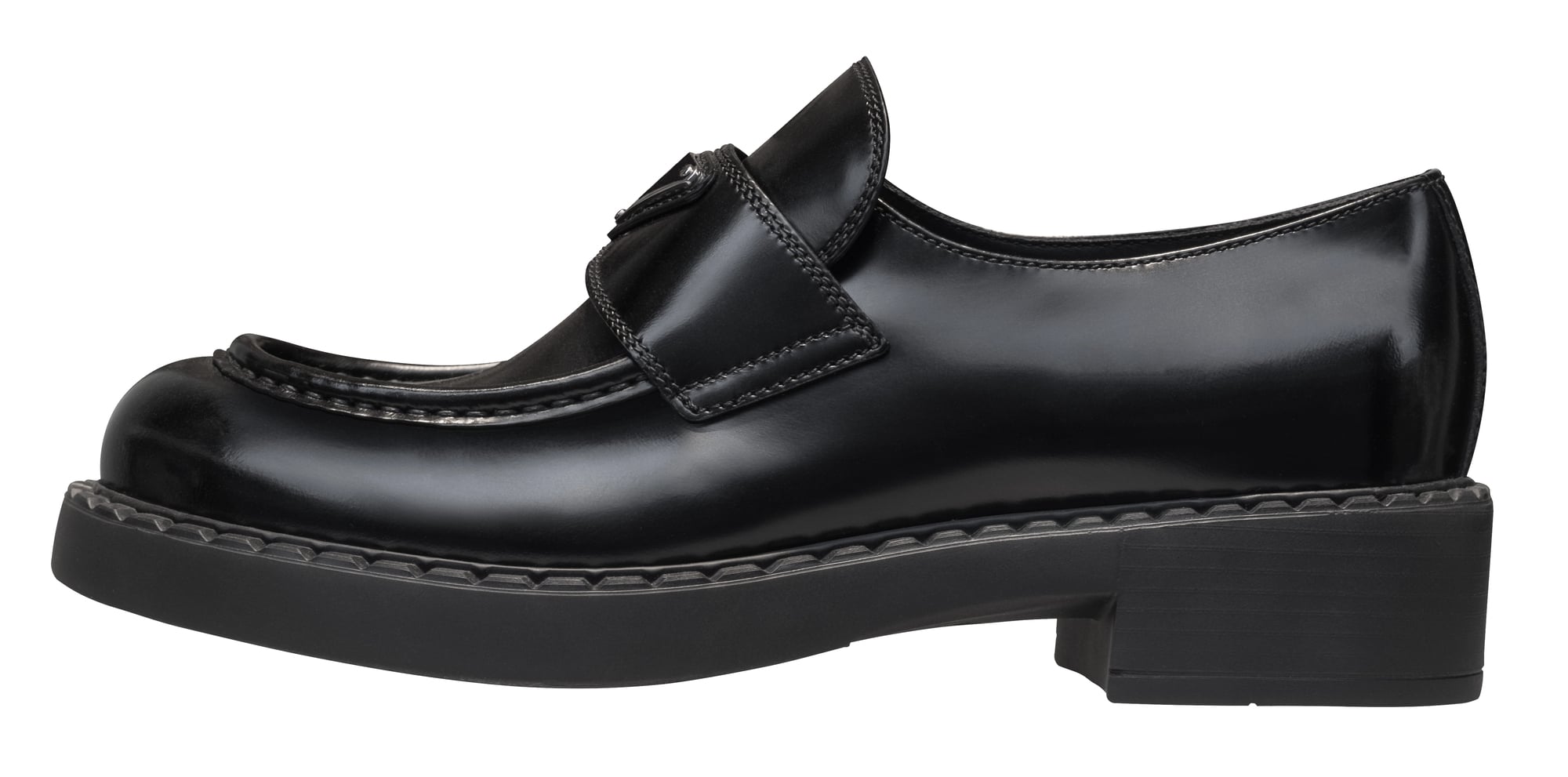
The chunky loafer — thick-soled, unabashedly heavy, slightly defiant in its refusal to be sleek — has become the shoe of the current moment in a way that feels earned rather than manufactured. It traces a clear line back to 1990s grunge-adjacent dressing and the lug-sole loafer that appeared everywhere from London markets to American college campuses.
Worn with tailored trousers or a floaty midi skirt, it grounds an outfit in a way few other shoes do as decisively.
Tie-Dye
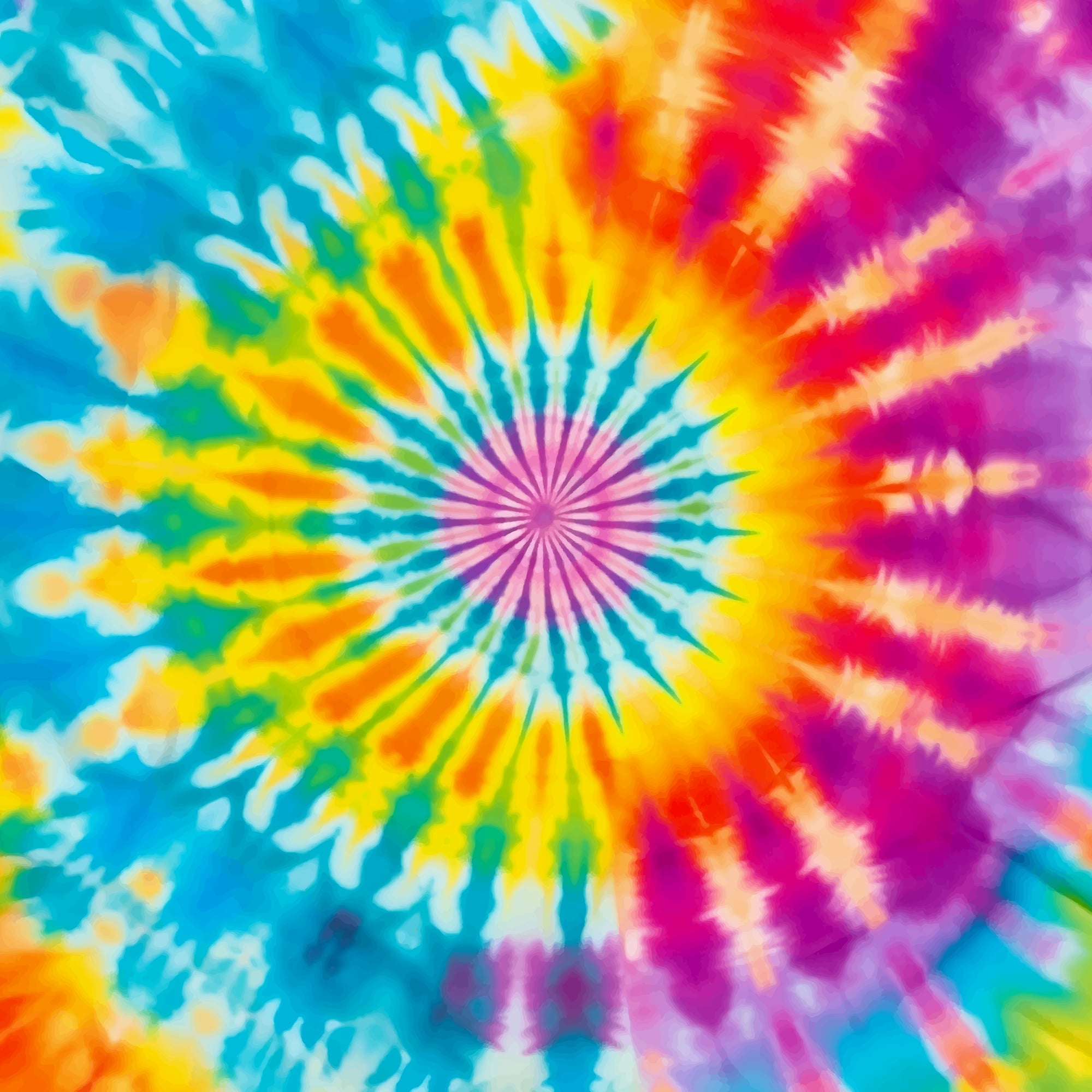
Tie-dye refuses to stay gone. It surfaced in the 1960s counterculture, came back in the early 1990s, had a brief corporate-casual moment during the pandemic years, and is now cycling through again — this time in more refined colorways like earth tones, dusty blues, and sage greens that feel considerably less chaotic than the neon spiral versions.
The technique is the same; the palette is doing a lot of image rehabilitation work.
Patchwork Denim
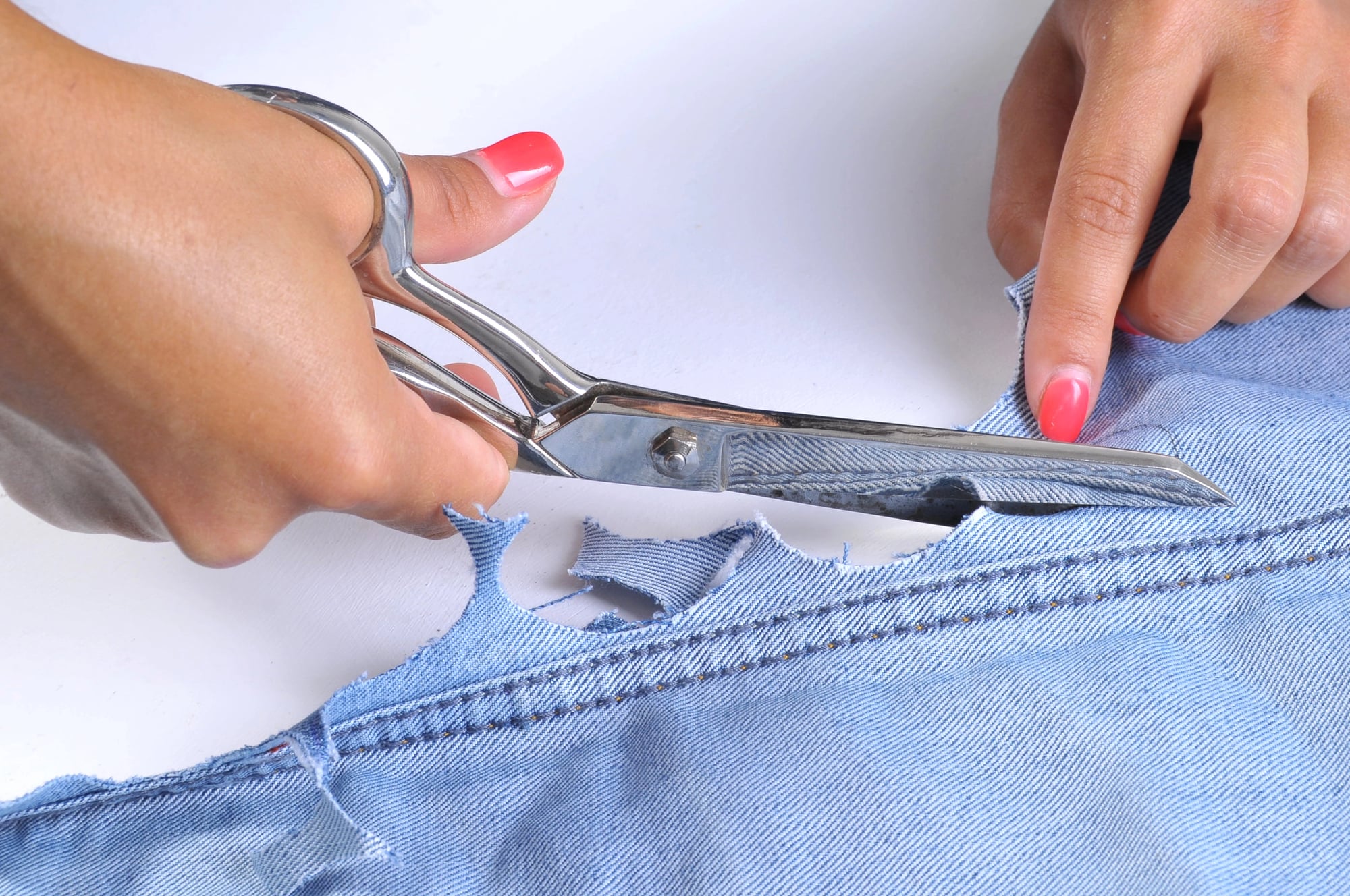
Patchwork denim is fashion’s version of found poetry — it takes disparate pieces (different washes, different weights, different histories) and stitches them into something that reads as intentional rather than accumulated. The look peaked in the early 1970s as a DIY aesthetic and returned in watered-down form during the mid-2000s, but its current iteration is more considered, appearing on structured jackets and wide-leg jeans from both independent designers and larger labels.
Each piece ends up genuinely one-of-a-kind, which is harder to manufacture than it sounds.
Mary Jane Shoes
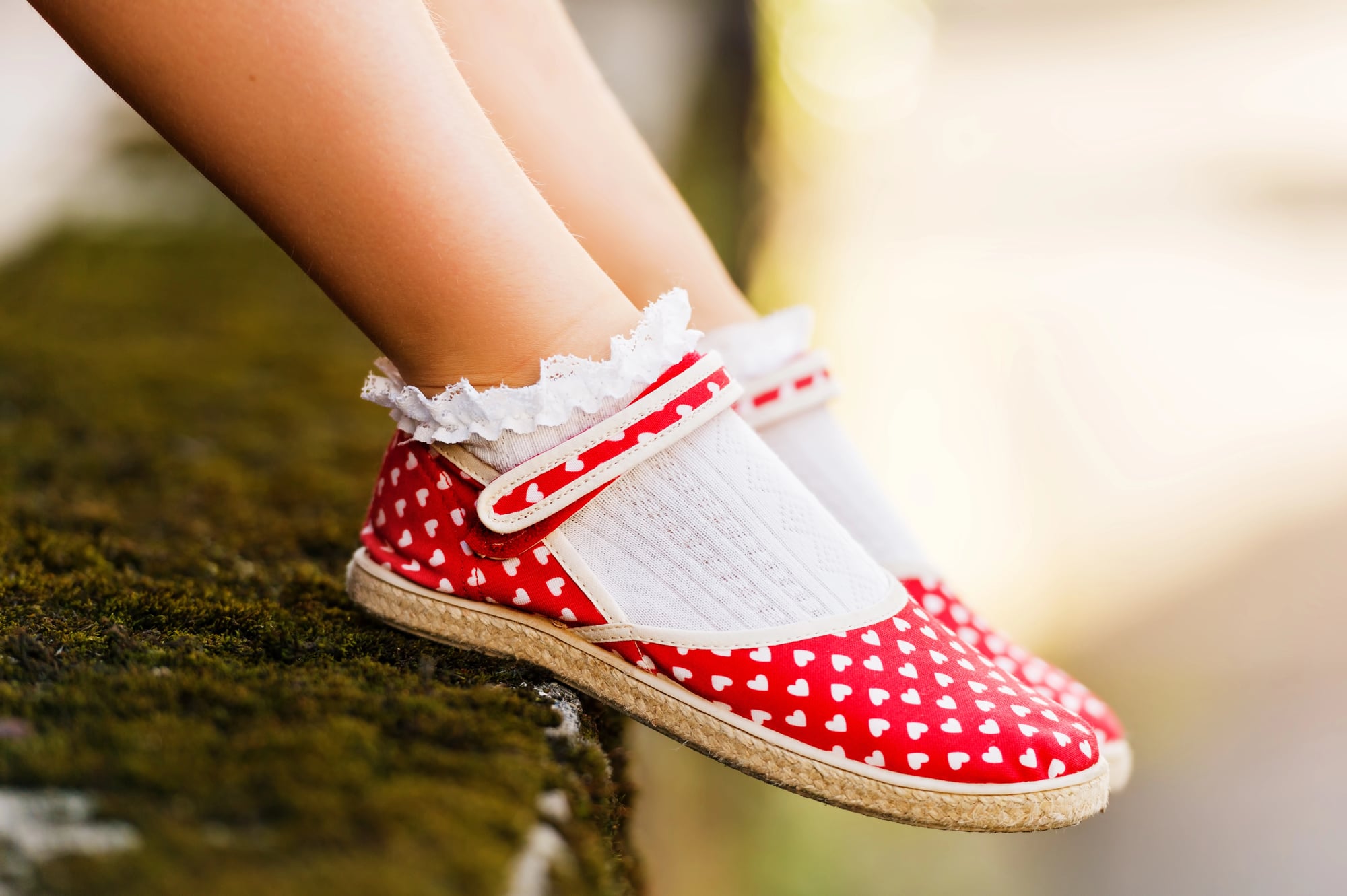
Mary Janes never fully left children’s dress-up shoes — and that’s part of their current appeal, the way they carry a specific innocent reference while looking quietly subversive on an adult. The rounded toe, low heel, and single strap across the instep have returned in chunky-soled versions that borrow from the platform trend while keeping the silhouette’s inherent sweetness.
They pair improbably well with trousers, which is always the sign of a shoe that knows what it’s doing.
Tennis Skirts
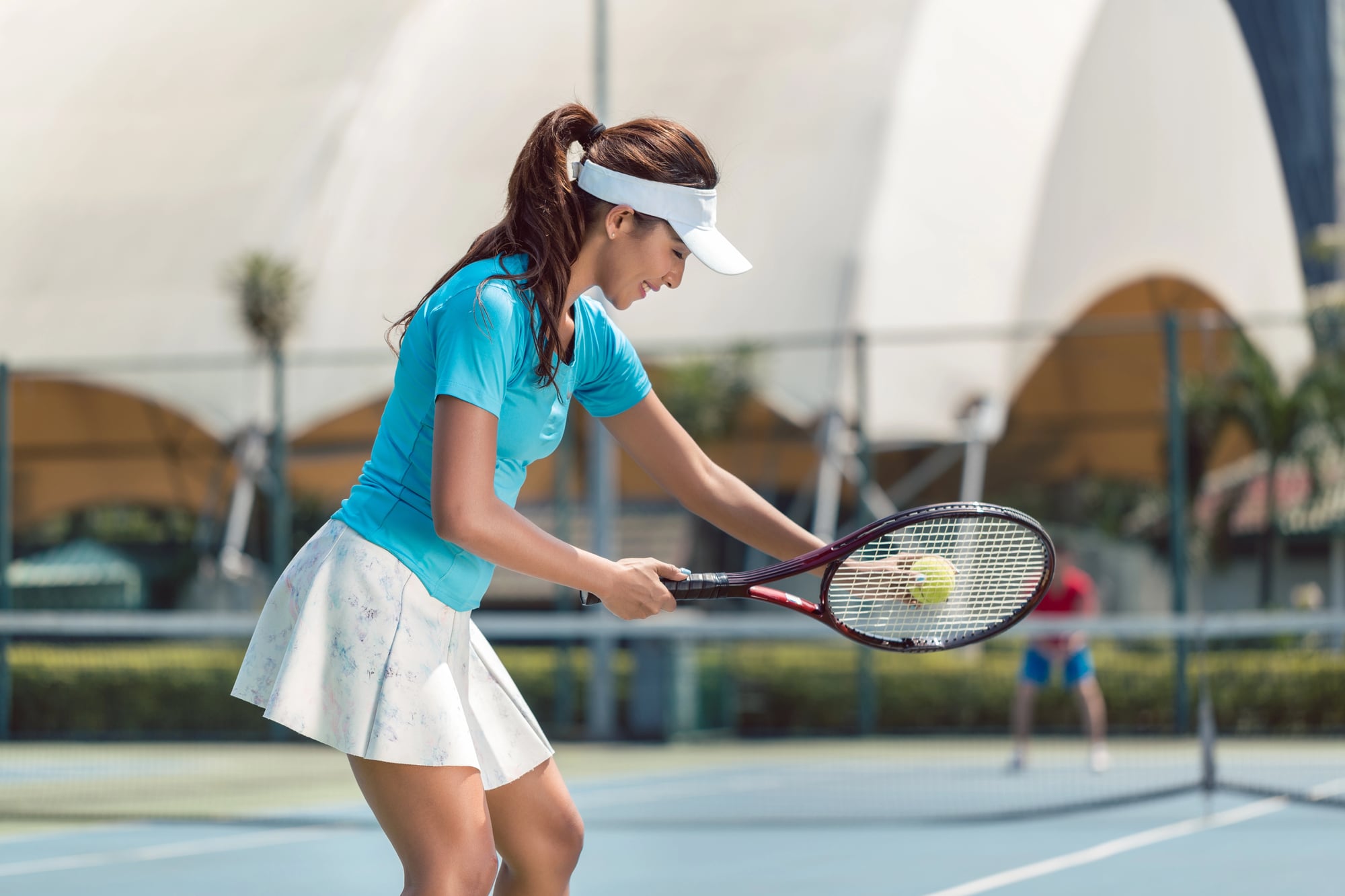
The pleated tennis skirt moved off the court and into everyday dressing in a way that happened almost overnight. The late 1990s and early 2000s saw it worn as a casual wardrobe piece rather than activewear, and that’s exactly the context in which it’s returned — paired with fitted tops, cropped jackets, and platform sneakers rather than anything approaching athletic purpose.
The practicality of its length (short enough to look intentional, long enough to avoid anxiety about it) probably explains its durability.
Bucket Hats

Bucket hats have had more lives than seems statistically reasonable. They appeared in 1960s fishing communities, got absorbed by hip-hop culture in the late 1980s and early 1990s, drifted into the British rave scene, faded completely, and have now returned as a unisex warm-weather staple that exists across price points from thrift store bins to luxury fashion houses.
The silhouette is unfussy enough that it absorbs whatever cultural context surrounds it.
Sheer Fabrics
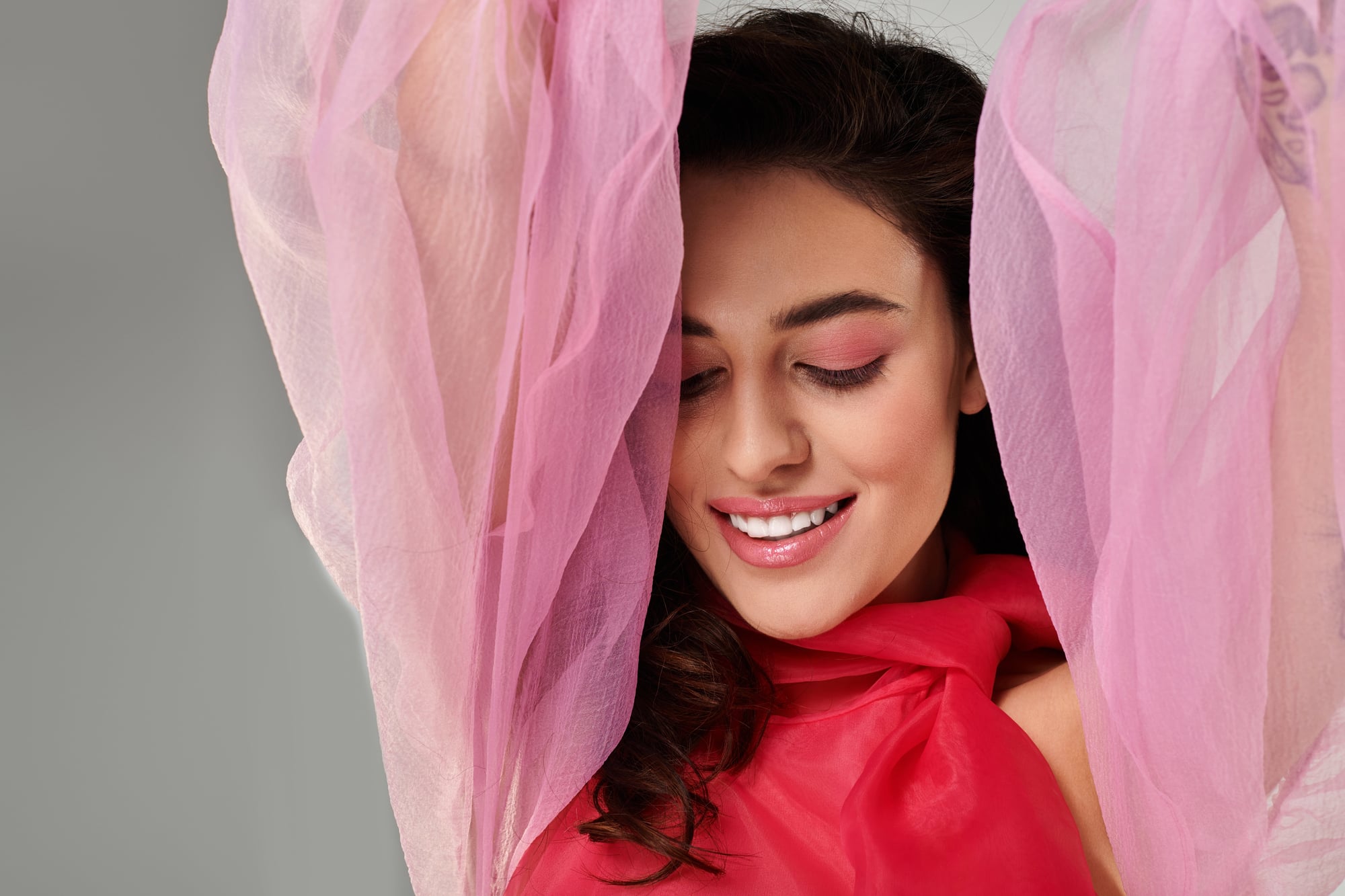
Sheer fabric worn as a primary layer — not just as an overlay or accent, but as the actual garment — has a long history of cycling in and out of fashion depending on how bold the cultural moment is. The 1970s were enthusiastic about it; so was a certain subset of 1990s eveningwear.
Its current reappearance leans into the layering possibilities: sheer blouses over bandeau tops, sheer skirts over bike shorts, sheer dresses worn with deliberate undergarments that become part of the look. It treats the underneath as something worth showing.
Newsboy Caps
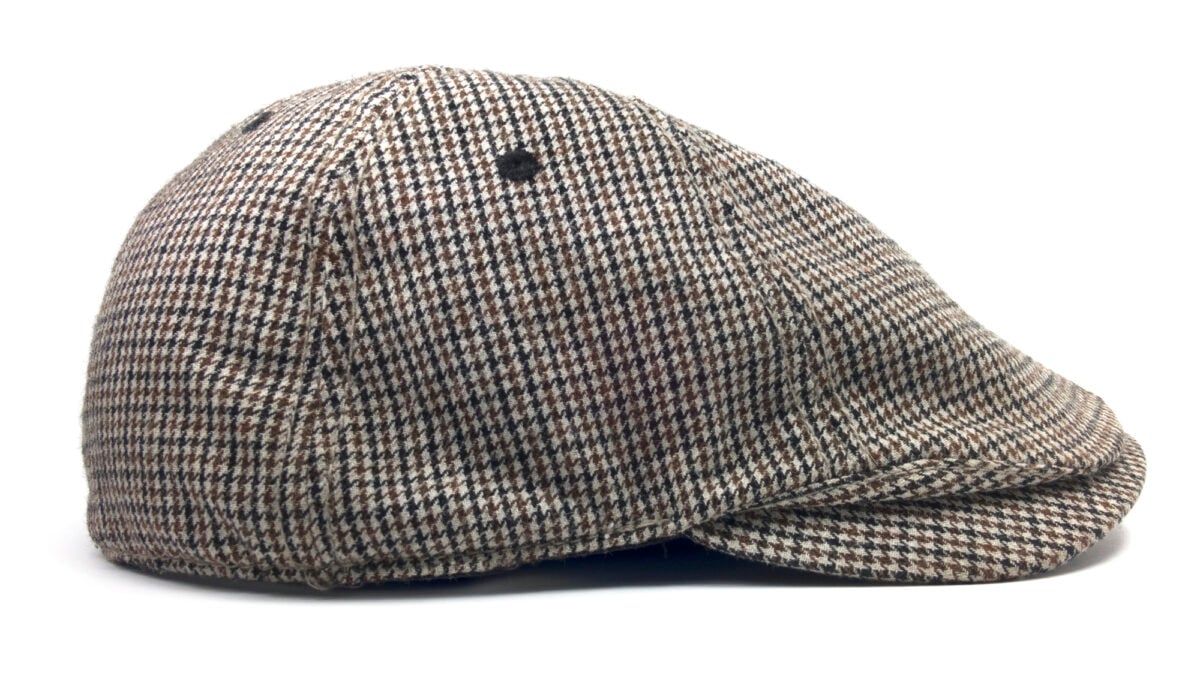
The newsboy cap — rounded, slightly puffed, brimmed but not quite a baseball cap and not quite a beret — occupies its own precise category that no other hat quite replicates. It had a distinctive moment in the early 2000s, worn by everyone from Ashanti to Kate Hudson in paparazzi photos that now surface as nostalgic references on fashion accounts.
Its return is part of the broader early-2000s revival, but the cap has enough standalone character to survive on its own terms.
Fringe Details
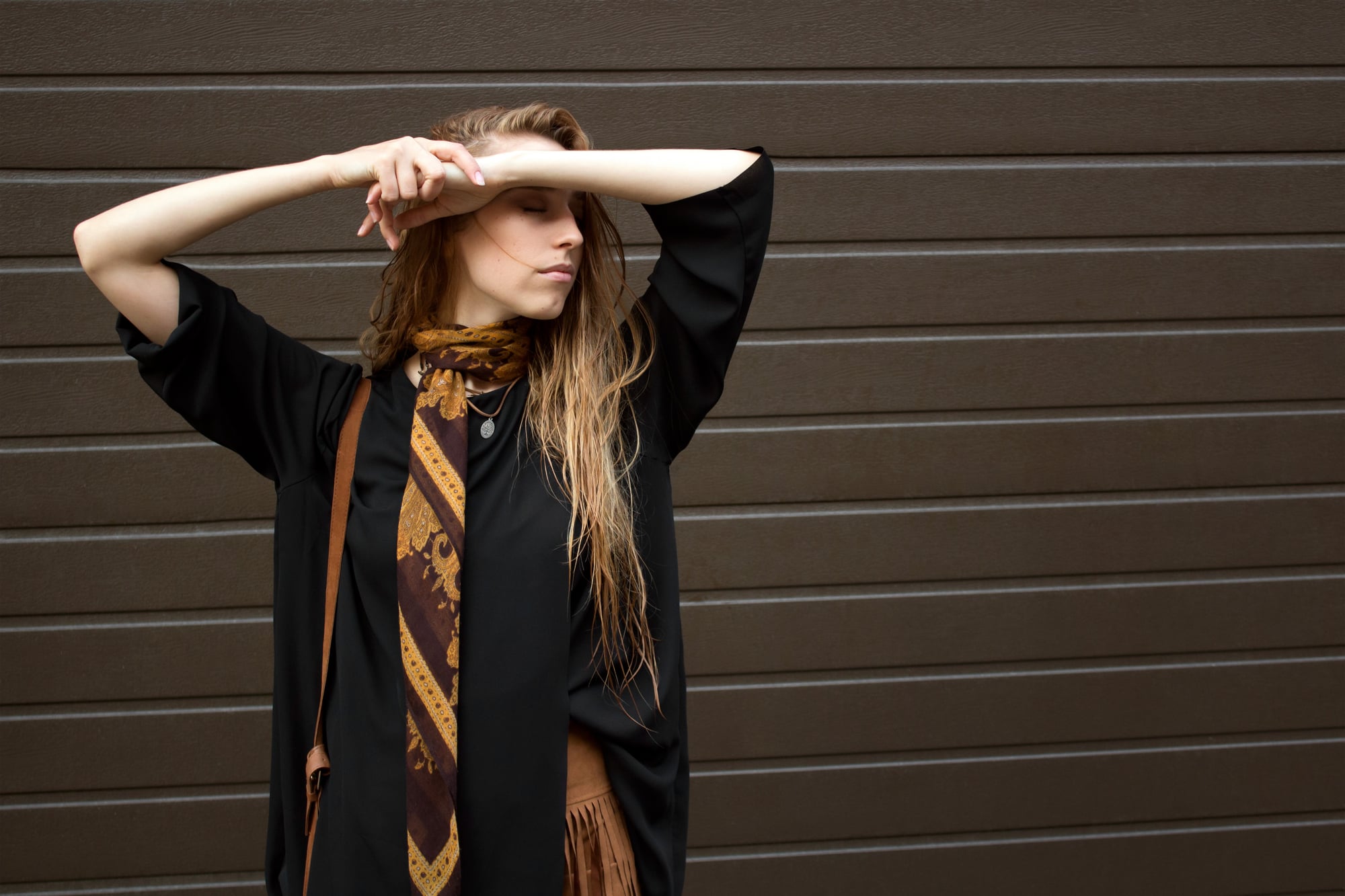
Fringe on clothing does something that most embellishment doesn’t — it moves with the wearer, responds to walking and wind, turns a static piece of fabric into something that participates in motion. The detail is rooted in 1970s Americana and Western dressing (suede jackets, leather boots, festival vests), and its return has been gradual but consistent enough now to register as more than a seasonal nod.
Fringe-hemmed skirts and fringed handbags are the current entry points.
Colored Tights
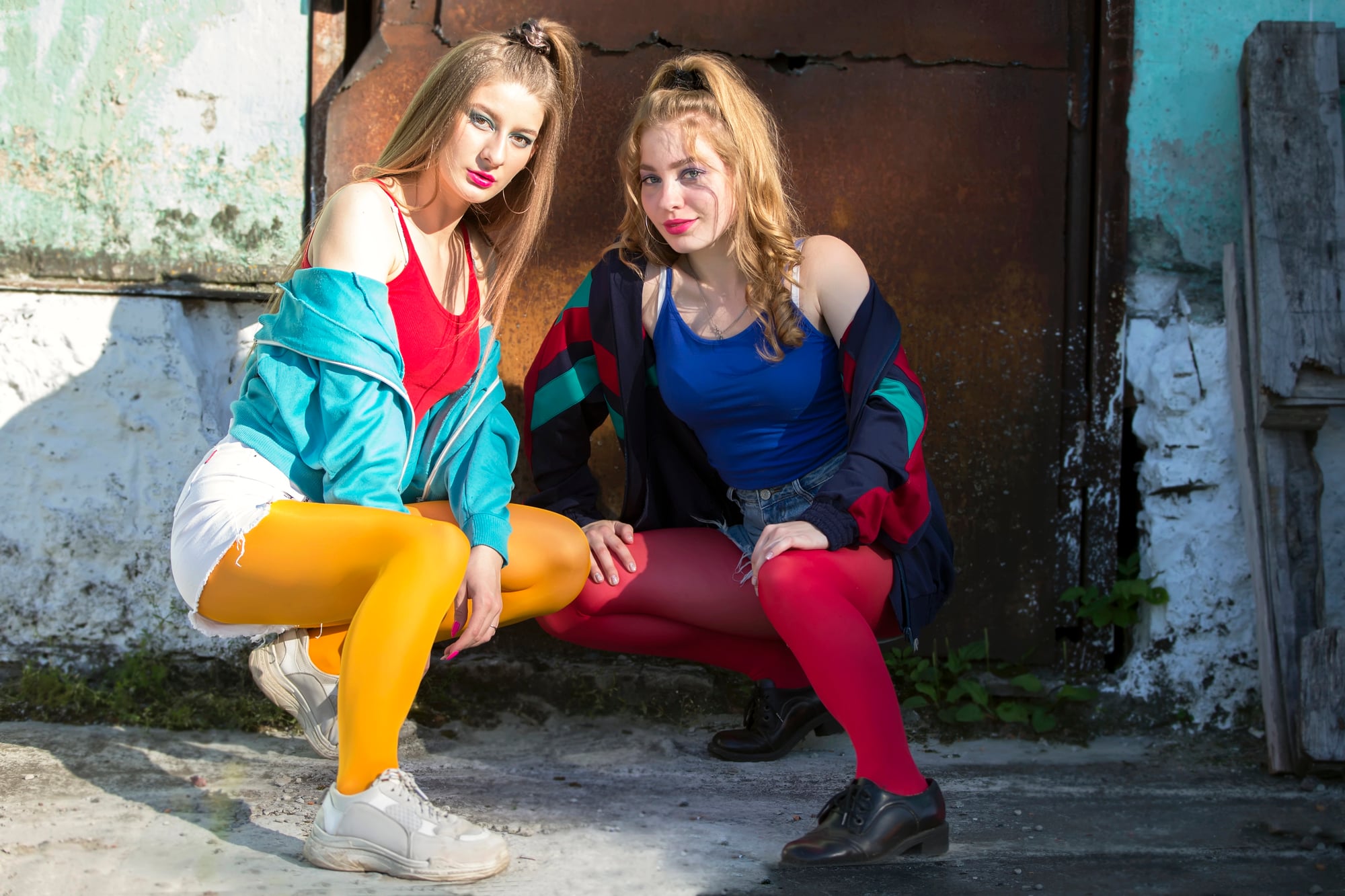
Colored tights are fashion’s most underused tool and are finally being remembered. The saturated-color hosiery of the 1980s — cobalt, forest green, burgundy, mustard — is appearing again under mini skirts, beneath shorts, and paired with loafers in combinations that feel deliberately retro without being costume-like.
To be fair, the 1980s made a compelling case for hosiery as a color anchor, and that case hasn’t really weakened.
Leather Trench Coats
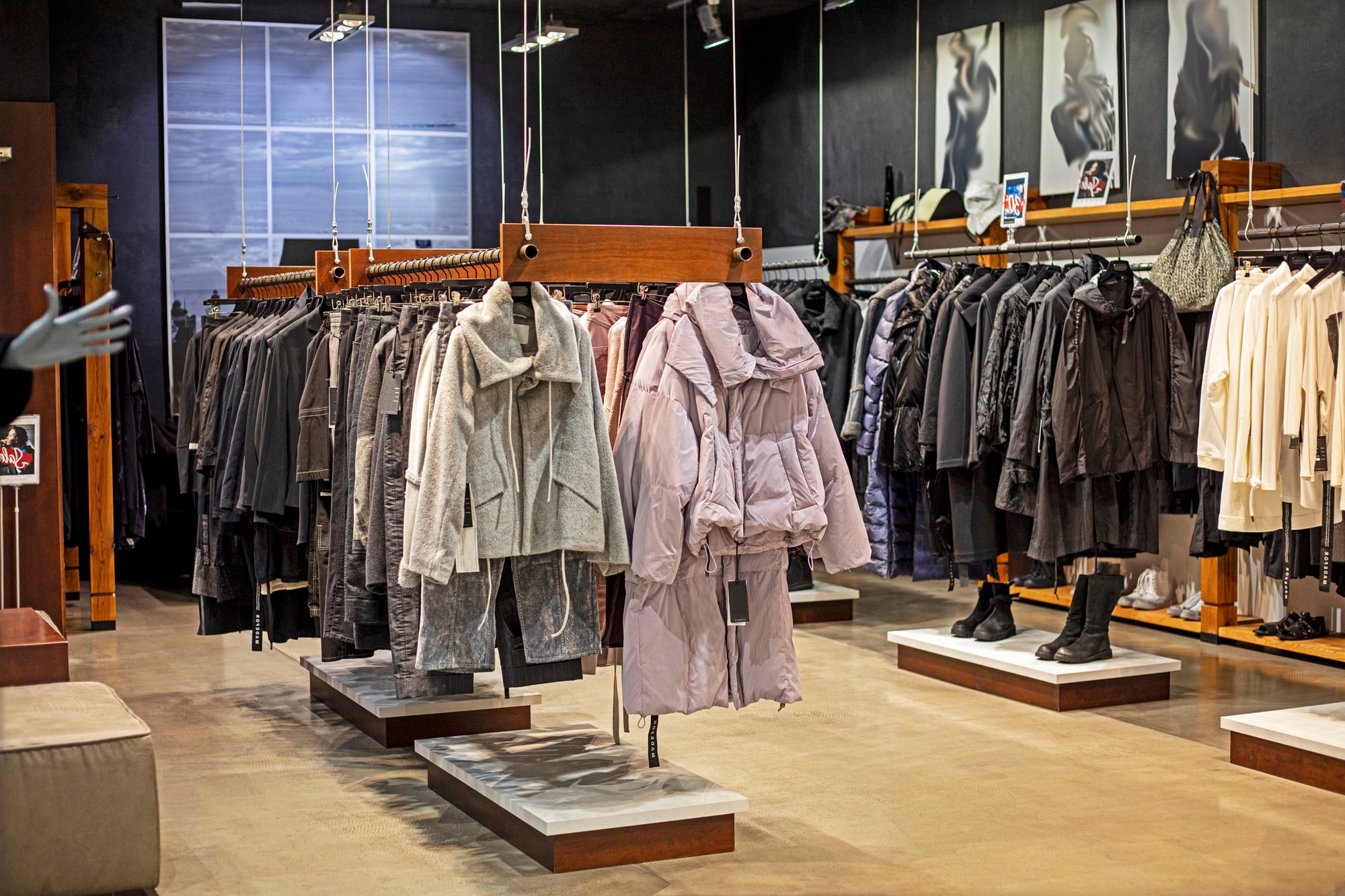
The leather trench coat asks you to commit — to the weight of it, the break-in period, the very specific authority it projects — and it rewards that commitment by outlasting every other coat in the closet by a decade. The style has roots in 1970s and 1980s fashion (where it carried a slightly noir, deliberately cinematic quality) and returned prominently through the 1990s in both brown and black iterations.
Its current presence in collections from investment-level brands to accessible labels suggests it’s not leaving again anytime soon.
Statement Sunglasses
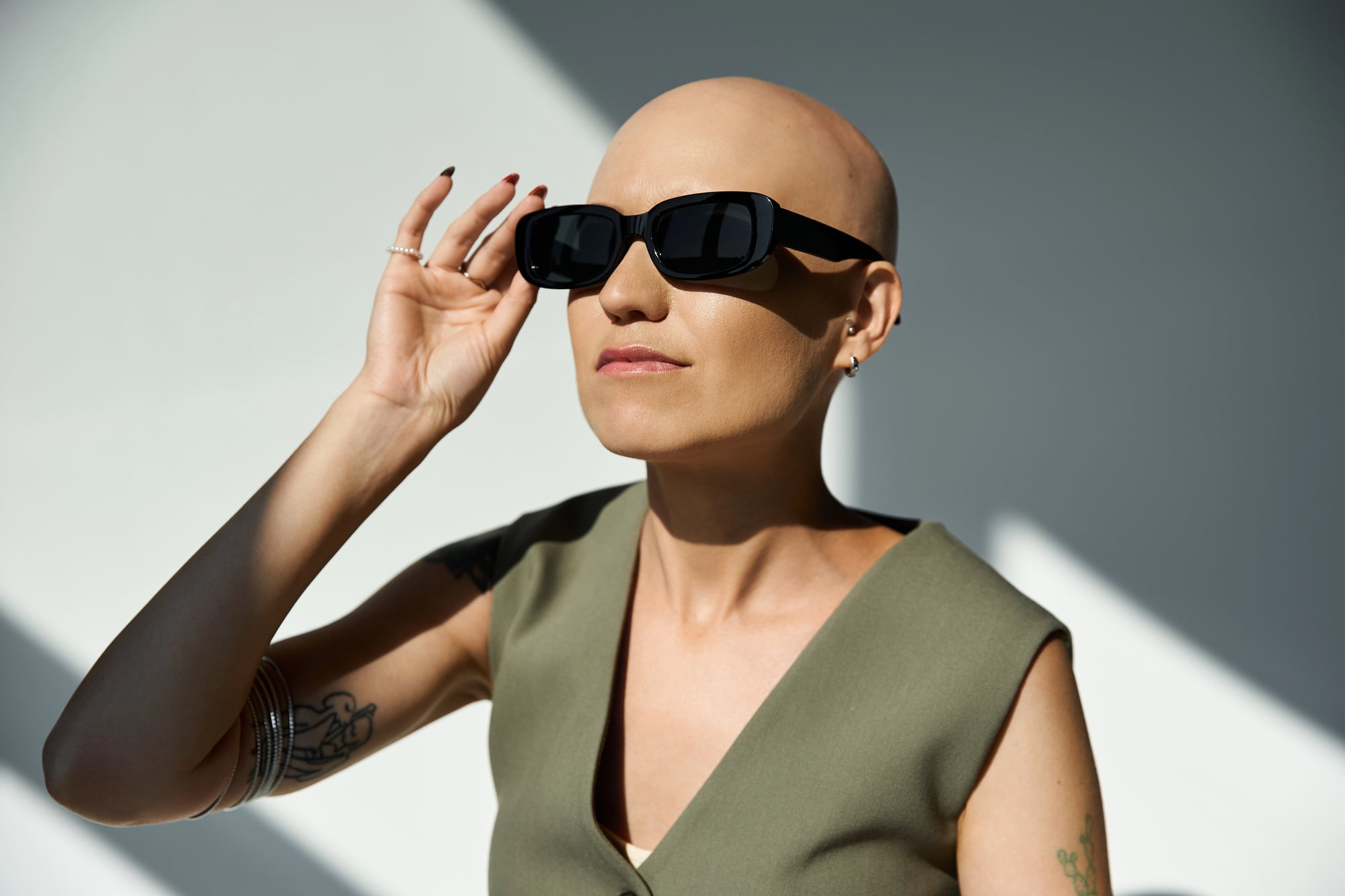
Oversized, tinted, geometric, or shield-shaped — statement sunglasses are the fastest way to alter an outfit without changing anything else about it. The extreme silhouettes of the 1970s (oversized rounds, angular wraparounds) and the early 2000s (tiny oval lenses, heavy frames) are both circulating simultaneously right now, which means there’s no single definitive shape — just the agreement that subtlety isn’t the point.
The face is a surface worth doing something interesting with.
The Wardrobe Never Fully Forgets
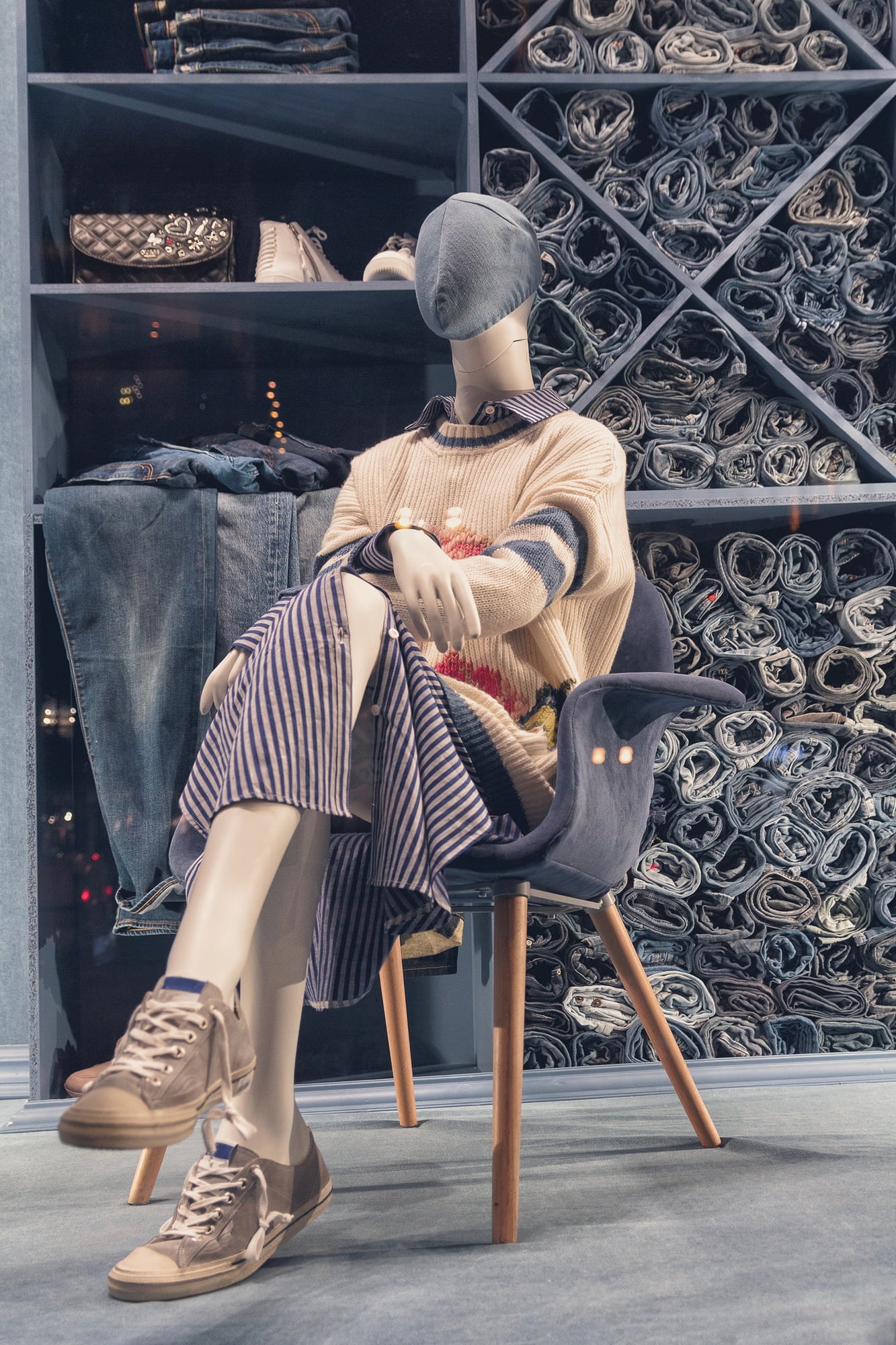
Fashion trends don’t really die — they go quiet, the way a conversation pauses rather than ends. What’s happening now across closets, storefronts, and resale platforms isn’t a series of isolated revivals but something more like a collective re-evaluation: looking back at what actually worked, what felt good to wear, what held up aesthetically when stripped of its original context.
The trends that keep returning — the slip dresses, the platforms, the wide-leg trousers — probably keep returning because they were right about something the first time. Everything else is just the fashion industry catching back up to them.
More from Go2Tutors!

- The Romanov Crown Jewels and Their Tragic Fate
- 13 Historical Mysteries That Science Still Can’t Solve
- Famous Hoaxes That Fooled the World for Years
- 15 Child Stars with Tragic Adult Lives
- 16 Famous Jewelry Pieces in History
Like Go2Tutors’s content? Follow us on MSN.