Ice Cream Flavors That Failed Fast
Ice cream shops love experimenting. The quest for the next big flavor pushes boundaries, and sometimes those boundaries push back.
Not every wild idea deserves a place in the freezer case, and plenty of flavors proved that within weeks or even days of launch. Some failures happen because the concept sounds better than it tastes.
Others crash because timing matters more than anyone expected. A few just make you wonder what the creators were thinking in the first place.
The Pizza Predicament

Pizza-flavored ice cream showed up in a few adventurous shops during the early 2010s. The idea was to capture the savory essence of cheese, tomato, and oregano in frozen form.
Customers tried it once out of curiosity and never returned for a second scoop. The blend of tomato sweetness and dairy coldness created a texture problem that no amount of marketing could fix.
Garlic’s Frozen Moment
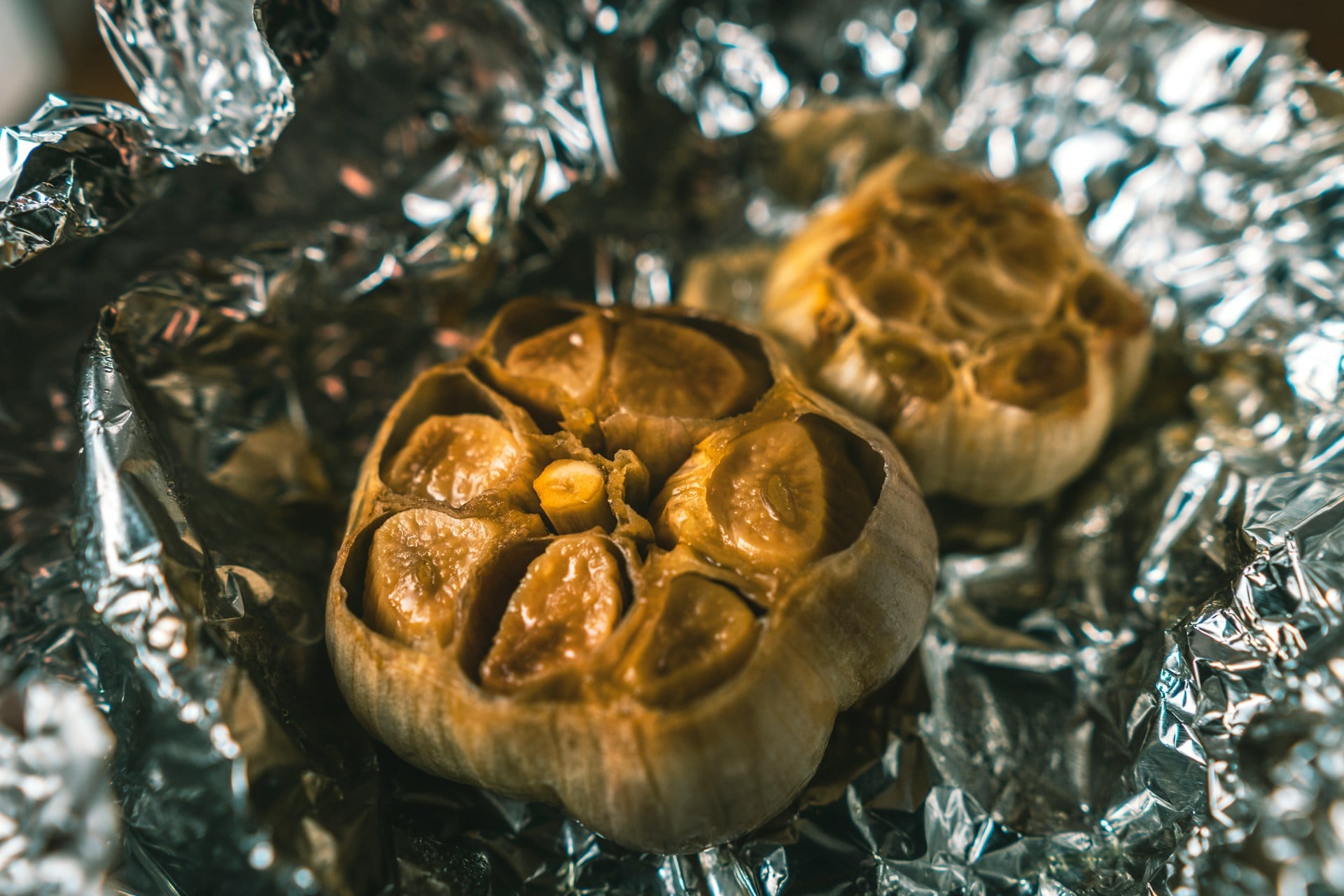
Garlic ice cream appeared at food festivals, particularly around Gilroy, California. The concept leaned into the town’s garlic festival fame, turning a beloved ingredient into dessert.
The sharp bite of garlic worked against the creamy base. Even garlic lovers admitted this was a bridge too far, and shops quietly removed it from their menus within weeks.
Ketchup’s Cold Reception
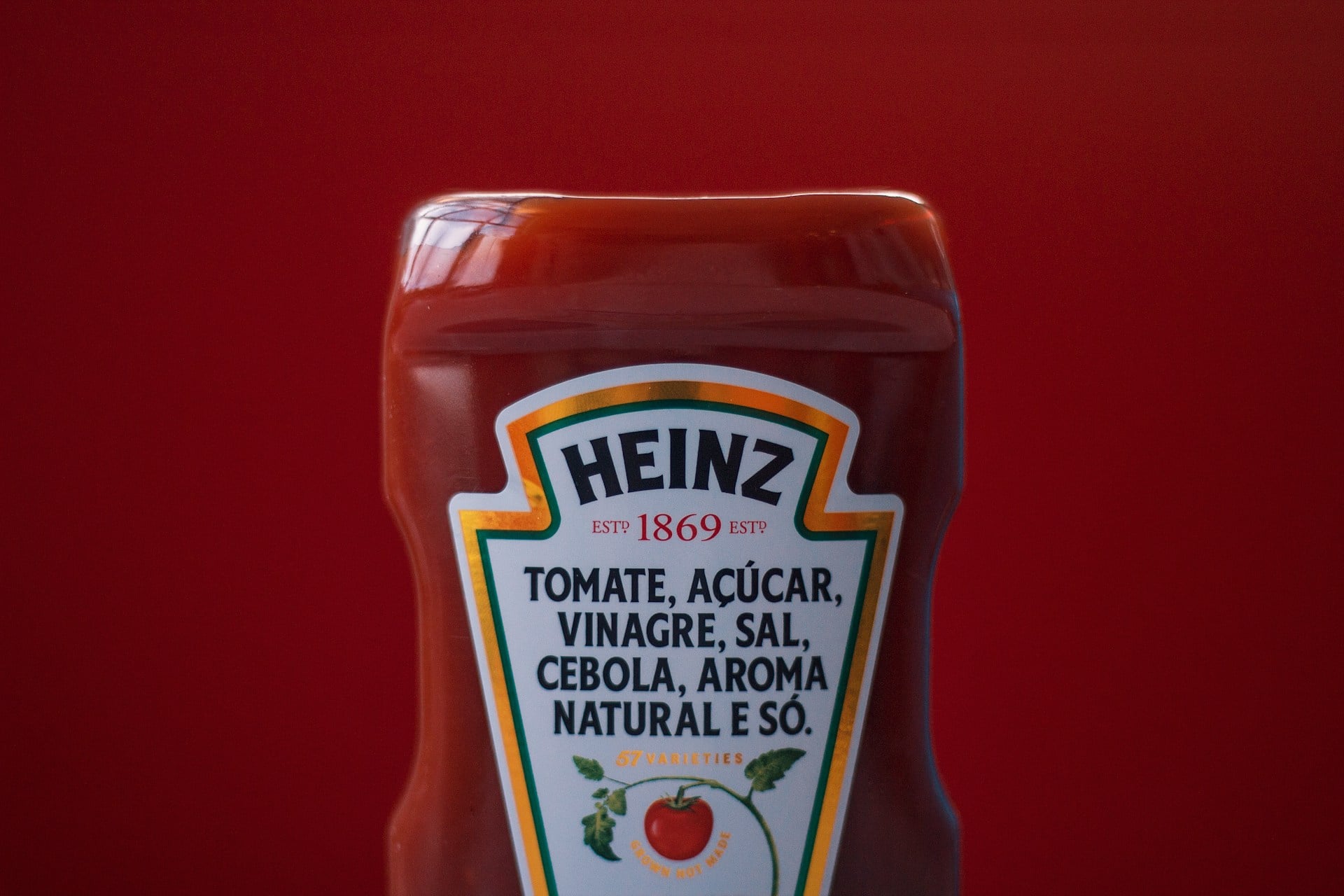
A novelty shop in Oregon launched ketchup ice cream as part of a limited summer run. They positioned it as a playful twist on American food culture.
The tangy tomato flavor clashed with the sweet cream base. Customers described it as confusing rather than delicious, and the flavor disappeared before summer ended.
Mayonnaise Meets Its Match
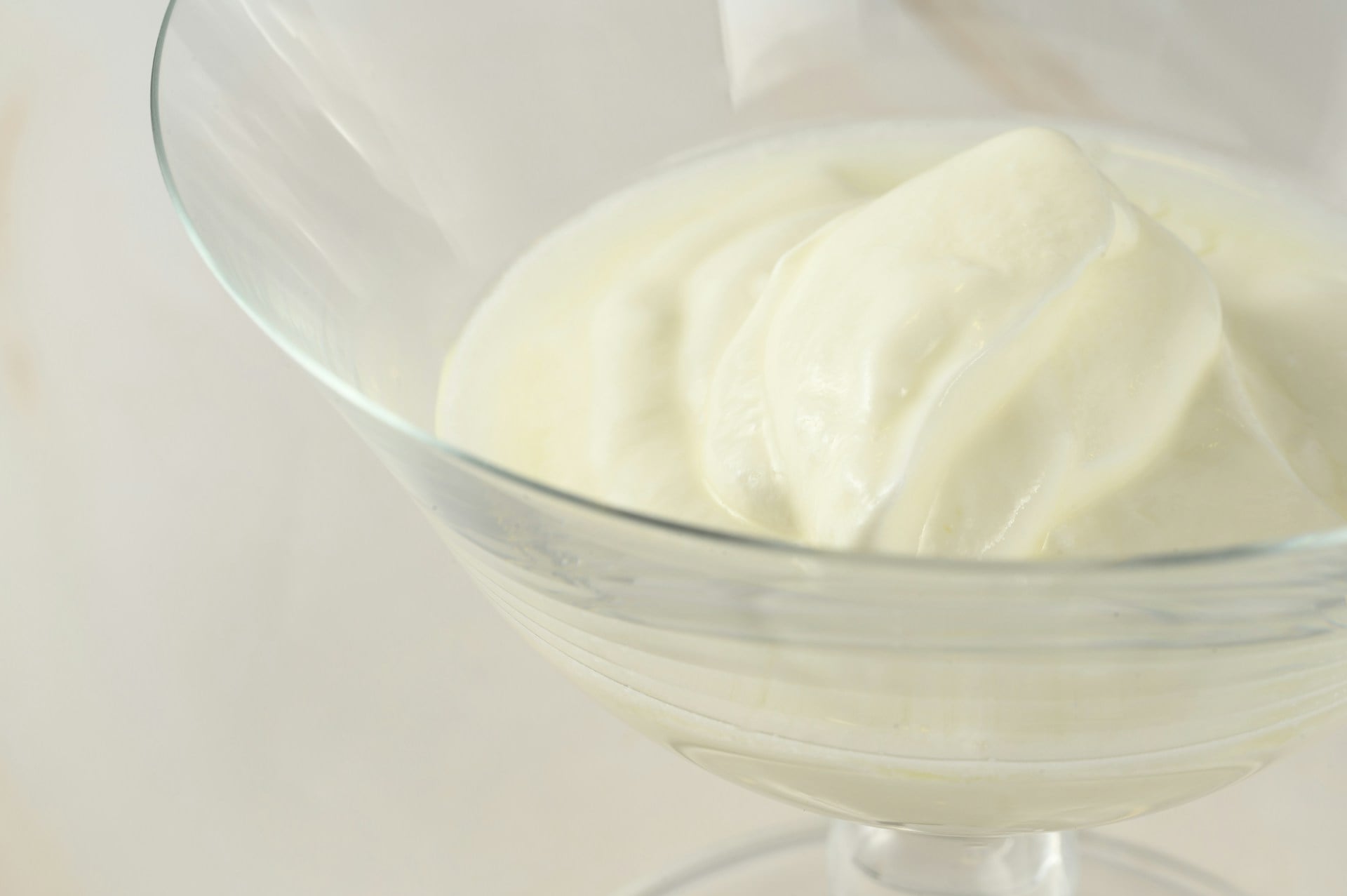
Japan has a history of unusual ice cream flavors, but mayonnaise ice cream tested even the most adventurous eaters. The creamy texture matched traditional ice cream, but the eggy undertone proved too much.
Sales dropped so quickly that the manufacturer never restocked. Some flavors cross a line that cultural curiosity can’t overcome.
Foie Gras Freezes Out
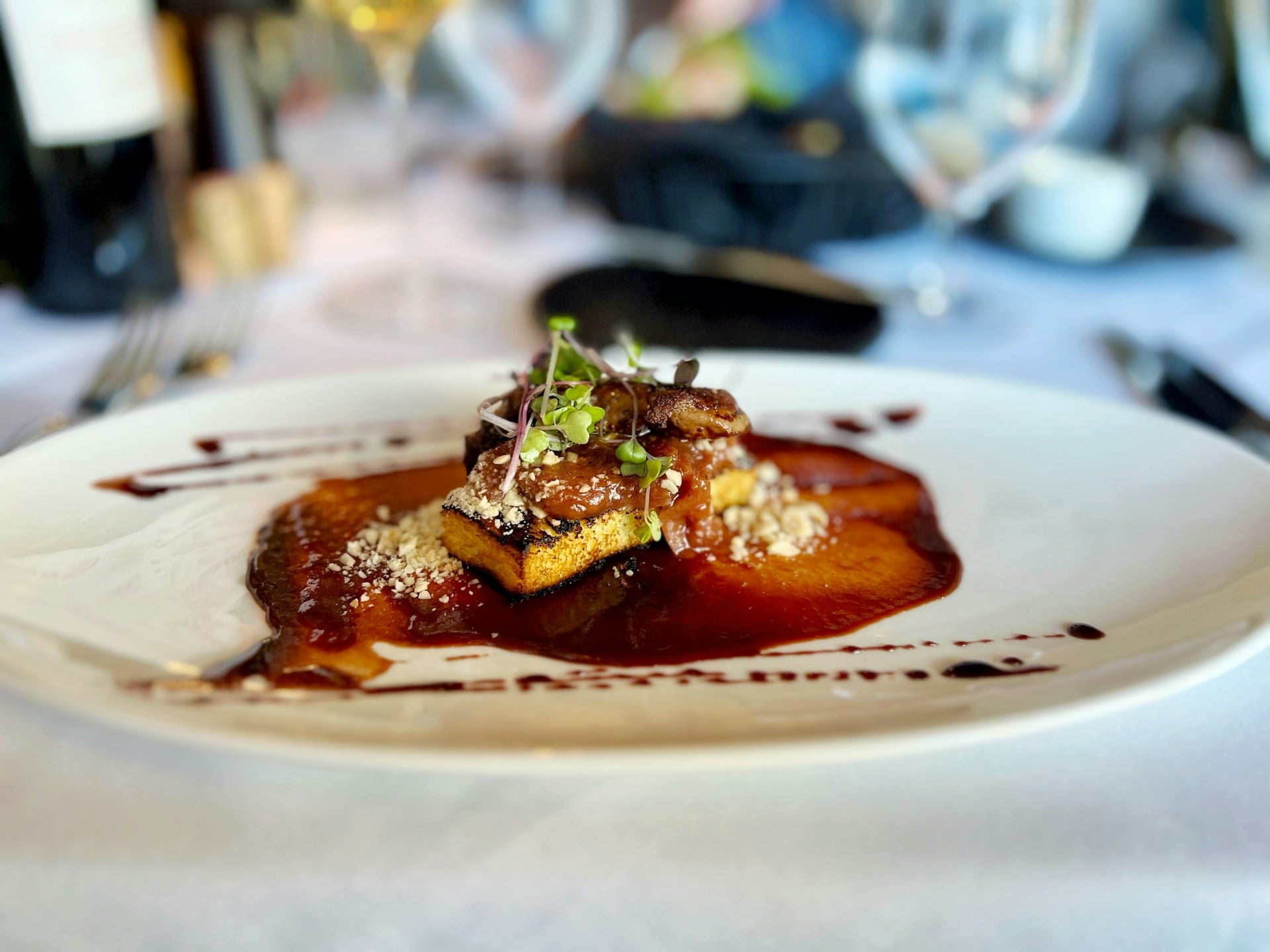
A high-end ice cream maker in France introduced foie gras ice cream to appeal to luxury food enthusiasts. The rich, fatty liver paired with sweetened cream created an experience meant for sophisticated palates.
Critics called it interesting but not enjoyable. The flavor lasted one season before the shop admitted that innovation has limits, even in French cuisine.
Lobster’s Icy Dive
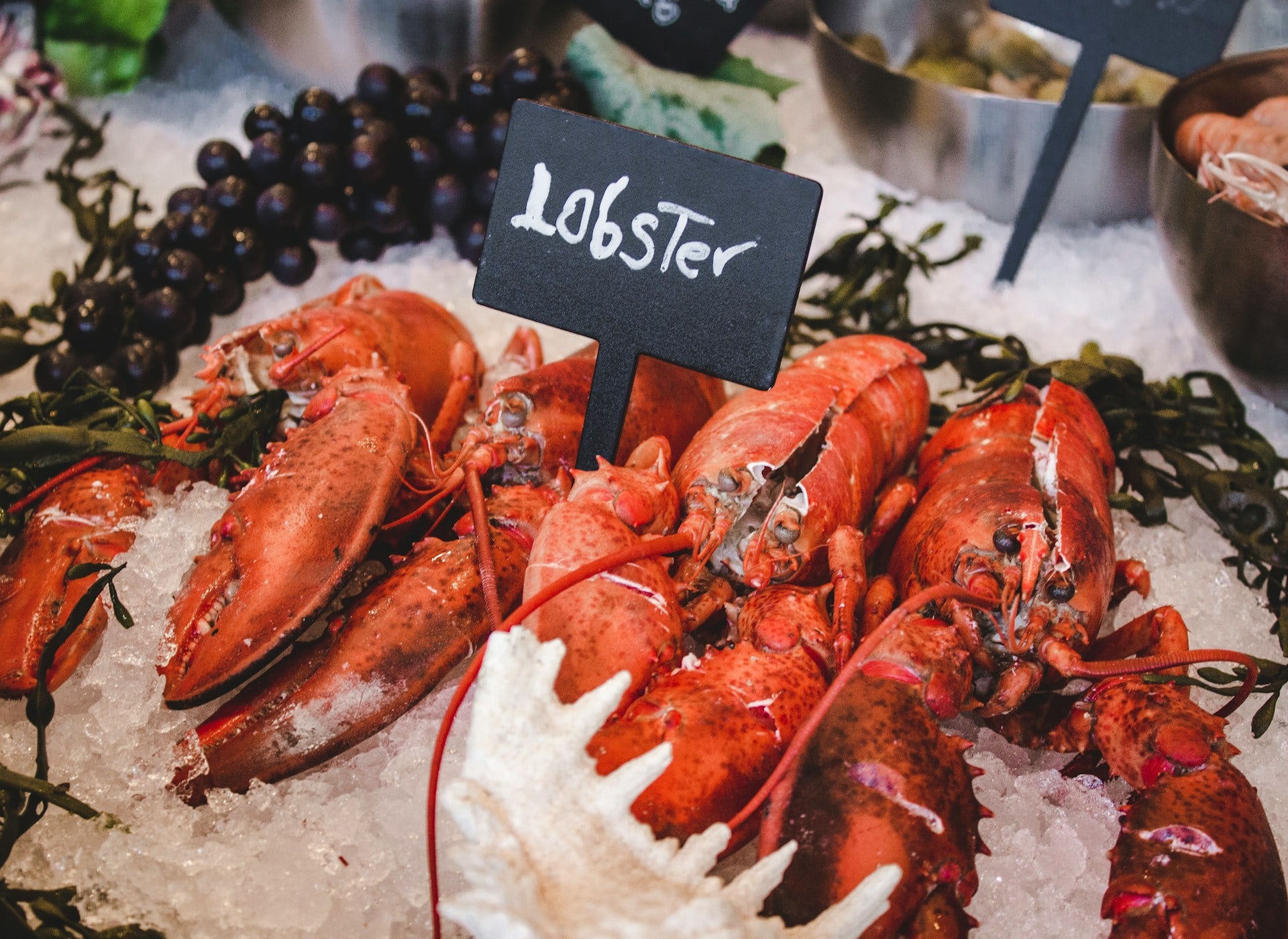
Coastal ice cream parlors occasionally roll out seafood flavors to celebrate local catches. Lobster ice cream appeared in Maine shops as a tourist attraction more than a serious menu item.
The buttery notes worked better in theory than practice. Most customers took photos but left their cups half-finished, and the flavor became a cautionary tale about regional pride gone too far.
Caviar’s Premium Problem
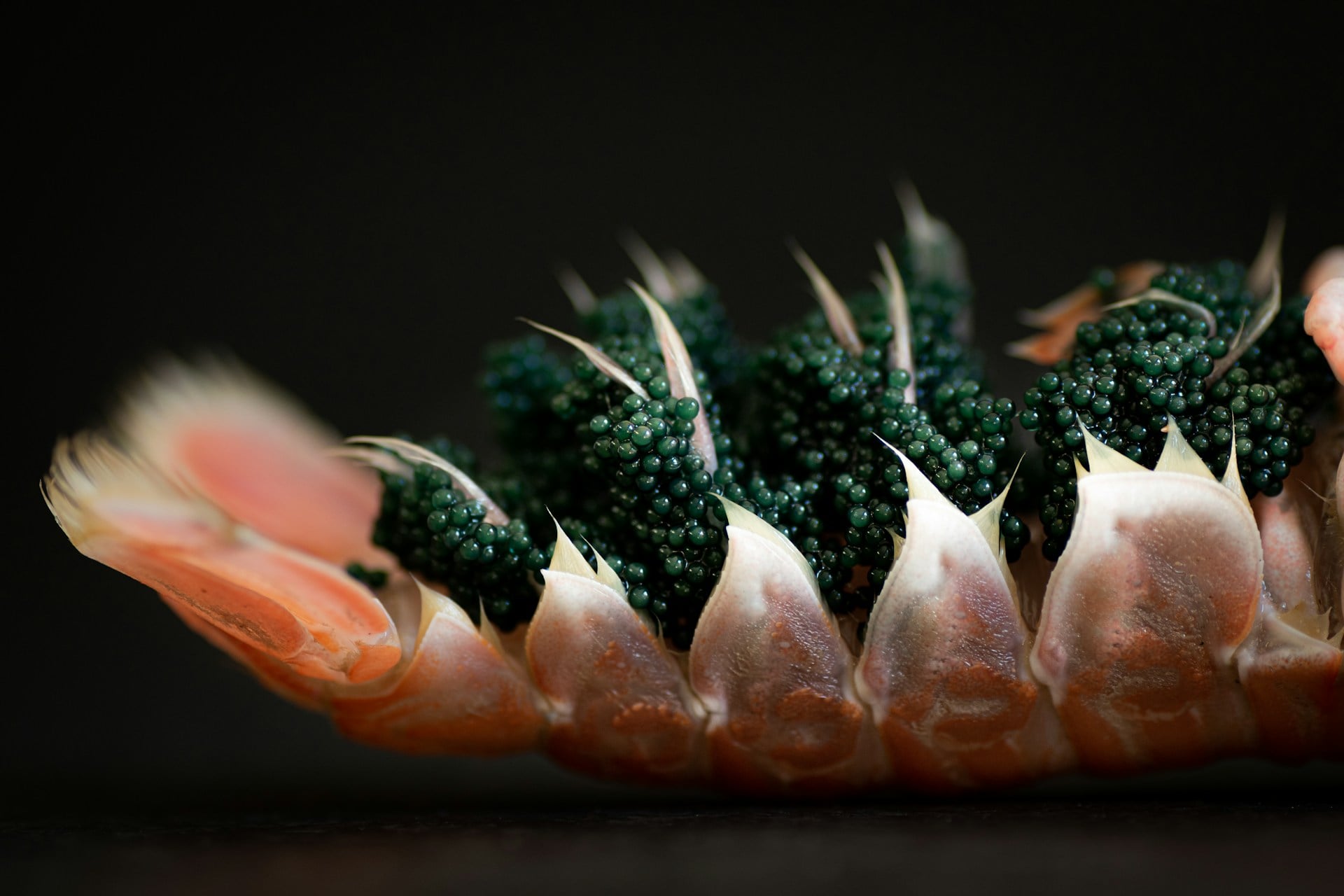
Caviar ice cream targeted the ultra-wealthy market in New York City. The salty fish eggs sat atop vanilla ice cream, creating contrast that the creators called bold.
Even customers willing to pay premium prices found the combination jarring. The shop pulled it after two weeks when sales couldn’t justify the expensive ingredients.
Octopus Goes Cold

A Tokyo ice cream shop known for experimental flavors introduced octopus ice cream during cherry blossom season. Small pieces of cooked octopus mixed into a lightly salted base.
The chewy texture against smooth ice cream created an unsettling mouthfeel. Social media posts went viral for all the wrong reasons, and the shop replaced it with safer options.
Hot Dog’s Brief Run

State fair vendors tried hot dog flavored ice cream as a novelty item during peak summer months. The flavor mimicked the taste of mustard and meat through creative use of spices and extracts.
Fairgoers bought it for the story but couldn’t finish it for t
he taste. The vendor switched back to traditional flavors before the fair ended.
Bacon and Egg Breakfast

Bacon and egg ice cream appeared in a Brooklyn shop that specialized in breakfast-themed desserts. Maple bacon pieces mixed with custard base and candied egg yolk.
The first bite worked, but the flavor grew too intense by the third spoonful. Customers appreciated the creativity without wanting to repeat the experience.
Potato Chip Crunch
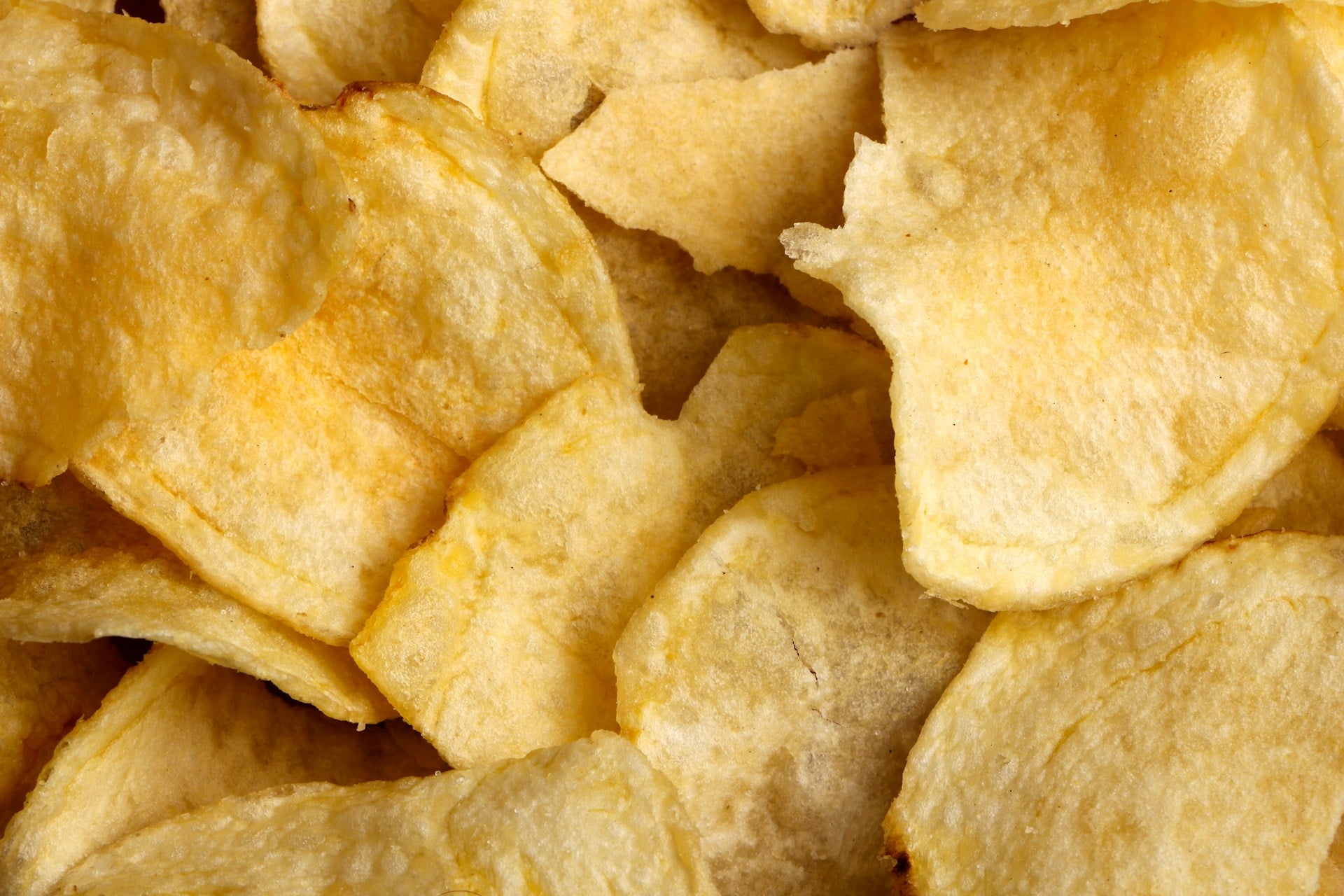
Potato chip ice cream seemed promising at first. The potato chip pieces added crunch and salt to balance the sweet cream, following the popular sweet-and-salty trend.
But the chips turned soggy within hours of being mixed into the ice cream. What started as crispy became limp and unappetizing, leading shops to abandon the concept despite initial excitement.
Blue Cheese Boldness
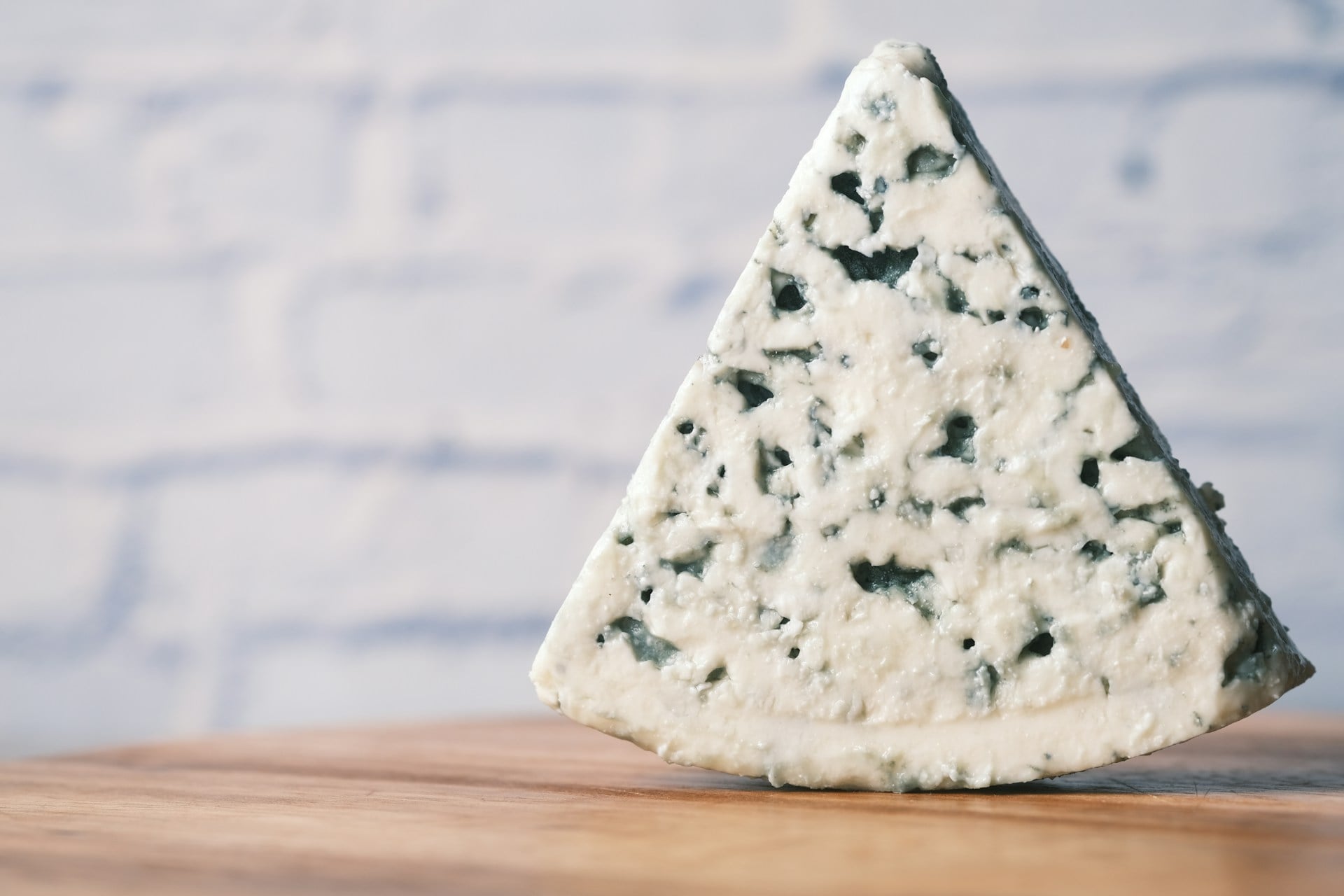
Wisconsin shops tested blue cheese ice cream to celebrate the state’s dairy heritage. The pungent cheese folded into honey-sweetened cream created a sharp contrast.
Cheese lovers found it too strong, and ice cream purists rejected it entirely. The flavor lasted three weeks before admissions that some traditions shouldn’t merge.
Oyster’s Experimental Phase

A Seattle ice cream shop dropped a new flavor – oyster, made with actual oyster extract. Salty hints are meant to taste like the sea, but not hit too hard on the tongue.
The metallic taste annoyed quite a few people. Some bold eaters, though they love eating fresh oysters, still thought this version flopped – so the store pulled it right before thirty days passed.
When Flavors Find Their Limits

Trying new food ideas means taking chances – though most don’t work out. Some wild ice cream flavors showed companies that boldness needs limits, yet some mix-ins just don’t survive the freeze.
The stores testing these tastes didn’t flop – they figured out what people really crave at the ice cream stand: a hint of comfort plus something unique that sticks. Often, smart new ideas come from looking behind you instead of around.
More from Go2Tutors!

- The Romanov Crown Jewels and Their Tragic Fate
- 13 Historical Mysteries That Science Still Can’t Solve
- Famous Hoaxes That Fooled the World for Years
- 15 Child Stars with Tragic Adult Lives
- 16 Famous Jewelry Pieces in History
Like Go2Tutors’s content? Follow us on MSN.



