Iconic Action Figures From the 80s and 90s
There was more to the 1980s and 1990s than just dubious fashion choices and neon everything. Toy aisles turned into battlefields for children’s allowance money and parents’ sanity during the heyday of action figures.
With backstories, vehicles, and enough accessories to be lost under the couch forever, these were gateway drugs to imagination rather than merely movable plastic pieces. Let’s go back in time and revisit some of the most iconic action figures that helped shape a generation’s perception of childhood.
The action figures that dominated toy boxes in the 1980s and 1990s are listed here.
He-Man
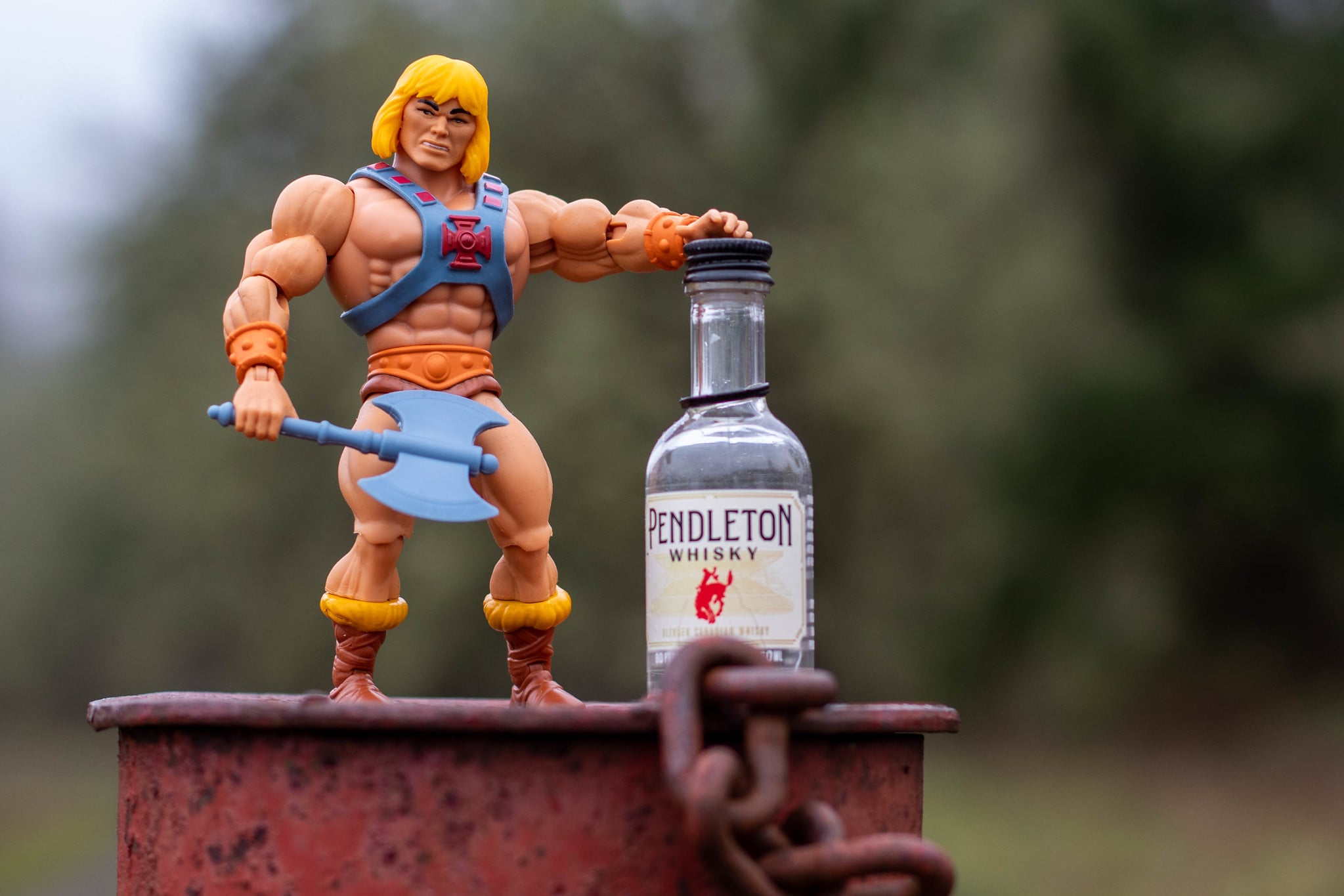
Masters of the Universe burst onto the scene in the early 80s courtesy of Mattel, featuring a muscle-bound hero who shouted at castles. He-Man wasn’t just an action figure—he was a lifestyle choice.
The blonde warrior came with a power sword, a battle harness, and enough testosterone to make your G.I. Joes feel inadequate. Mattel designed these figures with bold colors and accessories that transformed living rooms into the mythical world of Eternia, and kids everywhere learned that apparently, the power of Grayskull was just good marketing.
Optimus Prime

When Hasbro launched Transformers in 1984, they borrowed heavily from Japanese toy manufacturer Takara’s Diaclone line and created something magical. Optimus Prime, the leader of the Autobots, transformed from a semi-truck into a robot hero, and suddenly every kid needed to learn engineering just to play with their toys.
The original G1 Optimus Prime featured die-cast metal parts combined with plastic components, giving him enough weight to survive being thrown across the room during heated battles with Megatron. These weren’t just robots in disguise—they were robots that required an instruction manual.
Like Go2Tutors’s content? Follow us on MSN.
Luke Skywalker

Kenner’s Star Wars figures changed the game when they hit stores in 1978, right after the original film’s release. The original Luke Skywalker figure stood about 3.75 inches tall and came with a telescoping lightsaber in the earliest run, though Kenner quickly replaced this fragile feature with a simpler molded version.
What made these figures revolutionary was their size—smaller meant cheaper, and cheaper meant kids could actually collect entire armies. By the early 80s and through Return of the Jedi in 1983, Kenner had created a toy empire that funded George Lucas’s wildest dreams.
Leonardo

The Teenage Mutant Ninja Turtles exploded in the late 80s with a concept so bizarre it shouldn’t have worked—teenage reptiles who ate pizza and knew martial arts. Leonardo, the leader in blue, came with his signature katanas and a semi-permanent scowl.
These figures had a rubbery quality that let them survive being buried in sandboxes and forgotten in tree houses. The TMNT line became so successful that toy stores couldn’t keep them on shelves, and suddenly every kid knew the difference between a bo staff and nunchucks.
Hulk Hogan

LJN’s Wrestling Superstars line in the mid-80s gave us larger 8-inch solid rubber figures of our favorite wrestlers, starting in 1984. When Hasbro took over the WWF license in 1990, they introduced smaller plastic figures with spring-loaded action features.
Hulk Hogan stood about 4 inches tall in the Hasbro line with his signature yellow and red outfit, and his action feature actually worked. These Hasbro figures were basically miniature replicas of the wrestlers with a slightly cartoonish look that somehow made them more appealing.
Like Go2Tutors’s content? Follow us on MSN.
Boba Fett

The bounty hunter with about four minutes of screen time in The Empire Strikes Back became one of the most sought-after action figures of the early 80s. Kenner’s 1979 Boba Fett was originally supposed to have a firing rocket pack, but safety concerns killed that feature before production.
The final version became legendary anyway, and prototypes with the rocket-firing mechanism now sell for thousands of dollars. Boba Fett proved that mysterious masked characters who barely speak make excellent action figures—a lesson toy companies have been following ever since.
Batman

When Tim Burton’s Batman hit theaters in 1989, Kenner was ready with a toy line that capitalized on Batmania. The Dark Knight Collection gave us multiple versions of Batman, each with different color schemes and gadgets that had nothing to do with the movie.
There was a Batman in gold, a Batman with infrared scanners, and a Batman in basically every color except the one he actually wore in the film. Kenner understood that kids wanted variety, even if that variety made no sense from a stealth perspective.
Red Power Ranger

Mighty Morphin Power Rangers debuted in the early 90s with a formula that was part martial arts, part giant robots, and entirely addictive. The action figures let kids recreate the morphin’ sequence, though without the cool special effects.
The Red Ranger, as the team leader, became the most popular figure in the line. These figures combined the appeal of superheroes with the transforming vehicle gimmick that was all the rage, and suddenly every kid needed to collect all five Rangers plus their Zords.
Like Go2Tutors’s content? Follow us on MSN.
Megatron

The leader of the Decepticons transformed into a realistic-looking Walther P38 pistol, which seems insane by today’s toy safety standards. The original G1 Megatron from 1984 was designed by Takara and imported by Hasbro, featuring a complex transformation and die-cast metal construction with a scope that actually worked.
Later U.S. releases added orange safety plugs to comply with toy gun regulations, but the original Japanese version had no such restrictions. Kids could point a gun-shaped toy at their friends and then transform it into a robot, which parents somehow allowed in the mid-80s.
Donatello
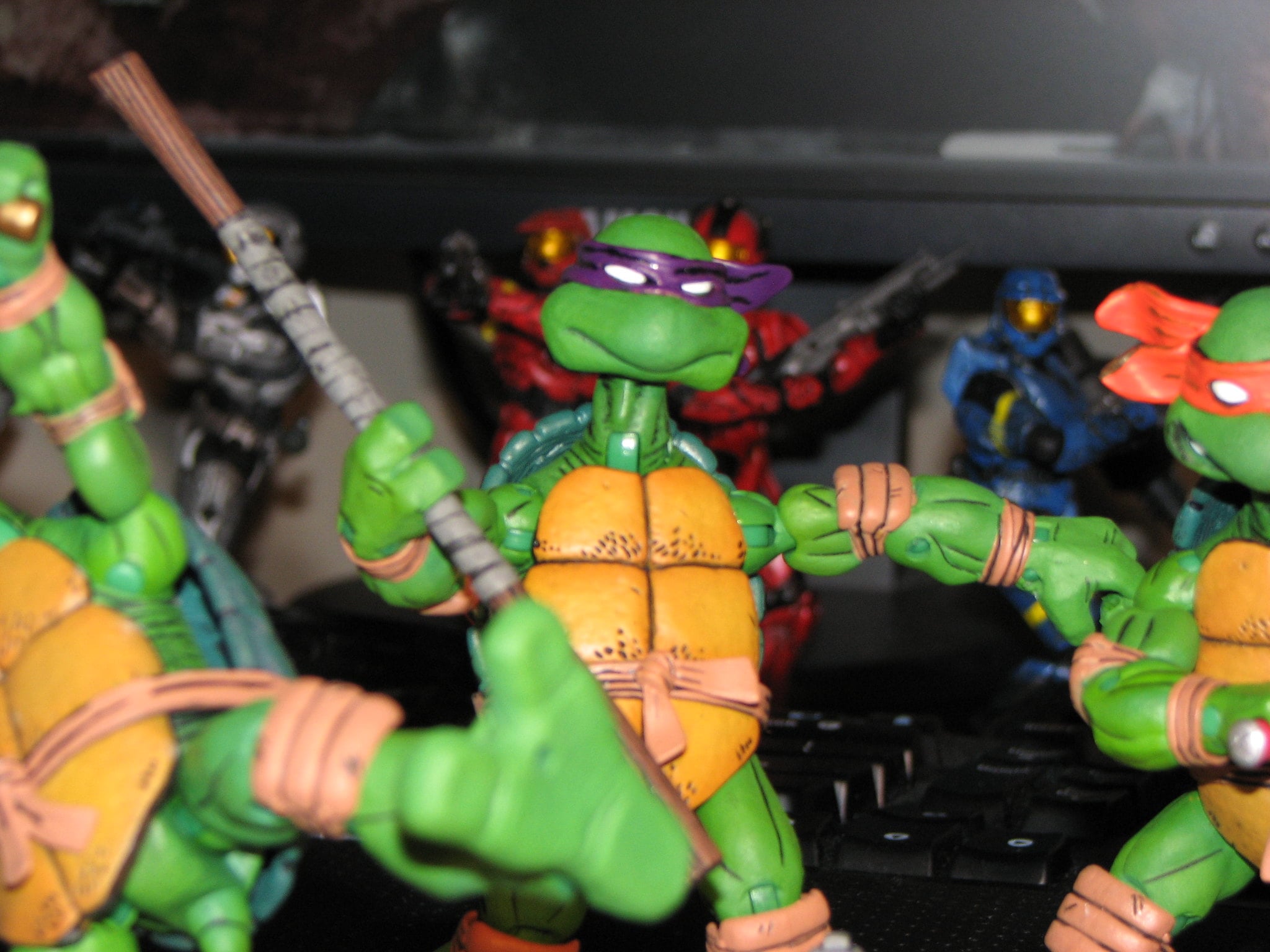
While Leonardo got to be the leader, Donatello was the smart one with the bo staff, and his action figure reflected that nerdy cool factor. The purple-masked turtle came with his trademark weapon and the same articulation as his brothers, but something about Donatello resonated with kids who preferred brains over brawn.
The TMNT figures were designed with exaggerated muscles and expressions that made them look like they’d been hitting the pizza and the gym in equal measure.
Wolverine

Toy Biz’s X-Men line launched in the early 90s and brought Marvel’s mutants into living rooms everywhere. Wolverine, with his signature claws and yellow suit, became an instant classic.
The figure featured ‘slashing action’ and came with claws that could be extended or retracted, though they usually just stayed extended because that looked cooler. Wolverine proved that sometimes the best action figures are the ones that look exactly like they stepped off the comic book page.
Spider-Man

Toy Biz’s Spider-Man figures from the 90s coincided with the animated series that defined the character for a generation. The basic Spider-Man came with web-shooting action and enough articulation to actually pull off wall-crawling poses.
What made these figures special was their variety—there were dozens of Spider-Man variants, from symbiote suits to armored versions, each more ridiculous than the last. Kids didn’t care that most of these costumes never appeared in the comics; they just wanted more Spider-Man.
Like Go2Tutors’s content? Follow us on MSN.
Raphael
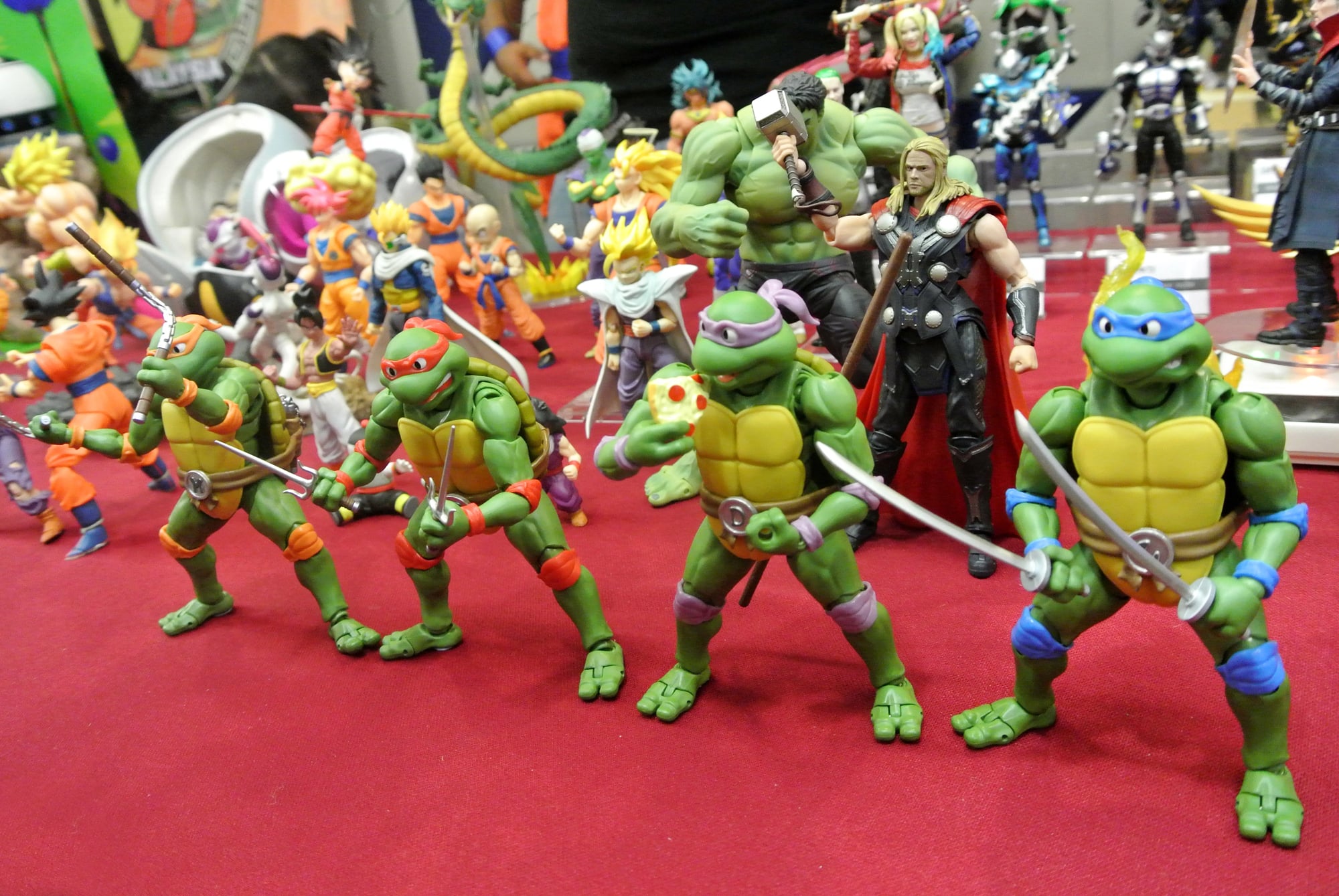
The turtle with the attitude came in red and the wielded twin said like he had something to prove. Raphael’s action figure captured his angry personality through sheer force of sculpting—somehow, plastic could look perpetually annoyed.
Among the four turtles, Raphael was often the favorite for kids who thought Leonardo was too much of a goody-goody. The figure came with the same basic design as his brothers, but that red bandana and those sai made all the difference in the playground hierarchy.
Where Plastic Legends Live On
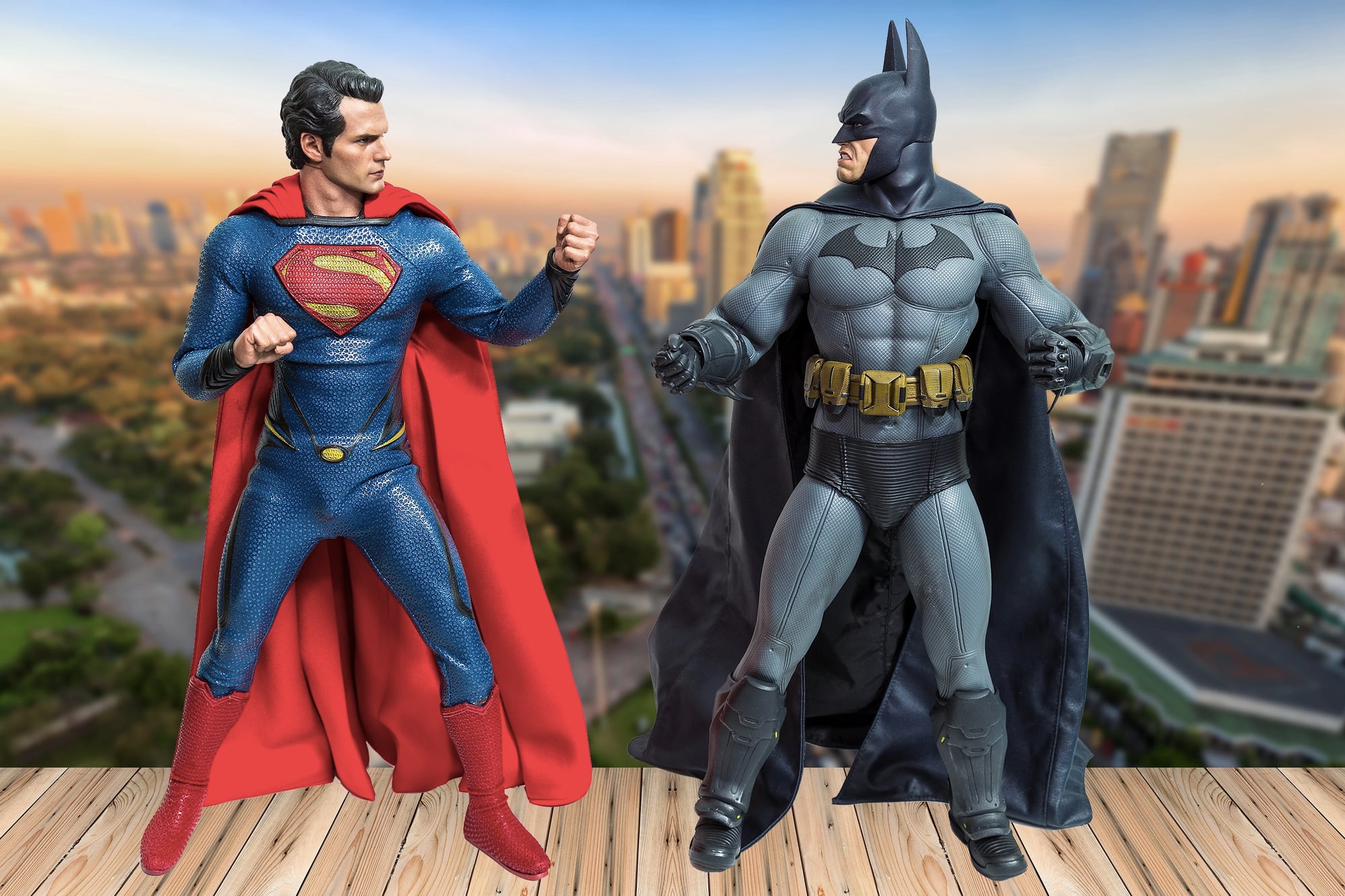
These action figures defined what it meant to be a child in the 1980s and 1990s and were more than just toys. They symbolized an era when the entertainment industry realized that a successful action figure could simultaneously sell comics, TV series, and films.
The people we’ve discussed here have drained innumerable piggy banks, inspired cartoons, and started franchises. Childhood memories have significant market value, as evidenced by the fact that many of these original figures now fetch hundreds or even thousands of dollars.
Even though the heyday of action figures is over, people who experienced it know that nothing beats the first time you open that cardboard backing and smell the fresh plastic.
More from Go2Tutors!

- 16 Historical Figures Who Were Nothing Like You Think
- 12 Things Sold in the 80s That Are Now Illegal
- 15 VHS Tapes That Could Be Worth Thousands
- 17 Historical “What Ifs” That Would Have Changed Everything
- 18 TV Shows That Vanished Without a Finale
Like Go2Tutors’s content? Follow us on MSN.