15 Misunderstood Historical Disasters
Historical disasters often become simplified in our collective memory, with causes reduced to single factors or sometimes completely misunderstood. These catastrophes are complex events with multiple contributing elements that get lost in translation over time.
The real stories behind these tragedies are often more nuanced and surprising than what most of us learned in history class. Here is a list of 15 historical disasters for which popular understanding doesn’t match what actually happened.
This shows how history sometimes gets the story wrong when explaining why tragedy struck.
The Great Chicago Fire
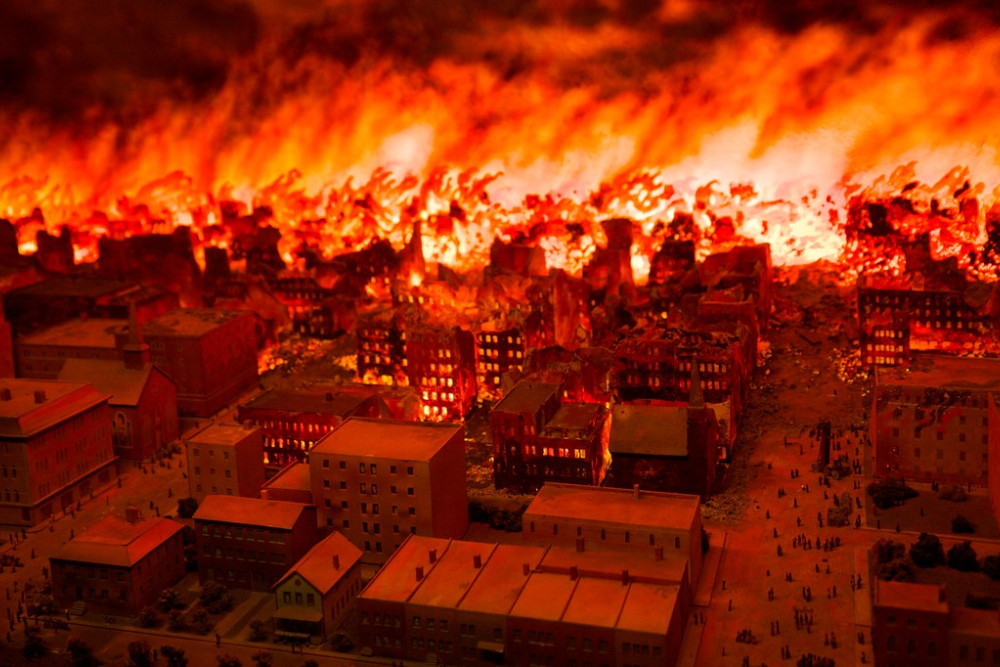
Pure fabrication is the well-known story of Mrs. O’Leary’s cow kicking over a light and igniting the catastrophic Chicago fire of 1871. Years later, modern journalist Michael Ahern acknowledged that he had made up the story because it made for interesting news.
According to recent research, a meteor shower that night may have caused the fire, as several fires broke out throughout the Midwest at the same time. Historians disagree over the precise origin, although the cow most certainly did not do it.
The Hindenburg Disaster
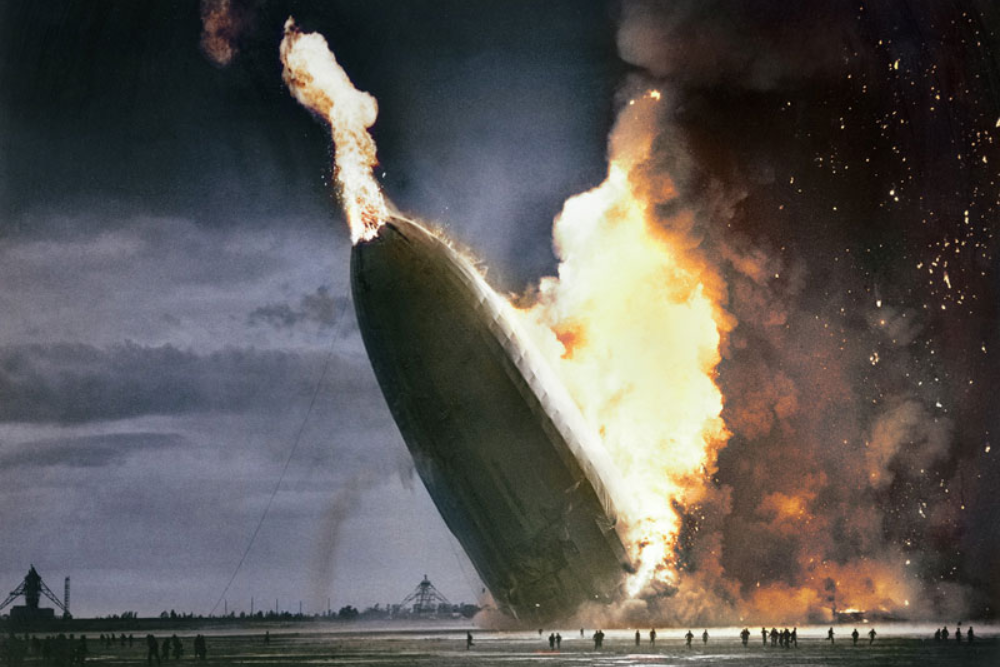
Modern analysis suggests a possible culprit for the historic 1937 explosion, despite the widespread belief that a spark ignited the hydrogen in the airship. Iron oxide and aluminum powder, which are effectively rocket fuel, were applied to the Hindenburg’s exterior coating and were probably ignited by static electricity.
Although it wasn’t the original cause as is often assumed, the hydrogen undoubtedly had a part in the fire. Despite their generally excellent safety record, this accident essentially put a stop to the passenger airship period.
Like Go2Tutors’s content? Follow us on MSN.
Pompeii’s Destruction
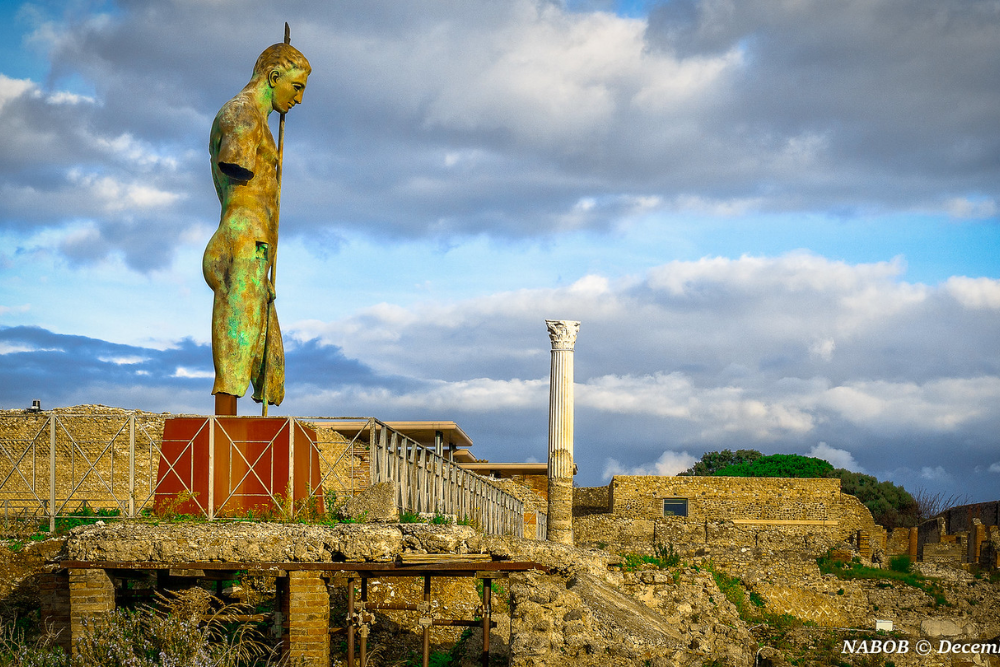
The popular notion that Pompeii’s residents died instantly from volcanic ash and lava isn’t accurate. The majority of victims actually perished from exposure to superheated pyroclastic flows—clouds of gas and rock that moved at hurricane speeds and reached temperatures of nearly 1,000°F.
Many people successfully evacuated before these deadly waves arrived, and archaeological evidence shows organized escape attempts rather than sudden, chaotic death. The preservation of the city resulted from a unique combination of volcanic materials, not simply being buried in ash.
The Boston Molasses Flood
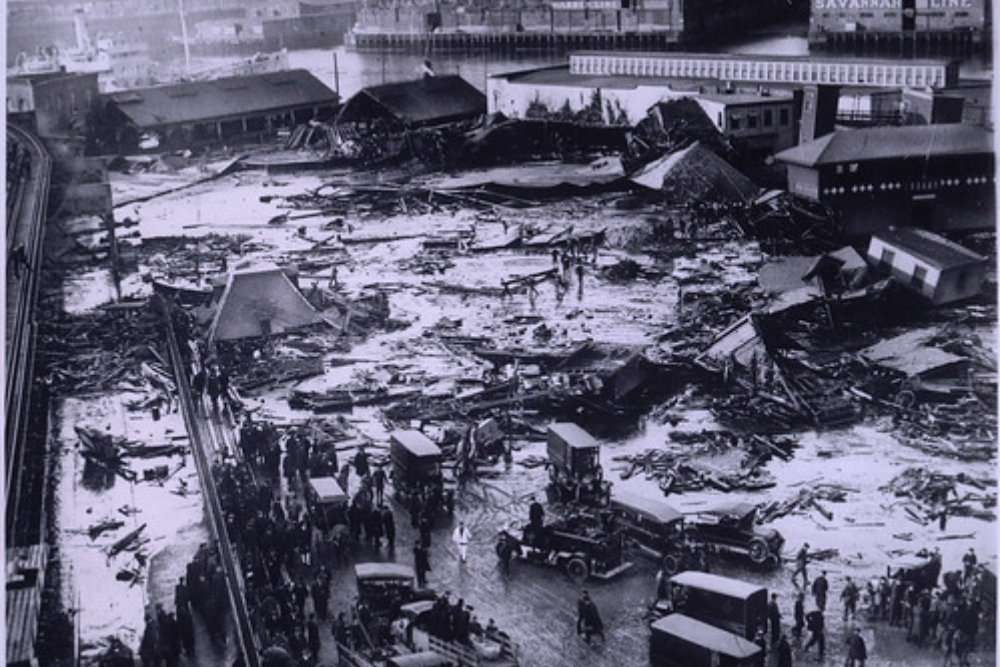
Often treated as a quirky historical footnote, this 1919 disaster killed 21 people when a molasses tank burst. The commonly accepted explanation of fermentation causing pressure buildup is incorrect.
Recent studies by engineers revealed the tank was structurally deficient and made with steel too thin for holding the weight of 2.3 million gallons of molasses. The company knew about the leaks but painted the tank brown to hide them rather than making repairs.
Poor regulation and corporate negligence, not an act of nature, were the real culprits.
The Donner Party Tragedy
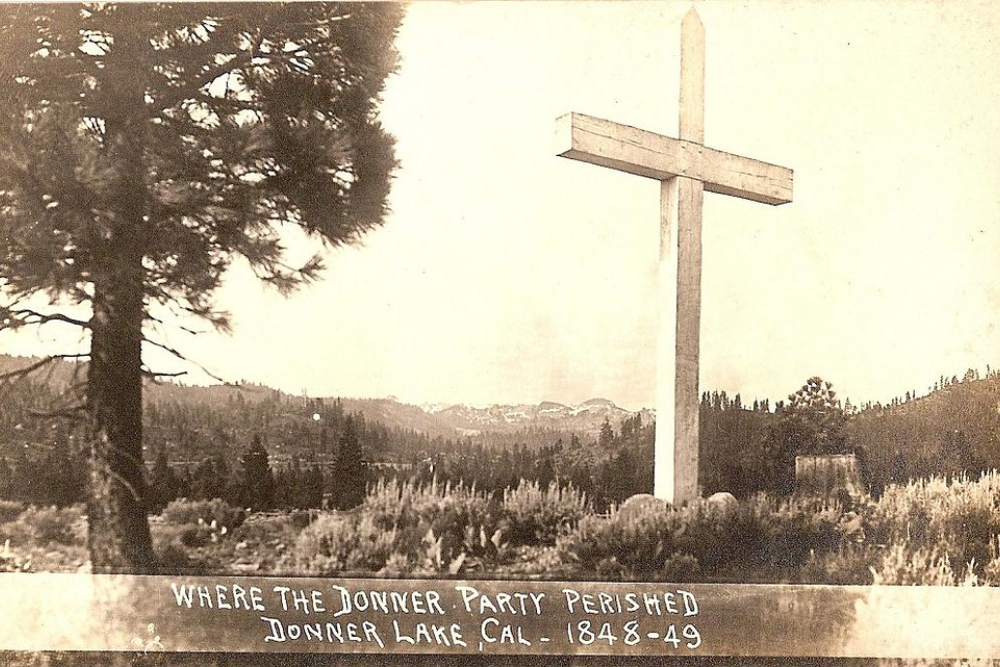
The celebrated pioneer group was not merely the victim of unplanned heavy snow as usually described. Their tragedy was caused by taking bad counsel from a guidebook by Lansford Hastings, who never even took the road he advised.
This “shortcut” cost them extra weeks of travel over tough country. The company also lost time making a path over the Wasatch Mountains when an existing route lay close at hand.
Human miscalculation and bad leadership choices landed them in winter in the Sierra Nevada, instead of bad weather luck.
Like Go2Tutors’s content? Follow us on MSN.
Titanic’s Iceberg Collision

It wasn’t just terrible luck colliding with an iceberg that caused the Titanic disaster. At least six ice warnings were issued to the ship that day, but they were mostly disregarded.
Despite the poor visibility, Captain Smith managed to maintain a high speed of 22 knots through an ice field. Furthermore, new research indicates that the ship’s steel shell cracked rather than dented upon contact because the frigid temperatures made it brittle.
Additionally, the lookouts were without binoculars since the key to the locker that held them had inadvertently been removed from the ship before departure. The catastrophe was the result of numerous mistakes and omissions rather than a single unfortunate event.
The Dust Bowl
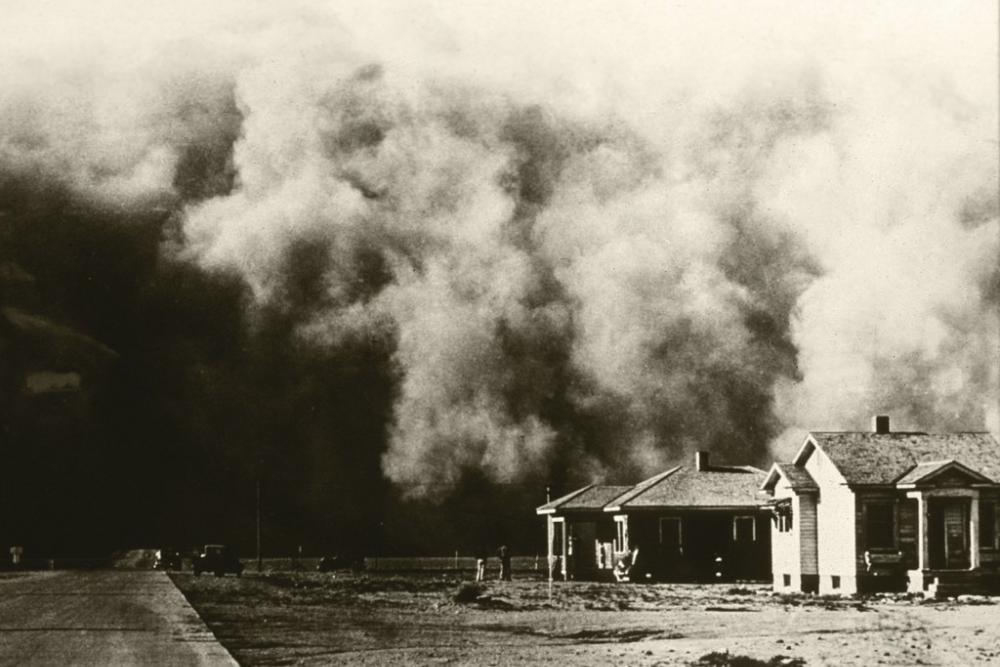
This environmental catastrophe is often depicted as a natural drought, but human activity was the primary cause. Decades of intensive farming without crop rotation depleted the topsoil of its structure and nutrients.
Farmers had removed the native grasses that held soil in place during dry periods. When drought conditions arrived in the 1930s, millions of acres of damaged topsoil simply blew away.
The disaster was more a result of unsustainable agricultural practices than an unfortunate turn in weather patterns that couldn’t have been anticipated.
Chernobyl Nuclear Disaster
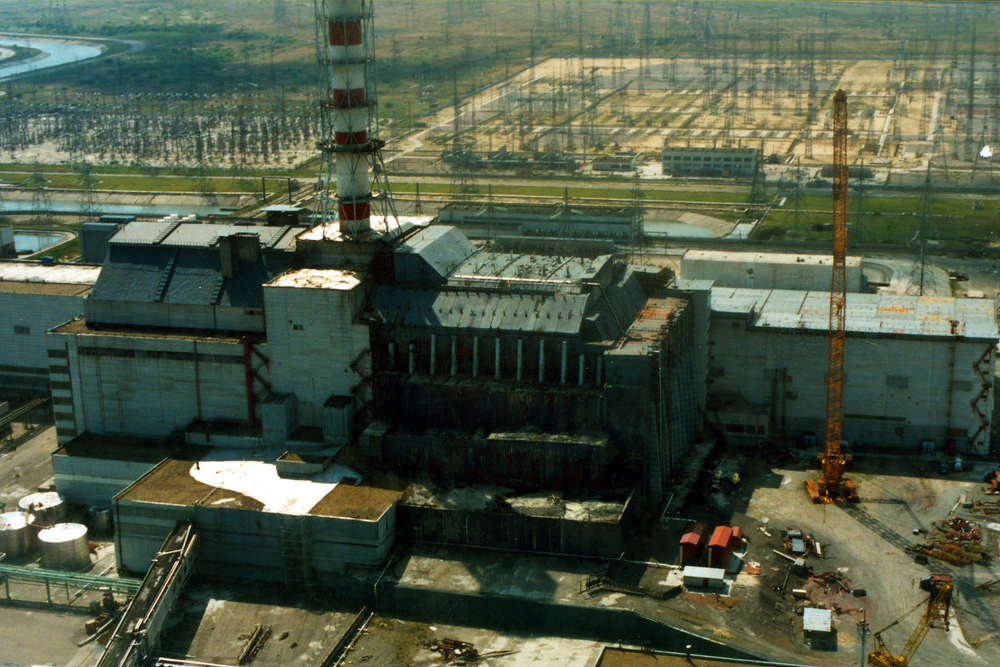
The prevailing narrative of operator error misses the deeper causes of this catastrophe. The reactor design itself had critical flaws including a positive void coefficient that made it unstable at low power.
The control rods had graphite tips that initially increased reactivity when inserted—a fatal design flaw. The operators weren’t informed about previous incidents with similar reactors or given complete safety information.
Soviet secrecy and institutional pressures to meet unrealistic deadlines created conditions where disaster became inevitable regardless of who was operating the reactor that night.
Like Go2Tutors’s content? Follow us on MSN.
The Johnstown Flood
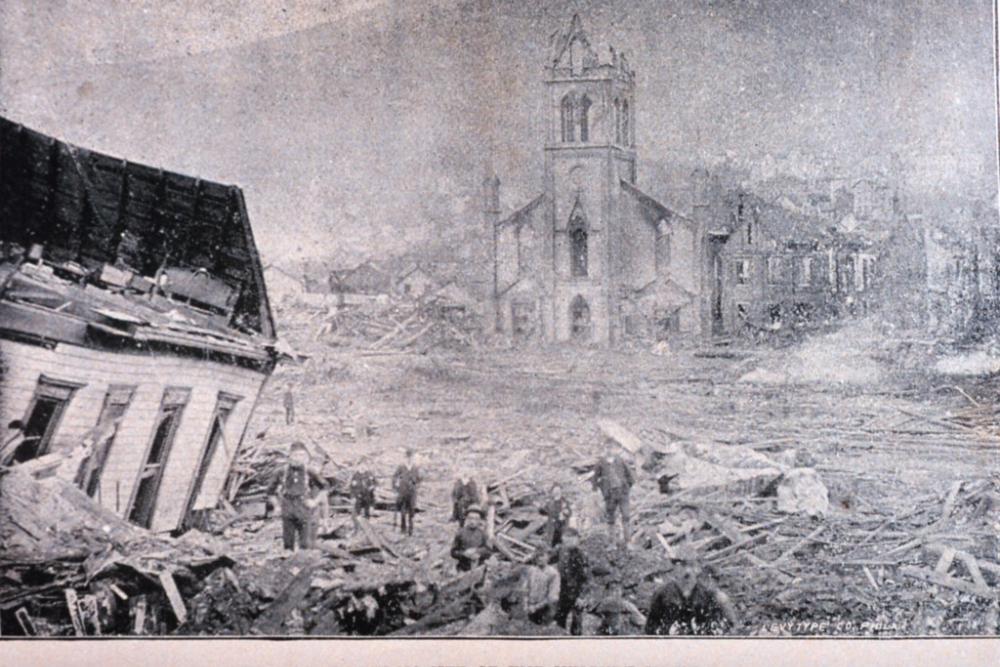
Often described as a natural disaster, this 1889 catastrophe that killed over 2,200 people was actually the result of negligence by wealthy industrialists. The South Fork Fishing and Hunting Club, whose members included Andrew Carnegie and Henry Clay Frick, purchased an abandoned reservoir and modified the dam to create a private lake.
They removed drainage pipes that could have relieved pressure and lowered the dam to widen the road across it. When heavy rains came, these modifications led to the catastrophic failure that sent 20 million tons of water downriver, devastating everything in its path.
The Triangle Shirtwaist Factory Fire
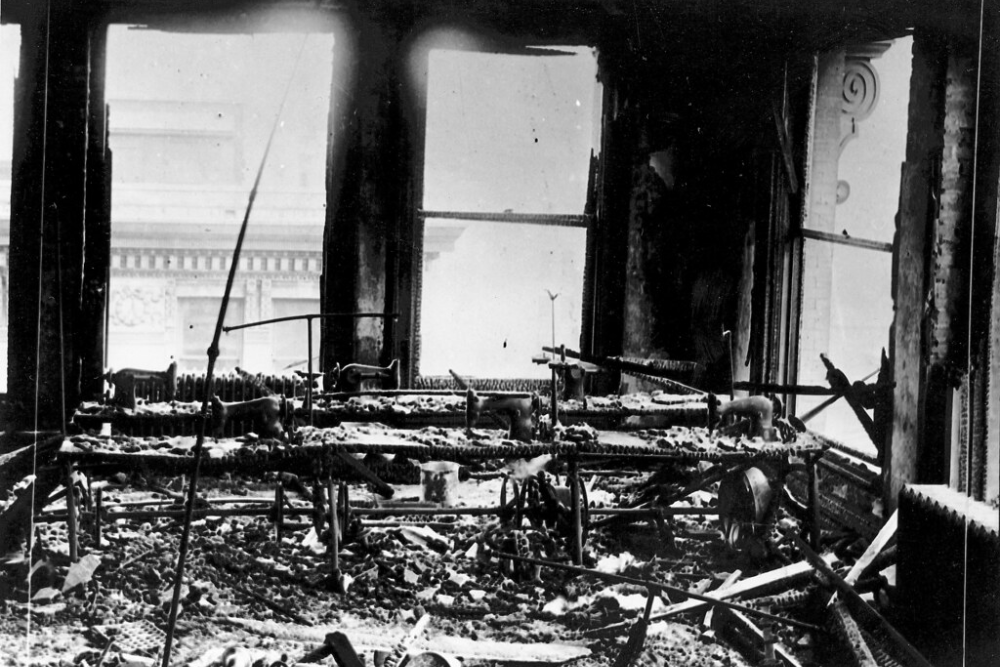
This deadly 1911 fire that killed 146 workers is often attributed simply to a carelessly discarded cigarette. The true disaster lay in management’s decision to lock exit doors to prevent unauthorized breaks, the absence of adequate fire escapes, and the building’s flammable contents with no sprinkler system.
New York City had fire safety regulations that could have prevented the tragedy, but they weren’t properly enforced. The deaths weren’t the result of an unavoidable accident but systematic neglect of worker safety in favor of profits.
The Irish Potato Famine
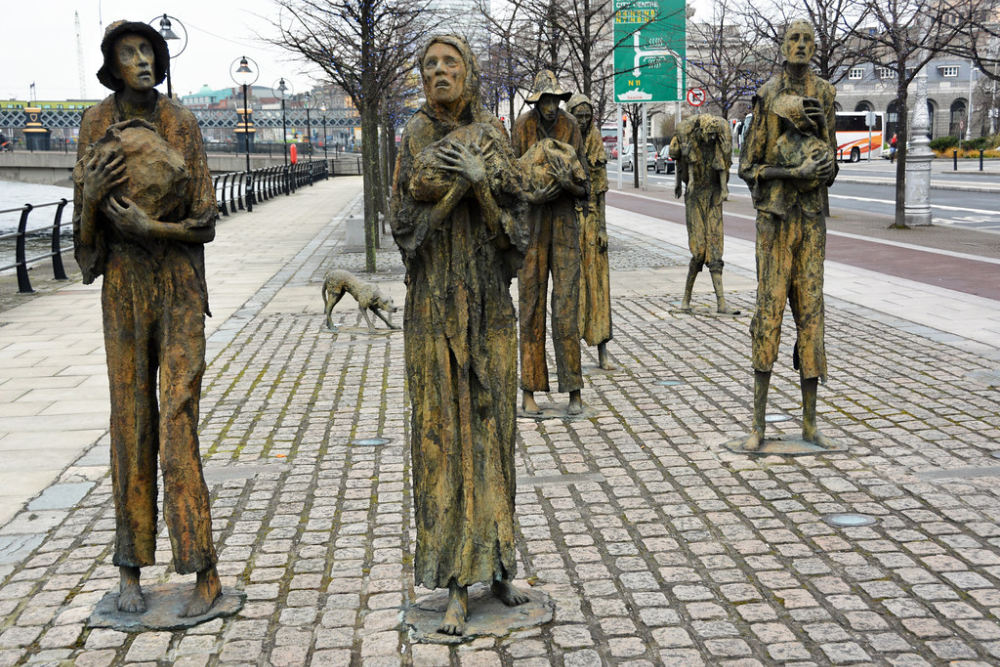
History often portrays this as simply a natural blight that destroyed potato crops. In reality, Ireland was producing plenty of food during the famine years—much of it exported to England rather than feeding starving Irish citizens.
British economic policies forced Irish peasants to subsist almost entirely on potatoes while producing other crops for export. When the potato blight hit, colonial policies and economic exploitation turned a crop failure into mass starvation that killed or displaced a quarter of Ireland’s population.
The disaster was political as much as agricultural.
Like Go2Tutors’s content? Follow us on MSN.
The Great Kanto Earthquake
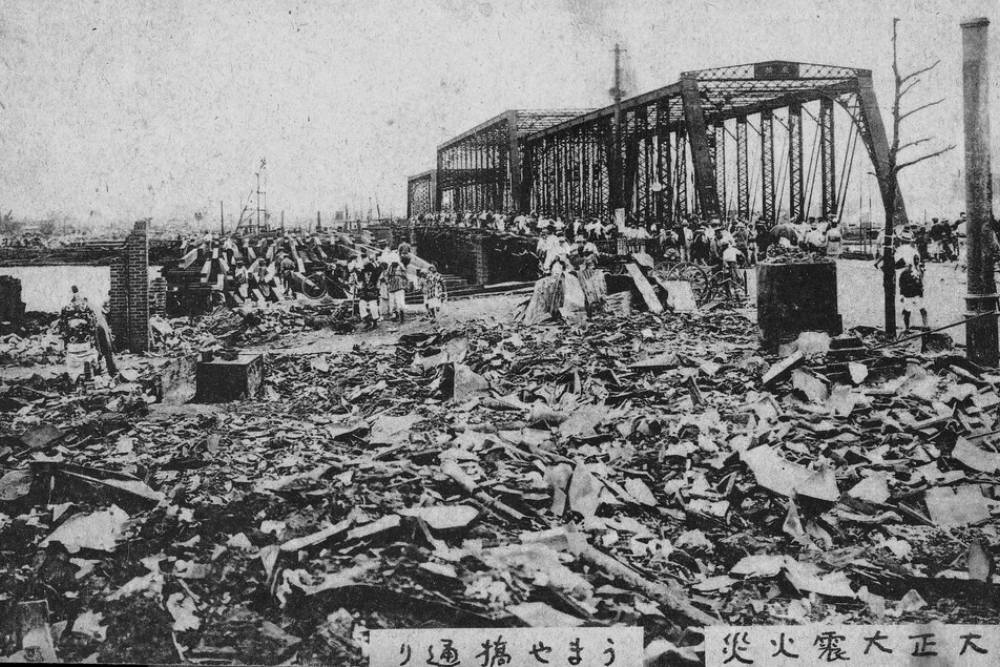
While the 1923 earthquake itself was devastating, most deaths in Tokyo came from the ensuing firestorms. A common myth claims cooking fires caused most of the blazes, but research shows that ruptured gas lines and electrical shorts were the primary ignition sources.
Another overlooked factor was the timing—the quake struck at lunchtime when many were cooking, causing countless fires to start simultaneously. The city’s wooden architecture and narrow streets created perfect conditions for firestorms.
Urban planning failures and infrastructure vulnerabilities multiplied the disaster far beyond what the earthquake alone would have caused.
The Great Smog of London
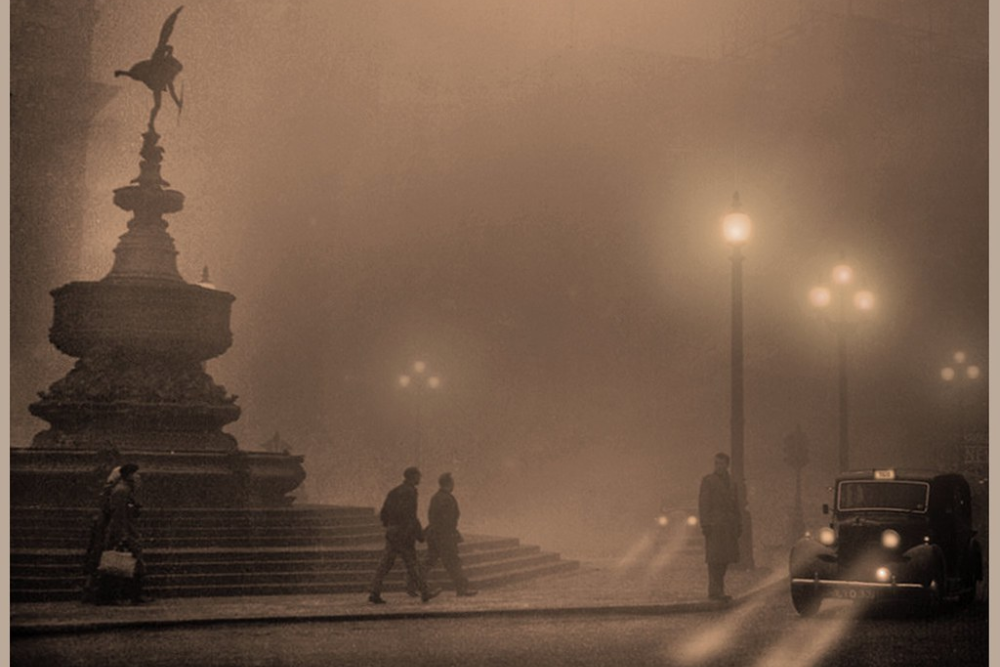
This deadly 1952 air pollution event is often described as an unfortunate weather anomaly, but its true causes were industrial pollution combined with coal heating systems. The disaster occurred shortly after WWII when cheap, sulfur-rich coal replaced cleaner alternatives to save money during reconstruction.
Anti-pollution laws had been relaxed during wartime and never reinstated. When weather conditions trapped smoke over the city, thousands died from respiratory complications.
Government officials initially downplayed the death toll, delaying crucial environmental regulations that could have prevented similar events.
Challenger Space Shuttle Explosion

The public narrative focused on the O-ring failure in cold temperatures, but the deeper cause was NASA’s organizational culture and decision-making process. Engineers from Morton Thiokol had warned about potential O-ring problems in cold weather, but their concerns were dismissed under pressure to maintain the launch schedule.
Previous missions had shown signs of O-ring damage that were classified as “acceptable risk” rather than critical safety issues. The disaster stemmed from institutional priorities that valued scheduling over safety, not simply a technical failure of rubber seals.
Like Go2Tutors’s content? Follow us on MSN.
The Bhopal Gas Tragedy

This 1984 industrial disaster is often attributed to a single water leak into a chemical tank. The fuller picture reveals systematic safety failures at Union Carbide’s pesticide plant in India.
Critical safety systems had been shut down to save money, staffing was reduced below safe levels, and maintenance was routinely neglected. The plant was built in a densely populated area despite handling deadly chemicals, and emergency protocols for the surrounding community were inadequate.
Corporate cost-cutting and negligence transformed what should have been a manageable incident into one of history’s worst industrial disasters.
Rewriting the Disaster Narrative
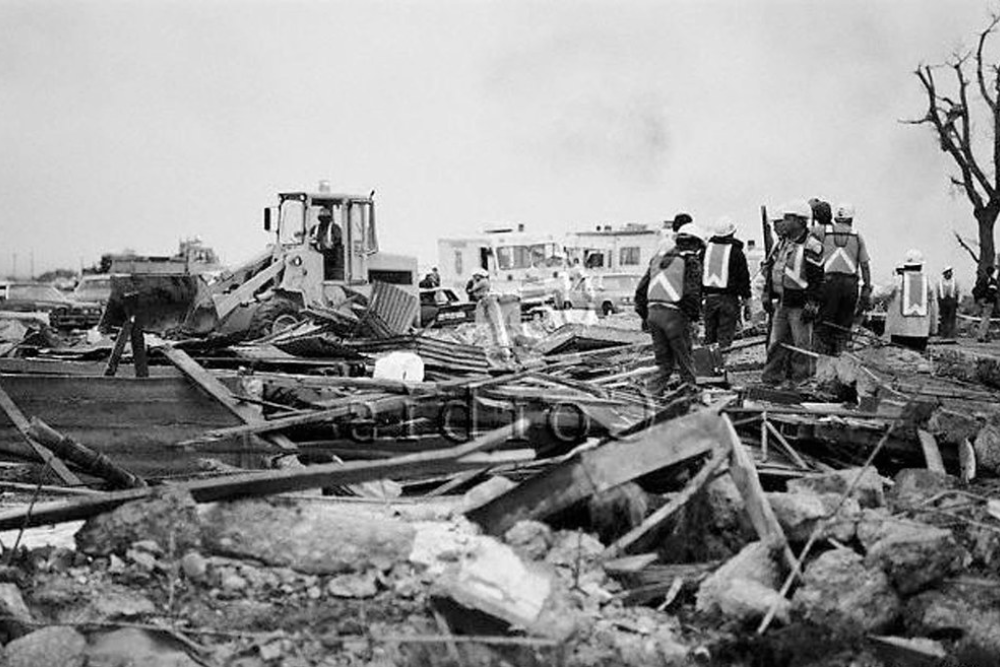
These historical catastrophes remind us that disasters rarely have simple causes, despite how they’re often portrayed in popular culture. Behind every tragedy lies a complex web of human decisions, systemic failures, and institutional priorities that create the conditions for disaster.
By understanding these complexities, we gain valuable lessons about prevention that might be lost if we accept oversimplified explanations. The true causes of these events matter not just for historical accuracy, but because they help us recognize similar patterns of risk in our modern world before they lead to tomorrow’s disasters.
More from Go2Tutors!

- 18 Unexpectedly Valuable Collectibles You Might Have Lying Around
- 15 Things Every Teenager in the ’70s Did That Teens Today Wouldn’t Understand
- 15 Strange Things People Have Tried to Ban (And Failed)
- 15 Inventions That Were Immediately Banned After Being Created
- 20 Actors Who Were Almost Cast in Iconic Roles
Like Go2Tutors’s content? Follow us on MSN.