Fascinating Trivia About Historical Monarchies
Kings and queens have ruled over empires for thousands of years, making decisions that shaped entire civilizations. Their lives were filled with luxury, power, and sometimes bizarre traditions that seem almost unbelievable today.
Behind the crowns and thrones lie stories that history books often skip over. Let’s explore some of the strangest and most surprising facts about the royals who once controlled the world.
Queen Victoria Owned A Dog That Saved Her Life
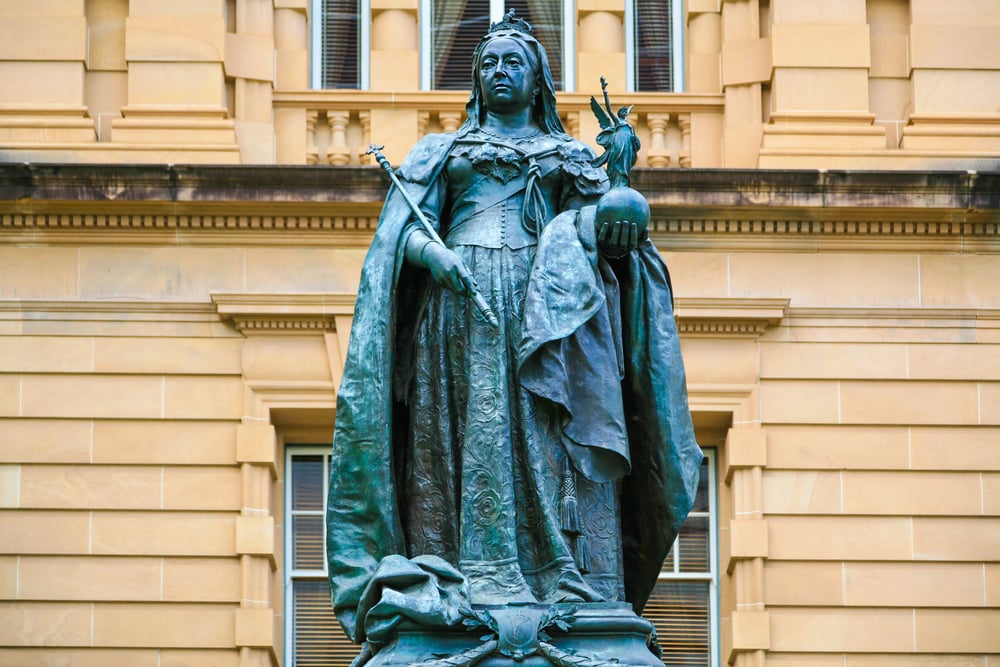
Queen Victoria of England had a Scottish terrier named Islay who once prevented an assassination attempt. During a carriage ride in 1840, a man approached with a pistol, but the small dog barked so loudly and aggressively that it startled both the attacker and the horses.
The commotion gave guards enough time to intervene and capture the would-be assassin. Victoria credited the dog with saving her life and kept terriers as companions for the rest of her reign.
King Louis XIV Only Bathed Three Times In His Entire Life
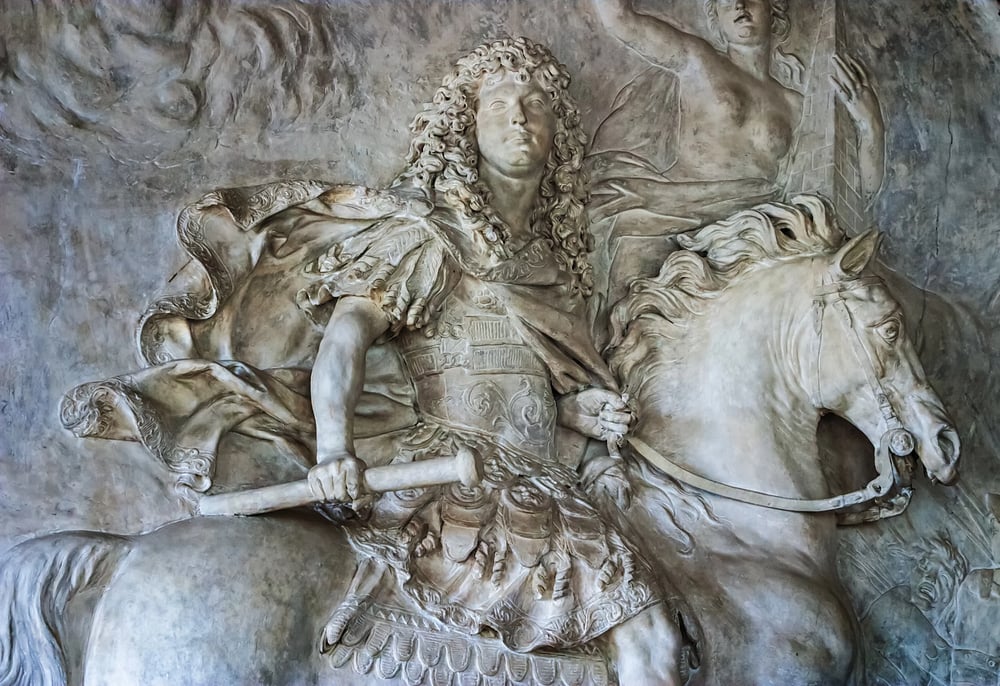
Reigning over France for 72 years, the Sun King was terrified of water and thought bathing was harmful to health. As per his physicians’ persuasion, he ended up believing that water exposes pores and leads to diseases being contracted.
Hence, he would wipe his body with cloth dipped in alcohol and change his shirts several times a day without bathing. The palace of Versailles was renowned for being excessively perfumed, which was essential in covering the odor of hundreds of unwashed courtiers.
Egyptian Pharaohs Had Servants Who Were Professional Fly Swatters
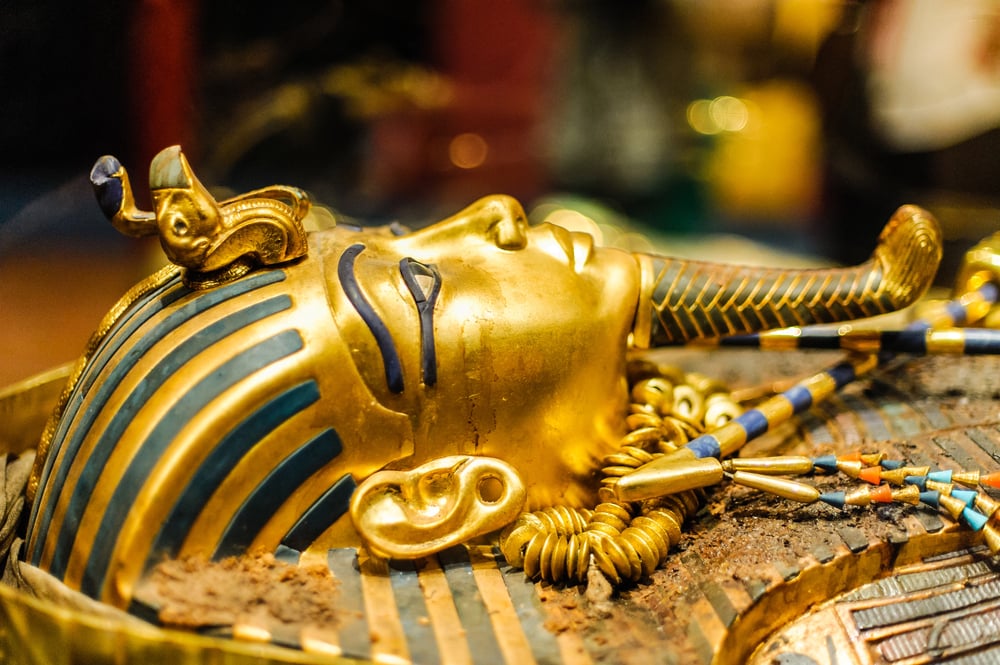
Ancient Egyptian royalty employed people whose sole job was to keep flies away from the pharaoh. These servants carried ostrich feathers or palm fronds and stood near the ruler at all times, constantly waving to prevent insects from landing.
The position was actually considered prestigious because it meant being in the pharaoh’s presence all day. Some of these fly swatters were even buried in tombs near their pharaohs, showing how important the role was considered.
King Henry VIII Executed Two Of His Six Wives
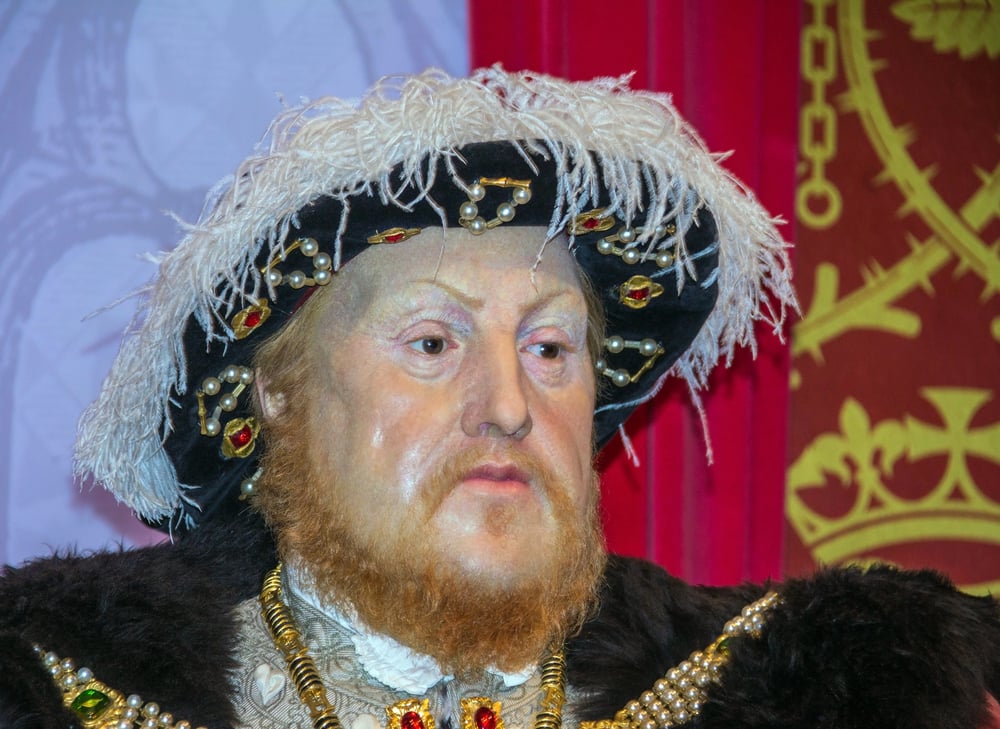
Henry VIII of England is famous for his many marriages, but less known is that he had two of his wives beheaded. Anne Boleyn was executed on charges of treason and adultery in 1536, and Catherine Howard met the same fate in 1542 on similar accusations.
Both women were likely innocent, and the charges were probably manufactured because Henry wanted to remarry. The king went through four more wives after Catherine, with one marriage annulled, one ending in death from natural causes, and one outliving him.
Russian Tsars Kept Dwarfs As Court Entertainers

The royal courts of Russia employed dozens of people with dwarfism as jesters and entertainers during the 16th and 17th centuries. Peter the Great threw an elaborate wedding for two of his dwarf servants in 1710, inviting 72 other little people to attend while regular-sized guests watched from galleries above.
The event was meant to be amusing entertainment for the aristocracy. This practice, though cruel by modern standards, was common in many European courts during this period.
King Tutankhamun Was Buried With 130 Walking Sticks
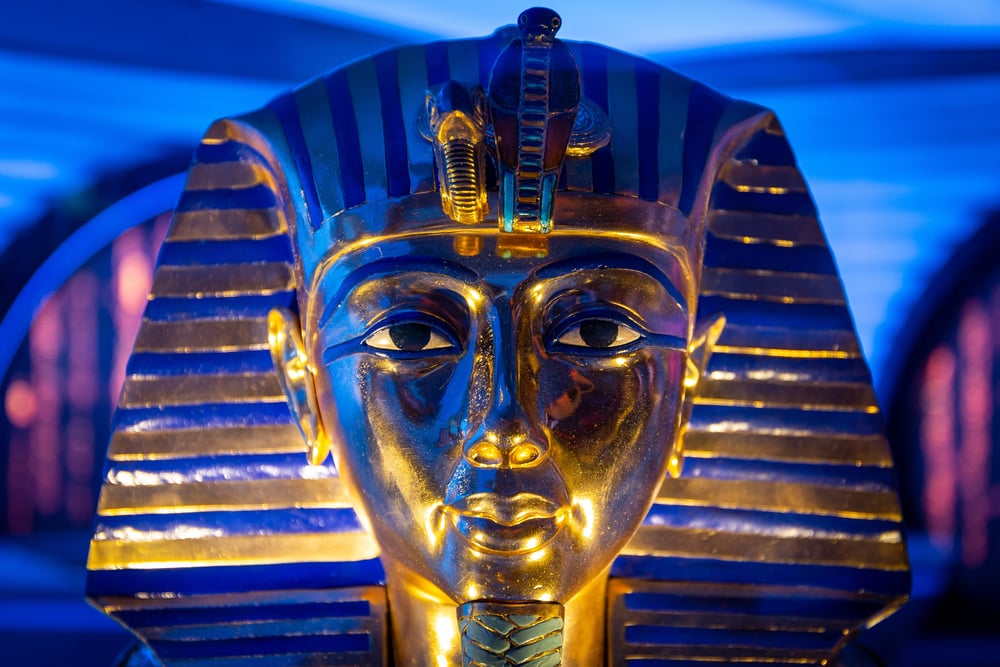
When archaeologists opened King Tut’s tomb in 1922, they found an enormous collection of canes and walking sticks. The young pharaoh, who died at age 19, likely suffered from a bone disorder that made walking painful.
Recent DNA analysis and CT scans revealed he had a club foot and degenerative bone disease. Despite his physical limitations, he was still expected to appear powerful and godlike to his subjects, which is why many of the sticks were ornately decorated with gold.
Queen Elizabeth I Owned Over 2,000 Gloves
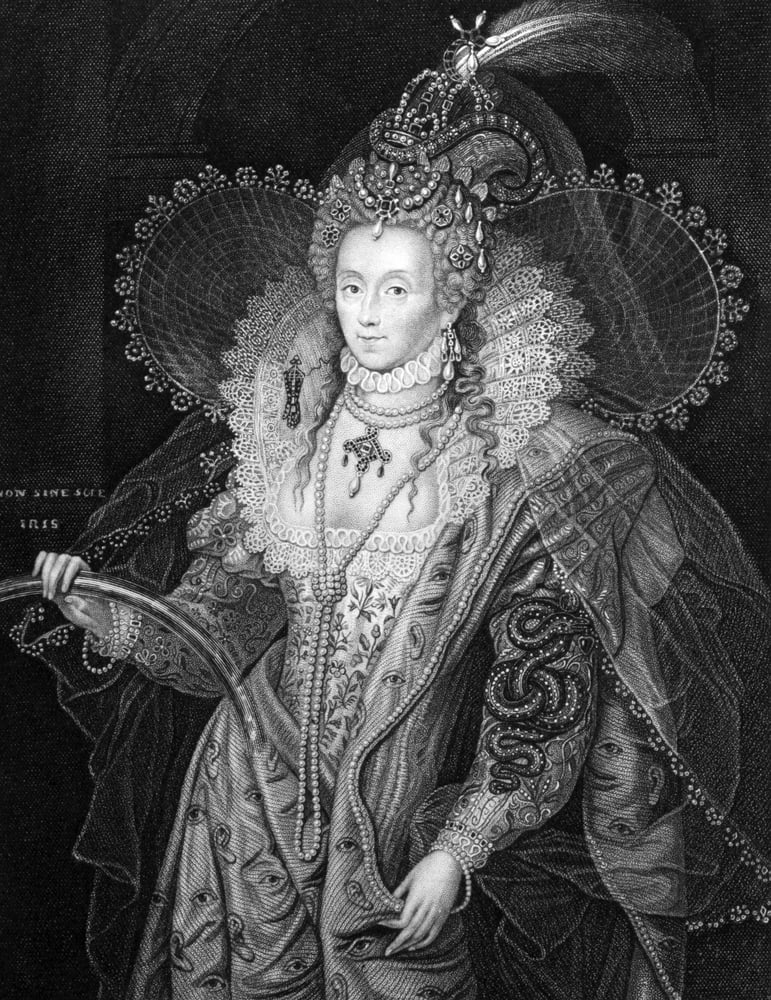
The Virgin Queen of England had an obsession with gloves and owned thousands of pairs during her lifetime. Gloves were a major fashion statement in Elizabethan England, and the queen received them as gifts from nobles trying to win her favor.
Some were embroidered with gold thread, others were perfumed, and many were decorated with jewels. She reportedly changed gloves multiple times per day and never wore the same pair twice in public.
Japanese Emperors Were Forbidden From Touching The Ground

Ancient Japanese imperial tradition held that the emperor was too sacred to allow his feet to touch regular earth. Servants carried emperors on palanquins, and when they did walk, special mats or wooden platforms were laid down first.
This practice continued for centuries and contributed to the belief that emperors were living gods. The custom only ended during the Meiji Restoration in the late 1800s when Japan began modernizing.
King Charles II Of Spain Couldn’t Chew His Food Properly
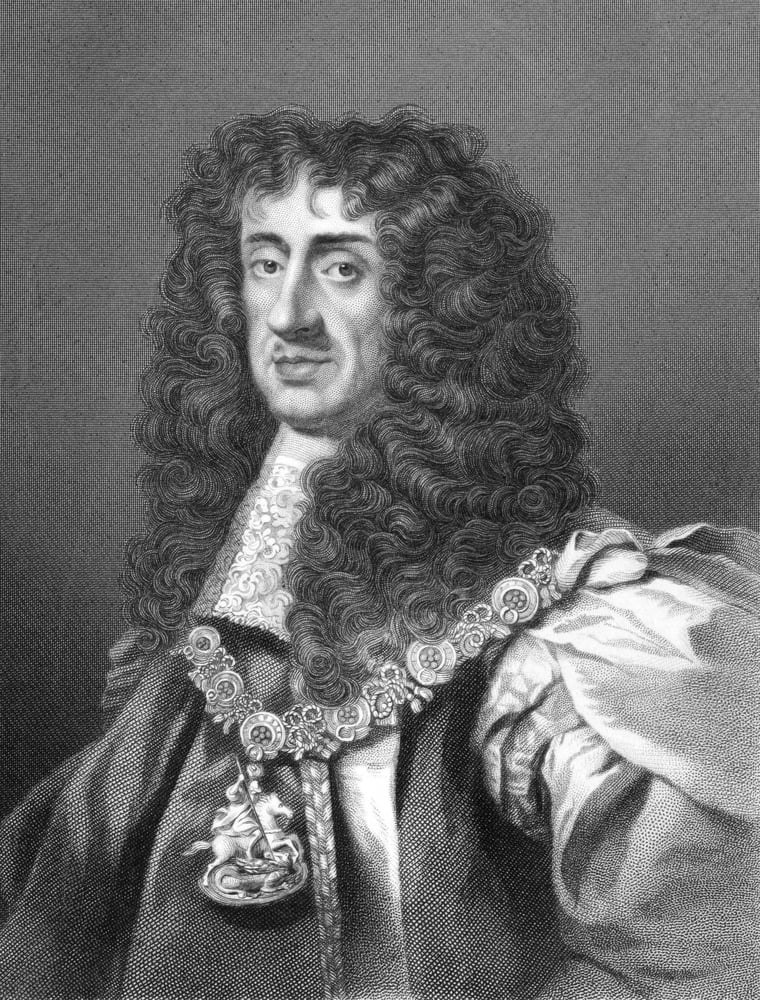
Centuries of inbreeding in the Spanish Habsburg royal family led to Charles II being born with severe genetic deformities. His jaw was so misaligned that he couldn’t chew food and had to swallow most things whole or have meals prepared as mush.
He also couldn’t speak clearly until he was eight years old. Despite these problems, he ruled Spain for 35 years, though the country declined significantly during his reign. His death without heirs sparked the War of Spanish Succession.
Cleopatra Wasn’t Actually Egyptian
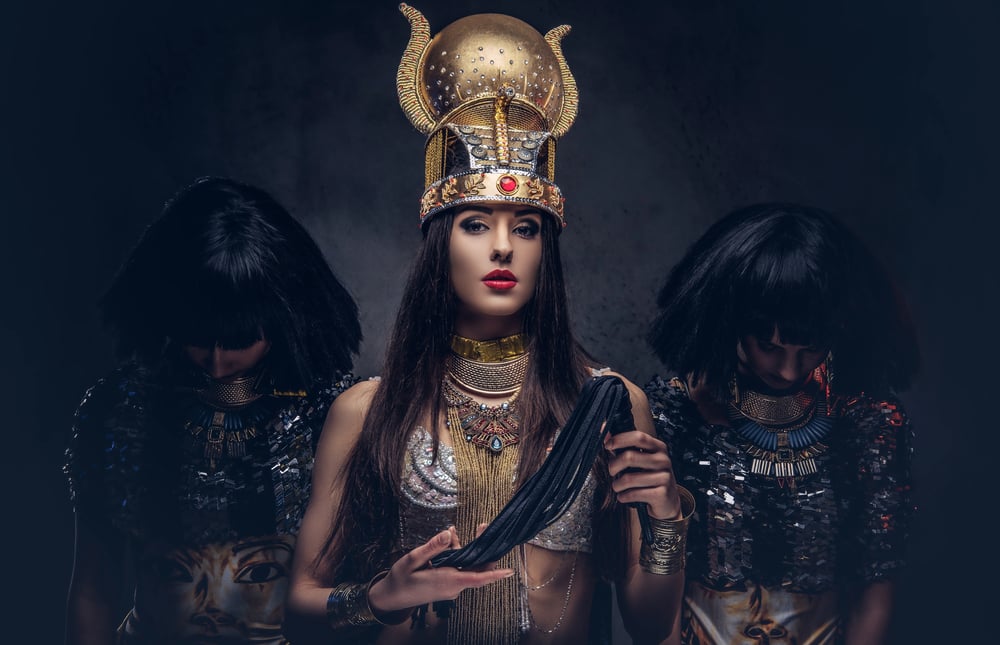
The famous queen of Egypt was actually Greek, descended from Ptolemy, one of Alexander the Great’s generals who took control of Egypt after Alexander’s death. The Ptolemaic dynasty ruled Egypt for nearly 300 years but kept their Greek heritage and customs.
Cleopatra was the first in her family line to actually learn the Egyptian language, which helped her connect with her subjects. She spoke nine languages total and was known more for her intelligence and political skills than her appearance.
King George III Talked To Trees
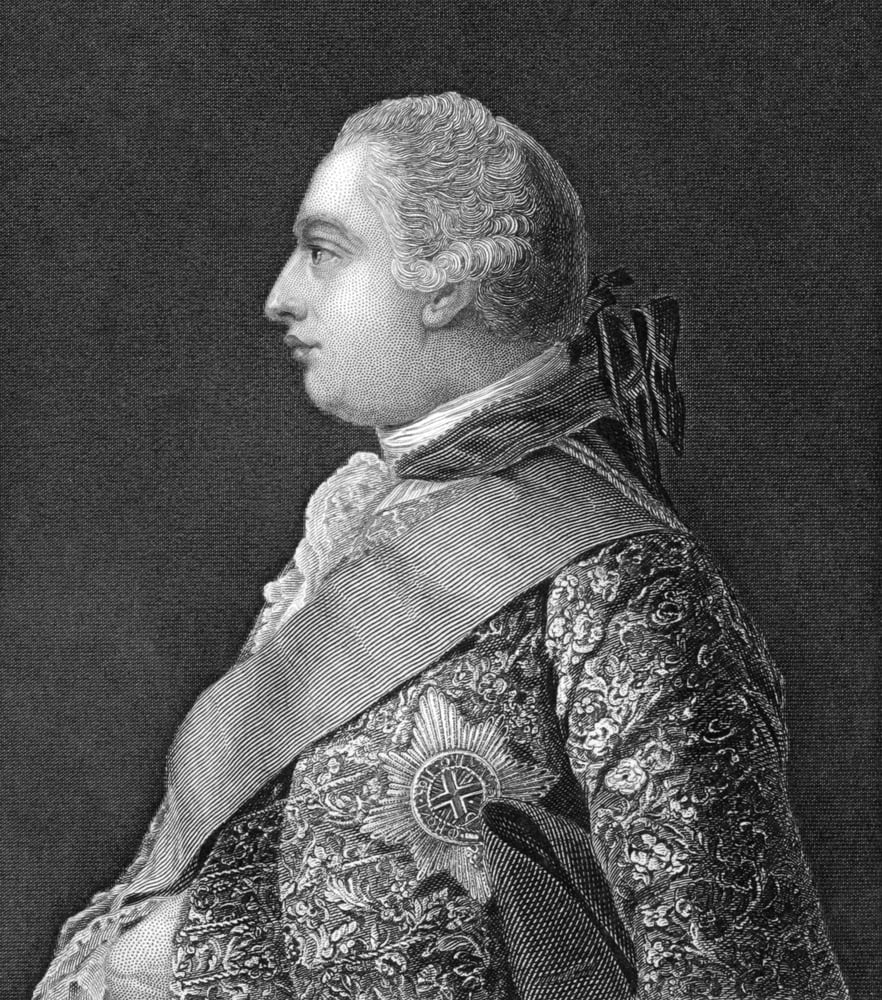
The British monarch who lost the American colonies suffered from what doctors now believe was porphyria, a blood disorder that causes mental disturbances. During his episodes, he would have long conversations with trees in the palace gardens, thinking they were foreign dignitaries.
His condition got so bad that his son had to take over ruling as Prince Regent. Modern analysis of his hair samples shows high levels of arsenic, which may have worsened his condition.
Ottoman Sultans Kept Their Brothers Locked In Cages
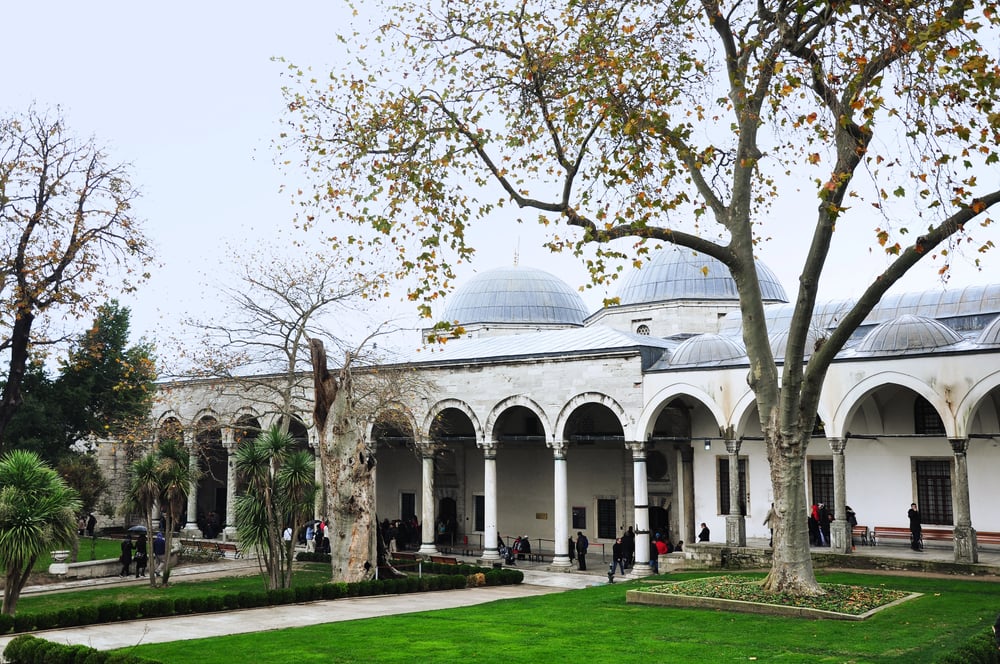
To prevent power struggles and civil wars, Ottoman sultans imprisoned their brothers in special apartments within the palace called the Kafes, or ‘cage’. These princes lived in luxury but were completely isolated from the outside world, sometimes for decades.
Many went insane from the isolation. If a sultan died without an heir, they would release a brother from the cage to take the throne, but these rulers often made poor decisions because they had no experience with the real world.
Queen Christina Of Sweden Abdicated To Become A Man
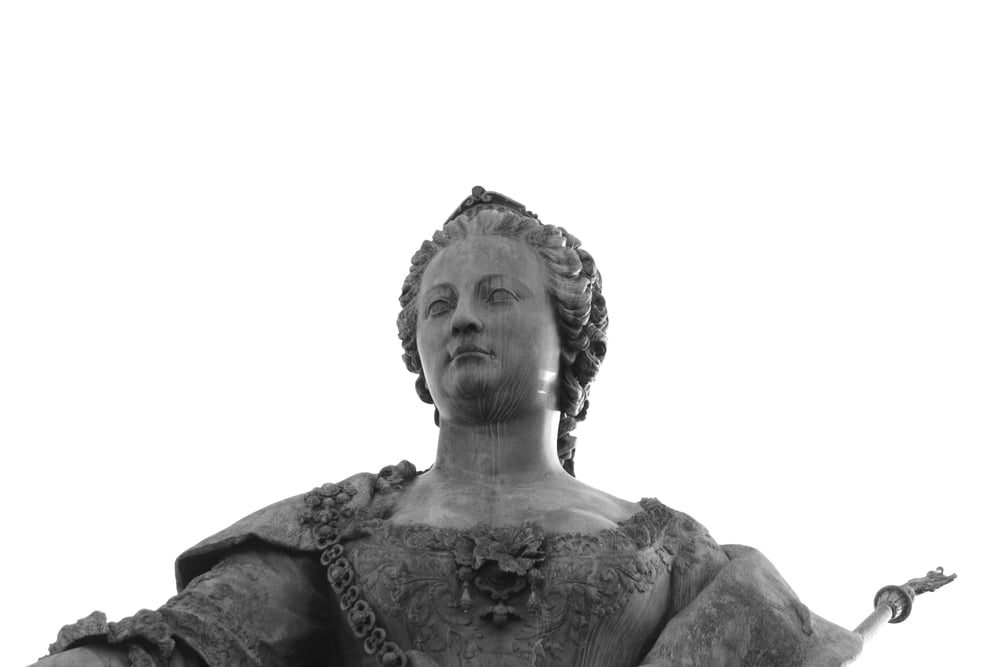
Queen Christina ruled Sweden in the 1600s but shocked Europe by giving up her throne at age 28. She refused to marry, wore men’s clothing, and later converted to Catholicism, which was illegal in Sweden.
After abdicating, she moved to Rome and lived openly as a man, even attempting to become King of Naples. Historians debate whether she was transgender or simply rejected the restrictions placed on women, but she definitely defied every expectation of how a queen should behave.
King Farouk Of Egypt Was A Kleptomaniac
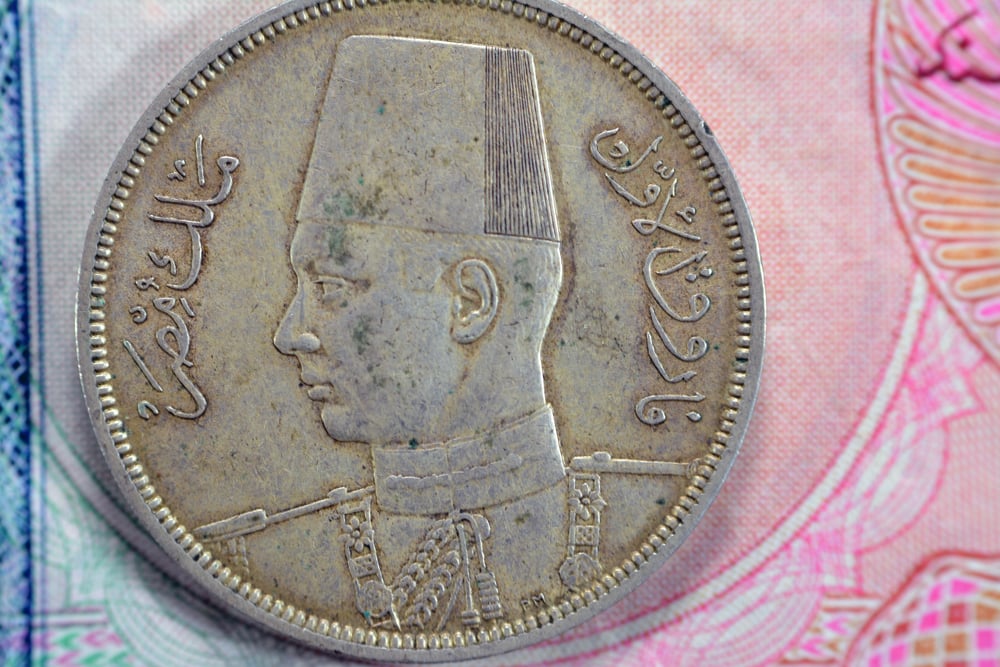
Midway through a handshake with Churchill, the final ruler of Egypt slipped the man’s watch right off his wrist. Though born into vast riches, he could not resist taking whatever caught his eye.
A sword meant for Persian royalty vanished into his pocket after one royal visit. Small knickknacks sat beside ancient treasures in his hidden trove.
After rebels ended his reign in 1952, rooms piled high with loot came to light – suits by the hundreds, thousands of silk ties tangled together, each item taken without permission.
Emperor Nero Married Two Men
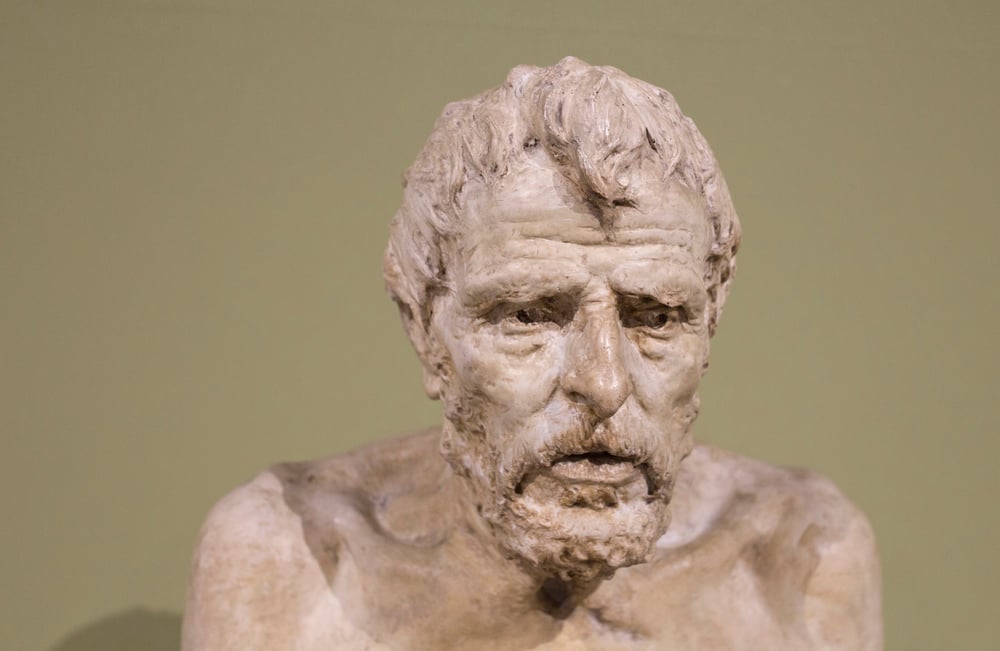
Not long after ruling began, the emperor Nero joined in marriage with a male slave called Pythagoras – this time wearing bridal robes himself. A strange twist came when he later tied himself to Sporus, a man changed through castration and then clothed like Poppaea, his lost wife.
Held before crowds, both unions carried legal weight within Roman custom. Though Romans often accepted bonds between men, such staged weddings stirred outrage for twisting sacred rites into spectacle.
It wasn’t the affection that shocked people – it was the mimicry of tradition turned upside down.
How Power Shaped Peculiarity

Life inside palaces twisted everyday logic until odd habits felt natural. Wealth beyond measure, tied to loneliness and claims of heaven-approved rule, let kings follow every passing fancy.
No one challenged them – so impulses grew wilder. What survives in records shows thrones held by real people, messy and unpredictable, only magnified by gilded cages.
Today’s power holders aren’t different in nature – just watched too closely to act on every impulse.
More from Go2Tutors!

- The Romanov Crown Jewels and Their Tragic Fate
- 13 Historical Mysteries That Science Still Can’t Solve
- Famous Hoaxes That Fooled the World for Years
- 15 Child Stars with Tragic Adult Lives
- 16 Famous Jewelry Pieces in History
Like Go2Tutors’s content? Follow us on MSN.



