Iconic Fashion Trends the 90s Made Famous
Out of clutter came clarity – styles in the nineties shed stiffness like old skin. Instead of sleek finishes, people reached for what felt real.
A hoodie might pair with tailored trousers simply because it worked. Expression wasn’t an accident anymore; it was the whole reason.
Garments didn’t pretend to last forever – they showed up loud, lived briefly, then faded into memory. Outfits mixed bare simplicity with wild detail, sometimes both at once.
From grunge tunes to glossy TV shows, influences smashed together like traffic after a concert. Clothes looked worn instead of posed, real without trying too hard.
Some choices vanished fast – then reappeared years later on city streets. That era stuck around quietly, shaping what people wear today in ways most never notice.
Peeking into the 90s reveals styles that stuck around. These looks keep showing up, years later. Because of their bold simplicity, many still reach for them.
What once felt fresh now feels familiar. Decades pass, yet these pieces remain.
Driven by nostalgia or comfort, people wear them again. Not everything old disappears.
Some things just wait. Fashion moves in circles, quietly bringing back what worked.
Grunge layers

Grunge style emerged as a reaction to overproduced fashion, favoring clothes that looked worn, oversized, and unconcerned with coordination. Flannel shirts, ripped denim, band tees, and heavy boots defined the look.
Layers were thrown together rather than styled, creating an intentionally careless silhouette. That aesthetic carried cultural weight. Grunge rejected glamour without rejecting identity, signaling authenticity over aspiration.
What began in underground music scenes quickly spread to mainstream fashion, influencing designers who began replicating the look on runways. The lasting appeal lies in its honesty.
Even today, grunge-inspired layering resurfaces whenever fashion swings away from perfection.
Slip dresses

The slip dress transformed lingerie into everyday wear. Simple, fluid silhouettes in satin or silk became a quiet statement against structured tailoring.
The appeal was subtle confidence rather than spectacle, with clean lines doing most of the work. This trend redefined femininity for the decade.
It allowed softness without fragility and simplicity without blandness. Slip dresses worked equally well with delicate heels or chunky boots, reinforcing the 90s habit of mixing contrasts.
Their frequent reappearance in modern collections reflects how effective minimalism can be when executed with intention.
Baggy denim

The 90s abandoned fitted jeans in favor of volume. Baggy denim dominated streets, stages, and skate parks, often sitting low on the waist and pooling at the ankles.
Comfort mattered more than contour, and movement shaped the silhouette. Beyond comfort, baggy jeans carried cultural meaning.
They reflected resistance to rigid beauty standards and embraced individuality. The trend crossed subcultures, appearing in hip-hop, skate fashion, and casual everyday wear. Its return in recent years signals a renewed desire for ease and self-definition in fashion.
Logo-heavy streetwear

Logos were everywhere in the 90s, worn boldly rather than subtly. Sweatshirts, jackets, and caps turned branding into a form of identity.
Wearing a logo was less about advertising and more about affiliation. This era laid the groundwork for modern streetwear.
Brands became cultural symbols tied to music scenes, neighborhoods, and attitudes. The confidence of logo-heavy fashion challenged traditional ideas of taste, blurring the line between luxury and street culture.
Today’s logo revivals trace directly back to this unapologetic moment.
Platform shoes

Platform shoes brought height without delicacy. Thick soles appeared on sneakers, sandals, and boots, often paired with otherwise simple outfits.
The effect was bold without requiring refinement. The appeal came from exaggeration.
Platforms made footwear a focal point, adding attitude rather than elegance. They also reflected the decade’s comfort with playful extremes.
Modern fashion continues to revisit platform silhouettes, drawn to their ability to make a statement while remaining wearable.
Cargo pants

Cargo pants entered the mainstream as a practical alternative to traditional trousers. With multiple pockets and relaxed fits, they prioritized function while still feeling stylish.
Originally rooted in workwear, they quickly became casual staples. In the 90s, cargo pants represented utility as fashion.
They aligned with the decade’s interest in clothing that served real life rather than fantasy. Their current resurgence mirrors renewed interest in durability and versatility, proving that usefulness can coexist with style.
Chokers

Chokers framed the neck with intention. Whether delicate or bold, they added edge to otherwise simple outfits.
Velvet, plastic, and metal versions all found space in the trend. What made chokers distinct was their attitude.
They suggested confidence and individuality, often paired with minimal makeup and casual clothing. The contrast amplified their effect.
Modern iterations continue to appear whenever fashion leans toward expressive accessories with personality.
Tracksuits as everyday wear

Athletic wear stepped out of gyms and onto streets in the 90s. Matching tracksuits became casual uniforms, blending comfort with coordinated style.
The look favored ease without sacrificing cohesion. This shift marked a turning point in how fashion approached leisure.
Clothing no longer needed a special occasion to be acceptable. Tracksuits normalized the idea that comfort could define style, paving the way for today’s widespread athleisure culture.
Tiny sunglasses

Small, narrow sunglasses rejected the oversized frames of earlier decades. Their shape was intentionally impractical, prioritizing attitude over coverage.
Worn indoors or out, they became more accessory than necessity. The appeal lay in irony.
Tiny sunglasses signaled self-awareness and playfulness, often completing outfits built around contrast. Their recurring return highlights how accessories can function as cultural commentary rather than utility alone.
Minimalist tailoring
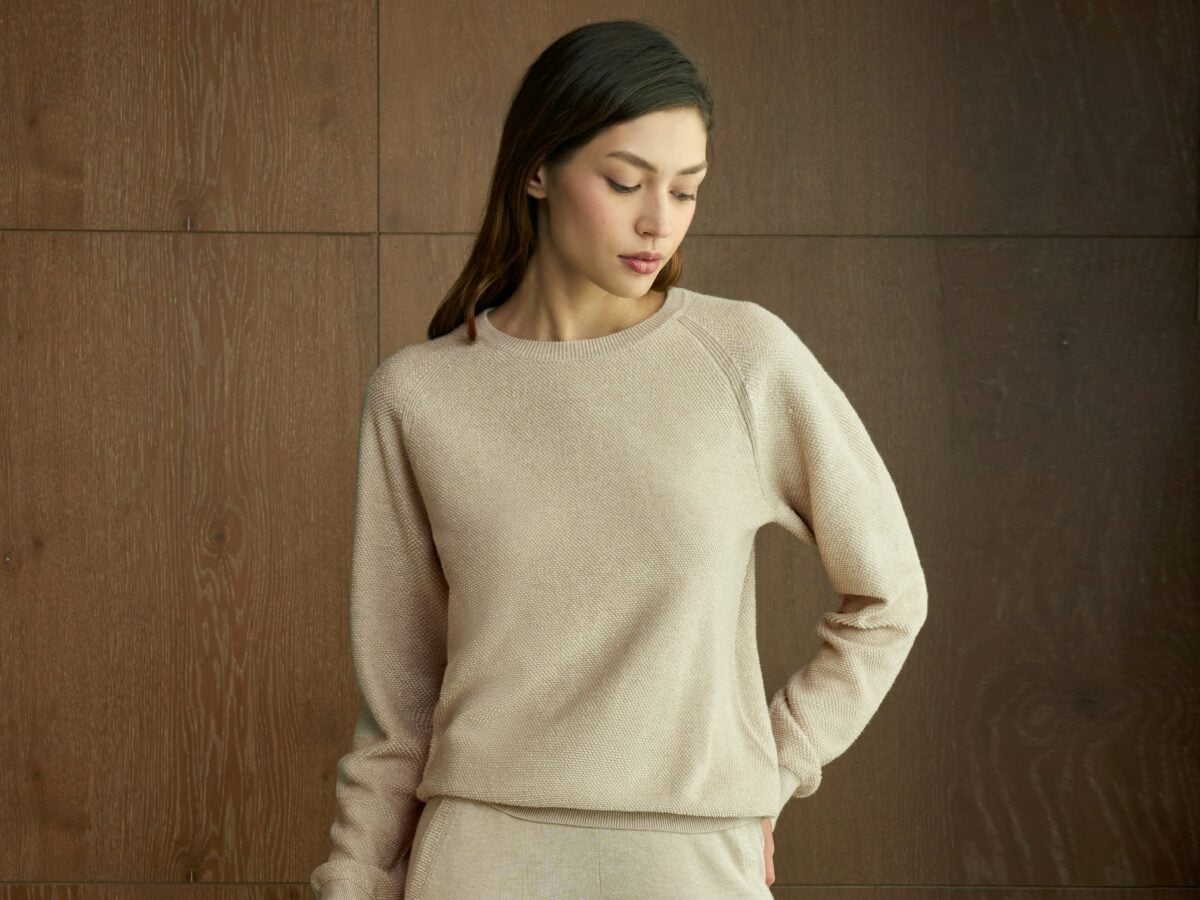
While excess dominated some corners of 90s fashion, minimalism thrived elsewhere. Clean lines, neutral palettes, and sharp tailoring created a quieter counterpoint to louder trends.
The focus shifted to fit and fabric rather than embellishment. This approach influenced modern professional wear and everyday basics alike.
Minimalist tailoring proved that restraint could be powerful. Its legacy lives on in capsule wardrobes and contemporary emphasis on timeless essentials.
Why 90s fashion still resonates

The enduring influence of 90s fashion comes from its flexibility. The decade did not enforce a single look, allowing multiple aesthetics to coexist.
That openness encouraged experimentation and personal interpretation. Many of today’s trends borrow directly from this mindset.
Fashion cycles back not just to specific garments, but to the freedom the decade represented. The 90s made style feel accessible, expressive, and adaptable, values that remain relevant in an era increasingly shaped by individual choice.
How the decade reshaped personal style

What the 90s ultimately changed was how people related to clothing. Fashion became less about following rules and more about reflecting identity.
Trends served as tools rather than prescriptions. That shift continues to influence how style is approached today.
By prioritizing comfort, authenticity, and self-expression, 90s fashion left behind more than memorable looks. It established a framework where personal style matters more than perfection, a legacy that still shapes wardrobes decades later.
More from Go2Tutors!

- The Romanov Crown Jewels and Their Tragic Fate
- 13 Historical Mysteries That Science Still Can’t Solve
- Famous Hoaxes That Fooled the World for Years
- 15 Child Stars with Tragic Adult Lives
- 16 Famous Jewelry Pieces in History
Like Go2Tutors’s content? Follow us on MSN.