16 Strangest Personal Collections Recognized by Guinness
The human impulse to collect things runs deeper than logic. Some people gather stamps or coins, others accumulate memories in photo albums.
But then there are those who take collecting to places the rest of us never imagined — and some of them end up in the record books for it. Guinness World Records has been documenting the most extraordinary collections for decades, and buried among the predictable categories of sports memorabilia and vintage cars are some truly bizarre obsessions.
These aren’t just large collections. They’re windows into minds that saw something the rest of us overlooked, then spent years — sometimes decades — pursuing it with single-minded dedication.
Traffic Cones
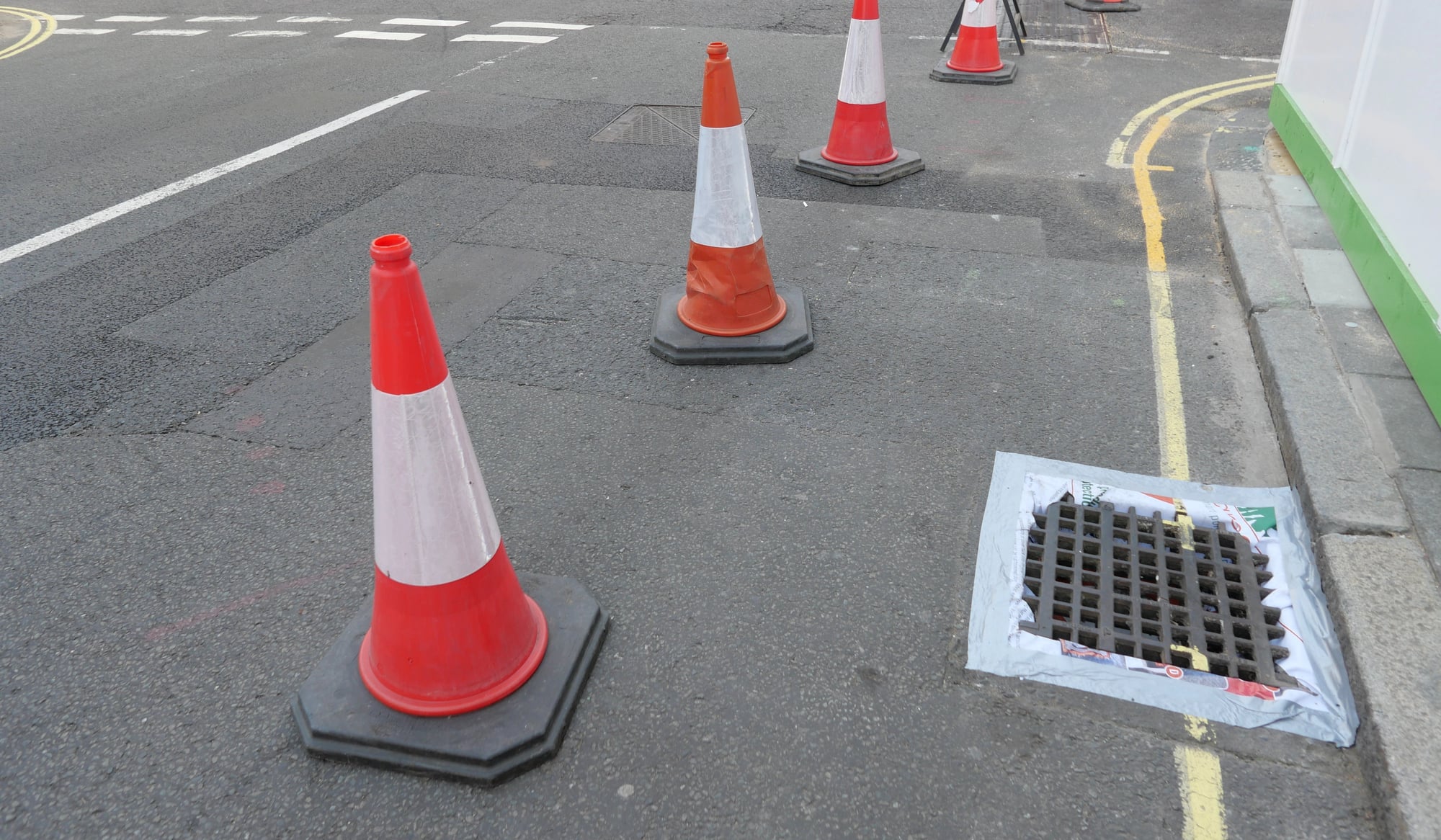
Collecting traffic cones requires a specific kind of commitment. David Morgan from the UK owns over 500 of them, each one different in some way — different countries, different eras, different purposes.
Most people see orange plastic barriers. Morgan sees history, geography, and design evolution sitting in his garage.
Belly Button Fluff

Graham Barker from Australia has been collecting his own belly button lint since 1984. Every day for nearly four decades.
The collection weighs just over 22 grams total, which means Barker has been methodically gathering something that weighs less than a handful of pennies for most of his adult life. And yet the dedication is oddly admirable.
The ritual matters more than the result here — there’s something almost meditative about turning the most mundane aspect of personal hygiene into a decades-long project (though his family might disagree). So Barker keeps collecting, one tiny piece at a time, because at this point stopping would mean abandoning something that’s become part of who he is.
The collection itself might weigh nothing, but the commitment behind it carries real weight.
Sick Bags
Like pressed flowers between book pages, Steve Silberberg’s airline sick bag collection preserves moments that were never meant to last. He owns over 6,000 bags from airlines around the world, each one a small paper monument to travel anxiety and corporate branding circa 1970-something.
The bags themselves are unremarkable — thin paper, simple graphics, designed to be thrown away after solving an immediate problem. But arranged together, they become something else entirely.
A catalog of airline design. A history of air travel told through the things passengers hoped they wouldn’t need.
Do Not Disturb Signs
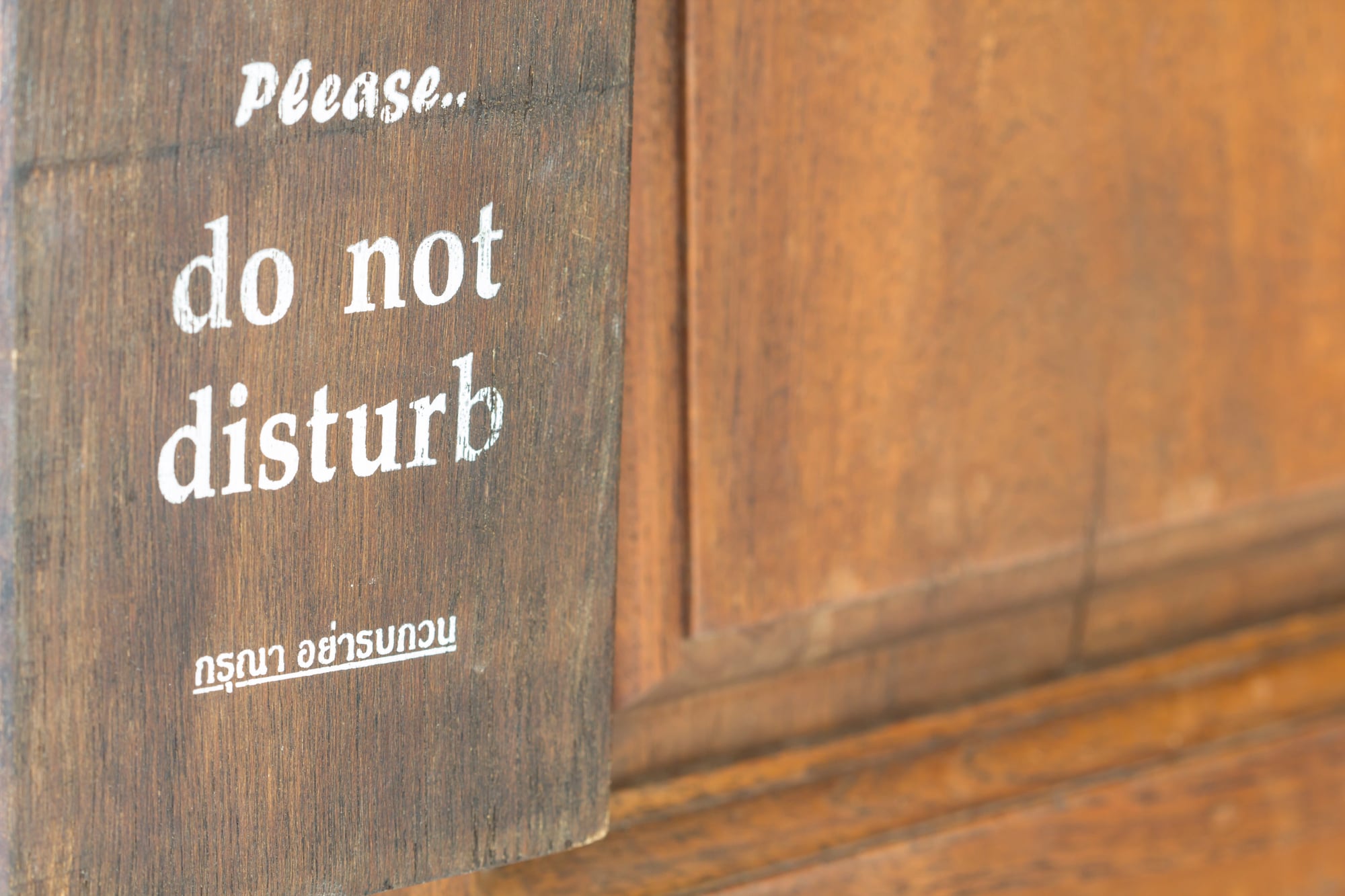
Jean-François Vernetti from Switzerland has accumulated over 11,000 “Do Not Disturb” signs from hotels worldwide. Each one represents a moment when someone wanted the world to go away for a while — and Vernetti has been there to collect the evidence afterward.
There’s an ironic privacy violation in collecting things designed to protect privacy. But that’s exactly what makes the collection compelling rather than creepy.
Napkins
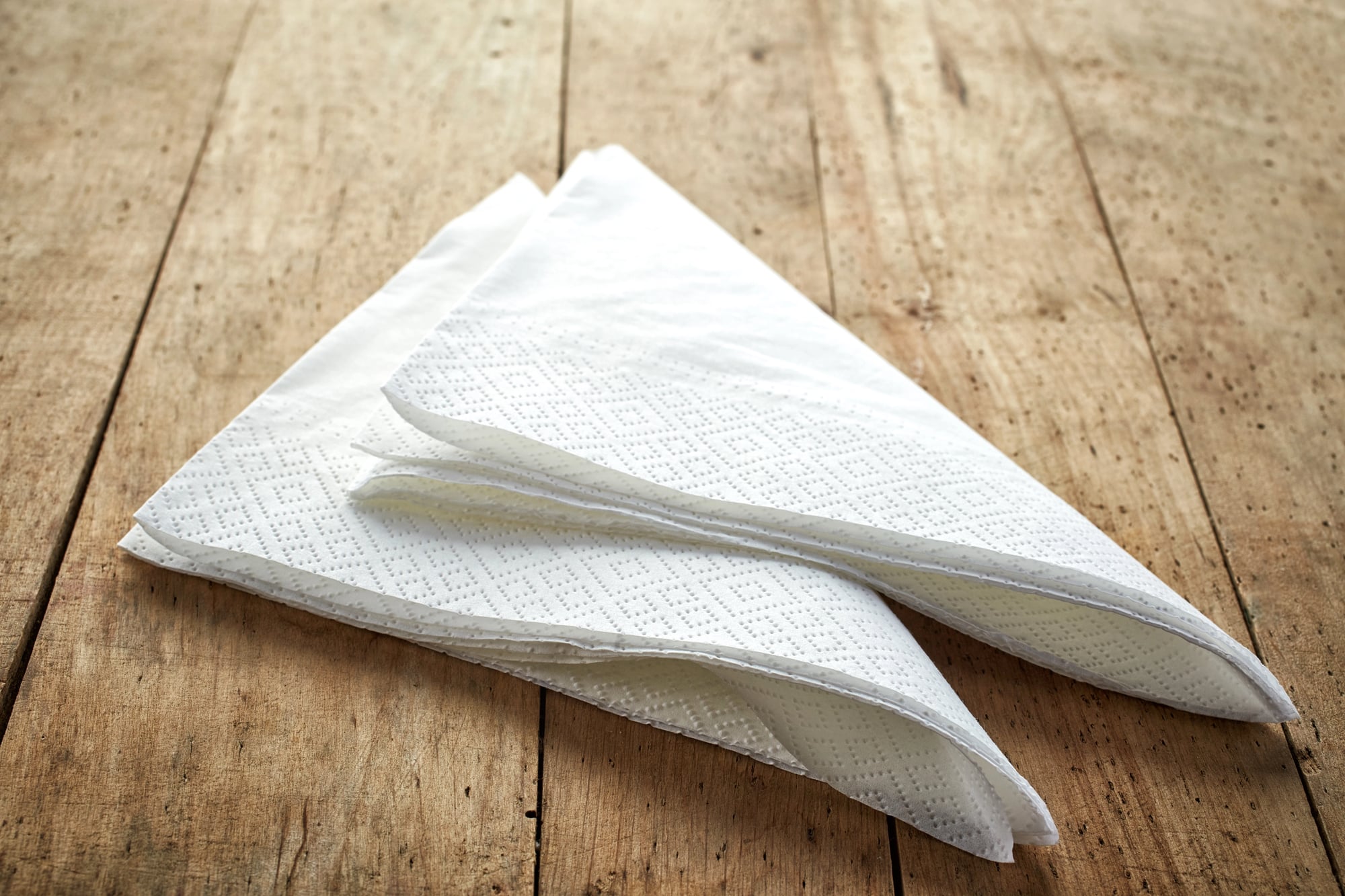
Antônio de Moura Sardinha from Portugal collects napkins with the same intensity other people reserve for vintage wines. His collection numbers over 125,000 pieces from restaurants, airlines, hotels, and events spanning decades.
Most people use napkins once and forget them. Sardinha sees them as tiny canvases that capture time and place.
The napkin from your cousin’s wedding reception, the one from that restaurant in Rome, the airline napkin from the flight where you met your future spouse — they all end up in the trash. Except at Sardinha’s house, where they become permanent residents in carefully organized albums.
Rubber Ducks
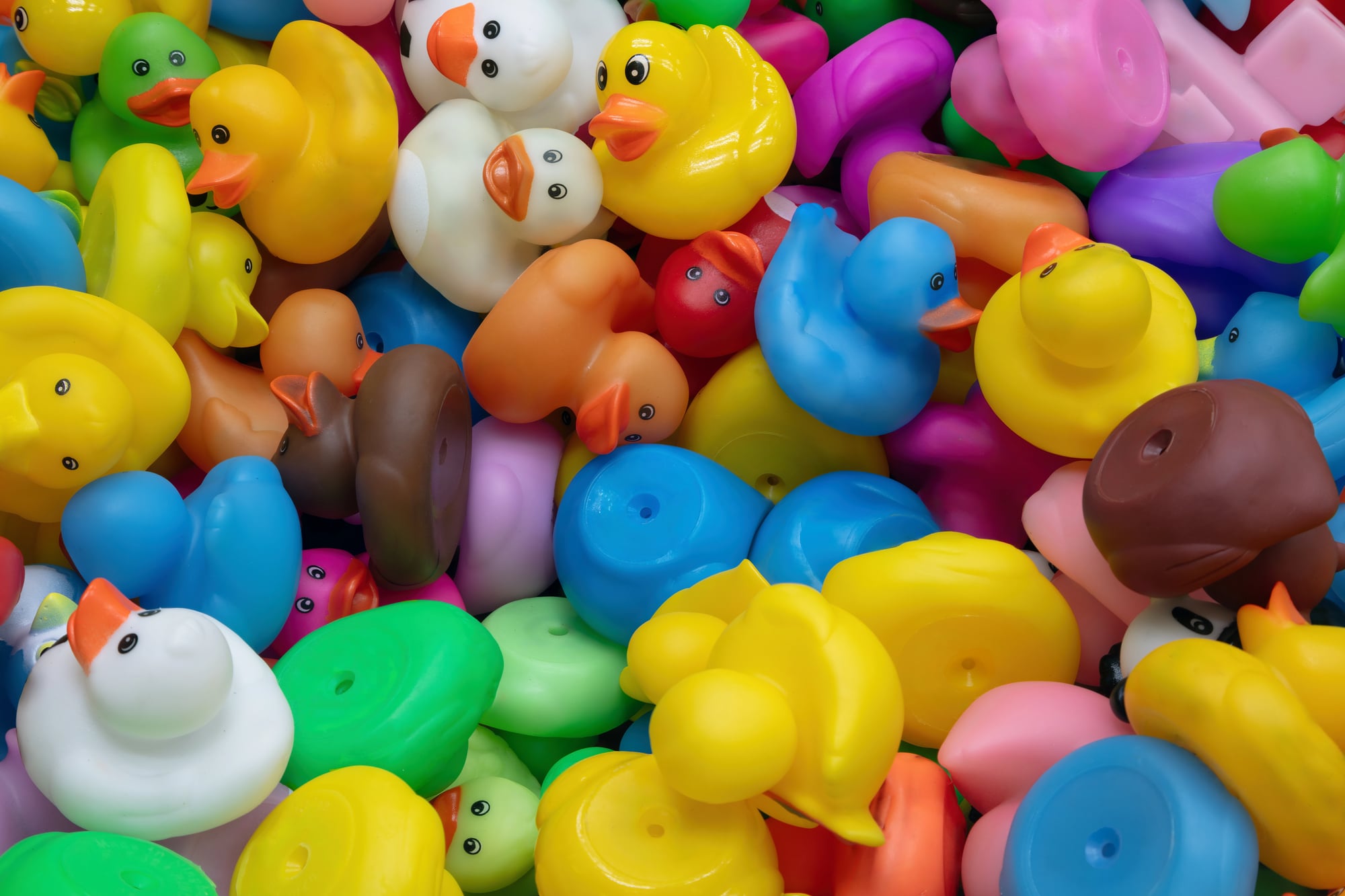
Charlotte Lee from the United States owns over 9,000 rubber ducks, and her collection proves that childhood obsessions don’t always fade with age. They just get more expensive storage solutions.
Each duck is different — pirate ducks, glow-in-the-dark ducks, ducks dressed as other animals. The beauty of rubber duck collecting lies in its fundamental absurdity, and Lee has embraced that completely.
Toothbrushes
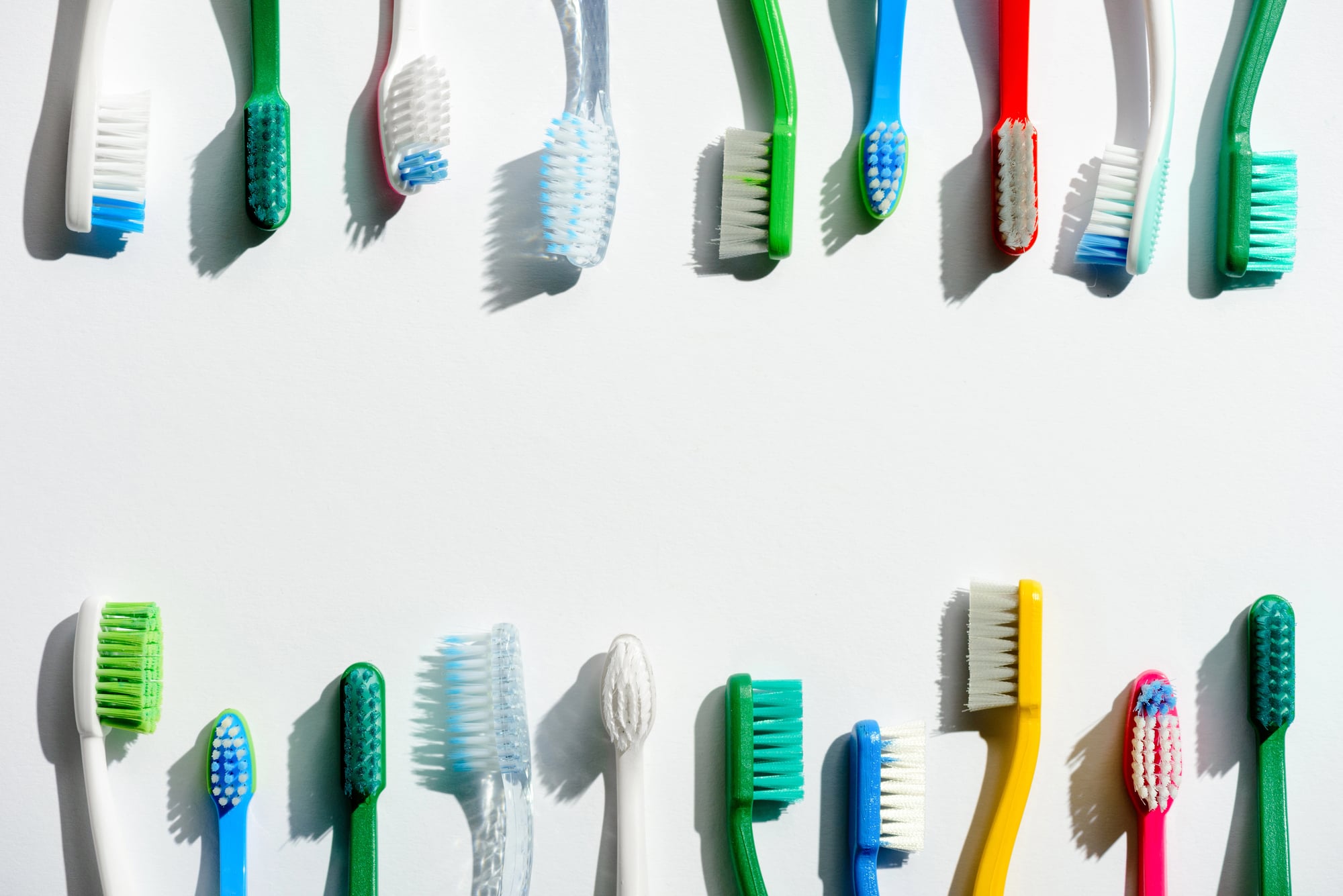
Grigori Fleicher from Russia has gathered over 1,300 toothbrushes, transforming the most mundane bathroom necessity into a comprehensive study of oral hygiene evolution. Electric ones, manual ones, novelty shapes, different bristle configurations — his collection spans decades of dental innovation that most people never think about.
But Fleicher thought about it enough to track down vintage models from the Soviet era, limited edition designs from Japanese manufacturers, and prototype brushes that never made it to market (which explains why some people become obsessed with the things the rest of us take for granted). And the collection keeps growing, because apparently there’s always another toothbrush design worth preserving.
Even the ones that clean better than others — which is saying something in a bathroom cabinet full of alternatives.
Sugar Packets
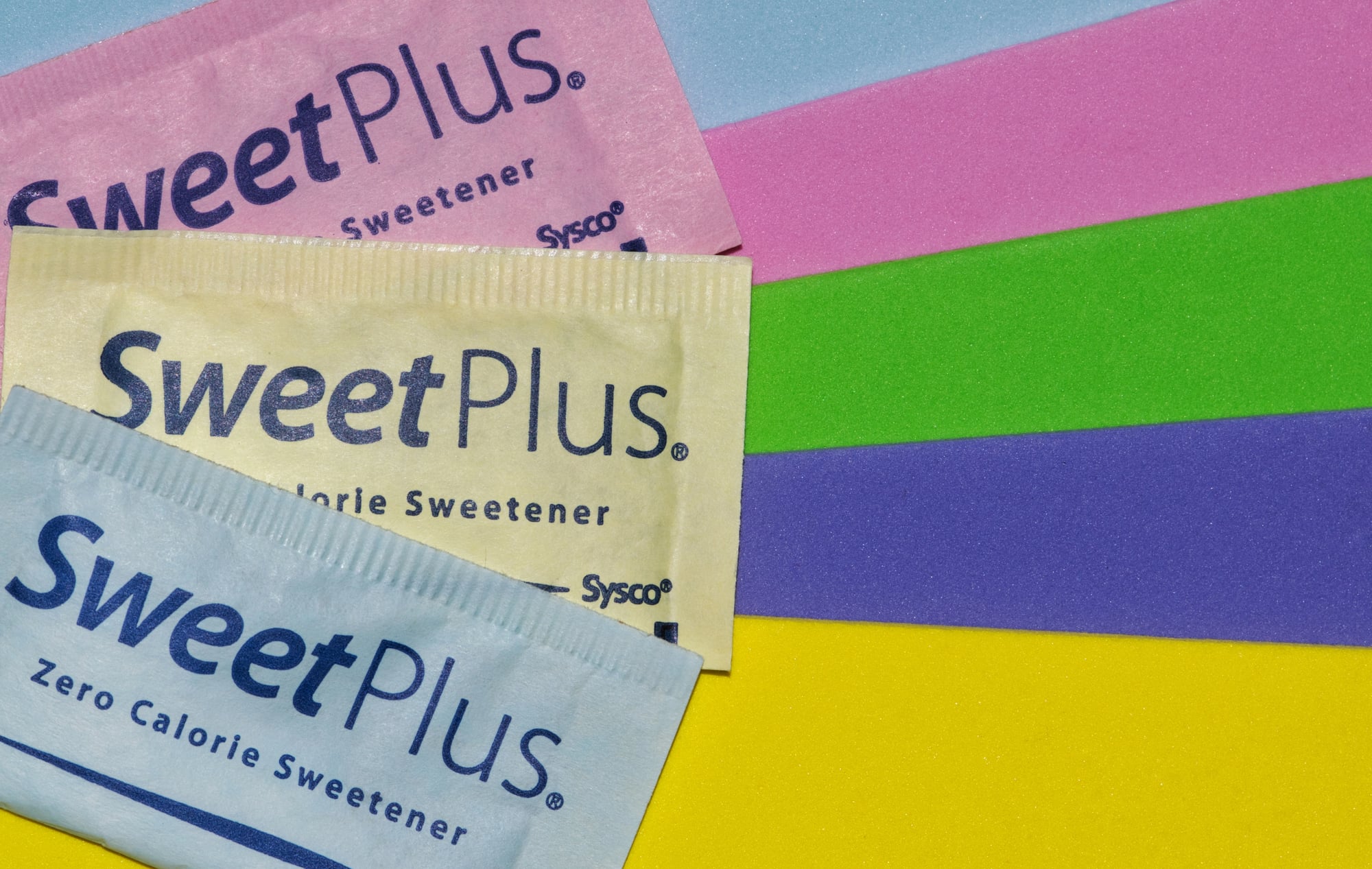
Kristen Dennis from the United States has collected over 10,000 sugar packets, each one a tiny billboard for a restaurant, airline, or hotel that probably doesn’t exist anymore. The packets themselves cost almost nothing and take up minimal space, but together they form an accidental archive of commercial design from the last half-century.
Like postage stamps for people who drink coffee, sugar packet collecting captures graphic design history in the smallest possible format.
Erasers
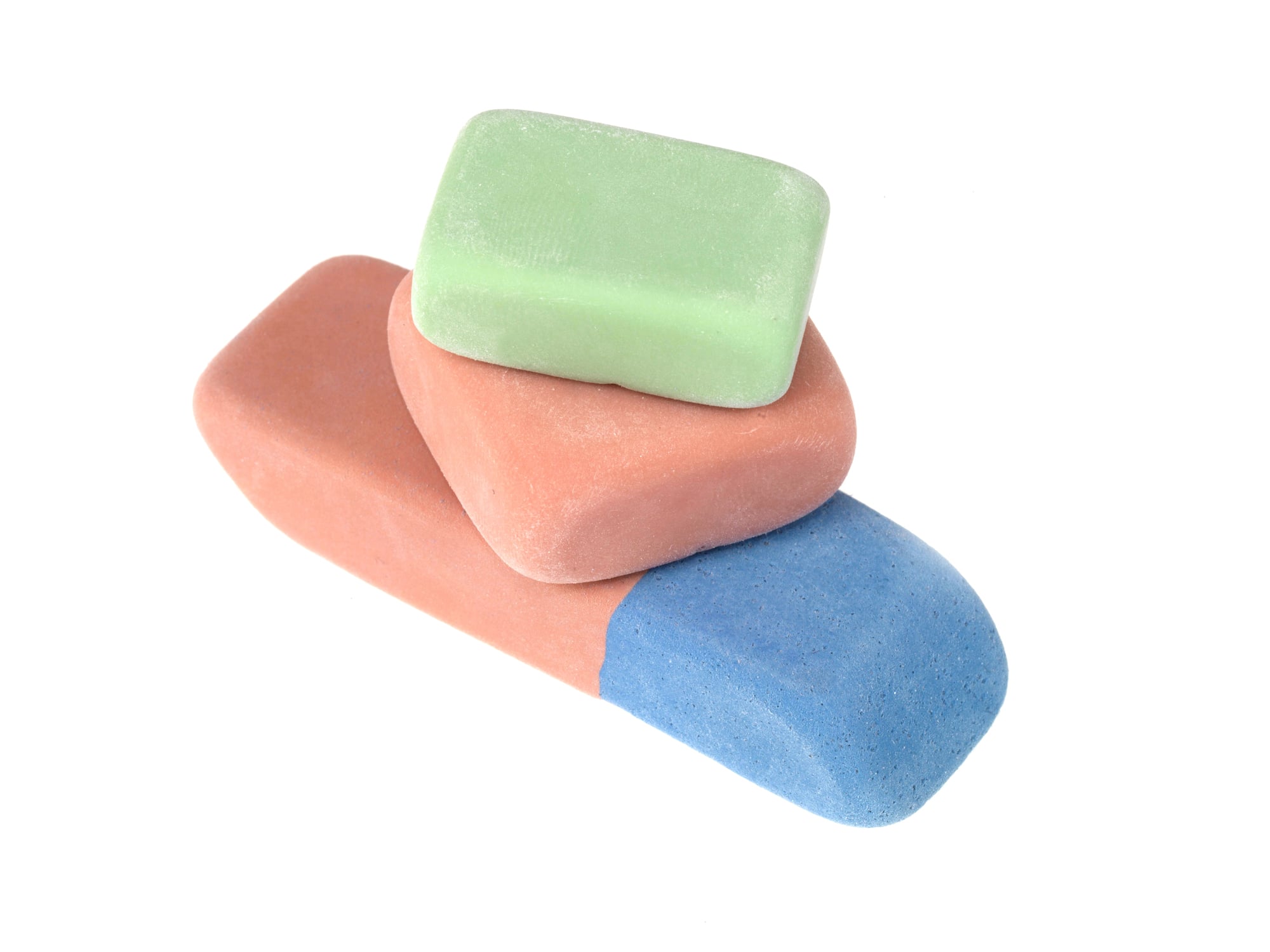
Petra Engels from Germany owns over 19,000 erasers, which means she could theoretically undo more mistakes than anyone else on the planet. Her collection includes erasers shaped like food, animals, vehicles, and objects that have no business being made of pink rubber.
The eraser exists to eliminate evidence of human error, but Engels has turned them into permanent displays that celebrate the mistake-making process instead.
Shoe-Related Items
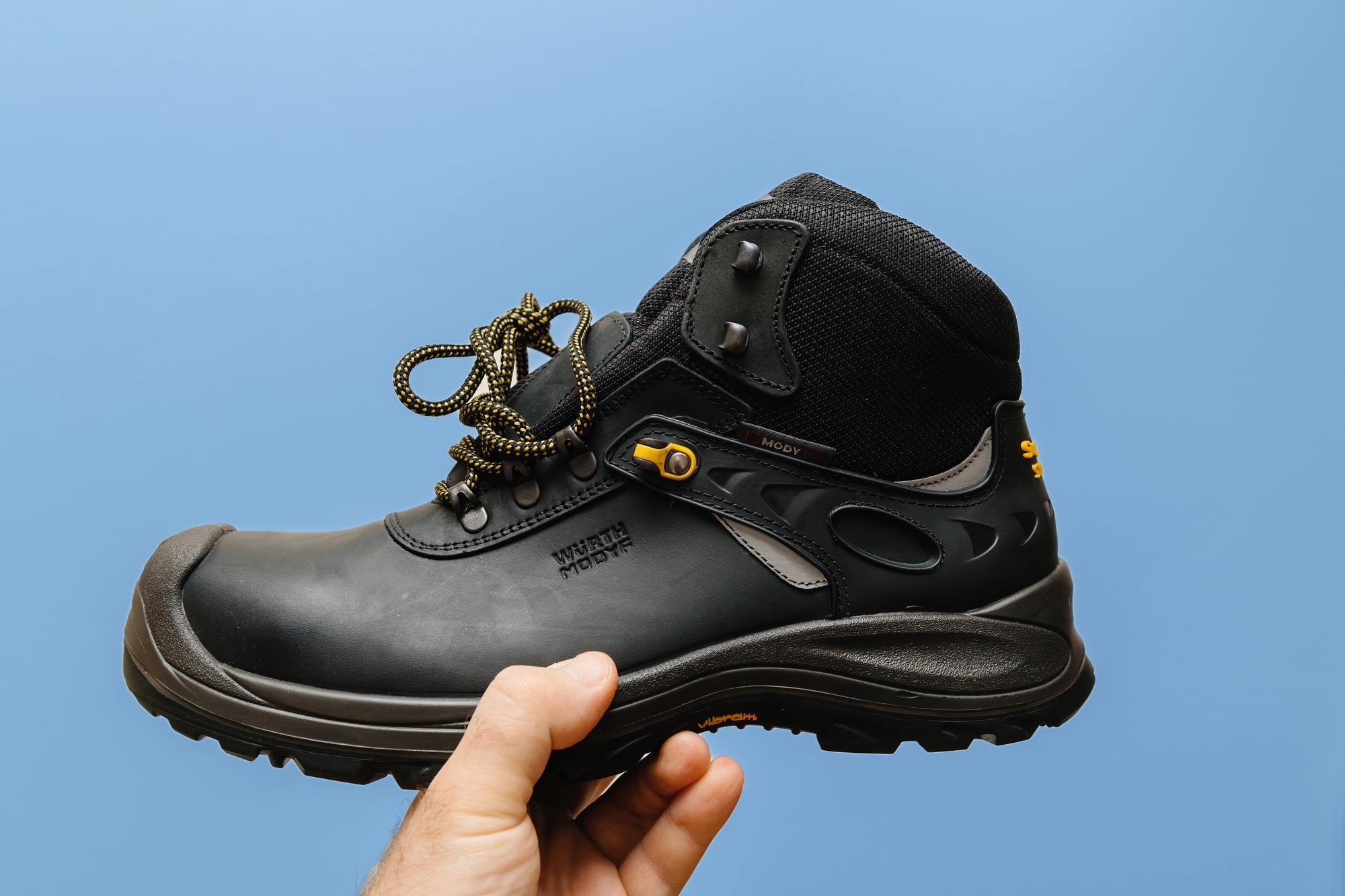
Darlene Flynn from the United States has accumulated over 17,000 shoe-related objects — not actual shoes, but shoe-shaped salt shakers, shoe keychains, shoe bookends, and basically anything else that resembles footwear without serving its primary function. Her house is essentially a monument to the idea of shoes rather than shoes themselves.
Flynn’s collection raises interesting questions about what counts as collecting versus hoarding, but those questions become irrelevant when faced with 17,000 tiny shoe replicas arranged throughout multiple rooms.
Paper Bags

Heinz Schmidt-Bachem from Germany has preserved over 150,000 paper bags, treating them like artifacts from a civilization obsessed with carrying things around. Shopping bags, lunch bags, pharmacy bags — each one represents a transaction, a moment when someone needed to transport something from one place to another.
The bags themselves were designed to be temporary solutions, but Schmidt-Bachem has made them permanent residents of his carefully climate-controlled storage facility.
Tea Bag Labels

Felix Rotter from Germany collects the small paper tags attached to tea bags — over 10,000 of them. These tiny rectangles usually get torn off and thrown away within seconds of opening the tea box, but Rotter has been intercepting them for years.
Each label is a miniature advertisement for relaxation, featuring soothing colors and fonts designed to suggest warmth and comfort.
Postcards of Beaches
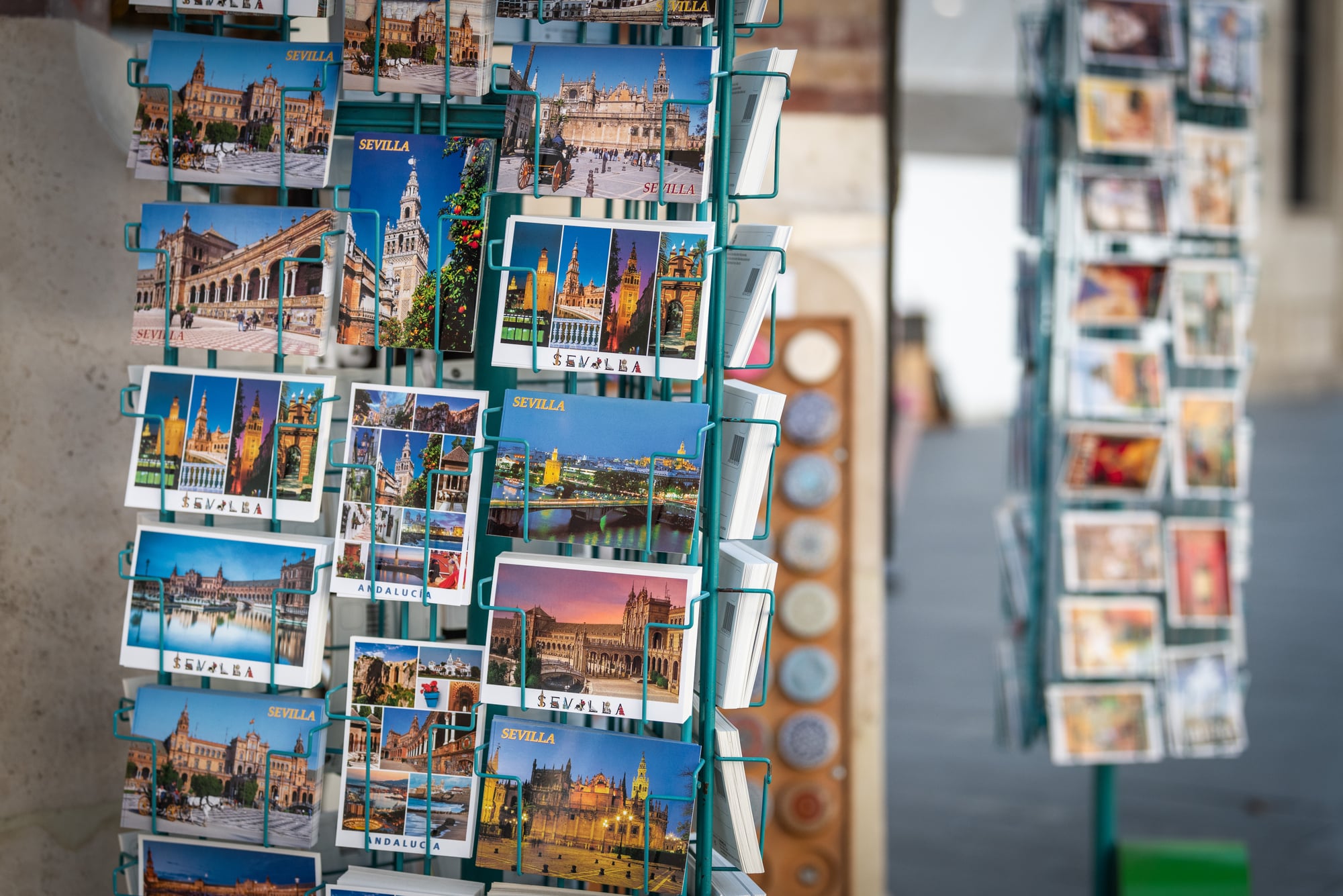
Helen Bateman from the United Kingdom owns over 9,000 postcards featuring beaches from around the world. Her collection is like a travel agency for people who prefer sandy shores, offering vicarious vacations to coastlines across six continents.
Each postcard captures someone else’s perfect beach day and preserves it indefinitely. The irony is that postcards were meant to be sent away, not kept forever.
Pizza Boxes
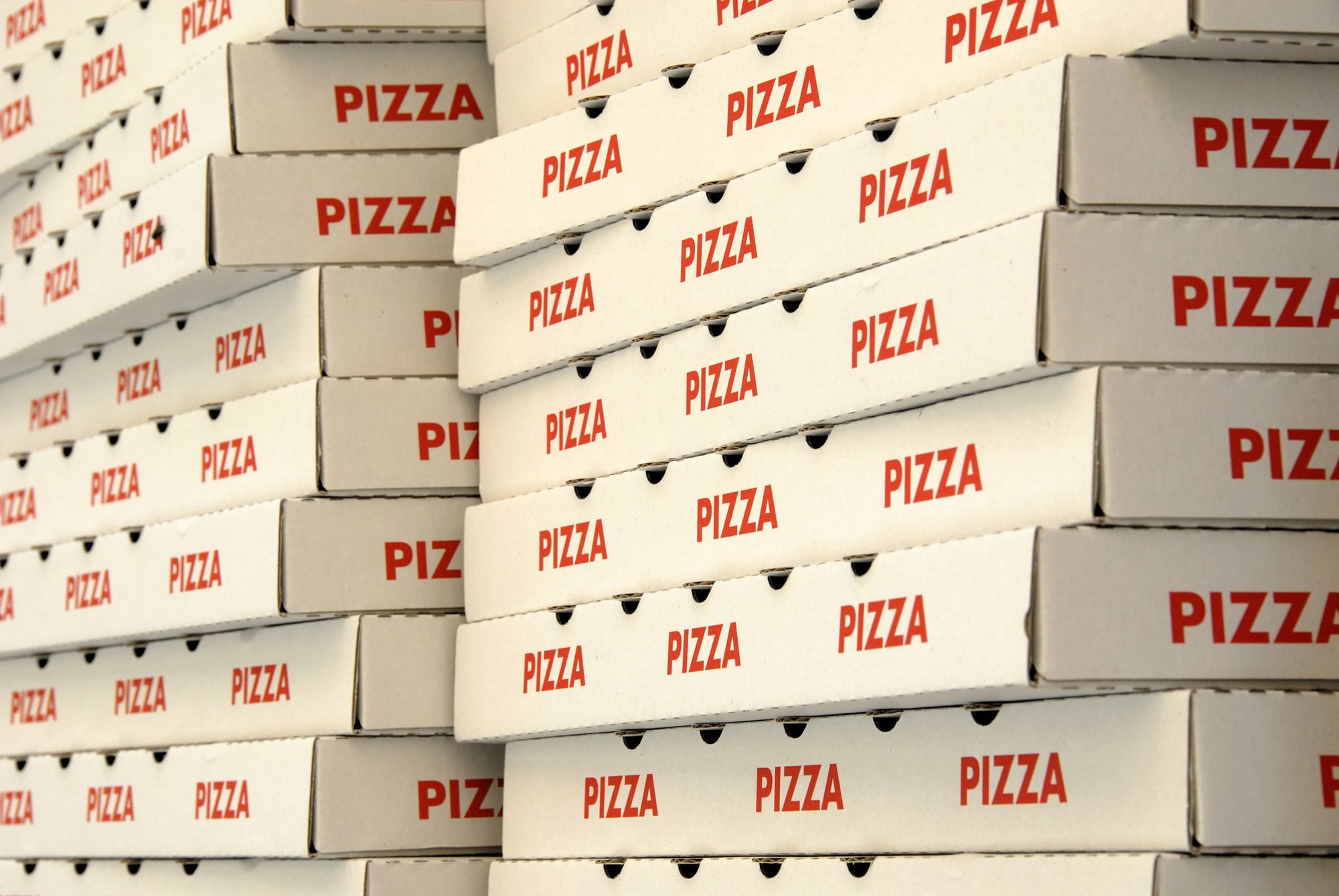
Scott Wiener from the United States has collected over 1,500 pizza boxes, focusing specifically on the cardboard containers rather than their contents. His collection documents the graphic design evolution of pizza packaging, from basic brown boxes to elaborate full-color marketing campaigns printed on corrugated cardboard.
Most pizza boxes end up in the trash or recycling bin within hours of delivery, making Wiener’s preservation efforts feel almost archaeological.
Coasters
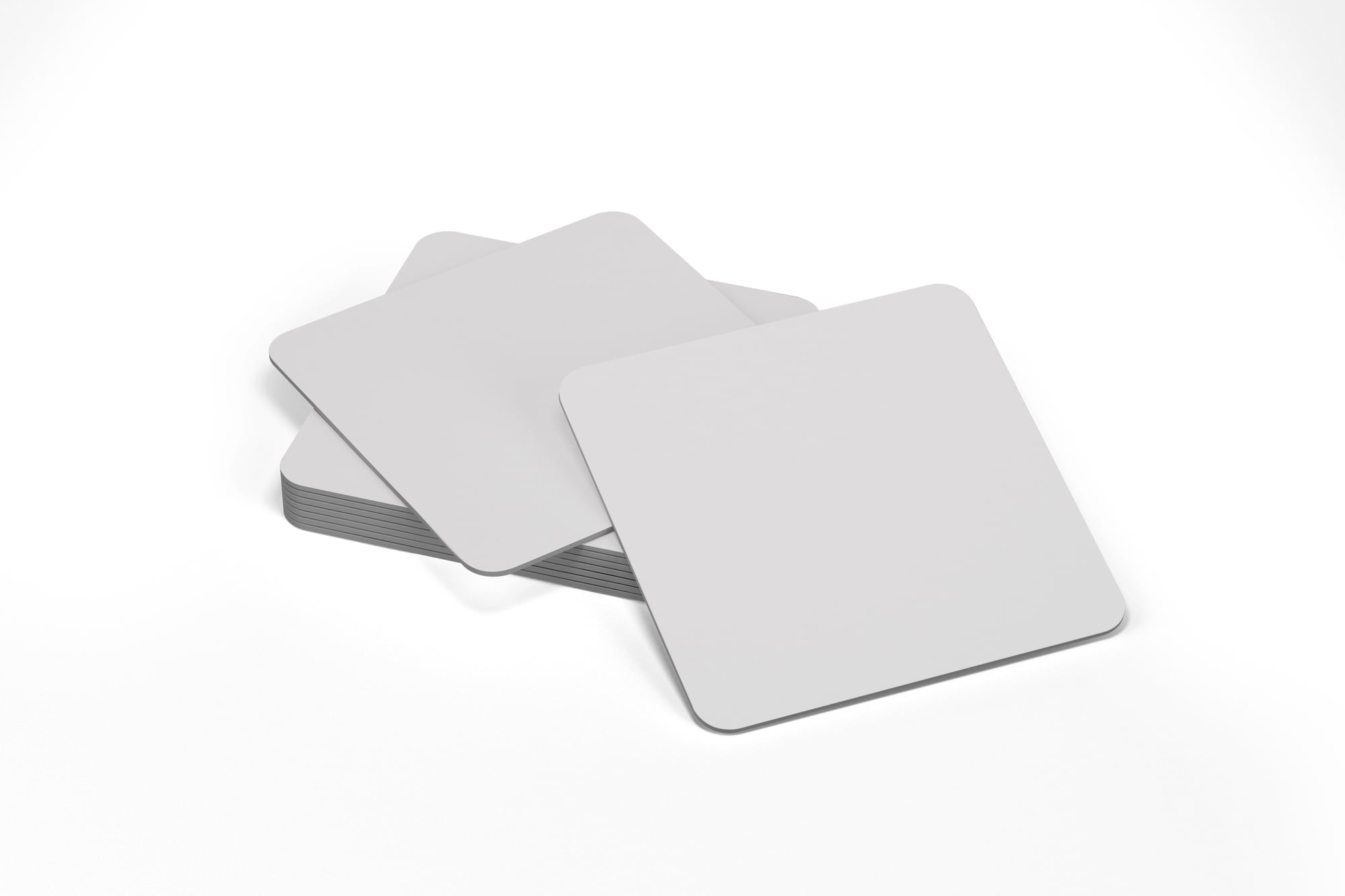
Leo Pisker from Austria has accumulated over 152,000 drink coasters, creating what might be the world’s most comprehensive archive of beverage advertising. Bar coasters, restaurant coasters, brewery promotional coasters — each one designed to protect furniture while promoting alcohol consumption.
The coaster collection represents decades of happy hour marketing compressed into small cardboard circles that most people use once and lose immediately.
Lip Balm Containers

Jennifer Murray from the United States owns over 2,000 lip balm tubes and containers, making her the undisputed champion of chapped lip prevention supplies. Her collection includes vintage tins, modern twist-up tubes, novelty shapes, and limited edition packaging from brands that disappeared decades ago.
The collection proves that even the most personal care items can become collectible when someone pays enough attention to their design evolution and cultural significance.
The Psychology of the Strange

These collections share something beyond their unusual subject matter — they represent people who found meaning in objects the rest of us discard without thinking. Whether it’s belly button lint or pizza boxes, each collection started with someone noticing something worth preserving, then spending years proving that initial instinct was worth following.
That’s the real record being broken here. Not just the accumulation of objects, but the sustained attention required to see value in things designed to be forgotten. In a world that encourages us to move fast and throw things away, these collectors chose to slow down and save everything instead.
More from Go2Tutors!

- The Romanov Crown Jewels and Their Tragic Fate
- 13 Historical Mysteries That Science Still Can’t Solve
- Famous Hoaxes That Fooled the World for Years
- 15 Child Stars with Tragic Adult Lives
- 16 Famous Jewelry Pieces in History
Like Go2Tutors’s content? Follow us on MSN.