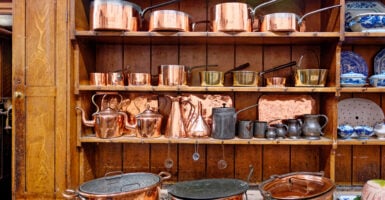
Legendary Workshops That Set Early Luxury Standards
The workshops that defined luxury weren’t always grand showrooms. Many started as modest spaces where craftspeople refined techniques over decades.
Their methods became the foundation for what we consider luxurious today. They created standards that others spent generations trying to match.
The Hermès Saddle Workshop in Paris
Thierry Hermès opened his leather workshop in 1837, focusing entirely on harnesses and saddles for European nobility. The stitching technique he developed—the saddle stitch—became the gold standard for leather goods.
His workshop refused to use machines for key construction steps. That decision shaped the company’s identity for the next two centuries.
Cartier’s Rue de la Paix Atelier

Louis-François Cartier took over a small jewelry workshop in 1847 and moved it to Rue de la Paix in 1899. The atelier pioneered platinum settings that made diamonds appear to float.
The workshop also developed the mystery clock mechanism, where the hands seemed to move without connection to any visible gears. Other jewelers tried to copy it but never quite got it right.
Rolls-Royce Coachbuilding at Derby
The Derby workshop in England became legendary when Rolls-Royce established it in 1908. Each car body was hand-beaten from aluminum sheets, a process that took craftsmen six months to master.
They developed specialized tools that existed nowhere else. The workshop culture treated each vehicle as a one-off commission, even when producing multiple units of the same model.
Henry Poole’s Savile Row Tailoring Room
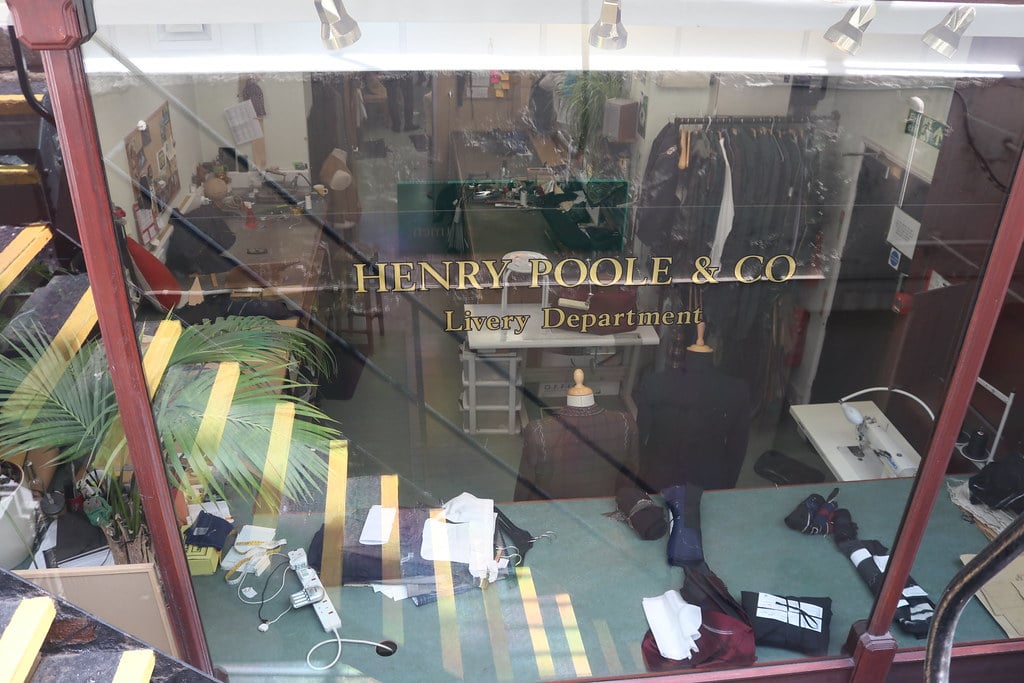
Henry Poole & Co established their cutting room on Savile Row in 1846. The workshop created the dinner jacket after the Prince of Wales requested something less formal than a tailcoat.
Their pattern-making system became the foundation for modern tailoring. Each suit required three fittings and over 80 hours of handwork.
Murano Glass Furnaces

The glassmaking furnaces on Murano island near Venice have operated since 1291. Masters guarded their techniques so carefully that leaving the island with trade secrets meant execution.
They developed aventurine glass—containing copper crystals that shimmer like gold—through experimentation that took decades. The furnaces still use some of the same designs from the Renaissance.
Grasse Perfume Laboratories
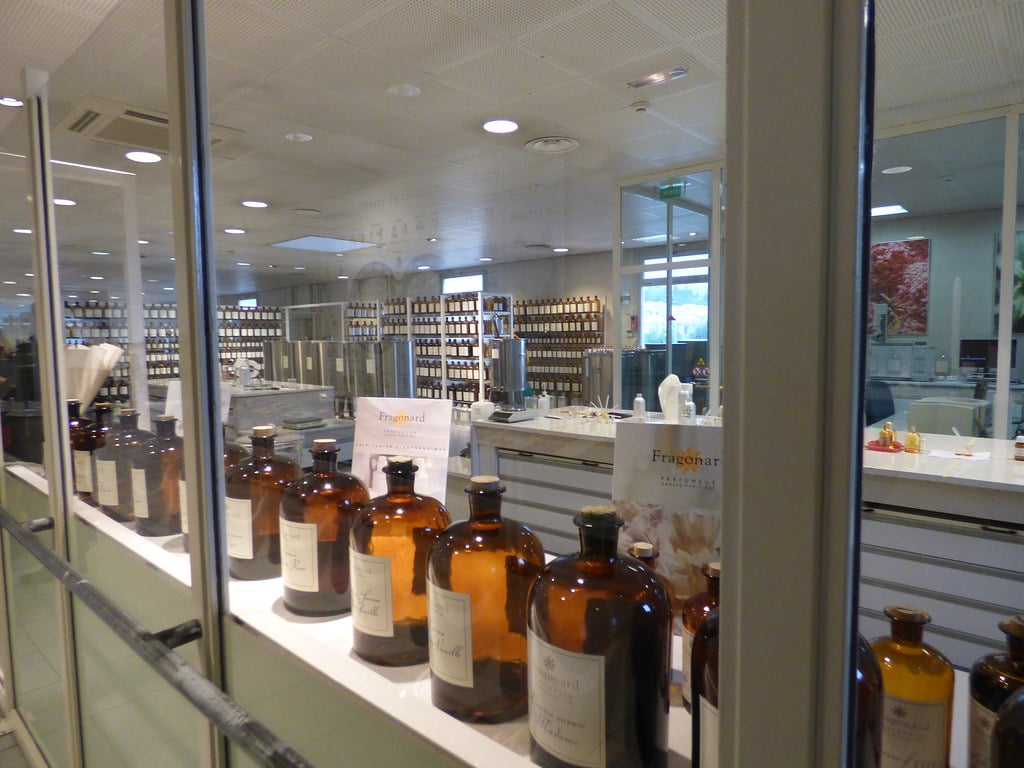
Grasse perfumeries in southern France became the center of fragrance creation in the 16th century. The workshops developed enfleurage, extracting scents from delicate flowers using animal fat.
A single perfumer’s training took seven years. They learned to identify over 3,000 natural ingredients by scent alone.
Abraham-Louis Breguet’s Geneva Workshop

Breguet’s workshop in Geneva revolutionized watchmaking starting in 1775. He invented the tourbillon, a mechanism that counteracted gravity’s effects on pocket watches.
The workshop’s finishing techniques set standards that Swiss watchmakers follow today. Each movement was signed and numbered, creating the first luxury authentication system.
Florentine Leather Workshops

The leather workshops near Florence’s Ponte Vecchio mastered vegetable tanning in the 14th century. Their process took eight months but produced leather that lasted generations.
They developed the technique of hand-marbling leather surfaces. The patterns were unique to each hide, making replication impossible.
Wedgwood’s Etruria Factory

Josiah Wedgwood opened the Etruria factory in 1769, transforming pottery into art. His workshop perfected jasperware, the distinctive white-on-blue ceramic that became synonymous with English refinement.
He implemented quality control measures unheard of at the time. Every piece was inspected three times, and Wedgwood himself would smash imperfect items with his walking stick.
Tabriz Carpet Workshops
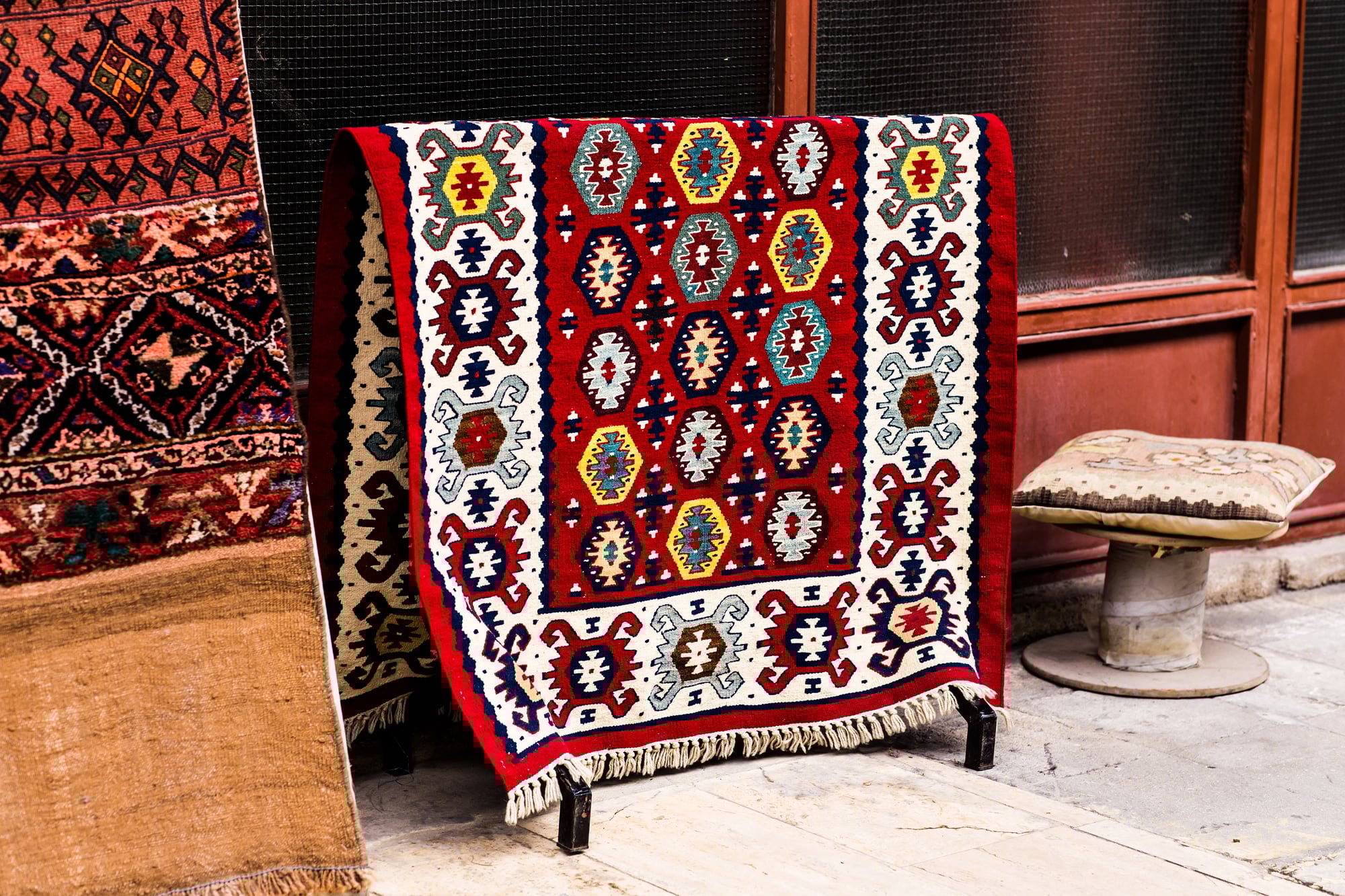
The carpet workshops in Tabriz, Iran date back to the 11th century. Master weavers created patterns so complex that a single carpet took four weavers three years to complete.
They developed dyes from insects, plants, and minerals that haven’t faded in 500 years. The knot density in their finest work—up to 900 knots per square inch—remains nearly impossible to replicate.
Louis Vuitton’s Asnières Workshop

The Asnières workshop opened outside Paris in 1859. Louis Vuitton developed a flat-topped trunk design that revolutionized luggage when rounded tops were standard.
The workshop created waterproof canvas through a coating process kept secret for decades. Each trunk was custom-built to client specifications, with some designs requiring special compartments for champagne bottles or writing desks.
Steinway’s Piano Factory

The Steinway factory in New York established its reputation in 1853 with rim-bending techniques that gave their pianos distinctive sound quality. They developed 127 patents for piano construction.
Each piano rim was bent from a single piece of maple in one continuous process. The workshop aged wood for years before use, something most manufacturers abandoned for faster production.
Cohiba’s Cig Rolling Room
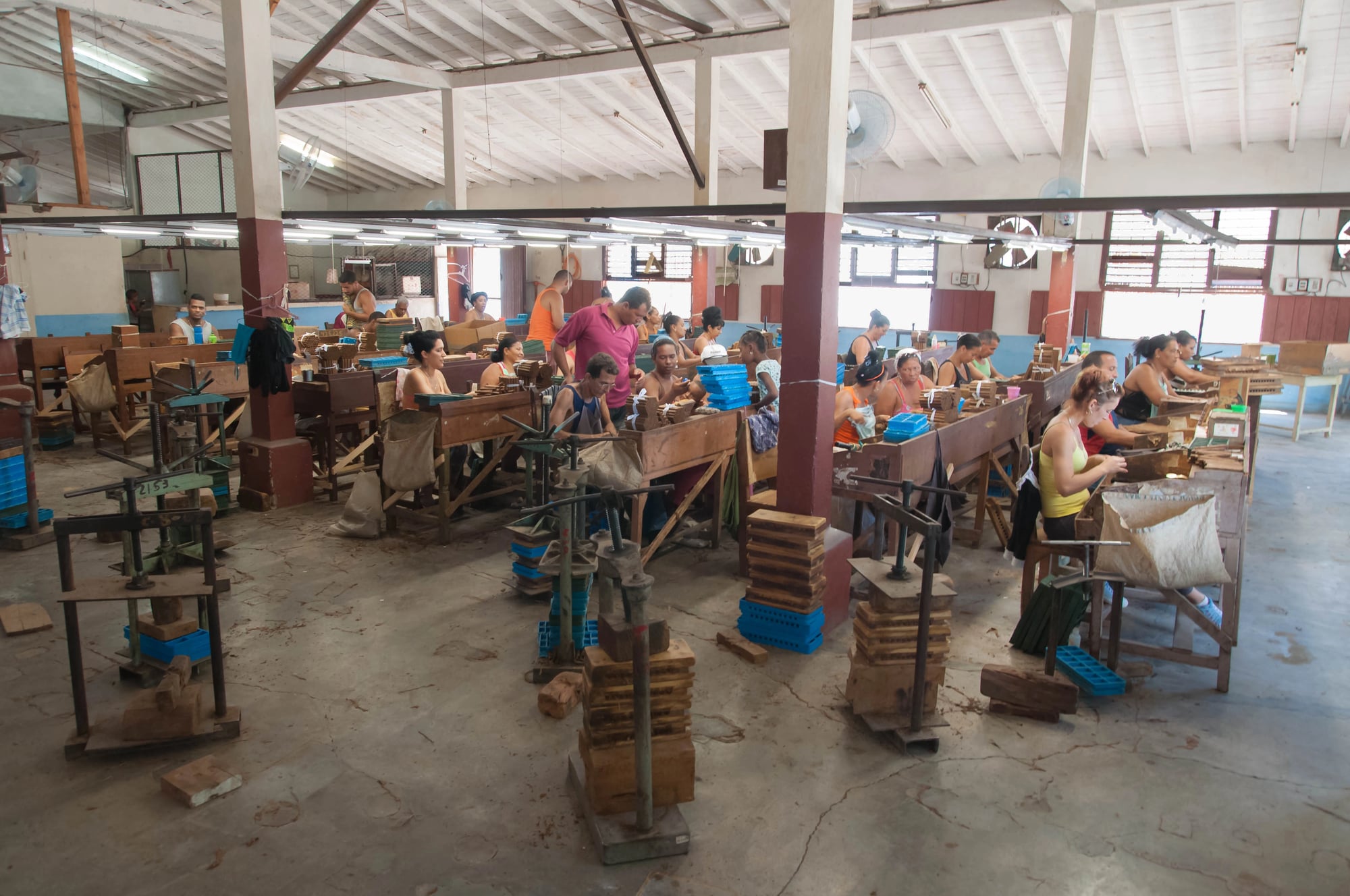
The rolling rooms in Havana where Cohiba cigs were made existed in secrecy until 1982. Master rollers learned their craft through 12-year apprenticeships.
They selected leaves from specific fields and aging rooms, blending five types of cig for each stick. The workshop maintained humidity and temperature controls precise to single degrees.
Where Standards Started

Those workshops never bragged about being good. Instead, they showed it by building stuff that stuck around.
Their rules came from need – crafting things that held up when people demanded flawless results. Instead, they take routes avoiding years of slow tweaks – the ones that lifted skillwork into high-end status.
More from Go2Tutors!

- The Romanov Crown Jewels and Their Tragic Fate
- 13 Historical Mysteries That Science Still Can’t Solve
- Famous Hoaxes That Fooled the World for Years
- 15 Child Stars with Tragic Adult Lives
- 16 Famous Jewelry Pieces in History
Like Go2Tutors’s content? Follow us on MSN.