Iconic neighborhoods With quirky histories
Every city has that one neighborhood where things get a little weird. These are the places where artists squatted in abandoned buildings, where communes declared independence, or where entire communities formed around tax-free wine.
They started as practical spaces for working-class families or overlooked corners of sprawling cities, but somewhere along the way, they picked up characters who refused to follow the script.
What makes these neighborhoods fascinating is how their strange beginnings shaped them into cultural landmarks.
Here is a list of iconic neighborhoods with quirky histories that prove the most interesting places rarely start out that way.
Fremont, Seattle
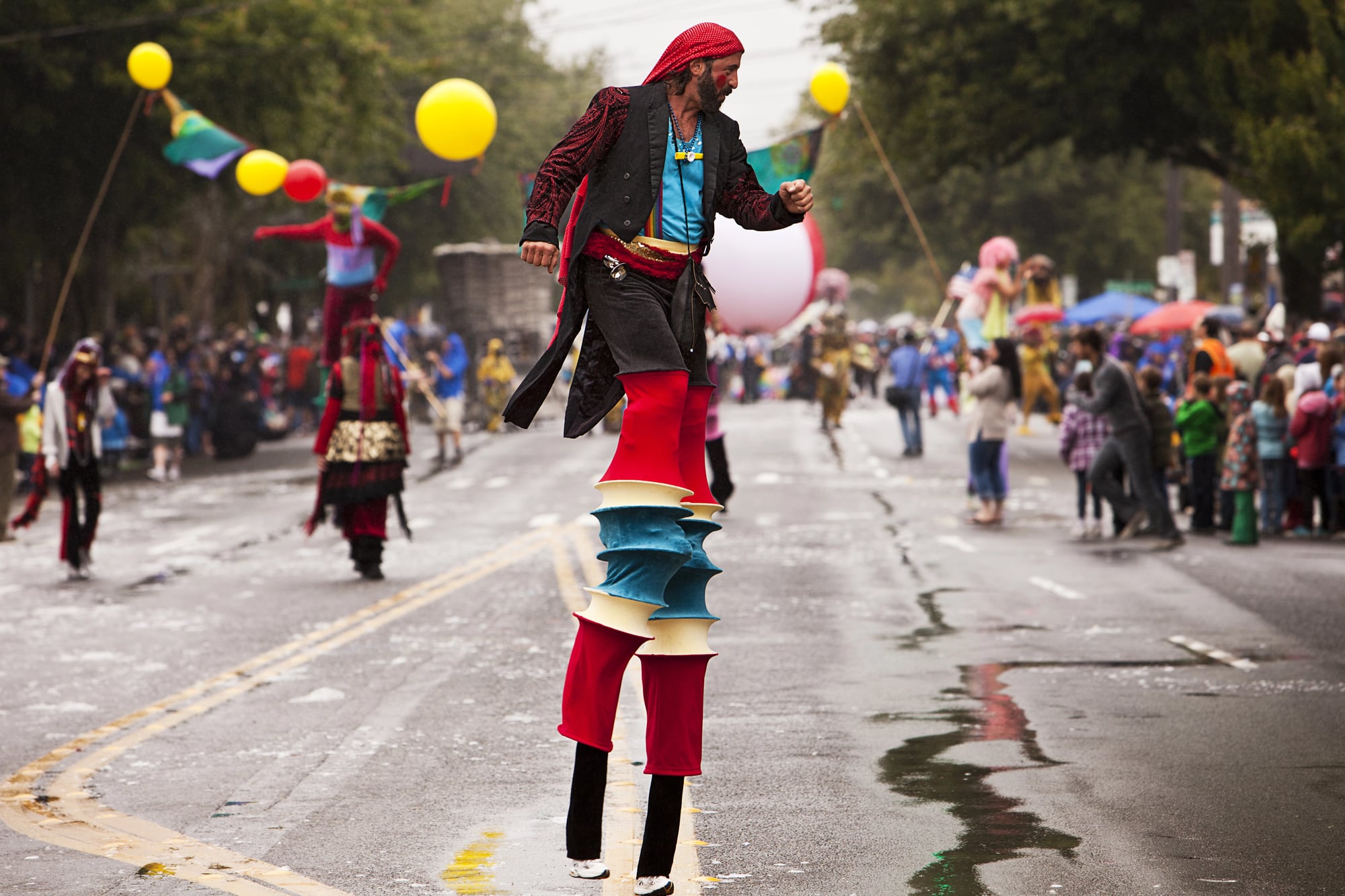
This Seattle neighborhood literally calls itself ‘The Center of the Universe’ and has the welcome signs to prove it. Founded in 1888 and named after Fremont, Nebraska, the area went through decades of being ordinary before hitting hard times in the 1960s.
When rents dropped and businesses closed, artists and bohemians moved in and decided to make things interesting. Today, visitors find an 18-foot concrete troll crushing a Volkswagen Beetle under a bridge, a statue of Vladimir Lenin salvaged from Slovakia, and a 53-foot Cold War rocket attached to the side of a building.
The neighborhood’s motto, ‘De Libertas Quirkas’ (Freedom to be Peculiar), pretty much sums up the attitude that saved it from becoming just another forgotten district.
Haight-Ashbury, San Francisco
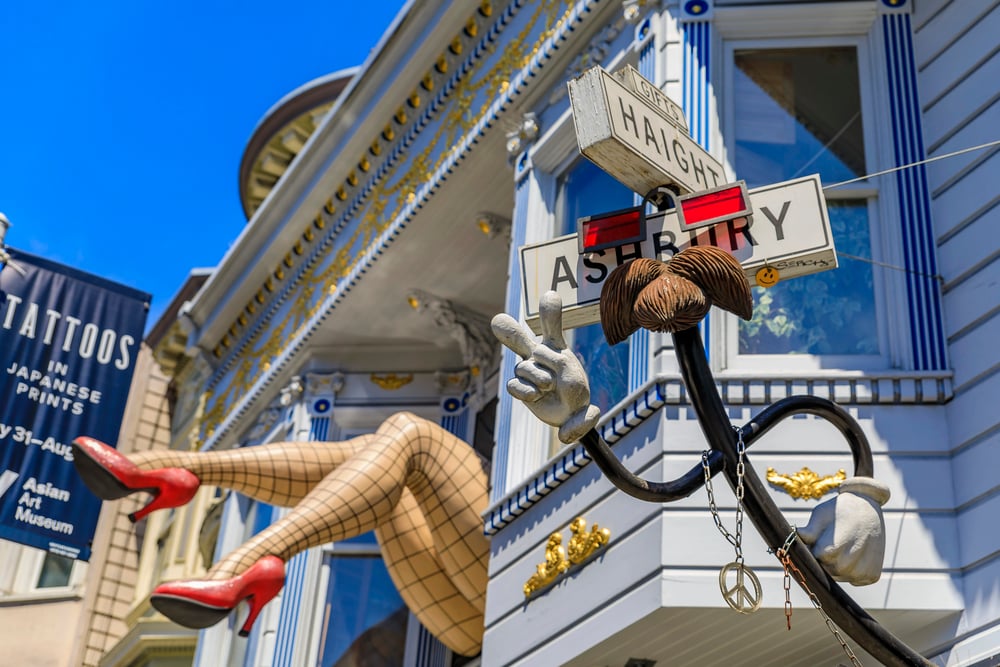
Before it became synonymous with flower power, this San Francisco intersection was just another Victorian neighborhood where working-class Irish and German families lived. The area got its quirky destiny when the 1960s counterculture movement needed somewhere cheap to crash, and Haight-Ashbury fit the bill perfectly.
During the 1967 Summer of Love, around 100,000 young people descended on the neighborhood, turning it into ground zero for hippie culture. Bands like the Grateful Dead and Jefferson Airplane lived there, Jimi Hendrix supposedly got his bell-bottoms from a local shop, and the whole scene was fueled by a desire to reject mainstream values.
The neighborhood still celebrates its psychedelic past with colorful murals and vintage shops, though the rent is no longer crash-pad friendly.
Christiania, Copenhagen
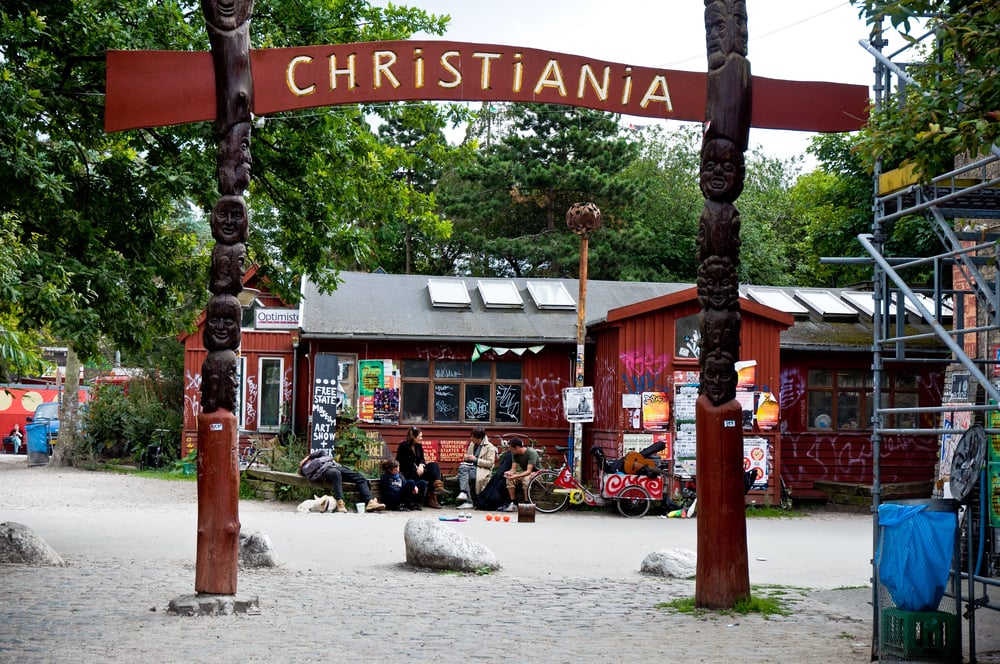
In 1971, a group of hippies in Copenhagen broke down the fence of an abandoned military base and declared it a freetown independent of Danish law. They called it Christiania, gave it its own flag with three yellow dots, and proceeded to create one of Europe’s most unusual social experiments.
The 85-acre commune developed its own governance system, built homes from salvaged materials, and famously operated ‘Pusher Street’ where cannabis was openly sold despite being illegal. For over 50 years, Danish authorities have gone back and forth on what to do with this autonomous zone that attracts a million tourists annually.
The neighborhood has its own motto, no cars are allowed inside, and residents still debate whether asking the government for help with gang violence means compromising their anarchist ideals.
Little Five Points, Atlanta

Atlanta’s answer to Haight-Ashbury almost did not survive the 1960s when a proposed freeway threatened to bulldoze the entire district. The neighborhood began in the 1890s as a streetcar suburb, thrived as a commercial hub through the 1950s, then fell into serious disrepair when families fled to the suburbs.
Artists and urban pioneers moved into the cheap Victorian homes in the 1970s and saved the area by turning it into the South’s bohemian capital. The name comes from the five-point intersection at its heart, though one of those points was later converted to a plaza, leaving locals to debate which street counts as the fifth point.
Today, businesses like Junkman’s Daughter (started by an actual junkman’s daughter) and The Vortex (with its giant skull entrance) keep the neighborhood’s countercultural spirit alive.
Montmartre, Paris
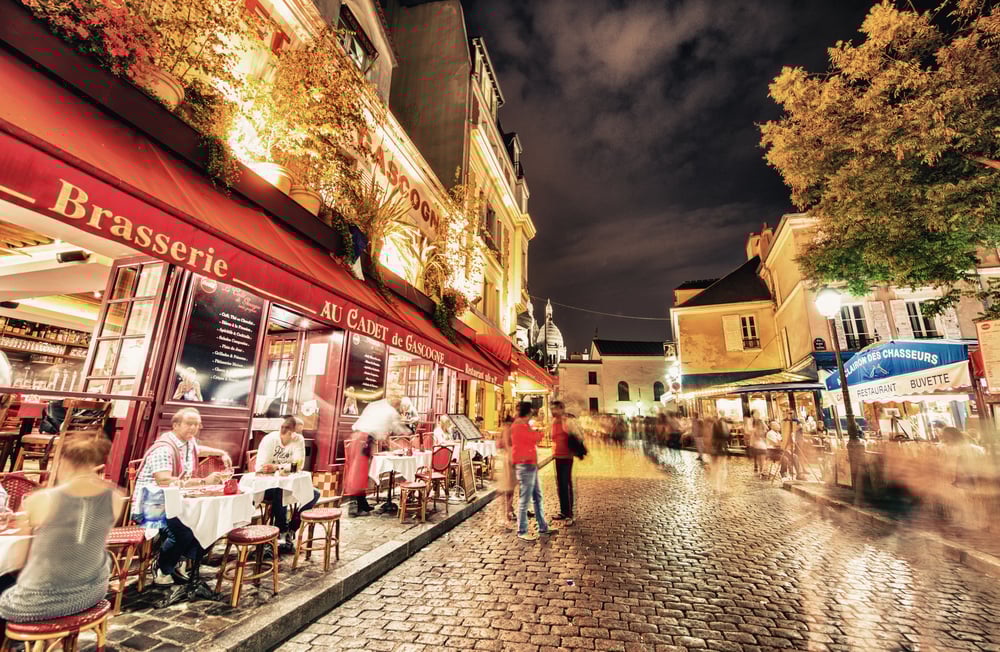
This hilltop Parisian neighborhood became an artist’s paradise for one brilliantly practical reason: it sat outside Paris city limits until 1860, which meant the wine was tax-free. Struggling artists like Monet, Van Gogh, Renoir, and Toulouse-Lautrec flocked to the area for the cheap rent, duty-free drinks, and the company of cabaret dancers, prostitutes, and working-class Parisians who also appreciated the lower costs.
The Moulin Rouge and other cabarets became famous for their scandalous cancan performances, while artists captured the scene in paintings that now hang in the world’s finest museums. Picasso painted ‘Les Demoiselles d’Avignon’ in his Montmartre studio, and the neighborhood’s creative community essentially invented modern art movements like Cubism.
The fact that tax policy accidentally created one of history’s most important artistic centers is delightfully absurd.
Venice Beach, Los Angeles

Millionaire Abbot Kinney had the eccentric idea in 1905 to recreate Venice, Italy, in Southern California, complete with canals, gondoliers, and Renaissance-style buildings. He called it ‘Venice of America’ and built an amusement pier with a roller coaster, dance hall, and a hot saltwater plunge pool.
The resort town attracted 150,000 weekend tourists who rode gondolas through the canals and watched aviators perform stunts over the beach. Most of the canals were filled in and paved over in 1929, and the area declined until cheap rents drew the Beat Generation in the 1950s, followed by hippies in the 1960s.
Now the boardwalk features bodybuilders at Muscle Beach, street performers of every variety, and the last remnants of a bohemian culture fighting against tech money and gentrification.
Camden, London

Camden Town became London’s punk rock headquarters almost by accident when cheap rent attracted musicians, artists, and anyone who could not afford to live elsewhere. The area started as an industrial canal-side neighborhood in the 1800s, complete with warehouses and railway yards that made it decidedly unglamorous.
By the 1970s, those same grimy industrial spaces became perfect venues for underground music, and Camden Market grew from a small weekend gathering into a sprawling maze of stalls selling everything from vintage leather jackets to handmade jewelry. The neighborhood’s music venues launched bands like Madness and Amy Winehouse, while the market became so popular it now draws millions of visitors annually.
Those industrial warehouses and railway arches turned out to be exactly what London’s alternative scene needed.
French Quarter, New Orleans

This New Orleans neighborhood has been weird since its founding, thanks to a mix of French, Spanish, African, and Caribbean influences that created something found nowhere else in America. The area survived major fires in the late 1700s, which is why most of the ‘French’ Quarter actually features Spanish colonial architecture with its characteristic wrought-iron balconies.
By the early 1900s, Storyville (the red-light district on the edge of the Quarter) helped birth jazz music when brothels hired piano players to entertain customers. The neighborhood has always embraced excess, from Mardi Gras celebrations to the anything-goes atmosphere of Bourbon Street.
Even Hurricane Katrina could not dampen the French Quarter’s spirit, as its slightly higher elevation helped it avoid the worst flooding.
SoHo, New York

SoHo got its name from being ‘South of Houston Street,’ but its transformation from manufacturing district to art capital happened through some creative illegal activity. In the 1960s and 70s, artists started illegally converting the neighborhood’s empty cast-iron factory lofts into living spaces, creating massive open studios perfect for making large-scale art.
The city initially tried to evict them, but the artist community fought back and eventually won the right to live there legally. What started as squatting became incredibly fashionable, and those same loft spaces now sell for millions.
The cast-iron buildings that made SoHo architecturally unique were originally considered ugly industrial structures, but they became some of Manhattan’s most coveted real estate once artists showed everyone how to see them differently.
Wicker Park, Chicago

Chicago’s Wicker Park went from an Eastern European immigrant neighborhood to punk rock haven to hipster central, with each transformation driven by whoever could afford the rent at the time. Polish and German immigrants dominated the area through the mid-1900s, giving it a working-class character and plenty of pierogi.
When those families moved to the suburbs, artists and musicians moved into the Victorian homes and started opening alternative music venues in the 1980s and 90s. The neighborhood became synonymous with Chicago’s indie rock scene, launching bands and hosting grungy clubs that defined the era.
Gentrification eventually arrived, but Wicker Park managed to keep its creative energy even as coffee shops and boutiques replaced some of the seedier establishments.
Mission District, San Francisco
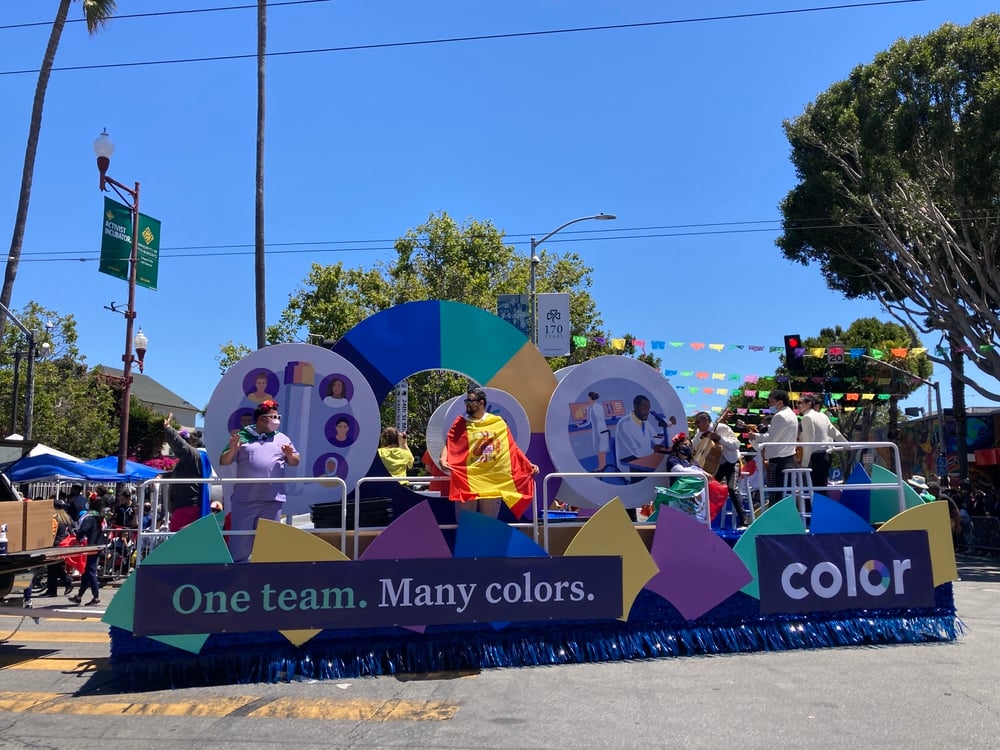
The Mission District has been San Francisco’s Latino cultural heart for decades, but its quirky history stretches back to 1776 when Spanish missionaries established Mission San Francisco de Asís. The neighborhood became home to Irish and German immigrants in the late 1800s before Latin American immigrants, particularly from Mexico and Central America, made it their own in the mid-1900s.
What makes the Mission particularly unusual is how it became San Francisco’s street art capital, with murals covering entire buildings and alleyways transformed into open-air galleries. The neighborhood also stays warmer and sunnier than the rest of San Francisco because it sits protected from fog by Twin Peaks, creating a microclimate that feels almost Mediterranean.
East Village, New York

The East Village was originally part of the Lower East Side until real estate agents decided it needed a hipper name to attract tenants in the 1960s. The rebranding worked, and the neighborhood became ground zero for punk rock, with clubs like CBGB launching the Ramones, Blondie, and Talking Heads.
Before the music scene took over, the area was a dense immigrant neighborhood, then a haven for poets and artists in the 1950s Beat Generation. Tompkins Square Park became famous (or infamous) for hosting protests, riots, and a tent city for homeless residents through the 1980s and early 90s.
The neighborhood’s gritty reputation made it attractive to artists and musicians who could not afford Greenwich Village next door, proving that sometimes the best creative scenes happen in the second-choice location.
Williamsburg, Brooklyn

Williamsburg transformed from industrial wasteland to hipster capital faster than you could say ‘artisanal pickle.’ The neighborhood spent most of the 20th century as a working-class area dominated by Hasidic Jewish and Puerto Rican communities, plus a collection of factories along the East River waterfront.
When those factories closed and rents in Manhattan skyrocketed in the 1990s, artists and musicians crossed the river and colonized the cheap loft spaces. The neighborhood went from artists’ colony to ironic mustache central so quickly that ‘Williamsburg hipster’ became its own cultural stereotype.
Now the waterfront features luxury condos instead of factories, but the neighborhood still maintains an artistic identity even if the trust-fund-to-genuine-artist ratio has shifted dramatically.
Where the Quirk Lives On

These neighborhoods prove that the most memorable places often start with some combination of cheap rent, overlooked real estate, and people willing to try something different. Abandoned military bases became everything from anarchist communes to bohemian beach resorts, depending on who showed up first with the vision and audacity to claim them.
The pattern repeats across cities and decades because creative communities need affordable space to thrive, and affordability usually means nobody else wants to be there yet. What makes these neighborhoods endure is not just their quirky origins but the communities that fought to preserve their character even as the rest of the city caught on to what made them special.
More from Go2Tutors!

- The Romanov Crown Jewels and Their Tragic Fate
- 13 Historical Mysteries That Science Still Can’t Solve
- Famous Hoaxes That Fooled the World for Years
- 15 Child Stars with Tragic Adult Lives
- 16 Famous Jewelry Pieces in History
Like Go2Tutors’s content? Follow us on MSN.