Iconic Songs That Everyone Misunderstood
Every now then a tune slips free of its true message. Catchy bits up front, maybe a beat good for dancing at parties, these tend to bury what the words were really about.
As months pass and radios play it on loop, sharp edges fade. Something meant to stir or challenge slowly becomes just sound filling empty rooms.
Out in the open, a track takes on lives beyond its maker’s thoughts. How people hear it often ties to moments they’ve lived through.
A tune might stay close to home, gently held by truth. Then again, meaning can twist hard when voices pass it along.
A fresh peek at legendary tracks where the real message slipped through the cracks. Sometimes what people heard wasn’t even close to what was meant.
Hidden layers got smoothed out by time or misunderstanding. Lyrics twisted into myths while the core idea faded behind noise.
Each tune carried weight that listeners brushed past. Meaning buried under repetition and rumor.
What stayed famous was not always what mattered.
‘Born in the U.S.A.’ – Bruce Springsteen

At first listen, ‘Born in the U.S.A.’ sounds like a chest-thumping patriotic anthem. The pounding drums and triumphant chorus have made it a staple at rallies and national celebrations.
For years, many listeners assumed it was a straightforward tribute to American pride.
In reality, Bruce Springsteen wrote the song as a critique of how Vietnam veterans were treated upon returning home. The verses describe economic hardship, disillusionment, and neglect.
The chorus is not celebratory; it is weary and defiant.
The misunderstanding persists because the production feels uplifting. The energy of the music clashes with the somber narrative, proving how easily tone can override lyrical detail.
‘Every Breath You Take’ – The Police
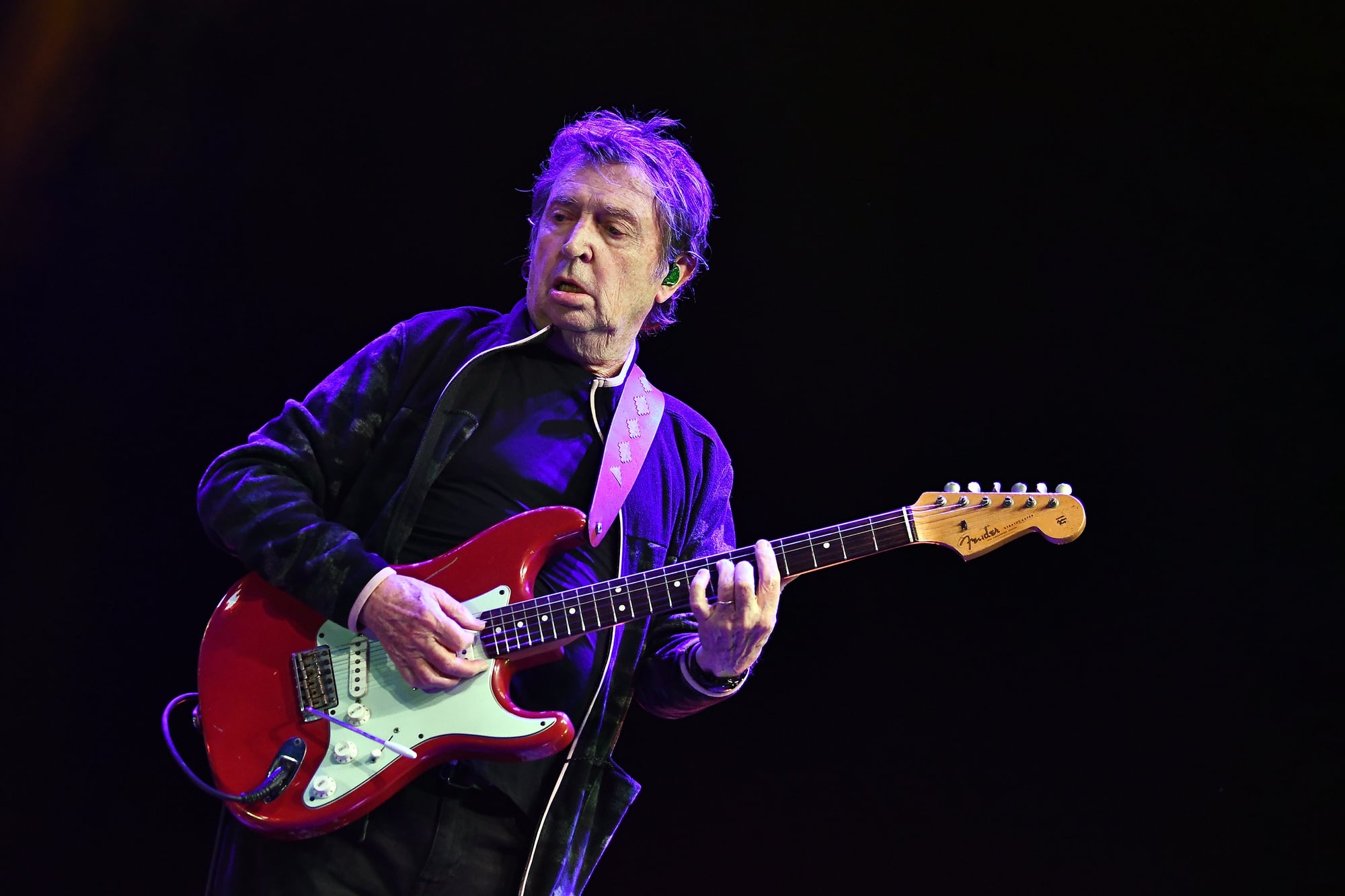
‘Every Breath You Take’ is frequently chosen for weddings and romantic playlists. Its melody feels gentle, almost soothing.
The repeated promise to watch someone closely can sound devoted when heard casually.
The lyrics, however, describe obsession rather than affection. Sting wrote the song during a turbulent period in his personal life, and the perspective is that of a possessive observer.
Lines about watching every move carry a darker undertone than many realize.
Still, the soft instrumentation and steady rhythm blur the edge. Listeners often focus on the chorus without unpacking what the words imply.
‘Pumped Up Kicks’ – Foster the People

‘Pumped Up Kicks’ became an indie-pop hit thanks to its breezy bass line and sing-along chorus. The upbeat tempo made it a radio staple.
On the surface, it sounds like a carefree track meant for warm-weather playlists.
The lyrics tell a far more unsettling story. The song references violent thoughts and alienation, inspired by broader conversations about youth and isolation.
The contrast between sound and subject matter created a striking disconnect.
Even so, many listeners admitted they had not fully processed the words until years later. The melody carried them through without prompting closer inspection.
‘Semi-Charmed Life’ – Third Eye Blind

‘Semi-Charmed Life’ dominated late-1990s radio with its energetic hook and rapid-fire verses. Its bouncy rhythm made it feel almost playful.
For many, it became synonymous with summer road trips and carefree days.
Beneath that lively exterior lies a narrative about addiction and self-destruction. The lyrics describe the grip of substance dependency in blunt detail.
The sugar-coated production masks a far grimmer storyline.
The song’s enduring popularity shows how presentation shapes perception. A bright melody can soften even the harshest themes.
‘Hey Ya!’ – Outkast

Outkast’s ‘Hey Ya!’ feels like a party anthem. Its infectious beat and shouted hooks fill dance floors effortlessly.
The line ‘shake it like a Polaroid picture’ became a cultural catchphrase almost instantly.
Yet the verses tell a story about fragile relationships and emotional disconnect. André 3000 questions whether love lasts and whether people stay together out of comfort rather than conviction.
The energy of the track disguises the vulnerability underneath.
The tension between rhythm and reflection is part of what makes the song memorable. It invites celebration while quietly asking difficult questions.
‘Losing My Religion’ – R.E.M.

The phrase ‘losing my religion’ led many listeners to assume the song was about faith or spiritual doubt. Its haunting melody reinforced the impression of something solemn and sacred.
In Southern vernacular, however, the phrase means losing one’s composure or patience. Michael Stipe wrote the song about unrequited love and emotional exposure, not theology.
The mandolin-driven arrangement heightened the sense of drama.
Still, the title alone steered public interpretation for years. It demonstrates how a single phrase can redirect an entire narrative.
‘Closing Time’ – Semisonic

‘Closing Time’ is often associated with last calls at bars. Its chorus has become shorthand for the end of a night out.
Many assumed it was written specifically about that familiar scene.
In truth, songwriter Dan Wilson explained that the song was inspired by the birth of his child. The lyrics reflect transition and new beginnings rather than the literal closing of a venue.
The bar imagery functions as metaphor.
That broader meaning rarely surfaces in casual listening. The hook feels so perfectly tailored to nightlife that few dig deeper.
‘Fortunate Son’ – Creedence Clearwater Revival
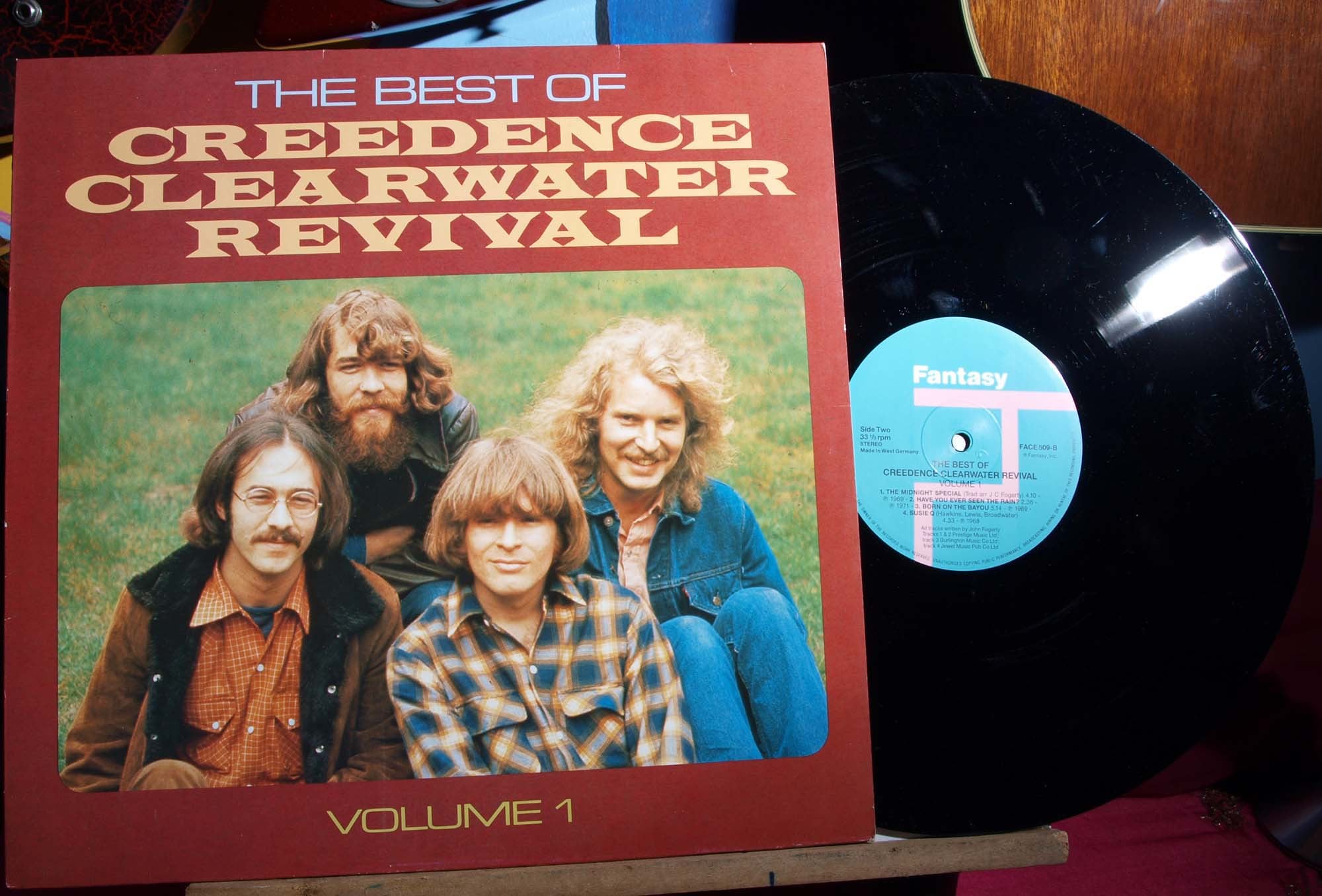
‘Fortunate Son’ has been used in patriotic montages and military-themed films for decades. Its driving guitar and gritty vocals give it an all-American sound.
To some ears, it feels like a celebration of rugged identity.
John Fogerty wrote the song as a protest against class inequality during the Vietnam era. It criticizes how wealthy individuals could avoid conscription while others were sent to fight.
The tone is confrontational, not celebratory.
Even so, repetition in action-heavy media transformed it into something closer to a war soundtrack. Context shifted the message.
‘Ironic’ – Alanis Morissette

‘Ironic’ sparked debates almost immediately after its release. The song lists scenarios meant to illustrate irony, yet many critics argued that several examples were simply unfortunate rather than truly ironic.
The misunderstanding became part of the song’s legacy. Rather than fading, the debate amplified its popularity.
Listeners dissected lyrics and argued over definitions.
Still, the broader point may have been emotional rather than academic. The song captures life’s frustrating twists, even if the terminology sparked contention.
Why Misunderstandings Endure

Out in the world, songs start breathing on their own. Each person hears them through memories they already carry.
Culture slips in, shaping how words land. What was joked about might be felt deeply by another.
How things are made plays a role too. Bright sounds might ease dark words, yet a serious name could trick you right away.
With enough repeats, people start remembering only the watered-down form. That version sticks.
Sometimes gaps between what was meant and what’s understood aren’t mistakes. Happenings like these show how creativity shifts when shared beyond studios.
When a tune reaches legendary status, its sense slips free – no longer just shaped by the maker, instead molded by each listener too.
More from Go2Tutors!

- The Romanov Crown Jewels and Their Tragic Fate
- 13 Historical Mysteries That Science Still Can’t Solve
- Famous Hoaxes That Fooled the World for Years
- 15 Child Stars with Tragic Adult Lives
- 16 Famous Jewelry Pieces in History
Like Go2Tutors’s content? Follow us on MSN.