17 Childhood Playground Games Decoded
Remember when recess meant more than staring at screens? When the playground buzzed with kids running, jumping, and creating their own entertainment with nothing but imagination and maybe a piece of chalk? Those classic games weren’t just fun—they were masterclasses in creativity, strategy, and social skills wrapped up in pure childhood joy.
Most of these games have been passed down through generations, surviving decades without instruction manuals or corporate sponsors. Here is a list of 17 playground games that shaped childhoods and built friendships, decoded for anyone curious about the rules that once ruled the schoolyard.
Tag

The granddaddy of all chase games, tag transforms any space into an arena where speed meets strategy. One player starts as ‘it’ and must touch another player to transfer the role—simple enough that toddlers grasp it, complex enough that adults still enjoy variations. The beauty lies in its endless adaptability: freeze tag locks tagged players in place until rescued, shadow tag requires stepping on shadows, and flashlight tag brings the thrill outdoors after dark.
Red Rover

This game turns playground diplomacy into physical theater, with two teams forming human chains by linking hands and calling opponents to ‘come over.’ The called player charges at full speed, trying to break through the chain—if successful, they capture a link and return to their team. The game combines the rules of the traditional pastime, such as calling and tagging players individually by a catcher placed in the center of the playground, with those of the team game, which comes into being when the increasing number of players caught in the middle forms a chain by grasping each other’s hand. Many schools have banned it due to injury concerns, but it remains a testament to childhood fearlessness.
Hopscotch

Armed with nothing but chalk and a small stone, kids have been hopping through numbered squares for centuries. The traditional court features ten squares in a specific pattern—some single, some side-by-side—where players toss their marker and hop through the course on one foot, skipping the marked square. You may use both feet when the numbers are side-by-side. At ten, turn around and hop back, scooping up the beanbag as you pass. The game tests balance, aim, and the ability to follow increasingly complex patterns.
Four Square
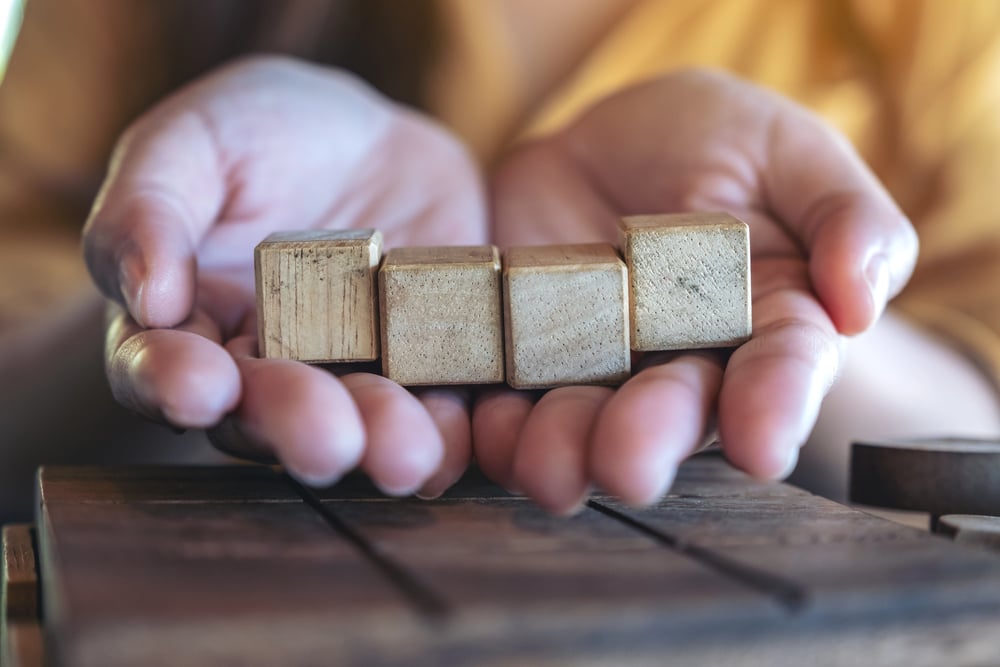
Think of it as the democratic cousin of tennis, where four players occupy squares labeled A through D, with the player in square A serving as the temporary king of the court. Foursquare likely had ancient origins, but the version children play today came to popularity after the 1940s. It was originally called “boxball” because of the quadrants used, and it was especially popular in urban areas where there wasn’t enough room to play other traditional games. Players bounce a rubber playground toy between squares, and missing or hitting out of bounds means you’re demoted to the lowest square while everyone else rotates up.
Marbles

This ancient game predates most civilizations, with versions found in pharaohs’ tombs and Aztec ruins. Marbles are ancient and have been found in pharaohs’ tombs and in Aztec ruins. There is no one way to play marbles—every schoolyard has its own rules. The classic playground version involves drawing a circle on the ground, placing small marbles in the center, and using a larger ‘shooter’ marble to knock them out. Players keep the marbles they successfully knock outside the circle, turning geometry and physics into a competitive sport.
Jump Rope
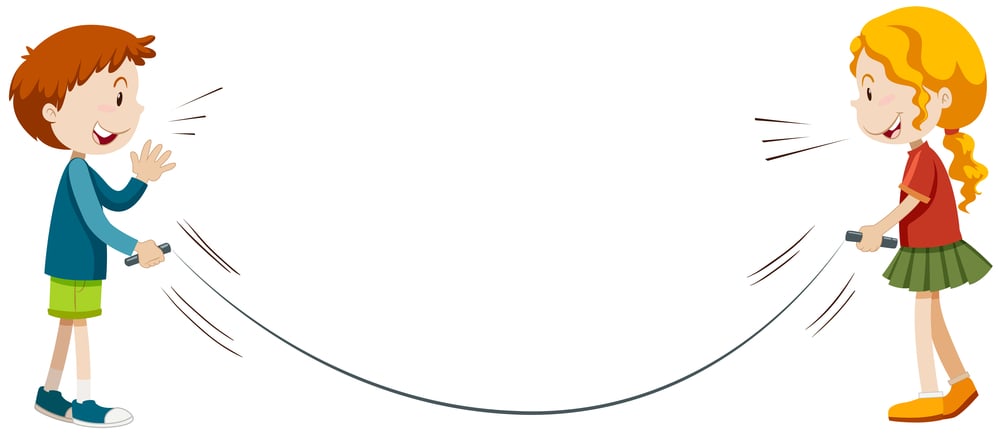
Two players swing a long rope while others jump, creating a rhythmic dance that can accommodate elaborate footwork and group choreography. Double Dutch elevates the challenge with two ropes turning in opposite directions, demanding split-second timing and athletic coordination. The rope has launched countless playground careers and provided the soundtrack for generations of schoolyard rhymes.
Duck Duck Goose

This circular game transforms sitting into suspense, as one player walks around tapping seated classmates’ heads while chanting ‘duck, duck, goose.’ The chosen ‘goose’ must chase the tapper around the circle, trying to tag them before they reach the vacant spot. It’s deceptively simple but teaches kids about anticipation, quick decision-making, and the thrill of sudden action after peaceful waiting.
Hide and Seek
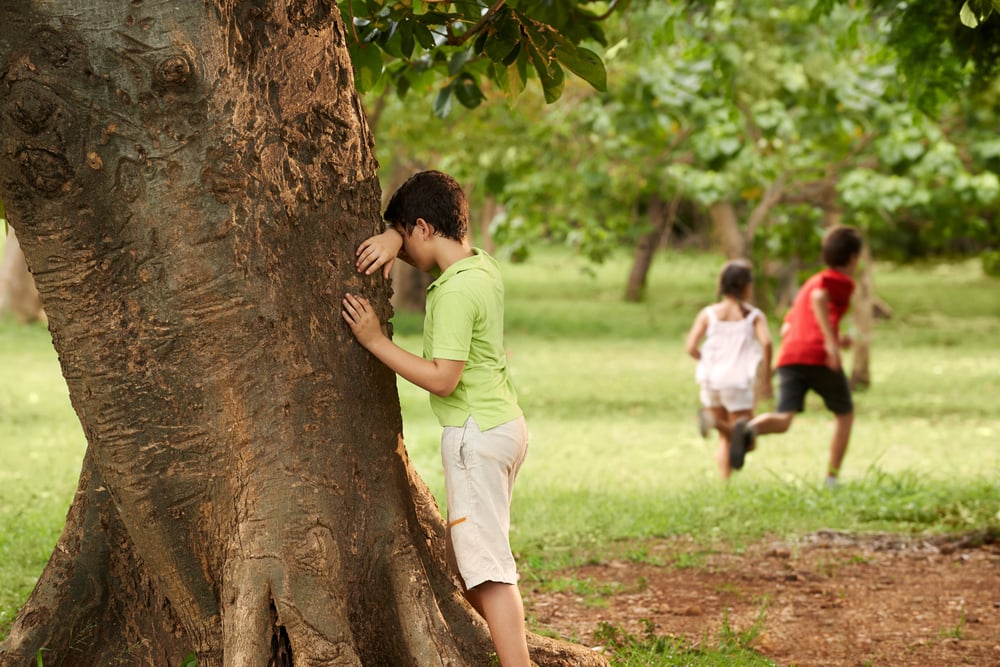
Perhaps the most universal childhood game, hide and seek turns any environment into a treasure hunt where the treasure is yourself. This classic children’s game is believed to have its origins in 2nd century Greece. One player counts while others find hiding spots, then becomes the seeker hunting for the hidden players. The game develops spatial awareness, patience, and the art of staying perfectly still when footsteps approach your hiding spot.
Capture the Flag
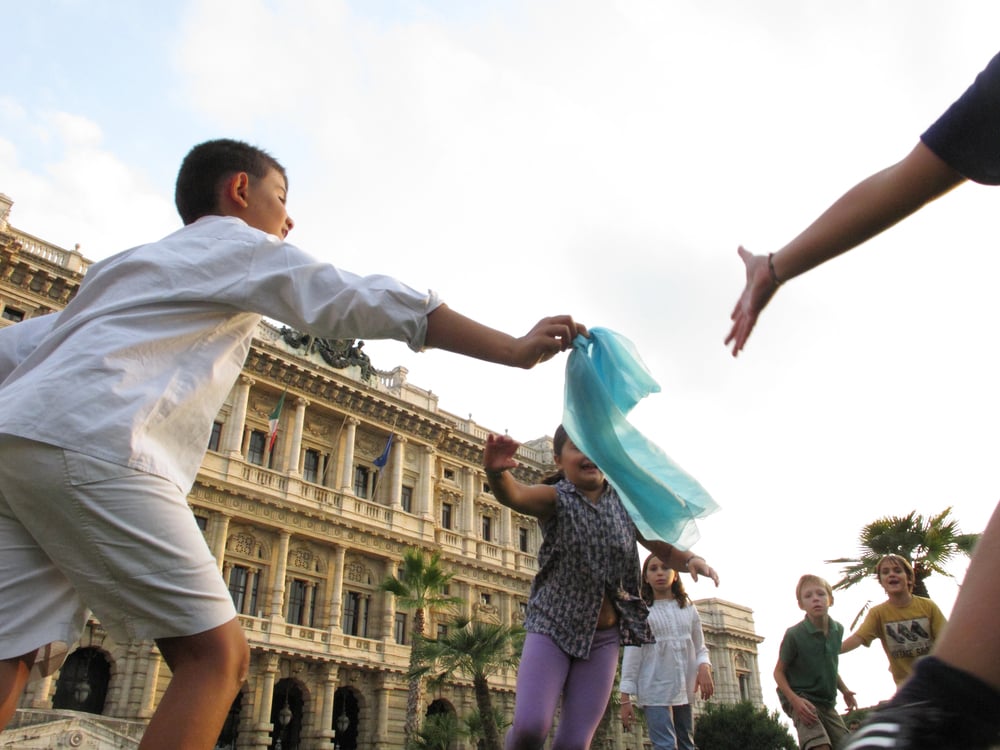
This game transforms playgrounds into battlefields where strategy matters as much as speed, with two teams protecting their flag while attempting to steal their opponent’s. Though no one has traced the precise beginning of capture the flag, it is most likely a child’s re-creation of a battlefield. In many military cultures, the battle is not won until you are in possession of your opponent’s actual flag. Players tagged in enemy territory go to ‘jail’ until rescued by teammates, creating layers of offense, defense, and tactical planning that would impress military strategists.
Simon Says

A masterclass in listening skills disguised as a game, Simon Says puts one player in command while others must follow instructions—but only when prefaced with the magic words. It teaches kids to pay attention to details, resist impulse, and think before acting. The game becomes hilarious when players automatically touch their nose after being told to, forgetting that Simon didn’t actually say so.
Jacks

This ancient game predates most playground equipment, with origins tracing back to sheep bones used in ancient Greece. People were playing jacks in ancient Greece—just trading in the jacks for tiny sheep bones or rocks. The Greek philosophers first played jacks during the time of the Trojan. This was around 1190BC. Players bounce a small rubber toy and grab an increasing number of metal jacks before catching the toy, progressing through sequences that demand hand-eye coordination and finger dexterity that would challenge professional musicians.
Kickball

Imagine baseball designed by kids who wanted everyone to participate, regardless of athletic ability—that’s kickball. Players kick a large rubber toy instead of hitting a pitched baseball, making contact easier while maintaining the strategic elements of base running and fielding. Children first played kickball in Cincinnati in the US. The oversized toy levels the playing field, letting smaller kids compete with athletic superstars while teaching teamwork and sportsmanship.
Spud
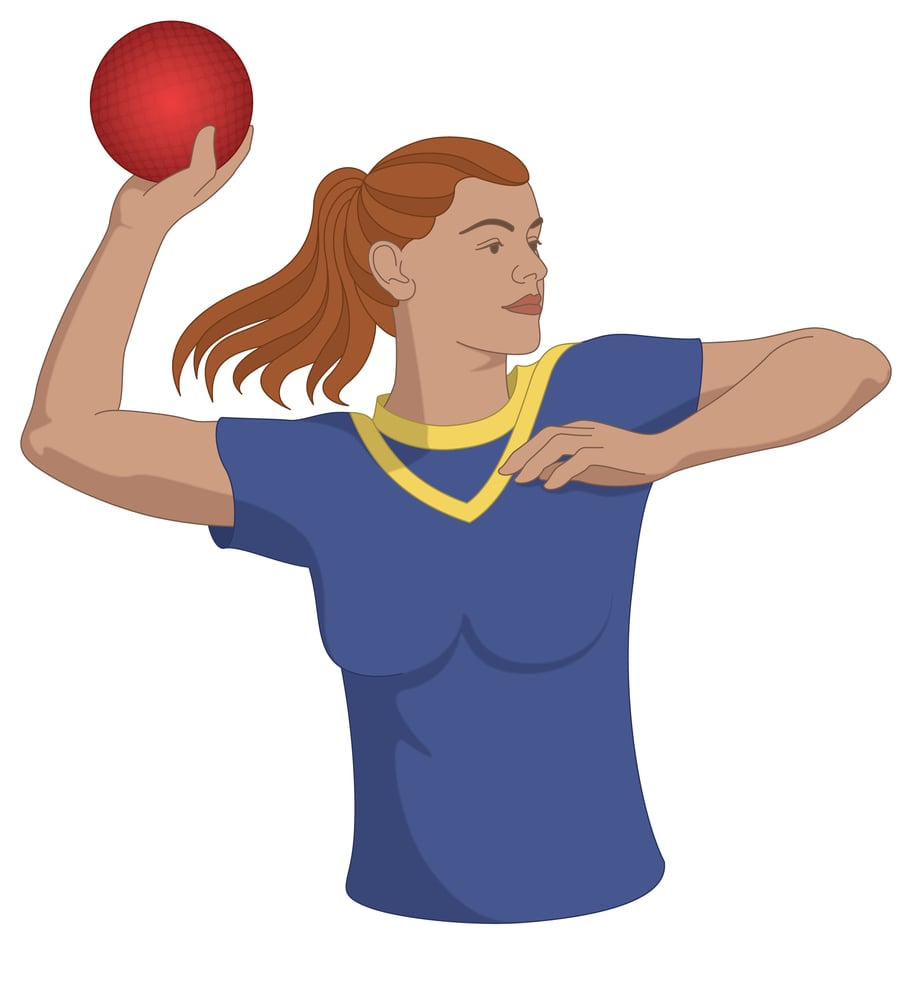
This game combines the suspense of musical chairs with the skill of dodgeball, starting with players assigned numbers while standing around the ‘it’ player. When ‘it’ throws a dodgeball skyward and calls a number, that player must catch it while everyone else scatters. The person who has been preassigned that number is supposed to catch it. Everyone scatters while this is being done and when the person whose number was called catches then they are supposed to throw it and try to hit the other players with the dodgeball. Missing your target or getting hit earns you a letter in ‘S-P-U-D,’ and spelling the complete word means elimination.
Mother May I

This game turns permission-seeking into entertainment, with one player as ‘Mother’ granting or denying requests for specific movements toward a finish line. Players must ask ‘Mother, may I take three giant steps?’ before moving, and forgetting the polite request sends them back to start. It teaches patience, manners, and the art of strategic questioning while creating anticipation with every approved step forward.
King of the Hill
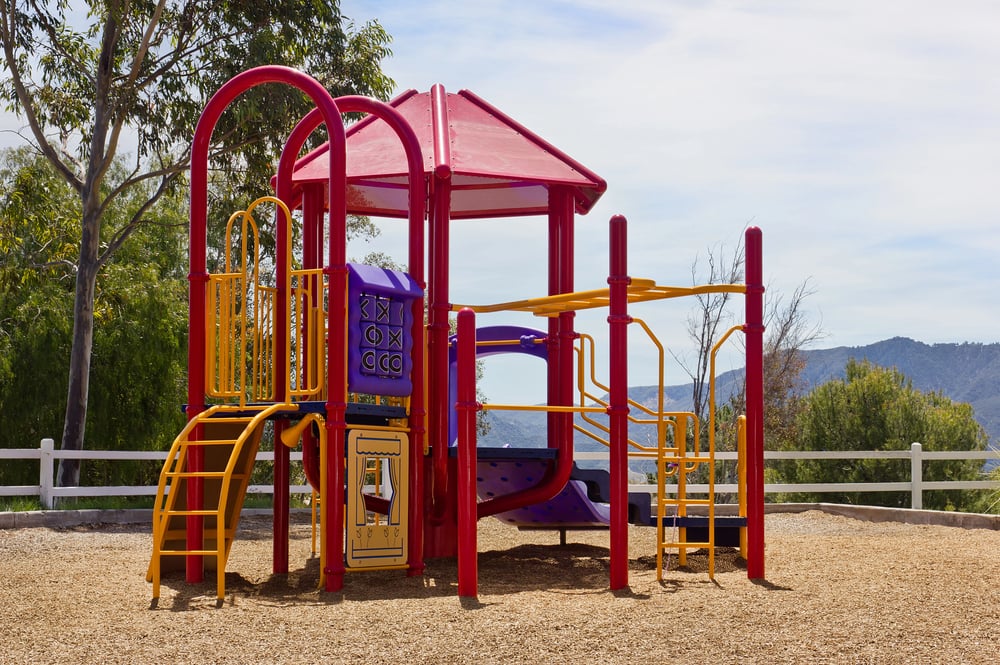
The simplest concept in playground politics: one person claims the high ground (usually a small hill or playground structure) while others attempt to dethrone them through gentle pushing and wrestling. The reigning ‘king’ must defend their position until physically displaced, creating a constantly changing monarchy based on determination and balance. It’s democracy in action, teaching kids that leadership positions require constant effort to maintain.
Monkey in the Middle

Two players toss a toy back and forth while a third player in the middle attempts to intercept it, creating a fast-paced game of keep-away that tests reflexes and anticipation. Monkey in the middle was first played in the mid-1980 in England and Australia. It is also known as keep away in some countries. In the US, it is referred to as piggy in the middle. The middle player must read body language, predict throws, and position themselves strategically, while the outside players develop passing skills and teamwork to maintain possession.
Musical Chairs
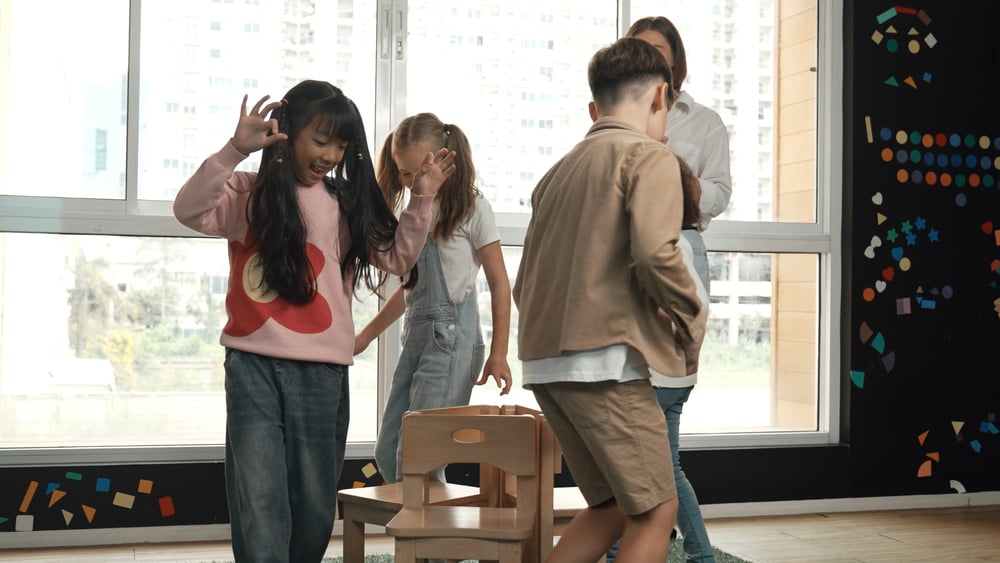
This elimination game combines music, movement, and mathematics, setting up one fewer chair than participants while music plays. When the music stops, everyone scrambles for seats, and the unlucky player without a chair is eliminated along with another chair. The game continues until one victorious player claims the final chair, teaching kids about competition, quick thinking, and graceful losing in a format that’s equal parts dance party and survival challenge.
The Playground Legacy Lives On
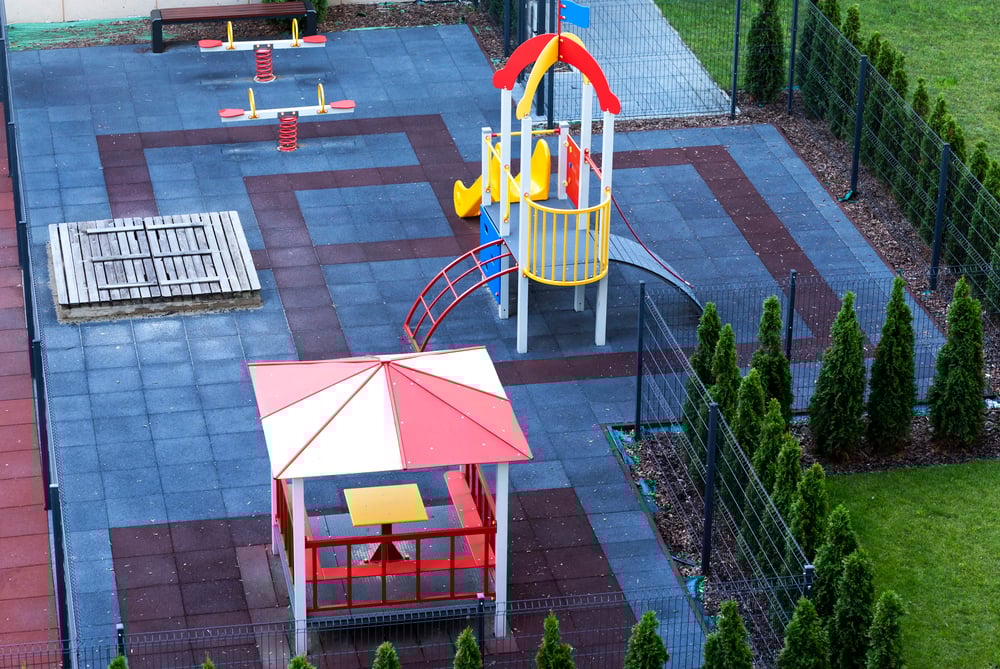
These games represent more than entertainment—they’re cultural artifacts that taught entire generations how to negotiate, compete, and cooperate without adult supervision. While modern playgrounds may look different and safety rules have evolved, the fundamental human need for play remains unchanged. Today’s kids might discover these classics through parents and teachers, proving that the best games never truly disappear—they just wait patiently for the next generation to rediscover their magic.
More from Go2Tutors!

- 16 Historical Figures Who Were Nothing Like You Think
- 12 Things Sold in the 80s That Are Now Illegal
- 15 VHS Tapes That Could Be Worth Thousands
- 17 Historical “What Ifs” That Would Have Changed Everything
- 18 TV Shows That Vanished Without a Finale
Like Go2Tutors’s content? Follow us on MSN.