One Hit Wonders We Still Love Today
Some artists spend their entire careers chasing fame and never quite catch it. Others stumble into the spotlight with one perfect song and then disappear forever.
These one-hit wonders gave us tracks that defined moments in our lives, even though we might not remember anything else they ever did.
Here are the songs that became instant classics, even if their creators never topped the charts again.
A-ha With Take On Me

Take On Me became one of the most recognizable songs of the 1980s thanks to its catchy synth melody and that unforgettable high note. The Norwegian band A-ha created a music video that blended live action with pencil sketch animation, making it one of the most played clips on MTV.
The song hit number one in the United States in 1985 and has been featured in countless movies, TV shows, and commercials ever since. While A-ha had other hits in Europe, American audiences pretty much forgot about them after this track, but honestly, what a song to be remembered for.
Chumbawamba With Tubthumping
Tubthumping crashed into radio stations in 1997 with its chorus about getting knocked down and getting up again. Chumbawamba had been making music for 15 years before this song, mostly punk and anarchist tracks that nobody outside the UK had heard.
The drinking anthem became impossible to escape, playing at sports events, parties, and anywhere people needed a boost of energy. The band actually hated being known for just one song and eventually broke up in 2012, but that chorus still gets people singing along at bars around the world.
Soft Cell With Tainted Love

Soft Cell turned a forgotten soul song from 1964 into a synth-pop masterpiece that dominated 1981. Marc Almond’s dramatic vocals combined with pulsing electronic beats created something completely different from the original Gloria Jones version.
The song spent 43 weeks on the Billboard Hot 100, which set a record at the time for the longest chart run. Soft Cell tried to follow up with other singles, but nothing came close to matching the success of this track that still fills dance floors today.
Dexys Midnight Runners With Come On Eileen
Come On Eileen brought overalls, fiddles, and pure joy to the music scene in 1982. The British band mixed Celtic folk sounds with new wave energy to create something nobody had heard before.
Kevin Rowland’s passionate vocals told a story about young love that felt real and urgent. The song topped charts in the US, UK, and Australia, but the band’s follow-up singles barely made a dent, leaving them forever associated with Eileen and those distinctive overalls.
Right Said Fred With I’m Too Sexy

I’m Too Sexy strutted onto the scene in 1991 with its ridiculous lyrics and infectious beat that made fun of fashion industry vanity. The bald British brothers Richard and Fred Fairbrass created a song that was both a joke and completely serious at the same time.
It reached number one in six countries and became a staple at fashion shows despite being a parody of them. The song has had a weird second life getting sampled by other artists and appearing in movies, keeping it relevant decades later.
The Knack With My Sharona

My Sharona exploded in 1979 with one of the most recognizable guitar riffs in rock history. The song was written about a real person named Sharona Alperin, who the lead singer Doug Fieger met at a concert.
It spent six weeks at number one and sold over a million copies in just a few months. The Knack got labeled as the next Beatles, which was way too much pressure, and they never came close to repeating this success, but that driving beat still gets people moving.
Ini Kamoze With Here Comes The Hotstepper
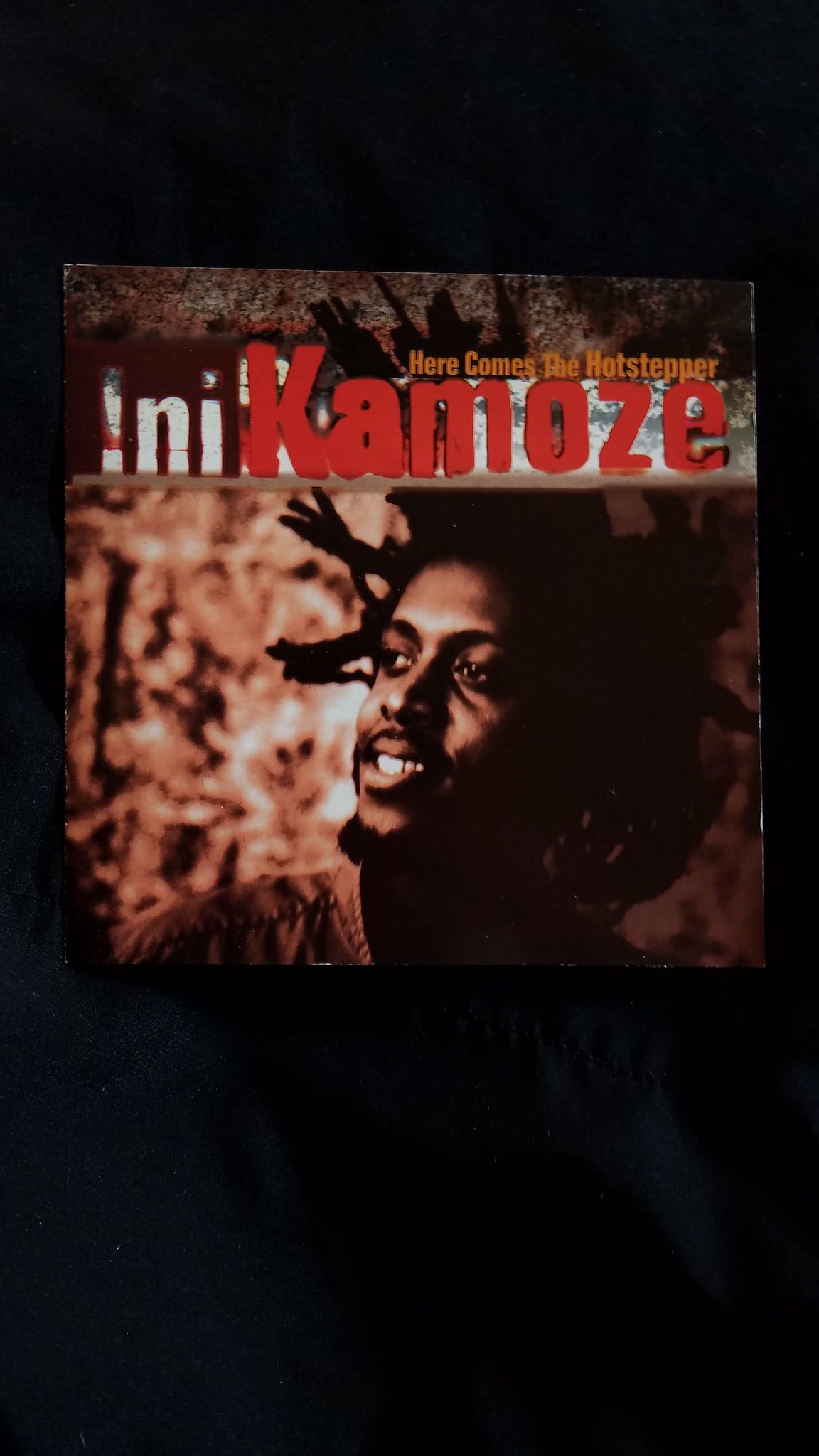
Here Comes the Hotstepper brought reggae fusion to mainstream radio in 1994 with its infectious ‘na na na na’ hook. Ini Kamoze had been making music in Jamaica for years before this track from the movie Prêt-à-Porter introduced him to American audiences.
The song mixed dancehall rhythms with hip-hop production in a way that felt fresh and got everyone moving. It hit number one on the Billboard Hot 100, but Kamoze’s other attempts to crack the American market failed, leaving him as a one-song success story in the States.
Eiffel 65 With Blue (Da Ba Dee)

Blue (Da Ba Dee) arrived in 1999 with its weird robotic vocals and even weirder lyrics about everything being blue. The Italian group Eiffel 65 created an earworm that people loved and hated in equal measure.
Kids sang it on playgrounds while adults complained about it being annoying, but nobody could deny it was catchy. The song topped charts across Europe and reached number six in the US, becoming one of the first major electronic dance hits to cross over to mainstream American radio before disappearing completely.
Blind Melon With No Rain

No Rain captured the spirit of alternative rock in 1992 with its feel-good melody about wanting sunshine and happiness. The music video featured a girl in a bee costume looking for somewhere she belonged, which became one of the most memorable images of the decade.
Shannon Hoon’s vocals gave the song a warmth that stood out from the grunge and angst dominating rock radio at the time. Blind Melon had other good songs, but none broke through like this one, and after Hoon died in 1995, the band’s story ended tragically young.
Dexy’s Midnight Runners With Come On Eileen
The distinctive sound of Come On Eileen comes from mixing traditional instruments with pop sensibilities in a way that felt totally fresh. Dexys Midnight Runners poured everything into making this perfect three-minute burst of energy.
The band actually had hits in the UK before this, but American audiences only knew them for Eileen. That fiddle intro alone is enough to make anyone recognize the song within seconds, which is the mark of a truly great one-hit wonder.
Vanilla Ice With Ice Ice Baby

Ice Ice Baby became the first hip-hop single to top the Billboard charts in 1990, changing the music landscape forever. Vanilla Ice borrowed the bass line from Queen and David Bowie’s Under Pressure and turned it into a rap anthem.
The song made Vanilla Ice a household name almost overnight, but his success vanished just as quickly when critics and other rappers tore into him. Despite all the controversy and mockery, that opening bass line still gets parties started more than 30 years later.
Toni Basil With Mickey
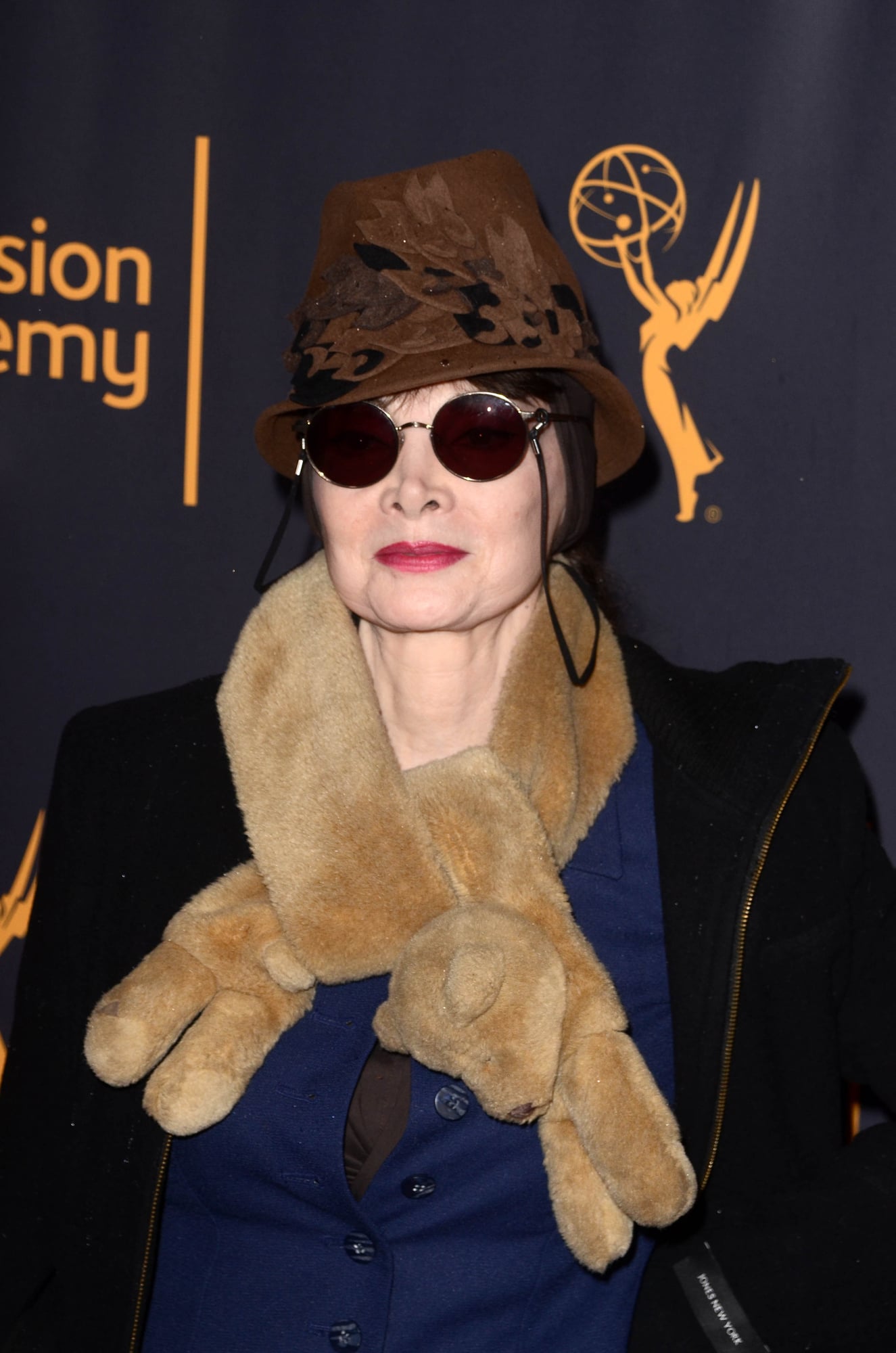
Mickey brought cheerleader chants and new wave together in 1981 to create pure pop perfection. Toni Basil was actually a successful choreographer and dancer who had worked on major films before recording this track.
The song was originally called Kitty and was about a girl, but Basil changed the lyrics and made it an anthem that every middle school kid learned. The cheerleader aesthetic in the music video became instantly iconic, even though Basil never had another hit and went back to her work behind the camera.
Nena With 99 Luftballons

99 Luftballons proved that a song could become a massive hit in America without anyone understanding the words. The German band Nena released this anti-war protest song in 1983, and it climbed to number two on the US charts despite being entirely in German.
The English version 99 Red Balloons also came out but never matched the success of the original. The song tells a scary story about balloons triggering a nuclear war, but the upbeat melody made people dance anyway, creating this strange disconnect that somehow worked perfectly.
Carl Douglas With Kung Fu Fighting

Kung Fu Fighting was literally recorded as a B-side in just a few minutes, but it became one of the biggest songs of 1974. Carl Douglas had been struggling in the music industry for years when he quickly laid down this track between other recording sessions.
The song captured the martial arts craze sweeping through Western culture and gave people a funky disco beat to go with it. It sold over nine million copies worldwide and hit number one in multiple countries, but Douglas never came close to matching that success despite trying for years.
Rick Dees With Disco Duck

Disco Duck might be one of the silliest songs to ever top the charts, and that’s exactly why people loved it in 1976. Rick Dees was a radio DJ who recorded this novelty song about a duck doing disco and somehow it became a phenomenon.
The quacking sounds mixed with disco beats created something so ridiculous that it wrapped back around to being fun. Dees tried to make more novelty hits but nothing stuck, though he did have a successful career in radio that lasted decades, so at least the duck paid off in the long run.
The Buggles Play Video Killed The Radio Star

One day in 1981, a small screen flashed with color – MTV went live, playing Video Killed the Radio Star. Long before that moment, back in 1979, the tune already whispered about machines reshaping sound.
Synths pulsed through the air like electric rain, carried by voices caught between nostalgia and tomorrow. It clung to listeners, humming under skin without permission.
Though The Buggles vanished from charts soon after, one broadcast locked them into memory. History doesn’t always reward hits – it remembers timing.
Norman Greenbaum Performs Spirit In The Sky
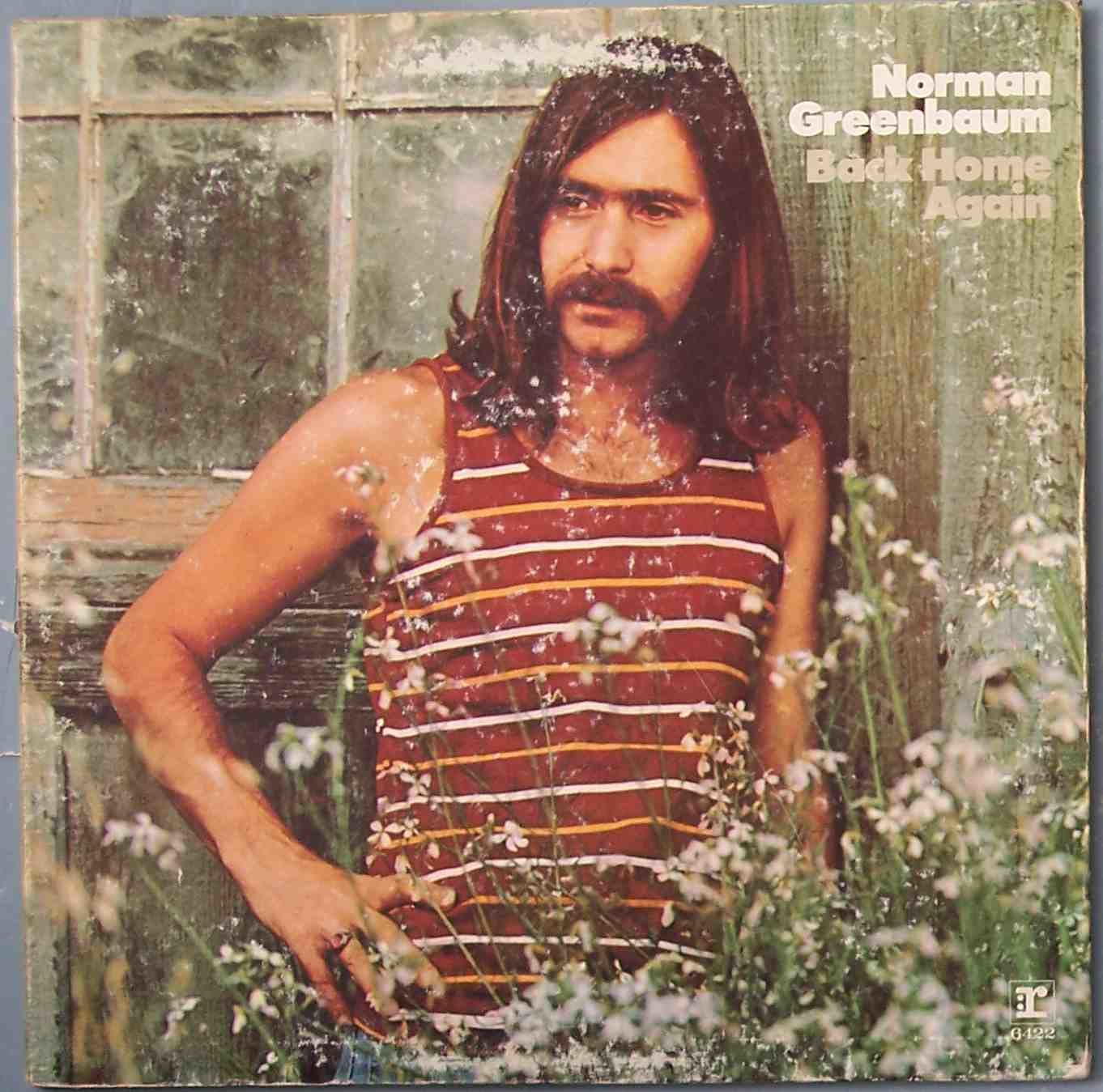
A tune called Spirit in the Sky landed Norman Greenbaum a surprise gospel-flavored smash back in 1969. Though he practiced Judaism, his lyrics praised Jesus – odd twist that puzzled many listeners at the time.
Fuzzy electric guitar hums through the track, driving a chant-like refrain so basic it sticks without trying. Over years, filmmakers and advertisers reached for it again and again, stitching it into scenes both serious and silly.
Dozens of artists later tried their hand at singing it their own way. Despite all that noise around the song, Greenbaum stepped quietly away, never matching its success afterward.
Simple Songs That Never Get Old

A flash of brilliance once was all it took. One tune, sharp and true, echoes louder than years of albums stacked high.
When that melody hits, time folds – suddenly you’re back at the dance, the drive, the moment it first caught your ear. Some walked away quiet, others kept shouting into the void without reply.
Yet their sound lives rent-free in our heads, popping up where least expected. Not every legacy needs volume; some thrive on being rare.
What sticks isn’t always what sells most – it’s what feels like yours.
More from Go2Tutors!

- The Romanov Crown Jewels and Their Tragic Fate
- 13 Historical Mysteries That Science Still Can’t Solve
- Famous Hoaxes That Fooled the World for Years
- 15 Child Stars with Tragic Adult Lives
- 16 Famous Jewelry Pieces in History
Like Go2Tutors’s content? Follow us on MSN.



