Islands Where Cats Outnumber the People
Some places on Earth have become so overrun with felines that humans are actually the minority. These islands didn’t start out as cat havens, but through a combination of abandonment, breeding, and human intervention, they’ve transformed into furry kingdoms where whiskers and tails dominate the landscape.
Visitors arrive expecting peaceful island retreats and instead find themselves surrounded by hundreds or even thousands of cats demanding attention. Here are the real islands where cats have basically taken over and outnumber the people who live there.
Aoshima Island, Japan
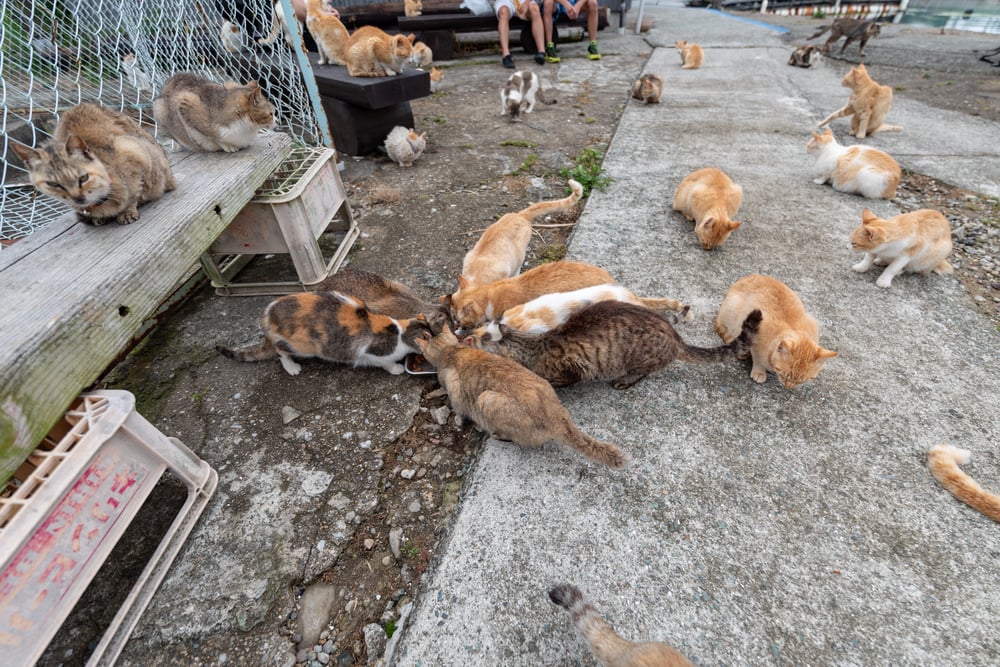
This tiny fishing island off the coast of Ehime Prefecture has roughly 15 cats for every single human resident. Only about six elderly people still live on Aoshima permanently, while over 120 cats roam freely.
The cats originally arrived to help control mice on fishing boats, but they multiplied rapidly once they reached the island. Tourists started visiting specifically to see the cat population, turning the island into an unexpected attraction.
Ferry capacity limits how many visitors can arrive each day, preventing the island from becoming completely overwhelmed.
Tashirojima, Japan
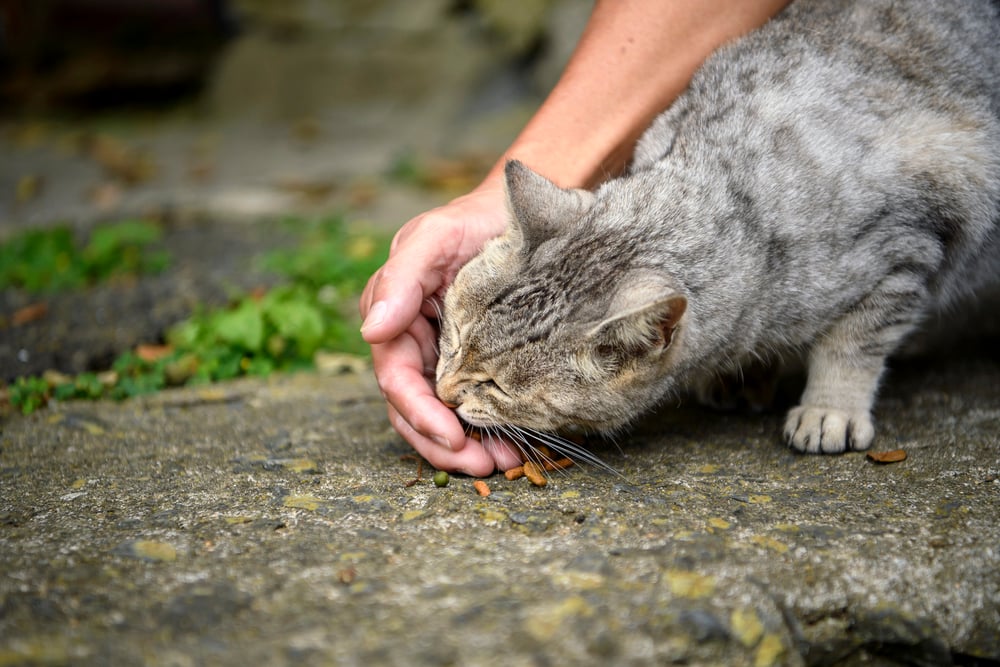
Located in Miyagi Prefecture, this island became known as Cat Island long before social media made it famous. Residents believe cats bring good luck and wealth, so they’ve pampered the feline population for generations.
The island actually has a cat shrine where locals pray for prosperity and safety. Over 100 cats live alongside fewer than 60 human residents, most of whom are over 65 years old.
The island banned dogs completely to protect the privileged cat population.
Frégate Island, Seychelles

This private luxury resort island faces a different kind of cat problem than Japan’s fishing villages. Feral cats on Frégate threatened the island’s rare bird populations, creating a conservation crisis.
At one point, cats outnumbered the small staff population significantly. Conservation efforts have worked to reduce the feral cat numbers while protecting native species.
The island shows how cats can disrupt delicate ecosystems when left unchecked.
Hydra, Greece
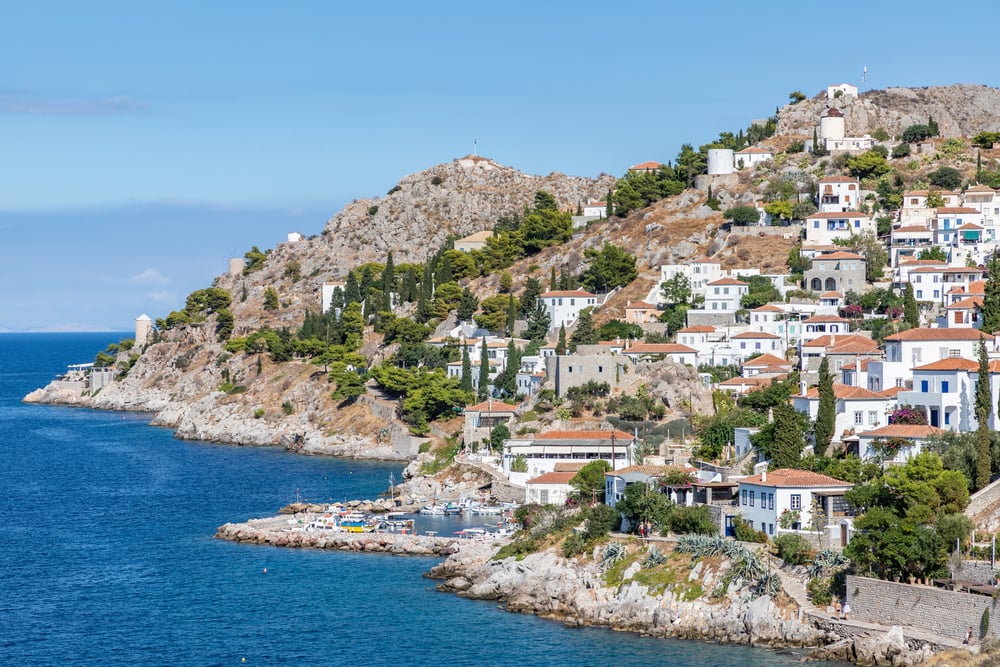
The car-free Greek island of Hydra hosts thousands of cats that wander the stone streets and waterfront. Donkeys and cats outnumber the roughly 2,000 year-round residents by a comfortable margin.
Restaurants and cafes have essentially become feeding stations where cats wait patiently for scraps. The cats have become part of the island’s charm, appearing in countless tourist photos.
Local volunteers run feeding programs and try to control the population through spaying and neutering.
Ainoshima Island, Japan

Yet another Japanese island has found itself ruled by cats, with the feline population hovering around 80 while only about 20 people call it home. The cats here are particularly bold and will approach visitors without hesitation.
Fishermen originally brought cats to control rodents, never imagining they’d eventually take over. The island remains less touristy than Aoshima, offering a more authentic experience of island cat life.
Ferry service is limited, which keeps the island relatively quiet despite its furry residents.
San Cristóbal, Galápagos
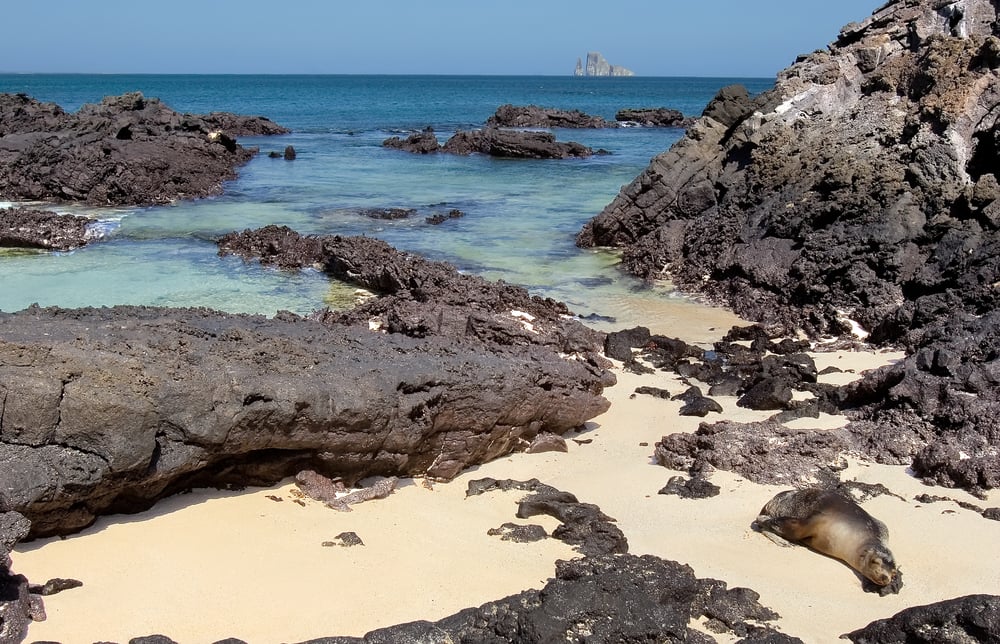
The second-largest island in the Galápagos archipelago struggles with a serious feral cat problem that threatens native wildlife. Thousands of cats hunt endemic species found nowhere else on Earth.
These predators kill marine iguanas, lava lizards, and ground-nesting birds. Conservation groups have launched campaigns to remove cats and protect the unique ecosystem.
The situation highlights how introduced species can devastate islands with vulnerable native animals.
Kerguelen Islands
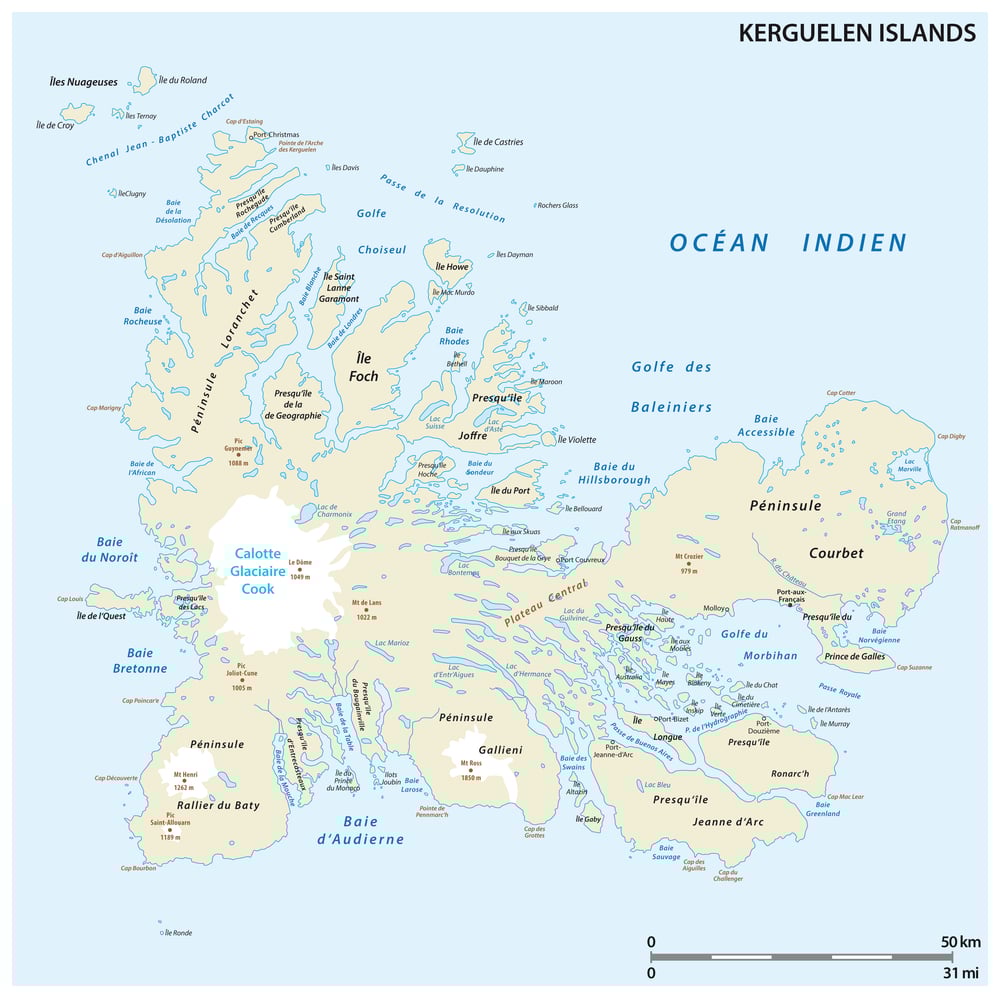
This French territory in the southern Indian Ocean has more cats than its tiny human population of scientists and researchers. People brought cats to control rabbits that were destroying vegetation, creating a cascade of ecological problems.
The harsh, cold environment hasn’t stopped cats from thriving and hunting native seabirds. Eradication programs have tried to remove cats to save endangered bird species.
The remote location makes managing the cat population incredibly difficult and expensive.
Delos, Greece
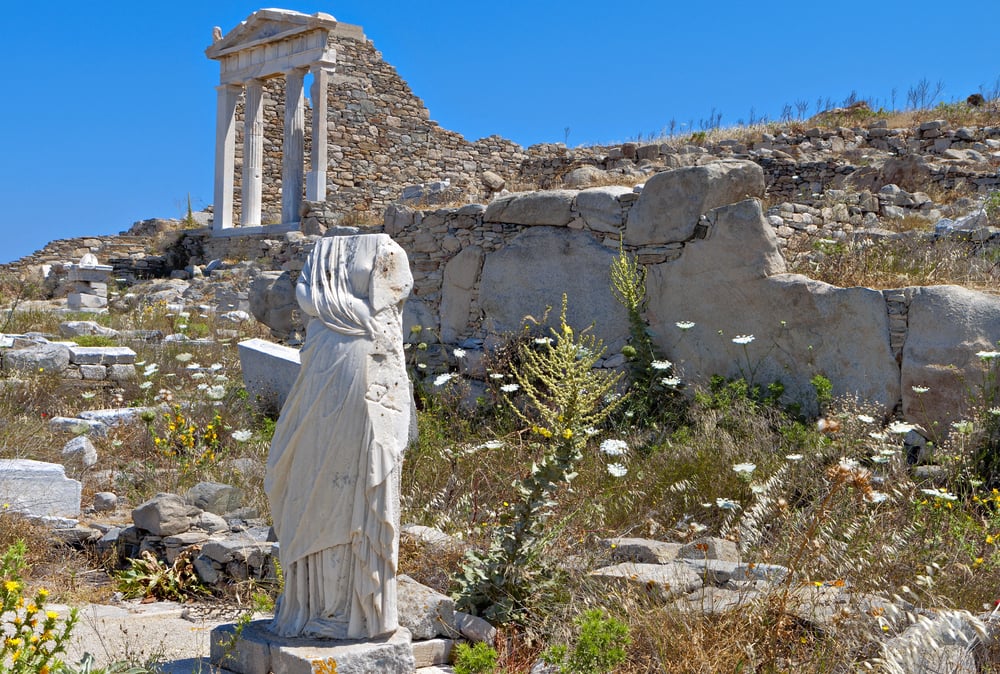
The sacred ancient Greek island of Delos hosts more cats than the handful of archaeologists and guards who work there. No one lives on the island permanently, but the cat population numbers in the hundreds.
These cats live among 2,500-year-old ruins, creating surreal scenes of modern animals lounging on ancient stones. Tour groups visit daily, and cats have learned that tourists equal food opportunities.
The cats have essentially become the island’s only permanent residents.
Lord Howe Island, Australia
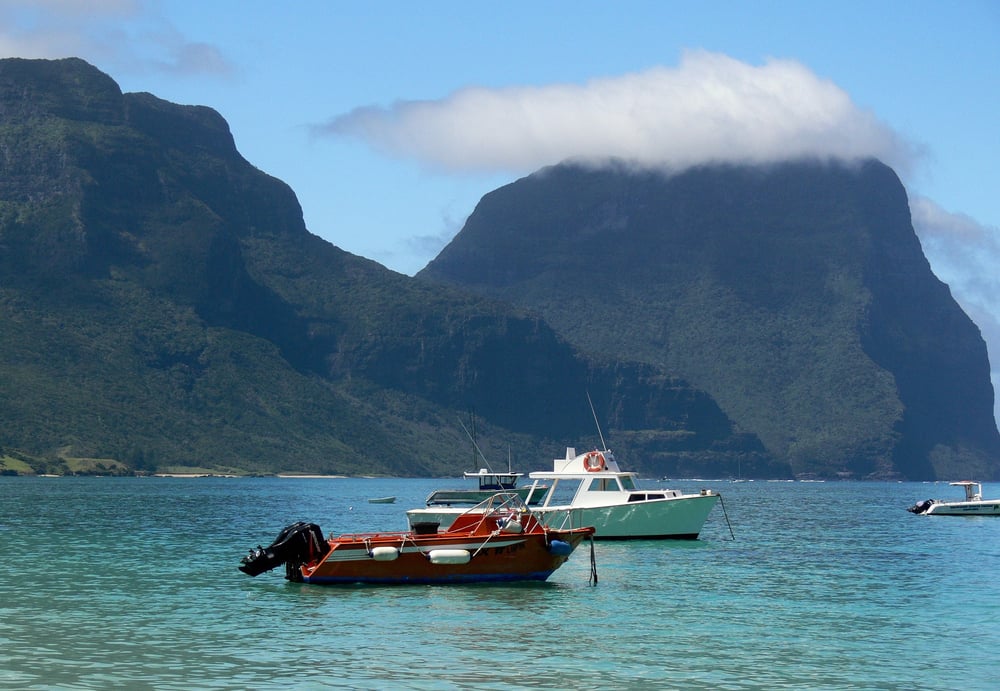
This UNESCO World Heritage site faced a critical decision about its feral cat population to save endangered bird species. Cats were killing endemic birds that existed nowhere else in the world.
The island’s 350 human residents debated whether to eradicate all cats to protect wildlife. In 2019, authorities successfully removed all feral and pet cats from the island.
The controversial program showed how seriously some communities take conservation over companion animals.
Marion Island, South Africa
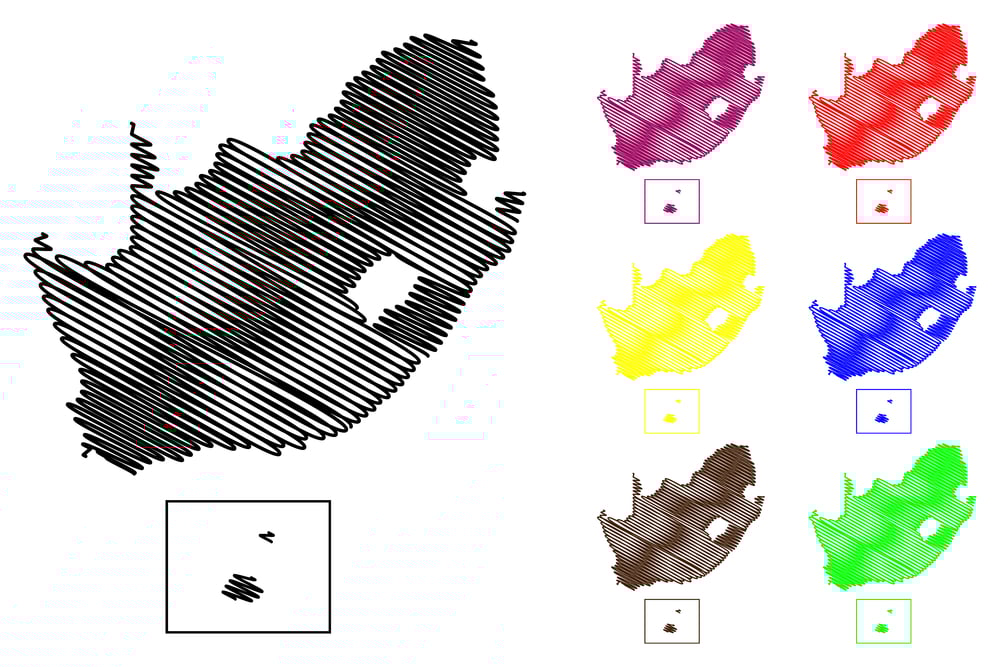
This subantarctic island became infamous for having the deadliest domestic cats on Earth. Five cats introduced in 1949 to control mice multiplied to over 2,000 by the 1970s.
These cats killed approximately 450,000 seabirds annually, including many endangered species. Scientists introduced feline distemper in the 1970s and then hunted remaining cats to save the bird populations.
The island finally became cat-free in 1991, allowing bird populations to recover.
Cyprus communities

Multiple small villages and coastal areas in Cyprus have cat populations that dwarf their human residents. The cats descend from populations brought to the island centuries ago to control snakes.
Monasteries and ancient sites often house dozens of cats cared for by just a few monks or caretakers. Tourist areas feed the cats, ensuring population numbers stay high.
The island has embraced its cat culture while also running sterilization programs.
Lazaretto Island, Italy
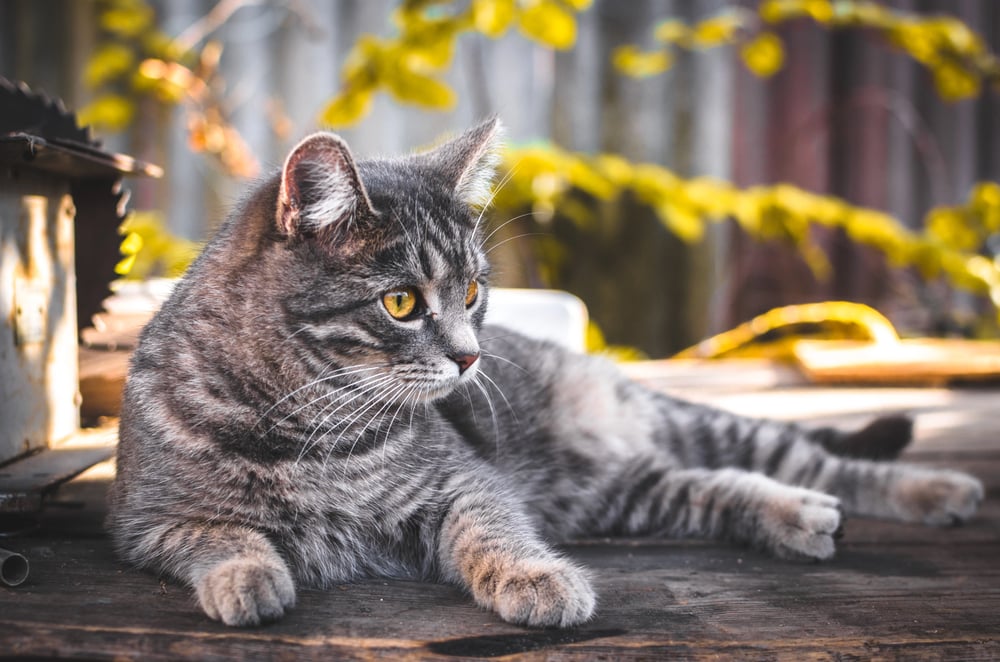
This tiny Venetian island near Lido has become an unofficial cat sanctuary where felines far outnumber visitors. The island once served as a quarantine station, and cats moved in as humans moved out.
Volunteers from Venice visit regularly to feed and care for the hundreds of cats living there. Access to the island is restricted, making it a true cat refuge.
The abandoned buildings provide perfect shelter for cat colonies.
Estación de Autobuses, La Palma

The bus station area of La Palma in the Canary Islands hosts a massive cat colony that overshadows the human population of workers and travelers. Volunteers feed over 200 cats that live in and around the transportation hub.
The cats have become a permanent fixture, with some even living inside the station itself. Tourists often encounter more cats than people when visiting the area.
Local authorities work with animal groups to manage the population humanely.
Manabeshima Island, Japan
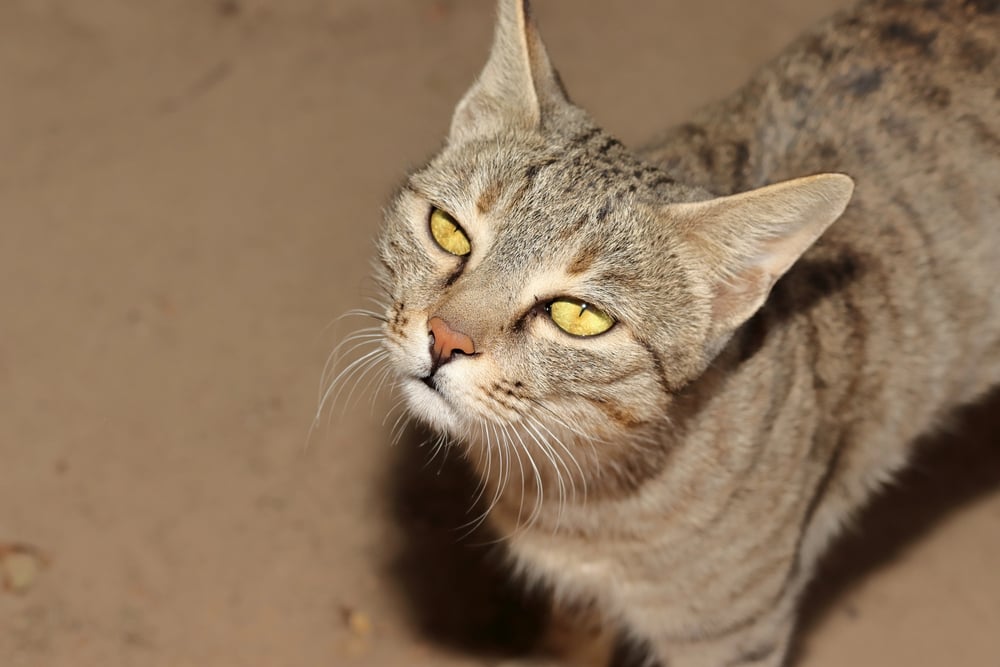
A handful of felines roam where people once walked in greater numbers. Around three hundred cats live alongside two hundred humans, mostly older folks.
Streets and shorelines belong just as much to whiskered wanderers as they do to footprints. While some isles attract crowds eager for kitten photos, this one stays off most maps.
Feline freedom thrives under a hush that settles deep into stone and tide. Ownership isn’t claimed – it simply shows.
Poveglia, Italy

Nowhere else do stray cats rule quite like here – on an old island close to Venice where visitors are rare. Once used for isolating plague victims, then later a psychiatric facility, its past scares off nearly everyone.
Buildings without roofs, halls with broken windows – they’re now home to dozens of roaming cats. People sneaking in describe endless meows echoing through cracked hallways and gardens thick with weeds.
When people vanish entirely, creatures move into every quiet corner left behind.
When whiskers rule the land
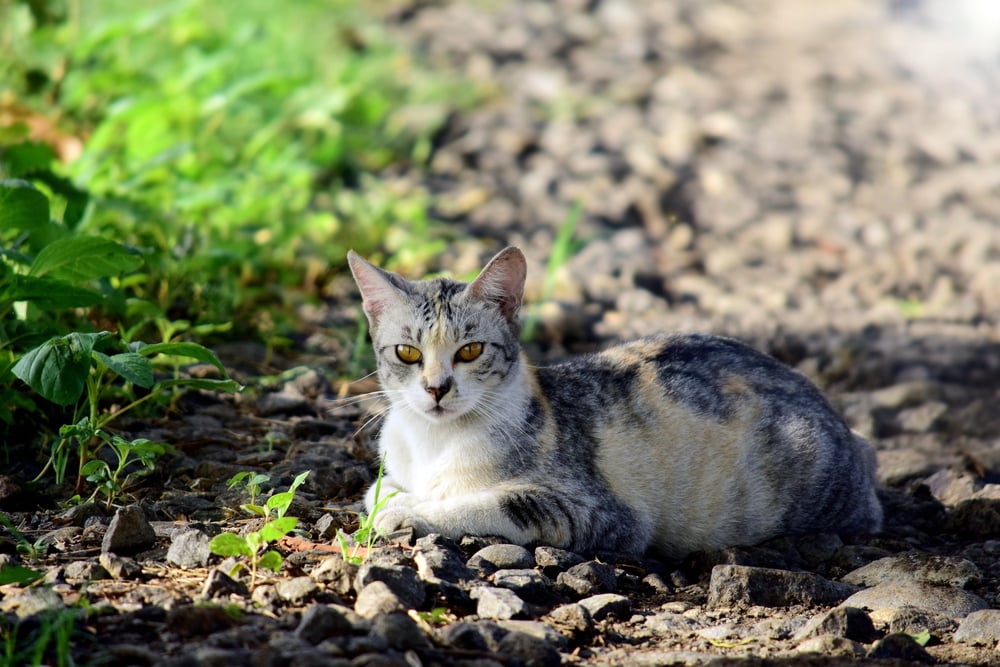
Out here on remote shores, cats rule because people once needed help with rats. A handful arrives one day, then fast breeding fills every alley and hillside.
Not every place welcomes them warmly – some see furry guests as threats to birds and lizards living nowhere else. Others open cafes where visitors come just to watch them nap in sunlit squares.
You find beauty in their quiet dominance yet notice how silence replaces bird songs. Each patch of land writes its own version of what happens when pets step beyond fences and into wilderness.
More from Go2Tutors!

- The Romanov Crown Jewels and Their Tragic Fate
- 13 Historical Mysteries That Science Still Can’t Solve
- Famous Hoaxes That Fooled the World for Years
- 15 Child Stars with Tragic Adult Lives
- 16 Famous Jewelry Pieces in History
Like Go2Tutors’s content? Follow us on MSN.