16 Everyday Things or Objects with Weird Names
Language evolves in quirky ways. Some words fade with time—others stick, even if they sound completely bizarre. Look around and you’ll find yourself surrounded by everyday objects whose names feel more like punchlines than labels. Yet, they persist. Some trace back centuries with historical roots, while others seem like linguistic accidents that just… caught on.
Here are 16 oddly named things you’ve probably seen or used—without realizing they had such peculiar names.
Aglet

That tiny plastic—or sometimes metal—cap at the end of your shoelaces? It’s called an aglet. The term comes from the Latin acus, meaning needle. While most people go their whole lives without hearing it, the aglet plays a key role—keeping your laces from fraying into chaos. Funny thing, though—it sounds more like a skin condition than part of your sneakers.
Petrichor
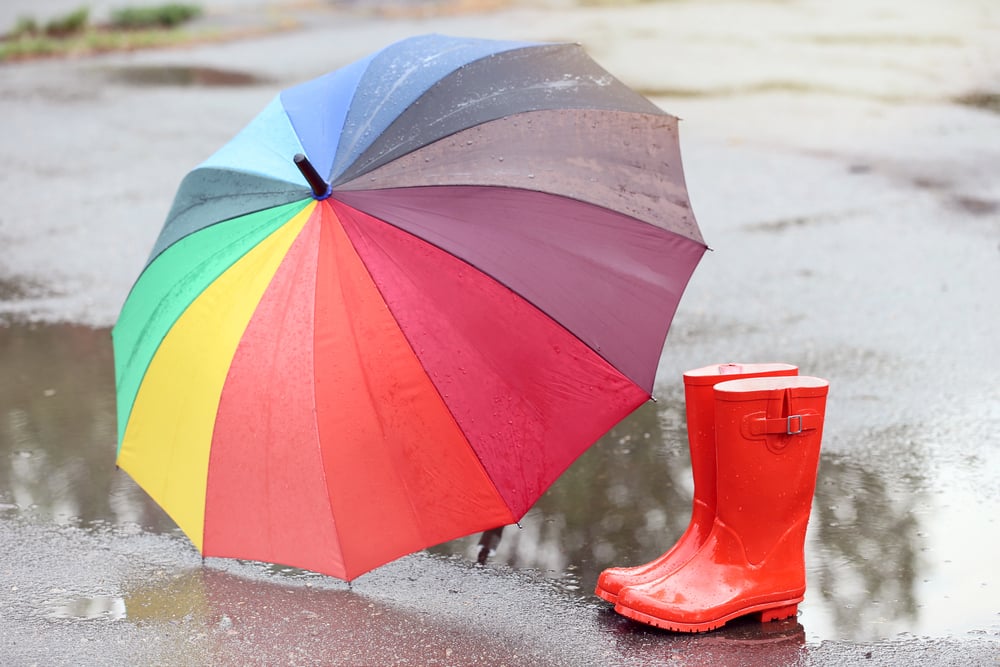
There’s a name for that earthy, nostalgic scent after it rains—petrichor. Coined by Australian scientists in 1964, the word fuses Greek roots for “stone” and “divine fluid.” It’s poetic, yet oddly clinical. Still, there’s no better term for something that smells like a memory.
Glabella

The smooth patch of skin between your eyebrows? That’s the glabella—a name that could pass for a rare pasta dish. From Latin origins meaning “smooth,” it’s mainly used in anatomy books or tricky crossword puzzles. People touch it often while frowning or thinking, yet rarely know it has a name at all.
Wamble
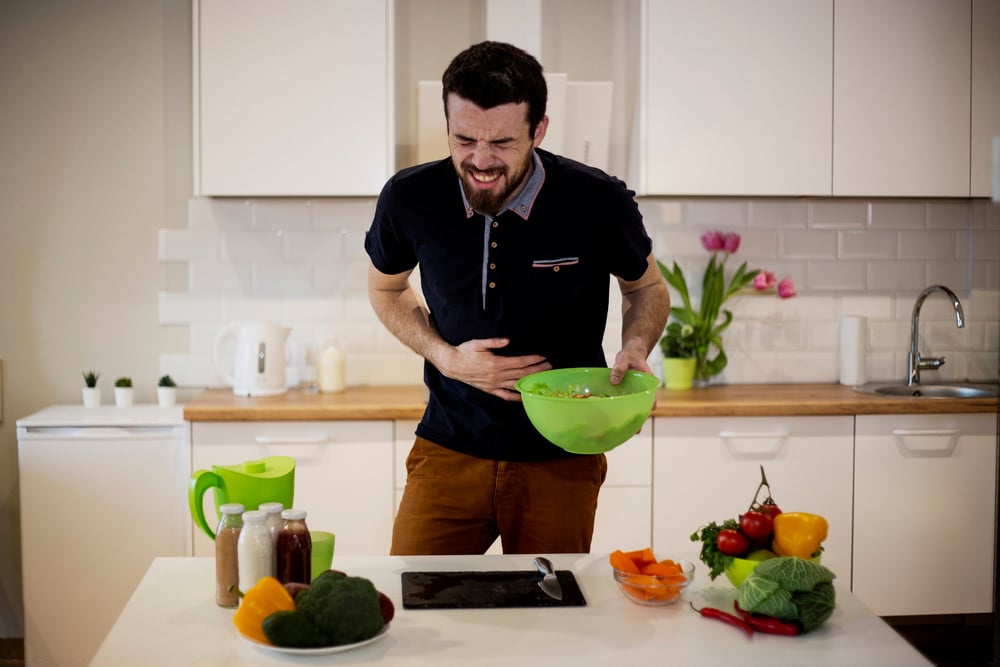
Ever felt your stomach churn or rumble from hunger or nausea? That’s a wamble. The word hails from Middle English and somehow manages to sound exactly like the feeling it describes—uneasy, old-fashioned, and slightly uncomfortable. It’s mostly fallen out of use, though the sensation certainly hasn’t.
Ferrule
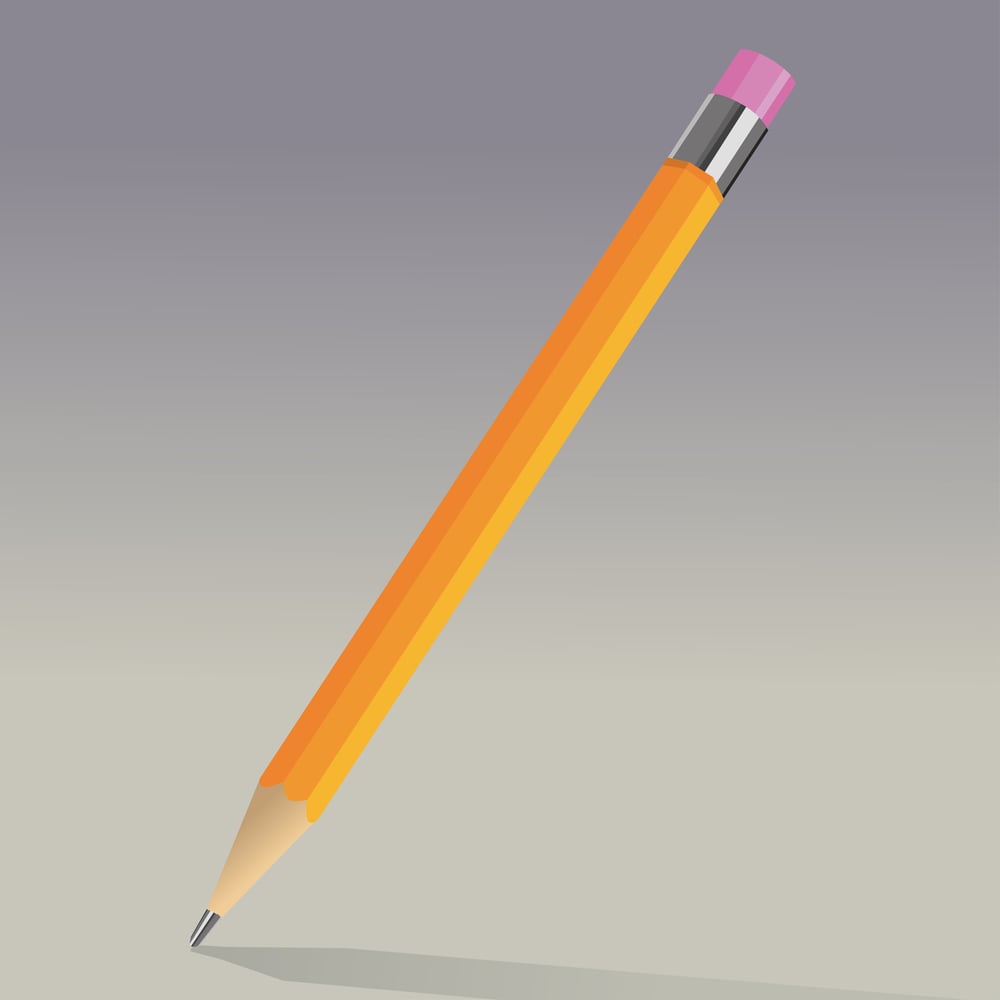
That little metal band holding an eraser onto a pencil? Meet the ferrule. The name, drawn from Latin, means “little iron ring.” It’s one of those functional components most overlook, yet it holds everything together—literally. It’s also used on umbrellas, walking sticks, and other tools needing a snug metal cap.
Lunula
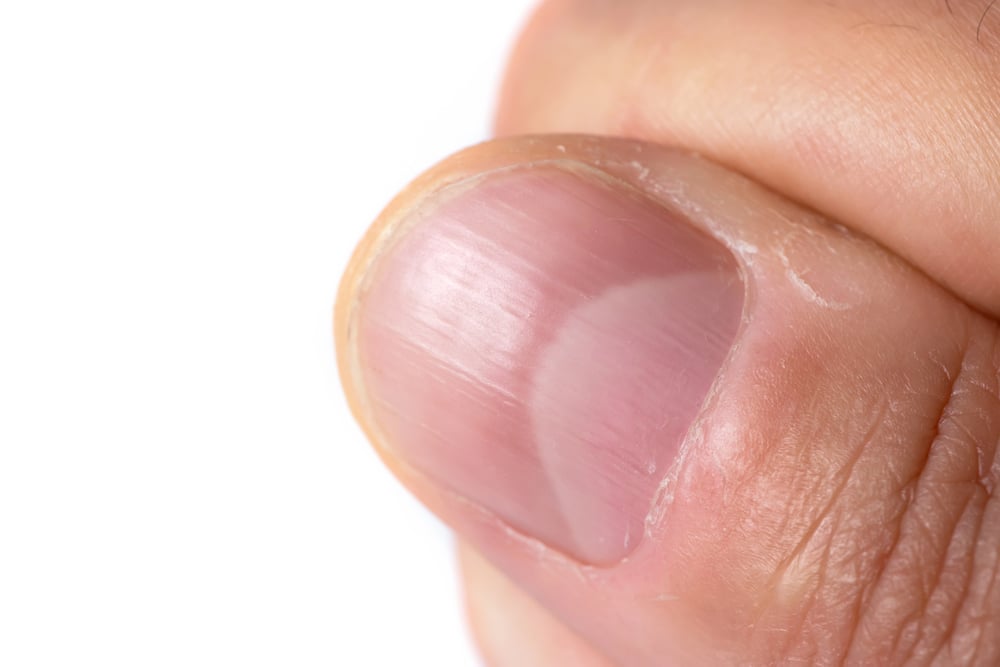
The pale, half-moon shape at the base of your fingernails? That’s the lunula, Latin for “little moon.” Most noticeable on the thumbs, this tiny crescent is part of your nail matrix. It connects biology with a dash of astronomy—because why not give your fingers celestial names?
Overmorrow

English once had a term for “the day after tomorrow”—overmorrow. Though now obsolete, the word made date planning efficient and elegant. Other languages like German still use similar constructs. English, on the other hand, opted for clunkier phrasing instead.
Columella

The sliver of skin between your nostrils? That’s the columella—from Latin meaning “little column.” It helps shape your nose and plays a structural role, yet hardly anyone outside of medicine knows it exists. It’s a quiet anatomical MVP.
Spudger

That weird tool used to open phones or pry apart laptops? It’s called a spudger. Despite sounding like something from a cooking show, it’s a standard piece in electronic repair kits. Slim, flat, and surprisingly essential—just not well-known.
Phosphenes

Close your eyes and press gently—those swirling lights that appear? Those are phosphenes. The word combines Greek roots for “light” and “appearance.” While the term feels intensely scientific, the sensation itself is something nearly everyone’s felt at one point or another.
Crepuscular

Used to describe the soft glow at dusk (and sometimes dawn), crepuscular might sound sinister, yet it refers to peaceful twilight light. Wildlife enthusiasts and photographers love the word—most others stick with “twilight” or “golden hour.”
Defenestration

There’s a word for the act of throwing something—or someone—out a window: defenestration. Elegant? Yes. Violent? Also yes. It’s historically tied to political upheaval in Prague, but nowadays it sometimes pops up in sarcastic office jokes or dramatic headlines.
Tmesis

Splitting a word to insert another—think “abso-bloody-lutely”—is a linguistic move called tmesis. Despite sounding like a rare disease, it’s a common feature in casual speech. The term itself? Pure Greek origin, just like the grammar it describes.
Muntin

Those thin bars crisscrossing old-style window panes? Those are muntins. Often confused with mullions (which divide entire windows), muntins live within a single frame, offering both charm and structure. While builders know the term well, most folks just call them window grids.
Apricity

The warmth of winter sun on your skin once had its own word—apricity. Rare now, it derives from Latin and evokes a very specific kind of comfort. Though mostly lost to time, the term still shows up in poetry or among hardcore word enthusiasts.
Collywobbles

Feeling nervous—or dealing with a twisty stomach? That jittery, uncomfortable sensation is sometimes called the collywobbles. This delightful Britishism blends “colic” and “wobbles,” capturing both the physical and emotional sides of unease in one charmingly silly word.
When Names Get Nonsensical (Yet Stick)

Language, in all its chaos, leaves behind oddities like these—terms that sound outlandish yet describe the most ordinary things. Whether born from classical Latin, lost dialects, or scientific jargon, these names survived the tides of linguistic change. Some faded only to be revived, while others were borrowed from niche fields and never left. In the end, even the strangest words have their place—and sometimes, that place is right in your daily routine.
More from Go2Tutors!

- The Romanov Crown Jewels and Their Tragic Fate
- 13 Historical Mysteries That Science Still Can’t Solve
- Famous Hoaxes That Fooled the World for Years
- 15 Child Stars with Tragic Adult Lives
- 16 Famous Jewelry Pieces in History
Like Go2Tutors’s content? Follow us on MSN.