Images Of Unusual Masks Used In Global Festivals
There’s something unsettling about masks. Maybe it’s the way they transform faces into something unrecognizable, or how they let people disappear into roles that would otherwise feel impossible.
Around the world, festivals use masks not just as decoration but as doorways — into stories, spirits, and versions of ourselves we’d never dare explore otherwise. The most striking ones don’t try to be beautiful.
They try to be true to something deeper than everyday faces allow.
Krampus Masks From Alpine Europe
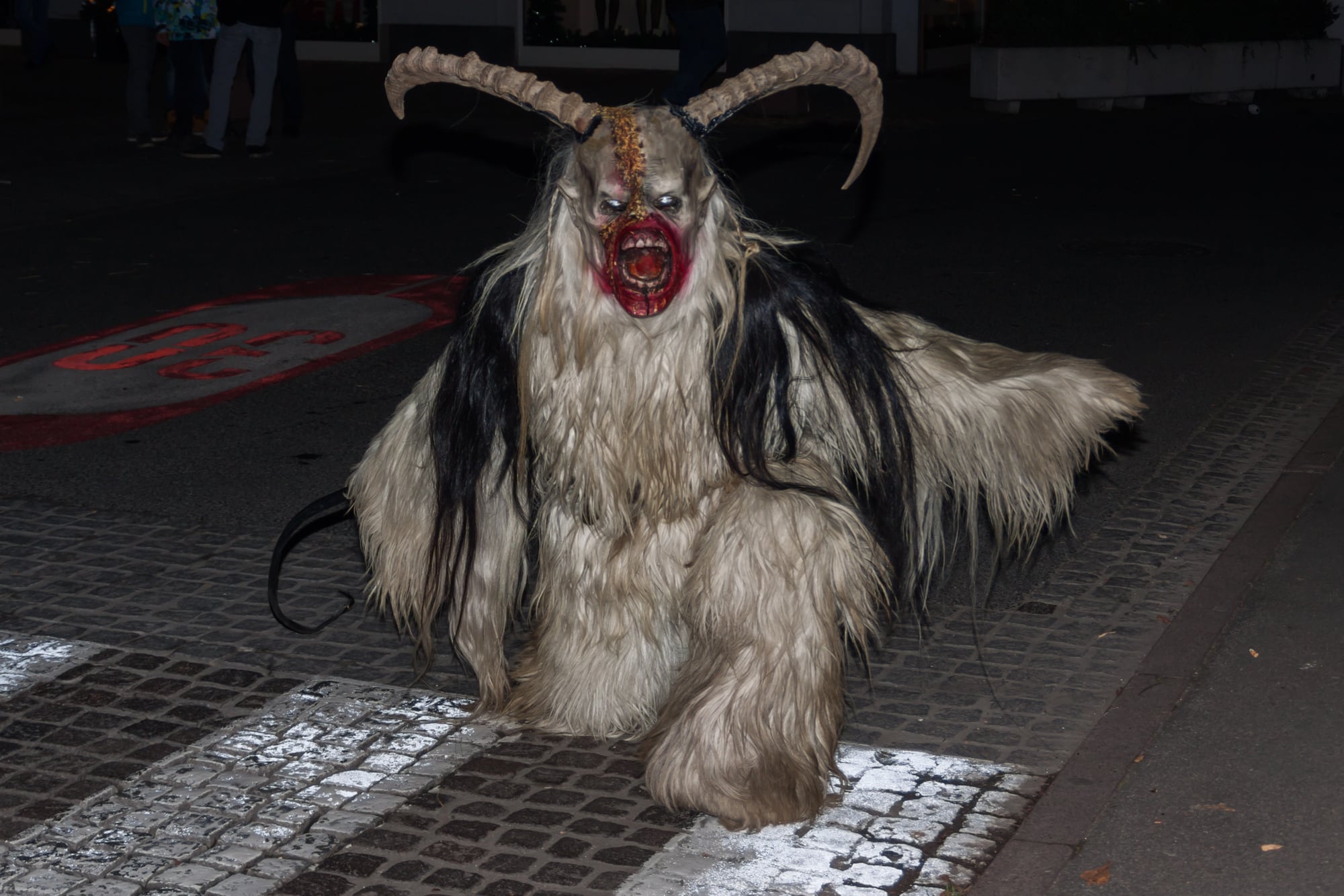
These aren’t costumes. They’re nightmares carved into wood and leather.
Krampus masks feature twisted horns, fanged mouths, and expressions that seem genuinely angry about something. The tradition runs deep through Austria, Germany, and surrounding regions, where December brings parades of people wearing these demonic faces.
Children hide behind their parents when the Krampus march through town squares. Adults do too, sometimes.
Balinese Barong Masks
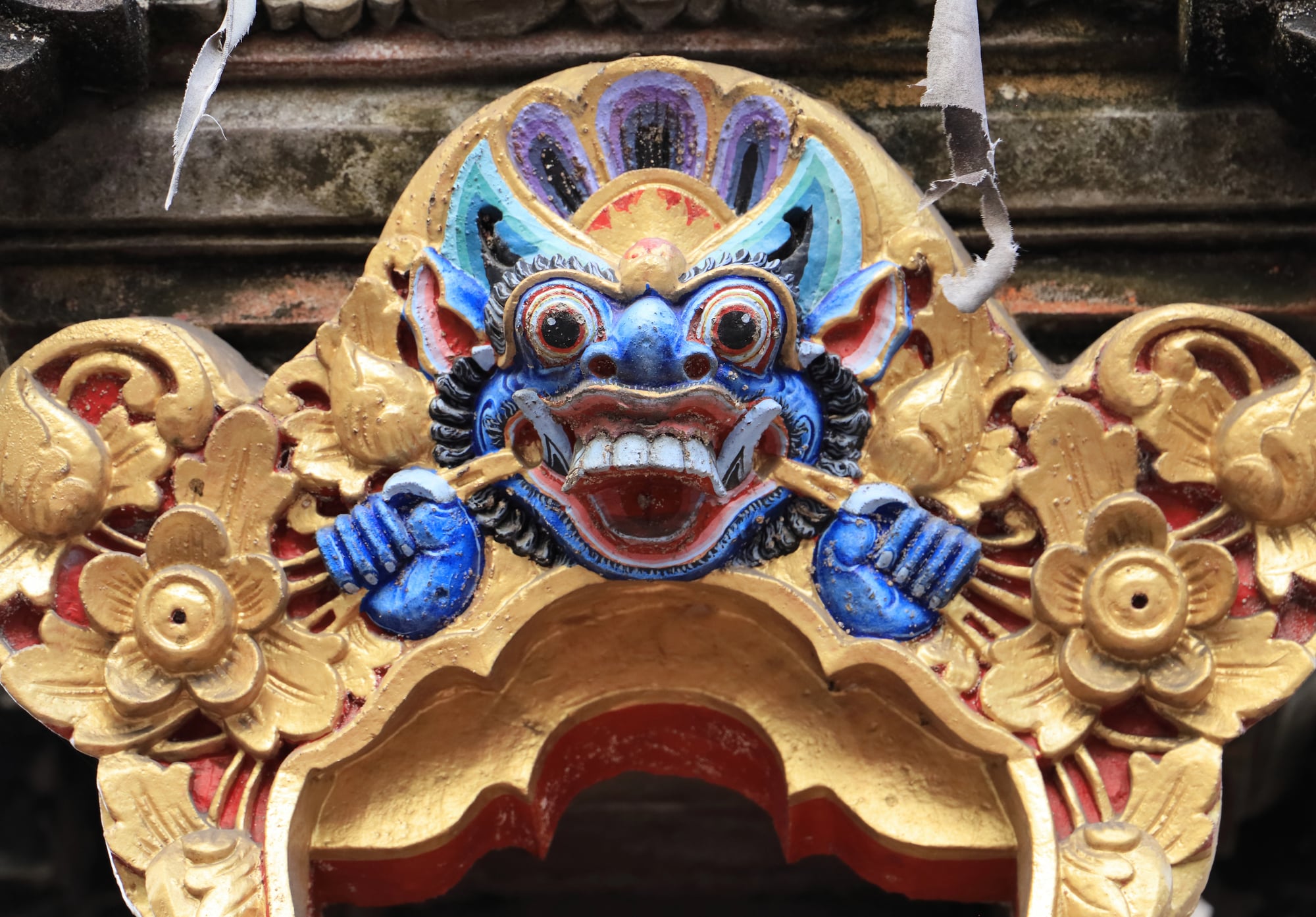
The Barong dance pits good against evil, and the masks make the battle visible. Barong represents protection — a lion-like creature with bulging eyes and a mouth that could swallow troubles whole.
The carving work is intricate beyond reason: every curl, every line serves the story. When dancers wear these masks, they don’t just perform the Barong.
According to Balinese belief, they become vessels for the spirit itself.
But here’s what strikes anyone watching this unfold in person (and it’s something that doesn’t translate through photographs, no matter how detailed): the masks seem to breathe with the dancers, almost as if the wood and paint have found a way to live temporarily through human movement. The Rangda masks — representing chaos and destruction — work as counterparts to the Barong, their wild hair and protruding tongues creating a visual language that needs no translation.
And yet, for all their fearsome appearance, there’s something oddly comforting about seeing this eternal struggle played out in dance — good and evil locked in their endless, necessary conflict, neither quite winning, both essential to the story.
So the performance becomes less about entertainment and more about witnessing something ancient. Something that insists on being remembered.
Japanese Noh Theater Masks
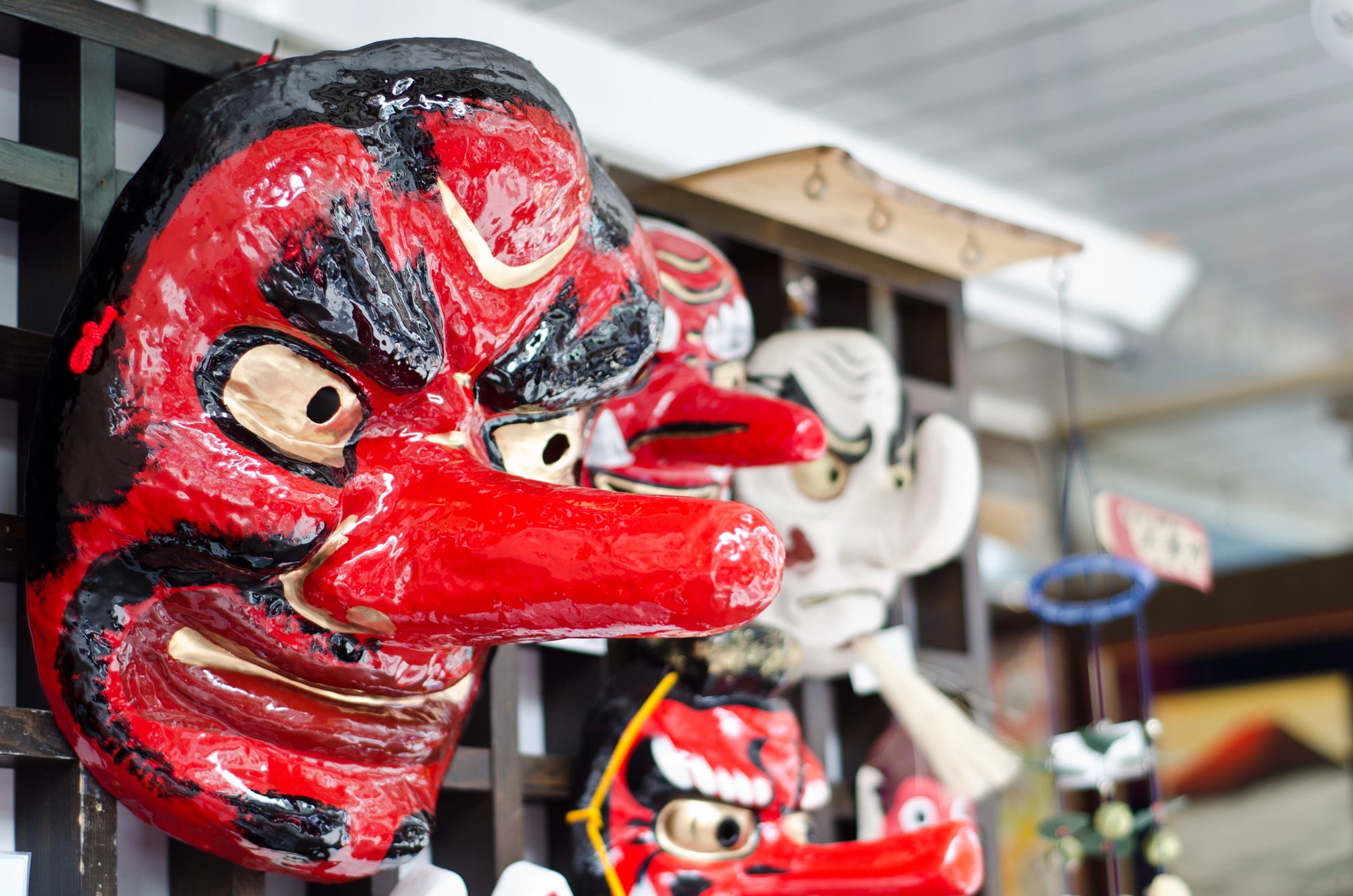
Noh masks prove that restraint can be more unsettling than excess. These carved wooden faces show almost no expression — a slight downturn of the mouth, barely-there eyebrows, features that seem frozen mid-thought.
The magic happens when actors move: a tiny shift in angle transforms serenity into sorrow, peace into rage. It’s minimalism that somehow contains every human emotion.
Audiences sit in silence, watching these blank faces reveal more than the most animated expressions ever could.
Venetian Carnival Masks
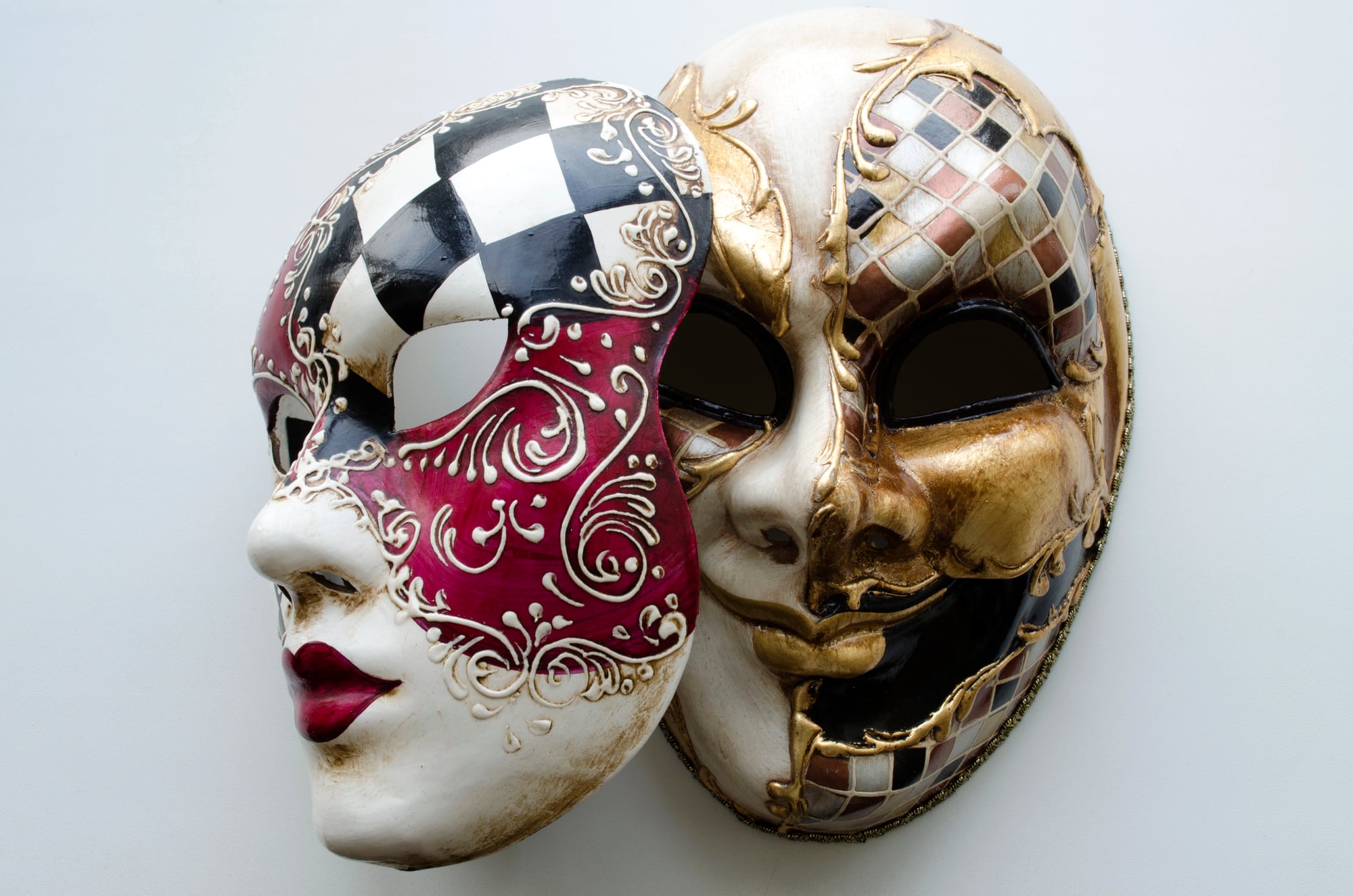
Venice turned masquerade into high art, then into tourist kitsch, then back into something approaching art again. The traditional masks — Bauta, Moretta, Medico della Peste — weren’t just party accessories.
They were social equalizers. Behind a mask, a servant could mock a nobleman.
A woman could speak freely. A politician could gamble without consequence.
The plague doctor masks deserve special attention here, with their elongated beaks originally designed to hold herbs and spices that supposedly protected against disease (they didn’t, but the symbolism was powerful enough to outlast the medical theory). Even now, centuries later, these beaked faces feel ominous — which is exactly what makes them perfect for a city built on water, mystery, and the understanding that appearances can deceive in the most elegant ways possible.
Walking through Venice during Carnival means encountering these faces around every corner, and the effect never quite wears off: you’re never certain whether you’re looking at a costume or a genuine remnant of something darker.
Modern Carnival masks have become almost too beautiful, too perfect — hand-painted with gold leaf and jewels, designed more for photography than for the kind of anonymous freedom the originals provided. But even the tourist versions carry some echo of that original power.
Mexican Día De Los Muertos Calaveras
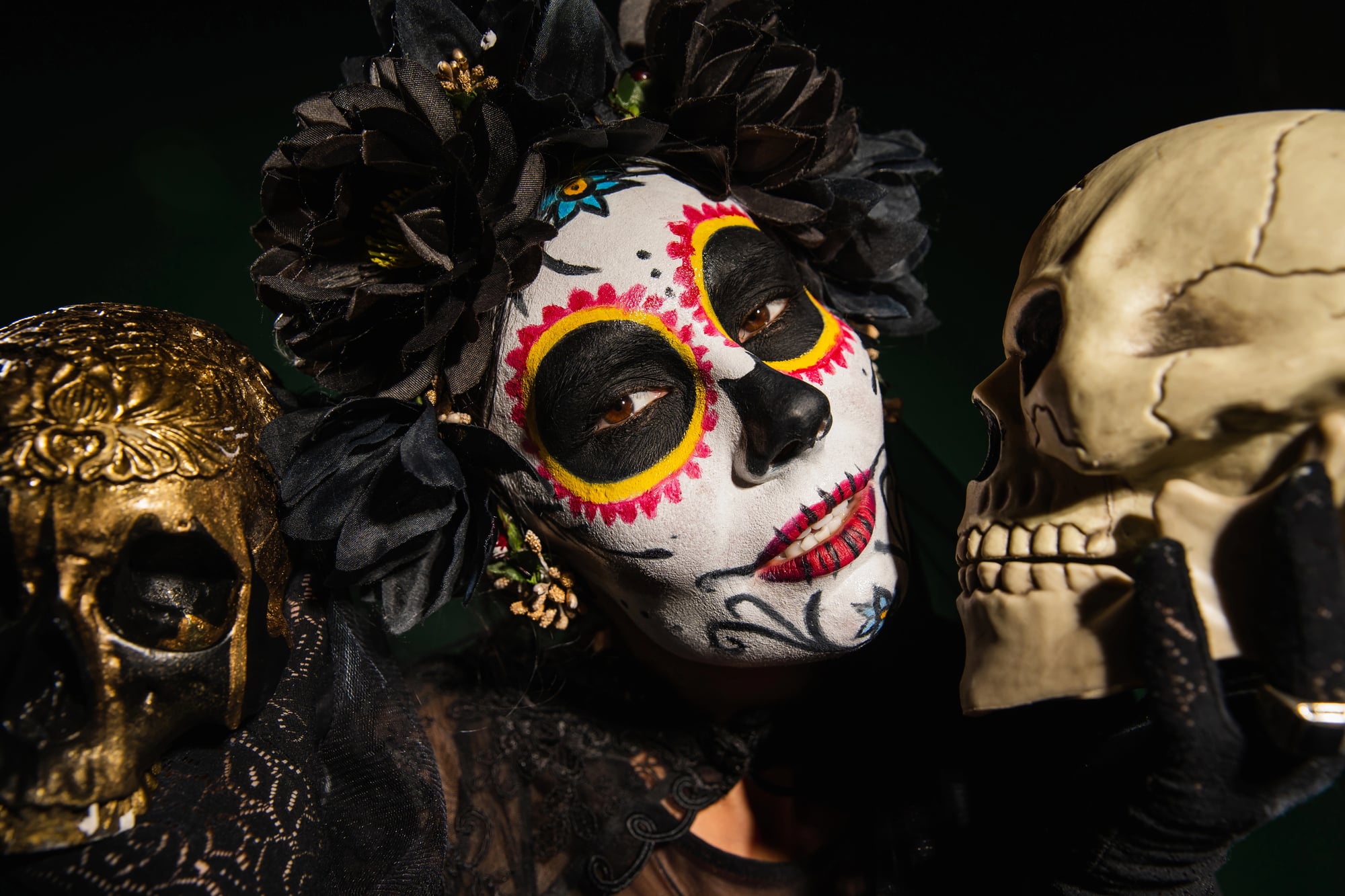
Death doesn’t have to be grim. Mexican skull masks — calaveras — turn mortality into celebration.
Painted in bright colors with floral patterns, these masks represent deceased loved ones returning for a visit. They’re worn during Day of the Dead festivities, where families gather to remember rather than mourn.
The skulls smile. They wear flowers in their hair. They remind everyone present that death is part of life, not its opposite.
Chinese Opera Masks
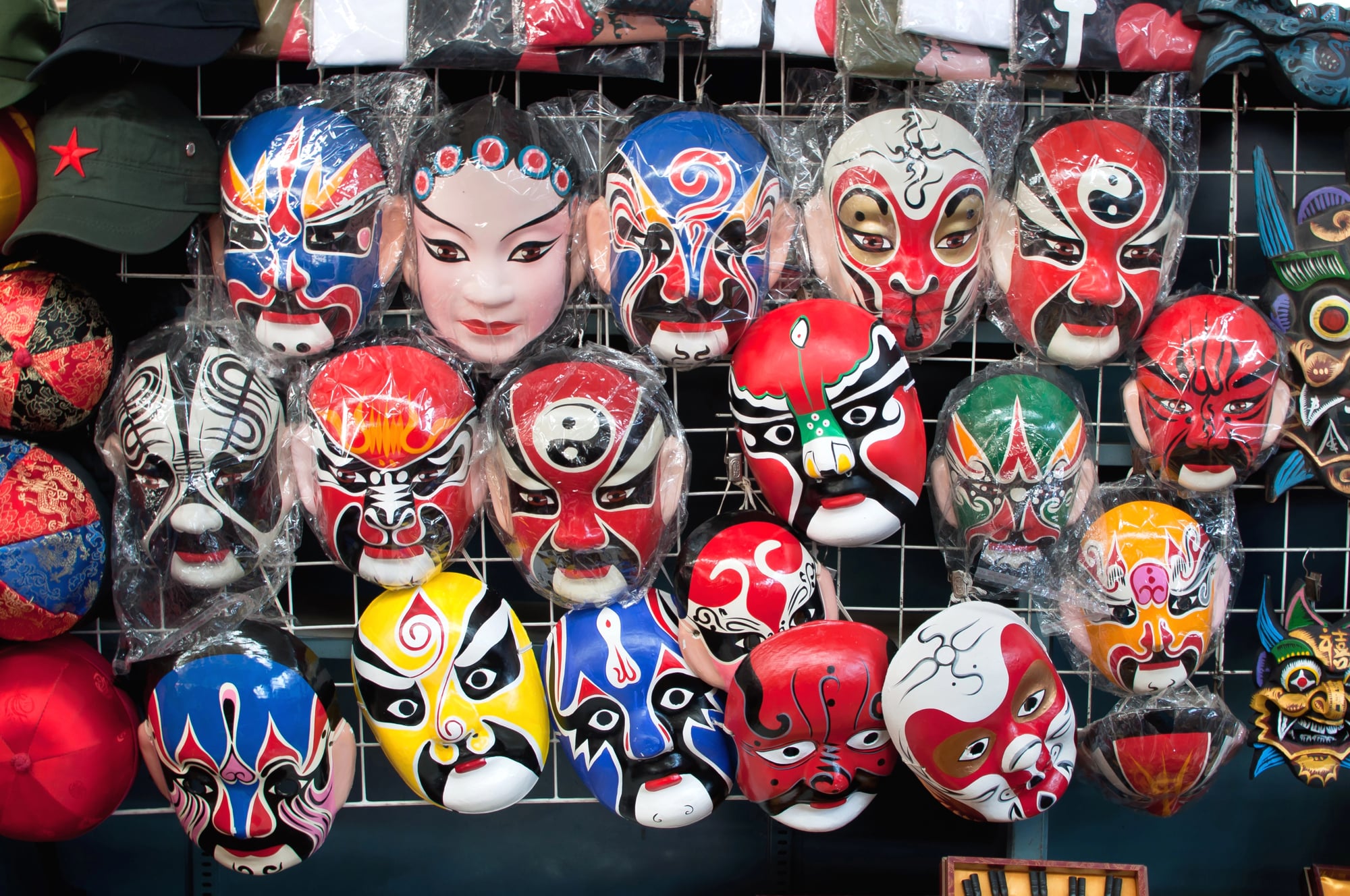
Color coding tells the whole story before a single word gets spoken. Red faces represent loyalty and bravery.
Black suggests honesty and integrity. White indicates cunning or evil.
Gold means divine. The patterns and designs within each color add layers of meaning that audiences once read as easily as text (and many still do, though the knowledge isn’t as widespread as it once was, which creates an interesting dynamic where the visual language continues but not everyone speaks it fluently anymore).
The application process transforms actors completely — not just their appearance, but their posture, their voice, their entire presence shifts to match the character the makeup represents. And watching this transformation happen backstage is almost more fascinating than the performance itself: ordinary people becoming archetypal heroes, villains, and gods through nothing more than paint, precision, and centuries of tradition that refuses to be simplified.
These aren’t masks in the traditional sense — they’re painted directly onto faces — but they function the same way, creating a barrier between the person and the character that allows for complete transformation.
So the effect is even more dramatic than removable masks: there’s no quick return to normalcy, no simple way to step out of character between scenes.
West African Punu Masks
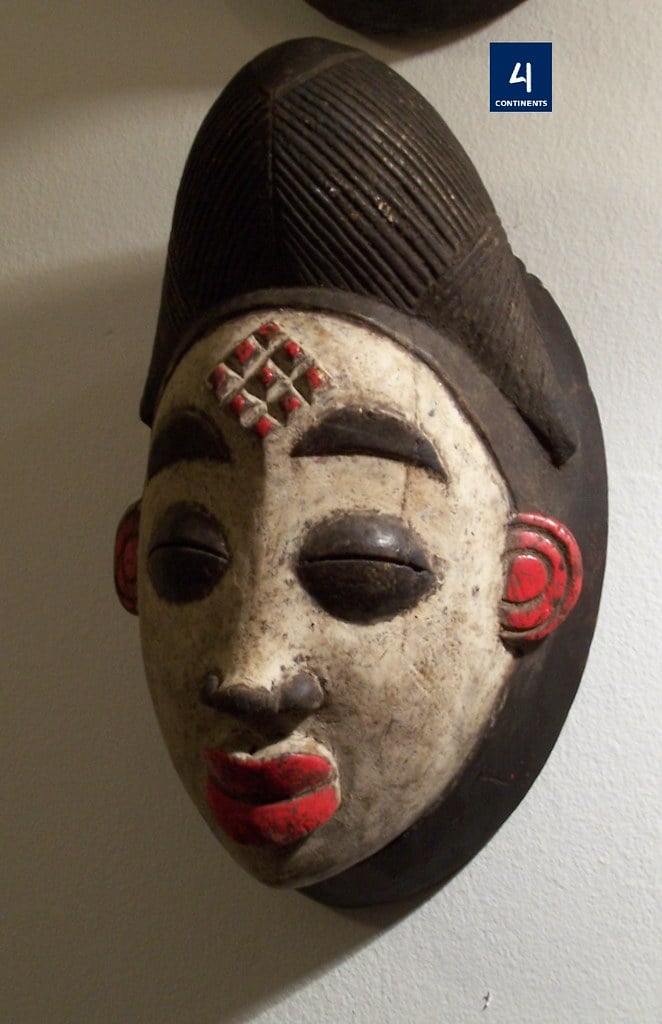
White clay transforms wood into something ethereal. Punu masks from Gabon feature serene faces painted in white kaolin, representing female ancestors or spirits from the afterlife.
The contrast between the dark wood and white clay creates faces that seem to glow. These masks appear during ceremonies celebrating femininity and fertility, worn by male dancers who move on stilts to create the illusion of spirits floating above the ground.
Sri Lankan Kolam Masks
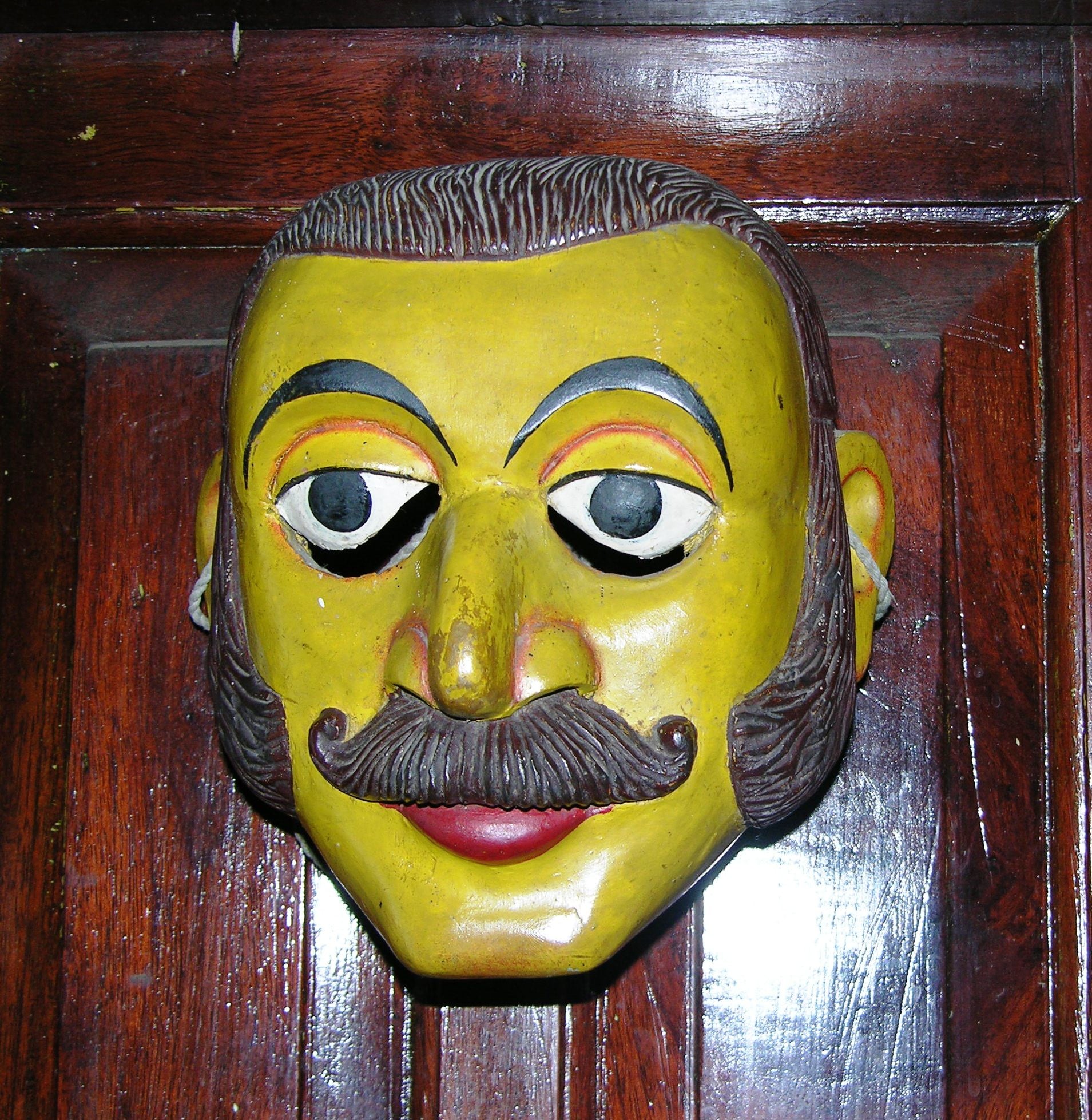
Kolam performances use masks that look like they’re having nervous breakdowns — in the best possible way. Bulging eyes, protruding tongues, expressions caught between laughter and screaming.
These masks represent various characters in traditional stories: demons, kings, animals, and ordinary people dealing with very unordinary situations.
The performances themselves blend drama, comedy, and ritual in ways that Western theater rarely attempts (comedy and sacred ceremony don’t often share the same stage in many traditions, but Kolam makes the combination feel not just natural but necessary). Masks transform performers into characters who can be simultaneously ridiculous and profound, which turns out to be surprisingly close to how real life works most of the time.
The carved expressions are so exaggerated they circle back to honesty — these faces show emotions too big and messy for everyday expressions to contain.
But there’s craftsmanship here that goes beyond the theatrical requirements: each mask is carved with an attention to detail that suggests the makers consider this work as much about preserving something essential as about entertainment.
So even the most outrageous expressions carry weight, history, and intention that keeps them from feeling frivolous.
Tibetan Cham Dance Masks
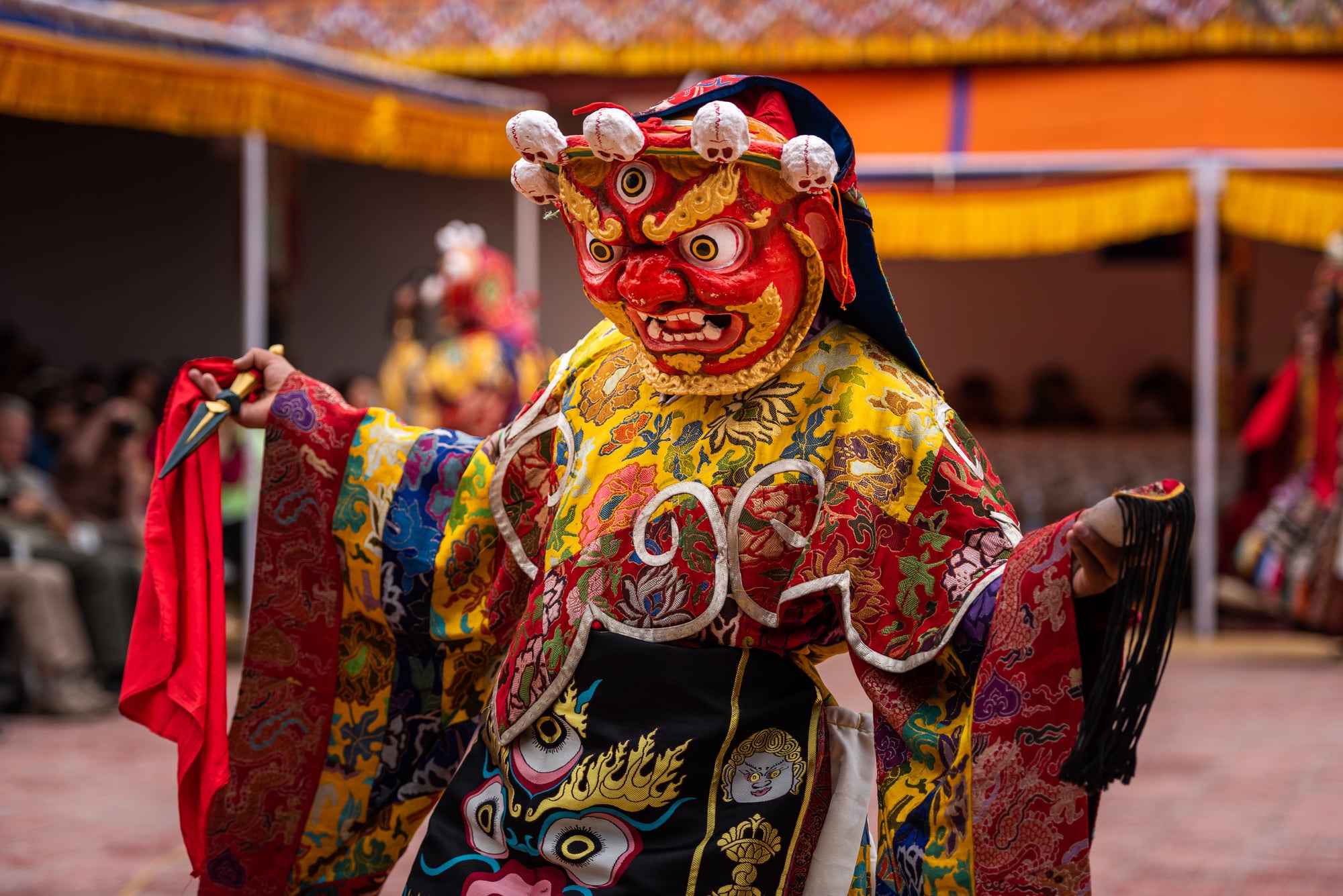
Buddhist festivals in Tibet feature masks that would be terrifying if they weren’t so clearly on the side of good. These masks represent protective deities — wrathful but benevolent beings who destroy evil and ignorance.
The faces snarl and rage, but the anger serves enlightenment. Dancers wearing these masks perform slow, deliberate movements that transform fury into something approaching meditation.
The masks themselves are traditionally carved from wood and painted in colors that have specific spiritual meanings.
Native American Pueblo Masks
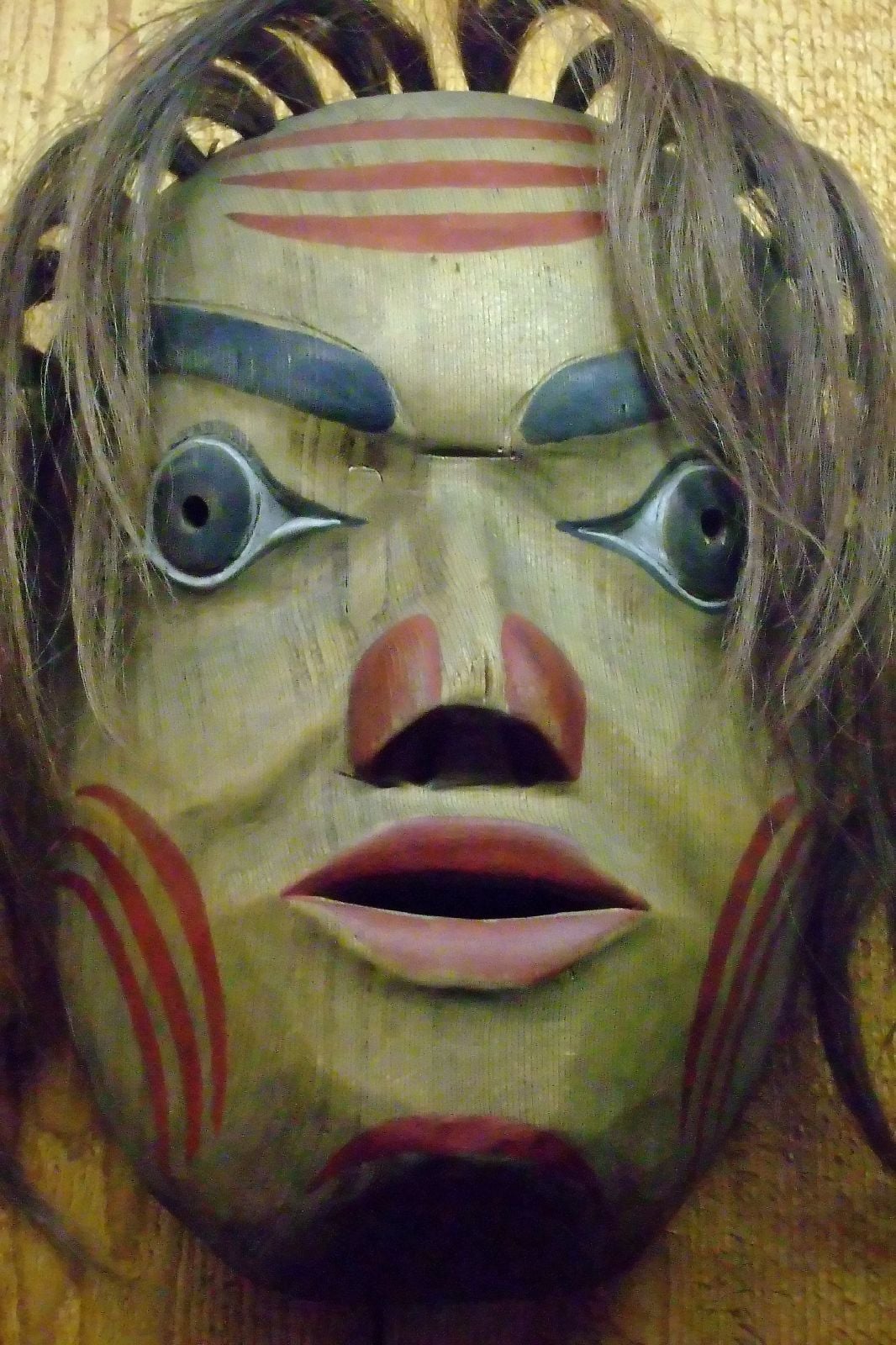
Pueblo ceremonies use masks that connect the physical and spiritual worlds. Kachina masks represent spirits of ancestors, natural forces, and deities who bring rain, fertility, and protection to the community.
These masks are not costumes — they’re sacred objects that require specific protocols and deep respect. The designs incorporate symbols that tell stories about the relationship between humans and the natural world.
The geometric patterns and animal features create faces that feel both human and other — recognizable enough to relate to, strange enough to suggest they come from somewhere beyond everyday experience (which, according to Pueblo belief, they do, since the masks are meant to house spirits during ceremonies rather than simply represent them).
Colors and materials are chosen for their spiritual significance as much as their visual impact, so every element serves both aesthetic and sacred purposes.
Access to these ceremonies varies by pueblo and by specific ritual — some are open to respectful visitors, others are private community events — but even photographs of these masks convey their power to transform wearers and viewers alike.
And that transformation is the point: these aren’t performances in the entertainment sense but rather spiritual events where masks serve as doorways for divine forces to enter the human world.
Greek Dionysiac Masks
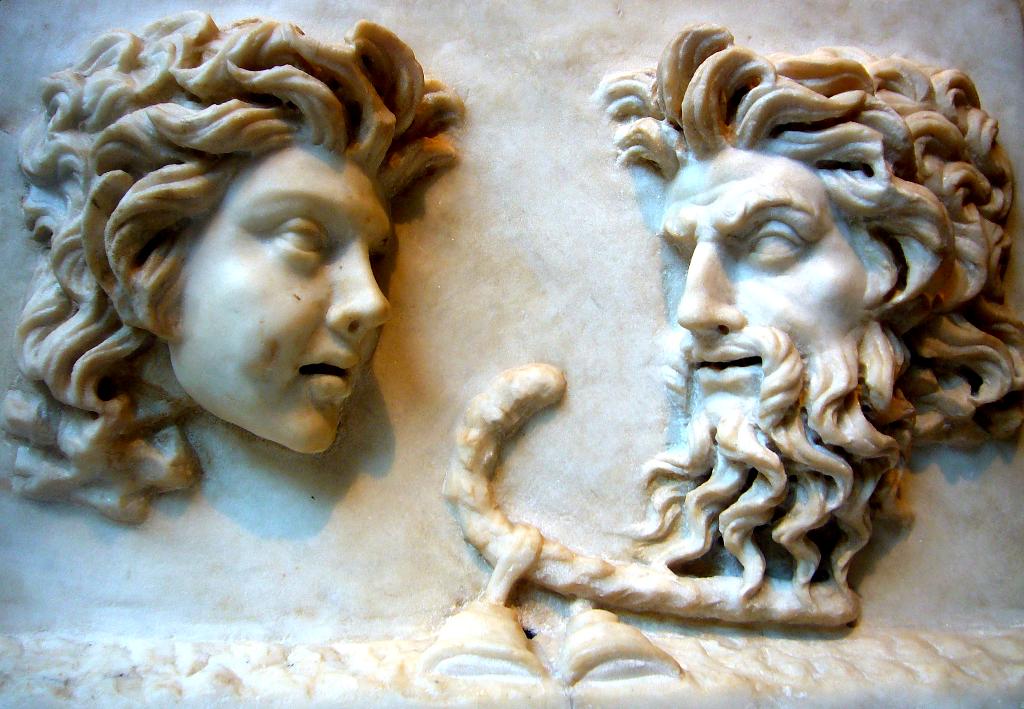
Ancient Greek theater masks were practical solutions that became art forms. Large theaters required exaggerated expressions that could be seen from hundreds of feet away.
But the masks did more than amplify emotion — they allowed actors to play multiple roles and enabled men to portray women convincingly. The masks became characters themselves, with specific designs for tragedy, comedy, and satyr plays.
Korean Hahoe Masks
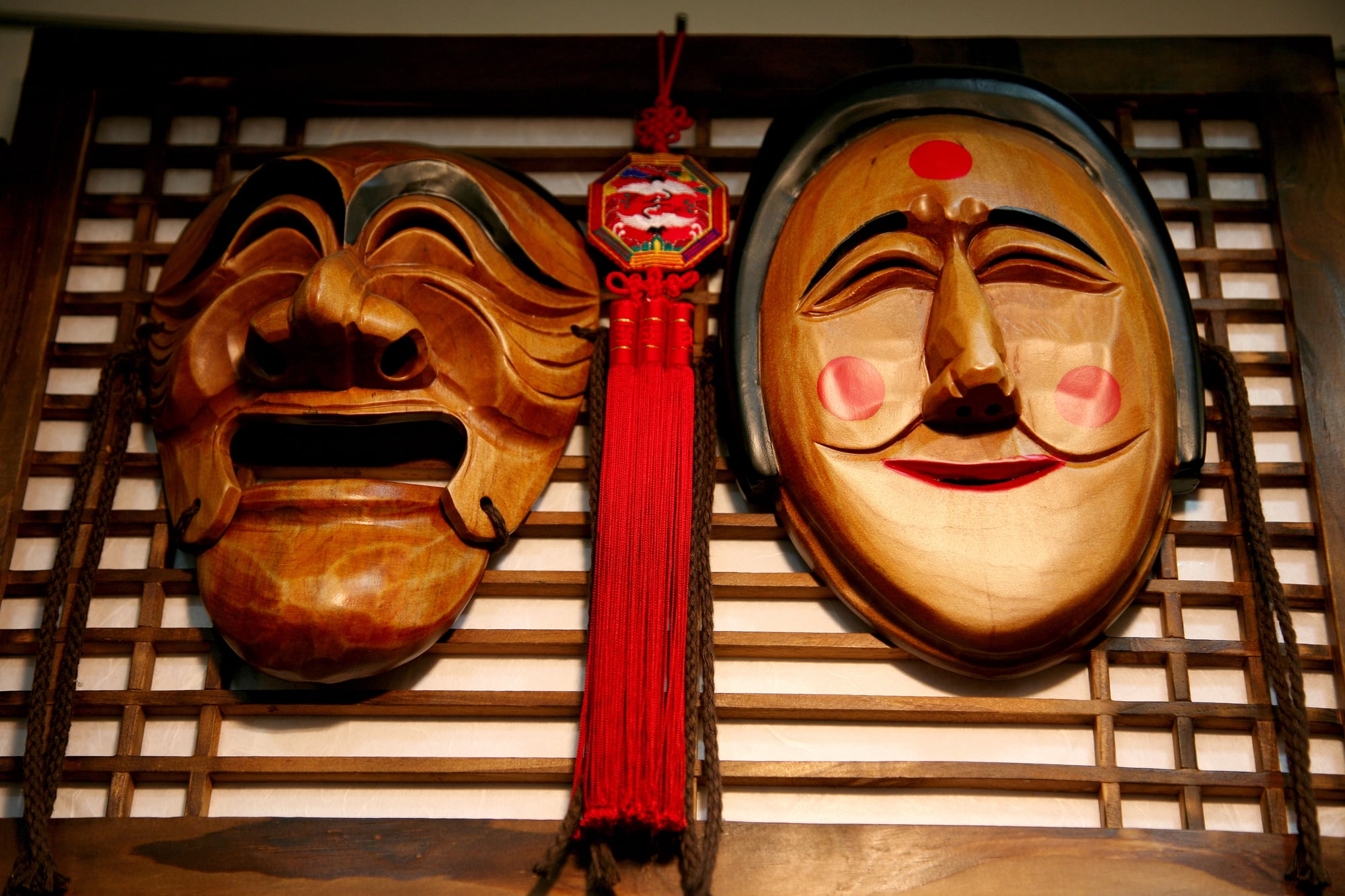
Hahoe tal masks feature asymmetrical faces that look permanently amused by some private joke. These wooden masks were used in performances that mocked aristocrats and corrupt officials — comedy as social criticism.
The lopsided grins and crooked features created characters who could say things in public that would otherwise be dangerous. Satire needs a mask sometimes.
These provided perfect cover.
Romanian Ursul Bear Masks
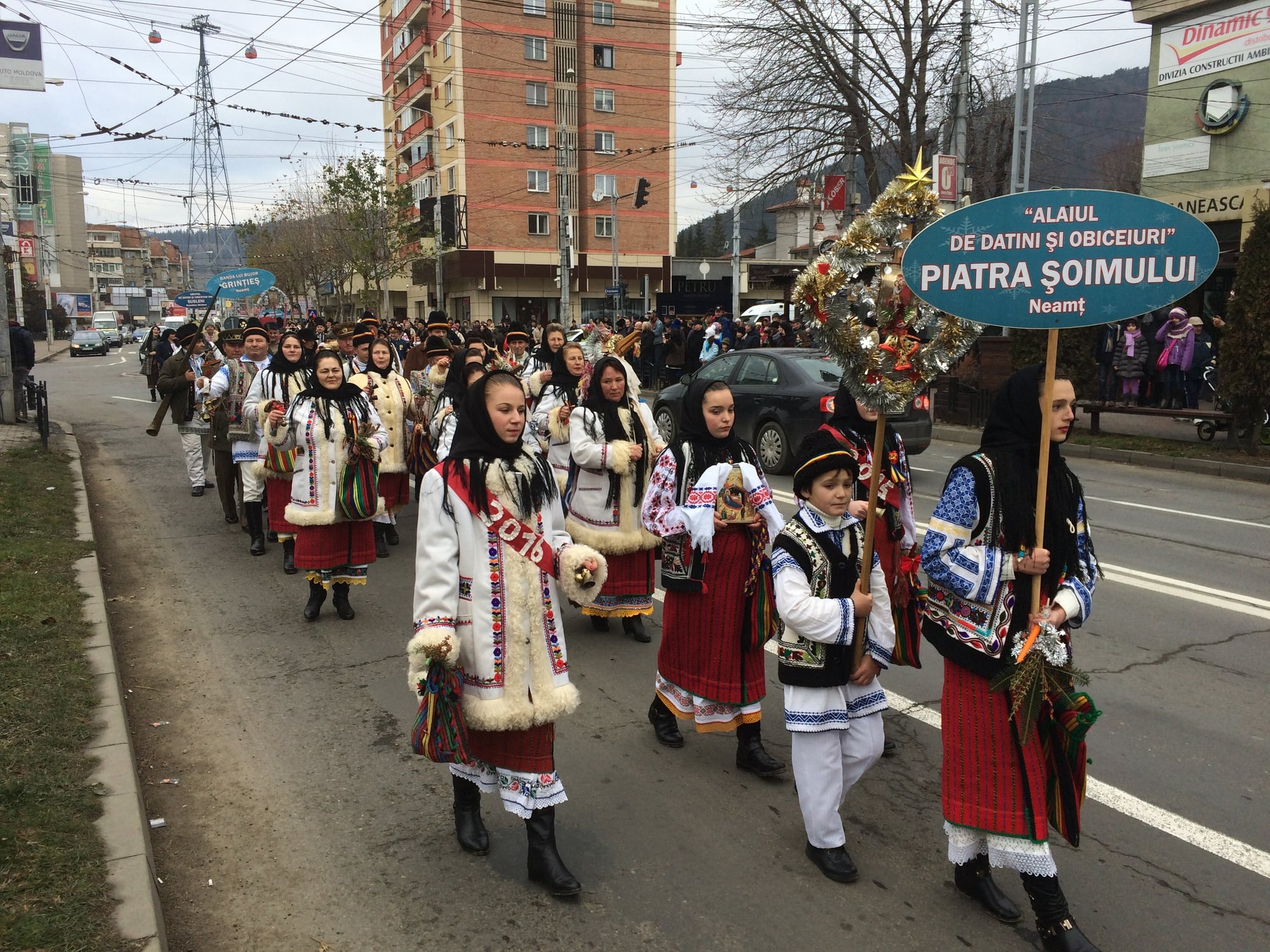
Romanian New Year celebrations bring out the bears — performers wearing massive fur costumes with carved wooden masks representing bear heads. The tradition supposedly brings good luck and drives away evil spirits.
The masks are crude and powerful, with simple features that emphasize the bear’s essential nature rather than realistic detail. Groups of “bears” dance through villages, accompanied by music and celebration that marks the turning of the year.
Through The Looking Glass
Masks reveal as much as they conceal. Behind carved wood and painted faces, people become braver, stranger, more themselves than everyday life typically allows.
The most unusual masks from global festivals share this power: they don’t just change how others see the wearer — they change how the wearer experiences the world. Every culture seems to understand this instinctively, creating faces that serve as bridges between who people are and who they might become, even if only for the duration of a dance, a ceremony, or a night when ordinary rules don’t quite apply.
More from Go2Tutors!

- The Romanov Crown Jewels and Their Tragic Fate
- 13 Historical Mysteries That Science Still Can’t Solve
- Famous Hoaxes That Fooled the World for Years
- 15 Child Stars with Tragic Adult Lives
- 16 Famous Jewelry Pieces in History
Like Go2Tutors’s content? Follow us on MSN.



