Countries With the Most Extreme Weather Swings
Think your hometown weather is unpredictable? Some countries take temperature variation to a completely different level. From winter chills that could snap metal in half to summer heat that makes pavement shimmer, these nations experience the kind of weather extremes that sound almost unbelievable.
The temperature differences aren’t just uncomfortable—they’re life-altering, shaping everything from architecture to daily routines. Here is a list of 16 countries experiencing the most dramatic weather swings on Earth.
Russia

Russia holds the world record for the greatest temperature range at a single location, specifically in the Siberian town of Verkhoyansk, where temperatures have ranged 190 degrees Fahrenheit from a bone-chilling low of -90 degrees Fahrenheit in February 1892 to a sweltering high of 100 degrees Fahrenheit in June 2020. Both Verkhoyansk and nearby Oymyakon compete for the title of coldest inhabited place on Earth.
The Arctic region experiences some of the planet’s coldest winters, yet during brief summer months, temperatures can actually feel pleasant. This massive swing happens because the area sits far from any ocean that might moderate temperatures, leaving it exposed to extreme continental conditions.
Mongolia

Mongolia’s climate is legendary among those who study temperature extremes. Winter nights commonly plunge to -40 degrees Fahrenheit, and extremes have reached -67 degrees Fahrenheit at Lake Uvs, while summer temperatures climb to 104 degrees Fahrenheit in the Gobi Desert and 91 degrees Fahrenheit in Ulaanbaatar.
The capital city can experience temperature swings of more than 80 degrees Fahrenheit between seasons. In some desert areas, day-to-night temperature differences can reach up to 60-65 degrees Fahrenheit.
Living through this kind of climate requires serious adaptation—thick walls, specialized clothing, and careful planning for the transition between seasons.
Kazakhstan
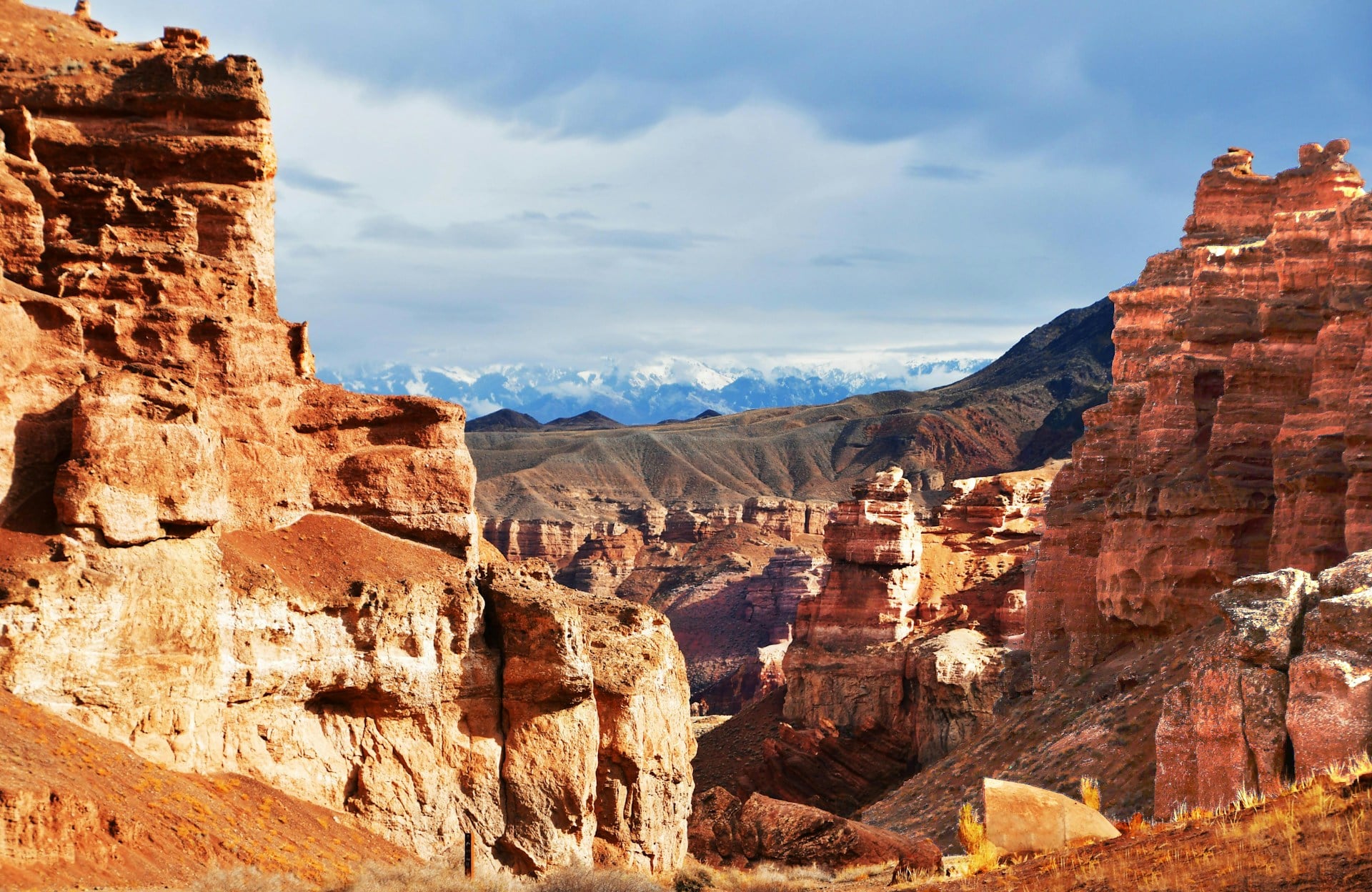
Kazakhstan’s continental climate delivers weather that would shock most people. The highest temperature ever recorded was 120 degrees Fahrenheit in Turkestan, while the coldest was -70 degrees Fahrenheit in Atbasar.
The northern regions face particularly brutal winters with January averages around -4 degrees Fahrenheit, while southern areas can bake under relentless summer sun with July temperatures reaching 86 degrees Fahrenheit. Winter temperatures can drop below -49 degrees Fahrenheit, and summer temperatures can reach 113 degrees Fahrenheit.
These wild swings mean residents essentially live in two completely different climates depending on the time of year.
Canada
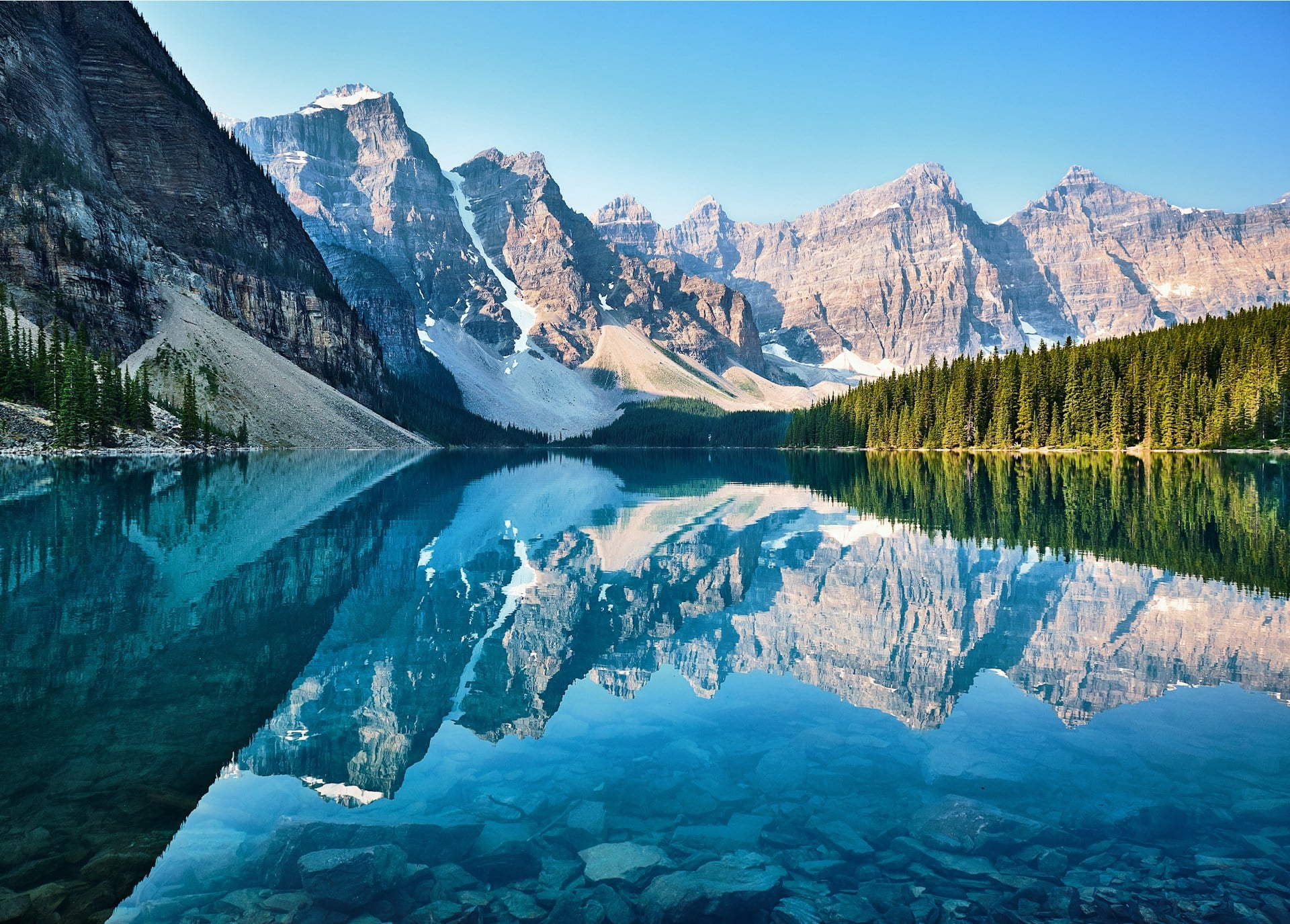
Canada’s vast size creates diverse climate zones, but certain regions experience truly remarkable temperature variations. The country has recorded temperatures as low as -81 degrees Fahrenheit in Snag, Yukon on February 3, 1947, and as high as 113 degrees Fahrenheit in Lytton, British Columbia on June 29, 2021.
Daily average temperatures in continental interior regions can be near 5 degrees Fahrenheit in winter but can drop below -58 degrees Fahrenheit with severe wind chills, while temperatures in some interior locations occasionally exceed 104 degrees Fahrenheit in summer. The prairie provinces and northern territories experience the most dramatic swings, where winter survival requires entirely different skills and equipment than summer living.
United States

The United States contains several regions famous for extreme temperature swings. Montana ranks first among states in temperature range, with an all-time spread of 187 degrees Fahrenheit, from -70 degrees Fahrenheit at Rogers Pass to 117 degrees Fahrenheit at Glendive.
In 1916, Browning, Montana experienced a 100 degree Fahrenheit drop in 24 hours, from 44 degrees Fahrenheit to -54 degrees Fahrenheit. North Dakota and South Dakota face similar extremes.
These rapid changes aren’t just statistics—they create dangerous conditions that can catch people off guard.
China

China’s massive territory encompasses climate zones ranging from subarctic to tropical, creating enormous temperature differences. The country has recorded a low of -63 degrees Fahrenheit in Mohe City, Heilongjiang in January 2023, and a high of 126 degrees Fahrenheit in Turpan, Xinjiang in July 2023.
The annual temperature range between the extreme south and north is about 86 degrees Fahrenheit. The northern provinces endure long, severe winters while southern regions stay comfortably warm year-round.
Inner Mongolia and the interior western provinces experience the most dramatic seasonal shifts, where summer heat gives way to bitter cold in a matter of months.
Uzbekistan

Uzbekistan’s double-landlocked location creates an extreme continental climate with sharp temperature contrasts. Continental climate characteristics include large amplitudes of daily and annual air temperature, with summer air temperatures in the desert reaching 113-120 degrees Fahrenheit, while southern regions can drop to -13 degrees Fahrenheit in winter.
The coldest month is January, when temperatures in the north drop to 18 degrees Fahrenheit and can reach below -4 degrees Fahrenheit, while the hottest months are July and August, when average temperatures on plains reach 77-86 degrees Fahrenheit, and in the south temperatures hit 106-108 degrees Fahrenheit, with a maximum of 122 degrees Fahrenheit recorded in Termez in July 1944. The lack of nearby water bodies means nothing moderates these swings.
Turkmenistan

Turkmenistan pushes temperature extremes to their limits in the heart of Central Asia. Temperatures in Ashgabat vary between 115 degrees Fahrenheit in summer and 23 degrees Fahrenheit in winter, although extremes have reached -8 degrees Fahrenheit, while desert temperatures can reach 122 degrees Fahrenheit during the day before falling rapidly at night, and winter temperatures can drop to 14 to 5 degrees Fahrenheit.
On July 28, 1983, Repetek Biosphere State Reserve recorded 122.2 degrees Fahrenheit, the highest temperature ever recorded in Turkmenistan. The Karakum Desert dominates the landscape, creating conditions where daytime and nighttime temperatures typically differ by 54-63 degrees Fahrenheit.
Afghanistan

Afghanistan’s mountainous terrain and landlocked position create dramatic climate variations. The country experiences a harsh continental climate with cold winters and dry summers, where temperatures in Kabul can vary from 59 degrees Fahrenheit at sunrise to 100 degrees Fahrenheit by noon, and extreme temperatures below -58 degrees Fahrenheit have been measured in high mountains.
The daily temperature range can exceed 31 degrees Fahrenheit for seven months of the year from May to November. Different regions experience vastly different conditions—mountain valleys can be freezing while lowland deserts bake under intense heat.
Kyrgyzstan

Kyrgyzstan’s mountainous terrain creates some of the most varied climate conditions in a relatively small area. Winter temperatures can fall to -22 degrees Fahrenheit or lower, with a record of -64.5 degrees Fahrenheit at Ak-Shyyrak, while average July temperatures vary from 80.6 degrees Fahrenheit in the Fergana Valley, where the record high is 111 degrees Fahrenheit, to a low of 14 degrees Fahrenheit on the highest mountain peaks.
The country sits near the middle of the Eurasian landmass with no nearby ocean to moderate temperatures. Altitude plays a huge role—lowland valleys can be sweltering while nearby mountain peaks remain frozen.
Tajikistan

Tajikistan’s dramatic elevation changes create extreme temperature contrasts across short distances. At lower elevations, the average temperature range is 73 to 86 degrees Fahrenheit in July and 30 to 37 degrees Fahrenheit in January, while in the eastern Pamirs, the average July temperature is 41 to 50 degrees Fahrenheit, and the average January temperature is 5 to -4 degrees Fahrenheit.
The Pamir and Alay mountain systems dominate the landscape, with peaks soaring above 23,000 feet, including Ismoil Somoni Peak at 24,590 feet. These mountains trap cold air in winter while lower valleys experience milder conditions, creating a patchwork of microclimates that can change dramatically over just a few miles.
Iran
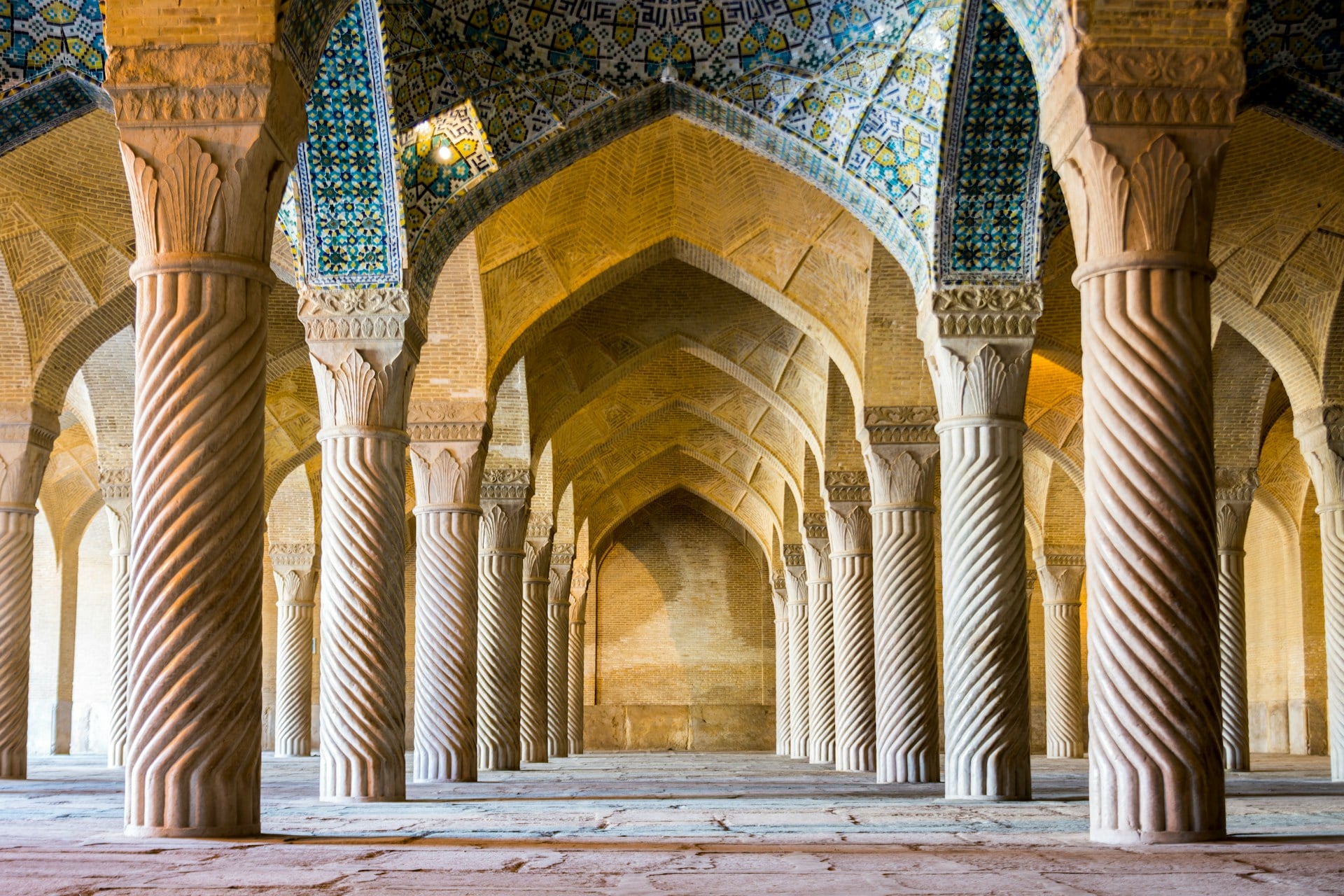
Iran’s diverse geography creates significant temperature variations across the country. The northern mountains and Caspian coast experience relatively moderate conditions, but interior regions face continental extremes.
The central desert plateau can become brutally hot in summer while experiencing freezing temperatures in winter, with typical inland ranges spanning from -4 degrees Fahrenheit to 122 degrees Fahrenheit—a swing of 126 degrees Fahrenheit. Record extremes include -33 degrees Fahrenheit in the northwest and 129 degrees Fahrenheit in Ahvaz in June 2017.
Mountain regions see heavy snowfall and sub-zero temperatures, contrasting sharply with the subtropical southern coasts along the Persian Gulf.
Greenland

Greenland might be covered in ice, but it still experiences surprising temperature variation for a polar region. The massive ice sheet creates its own weather patterns, and coastal areas can warm considerably during summer months while interior regions remain frozen.
Winter temperatures regularly drop below -40 degrees Fahrenheit in the north, yet southern coastal areas can reach around 50-54 degrees Fahrenheit during summer. The island’s unique position between arctic and subarctic zones creates conditions where seasons bring dramatically different living experiences, even if the overall climate remains cold by most standards.
Alaska
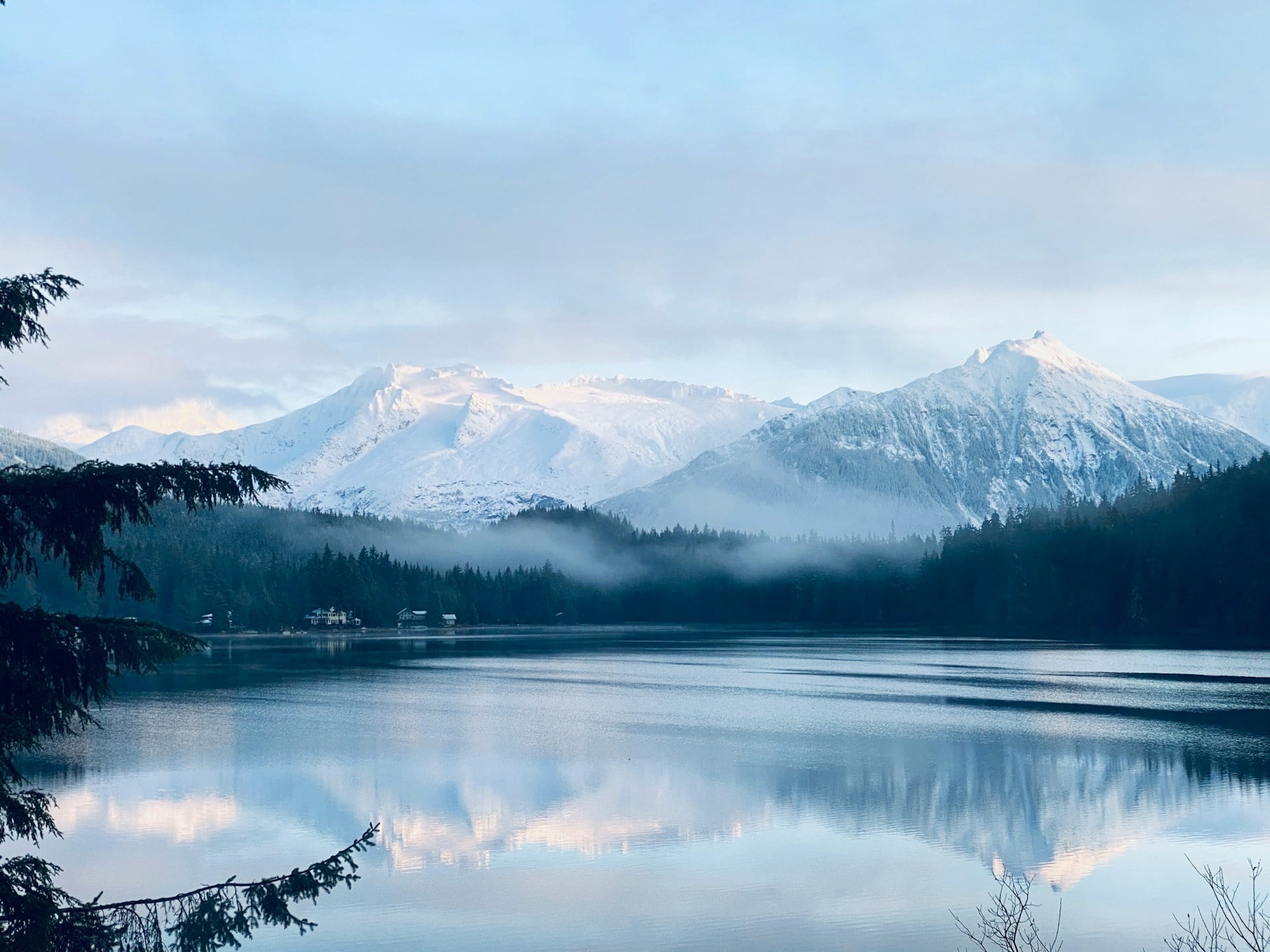
Alaska represents America’s frontier of temperature extremes. The Fairbanks area experiences some of the hottest and coldest temperatures in the state, with summer highs reaching 90 degrees Fahrenheit and winter lows dropping to around -50 degrees Fahrenheit.
The state holds the U.S. record for coldest temperature at -80 degrees Fahrenheit at Prospect Creek in 1971. Interior Alaska faces particularly dramatic swings due to its distance from the moderating Pacific Ocean.
This creates a challenging environment where infrastructure must withstand temperature ranges that would break systems designed for more stable climates.
Inner Mongolia

Inner Mongolia experiences the full force of continental climate extremes within China. The region sits far from any ocean, exposed to frigid Siberian air in winter and baking desert conditions in summer.
Winter temperatures can plummet to -53 degrees Fahrenheit, while summer temperatures soar to 104 degrees Fahrenheit or higher. Grasslands and deserts dominate the landscape, with nothing to buffer the seasonal temperature swings.
Herders and residents have adapted over centuries, but the climate remains one of the most demanding on Earth.
Northern Scandinavia
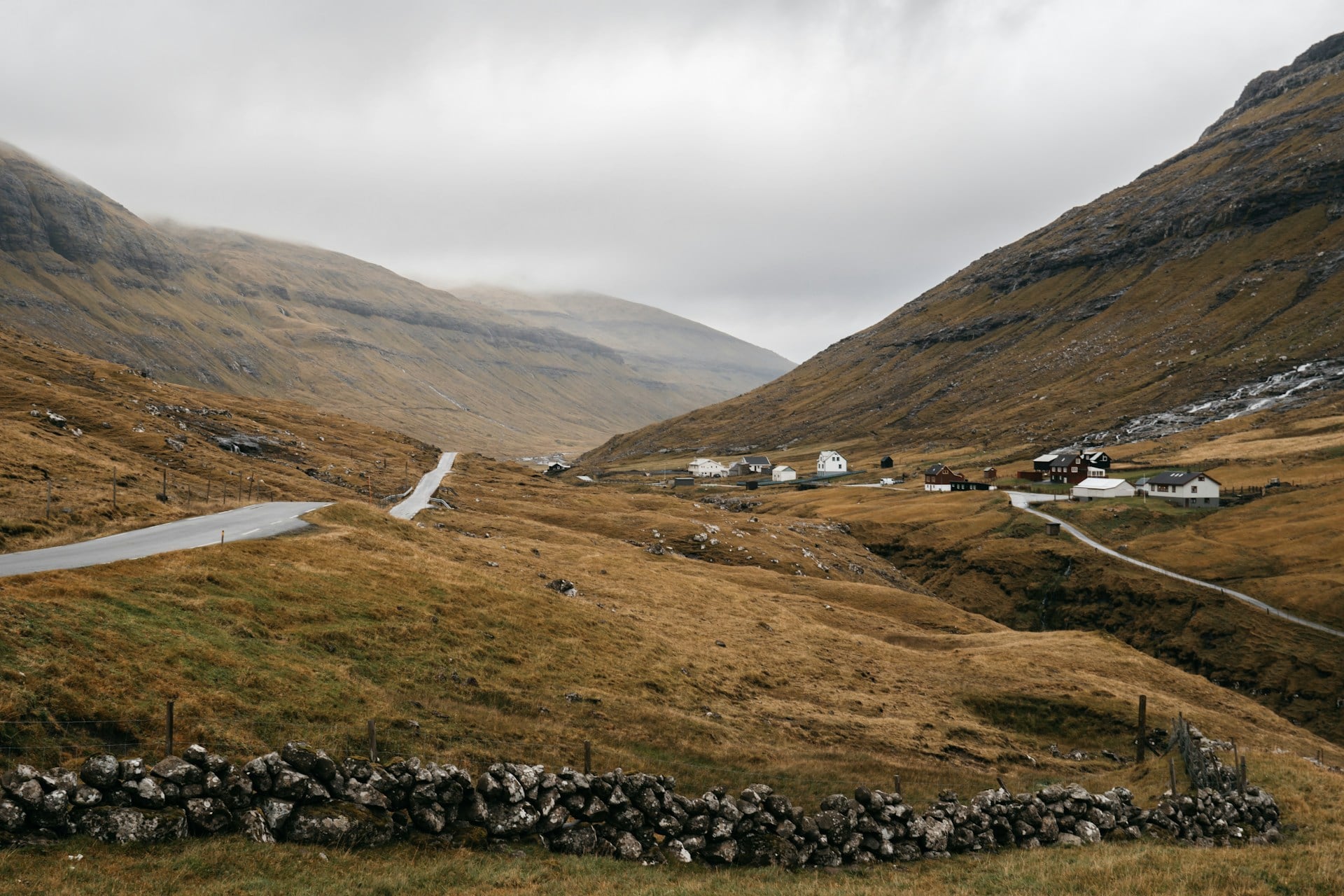
Northern regions of Norway, Sweden, and Finland experience remarkable seasonal temperature variation despite their proximity to the sea. The combination of high latitude and continental influence creates conditions where winter darkness brings temperatures well below zero, while the midnight sun of summer can produce surprisingly warm conditions.
Inland areas away from coastal moderating effects can see temperature ranges of up to 117-126 degrees Fahrenheit between winter minimums around -58 degrees Fahrenheit and summer maximums around 86 degrees Fahrenheit. The Gulf Stream prevents even more extreme cold along the coasts, but northern Scandinavia’s interior still represents one of Europe’s most variable climate zones.
How These Extremes Shape Daily Life
These dramatic temperature swings aren’t just interesting weather facts—they fundamentally shape how people live. Countries experiencing extreme weather variations require buildings designed to handle both freezing cold and intense heat.
Residents need complete wardrobes for different seasons, and infrastructure from roads to power grids must withstand conditions that would destroy systems in more moderate climates. Agriculture becomes a carefully timed dance with unpredictable seasons.
Transportation can shut down completely during extreme cold snaps or heat waves. What seems like abstract numbers on a thermometer translates into real challenges that millions of people navigate every single day, adapting their lives to climates that swing from one extreme to another with sometimes startling speed.
More from Go2Tutors!

- The Romanov Crown Jewels and Their Tragic Fate
- 17 Halloween Costumes Once Considered Taboo
- Famous Hoaxes That Fooled the World for Years
- 15 Child Stars with Tragic Adult Lives
- 16 Famous Jewelry Pieces in History
Like Go2Tutors’s content? Follow us on MSN.