16 Art Masterpieces That Were Created in Prison
Throughout history, some of the world’s most compelling artwork has emerged from the most unlikely places. Prison walls have witnessed the birth of extraordinary creative works, born from desperation, reflection, and the human need to express what cannot be spoken.
These confined spaces became studios where artists transformed their darkest moments into lasting beauty. The following collection showcases remarkable pieces that prove creativity knows no boundaries.
Here is a list of 16 art masterpieces that were created behind bars.
The Autobiography of Malcolm X

Malcolm X didn’t set out to create a literary masterpiece when he began corresponding with journalist Alex Haley from his prison cell. What started as a series of interviews evolved into one of America’s most influential autobiographies.
Written largely during his incarceration at Charlestown State Prison, Malcolm X used his time to educate himself and articulate his transformation from street hustler to civil rights leader. The book captures his intellectual awakening and spiritual journey with raw honesty that continues to inspire readers decades later.
Letter from Birmingham Jail
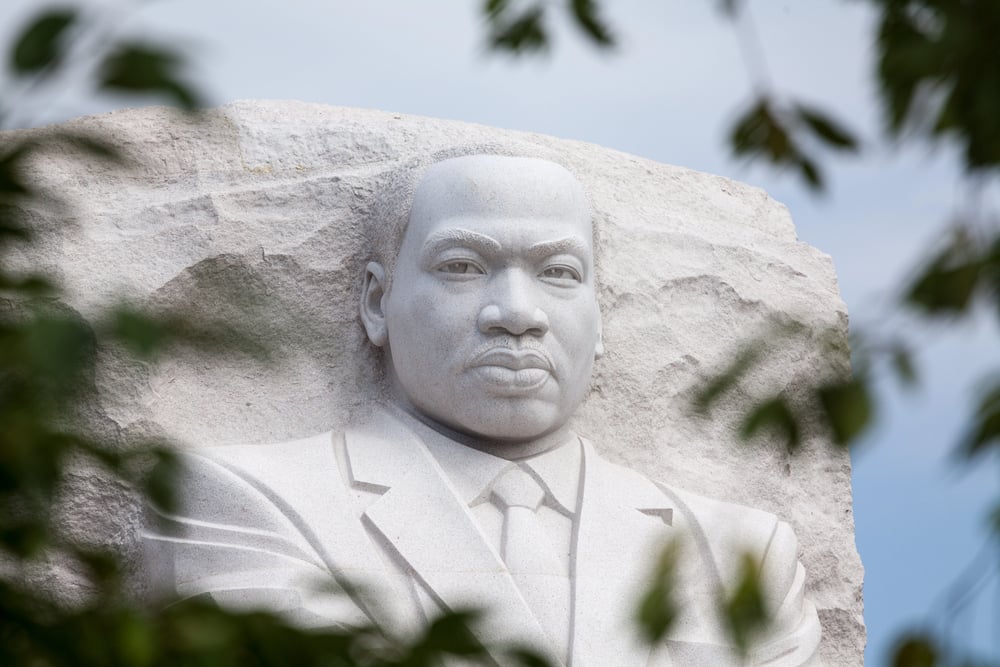
Martin Luther King Jr. penned his famous letter on scraps of newspaper and smuggled paper while imprisoned in Birmingham City Jail in 1963. This wasn’t just correspondence—it became a foundational text of the civil rights movement.
King wrote his response to white clergymen who criticized his methods, crafting arguments that would shape American understanding of civil disobedience and moral responsibility. The letter’s eloquent defense of nonviolent resistance transformed a jail cell into a philosophical classroom.
De Profundis

Oscar Wilde’s lengthy letter to his former lover Lord Alfred Douglas became one of literature’s most profound meditations on suffering and redemption. Written during his two-year imprisonment in Reading Gaol for ‘gross indecency,’ Wilde poured his anguish and insights onto paper.
The work reveals a man grappling with his fall from grace while discovering deeper truths about art, love, and human nature. Its title, meaning ‘from the depths’ in Latin, perfectly captures the emotional journey Wilde undertook while confined.
Don Quixote (Part Two)

Miguel de Cervantes completed the second part of his literary masterpiece while imprisoned in Seville’s Royal Prison. Already famous for the first volume, Cervantes found himself behind bars due to financial troubles and accusations of financial impropriety in his tax collection work.
Rather than letting despair consume him, he channeled his experiences into deepening his exploration of reality versus illusion. The prison setting seems fitting for a story about a man who creates his own version of the world.
The Enormous Room

E.E. Cummings transformed his wrongful imprisonment in a French detention camp during World War I into a modernist masterpiece. Accused of treason due to his anti-war sentiments in letters home, Cummings spent several months in deplorable conditions.
His book captures the absurdity and humanity he witnessed among fellow prisoners with innovative prose that breaks conventional rules. The experience shaped both his worldview and his experimental writing style that would influence generations of poets.
Pilgrim’s Progress

John Bunyan wrote his Christian allegory while imprisoned in Bedford County Gaol for preaching without a license. Spending twelve years behind bars for his religious convictions, Bunyan created a story that would become one of the most widely read books in the English language after the Bible.
His tale of Christian’s journey from the City of Destruction to the Celestial City resonated with readers who understood persecution and the search for spiritual freedom. The work proves that physical confinement cannot imprison the imagination.
The Ballad of Reading Gaol
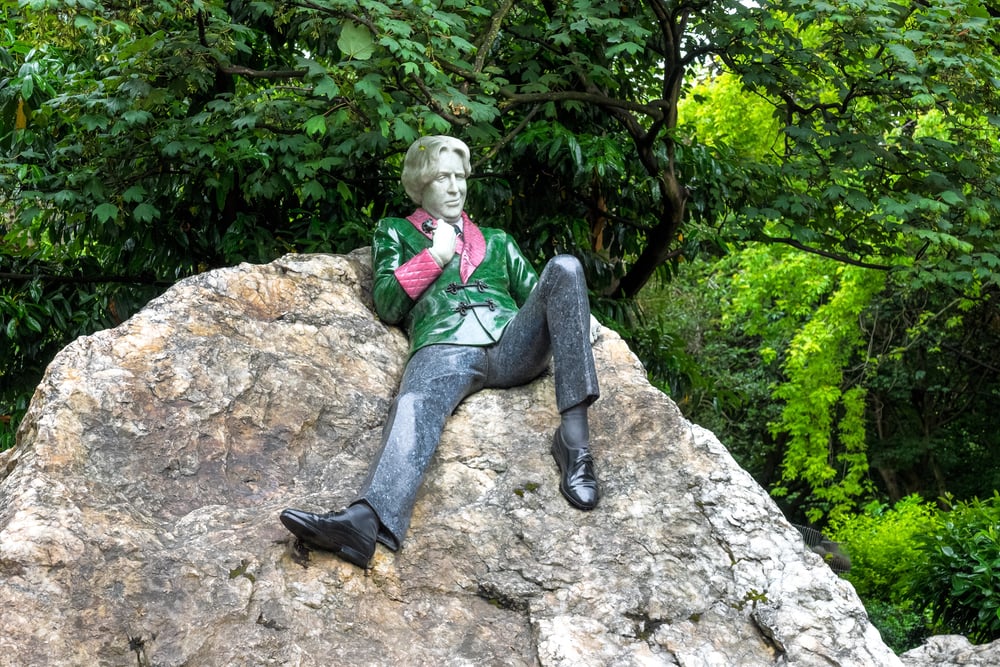
Oscar Wilde’s final published work emerged from his prison experience, though he wrote it after his release. The poem reflects on the execution of a fellow prisoner and explores themes of justice, punishment, and human compassion.
Wilde’s famous line, ‘each man kills the thing he loves,’ encapsulates the tragic irony he witnessed behind bars. The ballad stands as both a personal catharsis and a broader commentary on society’s treatment of outcasts.
Boethius’s Consolation of Philosophy

Written in the 6th century while awaiting execution, this work by the Roman philosopher Boethius has influenced Western thought for over a millennium. Imprisoned on charges of treason, Boethius engaged in a philosophical dialogue with Lady Philosophy herself.
The work explores how wisdom and virtue can provide comfort even in the face of death and injustice. Medieval scholars and modern readers alike have found solace in its meditations on fate, free will, and the nature of true happiness.
Gramsci’s Prison Notebooks
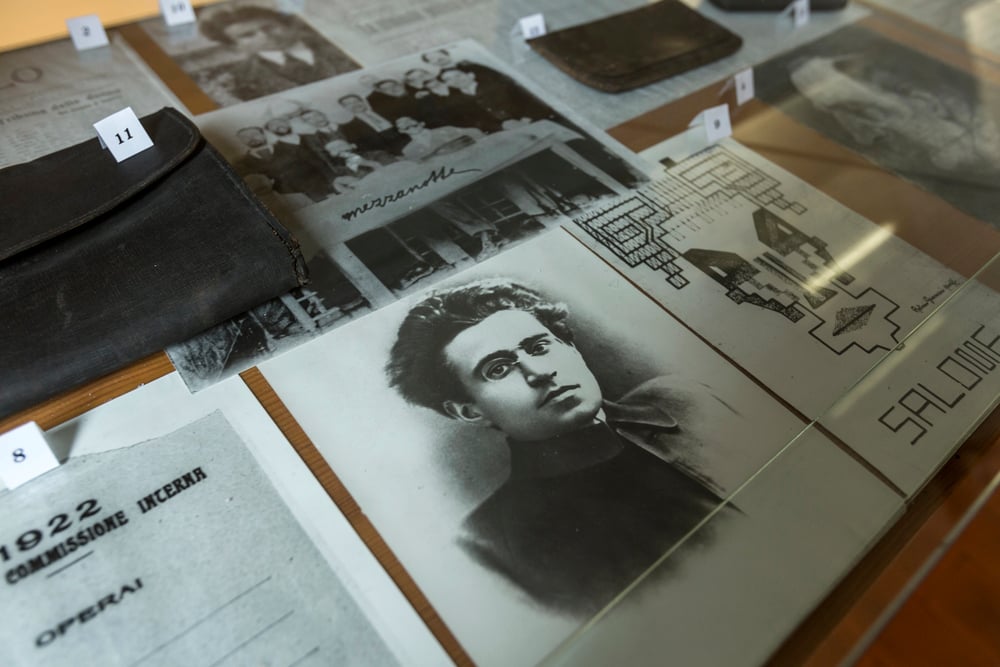
Antonio Gramsci filled 33 notebooks with his revolutionary ideas while imprisoned by Mussolini’s fascist regime. The Italian Marxist theorist spent eleven years behind bars, using his confinement to develop concepts like cultural hegemony that would reshape political thought.
His notebooks contain over 3,000 pages of analysis on politics, culture, and society. These writings became foundational texts for understanding how power operates through culture and education, not just force.
Mein Kampf

Adolf Hitler dictated the first volume of his political manifesto to Rudolf Hess while imprisoned after the failed Beer Hall Putsch in Munich. Written in Landsberg Prison, the book outlined the ideology that would later devastate Europe.
While historically significant for understanding the rise of Nazism, the work serves as a reminder of how imprisonment can incubate dangerous ideas alongside great ones. The book’s existence demonstrates that creativity behind bars isn’t inherently positive or redemptive.
Soul on Ice

Eldridge Cleaver wrote his collection of essays while serving time in California’s prison system during the 1960s. His raw, confrontational prose examined race, identity, and American society with unflinching honesty.
The book became a defining text of the Black Power movement, offering insights into the African American experience that white America couldn’t ignore. Cleaver’s transformation from career criminal to influential writer illustrated the potential for personal revolution within the prison system.
In the Belly of the Beast
Jack Henry Abbott’s correspondence with author Norman Mailer became this harrowing account of life in America’s maximum-security prisons. Abbott spent most of his adult life behind bars and wrote with brutal honesty about the dehumanizing effects of solitary confinement and prison violence.
His literary talent earned him early release, though he would later commit another crime. The book remains a stark portrait of how the prison system can destroy the human spirit.
The Picture of Dorian Gray (Revisions)

While not entirely written in prison, Oscar Wilde made significant revisions to his novel during his imprisonment at Reading Gaol. The experience of confinement deepened his understanding of moral corruption and the consequences of living without conscience.
His edits reflected a more nuanced view of sin and redemption, informed by his own fall from grace. The revised work carries the weight of lived experience with shame and punishment.
Miracle in Lane Two

This isn’t a traditional artwork but rather the transformation of Rubin ‘Hurricane’ Carter himself during his wrongful imprisonment. Carter channeled his anger and desperation into writing and activism, producing works that helped expose the injustices of the American legal system.
His autobiography and subsequent writings turned his cell into a platform for social change. Carter’s story shows how art and advocacy can merge to create something greater than either could achieve alone.
The Autobiography of a Yogi

Paramahansa Yogananda wrote portions of his spiritual classic while briefly imprisoned during India’s independence movement. Though his confinement was short, the experience reinforced his teachings about finding inner freedom regardless of external circumstances.
The book became instrumental in introducing Eastern philosophy to Western audiences. Yogananda’s ability to maintain spiritual practice and continue writing while imprisoned exemplified the principles he taught.
Letters from Prison

Dietrich Bonhoeffer’s correspondence from Nazi prisons reveals a theologian grappling with faith under extreme duress. The German pastor and anti-Nazi resistance member wrote profound reflections on Christianity’s role in opposing evil.
His letters explore how believers should respond when their government commits atrocities. These writings influenced liberation theology and continue to challenge Christians to live out their faith courageously, even unto death.
When Creativity Transcends Bars

These works remind us that human creativity cannot be contained by walls or chains. From Malcolm X’s intellectual awakening to Wilde’s spiritual journey, each piece demonstrates how confinement can paradoxically liberate the mind and spirit.
The prison experience, while harsh and often unjust, has provided some artists with the solitude and urgency needed to create their most enduring works. These masterpieces continue to reach across time and space, proving that true art finds a way to break free from any prison.
More from Go2Tutors!

- The Romanov Crown Jewels and Their Tragic Fate
- 13 Historical Mysteries That Science Still Can’t Solve
- Famous Hoaxes That Fooled the World for Years
- 15 Child Stars with Tragic Adult Lives
- 16 Famous Jewelry Pieces in History
Like Go2Tutors’s content? Follow us on MSN.



