16 Communication Methods Before the Internet
Email wasn’t always around to ping our phones with messages. People had to get creative about sharing information across long distances, and they came up with some pretty ingenious solutions.
Smoke signals floating over mountain ridges, pigeons carrying tiny scrolls—humans figured out how to turn just about anything into a messaging system. These weren’t just neat tricks either.
They kept families in touch, helped armies coordinate attacks, and literally built empires from the ground up. Here is a list of 16 communication methods that kept conversations going before the internet flipped everything upside down.
Smoke Signals

Native tribes had this whole smoke signal thing down to a science thousands of years ago. They’d create these visual telegraphs that worked across hundreds of miles, assuming the weather cooperated.
Different puff patterns meant different things—enemy approaching, successful hunt, need help right now. What made it brilliant was how simple it was: grab some fire, toss on wet grass, use a blanket to control the puffs, and boom—you’re sending messages across ridiculous distances.
Carrier Pigeons

Think of these birds as the original email system, except with wings and an attitude. They could zip back home from hundreds of miles away with scary-good accuracy.
Bad weather sometimes messed things up, but armies during both world wars counted on these feathered mail carriers big time. Some pigeons even got military medals for delivering crucial intel under fire.
Their built-in GPS worked amazingly well, though hawks occasionally had other plans for important messages.
Like Go2Tutors’s content? Follow us on MSN.
Telegraph
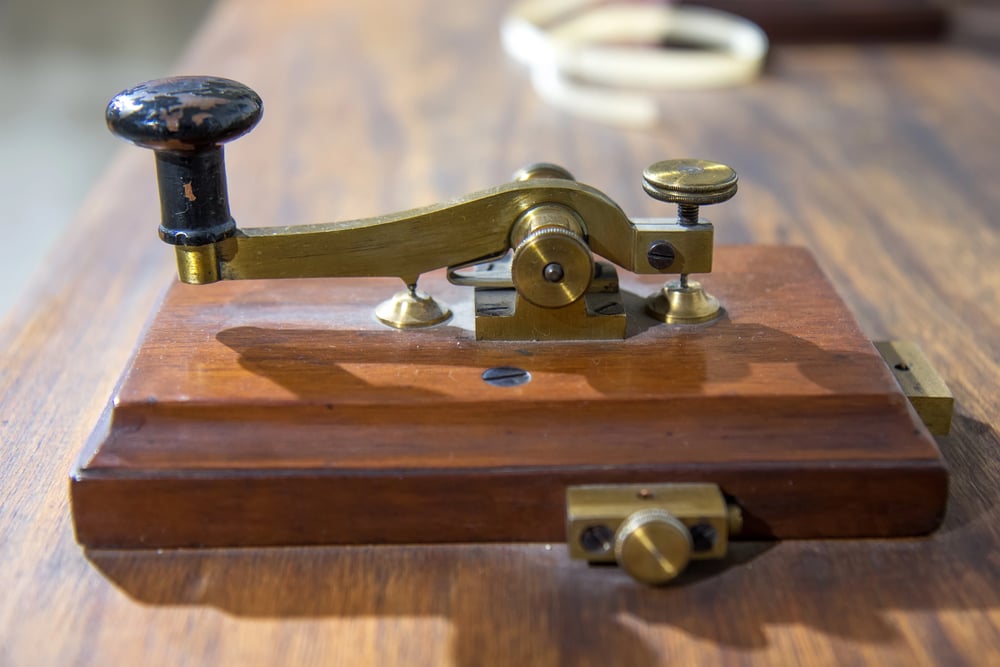
Morse completely flipped the script on long-distance communication with his electrical pulse system. Those dot-dash patterns everyone knows became like a global language connecting whole continents.
Suddenly, you could shoot a message from New York to California in minutes instead of waiting weeks—people thought it was basically magic. Telegraph operators turned into the rockstar technicians of their day, fingers flying across those keys like concert pianists.
Town Criers
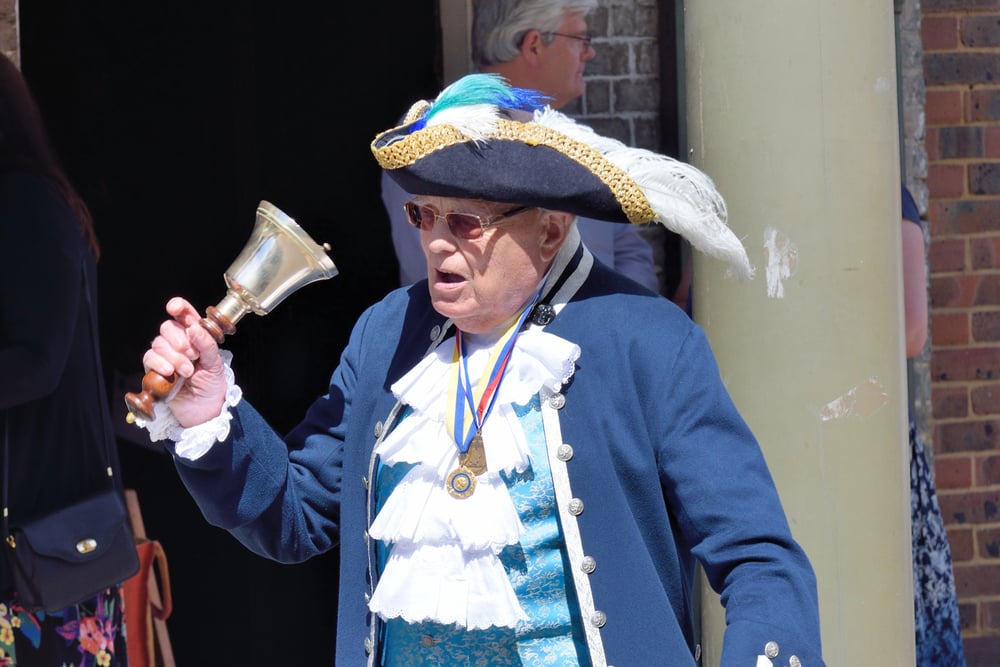
Before newspapers showed up at your door, these guys were walking news broadcasts roaming through town squares. They’d ring bells or blow horns to get everyone’s attention first, then belt out whatever important stuff was happening.
You could spot them a mile away in their official outfits—when they showed up, everybody knew to shut up and listen. Royal announcements, market prices, local gossip—they covered it all, making sure even folks who couldn’t read stayed in the loop.
Postal System

Mail delivery actually started way back in ancient Persia with horse riders setting up relay stations across their empire. Over time, this turned into something resembling modern postal services—dedicated routes, sorting centers, and schedules you could actually count on.
The Pony Express was probably the coolest version, with riders racing across dangerous territory to cut delivery from months down to just ten days. Cost a fortune, but proved that sheer determination could beat geography.
Like Go2Tutors’s content? Follow us on MSN.
Signal Fires

Mountain folks positioned fires so they could pass messages across huge distances—each fire spot was close enough to see the next one, letting news travel way faster than any horse could gallop. Greeks got incredibly good at this; when Troy finally fell, King Agamemnon heard about it within hours through a chain of perfectly timed fires covering hundreds of miles.
The weather could mess things up, but for urgent news, this system rarely failed.
Drum Communication
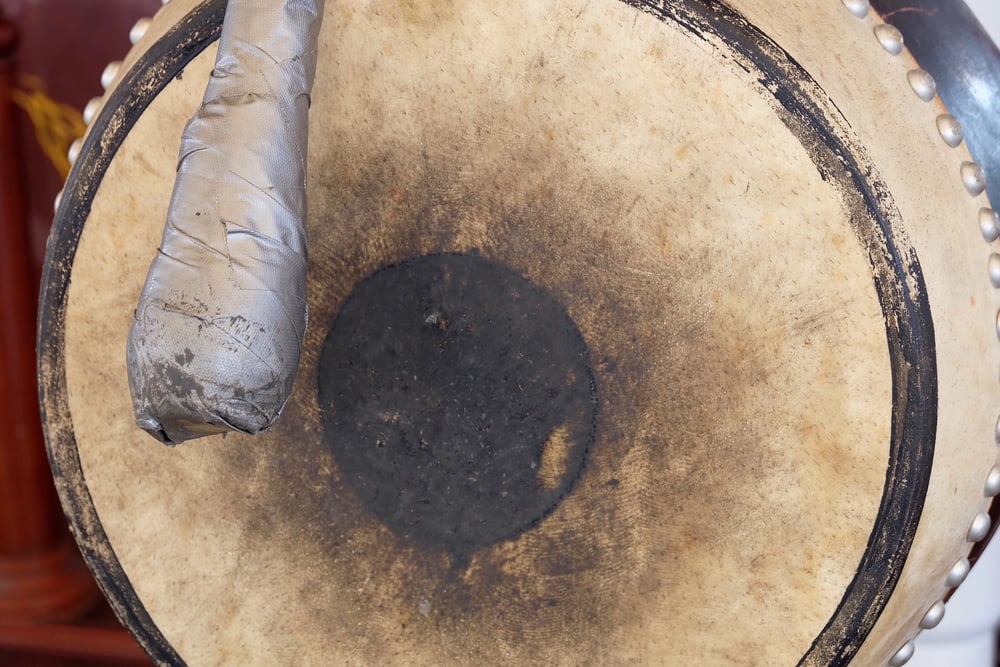
African communities developed these amazing drum languages that could send complicated messages through thick forests where you couldn’t see anything. These weren’t just random beats—they actually copied how spoken languages sounded, with all the right tones and rhythms.
Drummers could send detailed updates about weather, parties, even personal notes between villages. Sound carried up to 20 miles when conditions were right, beating foot messengers hands down for local communication.
Horn and Bell Systems

Medieval castles used different horn sounds to talk to nearby communities, with each blast meaning something specific that locals recognized instantly. One pattern might mean “army coming,” while bell sequences announced church services or fire emergencies.
Mountain areas were perfect for this since sound bounced around forever, and you couldn’t always rely on visual signals in rough terrain.
Like Go2Tutors’s content? Follow us on MSN.
Flag Semaphore

Navy ships developed these elaborate flag codes where different colored banners held in various positions spelled out letters, numbers, and common phrases. Ships could chat with each other across miles of open water using telescopes to read the flag positions during battles.
Required seriously skilled flag operators who could translate messages into exact arm movements super quickly. Rough weather made reading flags tough, but it beat shouting across the ocean.
Message Runners

Human messengers basically held together communication networks in tons of ancient civilizations. These runners could cover insane distances while keeping complex spoken messages straight in their heads—it took years to get that good.
The Inca had this brilliant relay system called ‘chasquis’ where runners stationed every few miles could deliver messages across their massive mountain empire. These athletes actually beat horses over long hauls through tough terrain, proving that sometimes human endurance trumps horsepower.
Signal Mirrors
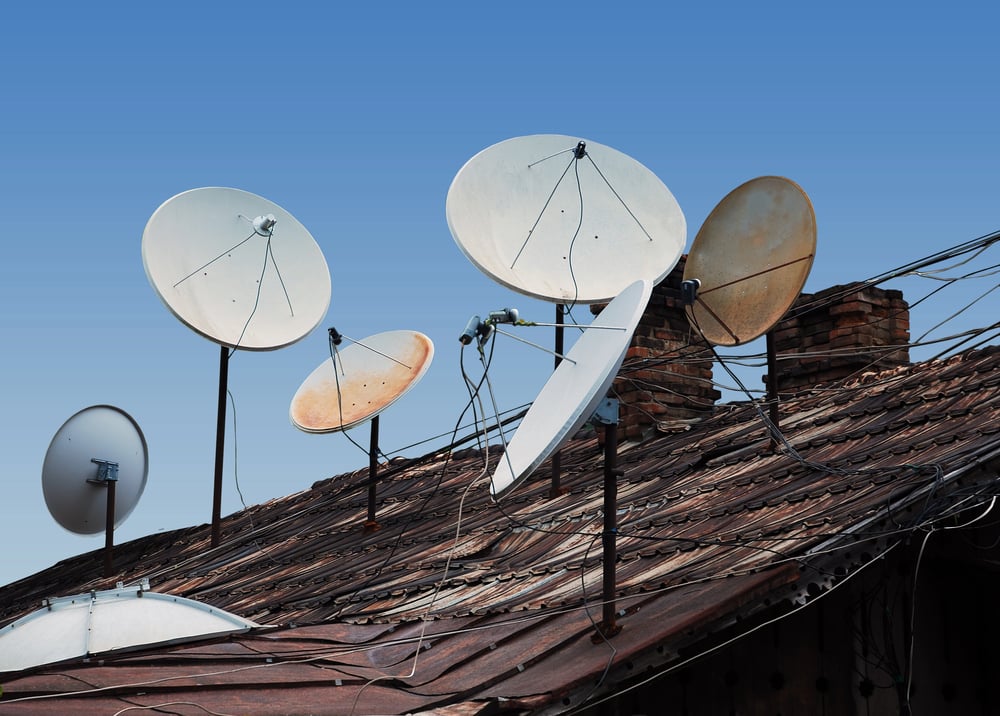
Military guys used polished metal to bounce sunlight across enormous distances, creating flashes you could spot for miles on clear days. Desert areas were perfect for this heliograph system since the sun was so intense and visibility went on forever.
Operators worked out codes with short and long flashes, kind of like Morse code, so they could send detailed messages without any equipment besides a mirror. It needed clear skies and bright sun, though, which limited when you could use it.
Like Go2Tutors’s content? Follow us on MSN.
Church Bells
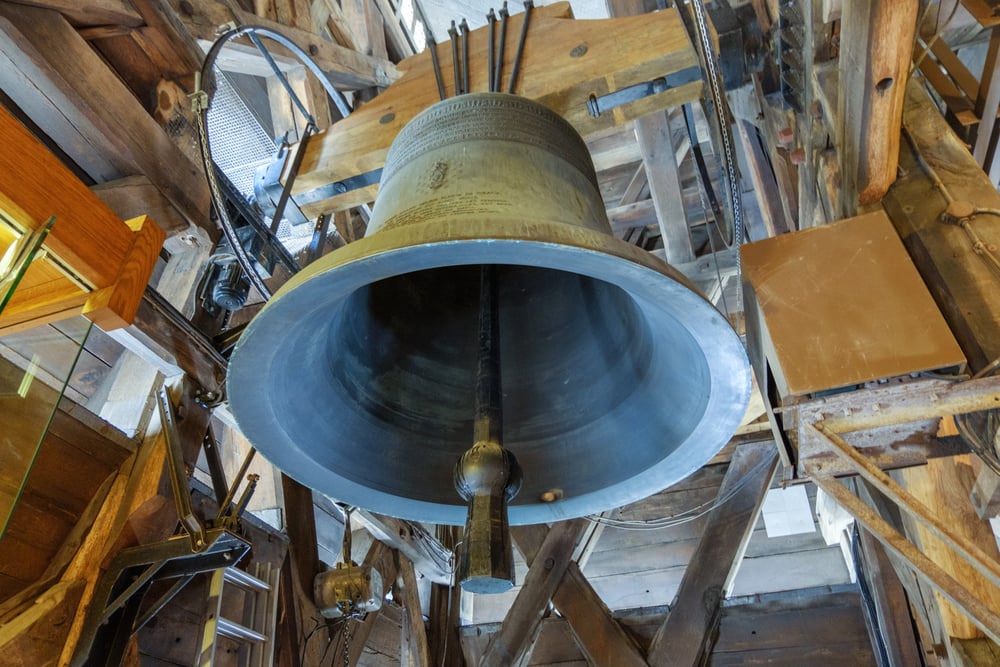
Religious communities came up with intricate bell patterns that told surrounding villages different kinds of news. Beyond just calling people to church, specific ring sequences announced deaths, warned about danger, or celebrated weddings and festivals.
Those big church bells had such deep tones they carried for miles, reaching scattered country folks who didn’t have access to other news sources. Bell ringers got really skilled at creating distinct patterns that communities could tell apart easily.
Conch Shells

Island people turned big seashells into serious communication tools, with different horn blasts carrying specific meanings across water and land. These natural horns made deep sounds that traveled incredible distances over water, perfect for keeping fishing boats coordinated or warning about incoming storms.
Took real lung power and skill to make clear, steady tones that people could understand from far away.
Message Bottles

Sailors would seal written notes inside waterproof containers and hope ocean currents would carry their words to distant shores. Pretty unreliable and slow, but sometimes it was the only shot at communication when ships got stranded on remote islands.
Plenty of message bottles actually did make it to their destinations, though some took months or years drifting around unpredictable currents. More of a Hail Mary than a reliable system, but desperate times called for creative measures.
Like Go2Tutors’s content? Follow us on MSN.
Quipu
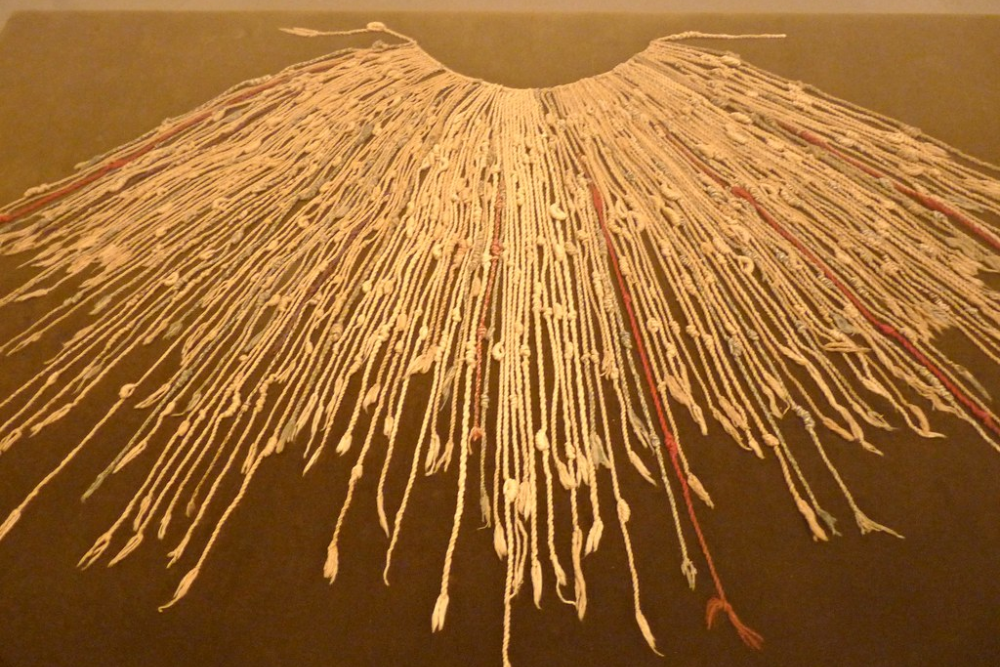
The Inca created this incredibly sophisticated system using knotted strings that worked as both messaging and record-keeping for their huge empire. Different colored strings, knot types, and positions conveyed complex information about population numbers, historical events, and government decisions.
Trained specialists called ‘quipucamayocs’ could read and make these detailed string messages, keeping comprehensive records without any written language at all. Probably one of history’s unique approaches to storing and sharing information.
Signal Cannons

Military outposts fired cannons as long-distance alarm systems, with different numbers of shots meaning various emergencies or announcements. Artillery booms carried for many miles, making them great for alerting scattered communities about threats or coordinating defense plans.
It worked especially well where terrain or weather blocked other signals completely. Of course, gunpowder was expensive, and you needed actual cannons, so this stayed mostly military rather than civilian.
Messages That Echoed Through Time

These old communication methods show just how creative people were way before digital technology made everything easy. Each system matched whatever challenges and resources were available—Inca mountain terrain inspired those runner networks, while ocean cultures perfected message bottles and shell horns.
We take instant global communication for granted now, but these clever solutions prove people have always found ways to stay connected no matter what stood in their way. Next time your internet craps out, remember our ancestors built entire empires using nothing but smoke, drums, and messengers tough enough to handle whatever got thrown at them.
Like Go2Tutors’s content? Follow us on MSN.
More from Go2Tutors!

- 16 Restaurant Chains That Went Too Fast
- 12 Things Sold in the 80s That Are Now Illegal
- 15 VHS Tapes That Could Be Worth Thousands
- 17 Historical “What Ifs” That Would Have Changed Everything
- 18 TV Shows That Vanished Without a Finale
Like Go2Tutors’s content? Follow us on MSN.