Interesting Facts About the Great Depression
The 1930s transformed America in ways that still echo through modern life. When the stock market crashed in 1929, nobody imagined the decade of hardship that would follow.
The Great Depression wasn’t just about breadlines and dust storms—it was a period that fundamentally changed how Americans lived, thought, and related to each other.
Monopoly Was Created During the Depression
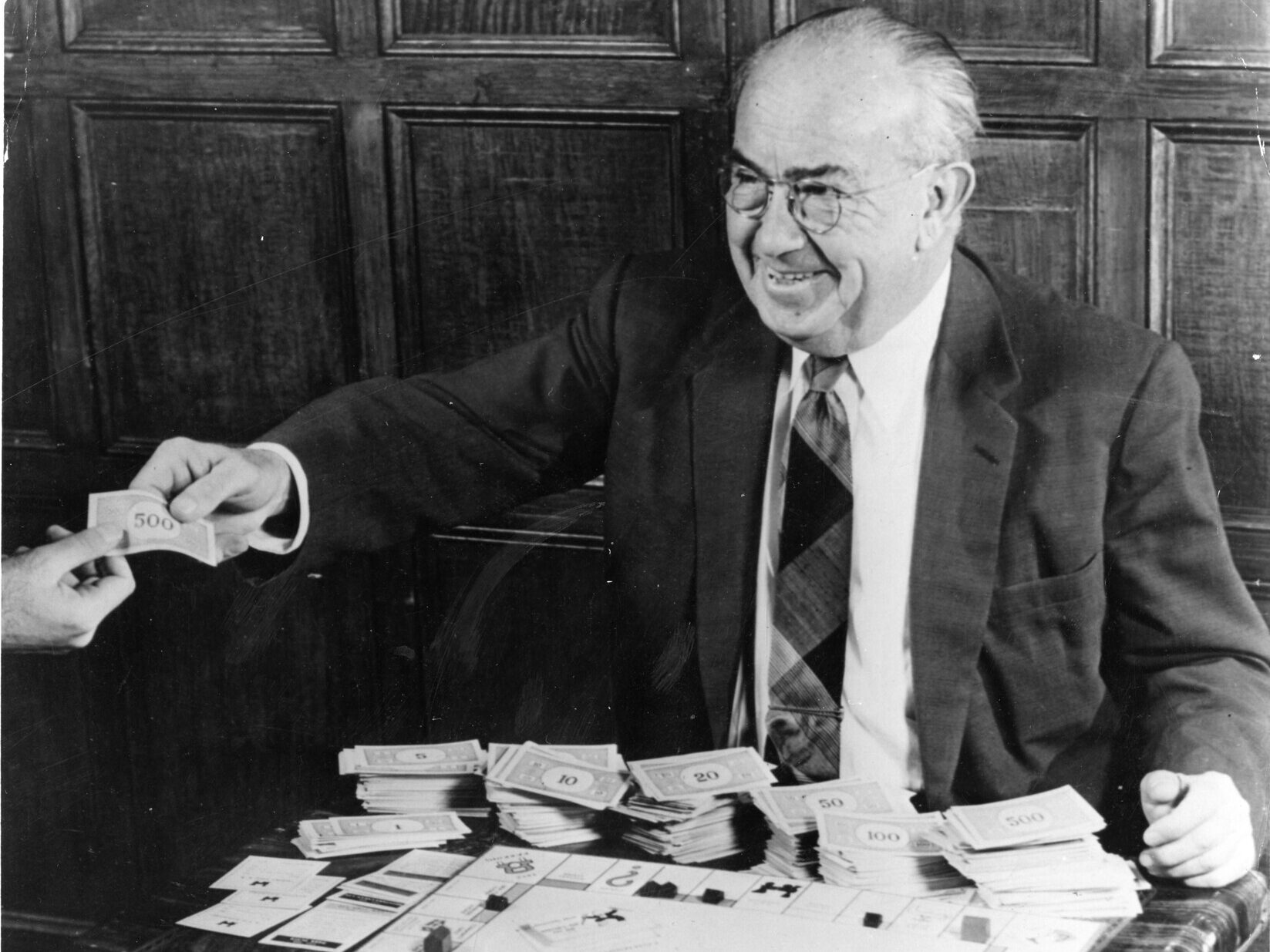
Charles Darrow designed Monopoly in 1935 while he was unemployed. The game let people fantasize about wealth and real estate deals at a time when most were struggling to pay rent.
Parker Brothers initially rejected it for having too many design errors, so Darrow sold handmade sets on his own. When those flew off the shelves, Parker Brothers reconsidered.
The game became the best-selling board game in America within a year.
People Ate Dandelions and Weeds to Survive

When grocery money ran out, families foraged in vacant lots and along roadsides. Dandelion greens became a staple.
People also gathered wild onions, pokeweed, and whatever edible plants they recognized. Cookbooks from the era included recipes for things like “mock apple pie” made from crackers and “water pie” that contained no fruit at all.
Creativity in the kitchen became a survival skill.
The Dust Bowl Was Partly Man-Made

The massive dust storms that darkened skies across the Great Plains weren’t just bad luck. Decades of aggressive farming had stripped away the native prairie grasses that held the soil together.
When drought hit, there was nothing to stop the topsoil from blowing away. Some storms were so severe that dirt from Oklahoma fell on ships in the Atlantic Ocean.
The disaster displaced hundreds of thousands of farm families.
Banks Failed By the Thousands
More than 9,000 banks collapsed between 1930 and 1933. When a bank went under, depositors lost everything—there was no FDIC insurance yet.
People who had saved money for years watched it vanish overnight. The bank failures created a vicious cycle.
Fear made people withdraw their savings, which caused more banks to fail, which increased the fear. Bank runs became self-fulfilling prophecies.
Hollywood Thrived While Everything Else Collapsed

Movie theaters were one of the few industries that actually grew during the Depression. Admission cost a dime or a quarter, and it offered a few hours of escape.
Studios released musicals, screwball comedies, and fantasy films—anything to distract audiences from their troubles. Some theaters even offered “Dish Nights” where you got free plates or bowls with your ticket.
People went hungry to afford movie tickets.
Hoovervilles Sprang Up in Every Major City
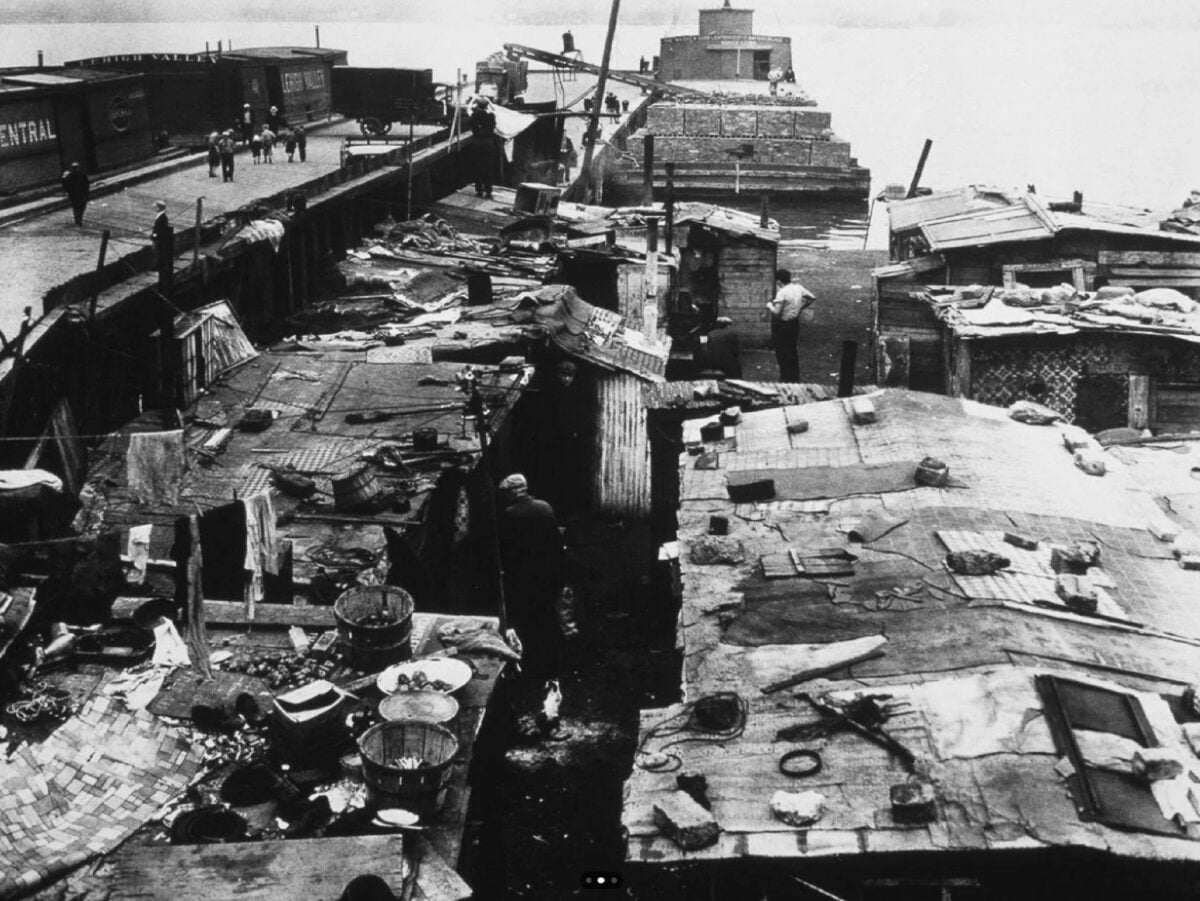
Homeless encampments appeared in parks, under bridges, and on empty lots across America. People named them Hoovervilles after President Herbert Hoover, who they blamed for the crisis.
Residents built shelters from cardboard, scrap metal, and whatever materials they could find. Some Hoovervilles housed hundreds of people and developed their own informal governments and rules.
The largest one in Seattle had a mayor and lasted for nearly a decade.
Children Stopped Going to School

Families couldn’t afford shoes, paper, or pencils. Many schools shut down completely because towns ran out of money to pay teachers.
Kids who did attend often went hungry—malnutrition became visible in classrooms across the country. Some rural schools operated only a few months per year.
The literacy rate dropped for the first time in American history.
Self-harm Rates Actually Didn’t Spike as Much as People Think

The myth about bankers jumping from windows after the crash is exaggerated. Self-harm did increase, but not dramatically.
The rate went from about 14 per 100,000 people in 1929 to 17 per 100,000 in 1932. That’s significant, but nothing like the mass wave of despair portrayed in popular culture.
People were remarkably resilient. They found ways to cope and support each other even when everything seemed hopeless.
Marriage and Birth Rates Plummeted

Young couples couldn’t afford weddings, homes, or children. The marriage rate dropped 22 percent between 1929 and 1932.
Birthrates fell to historic lows as families delayed or gave up on having more children. Some couples separated temporarily so women and children could qualify for relief programs that excluded intact families.
The Depression delayed an entire generation from starting families.
Crime Became Romanticized

Bank robbers like John Dillinger, Bonnie and Clyde, and Pretty Boy Floyd became folk heroes to a public that resented banks and authority. These criminals stole from institutions that had failed ordinary people.
Newspapers breathlessly covered their exploits. Some even claimed these outlaws helped the poor, though the reality was messier.
The FBI used its celebrity to justify expanding federal law enforcement powers.
Alphabet Soup Agencies Changed Government Forever

The New Deal created dozens of programs known by their initials—WPA, CCC, TVA, SEC, SSA. The government hired millions directly to build roads, bridges, parks, and public buildings.
These weren’t handouts. Workers earned their pay.
The projects left behind infrastructure that still serves communities today. The programs also fundamentally shifted Americans’ expectations about what the government should do during hard times.
Transients Rode the Rails Looking for Work

Hundreds of thousands of people hopped freight trains searching for jobs that didn’t exist. They became known as hobos.
These weren’t all down-and-out drifters—many were skilled workers, even professionals, who’d lost everything. They developed their own culture with symbols chalked near houses to indicate which families might offer food or which towns had hostile police.
Riding the rails was dangerous. Many died from accidents or exposure.
The Depression Hit Minorities Hardest

Folks of Black heritage endured joblessness at crushing levels, especially down South where aid rarely reached them. Meanwhile, hundreds of thousands of Mexican descent – some born right here – were forced out, numbers climbing near two million.
Life on tribal lands grew steeper still, hunger and want hitting harder than elsewhere across the country. For those of Asian roots, the struggle stretched beyond wallets into daily slights and suspicion.
What little help existed? It tore apart before holding anyone up.
Millionaires Still Threw Lavish Parties

While millions struggled, some wealthy Americans continued living extravagantly. They just did it more privately.
Society columnists still covered parties featuring champagne, orchestras, and exotic food. The contrast fueled anger and contributed to growing support for policies that would tax the rich more heavily.
The visible inequality made socialist and communist ideas more appealing to desperate workers.
It Took a War to End It
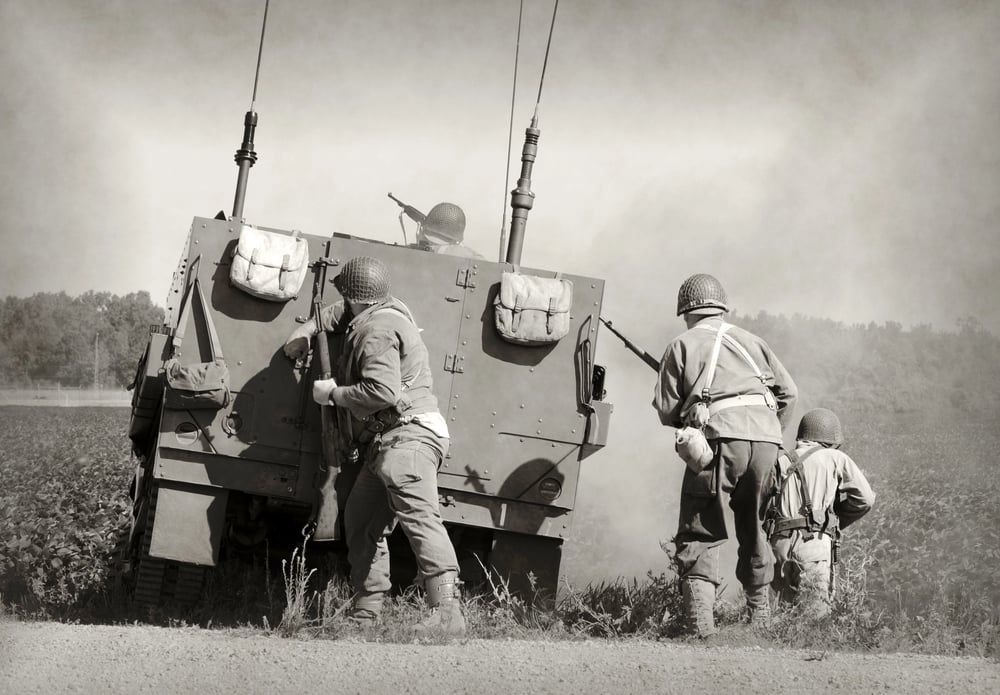
All the New Deal programs helped, but they didn’t end the Depression. Unemployment was still above 14 percent in 1940.
Then World War II started, and suddenly factories couldn’t hire workers fast enough. Military spending dwarfed anything the government had tried before.
Women entered the workforce in unprecedented numbers. Rationing created artificial scarcity but also ensured everyone had jobs and income.
The war economy accomplished what a decade of policy couldn’t.
Scars That Shaped Generations

Survival mode sticks around long after hard times fade. Rubber bands? Kept.
Foil scraps? Folded neatly into drawers. Trusting banks felt risky, so cash hid in coffee cans.
Gardens sprouted every spring, regardless of grocery access. Leftovers stayed in fridges until science questioned safety.
Younger kin scratched heads at these routines, raised under roof certainty and full pantries. Back then, saving scraps made sense because missing a meal was real.
Tough times during the 1930s showed how quickly life can unravel – something certain folks carried forward.
More from Go2Tutors!

- 16 Historical Figures Who Were Nothing Like You Think
- 12 Things Sold in the 80s That Are Now Illegal
- 15 VHS Tapes That Could Be Worth Thousands
- 17 Historical “What Ifs” That Would Have Changed Everything
- 18 TV Shows That Vanished Without a Finale
Like Go2Tutors’s content? Follow us on MSN.