Why Aardvarks Are Built for Survival
Have you ever wondered how an animal that appears to have been created by committee can survive in some of the most hostile environments in Africa? Despite its awkward and ungainly appearance, the aardvark is one of nature’s most well-designed survivors.
Imagine this: the aardvark has mastered both food and shelter in the sweltering savannas with remarkable efficiency, whereas other animals find it difficult. Every characteristic has a vital survival function, making it similar to an animal version of a Swiss Army knife.
Here are 15 incredible ways aardvarks are built for survival.
Bulldozer Claws Excavate Any Terrain
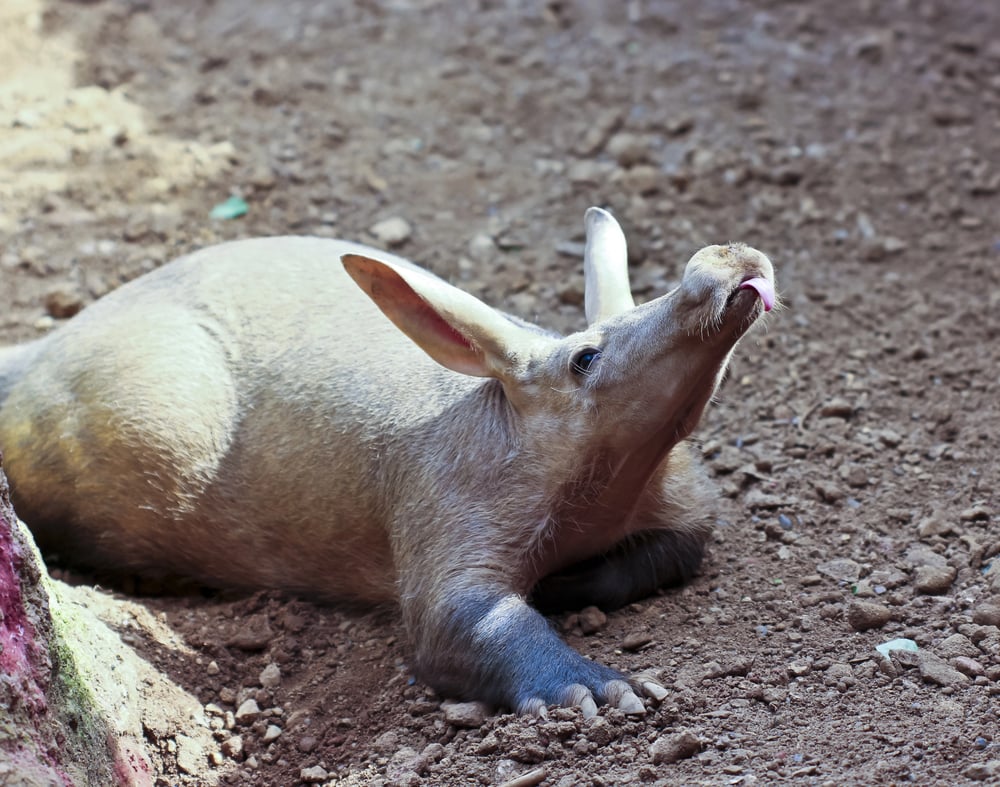
Those massive front claws aren’t just for show—they’re precision digging tools that can tear through hard-packed earth like a construction excavator. Each claw measures up to 2 inches long and is curved perfectly for maximum digging efficiency.
An aardvark can dig faster than most people can shovel, creating escape tunnels or reaching termite colonies buried deep underground. These claws are so powerful they can break through termite mounds that are hard as concrete.
Armored Skin Deflects Danger
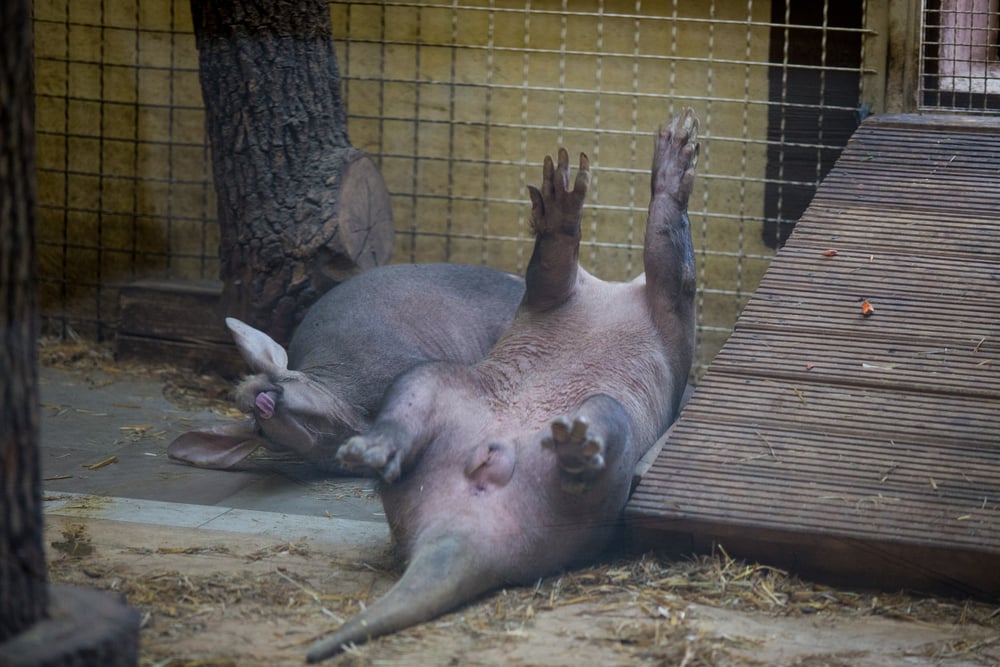
The aardvark’s thick, leathery hide acts like natural body armor against thorns, insect bites, and predator attacks. This tough skin is particularly thick around the shoulders and back—the areas most vulnerable during digging or fleeing.
Think of it as wearing a leather jacket that never comes off, protecting against everything from acacia thorns to hyena teeth. The skin is also surprisingly flexible, allowing quick movement when needed.
Like Go2Tutors’s content? Follow us on MSN.
Tube-Shaped Snout Houses Super Senses
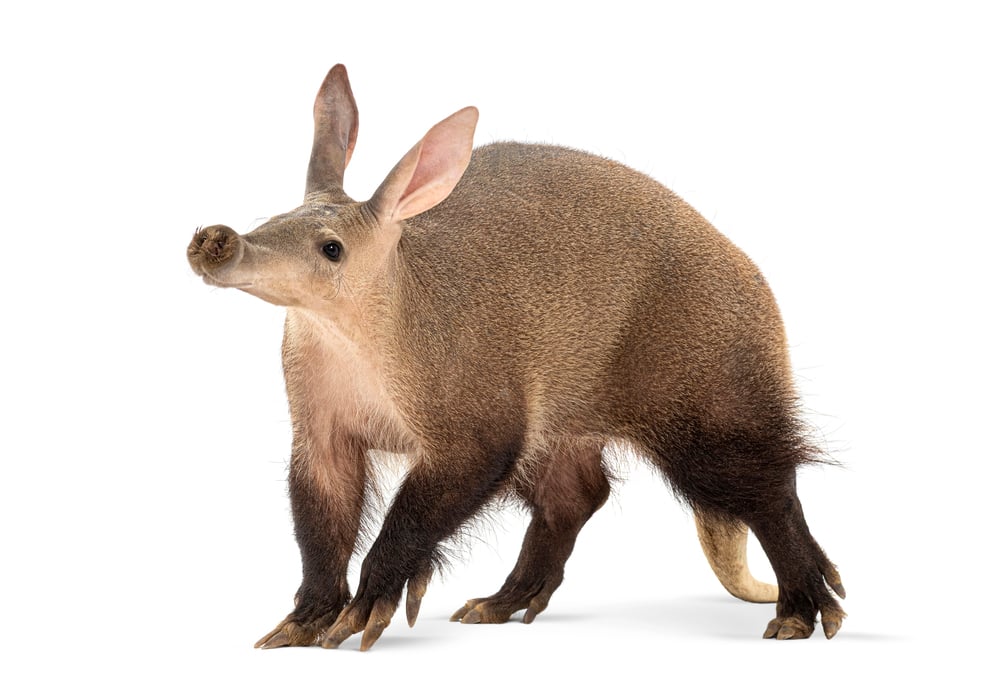
That distinctive pig-like snout isn’t just cute—it’s packed with more scent receptors than almost any other mammal. Aardvarks can smell termite colonies from over a mile away, even when they’re buried several feet underground.
The elongated shape also protects their nostrils from dirt and debris while digging. It’s like having a built-in gas mask and metal detector combined into one incredibly sensitive tool.
Ears Work Like Satellite Dishes
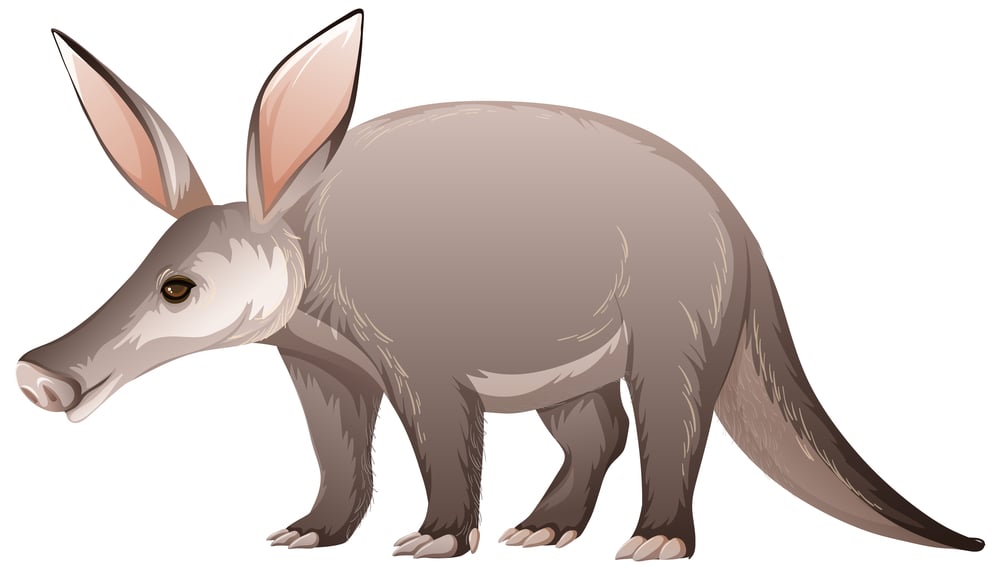
Those oversized ears can swivel independently to pinpoint sounds from multiple directions simultaneously. Aardvarks can hear termites moving inside their mounds and detect approaching predators from impressive distances.
The large ear size also helps with temperature regulation in hot African climates. When danger approaches, those ears fold back against the head to prevent dirt from getting inside during rapid digging escapes.
Powerful Hind Legs Provide Explosive Speed
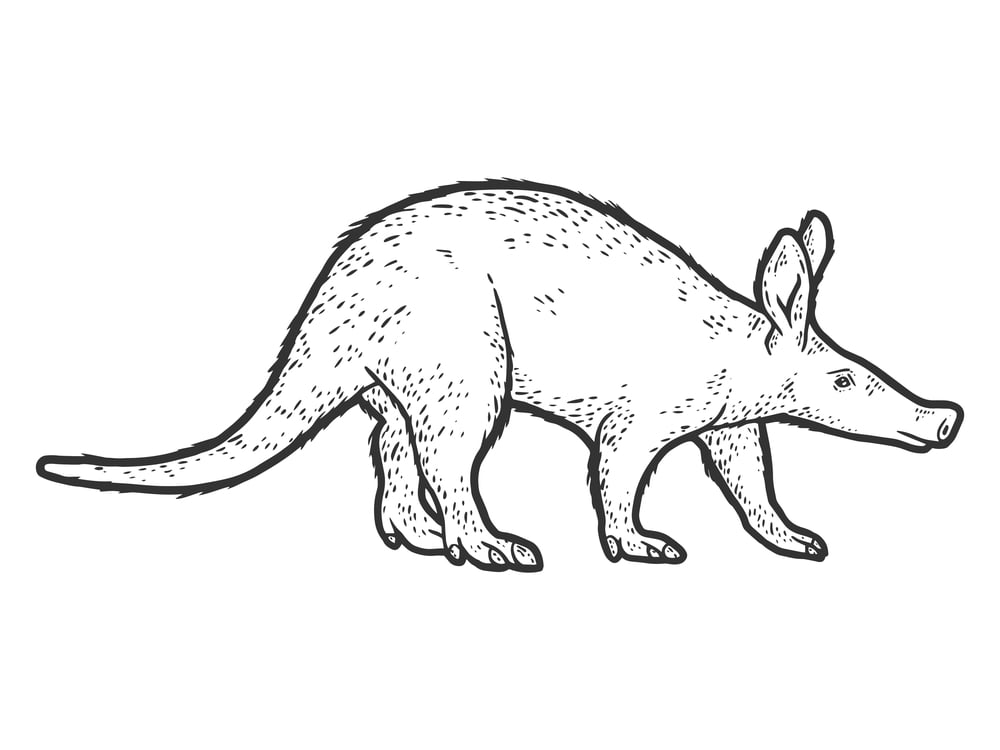
Despite their bulky appearance, aardvarks can sprint up to 25 miles per hour when threatened. Those muscular hind legs are built like coiled springs, providing sudden bursts of speed that often surprise predators.
The legs are also perfectly angled for efficient digging, allowing them to literally disappear into the ground in minutes. This combination of speed and digging ability makes them nearly impossible to catch in open terrain.
Like Go2Tutors’s content? Follow us on MSN.
Specialized Teeth Handle Tough Prey
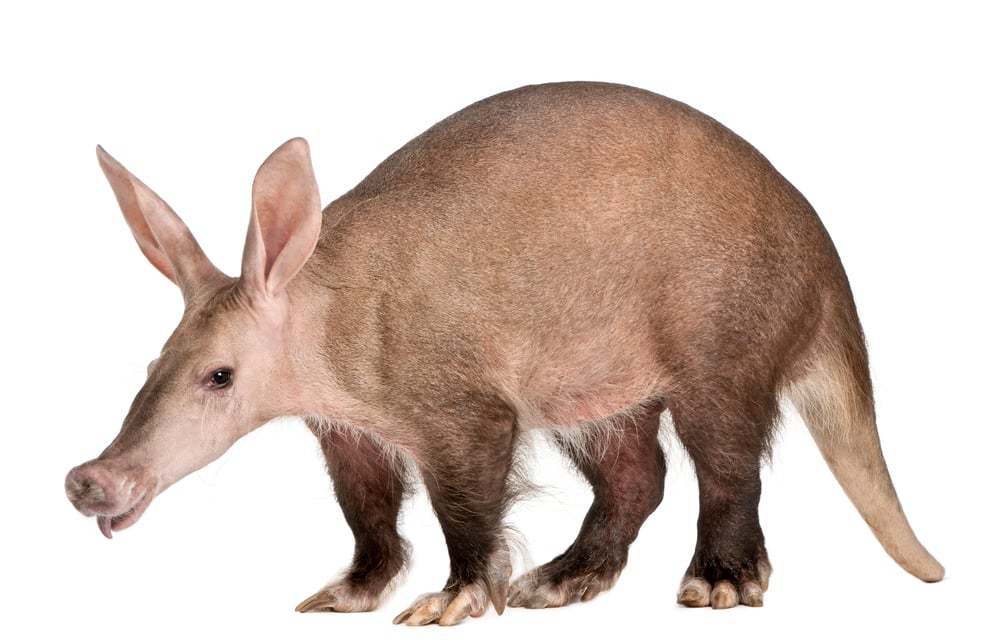
Aardvark teeth are unlike any other mammal’s—they’re made of columns of dentine that grow continuously throughout their lives. These unique teeth can crush hard termite and ant exoskeletons without wearing them down.
The teeth are also self-sharpening, meaning they get more efficient with use rather than duller. Think of them as biological grinding stones that never need replacement or maintenance.
Underground Lifestyle Avoids Competition
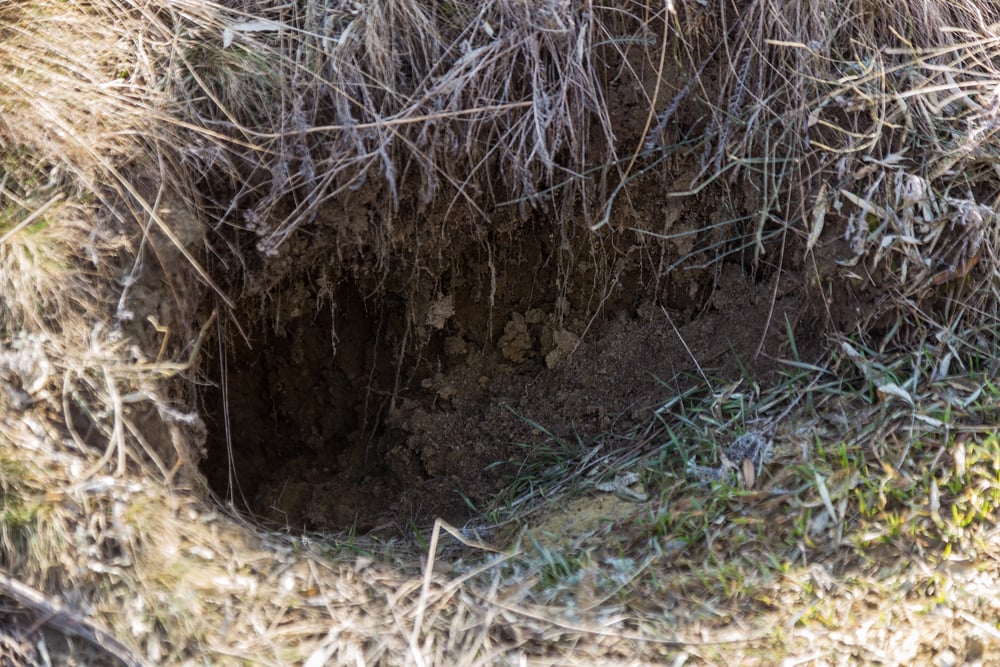
By specializing in subterranean hunting, aardvarks have virtually eliminated competition for their food sources. While other animals fight over surface resources, aardvarks have access to the vast underground world of termite colonies.
This lifestyle also provides protection from most predators and extreme weather conditions. They’ve essentially created their own private ecosystem where they’re the apex predator.
Body Shape Maximizes Digging Efficiency
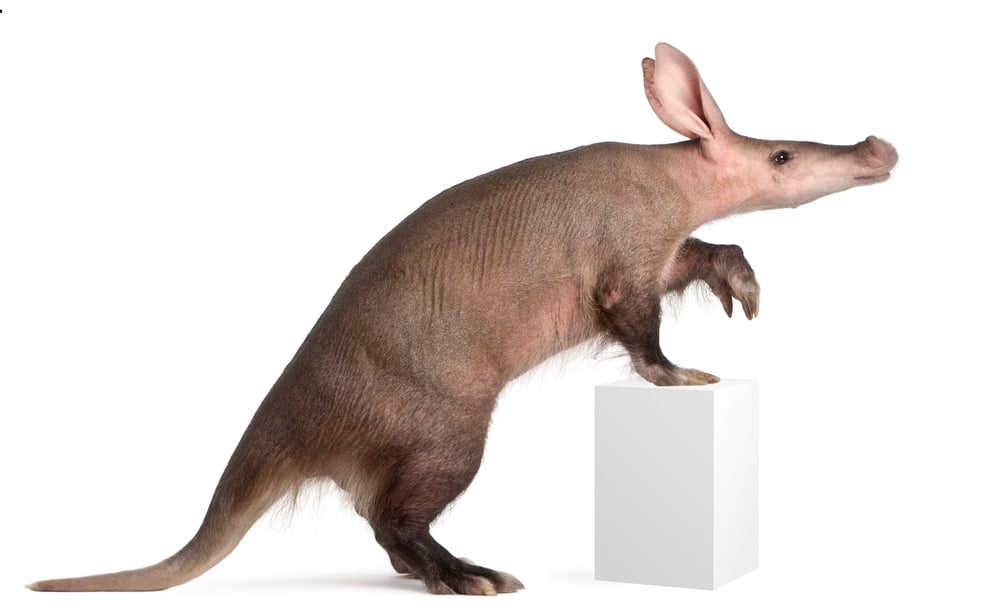
The aardvark’s entire body is streamlined for underground work—low to the ground for leverage, powerful shoulders for digging force, and a tapered shape that moves efficiently through tunnels. Their center of gravity is positioned perfectly for digging operations.
The cylindrical body shape also reduces drag when moving through self-made tunnels. Every aspect of their build serves the underground lifestyle they’ve mastered.
Like Go2Tutors’s content? Follow us on MSN.
Flexible Sleep Schedule Avoids Predators
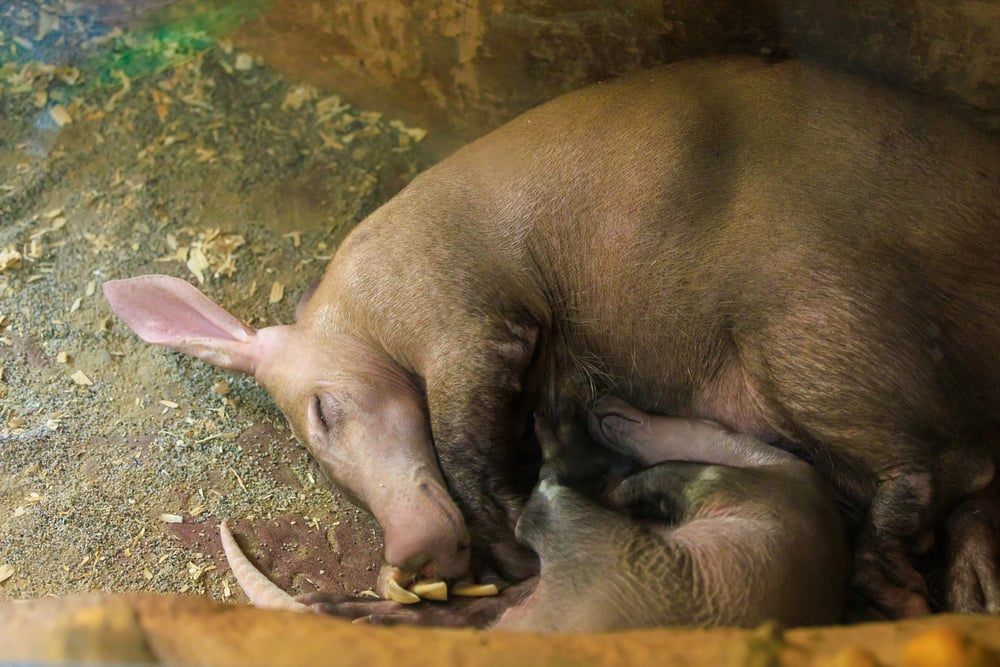
Aardvarks are primarily nocturnal, emerging when most of their predators are less active or have reduced visibility. This flexible schedule also allows them to hunt when termites are most active and accessible.
They can adjust their activity patterns based on seasonal changes, food availability, and predator presence. This behavioral flexibility gives them a significant survival advantage over animals with rigid schedules.
Efficient Metabolism Conserves Energy
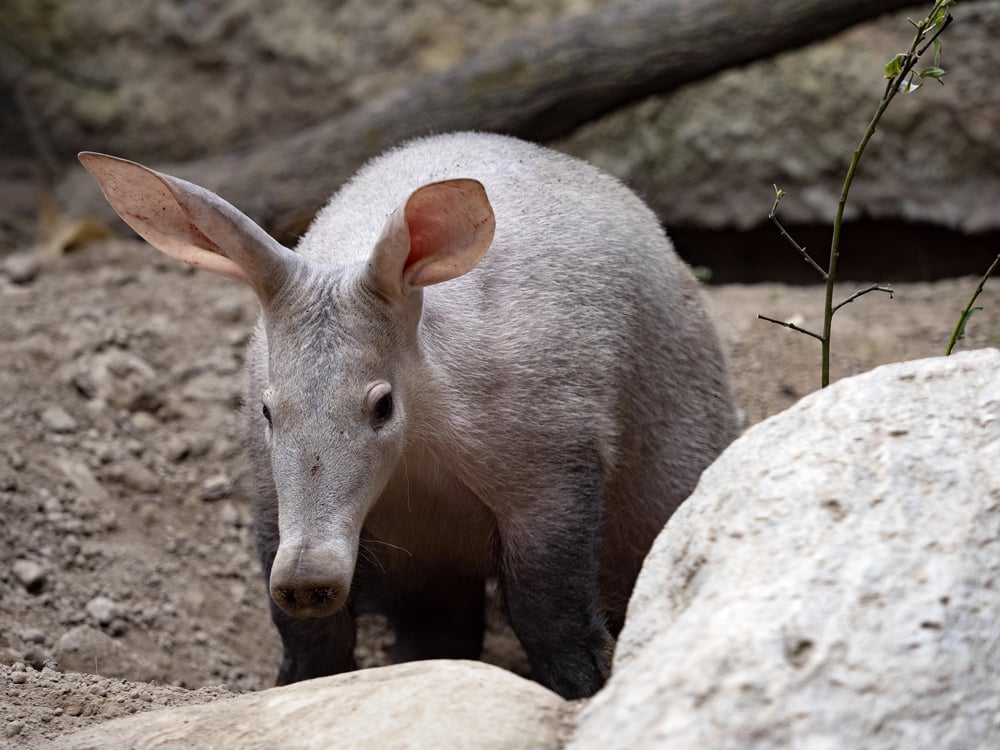
Aardvarks have one of the lowest metabolic rates among mammals their size, allowing them to survive on relatively small amounts of food. This efficiency means they can thrive even when termite populations fluctuate seasonally.
Their slow metabolism also reduces their water needs—crucial in arid environments. It’s like having a fuel-efficient engine that runs perfectly on whatever’s available.
Strategic Burrow Construction Ensures Safety
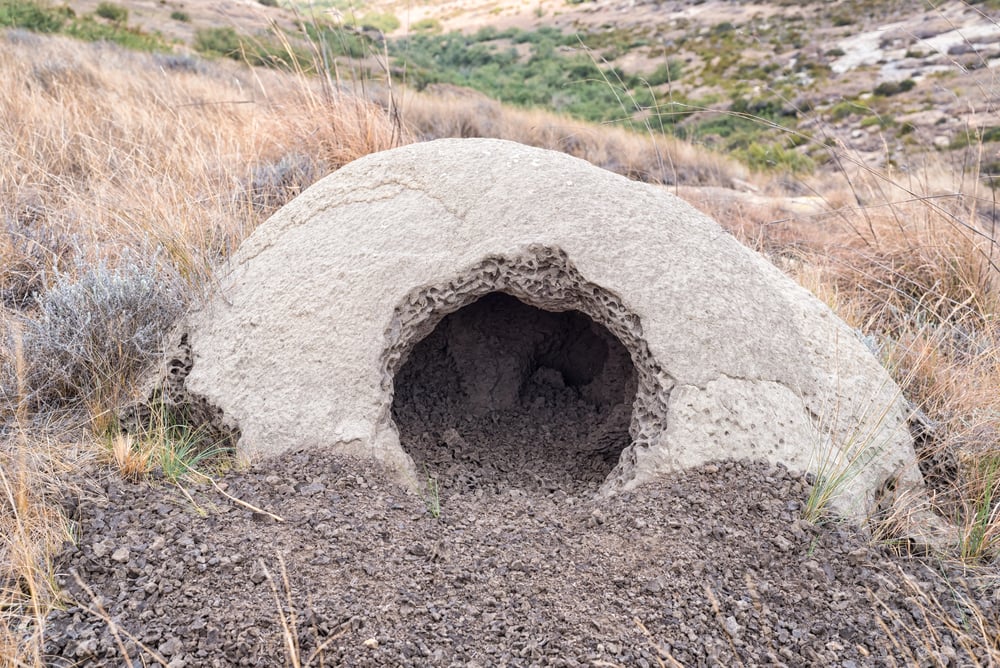
Aardvark burrows aren’t random pits—they’re sophisticated engineering projects with multiple entrances, ventilation systems, and nursery chambers. These underground homes maintain stable temperatures year-round and provide protection from predators and weather.
The burrows often have escape tunnels and can extend 20 feet underground. Many other animals later use abandoned aardvark burrows, making them important ecosystem engineers.
Like Go2Tutors’s content? Follow us on MSN.
Minimal Water Requirements Suit Dry Climates

Aardvarks obtain most of their water from their insect prey and can survive extended periods without drinking. Their kidneys are extremely efficient at conserving water, and they lose minimal moisture through their skin.
This adaptation allows them to thrive in semi-arid regions where water sources are scarce or seasonal. They’ve essentially become independent of external water sources.
Solitary Lifestyle Reduces Resource Competition
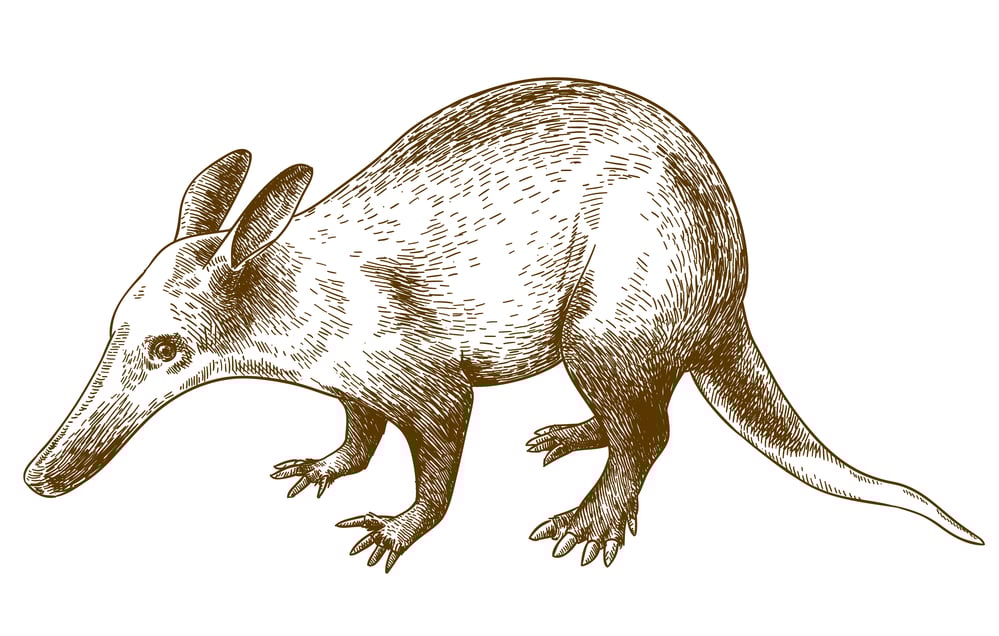
By living alone except during mating season, aardvarks eliminate competition for territory and food resources with their own species. This solitary lifestyle also reduces the risk of disease transmission and makes them harder for predators to locate.
Each aardvark maintains a large territory with multiple burrow sites, ensuring they always have food sources and safe retreats available.
Nature’s Ultimate Specialist
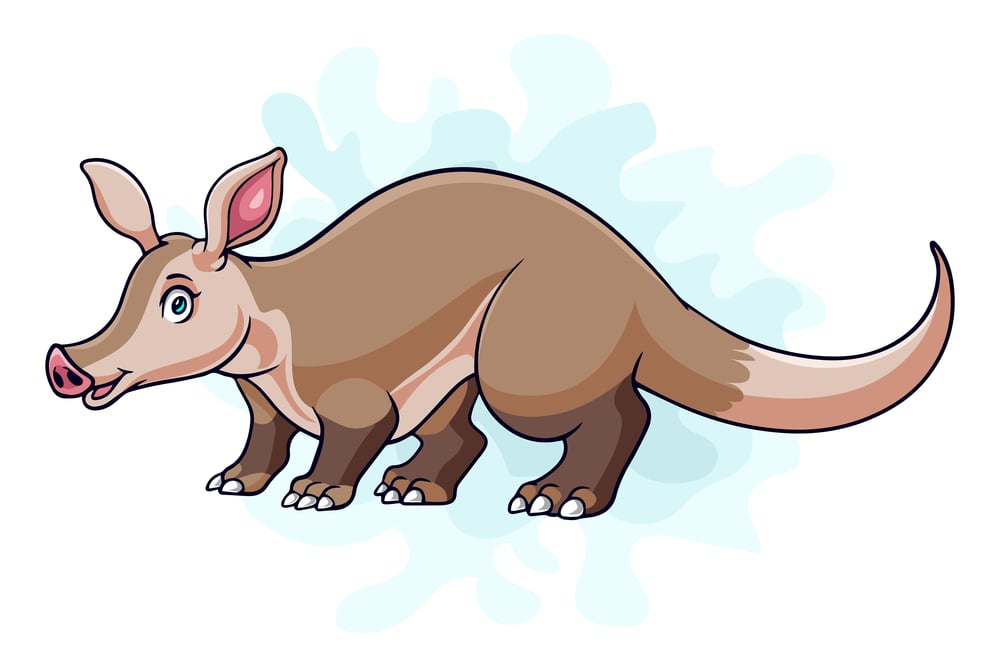
The aardvark demonstrates that finding your ideal niche and perfecting it is more important for survival than being the largest, fastest, or fiercest. From those enormous ears to that unusual snout, every seemingly strange characteristic of this amazing animal has a specific function in its survival.
The aardvark has established a niche for itself in which it faces little competition and achieves maximum success, in contrast to other animals that engage in intense competition for resources. Aardvarks have flourished for millions of years thanks to this evolutionary strategy of deep specialization, demonstrating that sometimes the most unconventional approach is also the most successful.
More from Go2Tutors!

- 16 Historical Figures Who Were Nothing Like You Think
- 12 Things Sold in the 80s That Are Now Illegal
- 15 VHS Tapes That Could Be Worth Thousands
- 17 Historical “What Ifs” That Would Have Changed Everything
- 18 TV Shows That Vanished Without a Finale
Like Go2Tutors’s content? Follow us on MSN.



