Interesting facts about the Windy City
Chicago has earned countless nicknames over the years, but none stick quite like the ‘Windy City.’ This metropolis sitting pretty on Lake Michigan’s shores has stories that stretch far beyond its famous gusts of air. From groundbreaking architecture to culinary innovations that sparked nationwide debates, Chicago’s history reads like an adventure novel filled with ambitious characters and bold moves.
The Second City has been shaping American culture for well over a century, leaving fingerprints on everything from skyscrapers to deep-dish pizza. Here are fascinating facts about Chicago that reveal why this Midwestern powerhouse continues to capture imaginations around the world.
The ‘Windy City’ nickname isn’t about weather
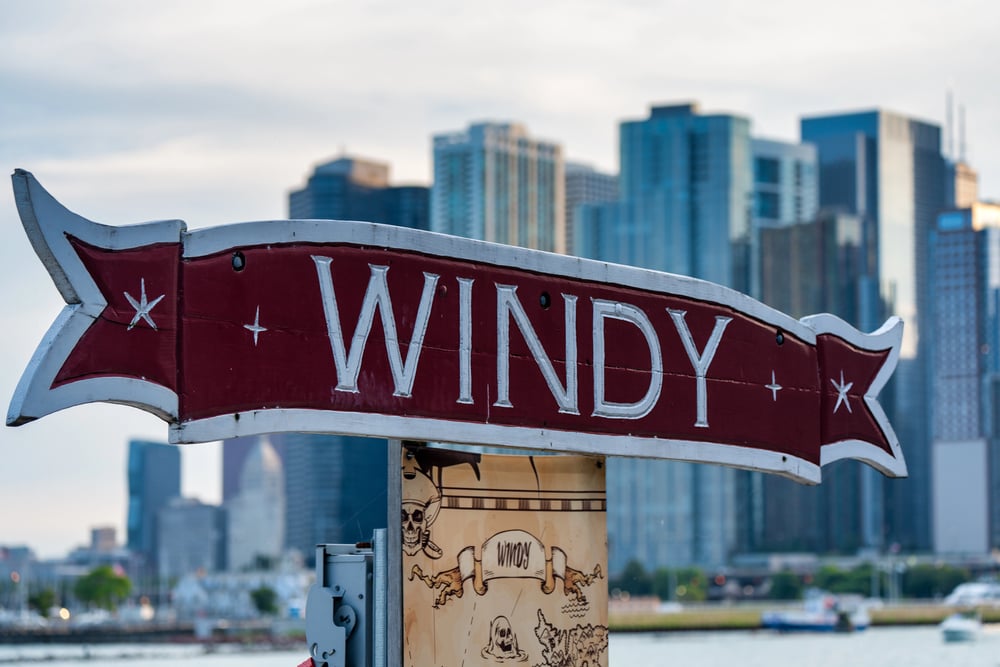
Most people assume Chicago earned its famous moniker because of harsh lakefront breezes, but that’s not the whole story. The nickname actually traces back to the 1870s, when rival cities like Cincinnati started calling Chicago politicians ‘full of hot air’ during heated competitions for hosting major events. When Chicago aggressively campaigned to host the 1893 World’s Columbian Exposition, newspapers accused the city’s boosters of being braggadocious, cementing the ‘windy’ reputation. The weather connection came later, though Chicago ironically isn’t even among America’s windiest cities.
Chicago isn’t actually the windiest city in America

Despite its famous nickname, Chicago doesn’t crack the top windiest cities in the United States – that honor goes to places like Dodge City, Kansas at 13.9 mph average wind speed, and Amarillo, Texas at 13.5 mph. Boston regularly experiences wind speeds up to two miles per hour faster than Chicago’s. The lakefront location does create some blustery conditions, especially when those famous winter winds whip off Lake Michigan, but meteorologically speaking, Chicago got its nickname through politics rather than pure wind power.
Deep-dish pizza was born from wartime rationing

Chicago’s iconic deep-dish pizza emerged in 1943 at Pizzeria Uno, founded by Ike Sewell and Richard Riccardo at 29 East Ohio Street. The timing wasn’t coincidental – during World War II, the ingredients for pizza dough like wheat flour, corn oil, salt, and yeast weren’t rationed, making pizza an affordable meal when other foods were scarce. The hearty, filling deep-dish style proved perfect for manual laborers returning from the war. What started as practical wartime cooking became Chicago’s most famous culinary export.
The pizza sauce goes on top for a good reason
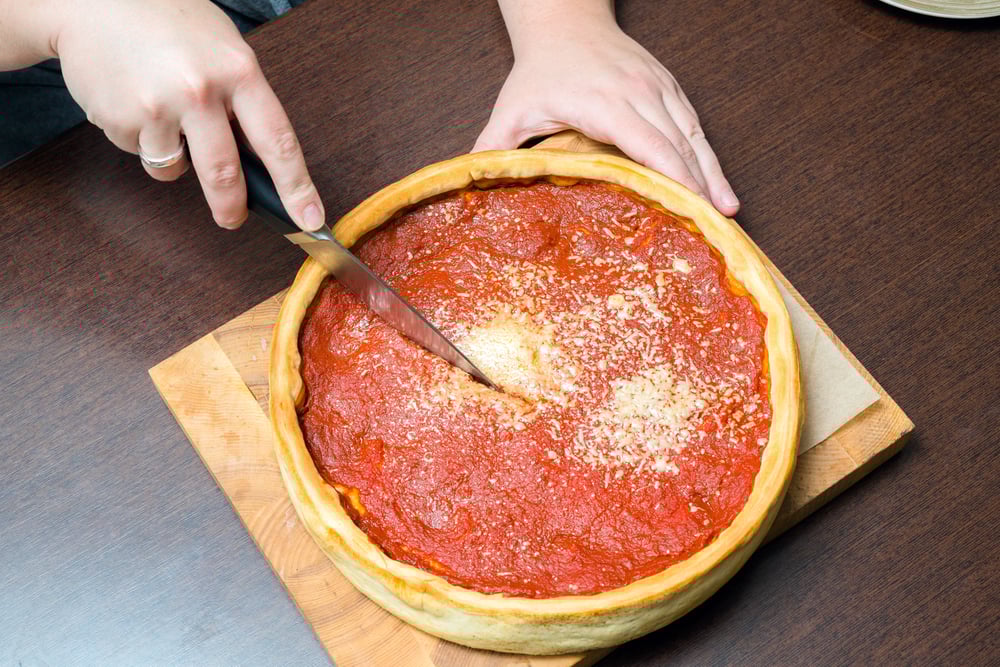
Chicago deep-dish pizza has a unique construction where the cheese goes directly on the crust and the tomato sauce sits on top – this isn’t just to be different, it’s functional. The sauce layer protects the cheese from burning during the longer cooking time that thick deep-dish pizza requires. The original recipe from 1943 was cooked in a pie pan or cake tin, which gave the pizza its characteristically high edges and room for lots of toppings. This inverted approach to pizza construction sparked debates that continue today about whether deep-dish counts as ‘real’ pizza.
Chicago reversed an entire river’s flow
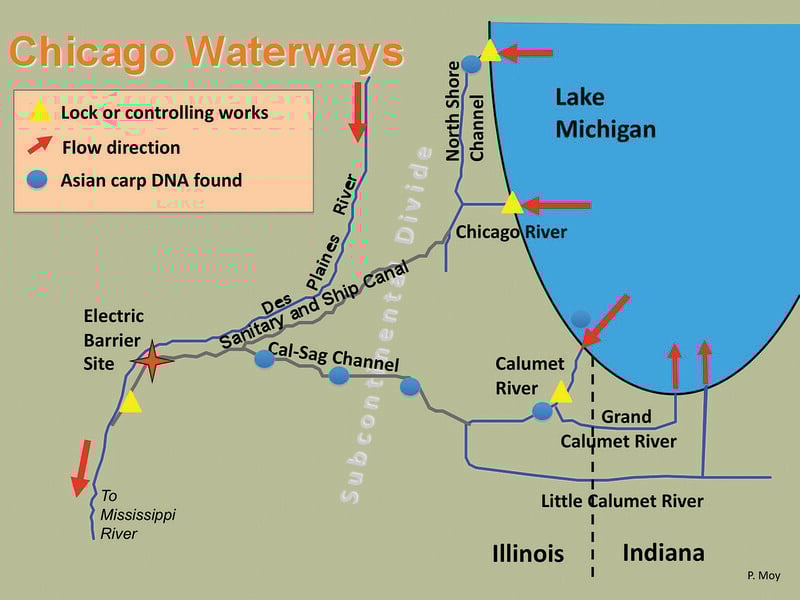
In 1900, Chicago pulled off one of the most ambitious engineering projects in American history by successfully reversing the flow of the Chicago River so it would empty into the Mississippi River instead of Lake Michigan. This massive undertaking was recognized as the largest public earth-moving project ever completed at the time. The project helped solve serious pollution problems that were contaminating the city’s drinking water supply from Lake Michigan. Talk about thinking big – Chicago literally changed the direction of nature itself.
The first skyscraper in the world rose in Chicago

Chicago is home to the world’s first skyscraper – the 10-story Home Insurance Building. The Great Chicago Fire of 1871 destroyed one-third of the city and left more than 100,000 homeless, but it created an opportunity for architectural innovation. The massive rebuilding effort led to revolutionary construction techniques and designs that would define modern cityscapes. Chicago’s architects didn’t just rebuild – they reimagined what buildings could be, launching the age of vertical cities that would spread worldwide.
Frank Lloyd Wright left his mark all over the area

Chicago and nearby Oak Park contain approximately 41 examples of Frank Lloyd Wright designs – 16 in Chicago proper and another 25 in Oak Park. Wright’s Prairie School of architecture actually originated in Chicago, influencing building design across America. Two of his Chicago-area masterpieces, the Robie House in Hyde Park and the Unity Temple in Oak Park, have been designated as UNESCO World Heritage sites. Wright’s geometric, horizontal designs perfectly captured the spirit of the Midwest’s endless prairie landscapes.
The city has 26 miles of lakefront and beaches
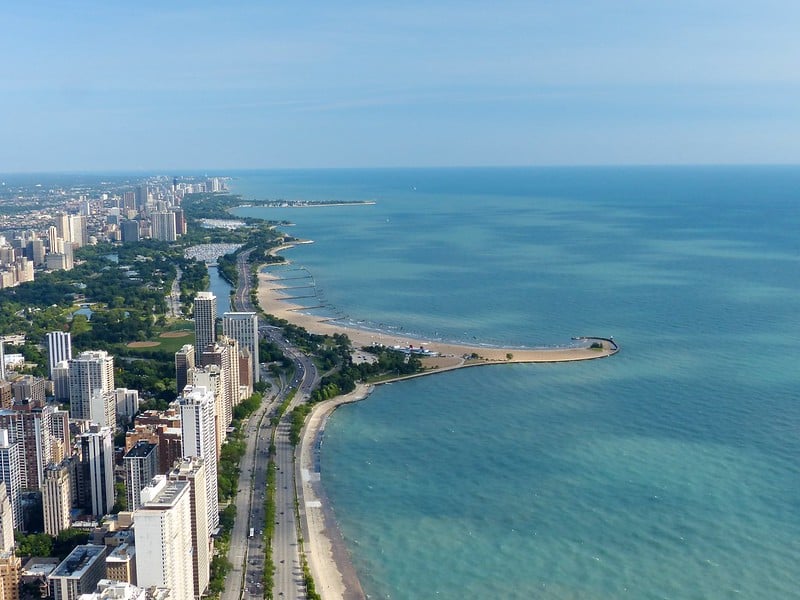
Chicago boasts an impressive 26 miles of lakefront property along Lake Michigan, including an 18.5-mile lakefront path. This stretch of shoreline is home to 26 different beaches. Imagine having a marathon-length running path right along one of the Great Lakes – that’s exactly what Chicago offers. The lakefront serves as the city’s backyard, providing recreation space that rivals any coastal city despite being hundreds of miles from an ocean.
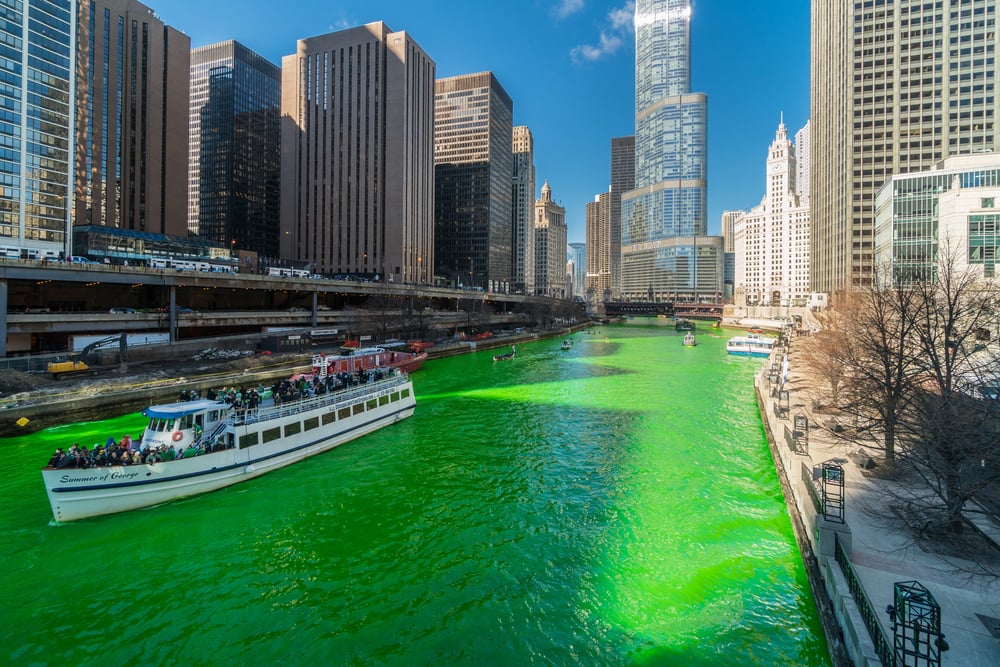
Chicago dyes its river green every St. Patrick’s Day
— Photo by Tzido
Every year on St. Patrick’s Day, Chicago turns the Chicago River bright green in one of the city’s most beloved traditions. The practice started in 1962 and uses an environmentally safe vegetable dye that lasts for several hours. Thousands of people line the riverbanks to watch the transformation, which creates one of the most photographed scenes in the city each March. It’s a perfect example of Chicago’s flair for the dramatic and its love of a good celebration.
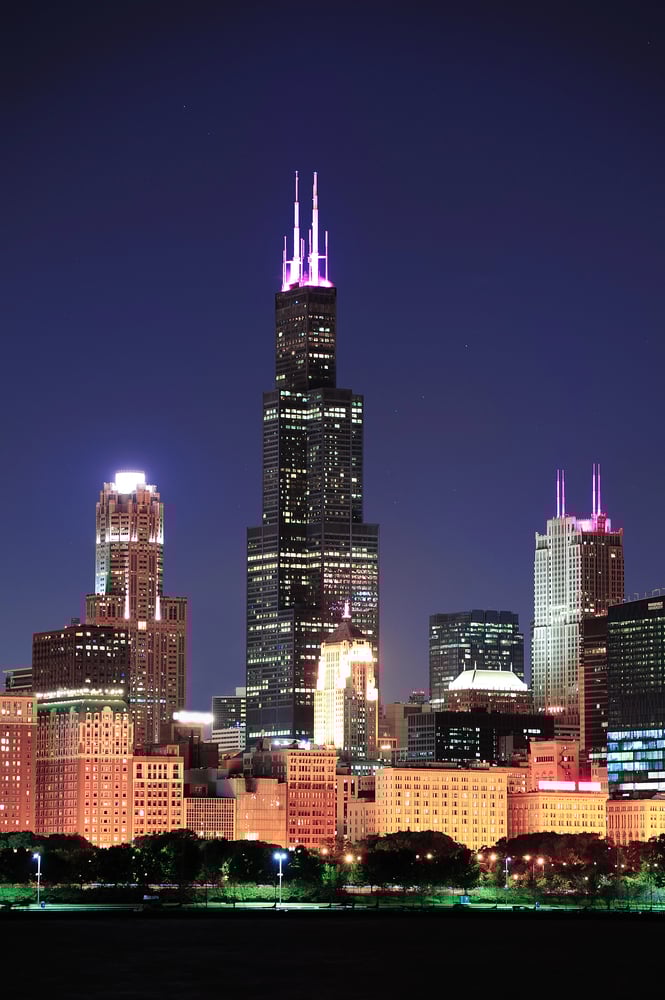
The Willis Tower elevators are among the world’s fastest
— Photo by rabbit75_dep
Willis Tower, formerly known as Sears Tower, stands 1,730 feet tall, making it the second-tallest building in the Western Hemisphere. The building’s elevators operate at speeds up to 1,600 feet per minute, ranking among the fastest in the world. Willis Tower held the title of tallest building until New York’s One World Trade Center was completed in 2014. Those speedy elevators mean you can zoom from ground level to the observation deck in about 60 seconds.
Chicago was home to the world’s largest food festival

Chicago hosts The Taste of Chicago, one of the biggest outdoor food festivals in the world, attracting more than one million visitors annually from around the globe. The festival has been running for decades and showcases not just Chicago’s famous deep-dish pizza and Italian beef, but cuisine from dozens of cultures that call the city home. It’s like having the world’s largest restaurant scattered across Grant Park for several days each summer.
The city has an underground pedestrian network

— Photo by wasppics
Downtown Chicago features an underground pedestrian system called the Pedway, consisting of tunnels and overhead bridges that cover roughly 5 miles and connect more than 40 blocks in the Central Business District. The city also has unique multi-leveled streets, with Wacker Drive being the most famous example – it’s essentially a double-decker street with an upper-level riverfront boulevard and lower-level roadway for commercial traffic. These features help people navigate the city year-round, especially during brutal winter weather.
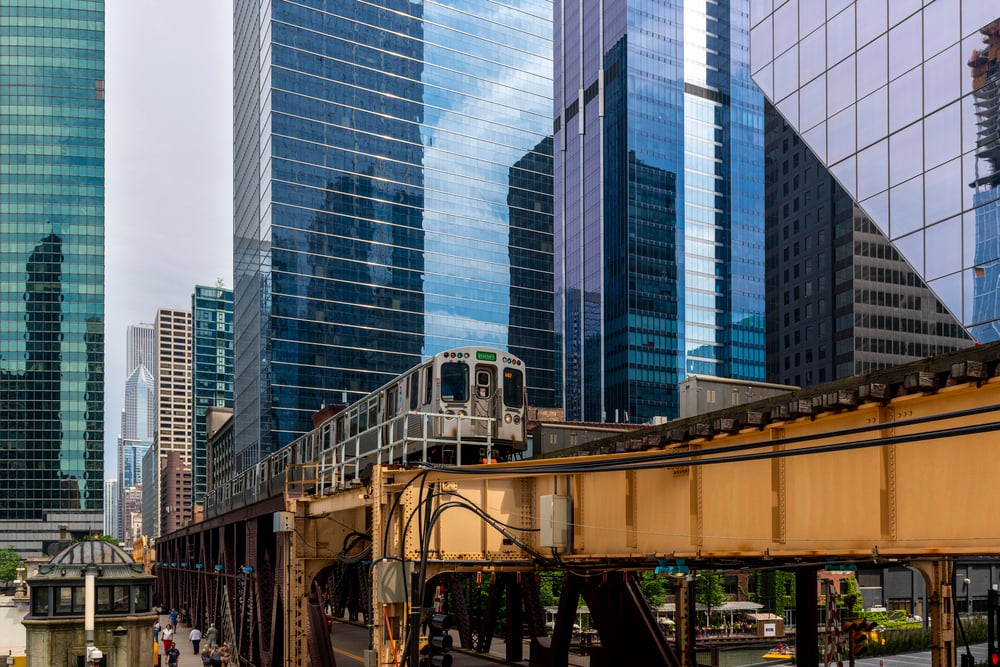
Chicago is America’s railroad capital
— Photo by jacek_kadaj
Chicago serves as the United States’ railroad capital, with more major railroads serving the city than any other place in America. This strategic position helped make Chicago the perfect location for industries like meatpacking, since farms across the Midwest could easily ship livestock and products to the city’s processing facilities. The railroad network also helped establish Chicago as a major commercial hub that connected East and West Coast markets.
The first permanent resident was a Haitian entrepreneur

Chicago’s first permanent settler in 1779 was Jean Baptiste Point du Sable, an African-American businessman and trapper from what is now Haiti. Du Sable built the trading post that eventually evolved into the city of Chicago. His entrepreneurial spirit set the tone for what would become one of America’s great commercial centers. The city didn’t officially incorporate as a town until 1833 and as a city in 1837.
The name ‘Chicago’ means ‘onion field’

The name Chicago was first recorded in 1688 as ‘Chigagou,’ an Algonquian word meaning ‘onion field’. The name likely referred to the wild onions and leeks that grew abundantly in the marshy areas around the Chicago River. It’s pretty fitting that a city famous for layered deep-dish pizza got its name from a layered vegetable. The indigenous peoples who lived in the region long before European settlement chose a name that captured the area’s natural characteristics.
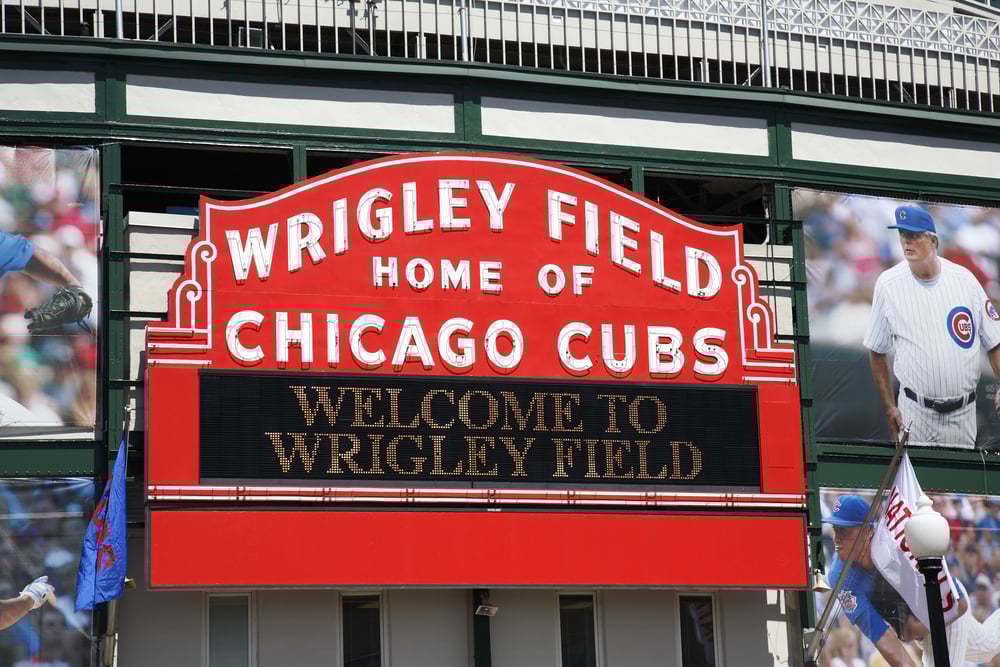
Wrigley Field is the second-oldest ballpark in Major League Baseball
— Photo by Ffooter
Wrigley Field ranks as the second oldest ballpark in Major League Baseball, trailing only Boston’s Fenway Park. The ‘Friendly Confines’ opened in 1914 and has become synonymous with Chicago Cubs baseball and the team’s long-suffering fans. The ballpark’s ivy-covered walls and manual scoreboard preserve baseball tradition in an era of high-tech stadiums. When the Cubs finally broke their championship drought in 2016, Wrigley Field was the site of one of the most emotional celebrations in sports history.
Chicago houses 56 museums including a real T-Rex

— Photo by fotofoster1
The Windy City is home to 56 museums, including the famous Field Museum where visitors can see an actual Tyrannosaurus Rex skeleton. The museum district creates one of the most impressive cultural corridors in America, with world-class institutions clustered along the lakefront. From natural history to modern art, Chicago’s museum scene rivals any major city globally. The concentration of educational and cultural resources helps explain why Chicago attracts students and researchers from around the world.
A City That Shaped America’s Future
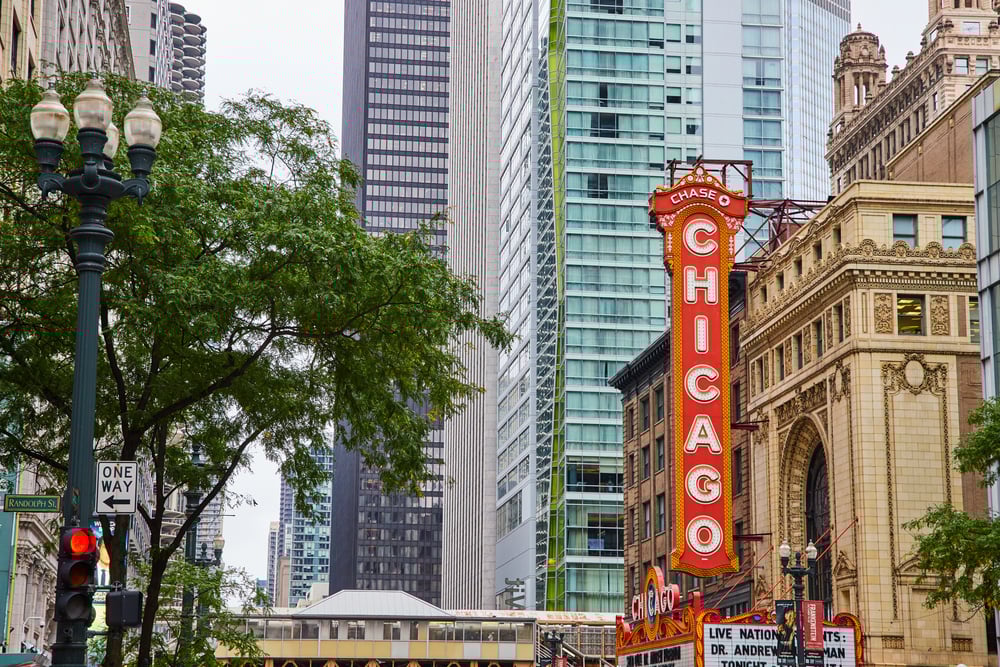
Chicago’s story reads like a handbook for American ambition. This city rebuilt itself from ashes, reversed rivers, invented new types of architecture, and created foods that sparked national debates. The ‘Windy City’ nickname might have started as an insult about overly talkative politicians, but it evolved into something Chicago wears with pride. After all, it takes a lot of hot air – or confidence – to convince the world that pizza sauce belongs on top, that buildings can scrape the sky, and that a river should flow backward simply because a city needs it to.
More from Go2Tutors!

- 16 Historical Figures Who Were Nothing Like You Think
- 12 Things Sold in the 80s That Are Now Illegal
- 15 VHS Tapes That Could Be Worth Thousands
- 17 Historical “What Ifs” That Would Have Changed Everything
- 18 TV Shows That Vanished Without a Finale
Like Go2Tutors’s content? Follow us on MSN.